Think of the most unlikely sanctuary you can imagine. Picture a place so remote that it seems impossible to harbor life, let alone nurture the ancestors of every bird you see today. While today’s Antarctica appears harsh and unforgiving, this icy continent might have been exactly that sanctuary for early bird ancestors, especially after a devastating asteroid slammed into Earth.
This isn’t just another extinction story. Scientists have discovered something extraordinary: fossil evidence of an early relative of ducks and geese called Vegavis iaai that lived in Antarctica at the same time Tyrannosaurus rex dominated North America. Their findings reveal a completely different perspective on how the earliest modern birds not only survived but actually thrived after one of Earth’s most catastrophic events. Let’s explore this remarkable story of survival, evolution, and the unexpected role Antarctica played in shaping the bird world we know today.
The Discovery That Changed Everything
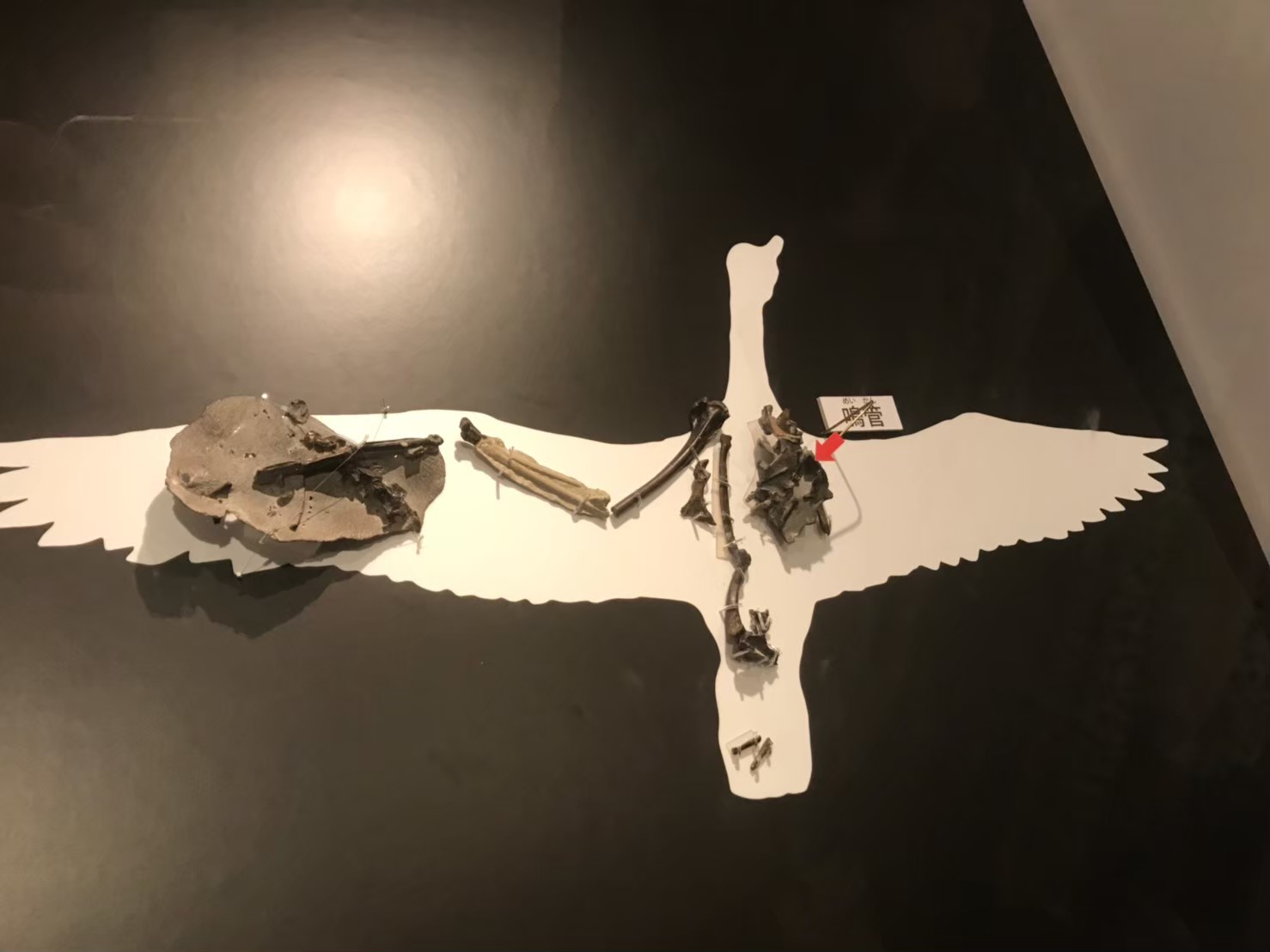
The fossil that sparked this revelation was collected in 2011 during an expedition by the Antarctic Peninsula Paleontology Project. It consists of a nearly complete Vegavis iaai skull, representing one of the earliest known birds dating back roughly 66 to 68 million years ago to the latest part of the Cretaceous Period. What makes this discovery particularly significant is its completeness.
Scientists generated a near-complete three-dimensional reconstruction of the new skull to study its anatomy. They discovered that Vegavis possessed a long, pointed beak and a brain shape considered unique among all known birds previously discovered from the Mesozoic Era. This wasn’t just another ancient bird fossil. Vegavis’ distinctive features place it firmly within the group that includes all modern birds, representing the earliest evidence of birds’ eventual widespread distribution across our planet.
Antarctica as an Unlikely Refuge
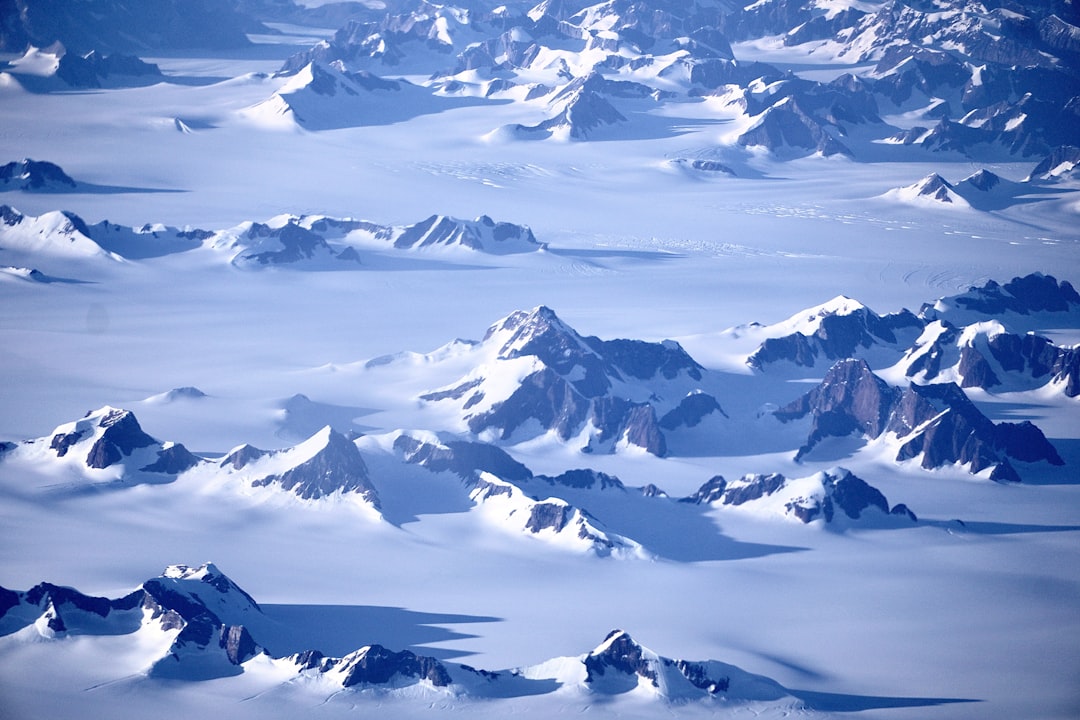
Location matters tremendously, as Antarctica may have served as a refuge, protected by its considerable distance from the turmoil taking place elsewhere on the planet. There was substantial distance between the asteroid impact site near the Yucatán Peninsula of Mexico and Antarctica, which may have allowed some birds to survive the environmental upheaval.
Fossil evidence suggests Antarctica had a temperate climate with lush vegetation, possibly serving as an incubator for the earliest members of the group that now includes ducks and geese. The annual mean air temperature was around 12 degrees Celsius, roughly two degrees warmer than modern Germany, with average summer temperatures around 19 degrees Celsius. This was a completely different world from the frozen wasteland we know today.
The Great Catastrophe and Its Aftermath
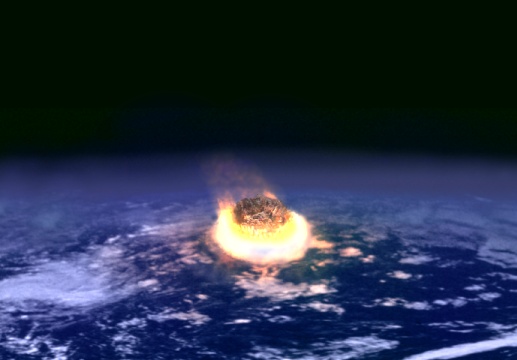
Sixty-six million years ago, at the end of the Cretaceous Period, an asteroid impact near the Yucatán Peninsula of Mexico triggered the extinction of all known non-bird dinosaurs. The asteroid, more than six miles across, triggered the fifth mass extinction in world history, with debris thrown into the atmosphere returning to Earth and turning the air into an oven while sparking forest fires across the globe.
The intensity of the heat pulse gave way to a prolonged impact winter, with skies blotted out by soot and ash as temperatures fell, ultimately eliminating more than 75 percent of species known from the end of the Cretaceous period. Only a small fraction of ground and water-dwelling Cretaceous bird species survived the impact, giving rise to today’s birds. Yet somehow, in Antarctica’s distant refuge, early bird ancestors found a way to endure.
Why Some Birds Survived While Others Perished
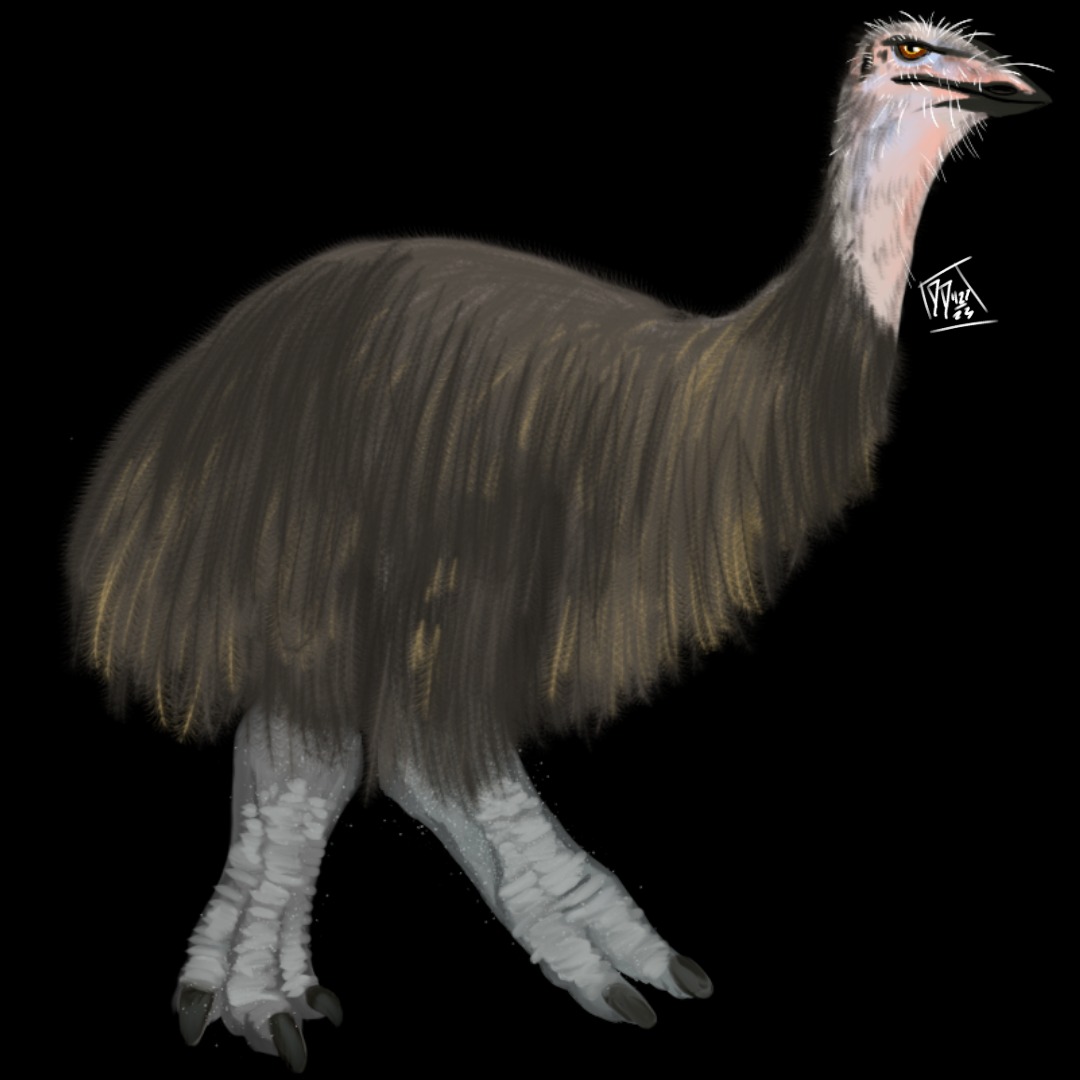
The only birds that survived were ground-dwellers, including ancient relatives of ducks, chickens, and ostriches, with analyses showing that the most recent common ancestor of all living birds and all bird lineages that crossed the end-Cretaceous boundary were likely ground-dwelling. The impact and its aftermath obliterated forests worldwide, leading to the mass extinction of prehistoric tree-dwelling birds.
The toothless, beaked birds that ate seeds also preferentially survived the extinction, with survivors possibly having the perfect combination: they lived on the ground, ate seeds, were adaptable, fast-growing, and able to fly well. Beaked birds were able to feed on the seeds of destroyed forests and wait out the decades until vegetation returned, with birds possessing beaks and powerful gizzards capable of crushing tough seeds having an unexpected survival advantage.
The Vegavis Mystery and Its Resolution
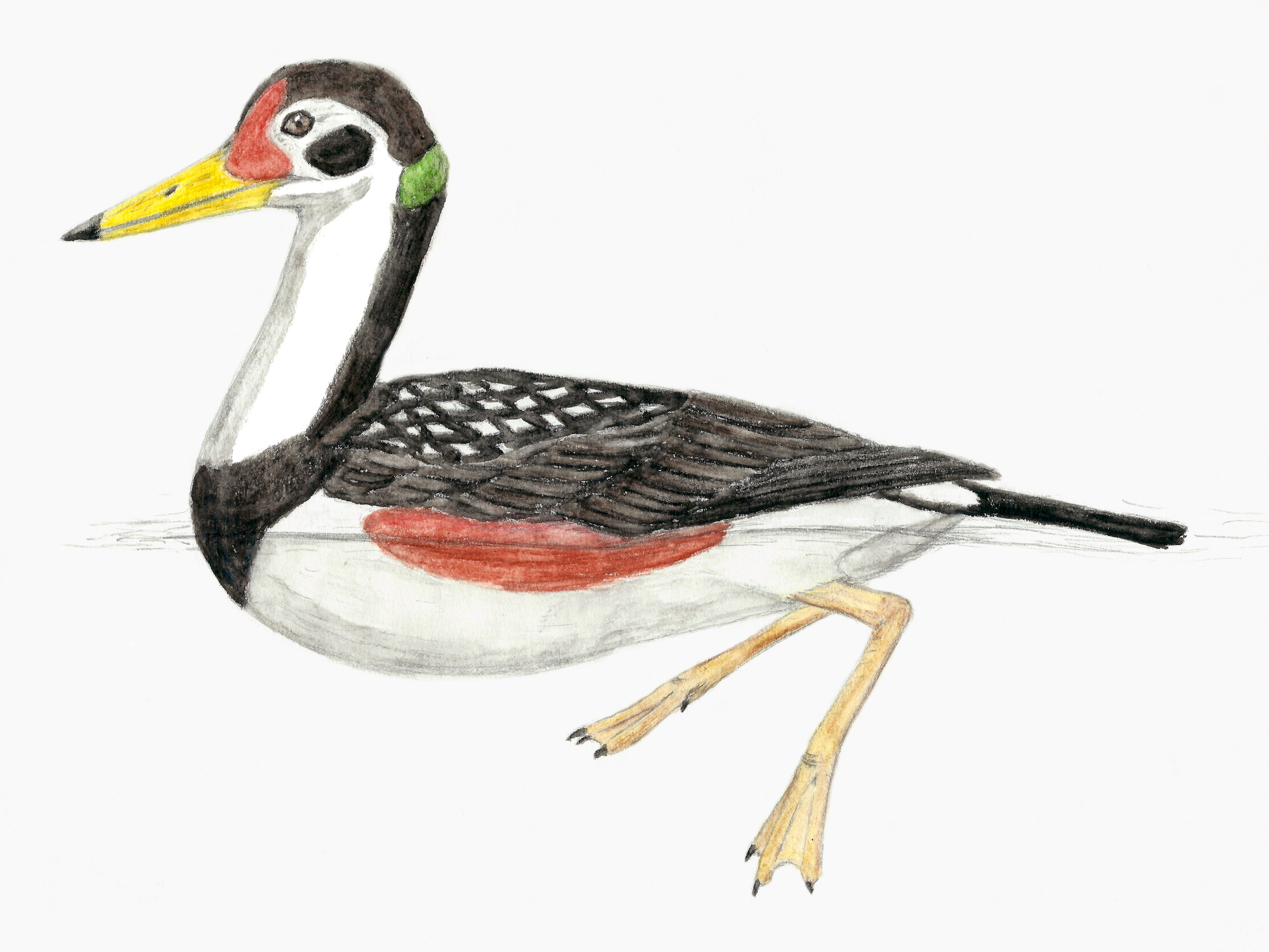
Vegavis was first reported 20 years ago by study co-author Julia Clarke from The University of Texas at Austin and several colleagues. Initially, it was proposed as an early member of modern birds within the waterfowl group. However, modern birds are extremely rare in the fossil record from before the end-Cretaceous extinction, and more recent studies cast doubt on where Vegavis should be placed on the bird evolutionary tree.
As paleontologist Christopher Torres noted, “Few birds are as likely to start as many arguments among paleontologists as Vegavis”. The new specimen described in recent studies finally provided what all previous fossils of this bird had lacked: a nearly complete skull that helps lay skepticism to rest, preserving several traits consistent with modern birds, specifically waterfowl.
Unique Adaptations of Early Antarctic Birds
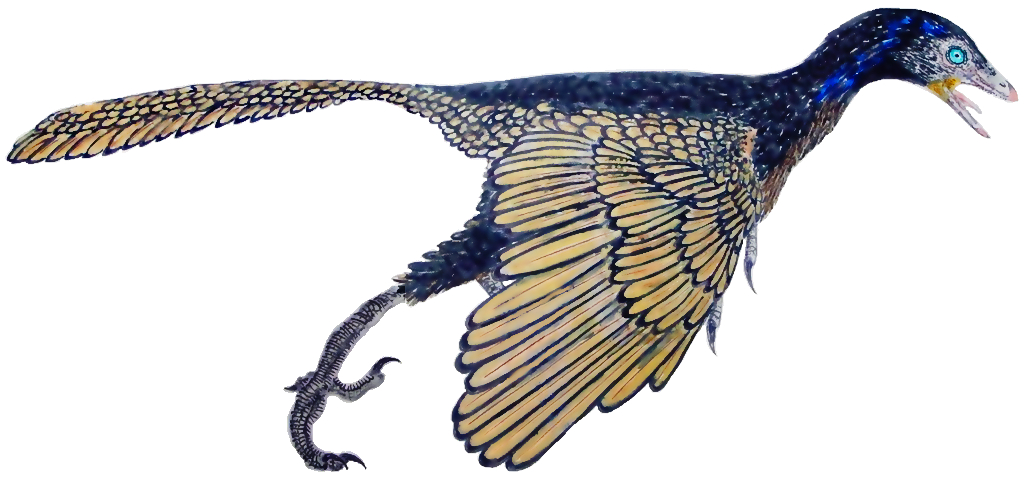
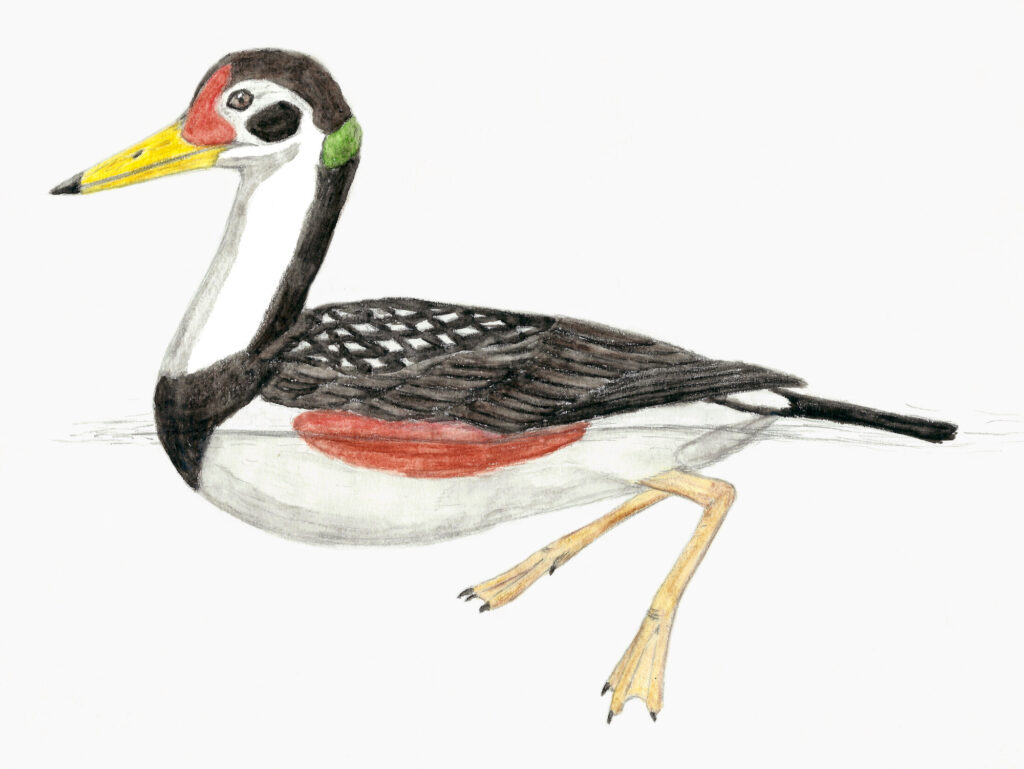
Skull features reveal that Vegavis used its feet for underwater propulsion during pursuit of fish and other prey, employing a feeding strategy unlike that of modern waterfowl and more similar to birds such as grebes and loons. The duck-like Vegavis iaai had strong jaws for snatching fish. Unlike most waterfowl today, the skull preserves traces of powerful jaw muscles useful for overcoming water resistance while diving to snap up fish.
Vegavis possessed an avian beak with absence of teeth and reduced maxilla, along with a distinctive brain shape featuring a hyperinflated cerebrum and ventrally shifted optic lobes. These characteristics firmly established its place among modern bird lineages while showcasing unique ecological adaptations that helped it thrive in Antarctic waters.
Antarctica’s Extraordinary Cretaceous Environment
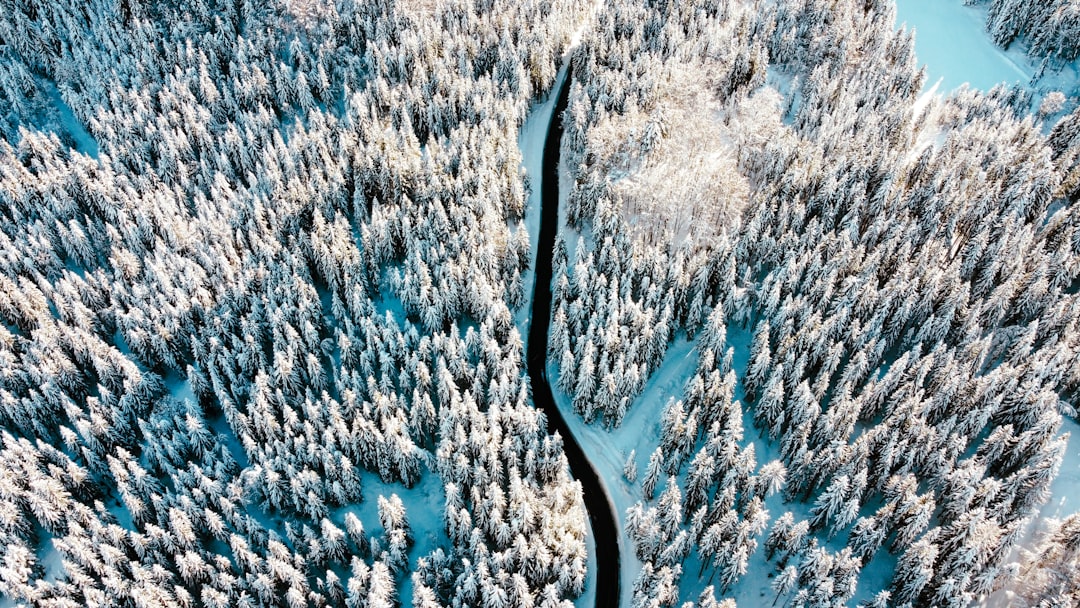
During the Cretaceous Period, global average temperatures were about 10 degrees Celsius higher than today, with carbon dioxide levels approximately 1000 parts per million, 2.5 times the current atmospheric concentration. Temperate forests thrived at polar latitudes, with fossilized flora evidence suggesting the presence of paleoforests up to latitudes of 85 degrees in both hemispheres.
This prevented permanent ice sheets from developing and fostered polar forests largely dominated by conifers, cycads, and ferns, which relied on a temperate climate and heavy rainfall. The environment featured a temperate climate with heavy rainfall, and the discovery of several mature evergreen and deciduous trees indicates warm-to-cool temperatures with moderate seasons lacking widespread freezing between latitudes 70 and 85 degrees south.
The Global Picture of Bird Evolution
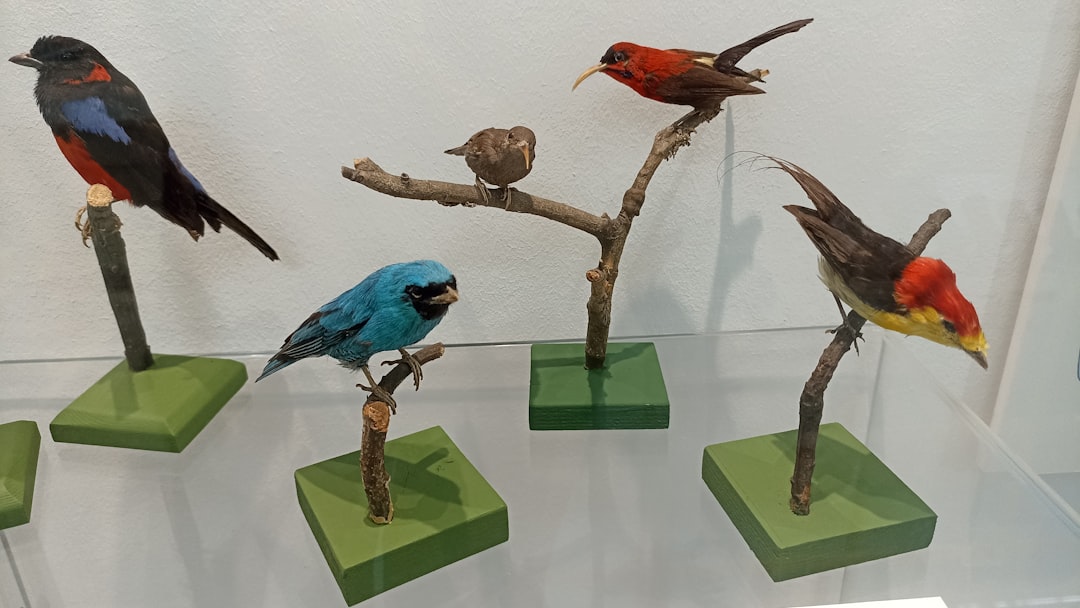
Research suggests that the last common ancestor of all modern birds lived in West Gondwana, a landmass that included fragments of South America and large portions of Antarctica, about 95 million years ago. All three major bird groups had already arisen by the time the dinosaur-killing asteroid struck our planet 66 million years ago.
Although the resulting extinctions may not have triggered the original diversification of birds, by eliminating many ecological competitors, the extinction provided opportunities for survivors to diversify and spread. Many evolutionary trees show rapid bird evolution right after the mass extinction event at the end of the Cretaceous. This pattern suggests that while bird lineages existed before the asteroid impact, the extinction event accelerated their diversification and global spread.
Implications for Understanding Modern Bird Origins
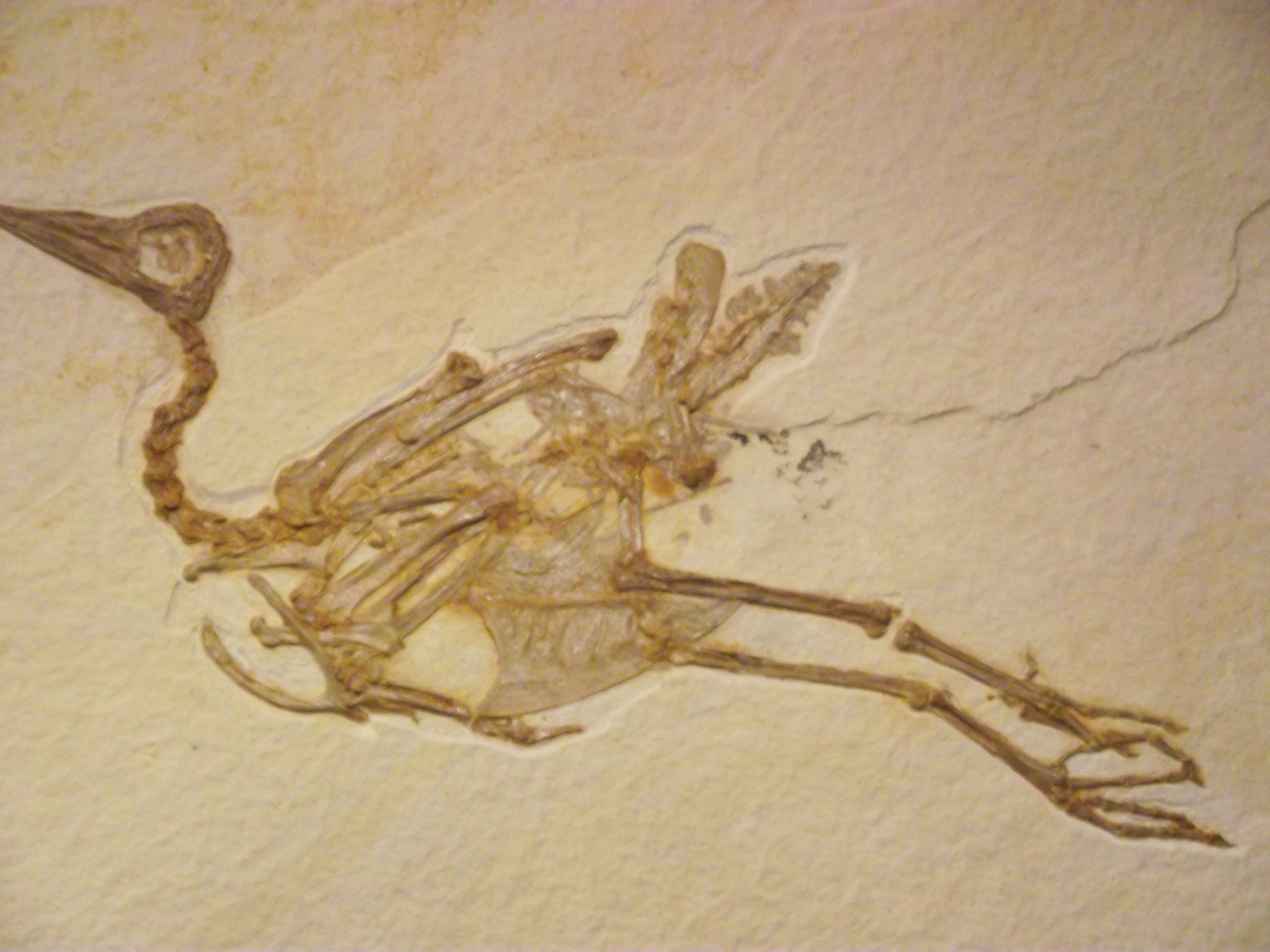
As paleontologist Patrick O’Connor explained, “This fossil underscores that Antarctica has much to tell us about the earliest stages of modern bird evolution”. Those few places with substantial fossil records of Late Cretaceous birds, like Madagascar and Argentina, reveal bizarre, now-extinct species with teeth and long bony tails, only distantly related to modern birds.
Something very different seems to have been happening in the far reaches of the Southern Hemisphere, specifically in Antarctica. The discovery represents the earliest-known modern bird in the fossil record, belonging to a loon-like bird called Vegavis iaai that lived 69 million years ago. This finding fundamentally changes our understanding of when and where modern bird characteristics first emerged.
The Future of Antarctic Paleontology

According to Matthew Lamanna of Carnegie Museum of Natural History, “Antarctica is in many ways the final frontier for humanity’s understanding of life during the Age of Dinosaurs”. How the Antarctic landmass helped shape modern ecosystems in deep time remains a topic of active research by scientists from around the world.
The implications extend far beyond a single fossil discovery. Antarctica’s unique position during the Cretaceous, combined with its distinctive climate and isolation, created conditions that may have been crucial for the survival and early evolution of modern bird lineages. Future expeditions to this remote continent will likely uncover additional evidence that continues reshaping our understanding of how life recovered from one of Earth’s most devastating extinction events.
Conclusion
The story of Vegavis and early bird survival in Antarctica reveals nature’s remarkable resilience and adaptability. While a massive asteroid devastated most of Earth’s ecosystems 66 million years ago, Antarctica’s remote location, temperate climate, and lush vegetation provided a sanctuary where the earliest modern birds could not only survive but flourish.
This discovery fundamentally changes how we view bird evolution and mass extinction recovery. Rather than modern birds emerging solely after the catastrophe, they were already establishing themselves in Antarctic waters while dinosaurs ruled other continents. The frozen wasteland we know today once served as evolution’s nursery, nurturing the ancestors of every bird that graces our skies. What other secrets might lie frozen beneath Antarctica’s ice, waiting to rewrite the story of life on Earth?