Global agriculture has reshaped vast landscapes over the past 15 years, targeting ecosystems long overlooked in conservation efforts. Researchers revealed that non-forest habitats such as grasslands, savannas, and open wetlands faced conversion to cropland and pasture at nearly four times the rate of forests between 2005 and 2020. This shift underscores a critical gap in environmental policies that prioritize wooded areas while these open ecosystems, vital for carbon storage and biodiversity, erode under pressure from food, feed, and bioenergy demands.
Conversion Rates Exceed Forest Losses Dramatically
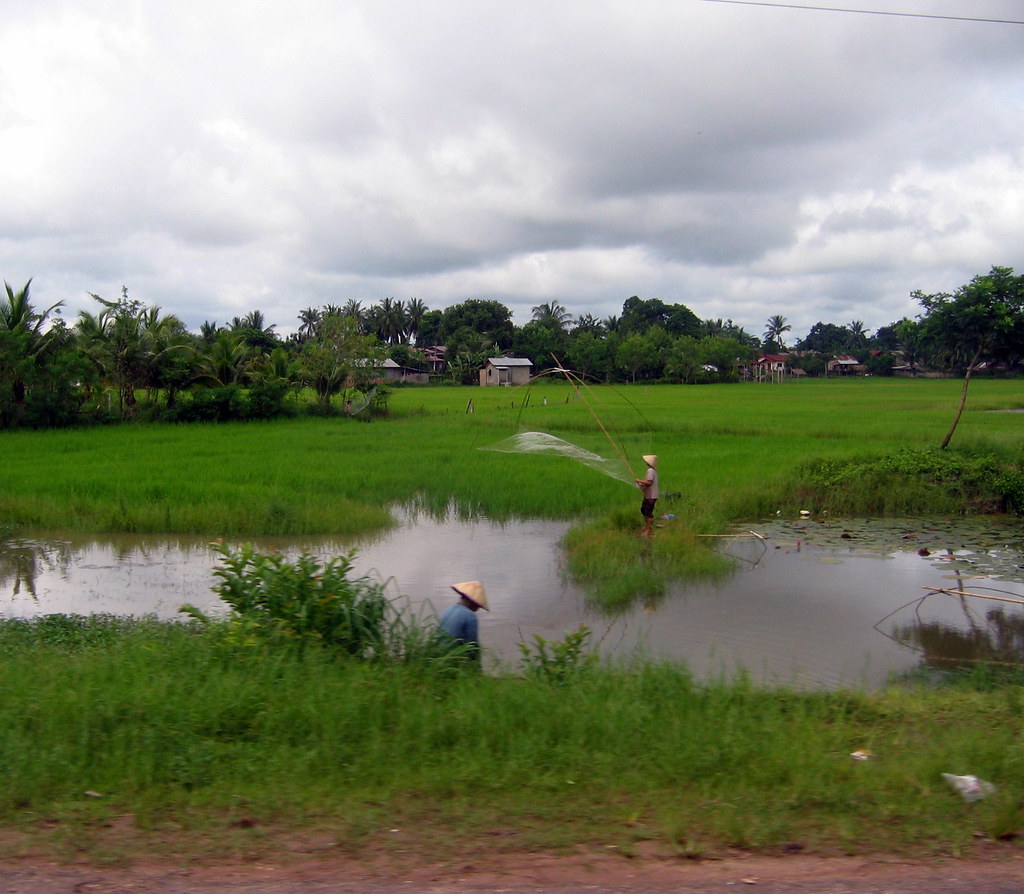
Conversion Rates Exceed Forest Losses Dramatically (Image Credits: Flickr)
The study quantified an astonishing scale of transformation. Up to 95 million hectares of non-forest natural ecosystems gave way to annual crops, with a comparable area converted to pasture, totaling around 190 million hectares – an expanse nearly the size of Indonesia. This occurred at a pace almost four times faster than similar agricultural encroachments on forests, where tree cover exceeded five meters.
Grasslands bore the brunt of these changes, alongside savannas and wetlands. Pasture expansion emerged as the dominant force, accounting for half of all conversions globally. Cropland followed, driven by staples like soy, corn, and rapeseed.
Primary Drivers: Pasture and Crop Expansion
Livestock production fueled much of the land use change. Fully 50 percent of conversions linked directly to pasture, primarily for meat and dairy, with most products meeting domestic needs in producing countries. Feed crops claimed another 17 percent, while food crops took 27 percent and bioenergy uses six percent.
International trade amplified the impact. About 32 percent of feed crops from converted lands entered export markets, alongside 20 percent of all crops. In Brazil and Argentina, export shares for feed reached 70 to 80 percent, often destined for China and Europe. Commodities such as maize, soy, rapeseed, cotton, and sugarcane appeared repeatedly across regions.
Hotspots Span Continents and Major Economies
Brazil topped the list, responsible for 13 percent of global conversions. Russia, India, China, and the United States each contributed roughly six percent. Unlike tropical deforestation concentrated in specific zones, these losses scattered across temperate and boreal regions.
- Brazil: Soy, sugarcane, and extensive pasture growth.
- Australia and Canada: Rapeseed on grasslands.
- United States: Corn and rapeseed for feed.
- India: Cotton expansion.
- Russia: Vast pasture conversions.
Dr. Siyi Kan, lead author of the PNAS study, emphasized the stakes: “Whether for water storage, protection against soil erosion, or as habitat for countless animal and plant species, grasslands provide important ecosystem services that directly benefit both local communities and the global climate.”
Vital Roles of Threatened Ecosystems
These habitats sustain irreplaceable functions. Grasslands hold 20 to 35 percent of terrestrial carbon, while wetlands store over 30 percent of soil organic carbon and support 40 percent of known species. Around 33 percent of global biodiversity hotspots lie within grassland regions.
Losses threaten water regulation, soil stability, and habitats for a billion people’s livelihoods. Martin Persson, a co-author, noted: “This clearly demonstrates the need to focus not only on tropical forests, but also on other types of ecosystems that harbor great biodiversity and store large amounts of carbon.” Forest-centric policies have inadvertently shifted pressures, as seen in Brazil’s Cerrado savannas following Amazon protections.
Charting a Course for Broader Protection
| Country | Share of Global Conversion (%) |
|---|---|
| Brazil | 13 |
| Russia | 6 |
| India | 6 |
| China | 6 |
| United States | 6 |
Researchers urge expanded safeguards. Policies must encompass non-forest areas to curb leakage. Supply chain governance could target exporters and importers alike, while efficiency measures – like cutting 40 percent food waste – ease demands.
Over 300 companies pledged via initiatives like the Science-Based Targets Network to halt natural ecosystem conversion. Domestic strategies might prioritize food security crops, paired with trade rules for commodities.
Key Takeaways
- Non-forest losses total 190 million hectares from 2005-2020, quadruple forest rates.
- Livestock and feed crops drive half the change; exports fuel much of it.
- Integrated policies beyond forests offer the best defense for biodiversity and climate.
This study spotlights a pivotal moment for land stewardship – expanding protections now could preserve ecosystems essential to global stability. What steps should governments and consumers take next? Share your thoughts in the comments.