Researchers unveiled an advanced underwater camera trap known as NEWTCAM, designed to capture detailed images of aquatic animals while leveraging artificial intelligence for species identification.
A Breakthrough in Underwater Wildlife Observation
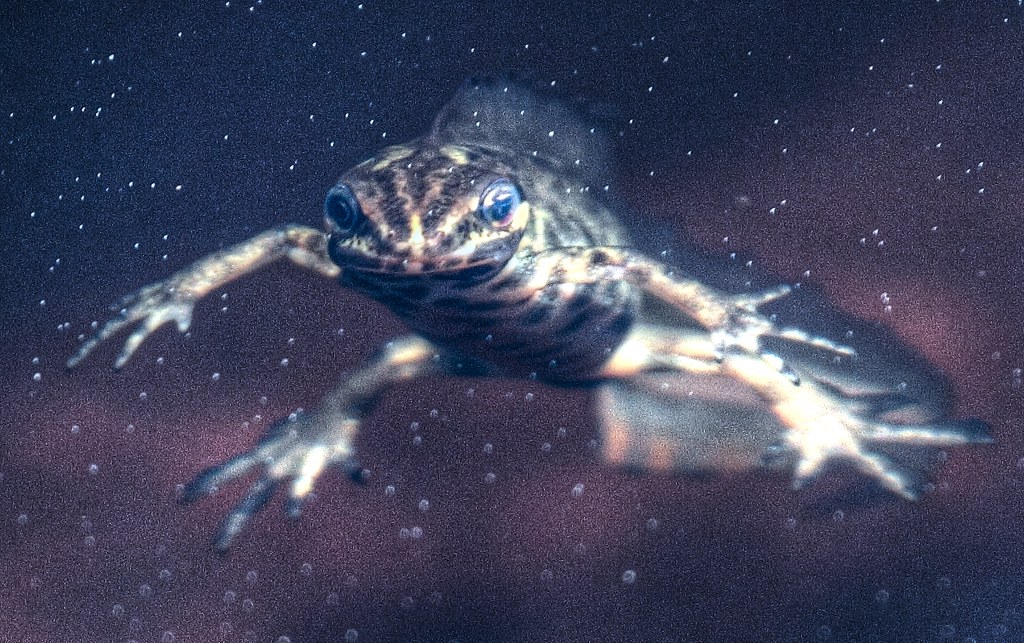
A Breakthrough in Underwater Wildlife Observation (Image Credits: Flickr)
The NEWTCAM featured an open tunnel design equipped with a camera and lighting system. This setup automatically recorded high-resolution images and videos of passing creatures. Developers targeted it primarily for Great Crested Newt surveys, focusing on the animal’s underside to reveal unique spot patterns.
Teams from NHBS and the Luxembourg Institute of Science and Technology collaborated on the project. They refined the device through laboratory work and field tests. The system allowed deployment for several days without human intervention, marking a shift from labor-intensive methods.
AI Drives Precise Species and Gender Classification
Artificial intelligence processed the captured images to classify species and gender. The technology handled the four newt species native to the UK. Future enhancements aimed to enable individual identification for population estimates.
A companion web application, NEWTCAM Manager, centralized data from multiple units. Users annotated images by species, life stage, gender, and behavior. This built reference libraries to train AI models further.
Field Trials Demonstrate Global Versatility
In summer 2024, developers distributed 24 NEWTCAM units across Europe, Asia, and America, including one in California. Devices in a Luxembourg pond operated from March to September, documenting larval, juvenile, and adult Great Crested Newts.
A trial in Kent, UK, recorded adult Great Crested Newts later in the season. Early users spotted Marbled Newts and Hong Kong Warty Newts for the first time with the device. Observations extended to Yellow-bellied Toads, water beetles, and fish, revealing broader applications.
Advantages Over Conventional Survey Techniques
The NEWTCAM offered clear edges in amphibian monitoring. It eliminated animal handling, reduced site visits, and functioned in adverse weather like heavy rain or heatwaves.
- Zero disturbance to habitats, as units stayed in place for weeks or months.
- Standardized images with consistent size, resolution, angle, and lighting for reliable AI analysis.
- Flexibility in placement at various depths and orientations for different species.
- Improved detection rates and temporal resolution across more sites.
- Potential for accurate population dynamics through spot pattern recognition.
Looking Ahead to Widespread Adoption
Additional trials occurred in spring 2025, with production slated for late that year. User feedback guided ongoing refinements to durability and functionality. The Camphibian Project assessed the tool’s role in biodiversity monitoring and policy support.
Key Takeaways
- NEWTCAM captures underside images for sex, stage, and species ID via AI.
- Trials confirmed success with newts, toads, insects, and fish worldwide.
- Non-invasive design boosts efficiency and reduces wildlife stress.
This innovation promised to bolster conservation efforts for declining amphibians. Reliable data on populations could inform habitat protection amid threats like climate change and habitat loss. What experiences have you had with wildlife cameras? Share in the comments.