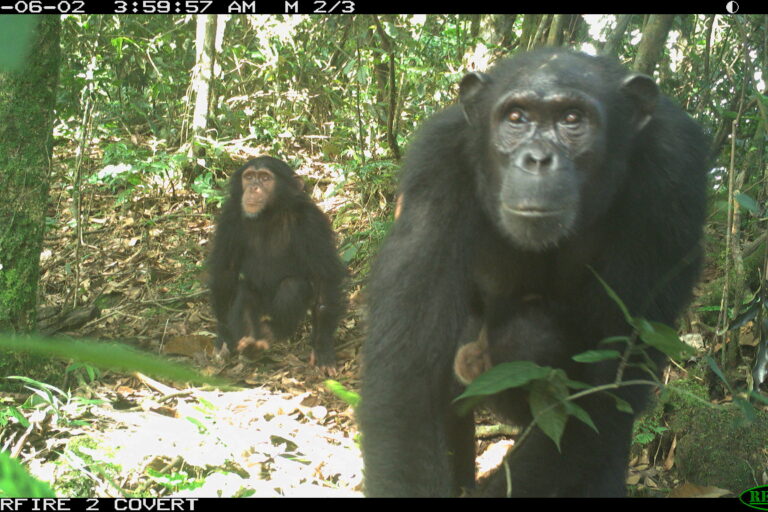
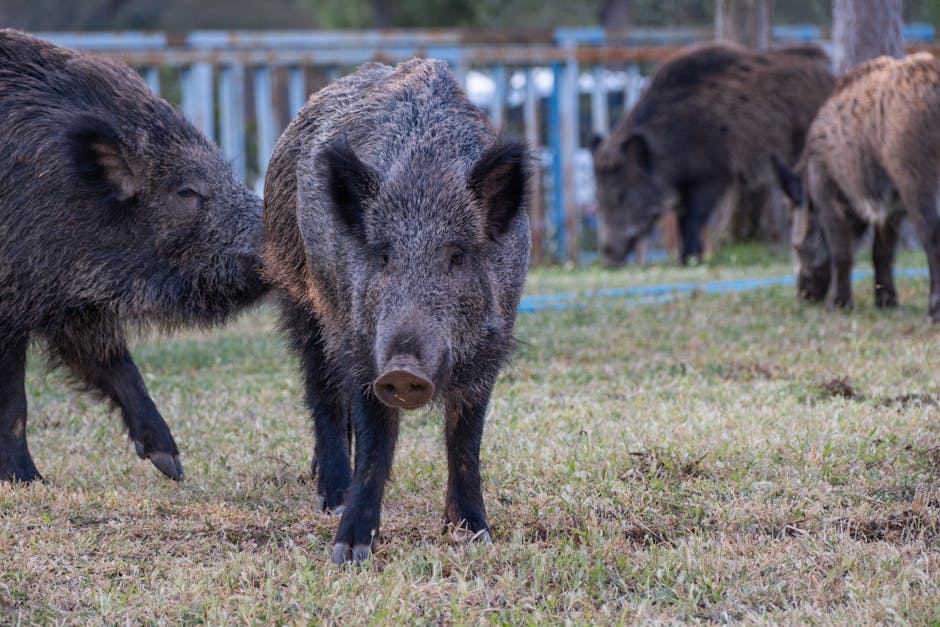
Hyper-realistic images and videos generated by artificial intelligence now inundate social media feeds, challenging conservationists’ ability to convey accurate information about wild animals.
Convincing Forgeries Flood Online Platforms
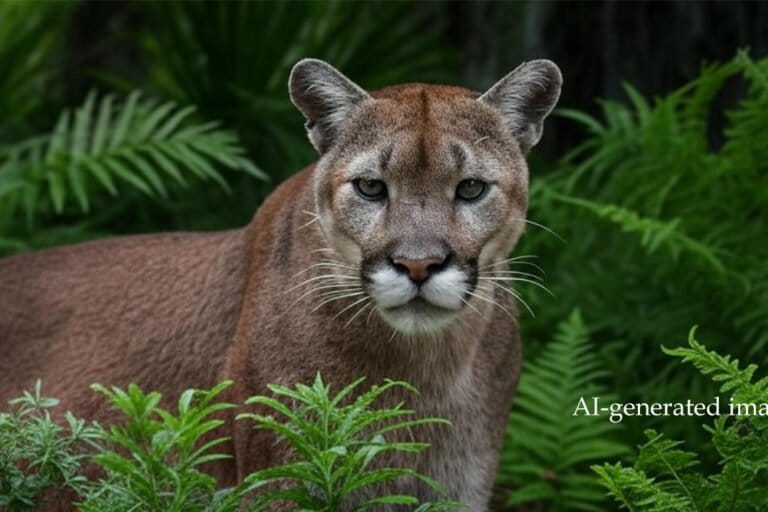
Convincing Forgeries Flood Online Platforms (Image Credits: Imgs.mongabay.com)
Conservation professionals observed a sharp rise in AI-created wildlife content over the past year. Platforms prioritize engaging visuals, allowing fabricated scenes to spread rapidly. Creators produce these without expertise or field experience, amplifying errors invisible to casual viewers. A tiger lounged amid African giraffes and zebras in one viral post, despite the species’ Asian origins.
Experts identified other impossibilities, such as lions in lion-free regions or leopards prowling urban malls. Eagles appeared to snatch children, while wild animals acted like playful pets. Such content garners millions of views before detection. Traditional embellishments existed, yet AI’s speed and scale transformed the landscape.
Shaping Dangerous Misconceptions
False depictions warped public views of animal behaviors and habitats. Videos exaggerated threats, stoking fears in communities near real predators. Farmers retaliated against innocent species after mistaking AI clips for local sightings, as occurred with a fabricated lioness in lionless Djibouti. Houssein Rayaleh, CEO of Djibouti Nature, warned that such fakes threatened other carnivores like leopards and hyenas.
Sentimental portrayals pulled in the opposite direction. Wild creatures frolicked like companions, normalizing unsafe interactions. This fueled demand for exotic pets, intensifying trade pressures on vulnerable populations. Urban audiences, already distant from nature, grew apathetic to genuine ecological needs.
Draining Vital Resources and Trust
Agencies diverted staff to debunk virals and probe nonexistent incidents. Indian forestry officials issued alerts after fake leopard alerts in Mumbai sparked panic. Resources once focused on patrols now addressed public inquiries and cyber complaints. Urs Breitenmoser, co-chair of the IUCN Cat Specialist Group, noted AI made fakes nearly indistinguishable from camera traps.
Genuine evidence faced skepticism as doubt spread. Field photos and trap footage lost credibility amid the flood. Conservation science weakened when policymakers questioned authentic data. Trust, essential for funding and support, eroded quietly.
- False lion in Djibouti prompted persecution fears.
- Leopard mall chases diverted Indian responders.
- Exotic pet videos boosted illegal trade.
- Camera trap images dismissed as AI.
- Exaggerated attacks inflamed farmer conflicts.
AI’s Promise Versus Peril
Technology aided conservation in other ways. Algorithms processed camera trap volumes, detected poaching, and monitored habitats efficiently. Yet platforms rewarded virality over verification, exacerbating misuse. Experts urged consistent labeling of AI content.
Organizations set publishing standards, while influencers paused before shares. José Guerrero-Casado, a University of Córdoba zoologist, called for platforms to tag synthetics clearly. Balanced approaches preserved AI’s benefits without sacrificing reality.
Key Takeaways
- AI fakes distort behaviors, fueling conflicts and pet trades.
- They waste resources on debunking and false probes.
- Trust in real evidence declines, harming science.
Wildlife protection hinges on collective grasp of true animal lives. As AI blurs those truths, guardians must adapt swiftly to safeguard species. Platforms, creators, and audiences share responsibility in this evolving fight. What steps would you take to spot and counter these fakes? Share in the comments.