Alaska – State wildlife managers have killed nearly 200 grizzly bears and about 20 wolves since 2023 in an effort to protect the declining Mulchatna caribou herd from predation. The herd, vital for subsistence hunting in remote southwest Alaska communities, plummeted from a peak of 200,000 animals in the 1990s to a low of 12,000 in 2022. Recent surveys show a modest rebound to over 16,000 caribou in 2025, fueling debate over whether the controversial program delivers results or ignores deeper ecological threats.
A Herd in Freefall Draws Extreme Measures
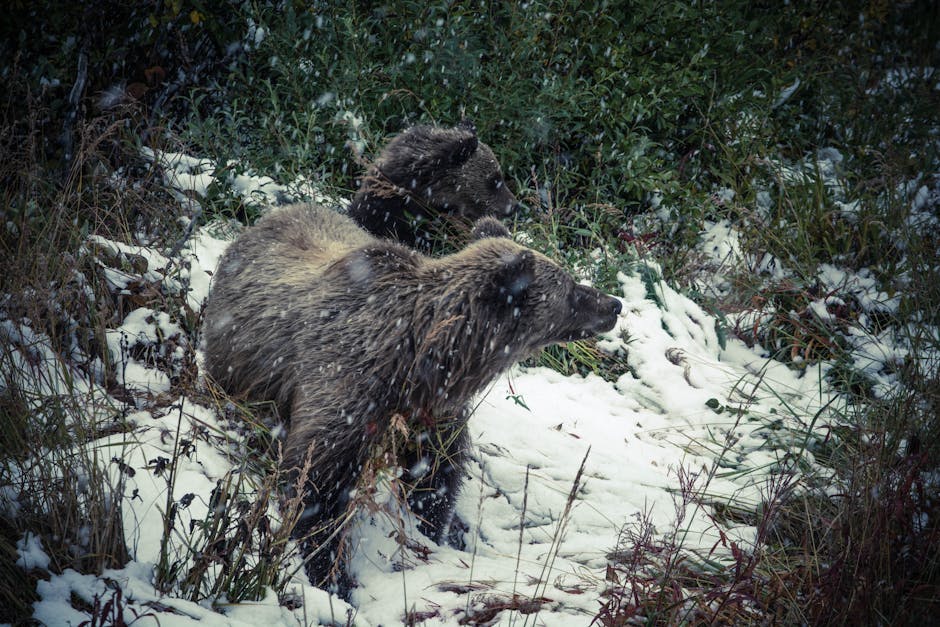
A Herd in Freefall Draws Extreme Measures (Image Credits: Pexels)
The Mulchatna caribou herd once dominated the tundra landscapes of southwest Alaska, supporting generations of Yup’ik and other Indigenous hunters. By 2022, however, its numbers had crashed to critically low levels, prompting hunting closures since 2021 and widespread food insecurity in areas like Bethel where store-bought alternatives prove scarce and expensive.
Officials with the Alaska Department of Fish and Game pointed to predation as a key factor, especially on vulnerable newborns. One wolf typically kills 25 caribou annually, while grizzlies target calving grounds aggressively. The state set a recovery goal of 30,000 to 80,000 animals to sustain harvests of 2,400 to 8,000 caribou per year.
The Predator Control Program Takes Flight
In spring 2023, helicopters lifted off over a 1,200-square-mile focus area on the herd’s calving grounds, where pilots and shooters targeted every visible grizzly and black bear. The initial operation exceeded estimates, felling 94 grizzlies, five black bears, and five wolves in its first phase alone. Operations continued in subsequent years, reaching almost 200 bears total by 2025.
Proponents adjusted tactics over time, limiting efforts to spring seasons and specific zones to safeguard overall bear populations, estimated at 30,000 statewide. The Alaska Board of Game approved revivals after court halts, incorporating new data on calf mortality. Commissioner Doug Vincent-Lang noted that protecting calves from predation offered a direct path forward, even if it did not spark the initial decline.
- 2023: First major cull kills nearly 100 predators.
- 2024: Program continues amid lawsuits; herd shows early uptick.
- May 2025: Emergency order allows 11 more bears before injunction.
- July 2025: Board reauthorizes with legal fixes.
- November 2025: Fresh lawsuit challenges bear impact assessments.
Subsistence Hunters Champion the Effort
For many in the Yukon-Kuskokwim region, the caribou represent more than game – they anchor cultural traditions and food security amid falling salmon runs and rising costs. Yup’ik hunter Janet Bavilla described the absence as a profound loss: “I feel like a big part of our subsistence is missing.” She viewed the culls as timely aid: “I believe the caribou are at a turning point where they just need a little help.”
Former Board of Game chair Stosh Hoffman echoed this urgency. “Every predator is making a huge impact right now, especially the bears on the calving grounds,” he said. Resolutions from groups like the Bethel Tribal Organization and Orutsararmiut Native Council backed the program, pressuring state officials to prioritize local needs over distant criticisms.
Critics Rally Against the ‘Bear Massacre’
Environmental organizations and some scientists condemned the aerial shootings as cruel and poorly grounded. The Alaska Wildlife Alliance and Center for Biological Diversity filed multiple suits, securing injunctions and a $513,000 state payout in late 2025 for procedural flaws like inadequate public notice. Koyukon Athabascan biologist Michelle Quillin argued the approach betrayed Indigenous values and overlooked root causes: climate change, habitat shifts, disease, and malnutrition.
Former state biologist Jeff Stetz called the scientific basis “absent” and the methods “wildly inappropriate.” Others, like Anne Gunn, highlighted mismatched techniques for complex ecosystems. A Reuters report detailed claims of 175 grizzlies slain since 2023, raising fears for bear sustainability despite state assurances.
| Factor | Impact on Herd |
|---|---|
| Predation | Primary calf killer per state data |
| Climate Change | Alters forage, increases disease |
| Nutrition/Disease | Low fat reserves, high Brucella |
| Historical Overgrazing | Led to food shortages post-peak |
Key Takeaways
- The Mulchatna herd rose 30% from its 2022 low after culls began, but experts debate causation.
- Legal battles continue, with the program set to expire in 2028 pending review.
- Subsistence needs clash with bear protections in Alaska’s vast wilds.
As helicopters prepare for another potential spring season, the Mulchatna saga underscores the tough choices in wildlife management – balancing human reliance on caribou against predator rights in a changing Arctic. Early recovery signs offer hope, yet unresolved questions about climate and habitat loom large. What do you think of this predator control approach? Share in the comments.