Western Australia – A major U.S. mining company agreed to pay the Australian federal government A$55 million to address unauthorized clearing of nearly 2,100 hectares of native forest habitat between 2019 and 2025.
Unauthorized Clearing Sparks Major Enforcement Action
Unauthorized Clearing Sparks Major Enforcement Action (Image Credits: Imgs.mongabay.com)
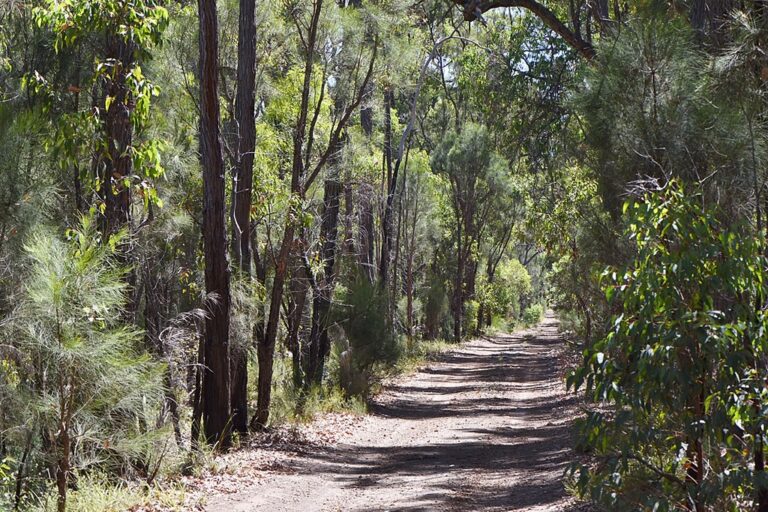
Regulators determined that Alcoa cleared significant portions of the Northern Jarrah Forest south of Perth without required federal approvals under the Environment Protection and Biodiversity Conservation Act. This action exposed known habitats for nationally protected species to strip-mining for bauxite, the primary ore for aluminum production.
The forest, a unique biodiversity hotspot, suffered irreversible damage from the operations. Environment Minister Murray Watt described the settlement as the largest conservation-focused commitment of its kind in national history. The payment, equivalent to about US$36-39 million, funds ecological offsets, research, and invasive species management.
Devastating Impact on Endangered Wildlife
The Northern Jarrah Forest supports critical species that now face heightened risks due to habitat loss. Carnaby’s and Baudin’s black cockatoos, which nest in jarrah trees, count among the most affected. Marsupials and other threatened animals also inhabit this irreplaceable ecosystem found nowhere else in the world.
Conservation groups argued that rehabilitation efforts cannot restore the original state after strip-mining. Matt Roberts of the Conservation Council of Western Australia noted that such damage far outpaces any restoration attempts. Scientists and botanists have increasingly criticized Alcoa’s programs as ineffective, with past advertisements even ruled misleading by regulators.
Alcoa’s Mining Legacy and Official Response
Alcoa initiated bauxite mining beneath the Northern Jarrah Forest in the 1960s, expanding its footprint over decades to produce millions of tons of ore annually. The company, valued at $16 billion, sources much of its 34 million metric tons of yearly bauxite from sites near Perth.
President and CEO William F. Oplinger stated that the firm maintained compliance with federal laws but accepted the payment to acknowledge historical activities. He welcomed the agreement as a step toward modernized approvals, emphasizing over 60 years of contributions to Australia’s aluminum sector and critical minerals supply.
- Historical clearing: Around 28,000 hectares total since 1960s.
- Settlement funds: A$40 million for offsets, plus research and invasive control.
- Future rehab: Increase to 1,000 hectares per year by 2027.
Government Exemptions and Ongoing Debates
The federal government granted Alcoa an 18-month exemption under a national interest provision, allowing limited clearing of 800 hectares annually while a strategic assessment reviews operations through 2045. Watt justified this to secure bauxite for renewable technologies and defense needs.
Critics, including the Biodiversity Council, warned of a dangerous precedent favoring corporate interests over biodiversity. Western Australia’s premier expressed disappointment yet supported continued mining. A state expansion proposal drew 60,000 public comments, many from local governments and First Nations groups.
- A$55 million marks Australia’s largest environmental enforceable undertaking.
- 2,100 hectares cleared impacted black cockatoo habitats irreparably.
- Exemption balances mining continuity with assessment, sparking precedent concerns.
This settlement underscores tensions between resource extraction and conservation in unique ecosystems. As Alcoa navigates approvals, the focus remains on effective remediation. What steps should mining companies take to protect biodiversity? Share your thoughts in the comments.