Have you ever stood at the edge of a canyon and felt absolutely tiny? There’s something humbling about looking at rock formations that have existed for millions, even billions of years. They’re like windows into a past so distant it barely feels real. America is absolutely loaded with these ancient geological wonders, each one telling a different chapter of Earth’s wild and turbulent history.
From twisted columns of volcanic rock to layered canyons that expose eons of sediment, these formations aren’t just pretty landscapes. They’re geological textbooks carved by wind, water, ice, and time itself. Let’s be real, most of us walk through life never thinking about the ground beneath our feet. Yet these places force you to reckon with deep time, that dizzying concept where a million years is just a blink. So let’s dive into nine of the most spectacular ancient geological formations scattered across the United States.
Grand Canyon: A Two-Billion-Year Journey Through Time

You’re looking at rock layers that date back nearly two billion years, exposed in what might be the most famous hole in the ground on the planet. The Grand Canyon stretches approximately 277 miles in length, up to 18 miles in width, and reaches depths of over a mile. The Colorado River carved this colossal chasm over millions of years, and honestly, it’s hard to wrap your head around that kind of patient, relentless power.
The exposed rock layers provide a remarkable glimpse into Earth’s geologic history, with rocks dating back billions of years. Walking down into the canyon is like descending through a timeline, each layer representing a different epoch. Vishnu Basement Rocks at the canyon’s bottom are nearly 2 billion years old, while the youngest strata on the South Rim skyline was deposited about 270 million years ago. The colors alone are mesmerizing, from deep reds to pale limestone whites, each hue telling stories of ancient seas and shifting continents.
Bryce Canyon: The Pink Cliffs and Their Delicate Hoodoos
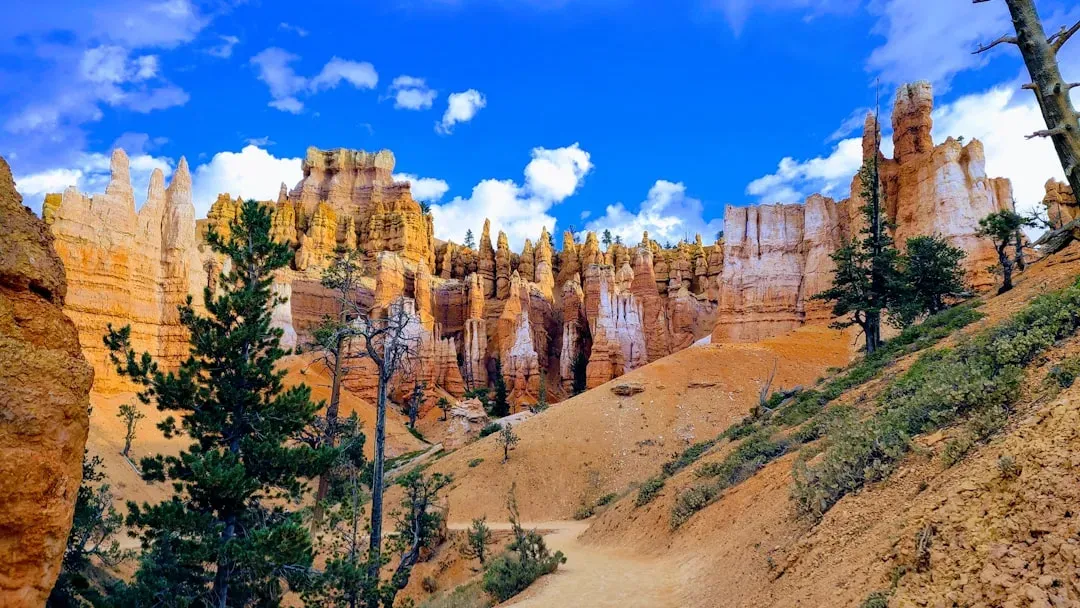
Bryce Canyon isn’t technically a canyon at all. It’s actually a series of natural amphitheaters carved into the edge of a plateau. The geologic story began about 55 million years ago, when a freshwater lake covered south-central Utah, and lake and stream sediments accumulated into what’s now known as the Claron Formation. These pink and orange limestone formations are relatively young in geological terms, yet they’ve already been sculpted into some of the most bizarre and beautiful shapes you’ll ever see.
The unique geography is due to the erosional effects of frost-wedging and the dissolving power of rainwater, and the resulting limestone rock spires are known as “hoodoos”. These towering pillars look almost comically fragile, like nature was experimenting with how thin it could make a rock column before it topples. These alternating soft and hard rock layers have been further eroded by the forces of ice, wind, and water, which constantly change the shape of Bryce Canyon’s incredible 60-million-year-old hoodoos. Every freeze-thaw cycle chips away more material, meaning the landscape you see today won’t look quite the same in a few centuries.
Devils Tower: America’s First National Monument
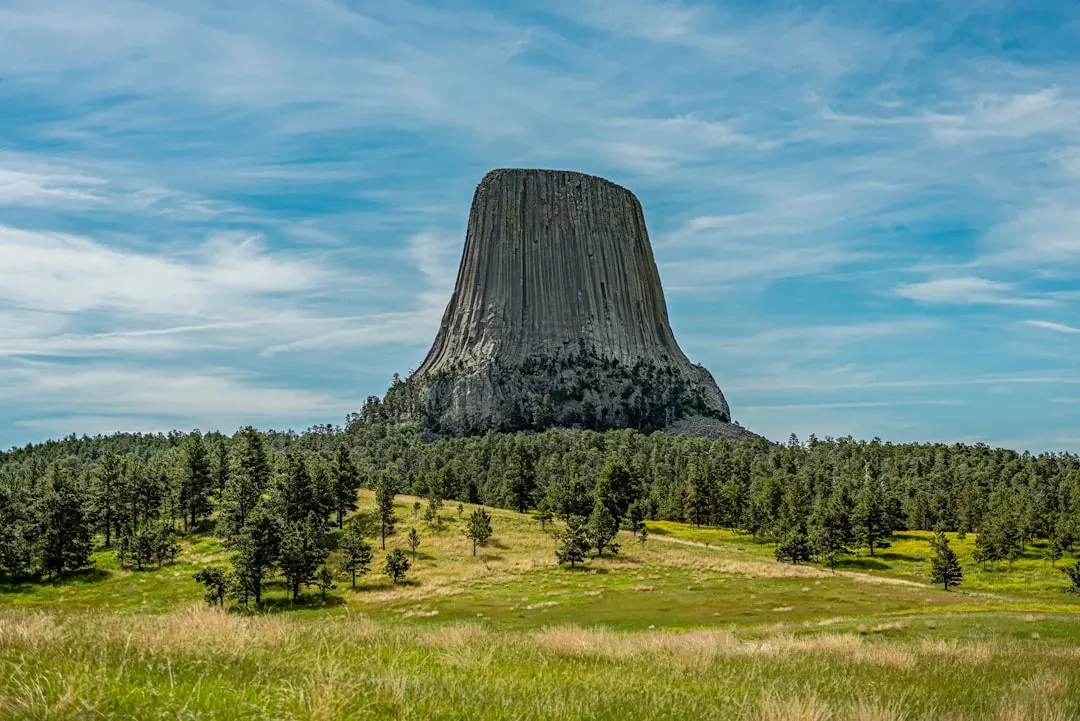
Devils Tower was the first declared National monument of United States in 1906 by president Theodore Roosevelt, and is located in the Black Hills in the state of Wyoming. This towering column of igneous rock rises dramatically from the surrounding plains like something from another planet. This impressive igneous intrusion reaches a height of 867 feet above the surrounding landscape.
Its unique appearance features vertical columns and hexagonal patterns, which were formed by the slow cooling and solidification of molten rock, followed by millions of years of erosion that stripped away the softer surrounding rock layers. The oldest rock found in Devils Tower is from the Triassic time, around 225 million years ago. Native American tribes have long considered this formation sacred, weaving legends around its creation. Standing at its base, you can’t help but feel the weight of that history, both geological and cultural.
Monument Valley: Sandstone Sentinels of the Southwest
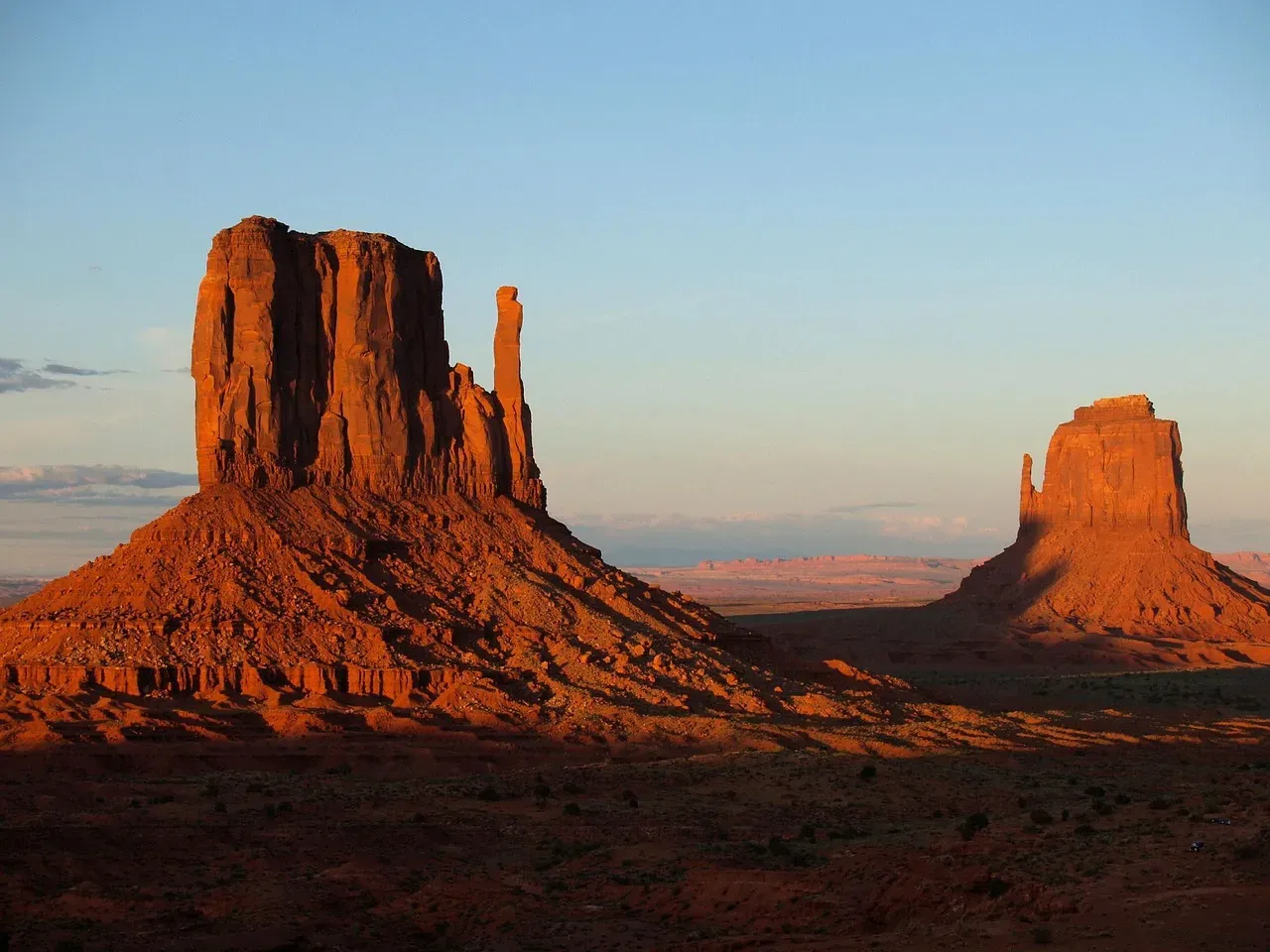
Located on the border of Arizona and Utah, Monument Valley is an iconic geologic formation featuring sandstone buttes, towering mesas, and expansive desert vistas that have been featured prominently in countless films, commercials, and photographs. If you’ve seen any classic Western film, you’ve probably seen Monument Valley. Those massive red towers rising from the desert floor have become visual shorthand for the American West.
The monumental sandstone formations are the result of millions of years of erosion, as wind and water gradually shaped the rock into its distinctive shapes, with buttes reaching heights of up to 1,000 feet and rising dramatically from the desert floor. The most famous formations include iconic landmarks such as the Mittens, Elephant Butte, Three Sisters, and Totem Pole. The Navajo Nation manages much of Monument Valley, and their deep connection to this landscape adds layers of meaning beyond the purely geological.
Yellowstone Caldera: The Supervolcano Beneath the Geysers
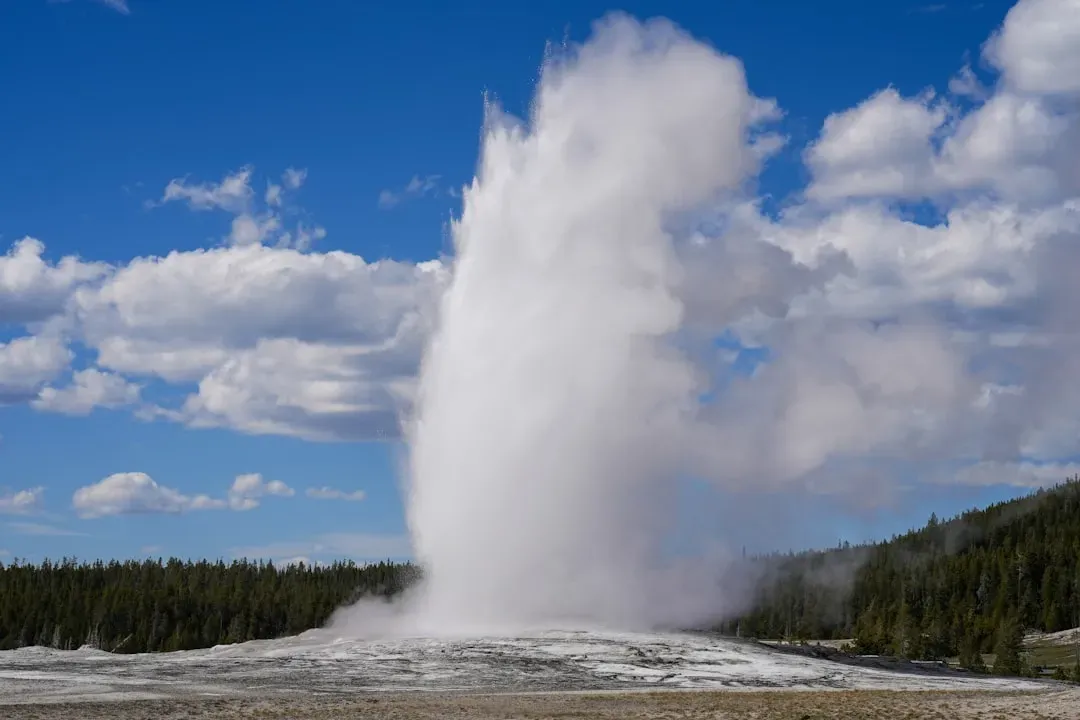
Most people visit Yellowstone for the geysers and hot springs, but beneath all that bubbling water lies something far more dramatic. One of the park’s most iconic geologic formations is the Yellowstone Caldera, often referred to as a supervolcano. Yellowstone National Park sits inside an ancient volcanic caldera with magma, in some places only a few miles underground, powering the park’s famous geysers, hot springs, fumaroles, and mud pots.
Yellowstone contains over half of the 1,000 or so known geysers in the world, including “Steamboat,” the world’s tallest geyser. The caldera formed during a massive eruption hundreds of thousands of years ago, and geologists keep a close watch on it because, well, it’s still active. It’s hard to say for sure when it might erupt again, but standing near Old Faithful or the colorful Grand Prismatic Spring, you’re literally walking on top of one of Earth’s geological pressure valves.
Badlands National Park: Alien Landscapes of South Dakota
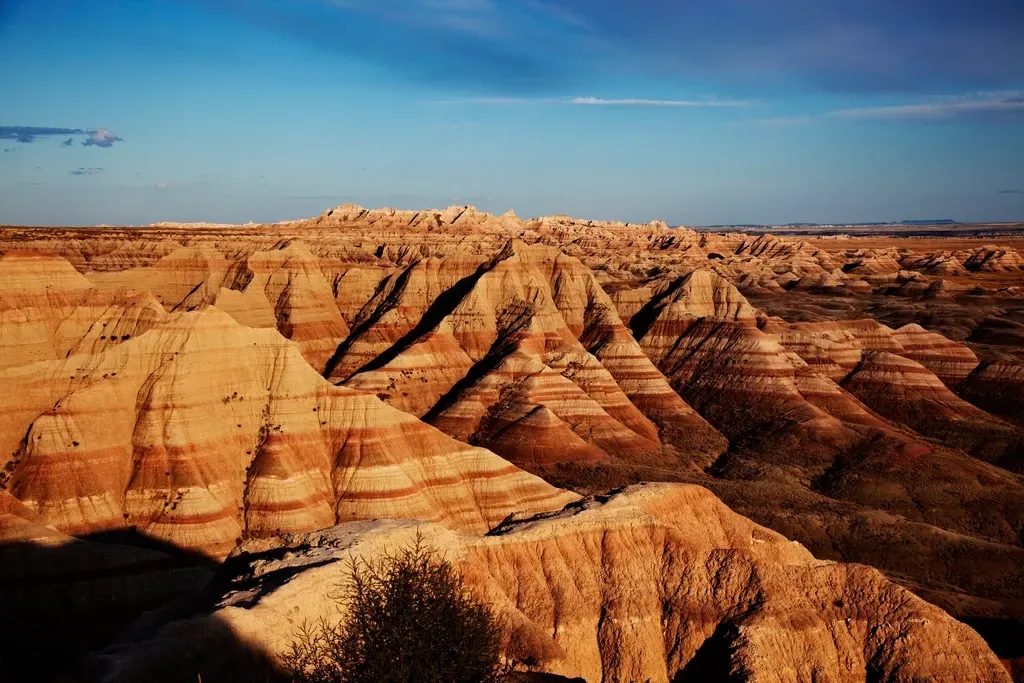
Badlands contains some of the world’s most bizarre and “alien looking” landscapes with classic examples of badland topography, where poorly consolidated bedrock consisting of loose sediment and volcanic ash is quickly eroded by infrequent rainstorms, resulting in mud mounds, spires, and ridges that resemble miniature mountain ranges. The name itself tells you what early settlers thought of the terrain. Geological formations mixed with grass prairies inspired the Lakota Native American people to dub this region mako sica (Badlands), not only due to its terrain but also the lack of water and extreme temperatures.
Over millions of years, Badlands drastically changed from a sea to a subtropical forest, to an open savannah, and in 2010 a visitor found a perfectly preserved sabre-tooth tiger skull. The lower strata of brown and gray clay and shale date from the time of the dinosaurs, which explains the abundant fossils discovered at the park. The striped layers of rock create a kaleidoscope of colors that shift throughout the day as sunlight hits them from different angles.
Natural Bridge of Virginia: An Ancient Limestone Arch
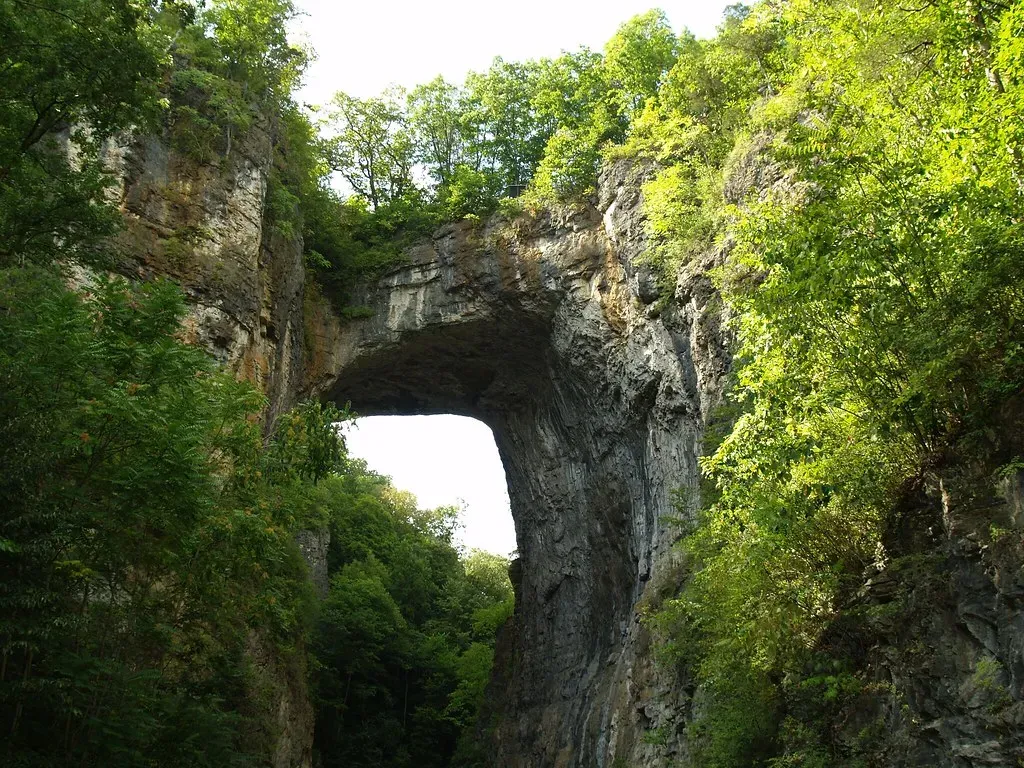
Known to Virginian locals as Natty B., the Natural Bridge is a well-known attraction for East Coast natives, with its formation taking hundreds of years as the Cedar Creek eroded a large gorge through this enormous limestone rock, creating an awesome natural archway. This natural limestone arch is 215 feet in height, 90 feet long and width varies between 50 to 150 feet, actually a tunnel through which river flows.
It is filled with an enormous amount of history involving America’s founding fathers and Native American tribes in the late 1770s. The US 11 highway also passes over this natural bridge of Virginia. It’s one of those geological wonders where the human history is almost as compelling as the geological story. The fact that you can drive over this ancient limestone formation adds a surreal dimension to the experience.
Devils Postpile: California’s Hexagonal Mystery
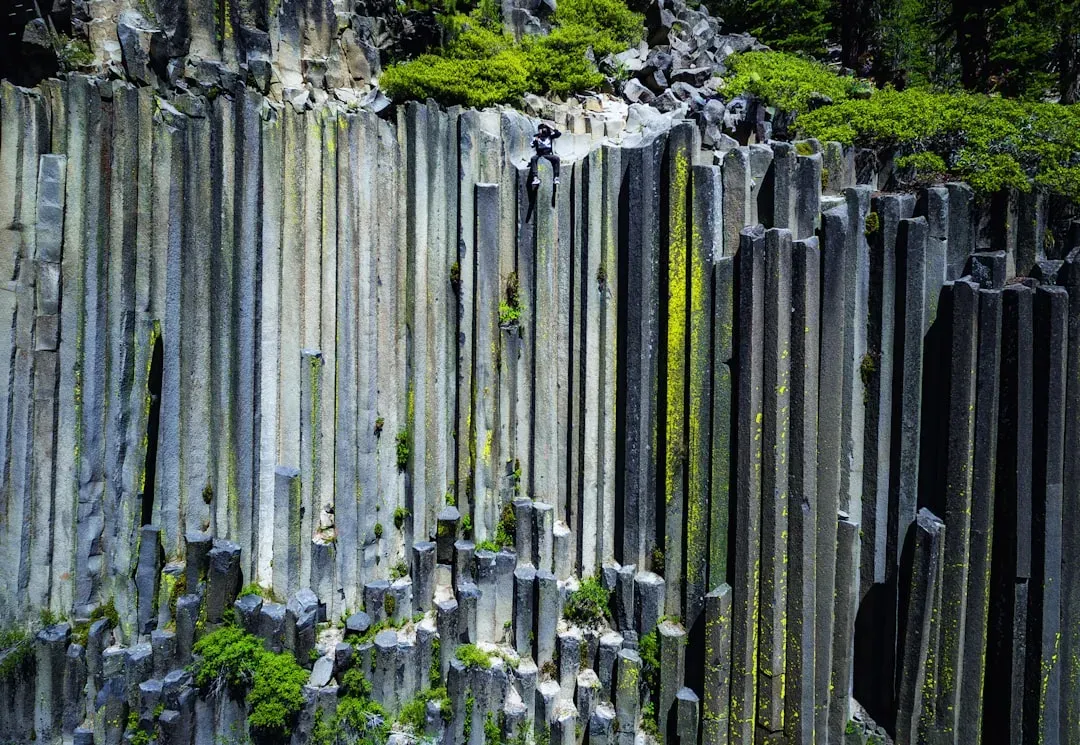
Devils Postpile National Monument in eastern California is made up of hexagonal columns of basalt, with a saga that shows how nature creates order out of chaos. This unusual formation contains about 400 columns within Devils Postpile, which vary in size and shapes, including seven-sided, six-sided, five-sided, four-sided and three-sided columns, with diameter ranging between 2.5 feet to 4 feet and height about 60 feet.
Devils Postpile was formed 100,000 years ago by lava flow in the valley of the Joaquin River, and variations in cooling of lava created different polygonal cross sections within the columns. The top of the formation is particularly striking because the action of glaciers polished this wall of rock columns about 10,000 years ago. The geometric precision looks almost artificial, like some ancient civilization carved them deliberately. Nature’s got a weird sense of aesthetics sometimes.
The Wave: Arizona’s Swirling Sandstone Masterpiece
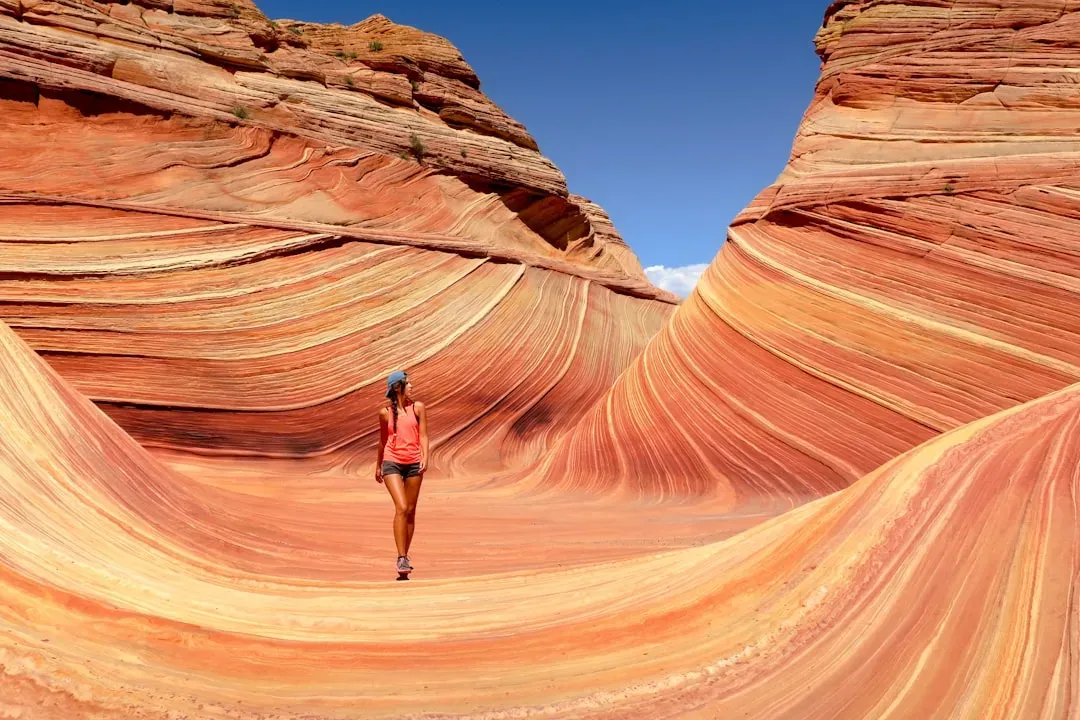
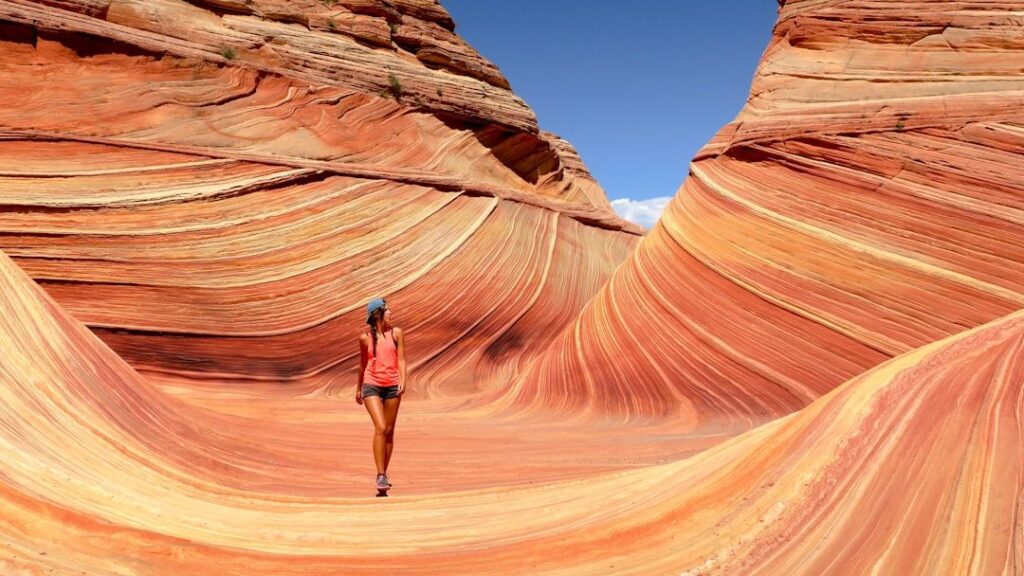
The Wave is one of those formations that doesn’t quite look real. The colourful swirls of slickrock are akin to a magical land filled with fantastical formations such as The Wave, White Pockets, and Buckskin Gulch. Located within the Paria Canyon-Vermilion Cliffs Wilderness, this undulating sandstone formation has become one of the most photographed geological features in America.
The Paria Canyon-Vermillion Cliffs Wilderness is one of the country’s last great wild refuges, a 112,500-acre maze of backcountry canyons, cliffs, deserts and plateaus untouched by man, and The Wave is so popular there’s a lottery to obtain access. The formation’s flowing, wave-like patterns were created by ancient sand dunes that turned to stone and were subsequently carved by wind and water. Access is strictly limited to protect the delicate sandstone, and honestly, that makes it even more alluring.
Conclusion: Walking Through Deep Time
These nine formations represent just a fraction of America’s geological heritage, yet each one offers something unique and irreplaceable. From the Grand Canyon’s rocks dating back nearly two billion years to Bryce Canyon’s formations that began about 55 million years ago, these landscapes force us to confront the vastness of geological time.
Standing before these , you can’t help but feel the pull of deep time, that humbling realization that human civilization is just the tiniest blip in Earth’s long story. Wind, water, ice, and heat have been sculpting these landscapes for eons, and they’ll continue long after we’re gone. Whether you visit all nine or just one, these geological wonders remind us that the planet beneath our feet has been through journeys we can barely imagine. Which one will you explore first?