Picture a North America teeming with creatures straight from a dream. Imagine oversized beasts roaming where your backyard sits today, massive predators stalking prey across landscapes you’d barely recognize. This wasn’t millions of years in the past, mind you. This was happening when modern humans were already walking the planet, crafting tools, telling stories.
The Ice Age gave America wildlife that would put today’s African safari to shame. We’re talking about animals so colossal, so bizarre, they barely seem real. Yet roughly ten thousand years ago, they vanished. Their disappearance remains one of nature’s most puzzling mysteries, sparking debates that rage on today among scientists, paleontologists, and anyone captivated by the ancient world. Let’s dive in.
The Woolly Mammoth: Icon of a Frozen World
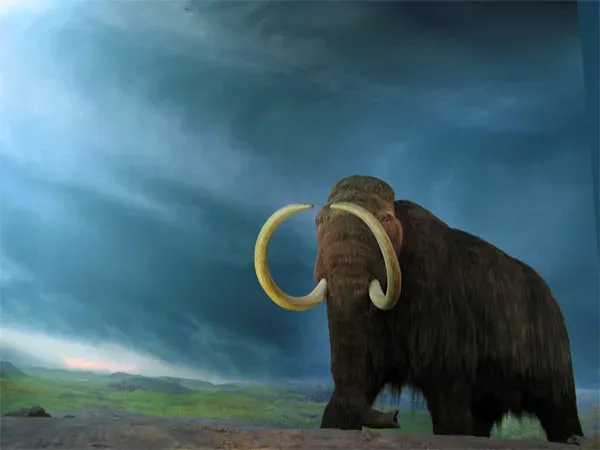
Standing twelve feet tall at the shoulders and weighing six to eight tons, the woolly mammoth grazed the northern steppes of Ice Age North America using its colossal, fifteen-foot curved tusks to dig under the snow for food and defend itself against predators. These weren’t the only elephant relatives wandering around, though. Fossil evidence shows there were at least four distinct species of massive, elephant-like animals that called North America home in the late Pleistocene, with the American mastodon being the most ancient of the North American “elephants,” its ancestors having crossed the Bering Strait from Asia roughly fifteen million years ago.
What makes the woolly mammoth so fascinating is how perfectly adapted it was to brutal cold. Covered in fur, with an outer covering of long guard hairs and a shorter undercoat, the woolly mammoth was well adapted to the cold environments present during glacial periods. Some preserved specimens from Siberia even show us they might have sported blonde coats alongside the classic reddish-brown coloring. Can you imagine stumbling upon a herd of these shaggy giants munching through snow-covered grass?
The American Mastodon: Forest Dweller Extraordinaire
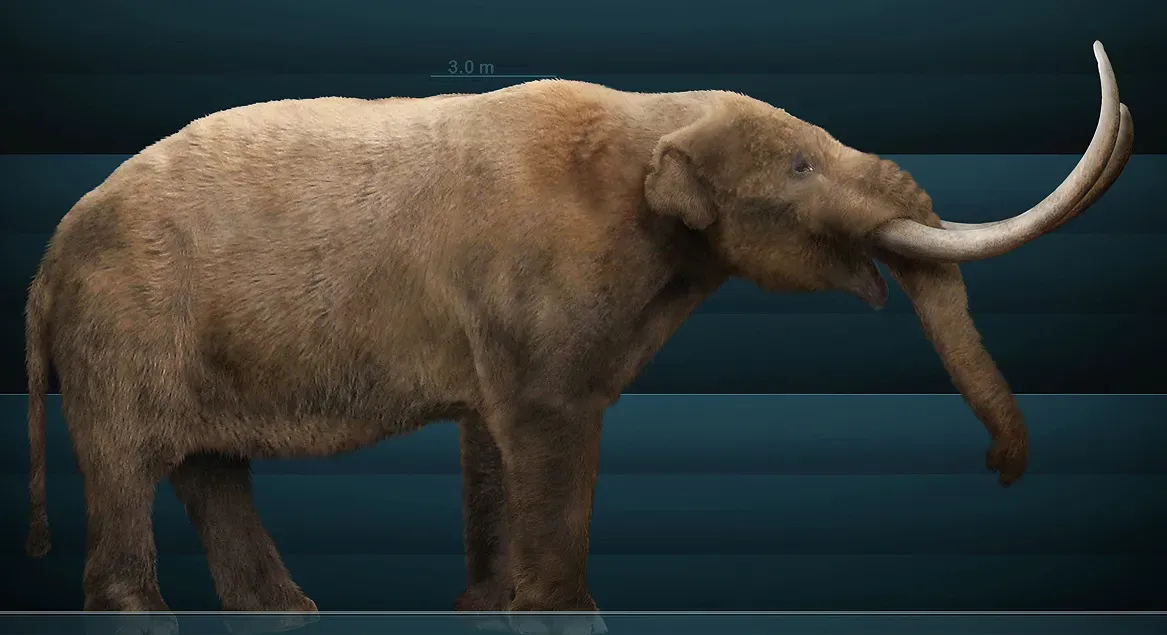
The American mastodon is the most ancient of the North American “elephants,” its ancestors having crossed the Bering Strait from Asia roughly fifteen million years ago, and the mastodon was shorter and stockier than the later mammoths, with teeth that indicate mastodons didn’t graze on grass like mammoths but ripped off leaves and entire tree branches for food. This detail is crucial because it reveals how different these two giants truly were. While mammoths preferred wide-open grasslands, mastodons loved the forests.
Fossils of the American mastodon can be found throughout North and Central America, though it appears to have been most common in the eastern United States, and the American mastodon lived primarily in forests, unlike the grassland-dwelling mammoths. These beasts thrived in environments we’d barely recognize today. Here’s the thing: both species existed side by side for thousands of years, each perfectly suited to their niche. Then, almost simultaneously, they disappeared.
Saber-Toothed Cats: The Ultimate Ambush Predators
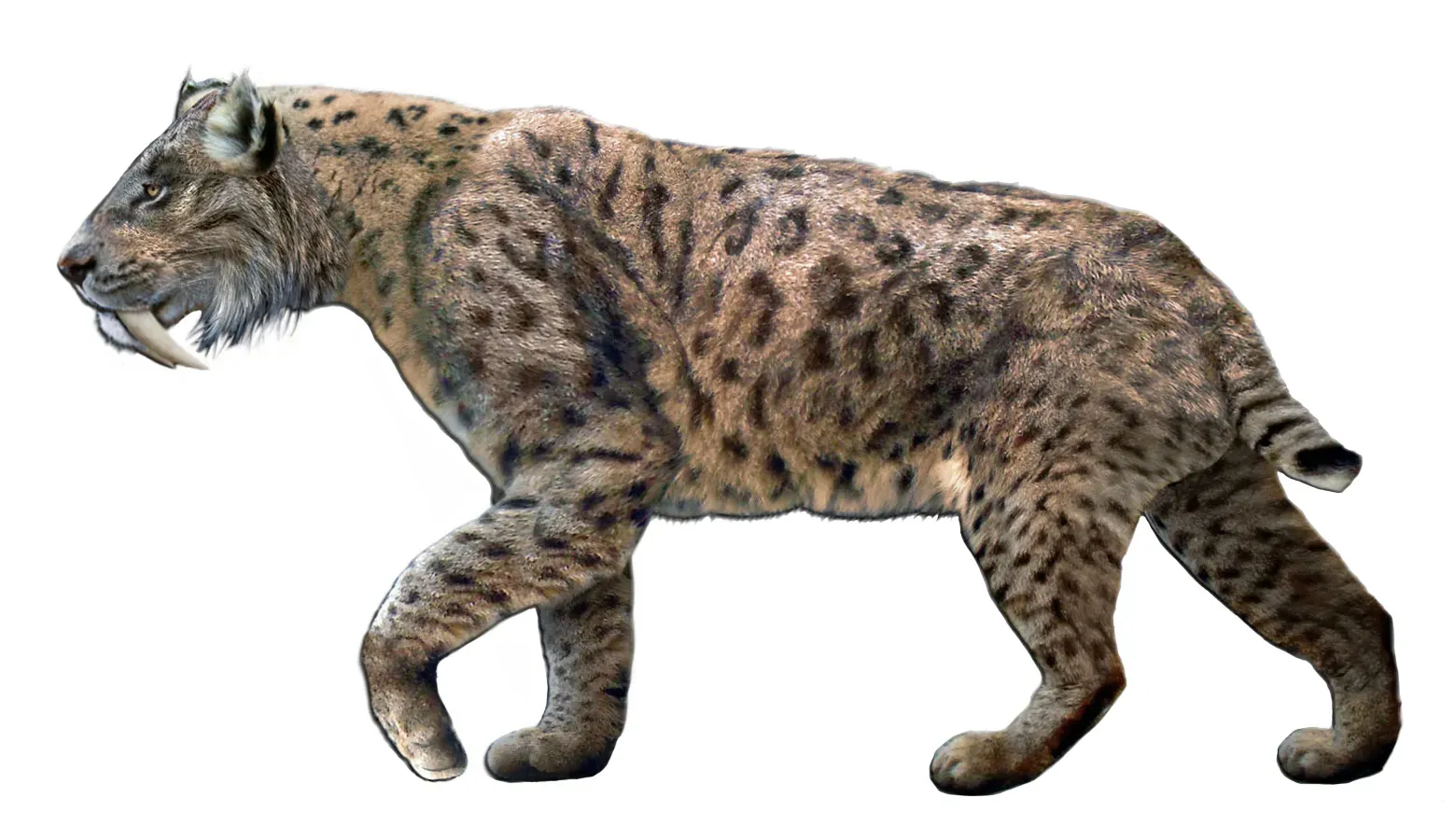
Let’s be real, when most people think Ice Age predators, they picture saber-toothed cats. The saber-toothed tiger was one of the most iconic animals of Ice Age North America, with skeletons pulled from sites like the La Brea tar pits in Los Angeles armed with upper canines averaging seven inches long and a jaw that could open an astonishing one hundred thirty degrees. Picture those fangs piercing hide and flesh. Terrifying, right?
Despite the name, these weren’t tigers at all. Saber-toothed cats aren’t related to modern tigers – or any living felines – and they were a foot shorter than an adult lion but almost twice as heavy, over six hundred pounds in some cases, with relatively short legs and a bobbed tail, built for ambush attacks, not long sprints. They likely waited in thick vegetation, muscles coiled, before launching devastating attacks on unsuspecting prey. Hill suspects the cat’s primary prey was Jefferson’s giant ground sloth, which were common in Iowa during the Ice Age.
Giant Ground Sloths: Slow Movers, Heavy Hitters
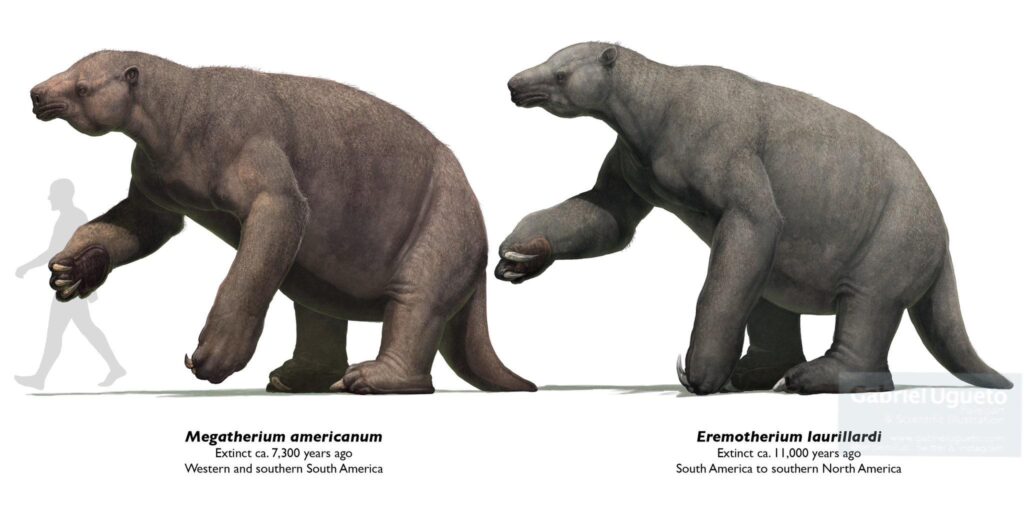
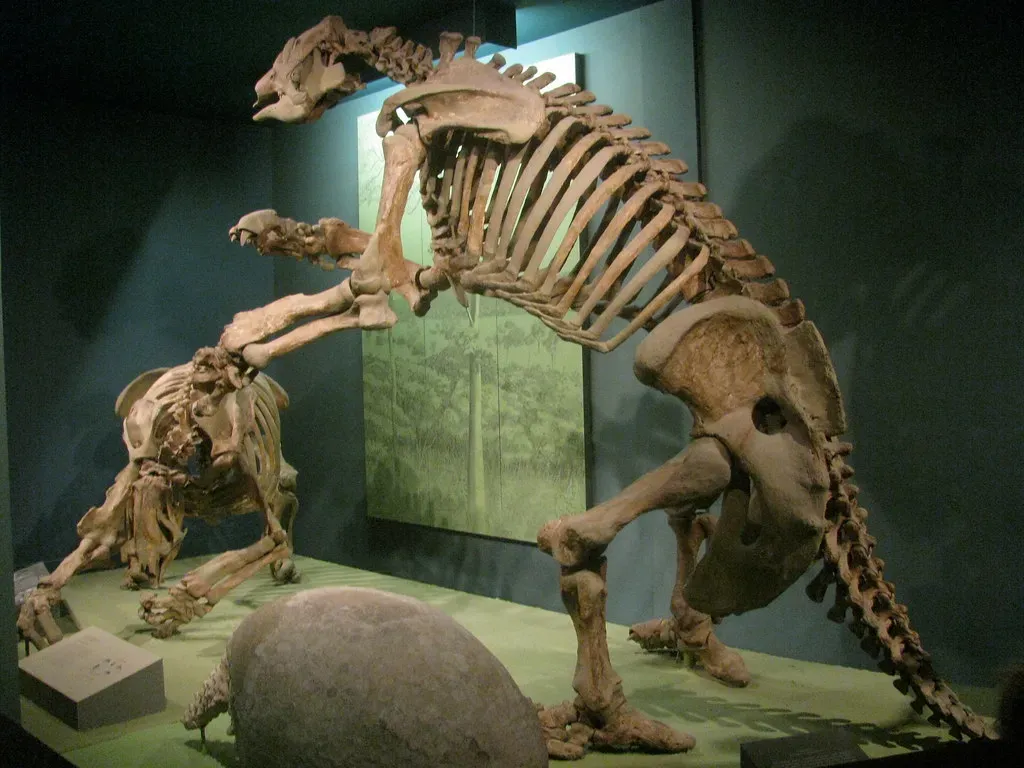
The giant ground sloths of the late Pleistocene were bear-sized herbivores that stood twelve feet on their hind legs and weighed up to three thousand pounds. That’s not a typo. Three thousand pounds. Today’s tree-dwelling sloths are adorable, lazy creatures about the size of a house cat. Their Ice Age ancestors? Absolute units.
These massive plant-eaters weren’t the pushovers you might expect. At eight-to-ten feet tall and over two thousand two hundred pounds, giant ground sloths were massive, and Hill believes only a large predator armed with absolutely lethal jaws and claws and legs designed for pouncing could hunt them regularly. Honestly, the image of a saber-toothed cat trying to take down one of these behemoths must have been spectacular. Thomas Jefferson himself was so intrigued by fossil remains he mistakenly identified them as some kind of giant cat, eventually lending his name to one species.
The Dire Wolf: Pack Hunter Supreme
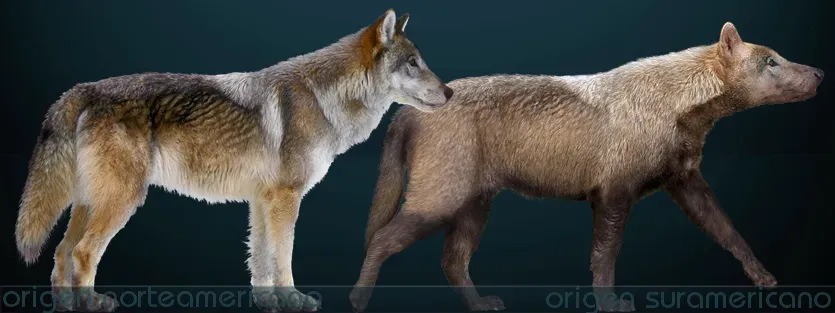
For over two hundred thousand years, dire wolves roamed across North America – from southern Alberta, Canada to Florida, and even down into Chile, and the ancient animals were megafauna hunters, ultimately disappearing with the last giant ground sloths and mastodons about thirteen thousand years ago. Made famous by fantasy novels and TV shows, dire wolves were very real creatures that stalked the Americas long before humans arrived.
Dire wolves were among the largest members of the canid family, measuring roughly five to six feet in length, stood about thirty-eight inches at the shoulder, and weighed between one hundred thirty and one hundred fifty pounds, with more robust skulls and teeth designed for delivering a stronger bite force – ideal for taking down and consuming large prey like bison, horses, and even young mammoths. Recent genetic research revealed something shocking: Despite dire and grey wolves sharing the same environment for thousands of years, new genetic data revealed that they did not interbreed, suggesting the dire wolf must have been geographically isolated for a long time to build up such a pronounced biological difference.
The Giant Short-Faced Bear: The Ultimate Apex Predator
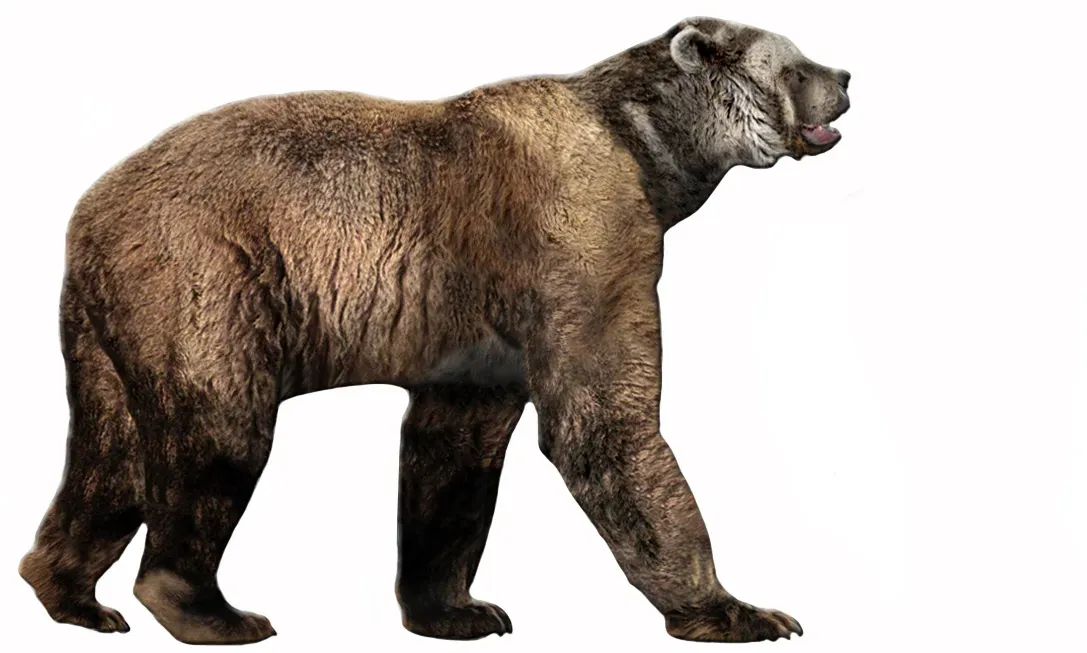
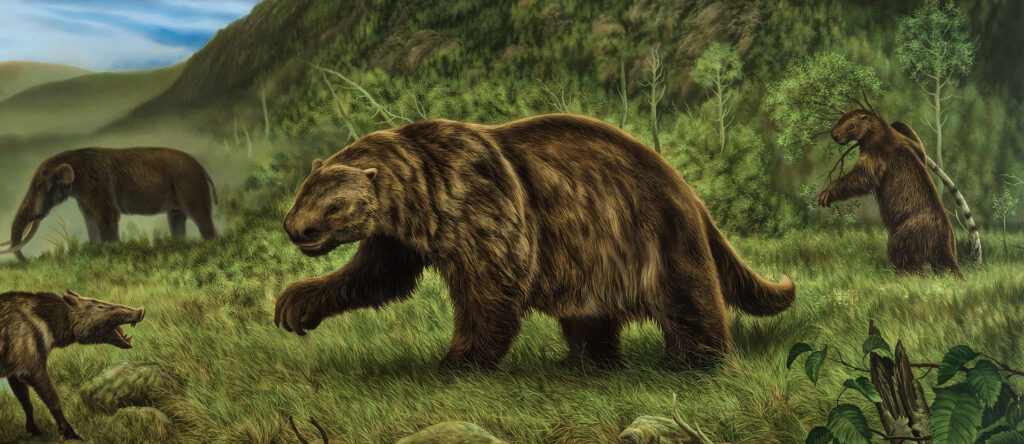
The giant short-faced bear was the largest carnivorous mammal to ever roam North America, and standing on its hind legs, an adult giant short-faced bear boasted a vertical reach of more than fourteen feet. Fourteen feet. Think about that for a moment. This wasn’t just big – this was monstrous.
The most striking difference between modern North American bears and the giant short-faced bear were its long, lean and muscular legs, and by examining skeletal remains, paleontologists calculate that the short-faced bear could reach speeds topping forty miles per hour, making it the fastest bear to ever live, and combined with large nasal cavities, it’s likely that the short-faced bear used its powerful sense of smell to detect nearby carcasses, and its speed and size to chase off the competition. This creature was built for speed and intimidation, likely scavenging kills from smaller predators through sheer terror.
The Giant Beaver: Not Your Average Dam Builder
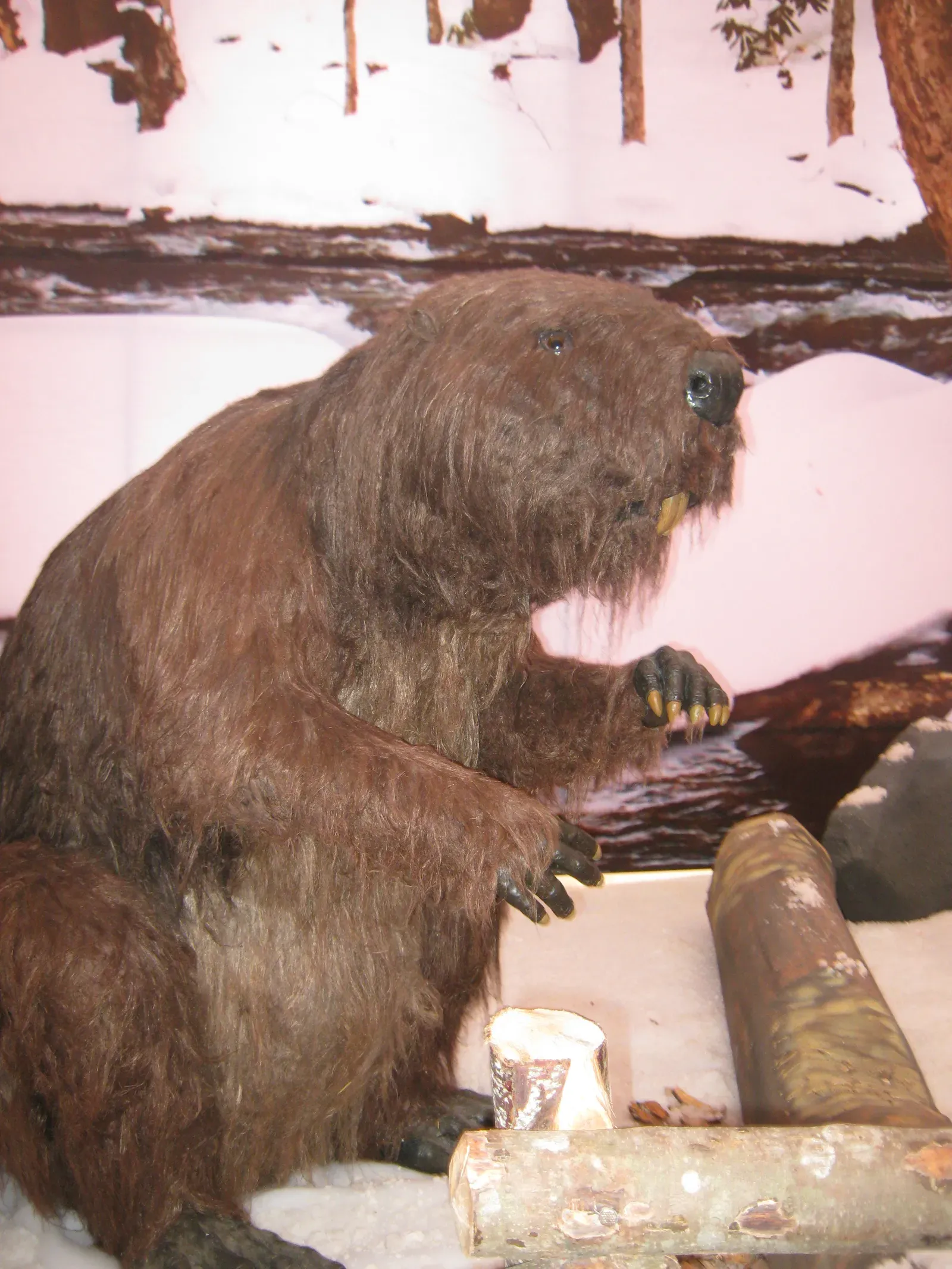
The giant beaver of Ice Age North America was the largest rodent to ever live, measuring up to seven feet long, weighed more than two hundred fifty pounds and its two front teeth were as long as bananas. Now here’s where things get interesting. Despite the name and appearance, these creatures were fundamentally different from today’s beavers.
The incisors and molars of the giant beaver were rounded and blunt, lacking the power and precision to fell large trees, and their brains were relatively smooth, a sign that they weren’t intelligent enough to construct dams, and nobody has found a giant beaver dam. Researchers did not find any evidence that the giant beaver cut down trees or ate trees for food, and giant beavers were not ecosystem-engineers the way that the North American beaver is. Instead, they munched on aquatic plants in wetlands, leading very different lives than their modern cousins.
The American Lion and Other Fearsome Carnivores
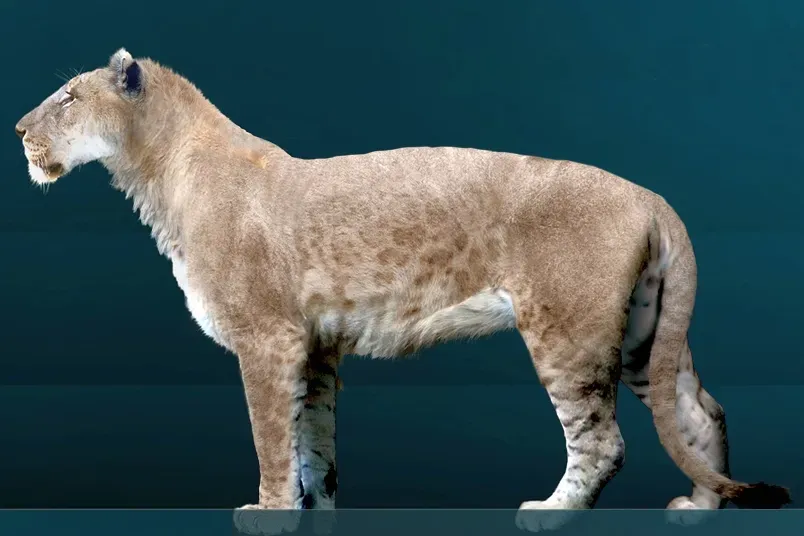
Dire wolves were part of a vast carnivore guild that more closely resembled the diversity of carnivores seen in eastern Africa today than modern North America, competing with a broad variety of other large carnivores, including sabertoothed cats like Smilodon, the ancient hyena Chasmaporthetes, and the American lion Panthera atrox. This predator community was staggering in its diversity and ferocity.
Competition among these apex predators must have been brutal. The cats, including saber-toothed cats, American lions and cougars, hunted prey that preferred forests, while it was the dire wolves that seemed to specialize on open-country feeders like bison and horses, and while there may have been some overlap in what the dominant predators fed on, cats and dogs largely hunted differently from one another. This niche partitioning allowed multiple massive predators to coexist without driving each other extinct – at least until something changed everything.
The Great Extinction Mystery: What Really Happened?
The Late Pleistocene saw the extinction of many mammals weighing more than forty kilograms, including around eighty percent of mammals over one tonne. That’s a catastrophic loss of biodiversity. Scientists still debate what triggered this mass die-off, with two main theories dominating discussions.
There are two main hypotheses to explain this extinction: climate change associated with the advance and retreat of major ice caps or ice sheets causing reduction in favorable habitat, and human hunting causing attrition of megafauna populations, commonly known as overkill. Recent evidence suggests it might not be either-or. Their model found a disastrous chain of ecological connections: a warming climate, reduction in tree pollen, and increase in human population all forecasted a decline in large herbivore numbers, but the strongest relationship the scientists found by far was between human population growth and a large increase in fire activity. Perhaps it was a perfect storm of climate shifts, human hunting, and landscape-altering fires that doomed these magnificent creatures.
Conclusion: Lessons from the Lost Giants
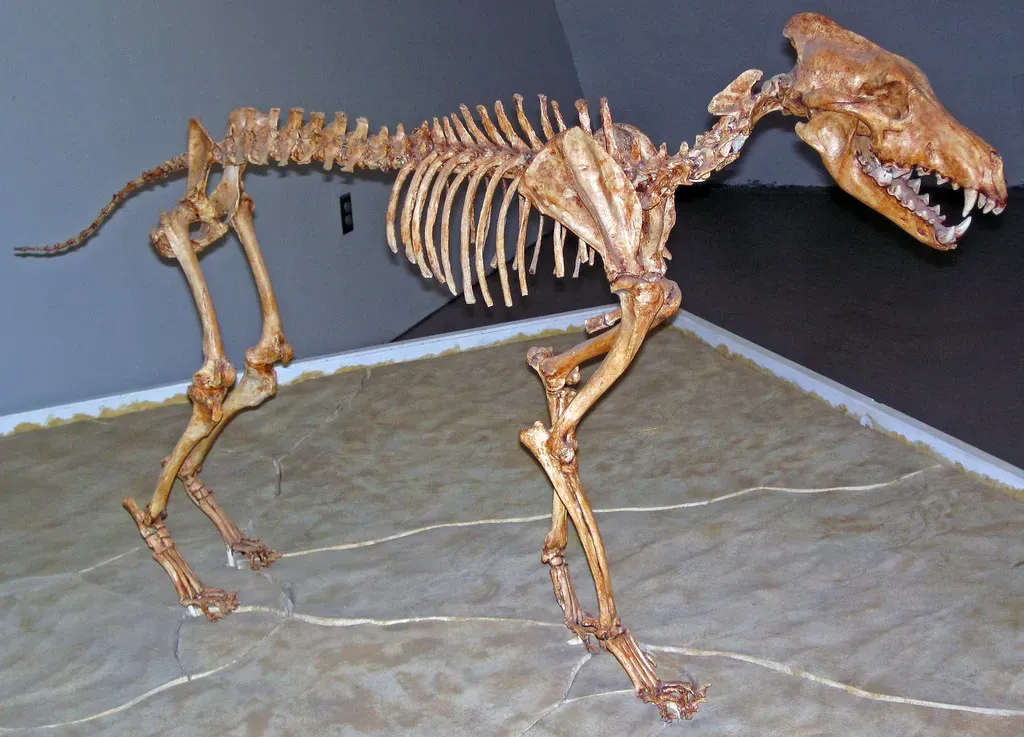
Our results highlight just how much biological diversity has been lost in the recent past, as no living members of the dire wolf lineage now survive. Walking through North America today, it’s hard to imagine the continent once supported such incredible megafauna. These weren’t mythical beasts from fantasy novels – they were real animals that breathed, hunted, reproduced, and ultimately vanished.
Their extinction teaches us something profound about the fragility of ecosystems and the impact species can have on one another. Whether climate change, human activity, or some combination sealed their fate, we lost something irreplaceable when these giants disappeared. The landscapes they shaped, the ecological roles they filled, the sheer spectacle of their existence – all gone in the geological blink of an eye. Did you expect that such a diverse menagerie existed so recently? What do you think finally pushed them over the edge?