The National Wildlife Refuge System has long served as a cornerstone of American conservation, shielding wildlife habitats and cherished outdoor pursuits across vast public lands.
A Pioneering Response to Vanishing Wildlife
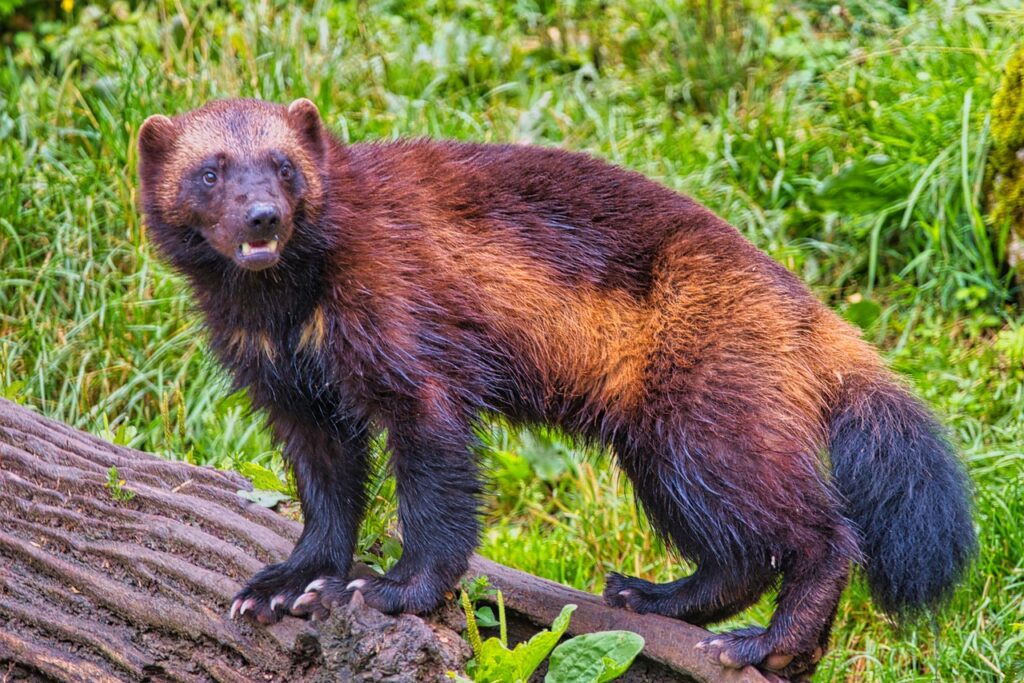
A Pioneering Response to Vanishing Wildlife (Image Credits: Pixabay)
President Theodore Roosevelt established the first national wildlife refuge at Pelican Island in Florida in 1903, responding to alarms over plummeting bird populations from unchecked hunting. That single act ignited a movement. By 1909, Roosevelt had proclaimed 51 wildlife reservations across 17 states and three territories through executive orders.
Congress soon followed with targeted protections. Lawmakers created the Wichita Mountains National Wildlife Refuge in 1905, the National Bison Range in 1908, and the National Elk Refuge in 1912. These early efforts addressed widespread declines in game species and set precedents for federal intervention.
Further legislation solidified the framework. The Migratory Bird Conservation Act of 1929 and its 1934 funding companion empowered the Interior Secretary to expand refuges. The Fish and Wildlife Act of 1956 authorized land acquisitions, though without dedicated funds. Consolidation came in 1966 via the National Wildlife Refuge System Administration Act, uniting disparate areas under one administration.
Scale and Purpose in the Modern Era
Today, the system encompasses 573 refuges and five marine national monuments across 50 states and five territories. It covers 95 million acres of land, 760 million acres of marine waters, and more than 1,000 miles of wild and scenic rivers.
| Category | Extent |
|---|---|
| Land Acres | 95 million |
| Marine Acres | 760 million |
| Total Footprint | Over 850 million acres |
Refuges shelter thousands of species, many endangered, while filtering water and sustaining communities. They prioritize wildlife-dependent recreation – hiking, fishing, hunting, paddling, and birdwatching – when compatible with core purposes. The system’s mission remains clear: to conserve, manage, and restore fish, wildlife, plants, and habitats for current and future generations.
- Habitat for over 220 mammal species, 700 birds, and 1,250 fish, reptiles, and amphibians.
- Support for local economies through visitor spending.
- Protection of wetlands that combat pollution and bolster clean water supplies.
- Opportunities for millions to engage with nature annually.
Building and Bounding the Refuge Network
Most refuges – over 500 – arose from administrative actions like executive orders or secretarial directives, with the rest shaped by congressional acts. Lands often come from public domain reservations (nearly 82 million acres) or acquisitions via purchase, exchange, or donation (over 5.6 million acres bought).
Disposal faces steep barriers. Congress typically must approve any removal. Exceptions allow limited exchanges for equal-value lands that advance refuge goals, returns via cooperative agreements, or divestment of unneeded parcels with cost recovery and commission approval. The Federal Land Policy and Management Act further shields public domain withdrawals.
Key laws enabling growth include the Migratory Bird Conservation Act, Duck Stamp Act, and Endangered Species Act. These mechanisms ensure expansions deliver net conservation gains.
The Current Review: Opportunities and Cautions
In December 2025, the U.S. Fish and Wildlife Service launched a 60-day review of the refuge system, assessing mission alignment, resource use, infrastructure, partnerships, and efficiencies. Concerns arose amid parallel pushes to divest public lands, prompting fears of boundary reductions or transfers.
Yet legal hurdles limit drastic changes. Exchanges demand documented benefits to refuge purposes and overall mission. Large-scale sales remain improbable. The process could instead enhance management and outreach, fostering better outcomes for wildlife and visitors.
Key Takeaways:
- The refuge system exemplifies over 120 years of adaptive conservation.
- Strict laws protect against erosion, prioritizing expansion.
- Ongoing reviews offer chances to strengthen, not shrink, protections.
The National Wildlife Refuge System endures as a testament to foresight, delivering irreplaceable benefits amid evolving pressures. Its framework demands vigilance to preserve gains for generations ahead. What steps should protect these vital landscapes? Share your thoughts in the comments.