Picture Earth billions of years ago. Not the blue marble we know today, but a violent, seething world constantly pelted from space. Asteroids the size of mountains regularly slammed into the young planet’s surface, unleashing devastation beyond imagination. You might assume such catastrophic events would have snuffed out the flickering sparks of early life, erasing any chance for complex organisms to emerge. Yet here’s the surprising twist: those very cosmic collisions that should have annihilated everything may have actually reshaped the conditions that allowed life – and eventually humans – to flourish.
It sounds counterintuitive, doesn’t it? How could apocalyptic destruction pave the way for evolutionary success? Recent discoveries from ancient rock formations across Africa are forcing scientists to reconsider everything they thought they knew about asteroid impacts and their role in shaping life on Earth. The evidence, painstakingly collected from remote mountain passes and buried deep within African geological formations, tells a story that’s far more complex than simple extinction and survival. These findings suggest that the relationship between cosmic violence and biological evolution might be one of the most fascinating chapters in our planet’s history – particularly when it comes to understanding how conditions emerged that would eventually make human evolution possible in Africa.
When Mountains from Space Struck Africa
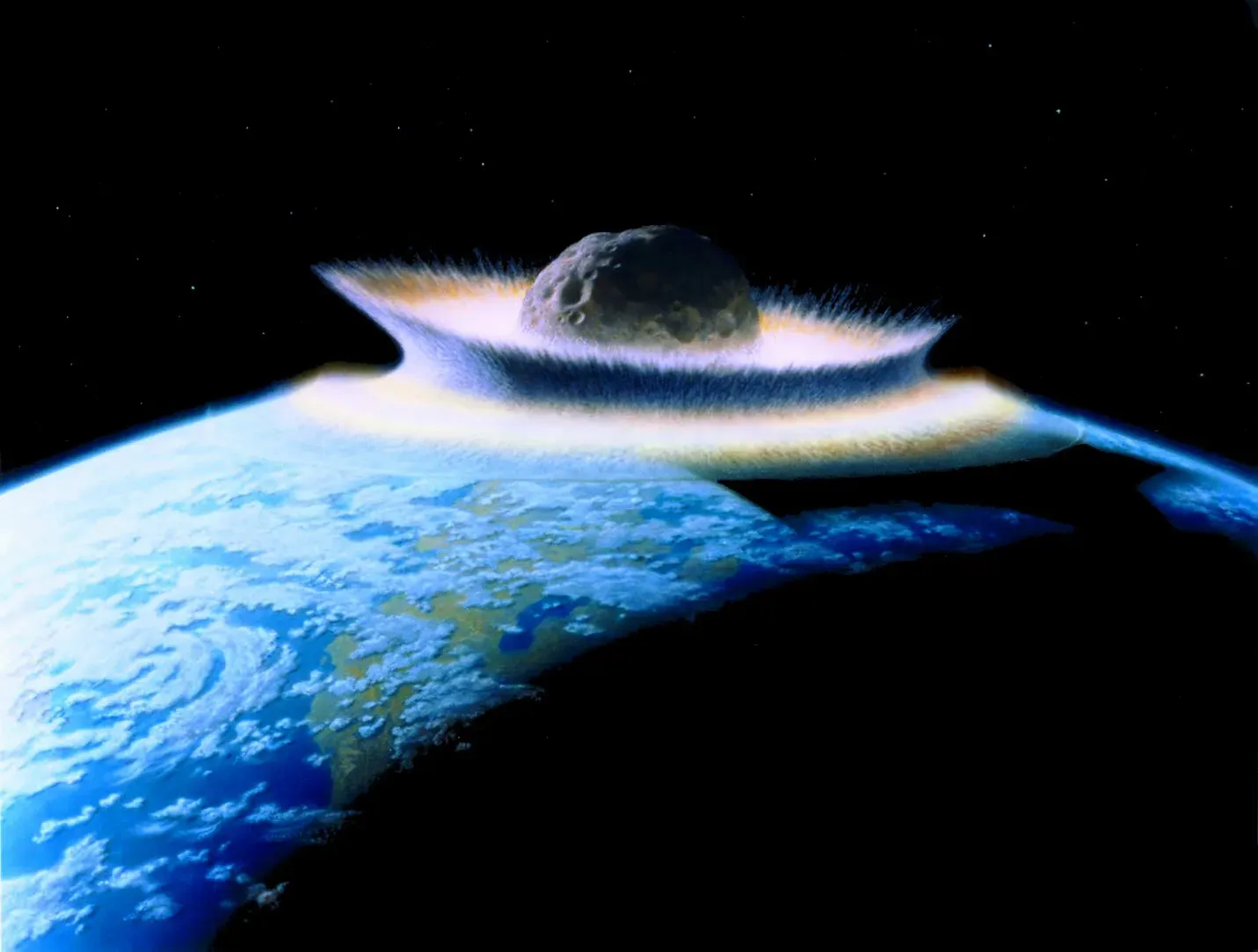
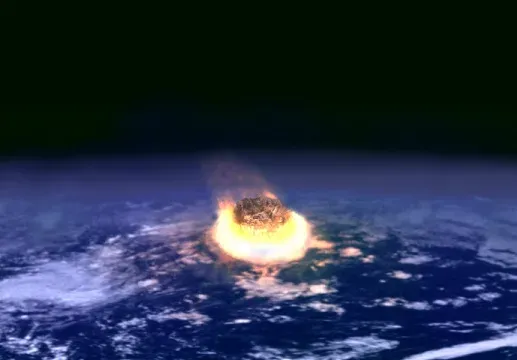
Approximately 3.26 years ago, the biggest of these meteorites, known as S2, hit the planet in an area of what is now South Africa with unimaginable force. The Archean space rock in that impact, dubbed S2, was 50 to 200 times larger – big enough to blast at least 10,000 cubic kilometers of vaporized rock into the skies. To put that in perspective, imagine four Mount Everests fused together and hurled at Earth at cosmic speeds.
The S2 meteorite triggered a tsunami that mixed up the ocean and flushed debris from the land into coastal areas, with heat from the impact causing the topmost layer of the ocean to boil off. The atmosphere itself heated to unthinkable temperatures. A thick blanket of dust choked out sunlight, shutting down photosynthesis across the planet. Everything living on the surface would have been scorched, boiled, or crushed. It was, by any measure, an extinction-level event.
The Barberton Greenstone Belt: Africa’s Geological Time Capsule
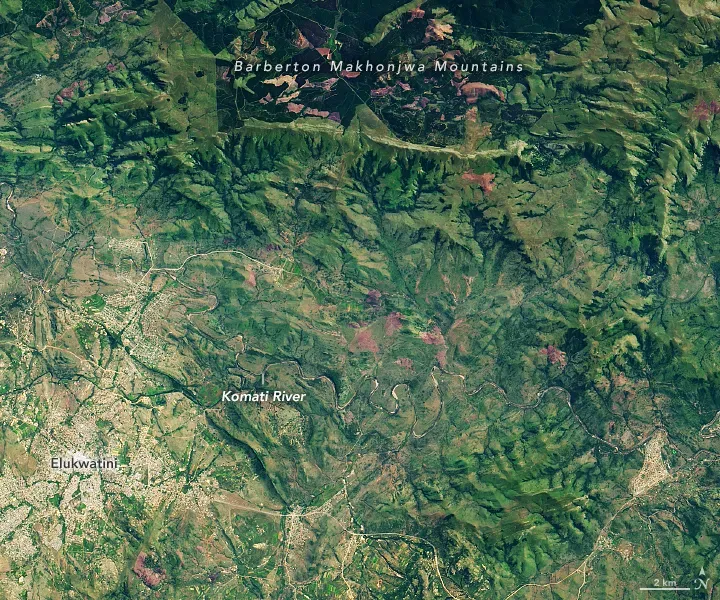
In the Archean strata of South Africa, geologists Donald Lowe and Gary Byerly found mineral orbs the size of sand grains crowded into at least eight layers of rock. These weren’t ordinary sand grains, though. These tiny spherules turned out to be solidified droplets of molten rock that rained down after a barrage of massive impact events.
The Barberton Greenstone Belt in northeastern South Africa has become ground zero for understanding these ancient catastrophes. Geologists have spent decades trekking through its rugged mountain passes, chipping away at rock formations that preserve secrets from over three billion years ago. Geological evidence of eight impact events, which occurred between 3.6 billion and 3.2 billion years ago, can be found in the rocks there. Each layer tells its own story of apocalypse and aftermath. The craters themselves have long since vanished, ground away by billions of years of erosion and geological upheaval, but those tiny spherules remain as silent witnesses.
Life Didn’t Just Survive – It Thrived
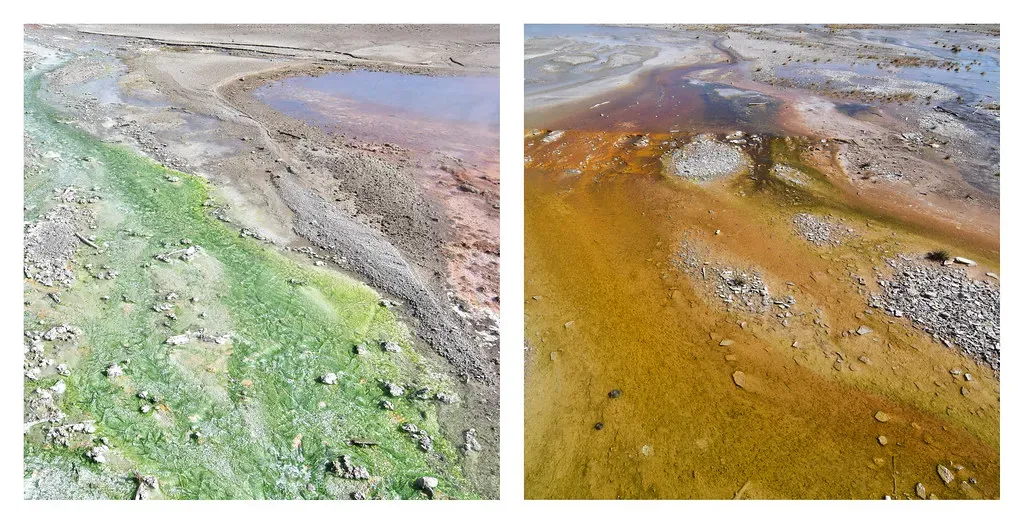
Here’s where things get really interesting. Following impact, bacterial life bounced back quickly, with sharp spikes in populations of unicellular organisms that feed off the elements phosphorus and iron. Instead of finding a barren wasteland in the rock record following these impacts, scientists discovered evidence of a biological boom.
Iron was likely stirred up from the deep ocean into shallow waters by the tsunami, and phosphorus was delivered to Earth by the meteorite itself and from an increase of weathering and erosion on land. Think about that for a moment. The same cosmic violence that boiled the oceans and blotted out the sun also churned up a nutrient-rich soup that became an all-you-can-eat buffet for microbial life. Researchers see a shift in the carbon isotopes, indicating that the mix of microbes changed after the impact, with a new dominant metabolism in the ocean that likely reflected an increase in the microbes that used iron.
Bacteria, as it turns out, are remarkably resilient little survivors. While more complex organisms might have been wiped out entirely, these single-celled pioneers weathered the storm and then exploited the dramatically altered environment.
Building the Continents Where Humanity Would Eventually Arise
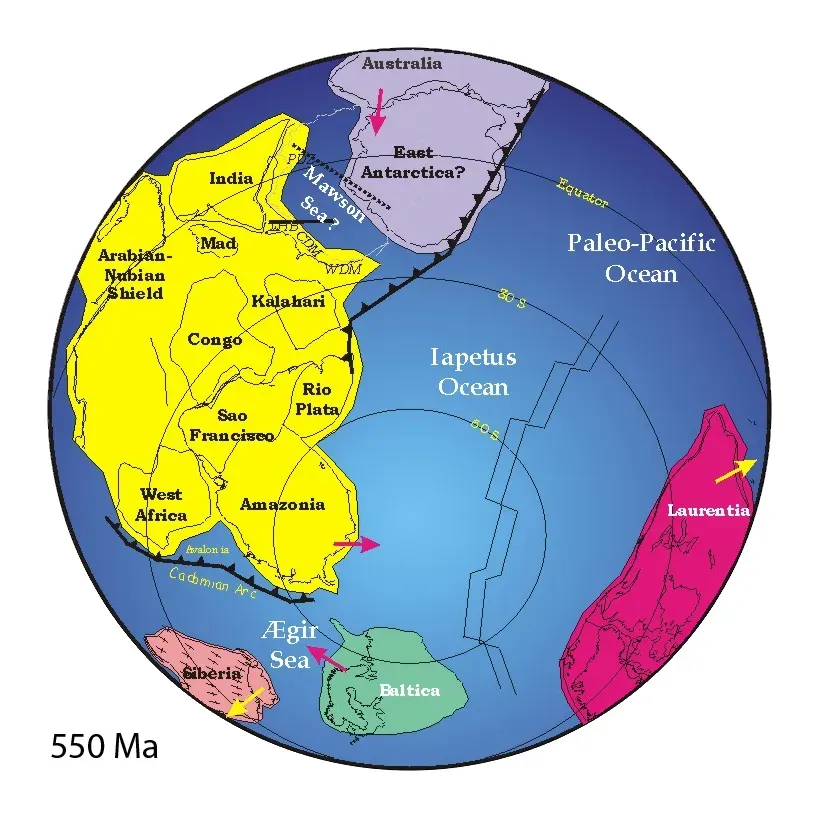
The heavy bombardment of terrestrial planets by asteroids has contributed to the formation of the early evolved crust on Earth that later gave rise to continents, with Earth constantly bombarded by asteroids more than 3.8 billion years ago. Most of these surface rocks were basalts, and the asteroid impacts produced large pools of superheated impact melt, with these basaltic pools being tens of kilometres thick and thousands of kilometres in diameter.
This isn’t just academic geological trivia. These impacts made the crust compositionally more evolved – in other words, silica-rich in composition, with researchers now arguing that such blocks can be produced at near-surface conditions within impact melt pools. Without those ancient asteroid collisions, the very ground beneath our feet – the stable continental platforms that would eventually cradle the earliest human ancestors – might never have formed the way they did.
Only two pieces of pristine lithosphere are believed to remain from this era: Kaapvaal craton in contemporary South Africa and Pilbara Craton in contemporary Western Australia. Africa’s Kaapvaal craton, part of that ancient foundation, became one of the most stable pieces of real estate on the planet. Billions of years later, it would provide the geological stability necessary for the environments where early hominins would eventually evolve.
More Recent Impacts and Human Populations
Jump forward to roughly thirteen thousand years ago, and you’ll find evidence of another significant cosmic visitor. Professor Francis Thackeray of the Evolutionary Studies Institute discovered evidence of a remarkable platinum spike at a site called Wonderkrater in the Limpopo Province, notably in a sample about 12,800 years old. Platinum is known to be concentrated in meteorites, and platinum spikes have been discovered in an ice core in Greenland as well as in areas as far apart as Europe, western Asia, North America, and even Patagonia.
This Younger Dryas impact coincided with significant changes in human populations. Archaeologists in South Africa have detected an almost simultaneous termination of the Robberg stone artefact industry associated with people in some parts of the country, with these technological changes in North America and on the African subcontinent possibly associated indirectly with an asteroid impact. Stone tool technologies suddenly shifted. Climate patterns changed abruptly.
A cosmic impact could have indirectly affected people as a result of local changes in environment and the availability of food resources, associated with sudden climate change. Human groups had to adapt or perish. Those who survived developed new strategies, new technologies, new ways of extracting resources from a dramatically altered landscape.
South Africa’s Vredefort Crater: A Continental Scar
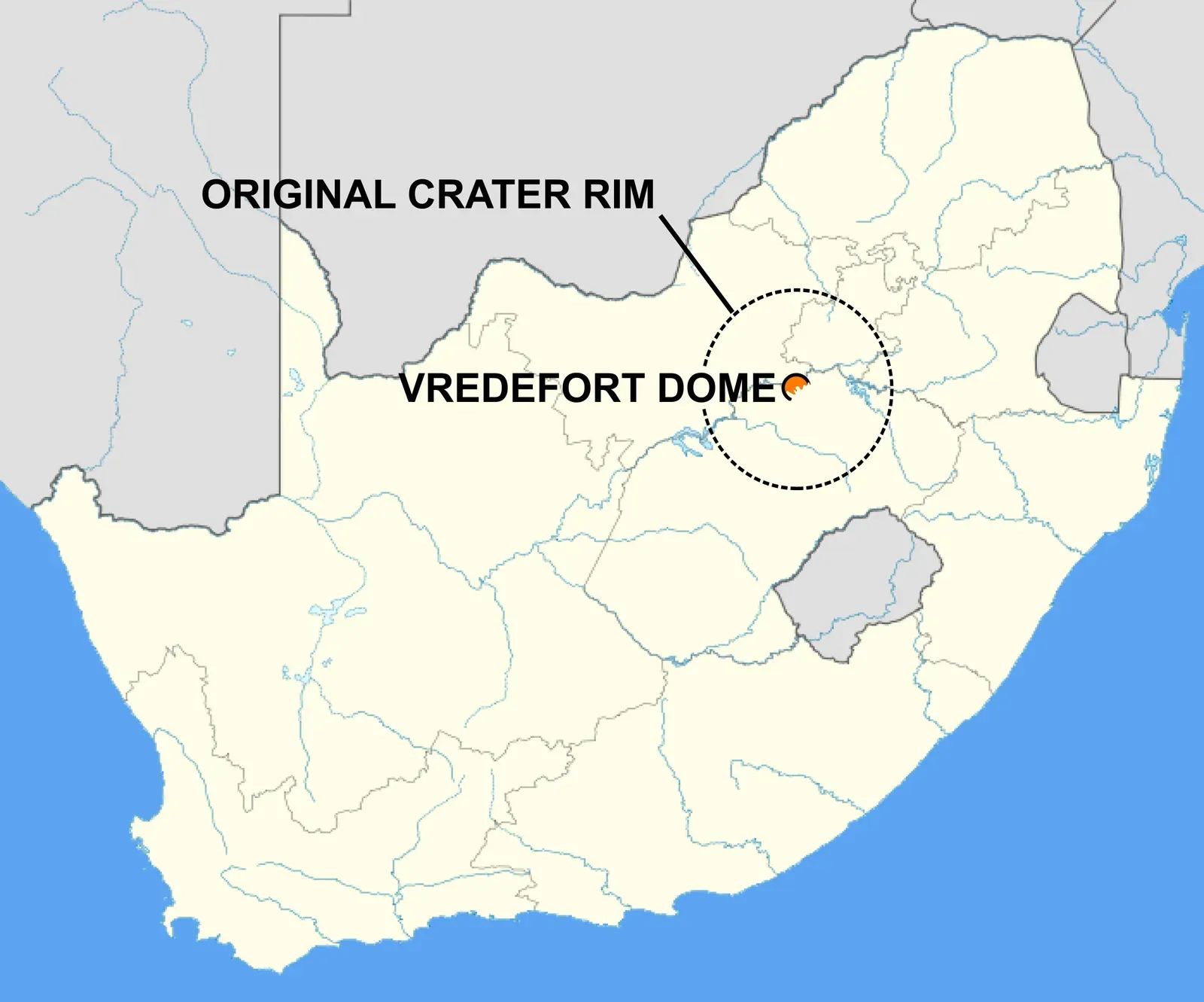
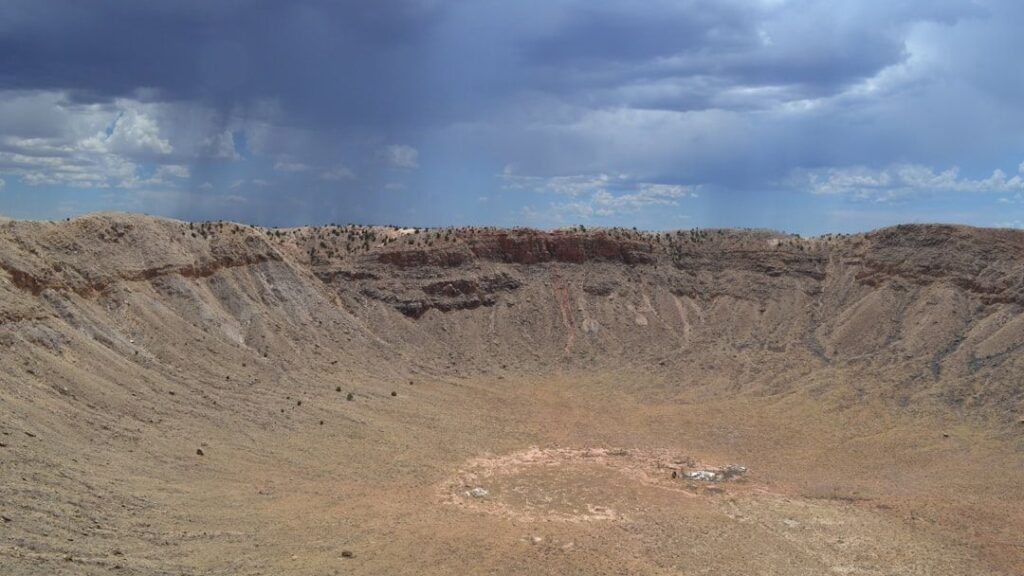
The Vredefort Crater in South Africa is the largest confirmed impact structure on Earth, with an original diameter of roughly 190 miles, formed over 2 billion years ago by an asteroid estimated to have been 6 to 9 miles wide. Recent research suggests it might have been even larger than previously thought. The impactor that formed the Vredefort crater would have been larger than the asteroid that killed off the dinosaurs 66 million years ago.
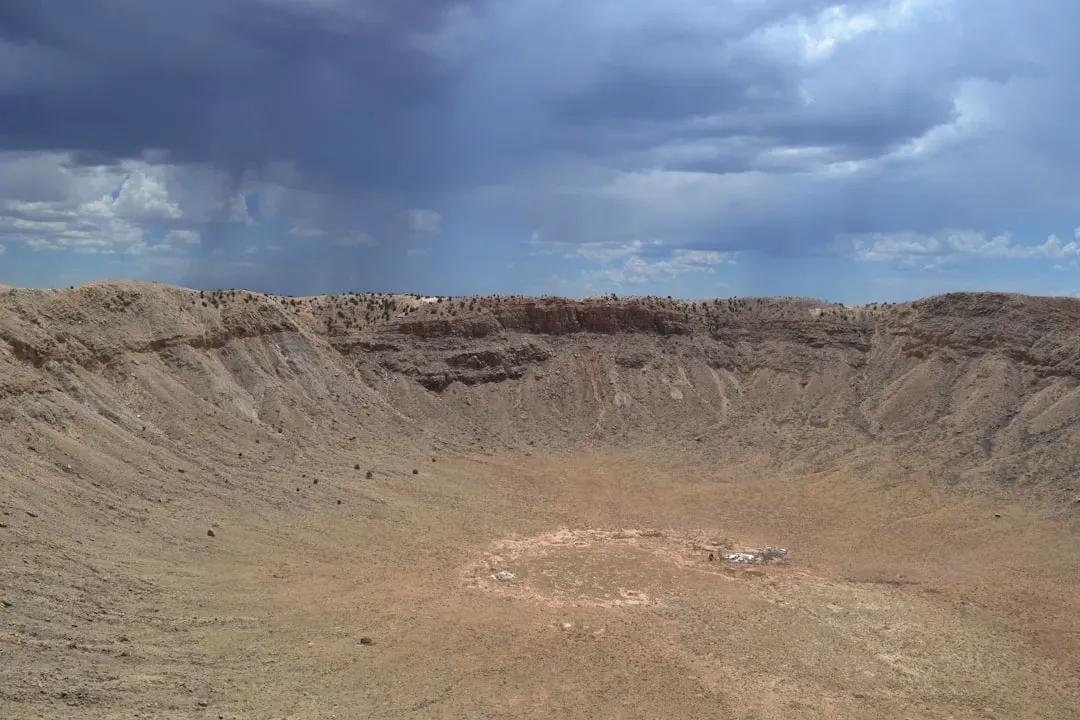
Standing at the Vredefort site today, you wouldn’t immediately recognize it as an impact crater. Time has smoothed and eroded most of the obvious features. Yet beneath your feet lies evidence of one of the most powerful collisions in Earth’s history. The energy released during that impact reshaped the surrounding landscape, uplifted rock from deep within Earth’s crust, and left behind concentric rings still visible in parts of the region.
This ancient African scar in the planet’s surface reminds us that Earth’s history – and by extension, the story of life’s evolution toward complexity and eventually intelligence – has been punctuated by these cosmic interruptions. Each one reset the evolutionary clock in some ways while paradoxically opening new opportunities in others.
The Unexpected Connection Between Destruction and Innovation
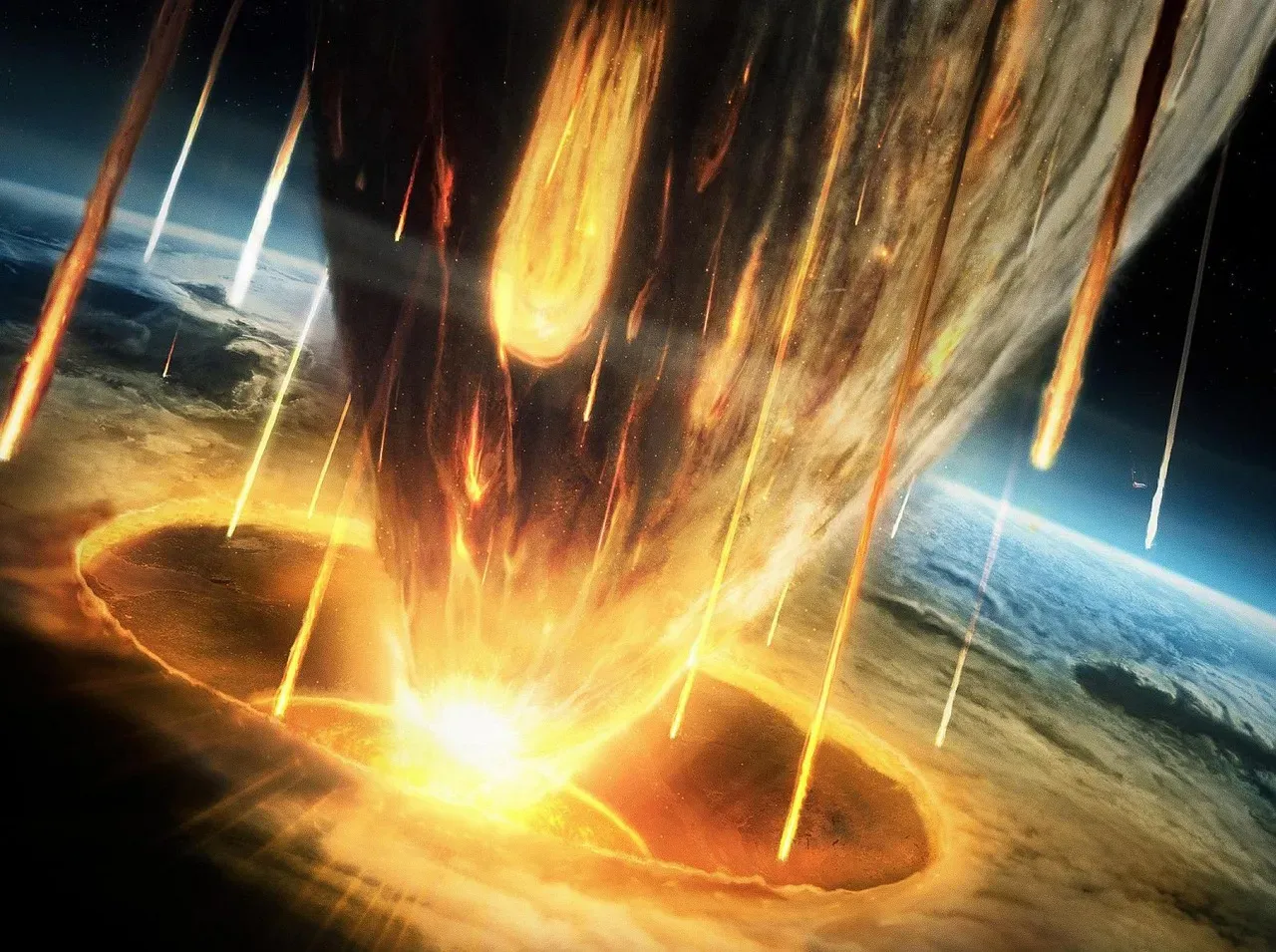
Meteorite impact events carried a silver lining for life, with impacts having had benefits to life, especially early on, and these impacts might have actually allowed life to flourish. It’s a perspective shift that challenges our assumptions about what life needs to thrive. We tend to think of stable, unchanging environments as ideal for evolution. Yet Earth’s story suggests something different: periodic catastrophic disruptions might actually accelerate evolutionary innovation by destroying established ecosystems and creating ecological vacuums that survivors can exploit.
Between 3.5 billion and 3.2 billion years ago, an object larger than the dino killer struck Earth at least once every 15 million years, with some of those asteroids being up to 350 times as massive. That’s not a rare, isolated event but rather a regular feature of early Earth. Life didn’t just survive despite these impacts – it evolved in response to them, developing resilience and metabolic flexibility that would eventually lead to the diversity we see today.
Each impact stirred the primordial pot, mixing nutrients, creating new niches, and selecting for organisms capable of rapid adaptation. The ancestors of all life on Earth today, including the lineage that would eventually lead to humans, survived and thrived in this violent cosmic shooting gallery.
Conclusion: Rewriting Our Origin Story
The evidence scattered across African rock formations forces us to reconsider the narrative of human origins. We often tell the story of evolution as if it unfolded on a relatively stable stage, with gradual changes accumulating over vast timescales. The reality appears far more dramatic. Ancient asteroid impacts didn’t just reshape the physical landscape of Africa – they fundamentally altered the chemical and biological conditions that made complex life possible in the first place.
From the Barberton Greenstone Belt’s ancient spherules to the massive Vredefort crater, from the S2 impact’s nutrient-rich aftermath to the more recent Younger Dryas disruption, Africa bears the scars and benefits of cosmic collisions throughout Earth history. These weren’t mere interruptions to life’s story but rather integral chapters in it. Without those mountain-sized asteroids slamming into the young Earth, stirring oceans, building continents, and reshaping ecosystems, the evolutionary path leading to humans might never have existed at all.
So the next time you look up at the night sky, remember that our ancestors’ story begins not just with the first hominins walking across African savannas but billions of years earlier, when cosmic violence paradoxically set the stage for life’s greatest innovations. What do you think – would humanity exist if Earth had been spared those ancient impacts?