You probably picture them as solitary, thundering giants crashing through primeval forests with no regard for anything beyond their next meal. That image, honestly, belongs more to Hollywood than to science. The reality of dinosaur social life, as researchers have been steadily uncovering, is far stranger, more nuanced, and more impressive than anyone dared imagine.
Over the past several decades, fossil evidence, genetic analysis of related living species, and cutting-edge paleontological techniques have started painting a very different portrait of these ancient creatures. They weren’t just surviving. In many cases, they were organizing. Let’s dive in.
The Old Myth of the Solitary Dinosaur Finally Falls Apart
For generations, the popular image of a dinosaur was a lone predator or a massive, lumbering herbivore with no real ties to others of its kind. That idea is now thoroughly dismantled. Dinosaurs, once considered solitary creatures, are now understood to have engaged in complex social behaviors, with new studies providing insights into herd behavior, parental care, and even potential cooperative hunting.
The shift in scientific thinking has been dramatic. Think of it like discovering your grumpy neighbor actually throws legendary dinner parties when the curtains are drawn. Researchers have explored how dinosaurs may have communicated with each other using vocalizations, body language, or visual displays, while evidence also suggests that many dinosaurs lived in herds, likely for protection, food acquisition, and migration.
The Oldest Known Dinosaur Herd: 193 Million Years Ago
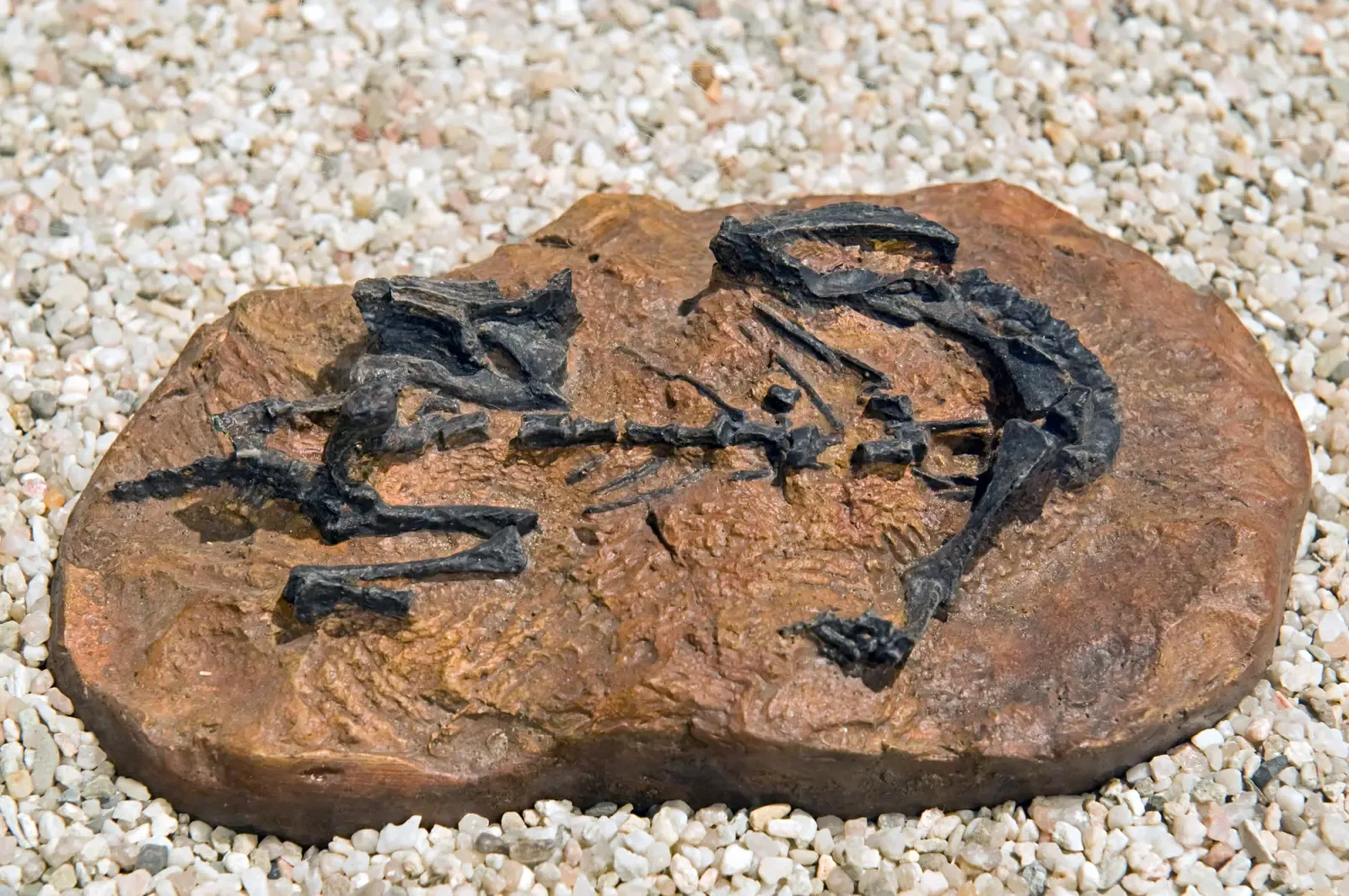
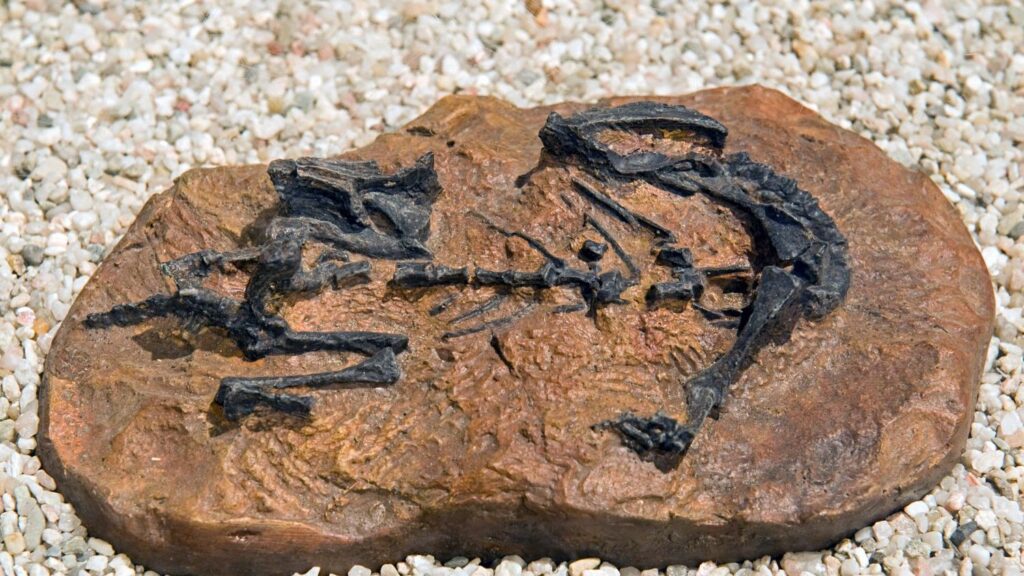
Here is where things get genuinely jaw-dropping. In Patagonia, Argentina, scientists uncovered one of the most remarkable fossil sites ever found. An exceptional fossil occurrence from the region includes over 100 eggs and skeletal specimens of 80 individuals of the early sauropodomorph Mussaurus patagonicus, ranging from embryos to fully-grown adults, with an Early Jurassic age determined by high-precision uranium-lead zircon geochronology.
Researchers from MIT, Argentina, and South Africa detailed their discovery of this exceptionally preserved group of early dinosaurs that shows signs of complex herd behavior as early as 193 million years ago, a full 40 million years earlier than other records of dinosaur herding. That is not a small revision. That is a complete rewrite of the timeline. The new discoveries indicate the presence of social cohesion throughout life and age-segregation within a herd structure, in addition to colonial nesting behavior, providing the earliest evidence of complex social behavior in Dinosauria, predating previous records by at least 40 million years.
Age-Segregated Herds: They Organized by Generation
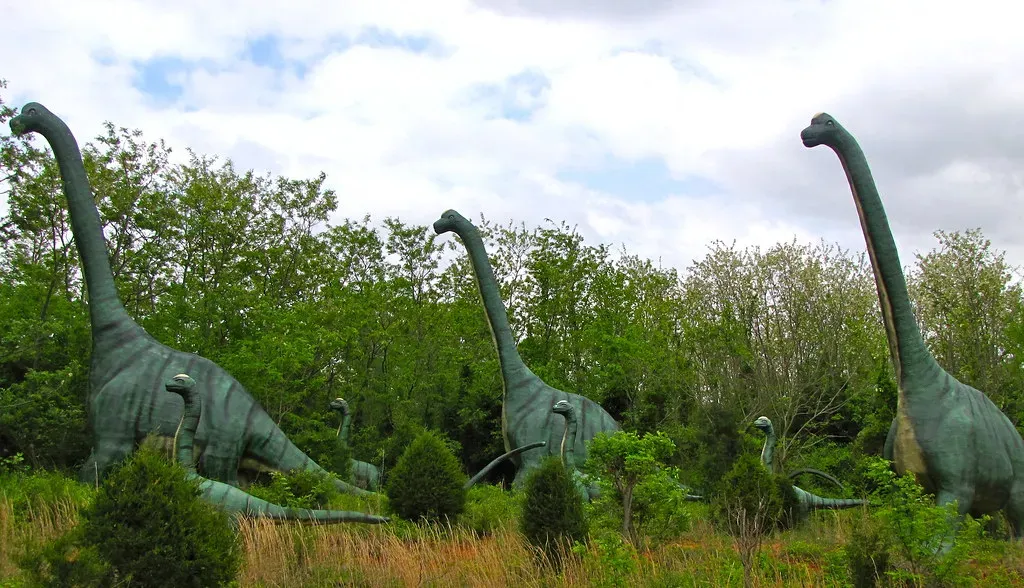
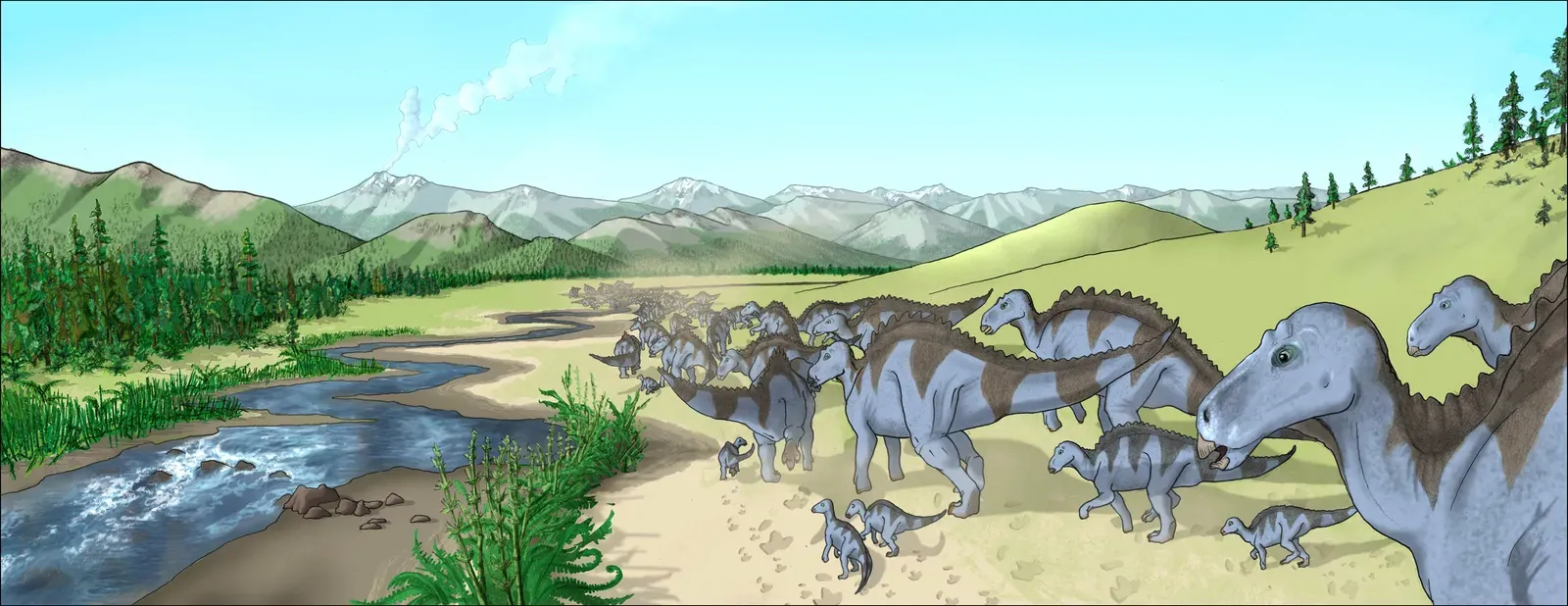
One of the most fascinating details to emerge from the Mussaurus site is not just that these dinosaurs herded. It is how they herded. The remains include more than a hundred Mussaurus eggs and skeletal fossils, and some appear in clusters of dinosaurs that are the same size and roughly the same age, with researchers interpreting this clustering as evidence that Mussaurus moved in age-segregated herds, with animals of similar sizes and ages moving together within the group.
This is strikingly similar to what you see in elephant herds today, where younger animals group together while adults take on protective roles. The young dinosaurs stayed close to each other while the adults protected the herd and foraged for food. Researchers speculate that the evolution of complex social behavior among sauropodomorphs may have coincided with increases in body size, and that meeting the increased energy requirements associated with larger bodies may have required them to coordinate behavior and form herds to forage over long distances.
Mixed-Species Herding: Dinosaurs of Different Kinds Traveled Together
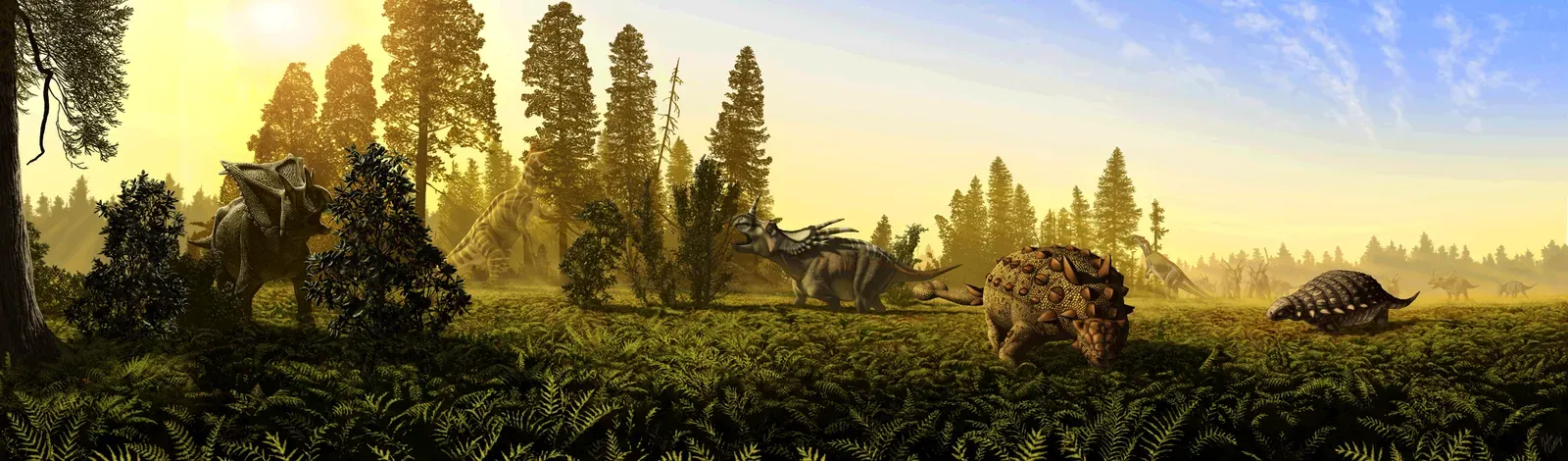
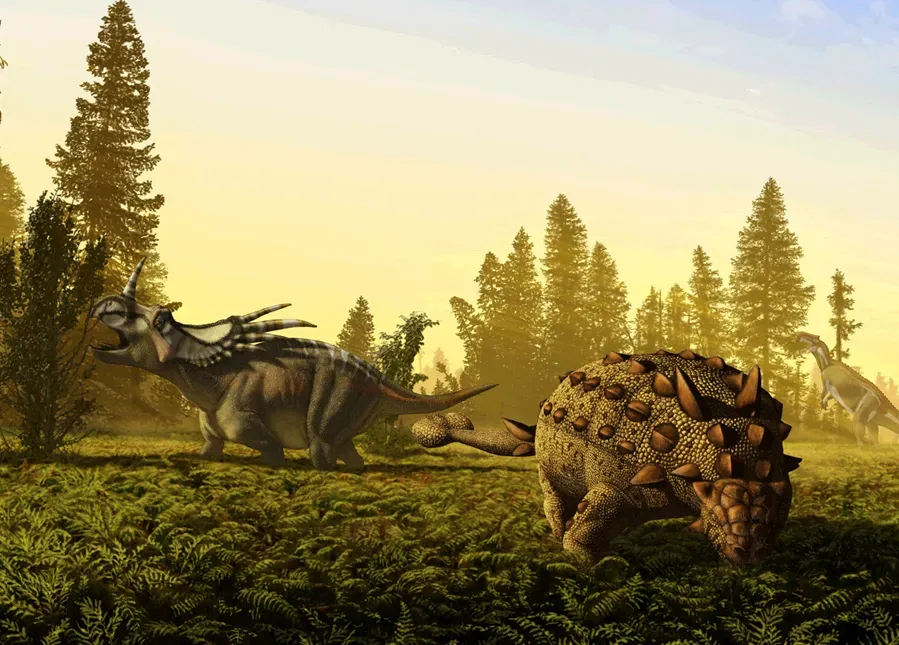
I know it sounds crazy, but the fossil record suggests some dinosaurs didn’t just herd with their own species. They may have traveled alongside completely different dinosaurs, something you can still observe today on the African savanna when zebras and wildebeest move together. A discovery made during an international field course in July 2024 includes footprints from multiple dinosaur species walking alongside each other, providing the first evidence of mixed-species herding behavior in dinosaurs, similar to how modern wildebeest and zebra travel together on the African plains.
At the site, paleontologists unearthed 13 ceratopsian, or horned dinosaur, tracks from at least five animals walking side by side, with a probable ankylosaurid walking in the midst of the others, and two large tyrannosaurs were found walking side-by-side and perpendicular to the herd, raising the prospect that the multispecies herding may have been a defense strategy against common apex predators. This is the Cretaceous equivalent of a neighborhood watch program. This would have been similar to how modern wildebeest and zebras travel together across the African plains.
The DNA Link: What Bird Genomes Tell You About Dinosaur Social Life
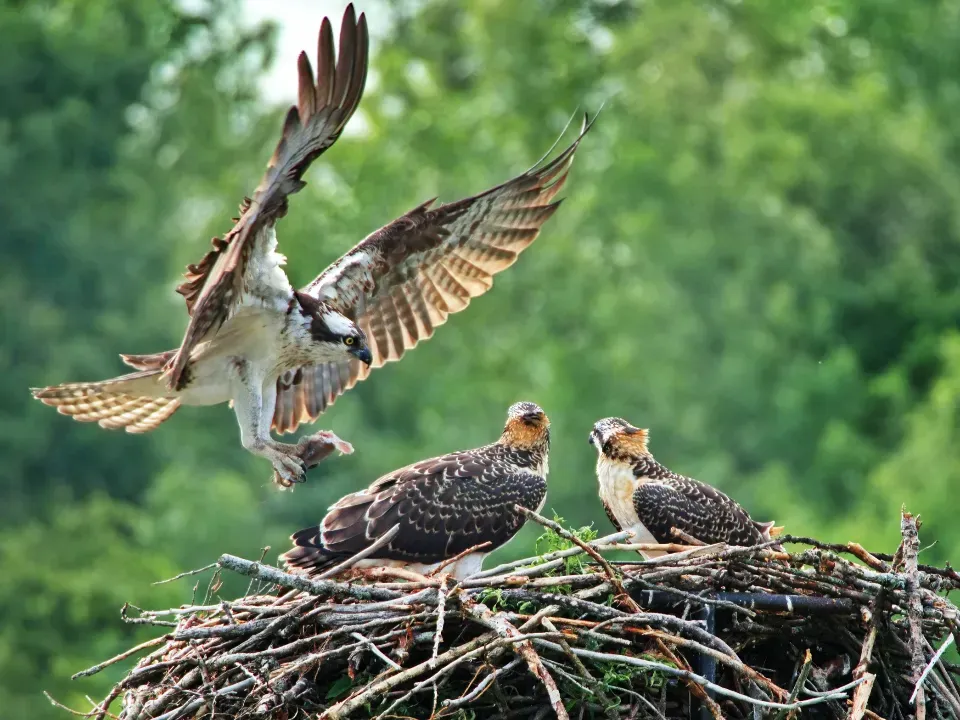
Here is where ancient DNA and genomics enter the picture in a deeply compelling way. You cannot extract actual DNA from dinosaur bones because the molecules degrade far too quickly over tens of millions of years. However, the genetic blueprint for social behavior didn’t disappear. It survived in their descendants. Behaviors like nesting, rearing young, communication methods, and social structures leave no fossil traces but have a large genetic component, and studies of bird genomes provide some clues about their dinosaur ancestors.
Parental care of babies for at least several weeks is present in both modern crocodilians and modern birds, implying that this trait was present in archosaurs ancestrally. In other words, when you watch a crow tend its chicks or a crocodile guard her nest with fierce dedication, you are watching an inherited behavior that stretches back to the age of dinosaurs. The social instinct is ancient. Deeply, profoundly ancient. Living dinosaurs, birds, and their closest living relatives, crocodilians, share many derived features of reproduction, including vocal communication between parents and offspring prior to hatching and some degree of parental care.
Devoted Parents: The Evidence for Dinosaur Parental Care
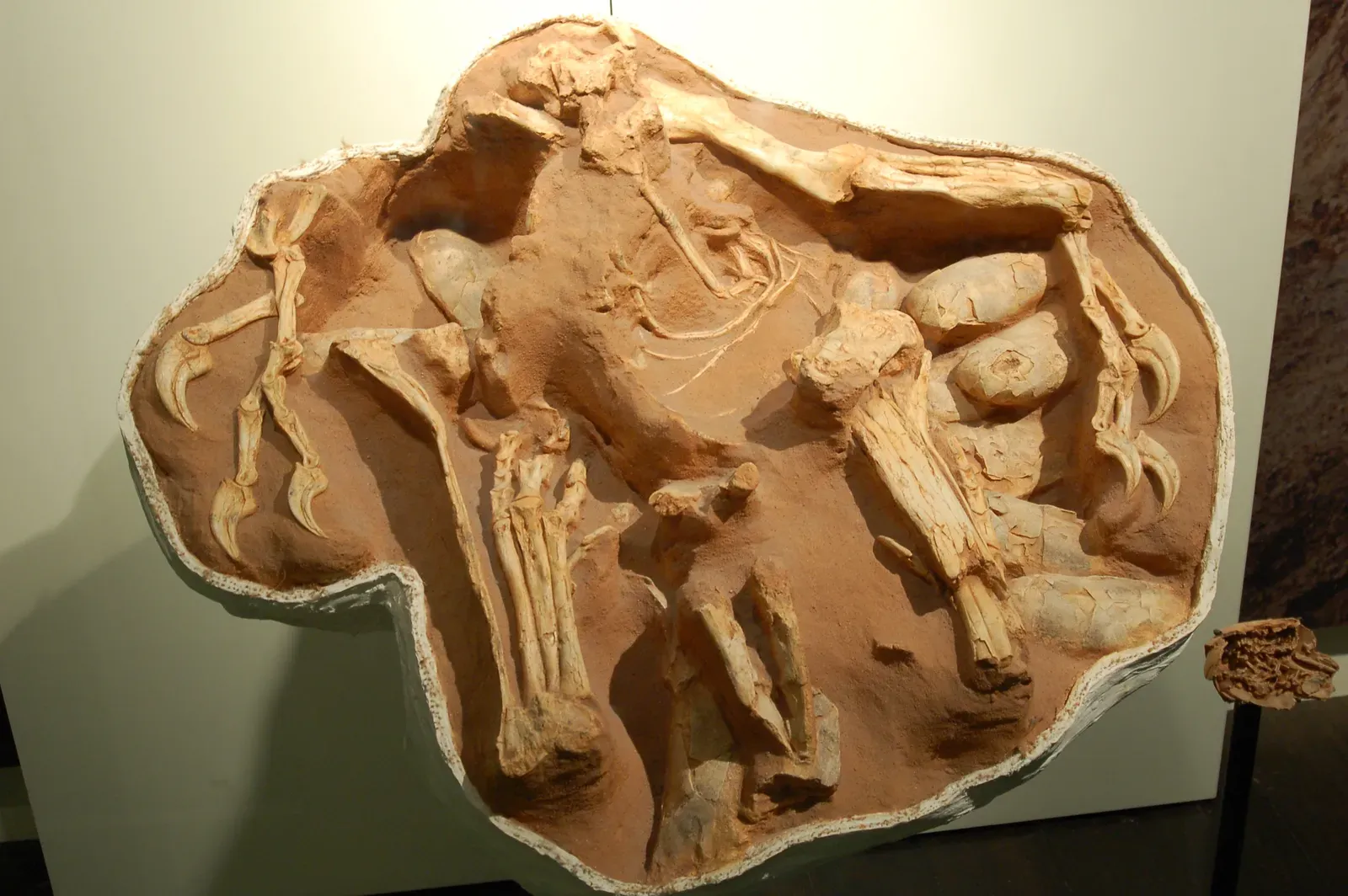
If you assumed that dinosaurs simply laid eggs and walked away, the fossil record has some rather extraordinary things to say about that assumption. The Citipati osmolskae fossil dubbed “Big Mama” was a discovery that provided substantial evidence for how dinosaurs behaved with their eggs. This was a 75-million-year-old oviraptorid that was uncovered brooding on, meaning sitting on top of, a nest of eggs. That is not the behavior of an indifferent animal.
The fossils of the duck-billed dinosaur Maiasaura indicate these animals nested in groups and cared for their young, discoveries which helped shift the public and scientific perception of dinosaurs and their behavioral complexity. The very name Maiasaura translates to “good mother lizard,” which says something about just how moved scientists were by what they found. The fact that hatchlings spent significant time in the nest after hatching implies that adults of at least some dinosaur species provided a degree of parental care for their young, with adult specimens found in nest structures along with hatchlings and juveniles of the same species, providing strong evidence of parenting behavior.
How Dinosaurs Communicated: Sounds, Colors, and Visual Displays
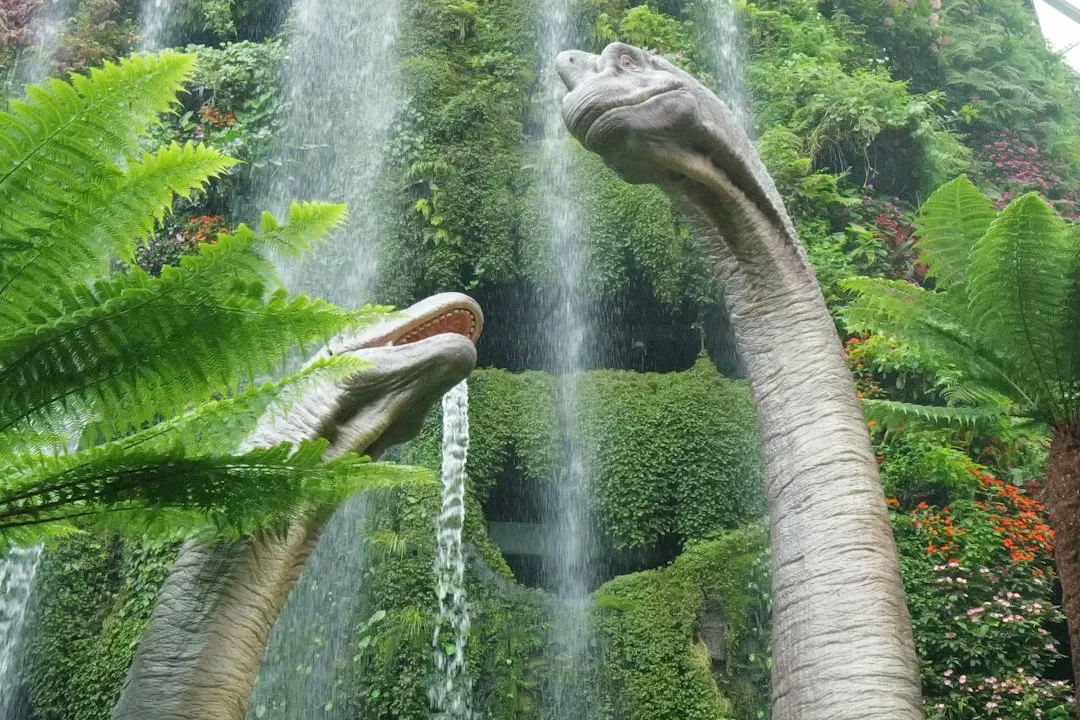
Forget the iconic Hollywood roar for a moment. Evidence suggests that dinosaur vocalizations were not likely to have sounded like roars at all. Instead, picture something lower, more resonant, more like the boom of a cassowary or the guttural hum of a crocodile. Some duck-billed dinosaurs, called hadrosaurs, had elaborate crests that contained long and resonant extensions of the breathing tracts, and these crests are naturally resonant and so could easily produce low-frequency sounds.
Color also played a major role. Researchers report that a complicated pattern of reddish brown, black, gray, and white feathers covered the fossilized dinosaur Anchiornis, leading to speculation that perhaps this coloration was used for attracting mates or some form of visual communication, as is often the case in living birds. Recent fossil discoveries have shed light on the presence of color patterns on dinosaur feathers, indicating that feathers played a role not only in flight but also in communication, and may have been used to convey information about reproductive fitness, territory boundaries, or hierarchical status within dinosaur social groups. Social signaling, it seems, is not a modern invention.
Social Structure as a Key to Evolutionary Success
Here is the big picture takeaway that genuinely reshapes how you should think about the dinosaur dynasty. Their social structures were not incidental. They may have been central to why dinosaurs dominated life on Earth for so long. Scientists postulate that the exceptional case of Mussaurus, in which data show herd behavior and age-segregation structure, indicates that sociality may have influenced the early success of the first global radiation of large-bodied herbivorous dinosaurs.
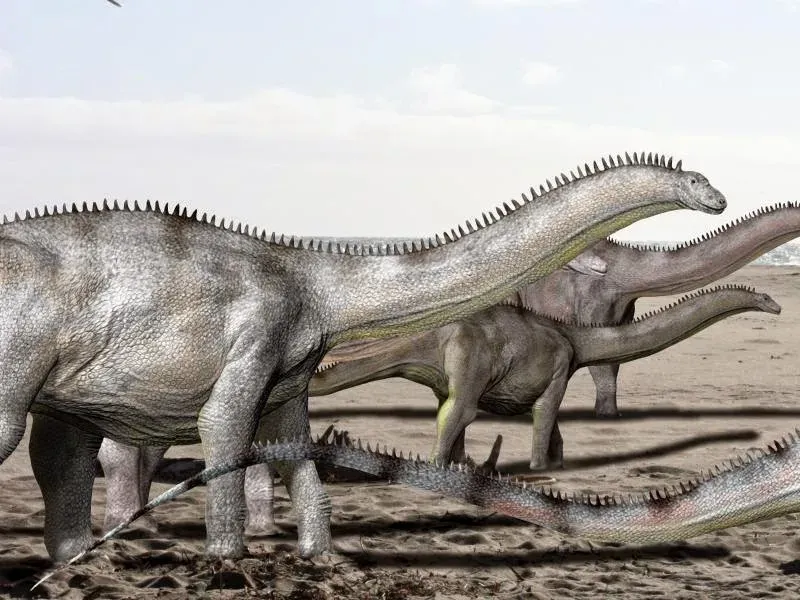
Living in herds may have given Mussaurus and other social sauropodomorphs an evolutionary advantage. These early dinosaurs originated in the late Triassic, shortly before an extinction event wiped out many other animals, and sauropodomorphs held on and eventually dominated the terrestrial ecosystem in the early Jurassic. That survival through catastrophe was not random luck. The presence of sociality in different sauropodomorph lineages suggests a possible Triassic origin of this behavior, which may have influenced their early success as large terrestrial herbivores. They were organized. They were social. That made all the difference.
Conclusion
The story of dinosaur social life is still being written, fossil site by fossil site, genetic comparison by genetic comparison. What’s clear is that these creatures were not the mindless, solitary monsters of old monster movies. They formed herds, raised their young, communicated through sound and color, and in some cases even traveled with members of entirely different species. The more science digs into the evidence, the more their world looks startlingly familiar.
There is something almost humbling about that realization. Across hundreds of millions of years, the impulse to gather, to protect, and to communicate persists. The social instinct runs deeper in life’s history than most of us ever imagined. So the next time you picture a dinosaur, picture a world full of them, organized, communicating, watching out for each other. Does that change the way you see them? Tell us in the comments.