
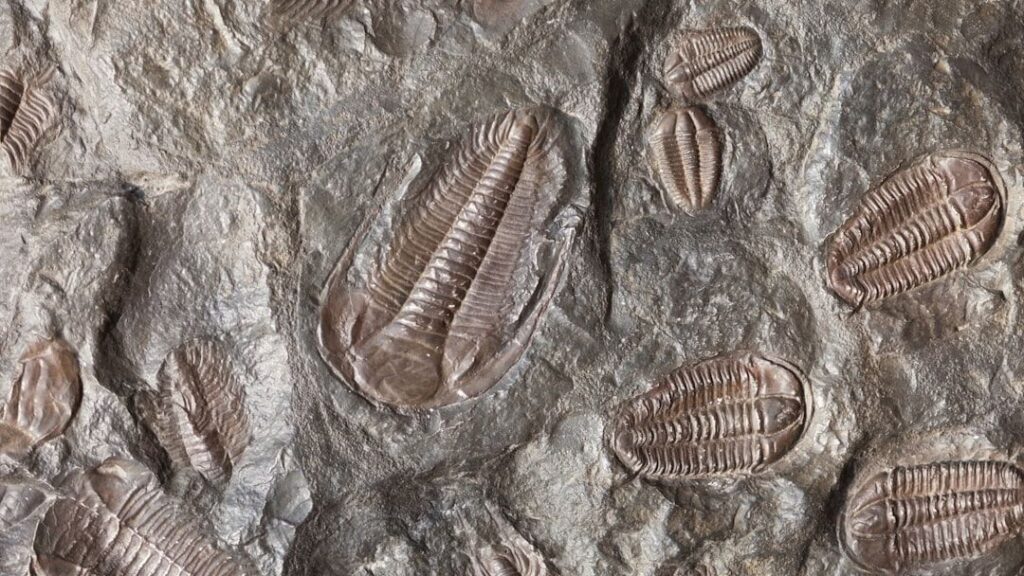
Think about all the discoveries happening right now. In 2026, we stand at an exciting intersection of technology and paleontology, where artificial intelligence can detect life signatures hidden for over three billion years. The history of our planet reads like a thriller, full of unexpected twists, hidden clues, and revelations that change everything we thought we knew. What you’re about to discover might just reshape your understanding of how life itself began.
The Proto-Earth Discovery That Changed Everything
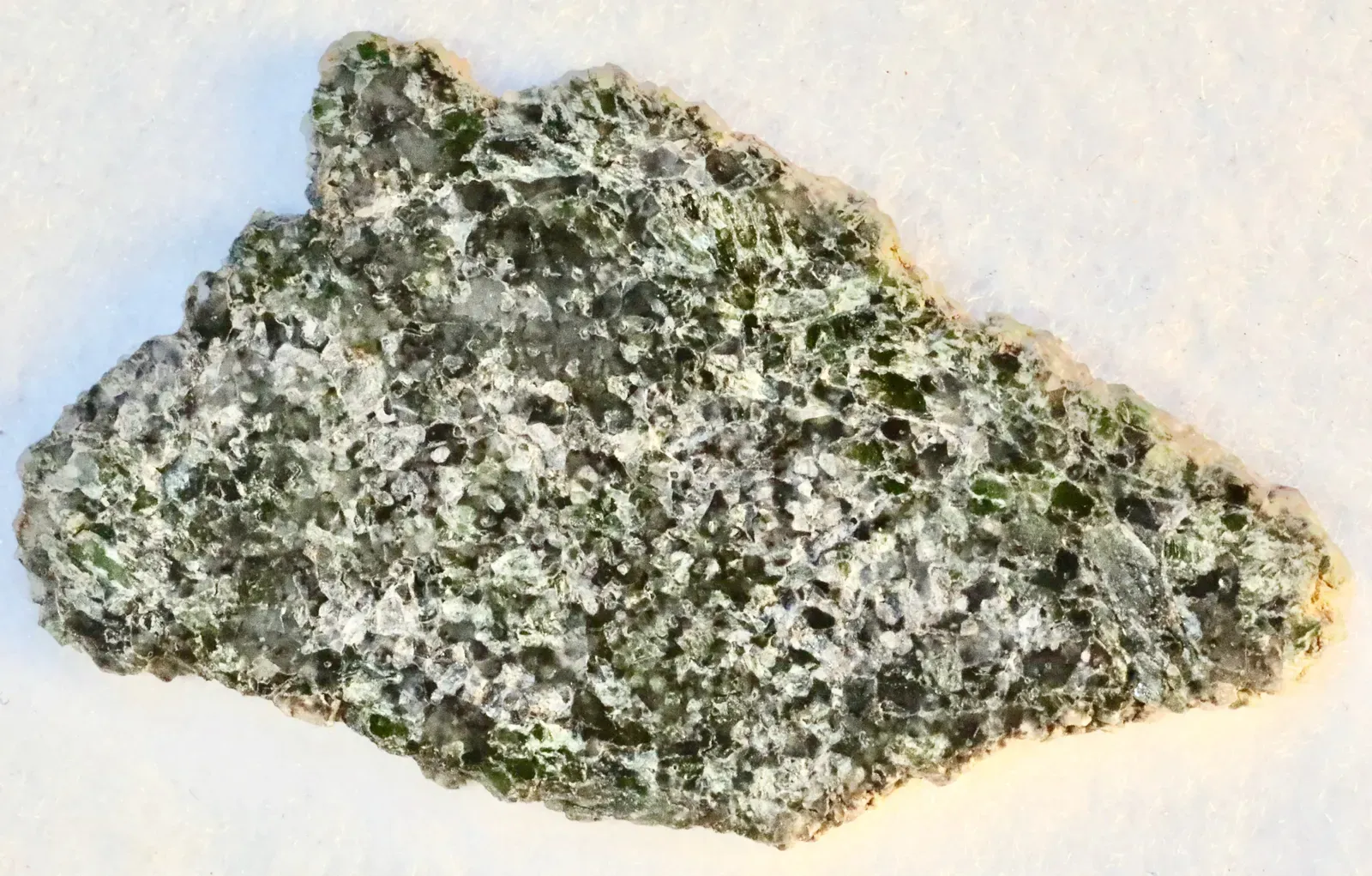
Scientists have discovered extremely rare remnants of proto Earth, which formed about 4.5 billion years ago, before a colossal collision with a Mars-sized body transformed our planet forever. Here’s what makes this mind-blowing: researchers found chemical signatures in ancient rocks from Greenland, Canada, and Hawaii that shouldn’t exist. These traces survived billions of years of geological chaos, defying all expectations.
Researchers uncovered a subtle imbalance in potassium isotopes in ancient rock, specifically a deficit of potassium-40, which is a potential fingerprint of material that survived from the proto-Earth itself. Let’s be real, the fact that anything survived that apocalyptic moon-forming collision is absolutely astonishing. The discovery fundamentally challenges what geologists assumed about Earth’s earliest history.
When AI Became a Time Machine
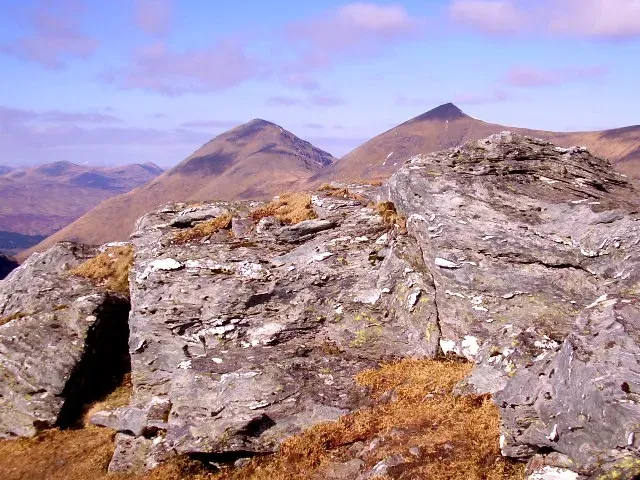
Machine learning just cracked a mystery that stumped scientists for decades. Advanced methods teased out chemical patterns unique to biology in rocks as old as 3.3 billion years, when previously no such traces had been found in rocks older than about 1.7 billion years. This breakthrough essentially doubled the window of time scientists can study ancient biomolecules.
The technique is surprisingly straightforward yet revolutionary. Researchers used high-resolution chemical analysis to break down materials into molecular fragments and trained an artificial intelligence system to recognize chemical fingerprints left behind by life, analyzing 406 diverse samples with over 90 percent accuracy. Think of it as teaching a computer to recognize whispers from organisms that died when Earth was practically unrecognizable. The work provides molecular evidence that oxygen-producing photosynthesis was at work at least 2.5 billion years ago, extending the chemical record by over 800 million years.
The Lost World Hidden in Plain Sight
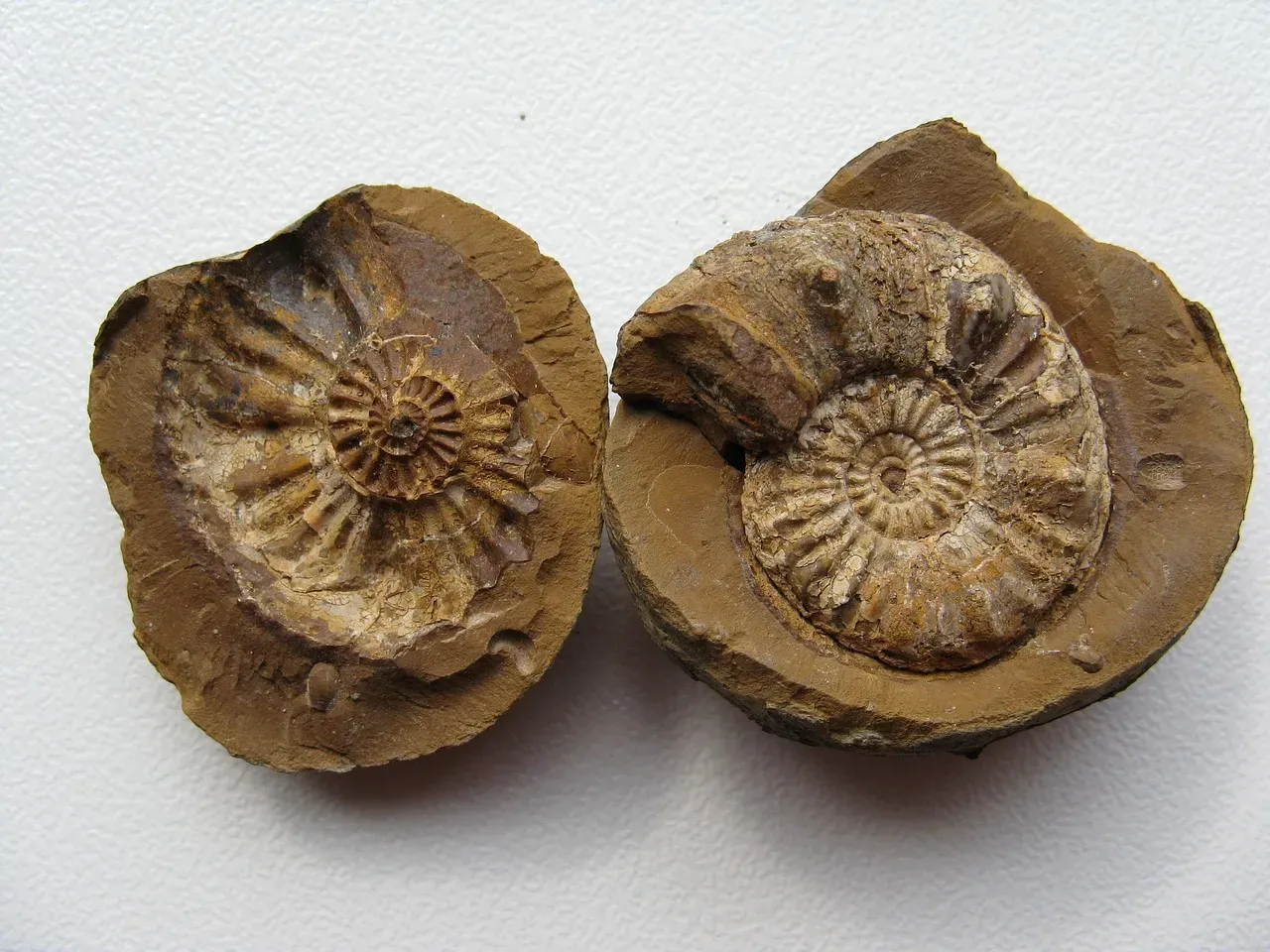
Roughly a billion and a half years ago, Earth teemed with creatures so bizarre they’d seem alien today. Scientists discovered the remains of a lost world of mysterious lifeforms called protosterol biota that thrived some 1.6 billion years ago in ancient Australian rocks, filling a major gap in understanding early eukaryote evolution. These weren’t your typical fossils.
These organisms thrived in watery habitats across our planet about a billion years before the emergence of animals and plants, but they have managed to remain hidden in the fossil record until now. What’s fascinating is how they survived. These primordial forebears were better suited to environments with lower-oxygen and energy requirements, giving them an advantage when deoxygenated habitats were more common. They ruled the planet for hundreds of millions of years, then vanished when oxygen levels rose.
The Oxygen Mystery That Rewrote Biology
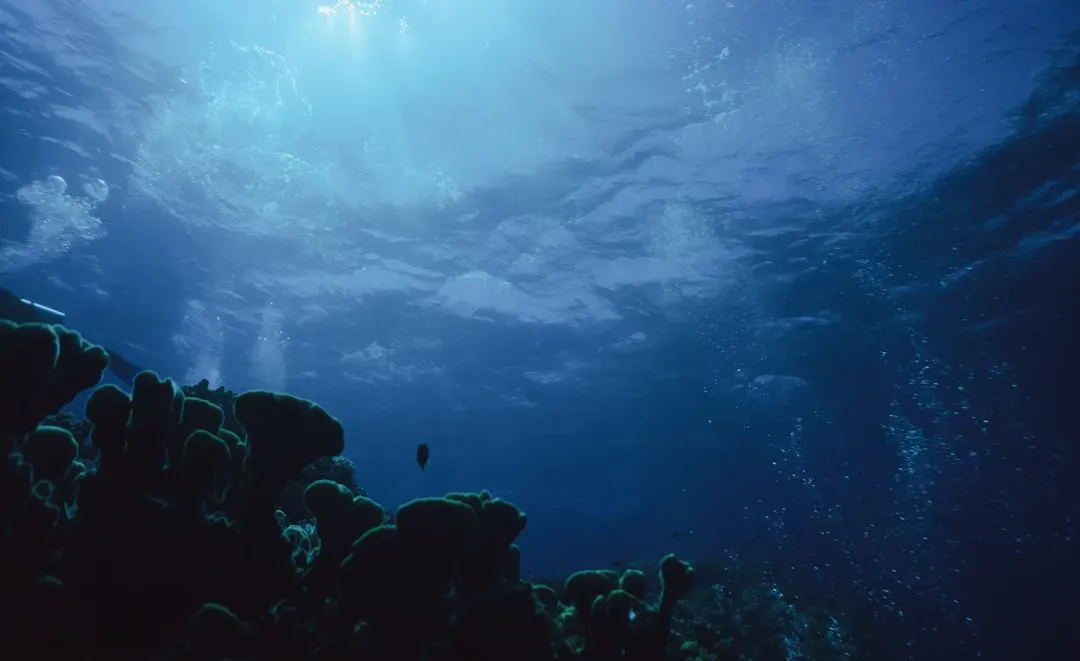
For billions of years, Earth’s atmosphere was utterly hostile to complex life. Discovery reveals oxygen changes at the seafloor across nearly 120 million years of the early Paleozoic era, and oxygen rocketed to levels close to modern oceans in a geological blink during the Devonian, roughly 405 million years ago. Picture this transformation happening faster than you’d imagine possible.
Low oxygen levels likely persisted in the world’s oceans for millions of years longer than previously thought, well into the Phanerozoic when land plants and early animals began to diversify, meaning early animals were still living in a low oxygen world. It’s hard to believe, but life found ways to flourish anyway. Mitochondria arose significantly later than expected, coinciding with the first substantial rise in atmospheric oxygen, while the archaeal ancestor of eukaryotes began evolving complex features roughly a billion years before oxygen became abundant in entirely anoxic oceans.
Complex Life Evolved in Impossible Conditions
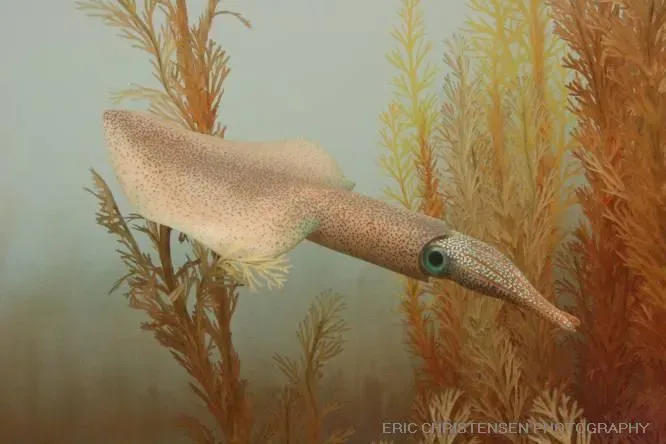
Everything scientists believed about the requirements for complex life just got flipped upside down. Complex life began forming much earlier and over a far longer period than researchers previously understood, with complex organisms starting to develop long before oxygen levels in the atmosphere rose to significant levels. This revelation shakes the foundations of evolutionary biology.
Honestly, this challenges decades of assumptions. Many scientists believed that plentiful oxygen was essential for the emergence of complex life, yet the evidence shows otherwise. Organisms were developing sophisticated cellular machinery in oceans completely devoid of oxygen. Life, as it turns out, is far more resourceful and determined than anyone gave it credit for.
The Ediacara Enigma and Fossilization Magic
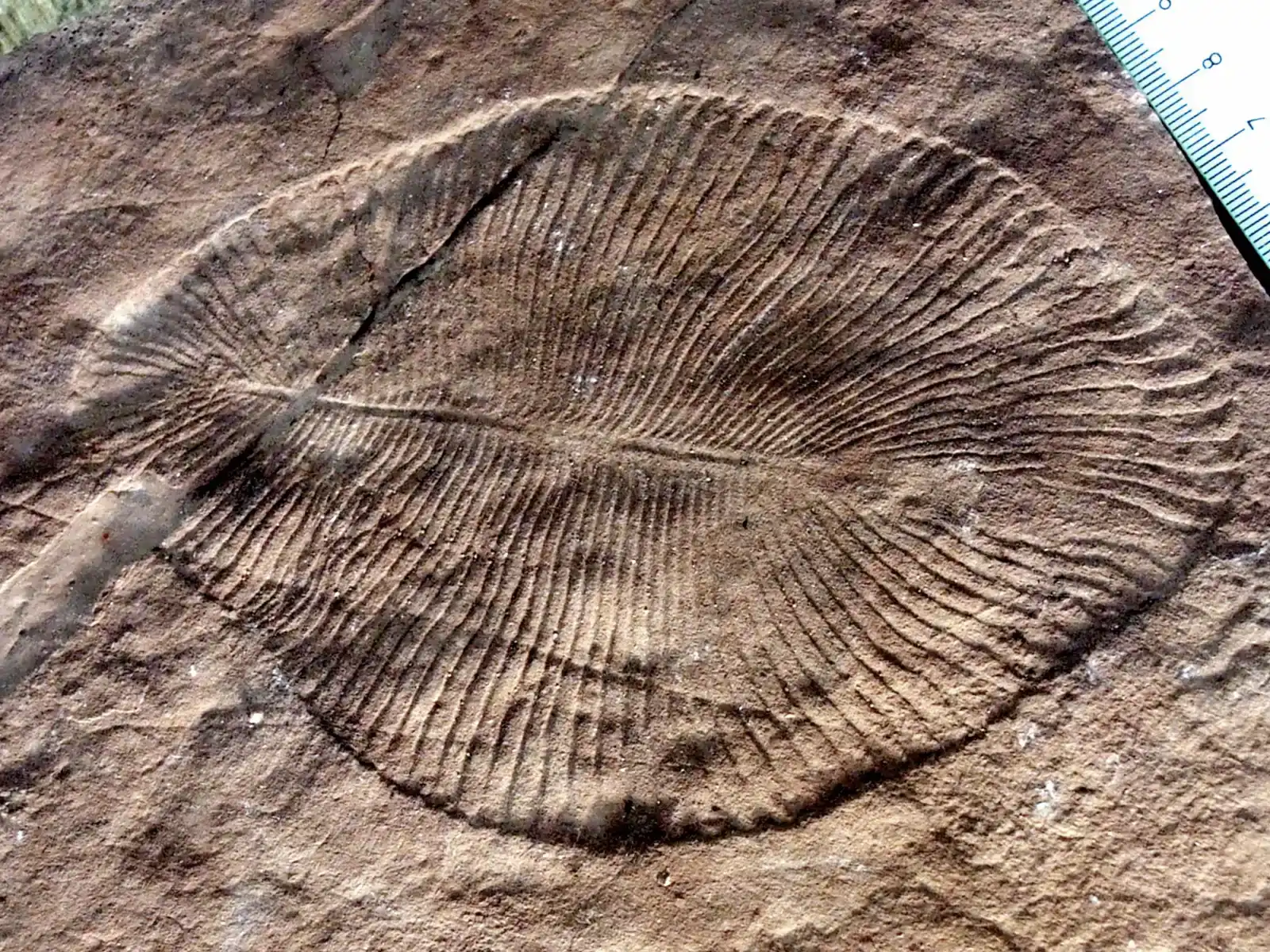
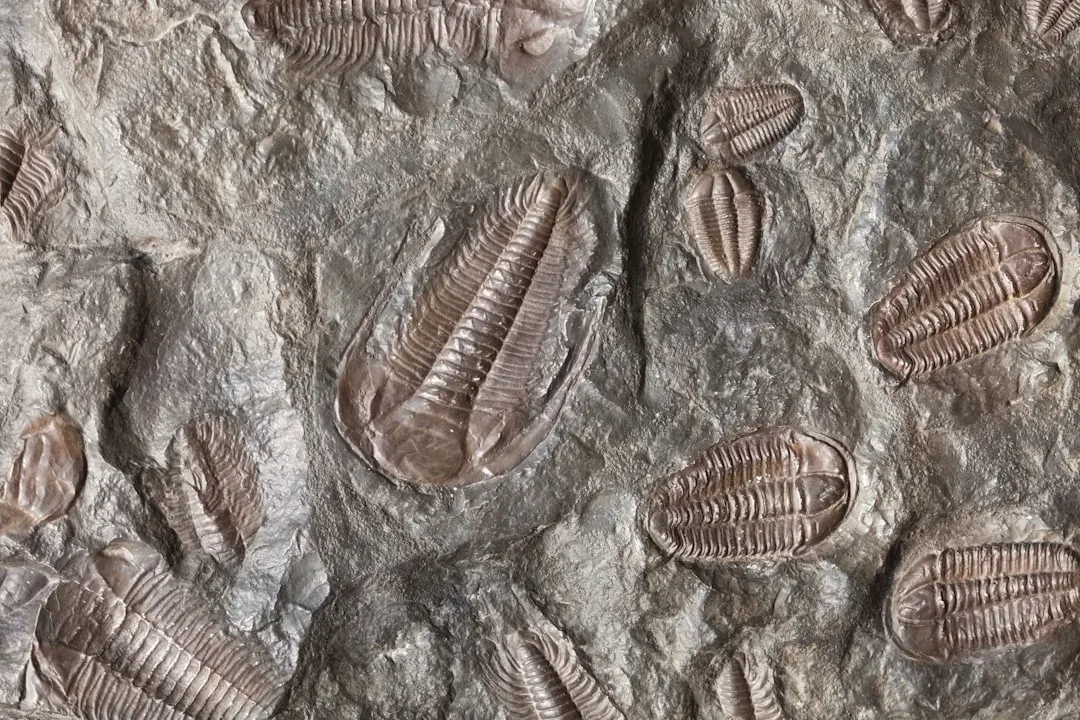
Around 570 million years ago, something extraordinary happened on ancient seafloors. Strange-looking, soft-bodied organisms died on the seafloor during the Ediacaran period, were buried in sand, and fossilized in incredible detail, with these fantastical fossils now found in deposits around the world. Soft-bodied creatures almost never fossilize this well, especially in coarse sandstone.
Clay particles in sediments served as nucleation sites for authigenic clays to form from silica- and iron-rich seawater, and these clays acted like cement, holding together sand particles in the sandstone and preserving outlines of the soft-bodied Ediacara Biota. The chemistry of the ancient environment itself created a natural preservation system. The Ediacara Biota lived just tens of millions of years before the Cambrian Explosion 540 million years ago, forming a key stage in what researchers call a long fuse to that explosion.
The Boring Billion That Wasn’t Boring at All
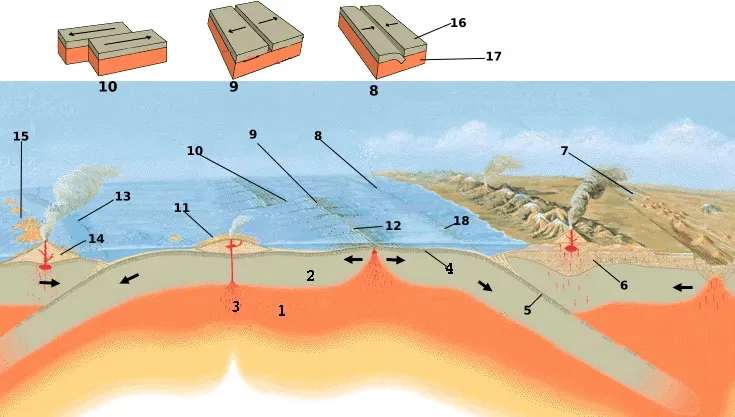
Scientists used to call it the Boring Billion, a supposed dead zone in Earth’s history. They were spectacularly wrong. Research challenges the notion of the Boring Billion as a time of stasis, showing instead that plate tectonics was reshaping the planet and triggering conditions that supported oxygen-rich oceans and the appearance of the first eukaryotes. The planet was anything but dormant.
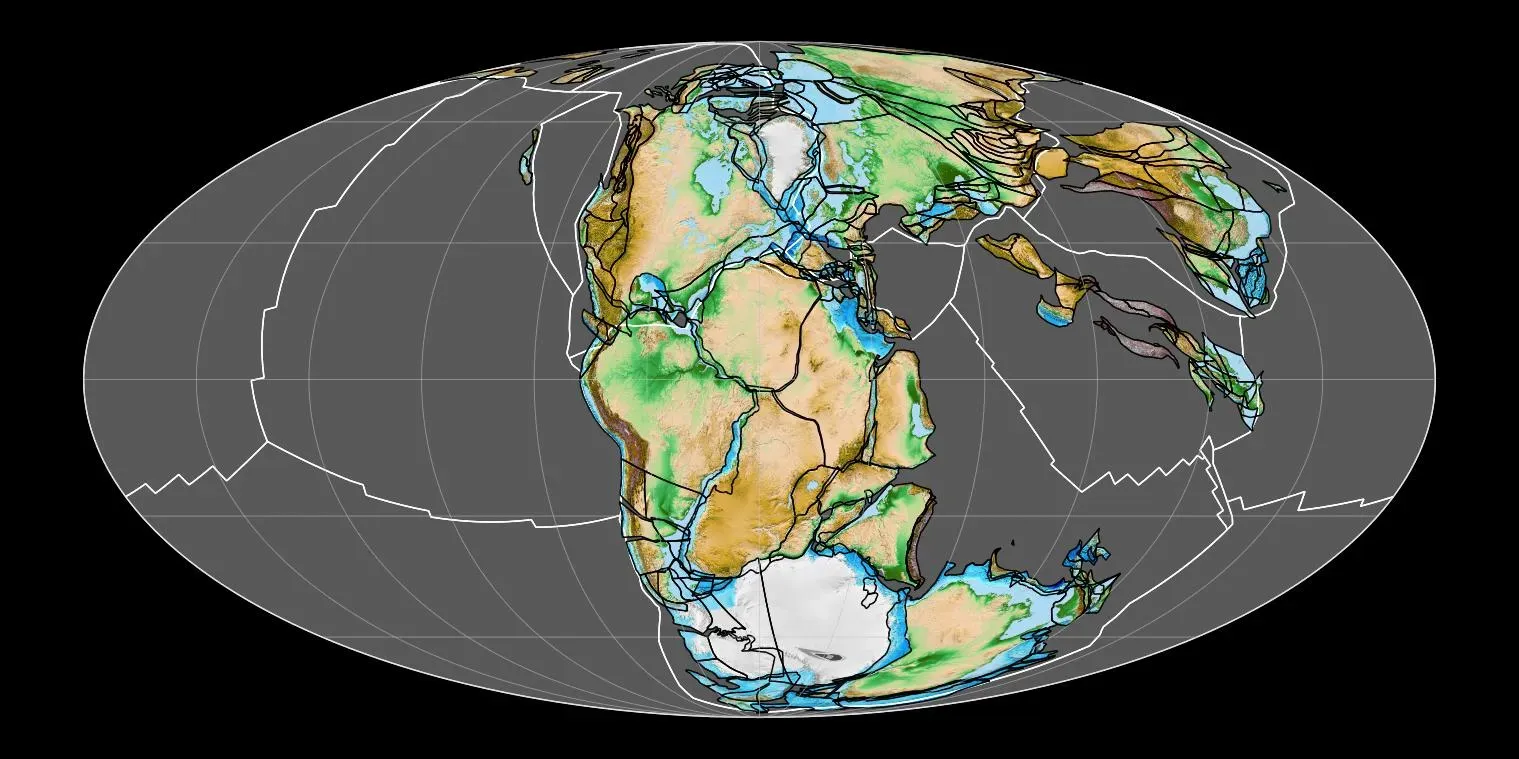
The breakup of the supercontinent Nuna around 1.5 billion years ago expanded shallow continental shelves and reduced volcanic CO2 emissions, cooling Earth’s climate and increasing oxygenated marine habitats, creating stable nutrient-rich environments that supported evolution of early eukaryotes. Deep beneath the surface, plate tectonics was quietly setting the stage for every complex organism that would ever live. Sometimes the most dramatic transformations happen invisibly.
What Ancient Earth Tells Us About Tomorrow
The implications of these discoveries stretch far beyond understanding the past. This method could assist in the search for signs of extraterrestrial life, as AI that can detect biotic fingerprints on Earth that survived billions of years might work on Martian rocks or samples from Jupiter’s icy moon Europa. We’re essentially learning how to find life anywhere in the universe.
Every breakthrough reveals how profoundly adaptable and persistent life truly is. From proto-Earth fragments surviving impossible odds to complex cells evolving in oxygen-starved oceans, the story of our planet constantly surprises us. These ancient secrets remind us that life doesn’t follow the rules we expect. It writes its own.
Conclusion: The Past That Shapes Our Future
Ancient Earth continues revealing secrets that transform our understanding of evolution itself. From chemical whispers preserved in rocks older than mountains to lost worlds of bizarre organisms thriving in conditions we once thought impossible, each discovery rewrites the textbook. The combination of cutting-edge technology and patient geological detective work shows us that Earth’s history is far stranger, more complex, and infinitely more fascinating than we imagined.
What strikes me most is how these findings constantly humble us. Life emerged, adapted, and flourished under circumstances that should have been impossible. The tenacity encoded in every living thing today traces back billions of years to organisms that refused to quit despite overwhelming odds. What other secrets does ancient Earth still hold? What will the next breakthrough reveal about the origins of everything we are? The fossils and rocks around us contain answers to questions we haven’t even thought to ask yet.


