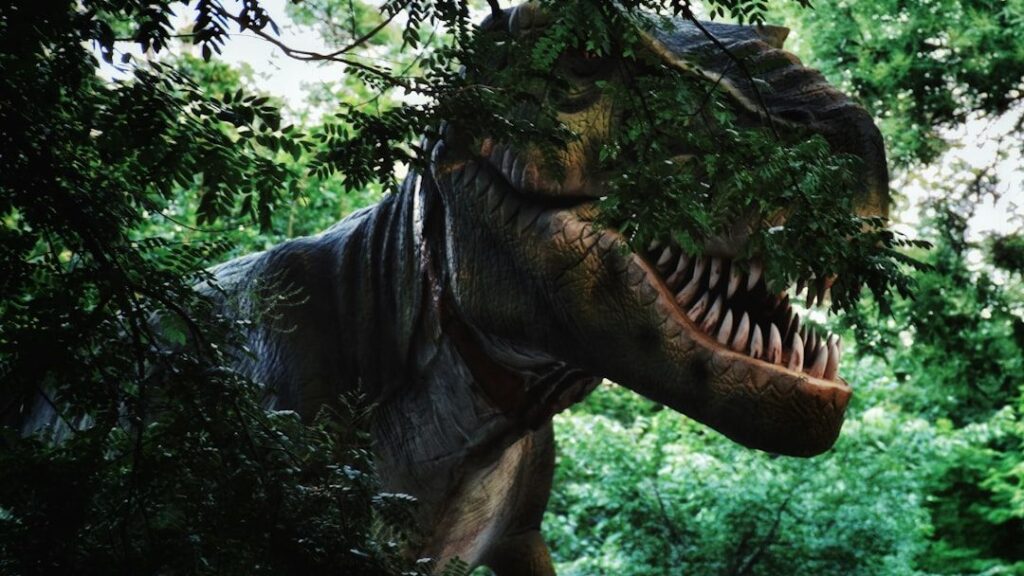
You’ve probably imagined dinosaurs as colossal beasts wandering through primeval forests. Maybe you’ve pictured a Tyrannosaurus rex hunting its prey or a towering Brachiosaurus munching on treetops. That’s all true, sure. Yet there’s something far more profound beneath those mental images. These creatures weren’t merely inhabitants of prehistoric Earth. They were architects of entire ecosystems. Recent discoveries have uncovered just how dramatically dinosaurs sculpted the world around them in ways that still echo through the geological record. Honestly, the extent to which these animals reshaped rivers, forests, and even coastlines is staggering. So let’s dig into the unexpected legacy these giants left behind. Be surprised by what ancient footsteps can reveal about your planet’s past.
Ecosystem Engineers Before the Concept Existed
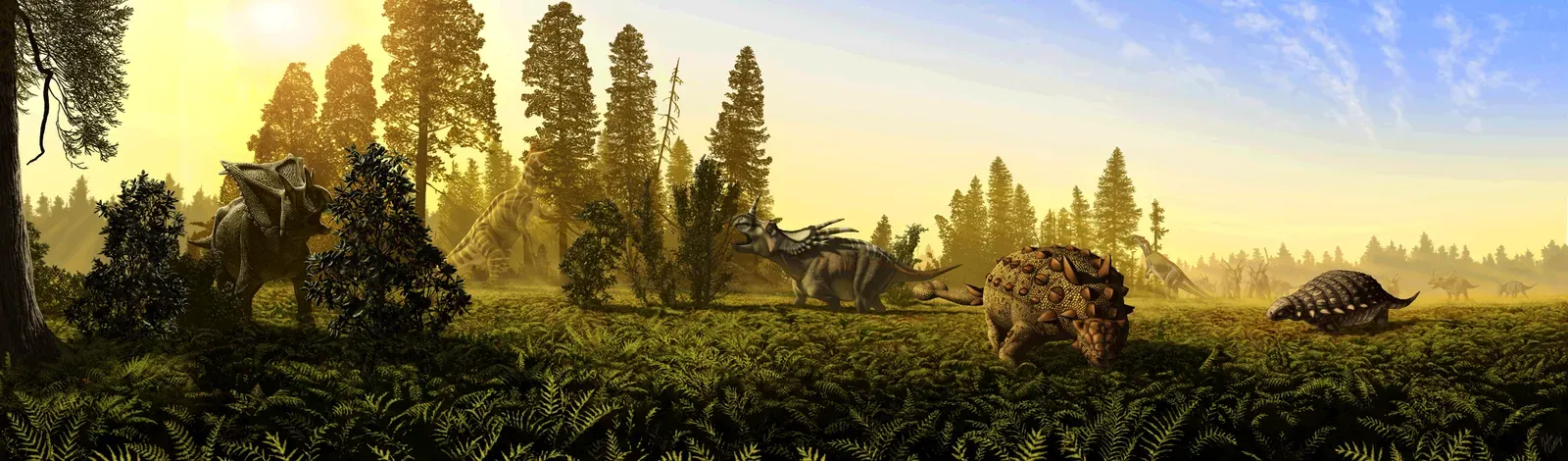
Dinosaurs were ecosystem engineers, preventing dense forests from growing. Think about modern elephants for a second. They knock down trees, trample vegetation, create clearings. Now scale that up to animals weighing dozens of tons roaming in herds. Large herbivore dinosaurs like triceratops or hadrosaurs kept the ground free of trees and brush, which destabilized riverbanks and caused rivers to regularly spill over large floodplains.
This wasn’t some minor ecological side effect. Before the mass extinction, it would be similar what you see in Africa today with open savannahs maintained by large herbivores. The landscape itself was shaped by their daily activities, from feeding to simply walking. They kept landscapes open by trampling plants, knocking down saplings, and munching through dense vegetation. This constant activity prevented forests from becoming too thick.
Rivers That Wandered and Floodplains That Shifted
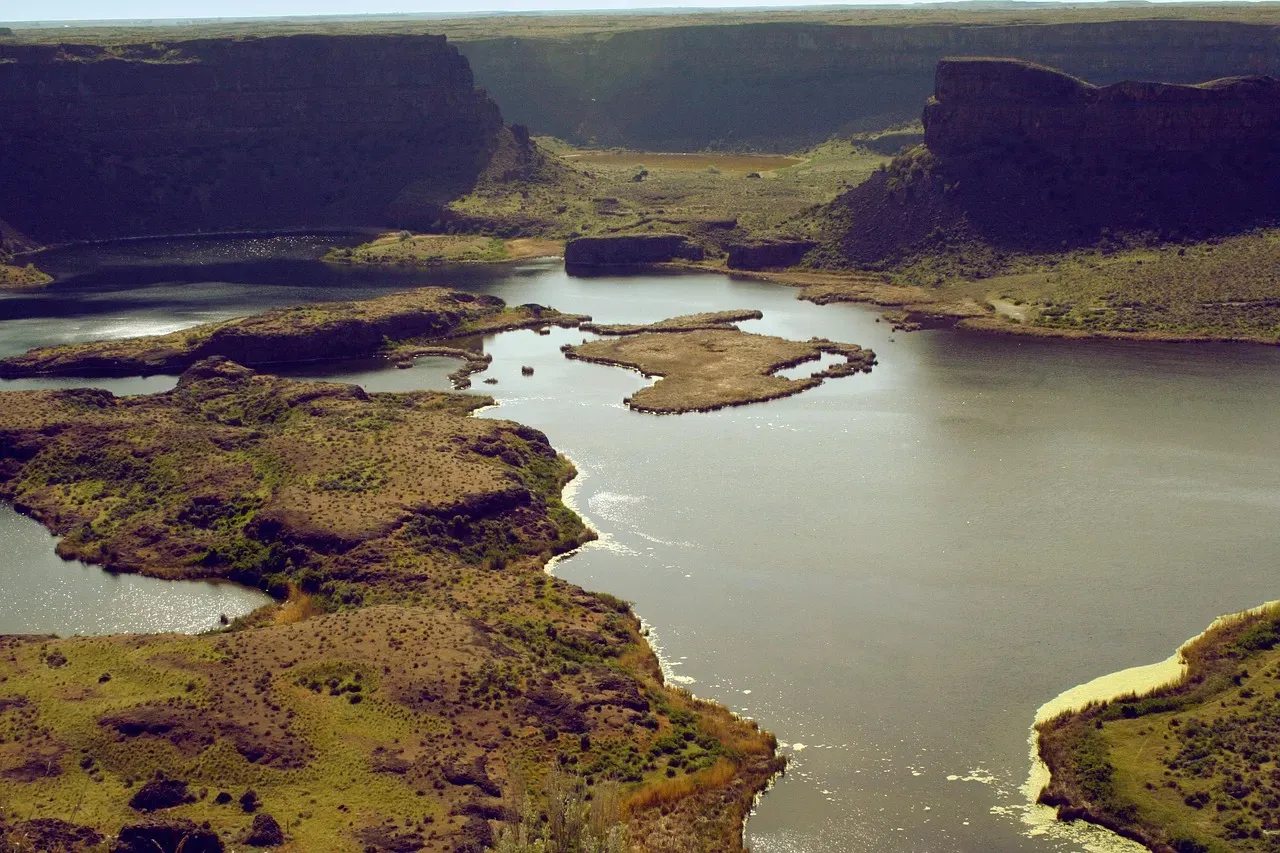
Here’s where it gets really interesting. Before the extinction, the rocks showed signs of soggy, unstable floodplains. Soil wasn’t well-developed, and rivers wandered across the land, spilling out in many directions. Without stabilizing tree cover, water simply couldn’t be contained properly. Without stabilizing tree cover, rivers were broad, muddy and easily shifted course.
Researchers examining rock layers from Montana to Wyoming noticed something startling. Below the Cretaceous-Paleogene boundary, silt and mud deposits are widespread, suggesting rivers regularly flooded. In contrast, after the extinction of the dinosaurs, large river-channel sandstone deposits are more common, and abundant coal seams indicate that swampland environments persisted. The change wasn’t gradual. It was geologically instantaneous, happening right at the boundary where dinosaurs disappeared from the fossil record.
Footprints That Carved Channels Through Time
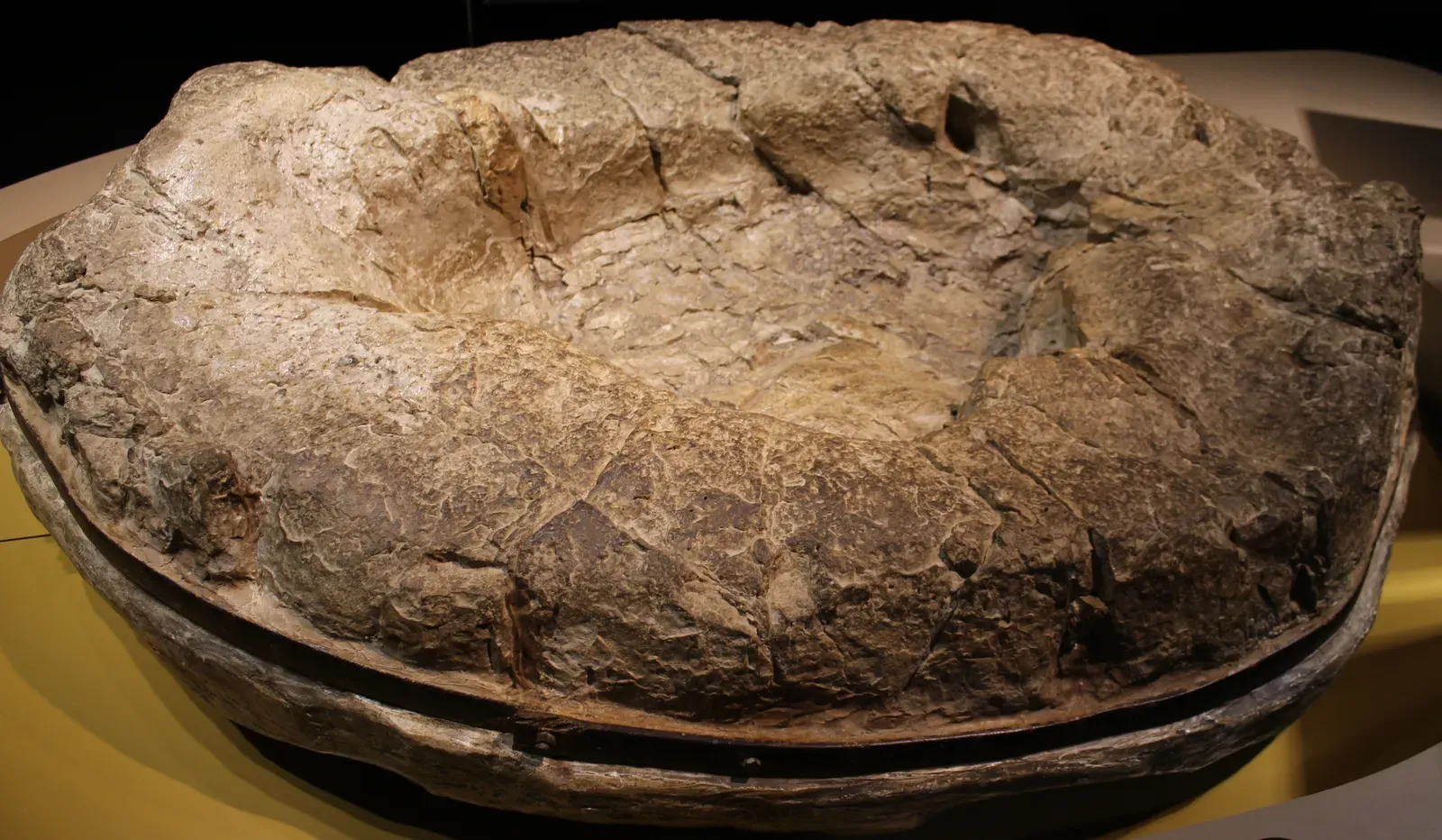
Giant sauropods’ feet didn’t just leave footprints for future paleontologists to find, but changed landscapes entirely. In Australia’s Broome Sandstone, evidence shows something extraordinary. The Broome Sandstone is dotted with foot-shaped potholes made by the trundling dinosaurs. In fact, the weight of these giants was so great that they deformed the sediment right beneath their feet to create what paleontologists call undertracks. Many of these tracks and traces appear to cluster together, a sign of big dinosaurs following the same route around the edges of the lagoons, and in these places the dinosaurs made channels through the sand as they moved along the beach.
In a matter of weeks to months, flat shorelines were turned into stomping grounds cut through with dinosaur-made troughs. These weren’t temporary impressions. They were permanent alterations to coastal geography. Even dinosaur mating behaviors could reshape terrain. Earlier this year paleontologists reported on strange fossil scratch marks that the researchers interpreted as possible signs of mating dances that theropod dinosaurs akin to Allosaurus used to woo each other, like some modern birds do.
Nesting Grounds That Transformed Floodplains
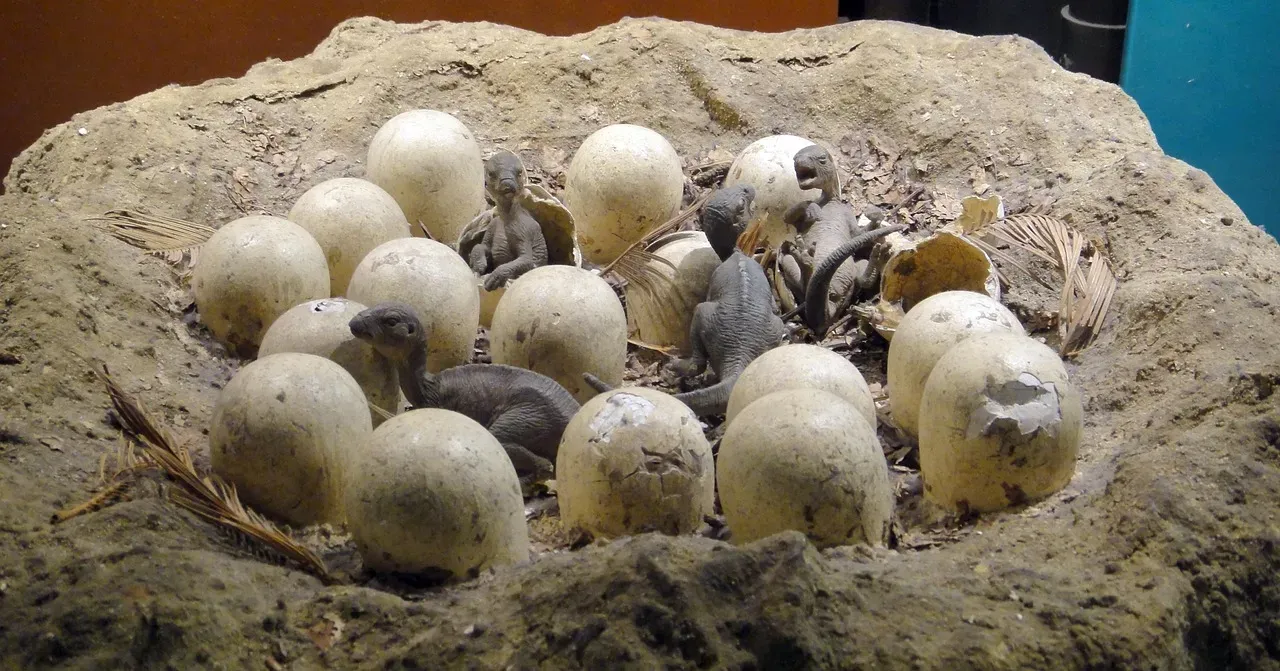
Imagine returning to the same nesting site year after year, generation after generation. Other nesting sites made by other dinosaurs – such as those found in Patagonia and India – would also have transformed level places into open, bumpy swaths of land as dinosaurs returned season after season to the same nests, as stacked nests at some sites show. What was once a smooth floodplain gradually became a pockmarked landscape of mounds and depressions.
These nesting behaviors had cascading effects. Dinosaur tracks from the Frontier Formation, Montana: preservation, distribution and palaeoecological significance for the middle Cretaceous terrestrial ecosystems of North America. The cumulative impact of thousands of nests created microhabitats where water pooled differently, vegetation grew in new patterns, and smaller animals found shelter. Each nesting season added another layer of modification to Earth’s surface.
Feeding Machines That Opened the Canopy
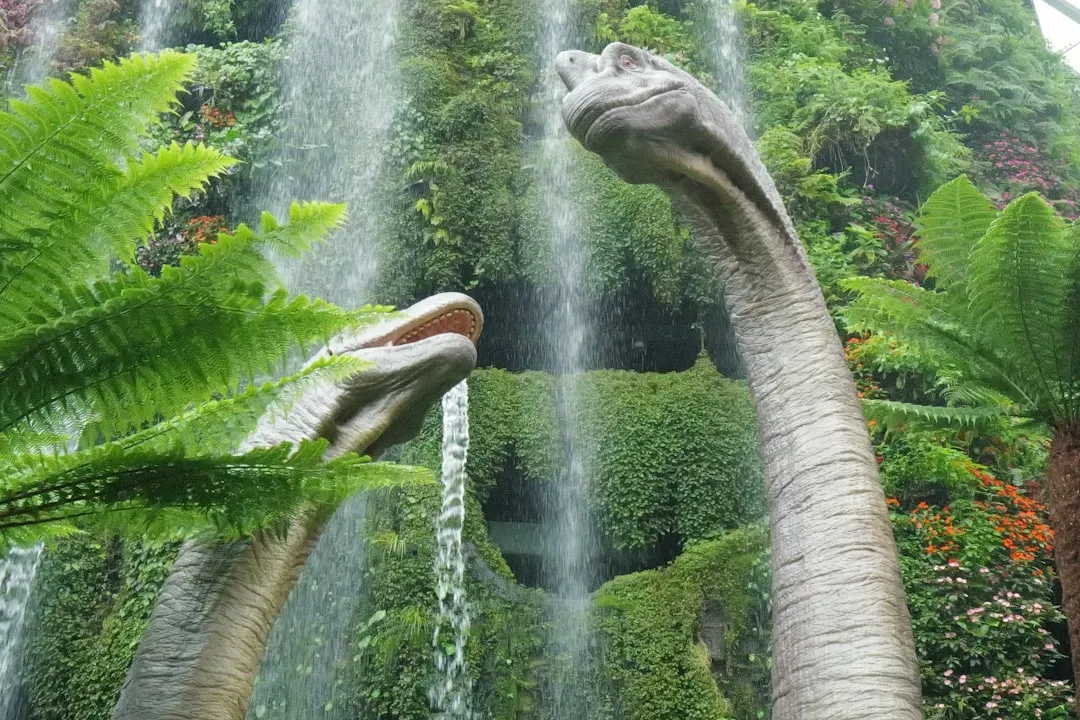
Sauropods were eating machines that gulped down vegetation without chewing. They swung their long necks over vast areas, like prehistoric lawn mowers, while saving energy by keeping their bodies in one spot. Let’s be real, that’s a pretty efficient system for maximum environmental impact with minimum effort. Even eating superfoods, sauropods must have vacuumed up as much as 1 ton or more of plant matter per day.
Sauropods, the largest terrestrial animals to have walked on Earth, were ecosystems engineers, profoundly changing their environments by knocking down trees and eating high volumes of vegetation. Their sheer size meant that nothing was safe from their appetites. Researchers believe that sauropods consumed vast quantities of vegetation to survive and moved to new areas once their habitat was depleted of food resources. Such large animals also very likely influenced and shaped their surrounding environment and would have been instrumental in opening up forested landscapes, as is seen with modern-day elephant species.
Seed Dispersal Across Ancient Continents
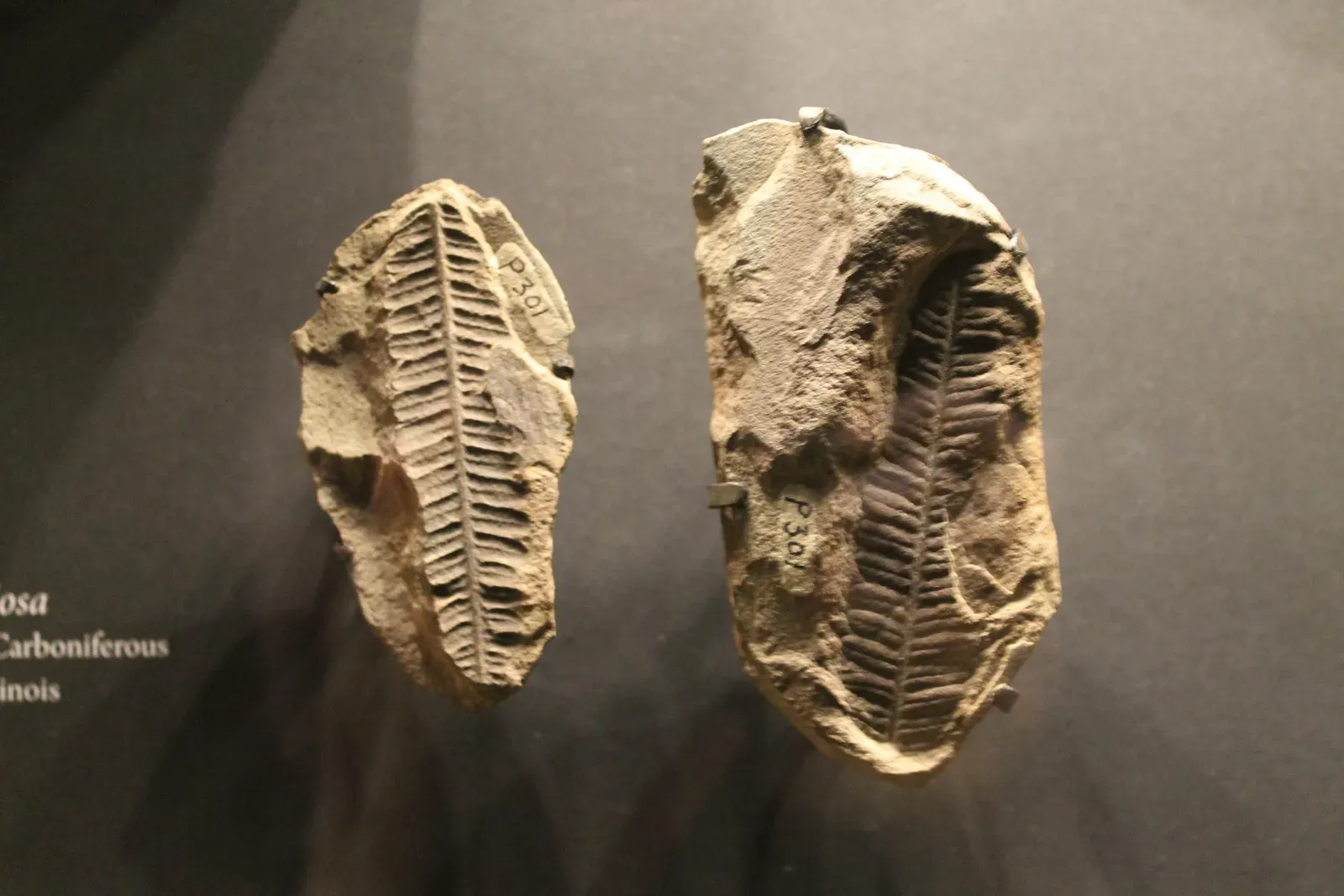
You might not immediately think of dinosaurs as gardeners, yet evidence suggests they played a crucial role in spreading plant life. Permineralised seeds, most of which having been identified as coming from cycads, suggest that herbivorous dinosaurs played an important role in seed dispersal, just as many plant-eating mammals do today. These tough seeds would have passed through the dinosaur’s gut and would have been deposited in the dung. This fossil discovery suggests a possible and unexpected role of bird-hipped dinosaurs, that of Jurassic seed-dispersal agents.
Fossilized gut contents suggest that seeds consumed by dinosaurs may have remained intact in their stomachs. Across a range of assumptions and parameterizations, the simulations suggest that plant-eating dinosaurs could have dispersed seeds long distances. Given their size and movement patterns, these animals could transport seeds dozens of kilometers from their source, fundamentally altering plant distribution patterns across continents.
The Aftermath: When Giants Vanished
After the dinosaurs became extinct due to the Chicxulub asteroid impact 66 million years ago, dense forests thrived, leading to more stable riverbanks and more contained river channels. The change was dramatic and immediate on geological timescales. In the rock record, unstable streambeds gave way to broad, meandering rivers lined with dense vegetation. Coal seams suddenly appear, evidence of swampy, forested floodplains.
A team of paleontologists decided to take a closer look, and what they found points to a different explanation: once dinosaurs were gone, forests exploded in size. That green takeover stabilized the land, narrowed rivers, and left behind very different rock formations. Without those massive herbivores constantly trampling, browsing, and opening up the landscape, vegetation took over completely. It’s like removing the groundskeepers from an enormous park and watching it become an impenetrable jungle within decades.
Modern Lessons From Ancient Architects
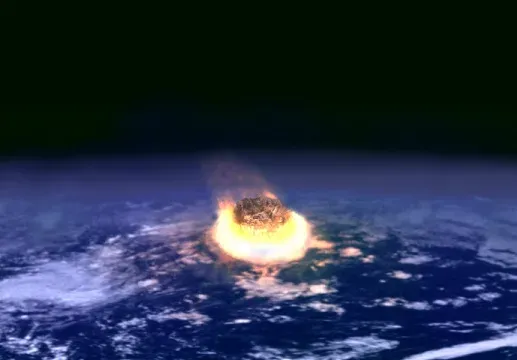
The K-Pg boundary was essentially a geologically instantaneous change to life on Earth, and the changes we’re making to our biota and to our environments more broadly are going to appear just as geologically instantaneous. What’s happening in our lifetimes is the blink of an eye in geologic terms, and so the K-Pg boundary is our best analog to our very abrupt restructuring of biodiversity, landscapes and climate. That should give you pause.
The environmental change in the wake of the dinosaur extinction has parallels today. Modern ecologists see similar effects when elephants, bison or other megafauna are removed: Forests encroach and rivers shift, altering the landscape. We’re witnessing the loss of large animals right now due to habitat destruction and climate change. Elephants, rhinos, and large herbivores are disappearing because of habitat destruction, hunting, and climate change. What happens to a planet when its biggest landscape architects disappear? The dinosaur record provides a stark warning about what happens when ecosystem engineers vanish.
Conclusion
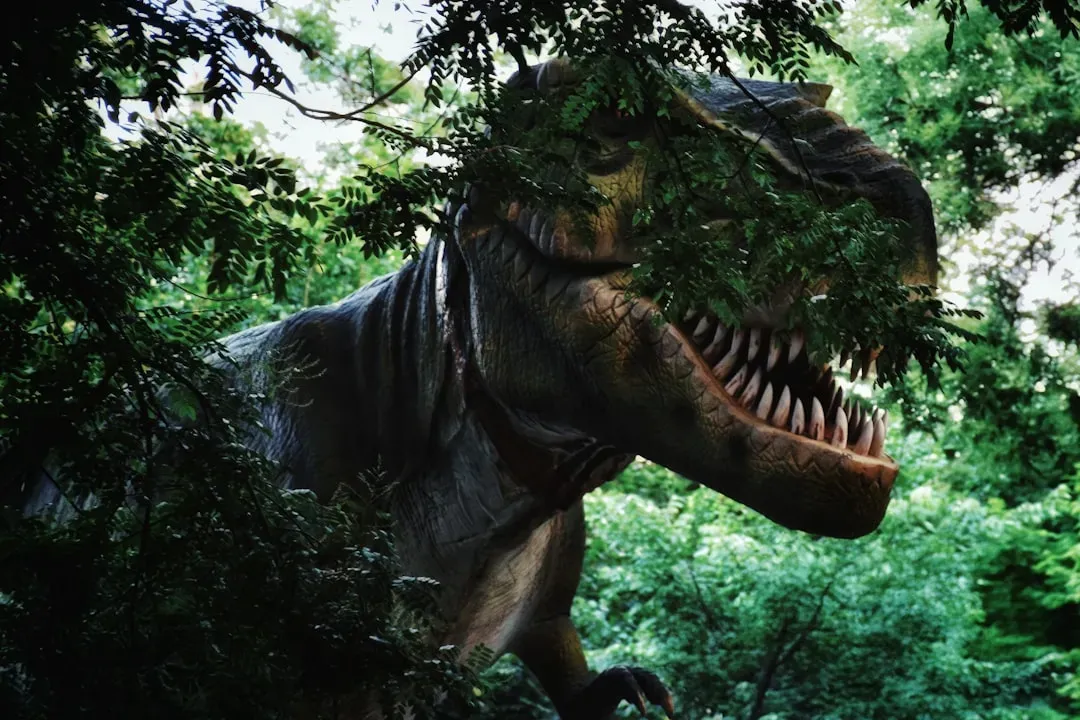
Dinosaurs weren’t just passive inhabitants of ancient Earth. They were active sculptors of the world around them, shaping rivers, forests, coastlines, and even determining which plants spread across continents. Their footsteps carved channels through shorelines. Their feeding habits maintained open landscapes. Their nesting behaviors transformed flat terrain into complex topography. When they disappeared, the planet itself changed fundamentally within what amounts to an evolutionary heartbeat.
The geological record preserves their legacy not just in bones and teeth, but in the very rocks beneath our feet. Those striped sediment layers in Montana, those channels in Australian sandstone, those sudden shifts in river patterns – all testament to the profound impact living organisms can have on planetary systems. We’re now the dominant species reshaping Earth’s landscapes. The question is whether we’ll learn from the past or become just another layer in the rock record. What do you think our geological legacy will look like millions of years from now? Tell us in the comments.