You ever wonder what the world looked like when dinosaurs ruled? I mean really think about it. These creatures didn’t just wander through a ready-made landscape like tourists. They built it. They transformed it. They literally reshaped the planet with every footstep, every bite, every nest they dug into the ground.
For more than 160 million years, dinosaurs dominated the planet, and during that incredible span of time, they didn’t just exist within their environment. They actively molded it, changed it, influenced it in ways we’re only beginning to fully understand. Think about that for a second. The forests, rivers, and plains that existed back then looked the way they did partly because of what dinosaurs did to them. They were the original landscape architects, working on a scale that makes modern ecosystem engineers look like weekend gardeners.
The Weight of Giants: How Sauropod Footsteps Carved the Earth
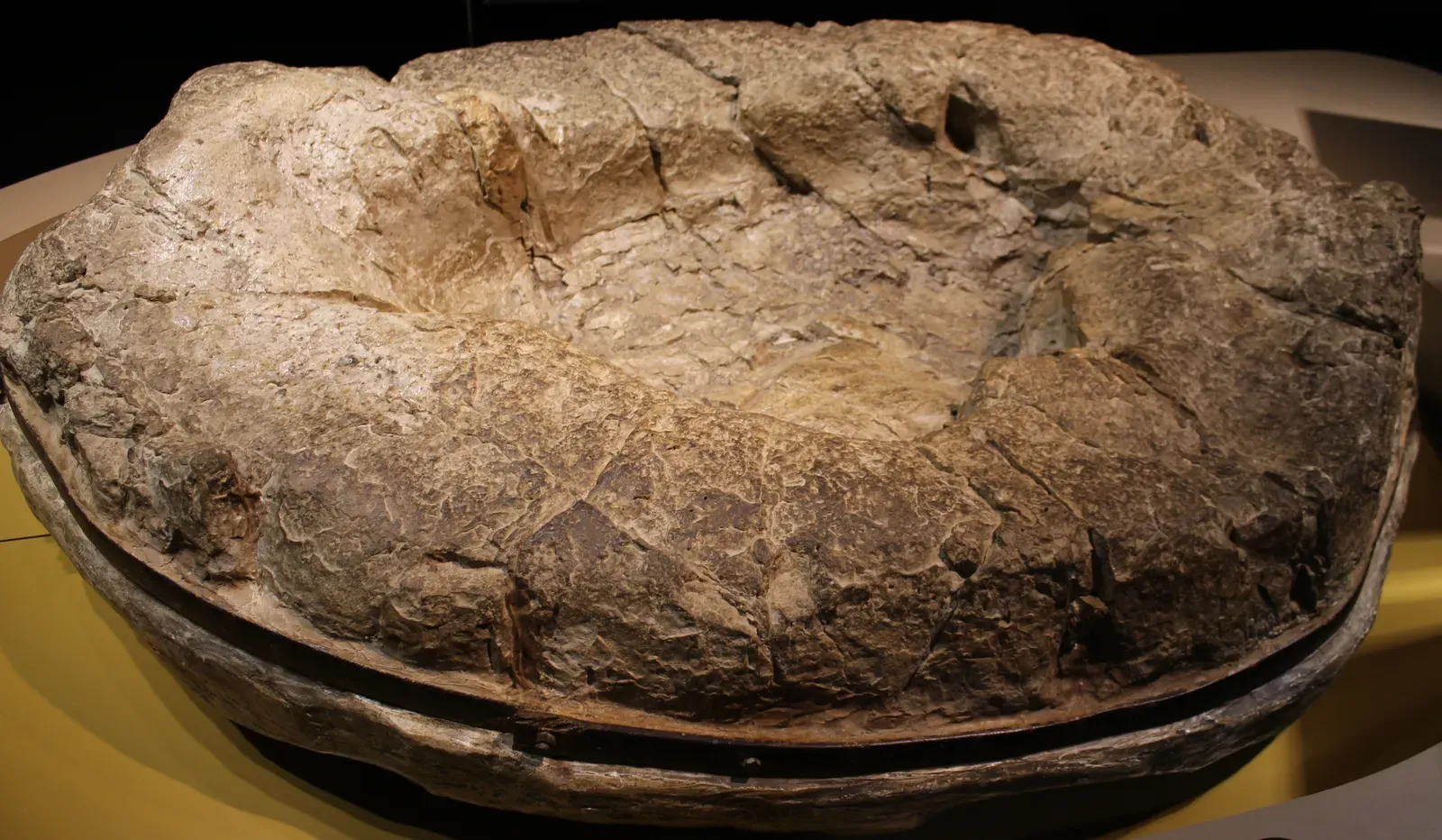
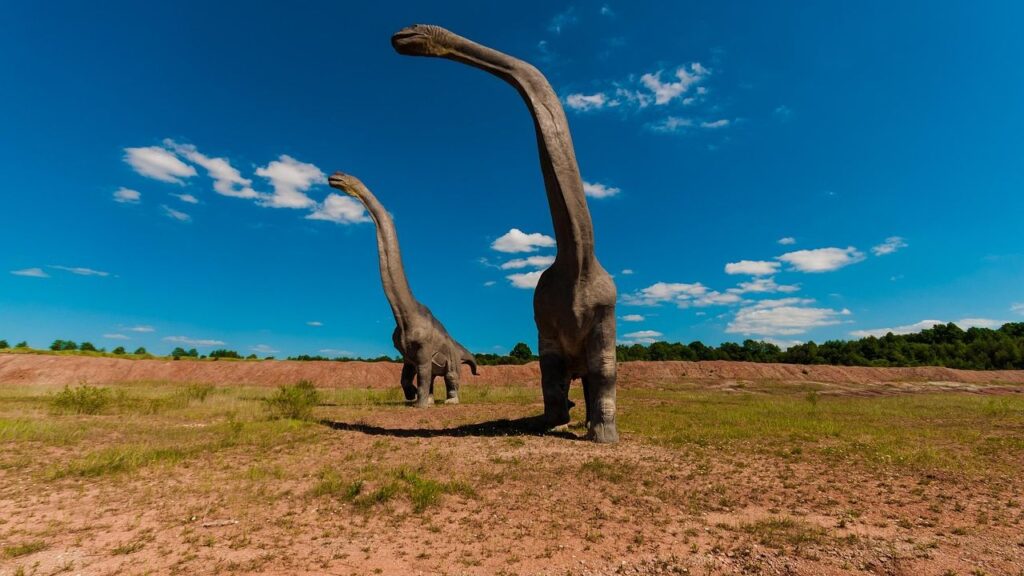
Giant sauropods’ feet didn’t just leave footprints for paleontologists to find but changed landscapes entirely, with their weight so great that they deformed the sediment beneath their feet. Picture this: massive creatures weighing as much as ten elephants trudging along ancient shorelines. Many tracks appear to cluster together, a sign of big dinosaurs following the same route around lagoons, and in these places the dinosaurs made channels through the sand as they moved toward places where they might find more food, turning flat shorelines into stomping grounds cut through with dinosaur-made troughs in weeks to months.
The evidence is preserved beautifully in places like western Australia’s Broome Sandstone. These weren’t just temporary impressions that washed away with the next tide. We’re talking about permanent alterations to the landscape itself. The sheer force of these animals created what scientists call undertracks, ripples pressed into stone that tell us just how much power these creatures carried with every step. It’s almost impossible to wrap your head around the scale of it all.
Ecosystem Engineers: Preventing Forests and Shaping Rivers
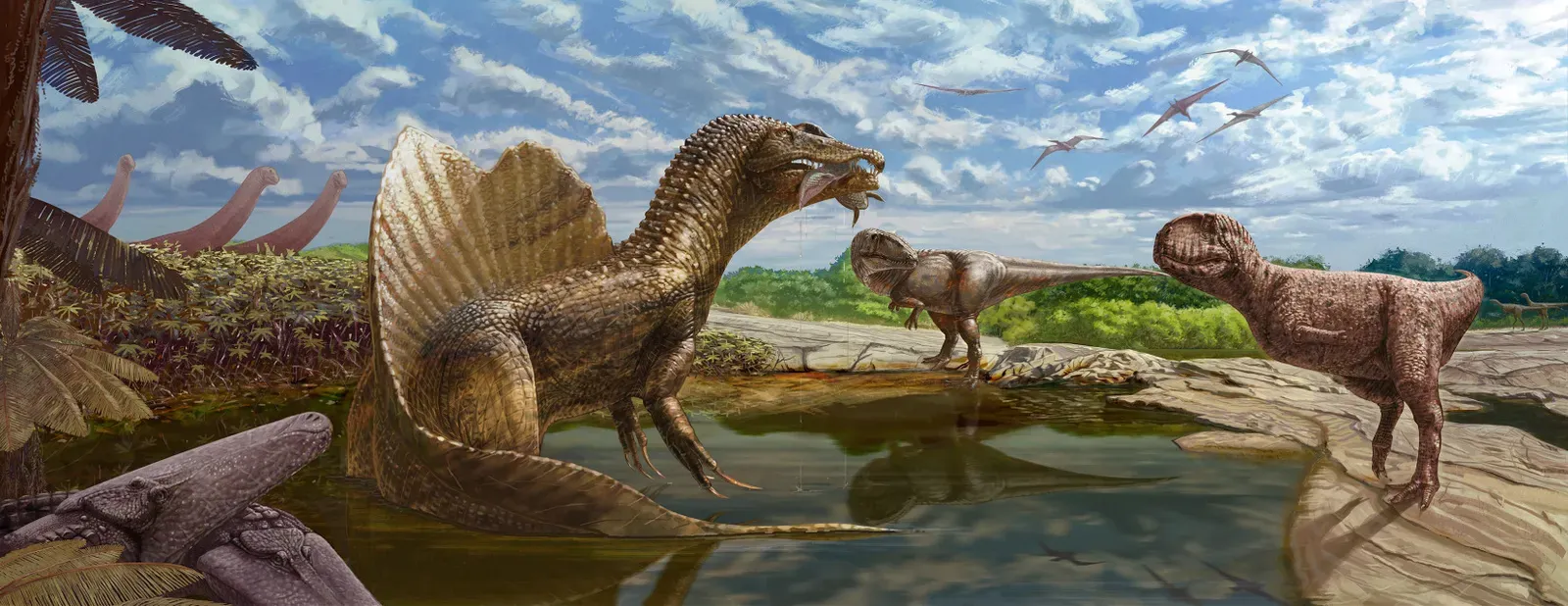
Here’s where it gets really fascinating. Studying rock layers, researchers suggest that dinosaurs were likely enormous ecosystem engineers, knocking down much of the available vegetation and keeping land between trees open and weedy. Let that sink in for a moment. These animals didn’t just live in the forest. They prevented dense forests from forming at all.
The result was rivers spilled openly, without wide meanders, across landscapes, but once the dinosaurs perished, forests were allowed to flourish, helping stabilize sediment and corralling water into rivers with broad meanders. It’s incredible when you think about it. The very shape of ancient rivers depended on whether dinosaurs were around or not. Their sudden extinction led to wide scale changes in landscapes including the shape of rivers, and these changes are reflected in the geologic record. The absence of these massive herbivores allowed entirely new ecosystems to develop.
Nesting Grounds: Transforming Flatlands into Bumpy Terrain
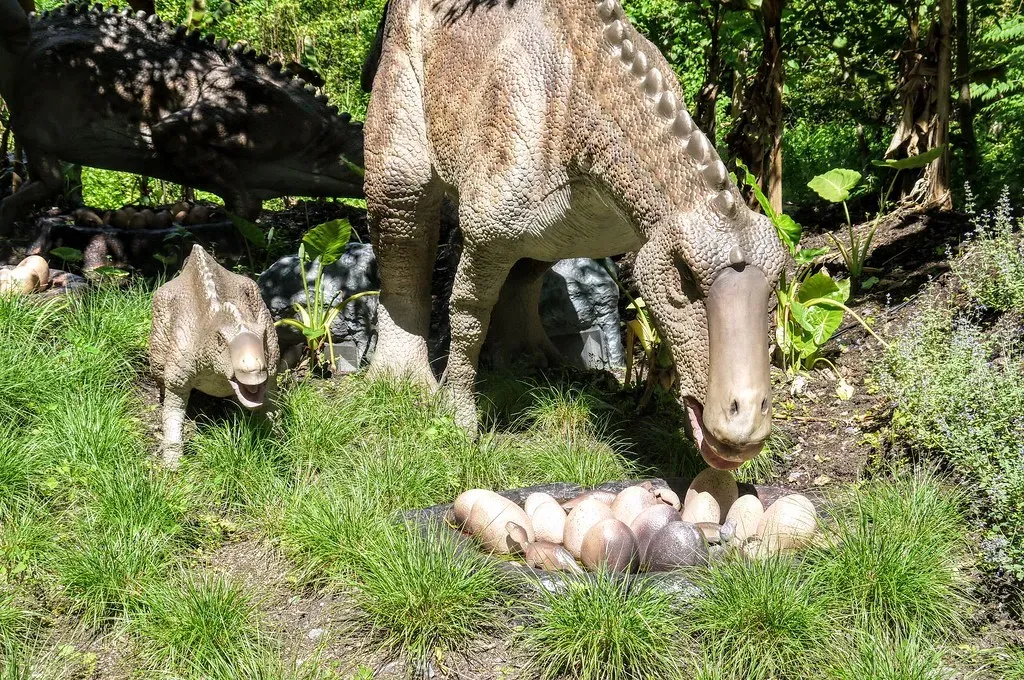
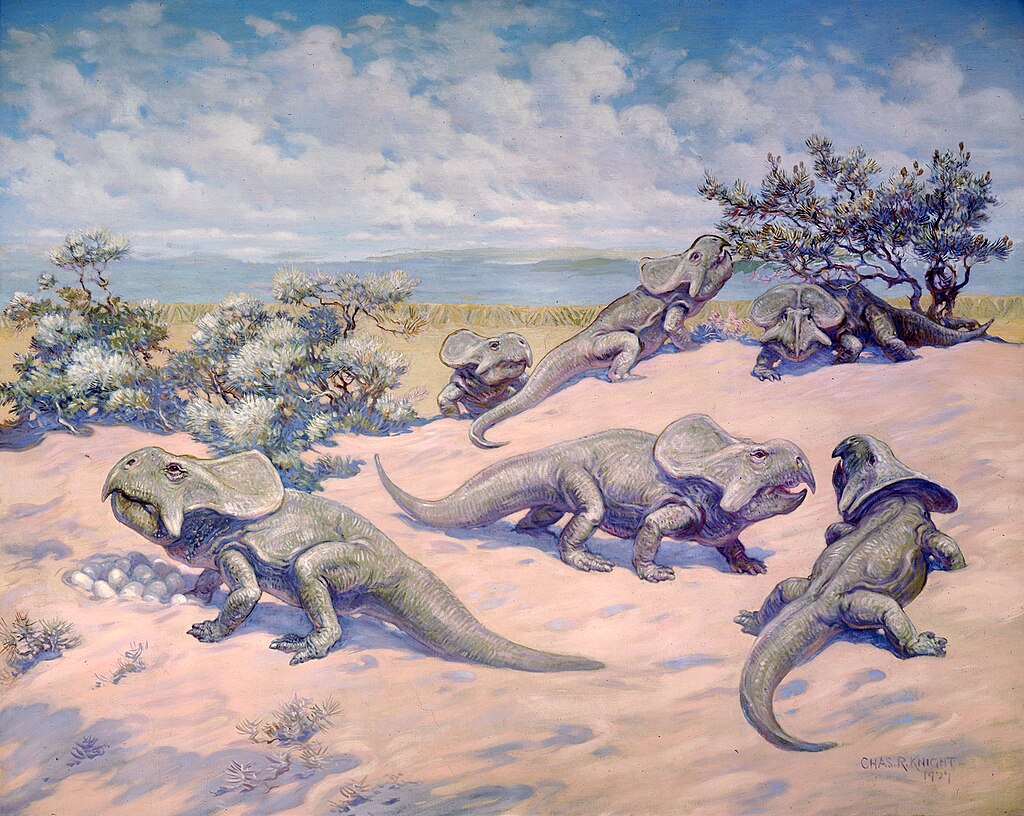
Walking wasn’t the only way these prehistoric giants altered their world. Some dinosaur species, including the famous good mother lizard Maiasaura, deposited their eggs in vast nesting grounds that likely turned river floodplains and other formerly flat places into very bumpy ones, especially if dinosaurs returned season after season to make bowls to cradle their eggs.
The 76-million-year-old Egg Mountain in the Montana badlands was home to dozens of nests made by Maiasaura, each one dug out of the earth to nestle a clutch of eggs, and other nesting sites in Patagonia and India would also have transformed level places into open, bumpy swaths of land as dinosaurs returned season after season. Imagine entire valleys marked by thousands of bowl-shaped depressions, generation after generation of dinosaurs returning to the same ancestral breeding grounds. The landscape would have looked like nothing we see today.
Climate Preferences: Sauropods and Their Tropical Territories
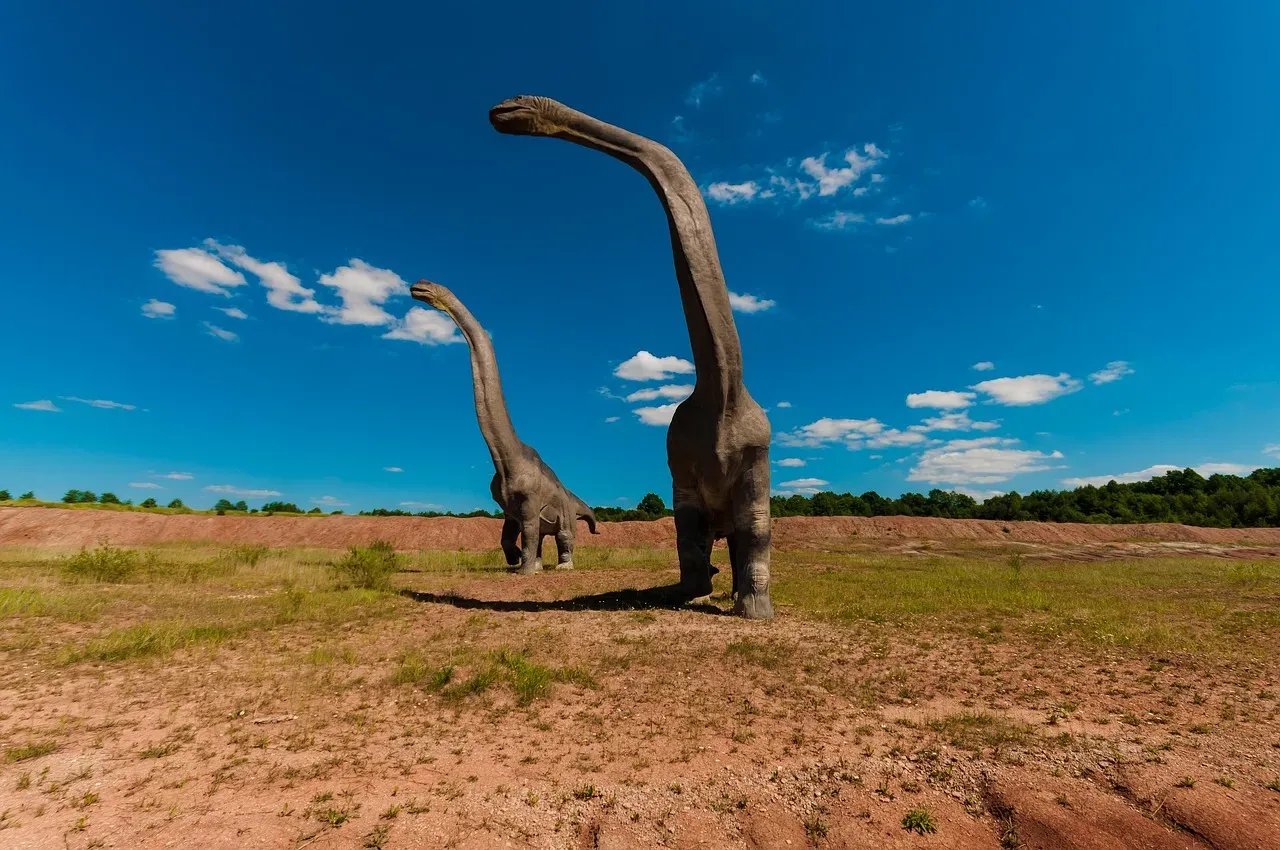
Not all dinosaurs lived everywhere, though. Combining fossil data with climate data and information about how continents moved across the globe, researchers concluded that sauropods were restricted to warmer, drier habitats than other dinosaurs, habitats that were likely open, semi-arid landscapes similar to today’s savannahs.
This is honestly kind of surprising when you first hear it. Research shows that some parts of the planet always seemed too cold for sauropods, as they seem to have avoided any temperatures approaching freezing, while other dinosaur types could thrive in Earth’s polar regions from innermost Antarctica to polar Alaska. Think about what this means for how different parts of the world looked. The coldest regions had completely different plant-eaters than the tropics, and that would have shaped vegetation patterns in dramatically different ways.
Migration Routes: Dinosaur Highways Across Ancient Continents
The Dakota megatracksite, nicknamed the Dinosaur Freeway, covers 80,000 square kilometers and represents the Early Cretaceous palaeocoastline along the Western Interior Seaway, and since trackways are frequently found parallel to the shoreline, it has been suggested that these animals may have used the open coastal plains as a freeway during migration. The scale of this is just staggering.
Perhaps the best evidence for dinosaur migration are the enormous bonebeds of hadrosaurs and ceratopsians across western North America, which can number in the hundreds to thousands of individuals. Herds of many thousands of individuals would represent serious energy drains on the environment, and a standing herd of such numbers would not be ecologically sustainable if those animals did not move from place to place. They had to keep moving, constantly reshaping and impacting new areas as they traveled.
Seed Dispersal: The Unsung Gardeners of the Mesozoic
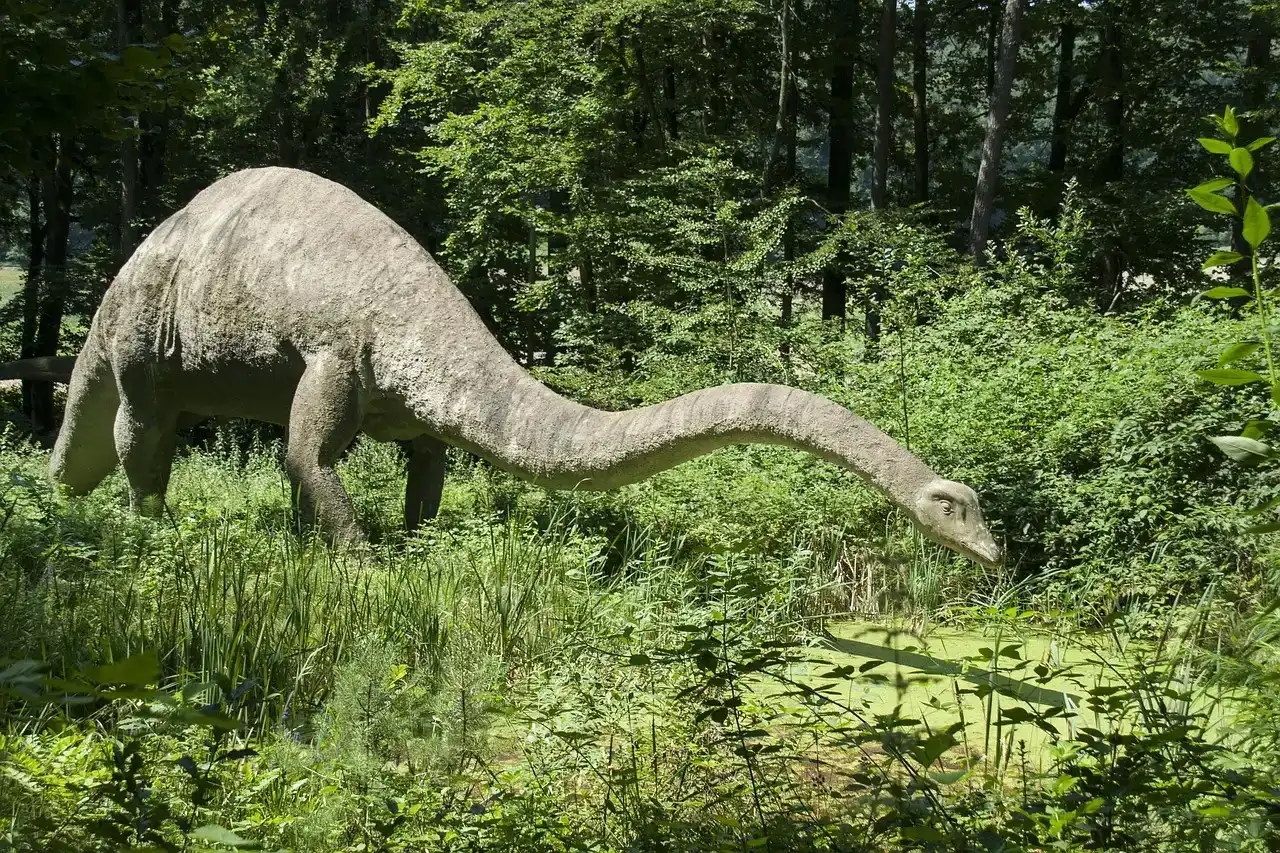
This one really doesn’t get enough attention. Plant-eating herbivores munching on trees, leaves and flowering plants helped to spread seeds and allowed for certain foliage to flourish. It’s not just that they ate plants. They actively redistributed them across vast distances.
Research suggests that dinosaurs such as Triceratops and Stegosaurus may have spread seeds around 20 miles or more than 30 kilometers away from their parent plants. Twenty miles! That’s an incredible range for seed dispersal. Permineralised seeds, most identified as coming from cycads, suggest that herbivorous dinosaurs played an important role in seed dispersal just as many plant-eating mammals do today. The distribution of entire plant species across continents likely depended on dinosaur migration patterns.
Climate Indicators: Reading Earth’s Atmosphere Through Dinosaur Teeth
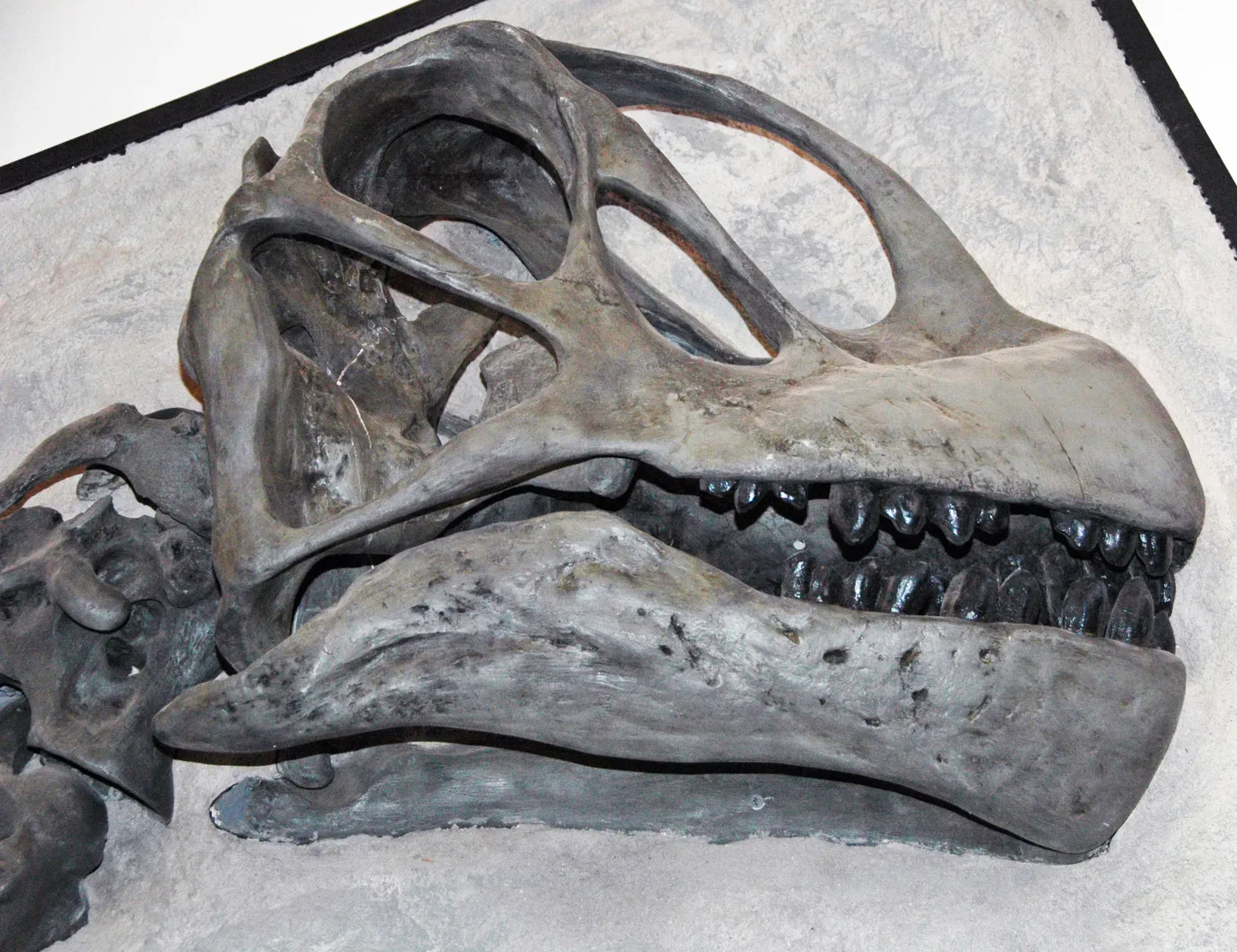
Modern science has gotten incredibly creative in studying ancient climates. Studies find that the total photosynthesis carried out by plants globally during the Mesozoic Era was twice as high as it is today, and the higher levels of photosynthesis were likely related to elevated atmospheric carbon dioxide and higher average annual temperatures.
What does this tell us? Understanding prehistoric photosynthesis levels can shed light on Mesozoic vegetation as well as the broader ecological web. The world during the age of dinosaurs was fundamentally different from ours, warmer and more productive. Plants grew faster and larger. And dinosaurs, in turn, had to adapt their feeding strategies to take advantage of this abundance. The entire system was interconnected in ways that shaped landscapes on a continental scale.
The Extinction Effect: What Happened When the Architects Disappeared
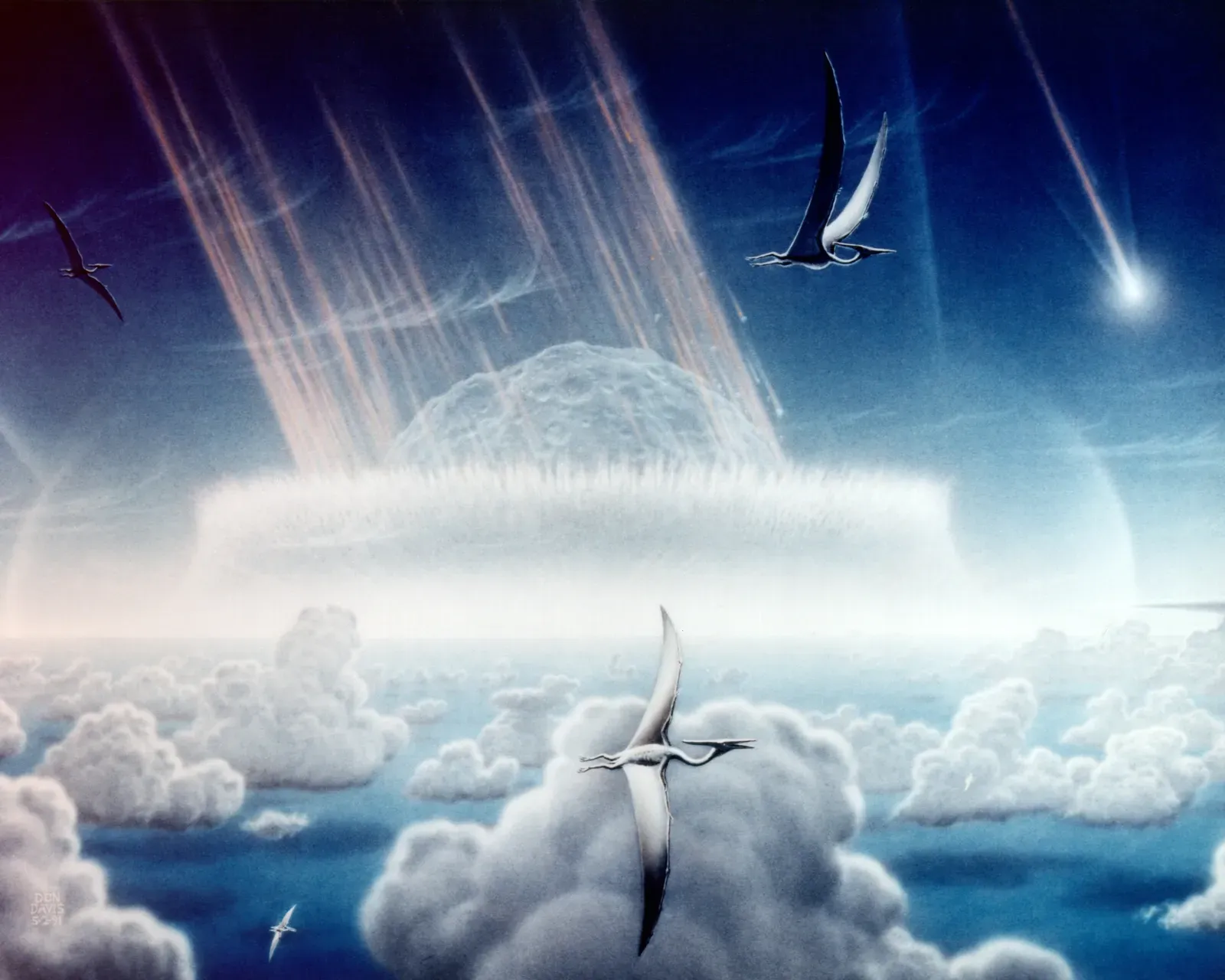
The absence of large herbivores after the extinction of dinosaurs changed the evolution of plants, with the 25 million years of large herbivore absence slowing down the evolution of new plant species while defensive features such as spines regressed and fruit sizes increased. When dinosaurs vanished, the entire planet basically had to reinvent itself.
For 1,000 years after the asteroid impact, just a few furry creatures no bigger than rats roamed a ferny world where flowering plants were scarce, but by 100,000 years later, twice as many mammal species roamed at raccoon size, foraging in palm forests that replaced the ferns. The landscapes transformed completely. Rivers changed course. Forests grew thick where dinosaurs once kept them sparse. It took millions of years for the Earth to adjust to life without its longtime architects.
Conclusion
Looking back at all this evidence, it’s clear that dinosaurs were far more than just inhabitants of prehistoric Earth. They were its builders, its gardeners, its engineers on a scale we can barely comprehend today. From the channels carved by sauropod feet to the nesting colonies that reshaped entire valleys, from the migration routes that became highways for seed dispersal to the open landscapes they maintained by preventing dense forest growth, dinosaurs fundamentally shaped the planet we inherited.
Their influence reached so deep that when they disappeared, the Earth itself changed in response. Rivers meandered differently. Forests grew where they couldn’t before. Even the evolution of plants shifted dramatically in their absence. It makes you wonder what kind of architects we’re being today, doesn’t it? What will the Earth look like millions of years after we’re gone?