You probably learned in school that dinosaurs were wiped out by an asteroid. Fair enough. That part is basically true. But here is the far more surprising part of the story – the one that rarely makes the headlines. Long before that final cataclysm, ancient climate shifts were quietly sculpting dinosaur life at every stage, steering which species thrived, which vanished, and which grew into the titans we now recognize from museum halls and blockbuster films.
The relationship between climate and dinosaur evolution isn’t just a footnote in paleontology. It is, honestly, one of the most fascinating and underappreciated stories in all of natural history. From the very first moments dinosaurs appeared on Earth to the final chapters of their reign, the planet’s shifting atmosphere, rainfall patterns, and temperatures were pulling the strings. Let’s dive in.
The World Before Dinosaurs: A Harsh Stage Set by Climate
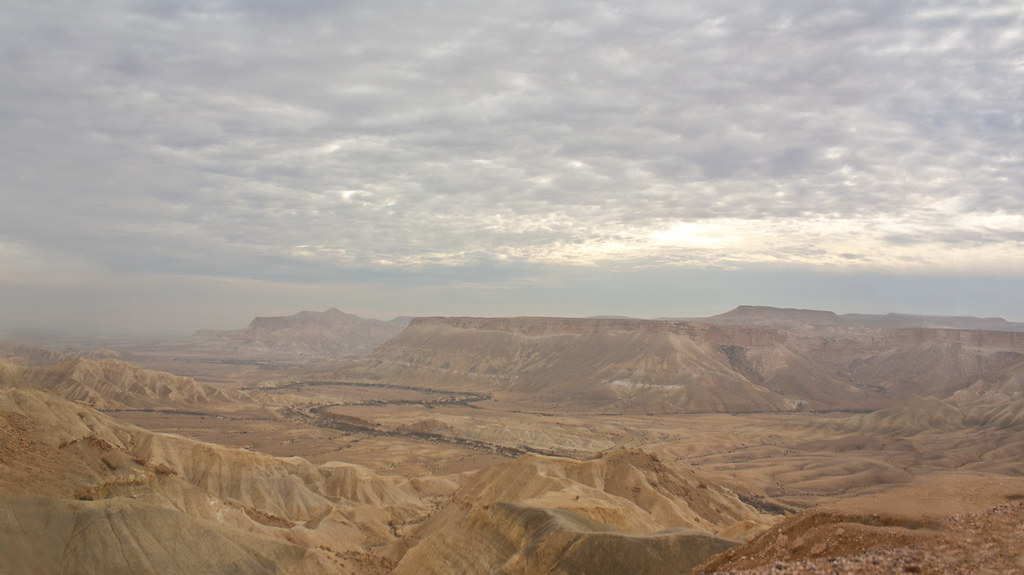
The Triassic period, stretching from roughly 251.9 to 201.4 million years ago, was the first period of the Mesozoic Era, and it followed the largest known extinction in Earth’s history – the Permian-Triassic mass extinction, sometimes called “The Great Dying.” Just imagine that. The world you were about to inhabit had just gone through its worst catastrophe. Life was starting almost from scratch.
The global climate during the Triassic was mostly hot and dry, with deserts spanning much of Pangaea’s interior. However, the climate shifted and became more humid as Pangaea began to drift apart. It was a planet in a state of extreme flux, and that instability turned out to be the very pressure cooker that forged the conditions for the most iconic creatures to ever walk the Earth.
The Carnian Pluvial Episode: When Rain Changed Everything
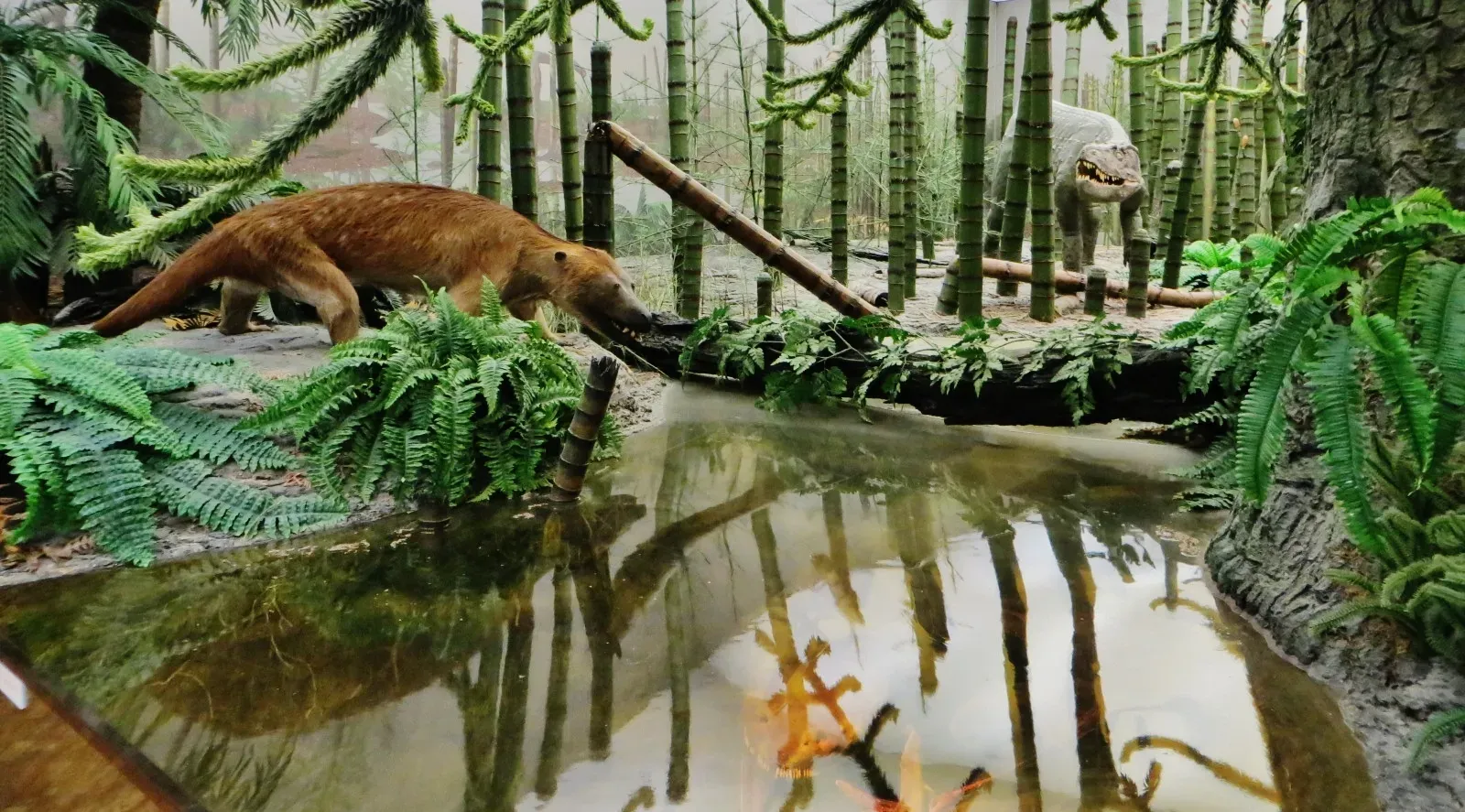
Here is one of those facts that genuinely sounds like science fiction. Roughly 233 million years ago, Earth’s continents were fused into one massive landmass, and life was on the brink of transformation due to a nearly one-million-year period of rain called the Carnian Pluvial Episode. Think about that – a million years of rain. That is not a storm. That is a geological-scale revolution.
The Carnian Pluvial Episode was a period of major change in global climate that coincided with significant changes in Earth’s biota both in the sea and on land. It occurred during the latter part of the Carnian Stage of the Late Triassic Epoch, lasting around 234 to 232 million years ago. Volcanic activity off the coast of North America led to global warming and increased rainfall on land. This was a time when climates switched from arid to humid and back to arid again – a wild climatic pendulum with enormous evolutionary consequences.
Dinosaurs Diversify: Climate Opens the Door
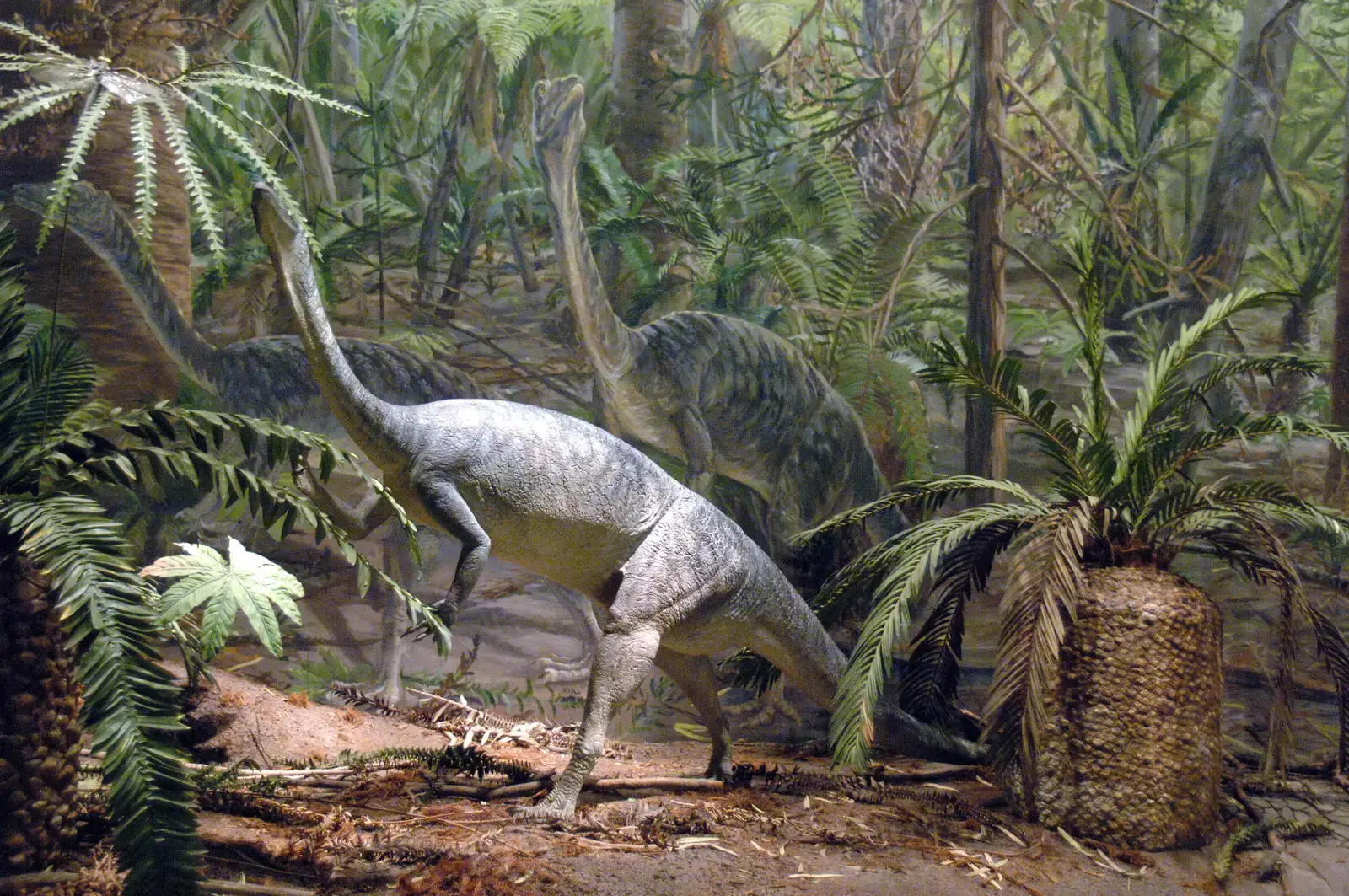
Dinosaurs diversified in two steps during the Triassic. They originated about 245 million years ago, during the recovery from the Permian-Triassic mass extinction, and then remained insignificant until they exploded in diversity and ecological importance during the Late Triassic. The timing of that second explosion is what makes scientists sit up straight.
On land, there were major diversifications and originations of conifers, insects, dinosaurs, crocodiles, lizards, turtles, and mammals. Although there is uncertainty on the precise age of some of the recorded biological changes, these observations indicate that the Carnian Pluvial Episode was linked to a major extinction event and might have been the trigger of the spectacular radiation of many key groups that dominate modern ecosystems. Essentially, the CPE cleared the table – and dinosaurs were first in line to take the available seats.
Climate Restrictions: How Temperature Kept Dinosaurs in Check
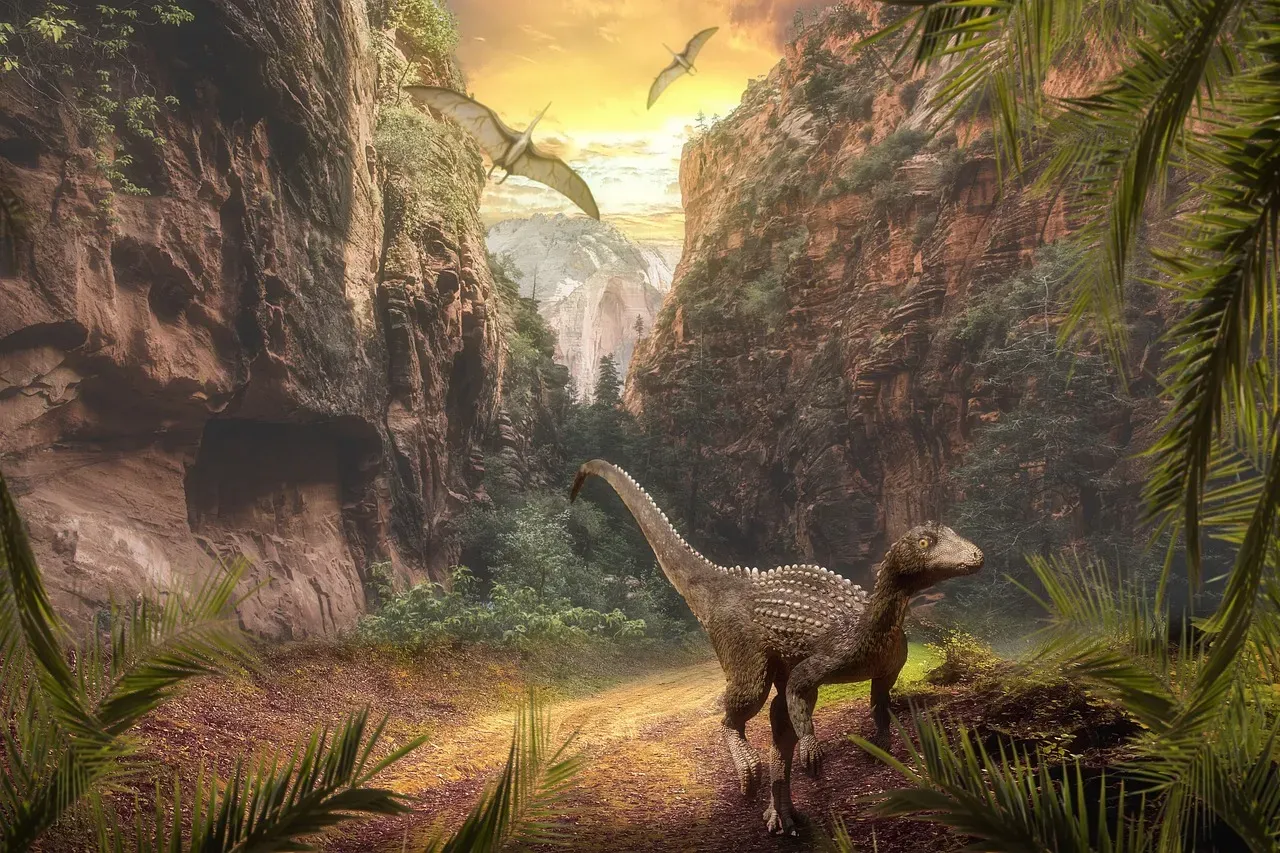
Let’s be real – not all climate change is a gift to any species, and early dinosaurs learned this firsthand. Instead of dinosaurs being outcompeted by other large vertebrates, it was variations in climate conditions that were restricting their diversity before the Triassic-Jurassic mass extinction. While the climate near the equator in the Late Triassic was much too warm for early dinosaur species, when the climate zones shifted in the early Jurassic, this allowed dinosaur species’ populations to flourish and expand to new areas that were previously inaccessible.
Statistical analyses show that Late Triassic sauropodomorph dinosaurs occupied a more restricted climatic niche space than other tetrapods and dinosaurs, being excluded from the hottest, low-latitude climate zones. Picture it like a kind of invisible fence. Climate was controlling where dinosaurs could and could not go, long before competition with other species ever became the deciding factor.
The Triassic-Jurassic Boundary: A Climate Catastrophe Becomes a Dinosaur Gift
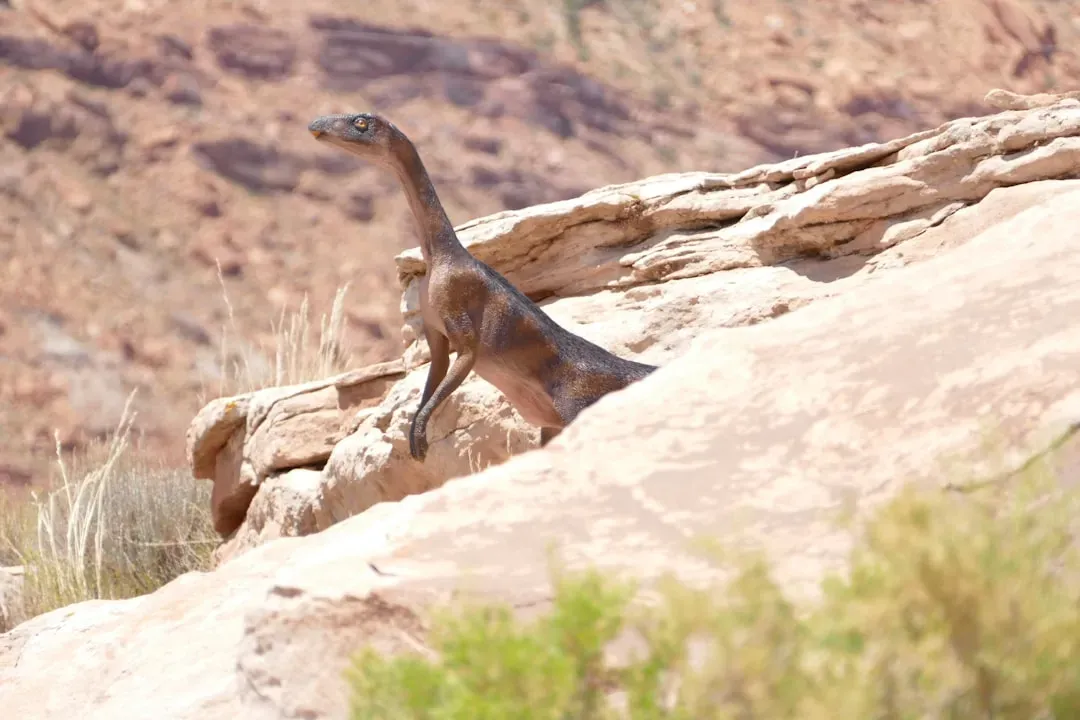
About 201 million years ago, the Earth got so hot that it caused a mass extinction of animals and other beings. For dinosaurs, however, this climate change was actually beneficial – their populations started growing and they expanded their habitat. It is one of the stranger paradoxes in evolutionary history. A global catastrophe, devastating for so many, became a launching pad for the creatures that would come to define an era.
According to research, changes in global climate associated with the Triassic-Jurassic mass extinction – which wiped out many large terrestrial vertebrates such as the giant armadillo-like aetosaurs – actually benefitted the earliest dinosaurs. In particular, sauropod-like dinosaurs, which became the giant herbivore species of the later Jurassic like Diplodocus and Brachiosaurus, were able to thrive and expand across new territories as the planet warmed up after the extinction event 201 million years ago. Timing, in evolution as in life, is everything.
Warm Blood and Cold Climates: How Some Dinosaurs Adapted Physiologically
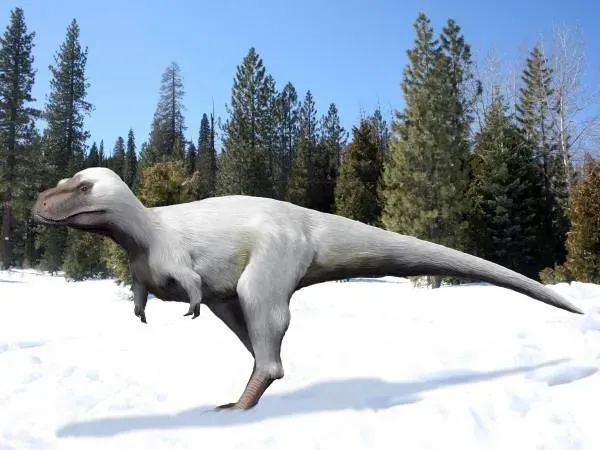
One of the most jaw-dropping developments in recent dinosaur science involves something you might not expect – body heat. Different climate preferences emerged among the main dinosaur groups around the time of the Jenkyns event 183 million years ago. The adoption of endothermy, perhaps a result of this environmental crisis, may have enabled theropods and ornithischians to thrive in colder environments.
This allowed the dinosaurs to venture into colder climates, where they could remain active for longer periods, grow faster, and produce more offspring. Meanwhile, sauropods, which stayed in warmer climates, grew to a gigantic size at around this time – another possible adaptation due to environmental pressure, as their smaller surface area to volume ratio meant larger creatures would lose heat at a reduced rate, allowing them to stay active for longer. Climate was essentially redesigning dinosaur biology from the inside out.
The Cretaceous Greenhouse World: Peak Dinosaur Diversity
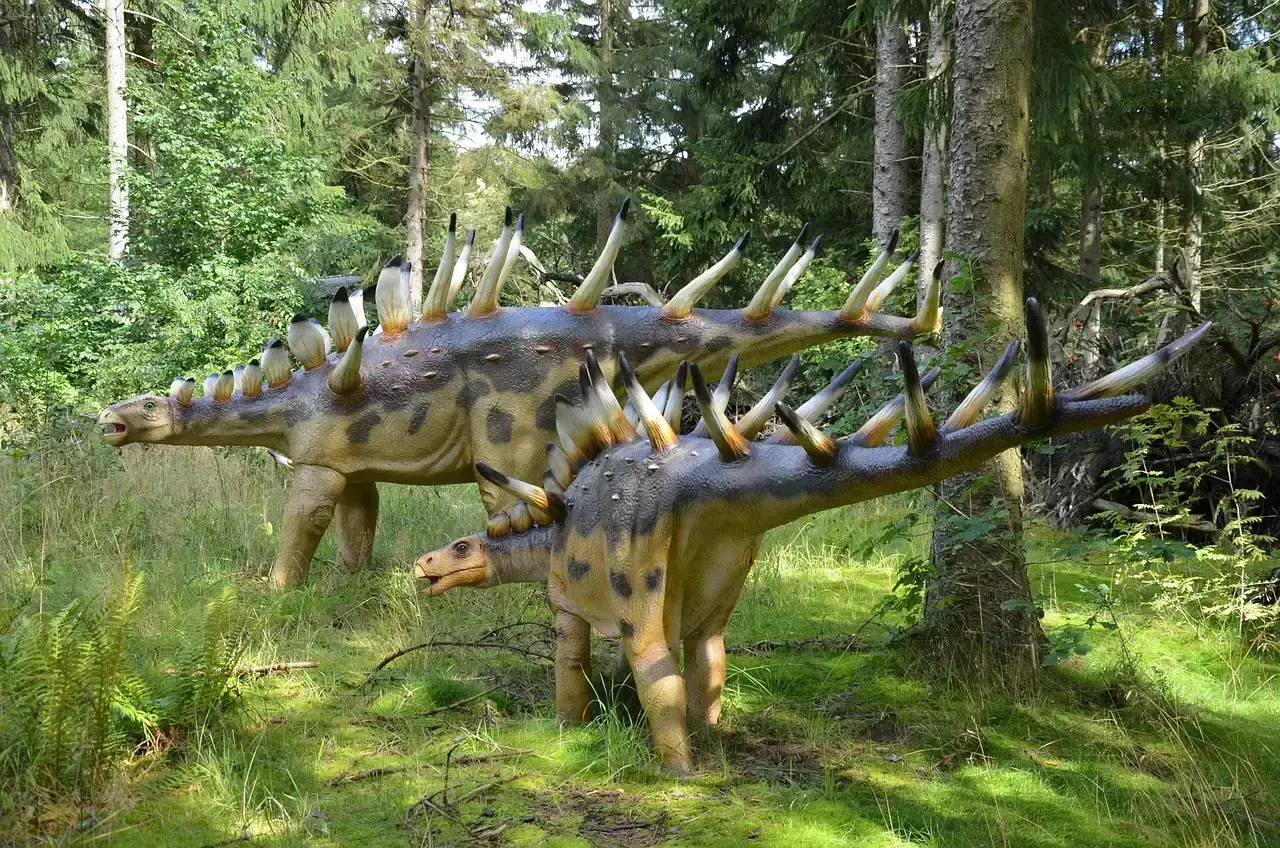
The Cretaceous period is an archetypal example of a greenhouse climate. Atmospheric CO2 levels reached as high as roughly 2,000 parts per million, average temperatures were approximately 5 to 10 degrees Celsius higher than today, and sea levels were 50 to 100 meters higher. This was Earth at its most dramatically warm, and for dinosaurs, it was paradise.
Dinosaurs reached their peak diversity during this time. In the oceans, new groups of marine reptiles evolved to take advantage of the expanded shallow seas. Angiosperms, or flowering plants, evolved in the Cretaceous period and became more common than the older gymnosperms. This plant revolution directly fueled a dinosaur revolution – these fast-growing, adaptable plants gave rise to a huge boom in the dinosaur world, with most of the dinosaurs found in the fossil record dating from the late Cretaceous period, when flowering plants were supplying plant-eating dinosaurs like hadrosaurs with plentiful and nutritious food.
The Final Climate Collapse: When Earth Turned Against Its Giants
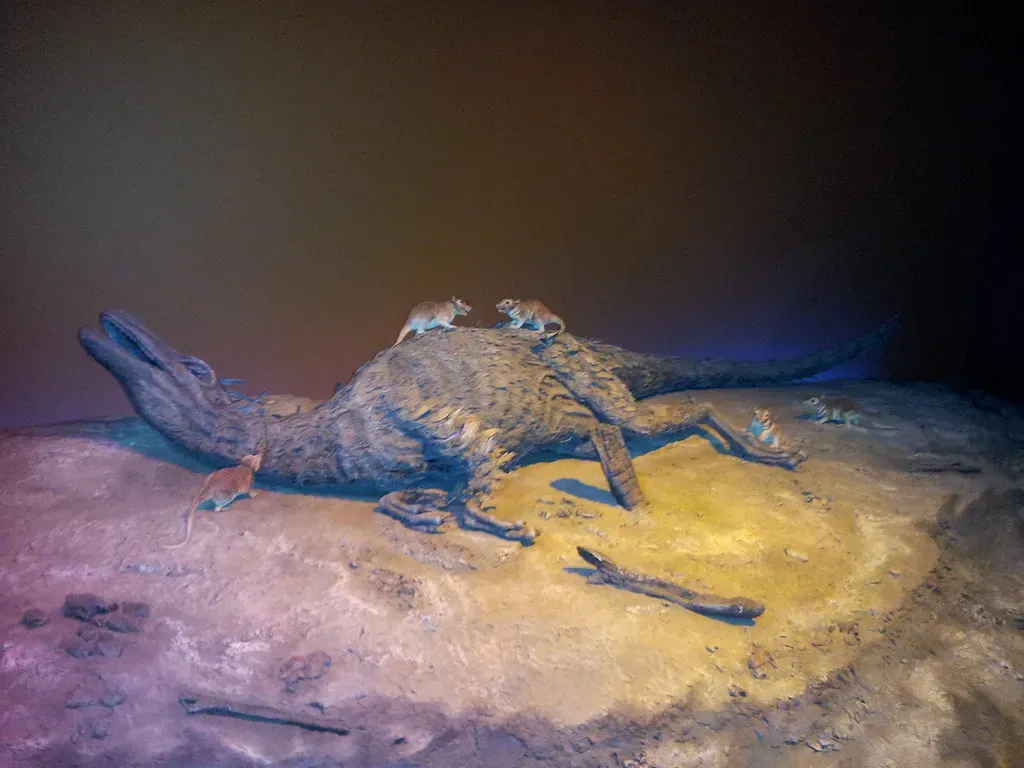
It could not last forever. Studies of sedimentary structures, mineralogical compositions, and stable isotopes in ancient soil sediments indicated that large fluctuations in air temperatures over land, humidity, and moisture sources occurred during the last 10 million years before the dinosaurs went extinct. These findings demonstrated that considerable climatic changes occurred before the demise of dinosaurs, contributing to the ongoing debate over relationships between climate change, volcanism, the Chicxulub impact, and mass extinction.
A correlation exists between the abundance of dinosaur fossils in studied regions and climatic changes. As precipitation and temperature increased, the presence of dinosaur fossils gradually declined. Notably, during the last 0.4 million years of the Cretaceous period, no dinosaur fossils were discovered in certain basins. The combined catastrophic factors resulted in a dramatic decline in temperatures and disrupted photosynthesis, leading to the widespread collapse of food chains. It is estimated that around three quarters of all species on Earth went extinct during this period, including all non-avian dinosaurs.
Conclusion
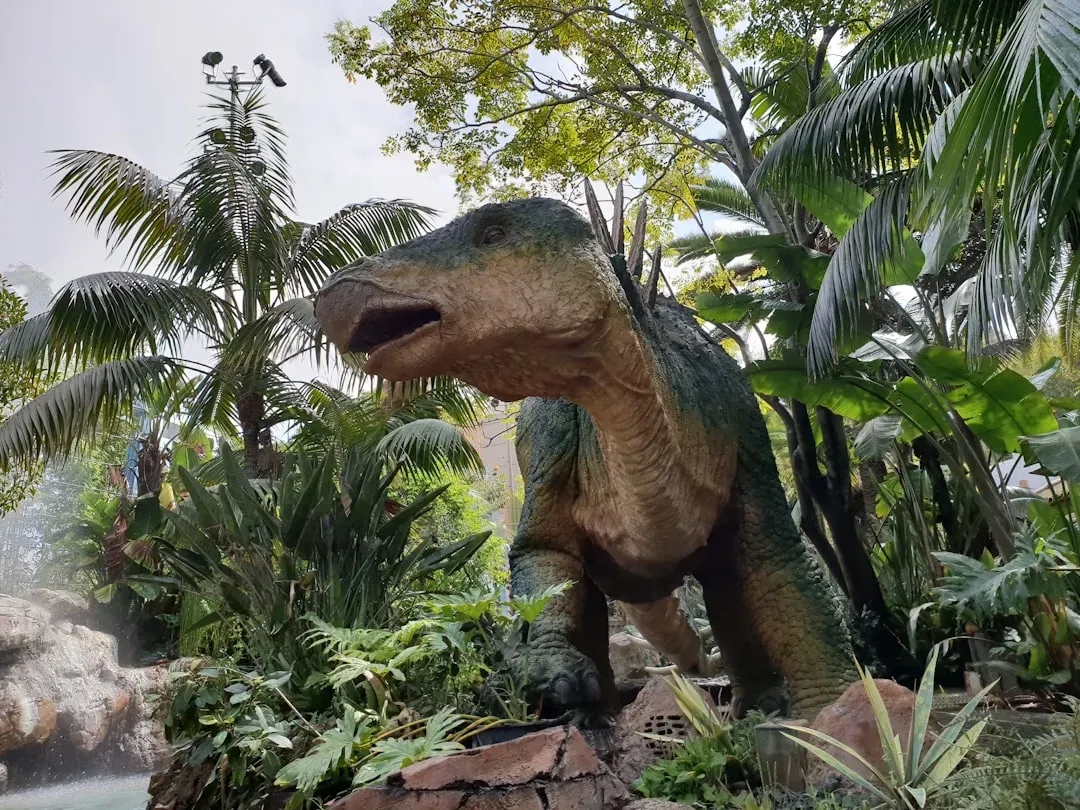
The story of dinosaur evolution is, at its core, a story about climate. Not competition. Not luck alone. Climate was the silent architect behind every major chapter – from the very first dinosaur footprints appearing in the aftermath of million-year rains, to the magnificent giants of the Jurassic, to the extraordinary diversity of the Cretaceous greenhouse world, and finally to the slow destabilization before the asteroid landed its fatal blow.
What is perhaps most striking is how much this mirrors conversations we are having right now in 2026, as scientists track the effects of a warming planet on biodiversity. The ancient record tells us clearly that when climates shift dramatically, ecosystems reorganize, and not every species gets to come along for the ride. Dinosaurs didn’t just live through climate change – they were shaped by it, empowered by it, and ultimately brought down by it.
Does that parallel make you think differently about our own world’s future? It probably should. What are your thoughts – share them in the comments below.