Earth has never been a gentle host. Over billions of years, it has swung between extreme heat and devastating cold, flooded continents, suffocated oceans, and blasted skies with volcanic ash thick enough to block the sun for years. Most creatures caught in these shifts vanished without a trace. Others, through a combination of luck, physical ingenuity, and sheer biological stubbornness, endured. They weren’t just lucky, though. They were, in a very real sense, built by catastrophe itself.
What makes these prehistoric survivors so fascinating is not just that they lived. It’s how they lived, what traits they quietly carried that suddenly became invaluable when the world turned hostile. Think of survival not as a trophy handed to the strongest, but as a door that only opens for those already shaped to fit its lock. So let’s dive into the story of how Earth’s wildest climate chapters created the most resilient creatures life has ever produced.
When Earth’s Climate First Went to Extremes
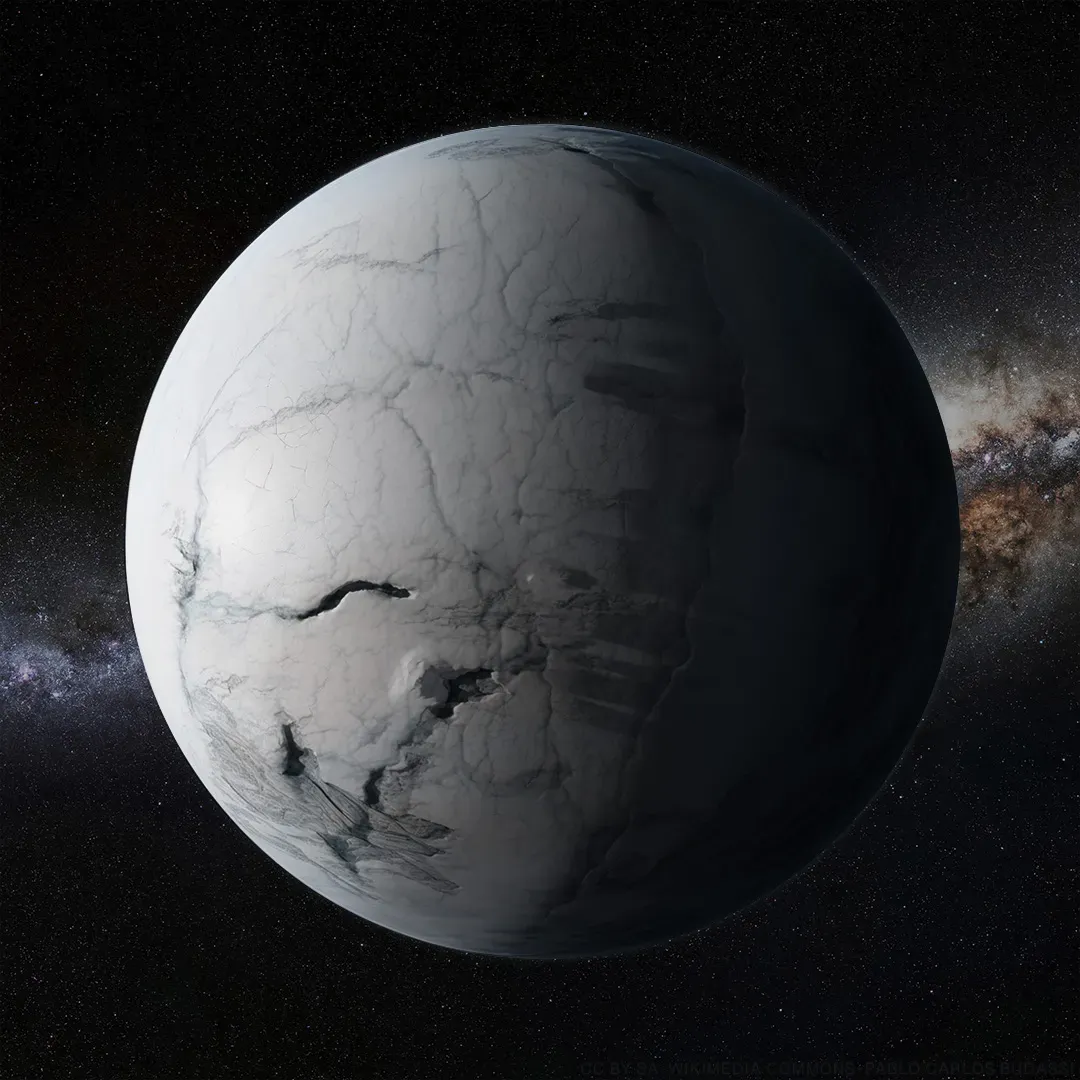
You might assume Earth has always been the moderately hospitable world we inhabit today. Honestly, nothing could be further from the truth. The oldest known glaciation, called the Huronian, occurred toward the end of the Archean and early Proterozoic eons, roughly 2.5 billion years ago. The planet was a very different beast back then, chaotic, young, and chemically unstable.
The end of the Proterozoic, about 700 million years ago, brought another glaciation event known as the Snowball Earth hypothesis, with glacial evidence found in widespread rock sequences across the globe, even suggesting low-latitude glaciation. Imagine the entire planet frosted over from pole to equator. That is not a metaphor. Life that clung on through that era was already practicing survival at its most extreme.
The idea behind the Snowball Earth hypothesis is that a runaway albedo effect, where ice and snow reflect solar radiation, could have caused the complete freezing of land and ocean surfaces, with the ice-covered Earth only melting once carbon dioxide from volcanoes reached high enough concentrations to break the freeze. Any creature that made it through those cycles had already been stress-tested beyond anything modern life has faced.
The Great Dying: Earth’s Most Catastrophic Climate Event

Let’s be real, when people talk about mass extinctions, they almost always talk about the asteroid that killed the dinosaurs. That event was devastating. Yet it was not the worst. The end-Permian mass extinction, which took place 251 million years ago, resulted in the extinction of over 80 percent of species on Earth, and the extinction event was caused by an unstable climate following widespread volcanic eruptions. That number should stop you cold.
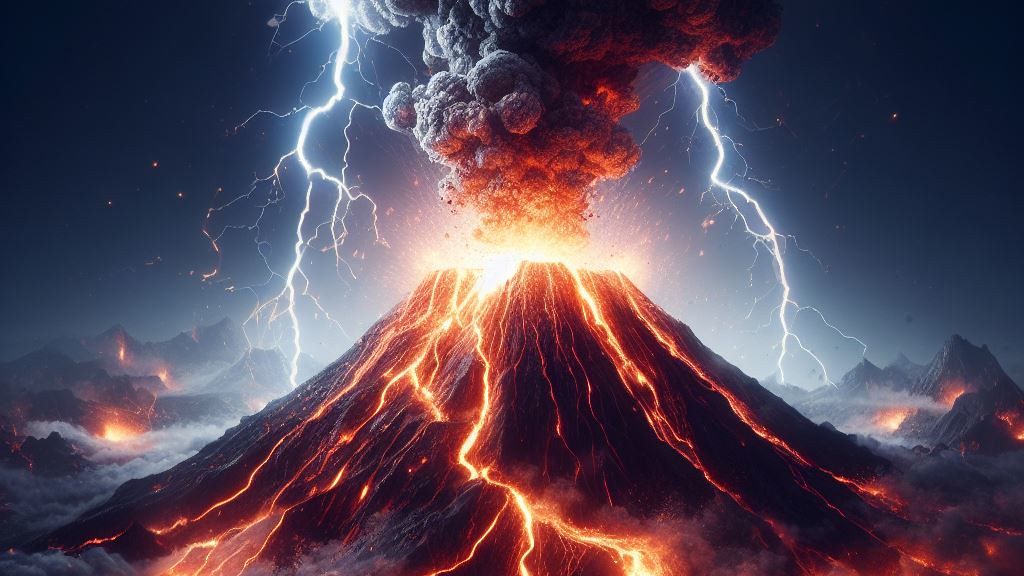
The scientific consensus is that volcanism drove the Great Dying, specifically the Siberian Traps, a volcanic region in what is now Siberia, which when it erupted some 252 million years ago engulfed roughly 5 million square kilometers in lava and obliterated an area half the size of the United States, stemming from fissure eruptions that can run for many kilometers and release massive amounts of volcanic material. The climate that followed was a nightmare of heat, acid rain, and oxygen-starved oceans.
Toward the end of the Permian period, the planet was reeling from cataclysmic volcanic activity in modern-day Siberia, which ushered in intense global warming, oxygen depletion, and ocean acidification that killed most marine organisms 252 million years ago. What survived this furnace deserves every ounce of our fascination.
Lystrosaurus: The Unlikely King of the Aftermath
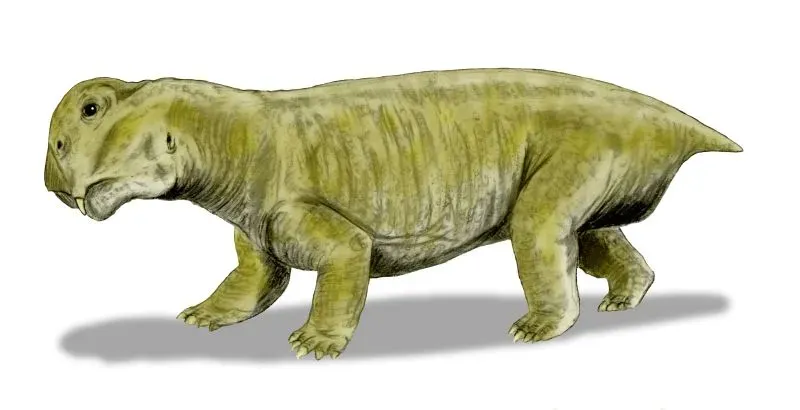
Here’s the thing about Lystrosaurus: it looked ridiculous. Picture a pig with a turtle’s beak, stubby legs, and the general aesthetic of something that definitely should not be running the world. The remarkable thing about Lystrosaurus is that it was not only one of the survivors of the Great Dying but thrived through the transition, representing roughly 95 percent of fossils found in boundary deposits. It went from being one animal among many to being basically the only large land animal left.
The newest research indicates that it may have been Lystrosaurus’s ability to hibernate that made it such a good survivor, with bone histology of tusks belonging to Antarctic specimens showing an on-and-off growth pattern characteristic of hibernating animals, suggesting that if Lystrosaurus could hibernate, it would have been able to wait in its burrow for a very long time for external conditions to improve. That is evolution’s version of sleeping through the apocalypse.
Lystrosaurus possessed many adaptations as a burrower, with a short, broad hand suited for digging and a wide knee joint for powerful foot muscles, meaning it probably excavated burrows for itself as protection, and it also had a barrel chest allowing it to have relatively large lungs that could extract more oxygen from the air. In a world choked by volcanic gases, bigger lungs were not a luxury. They were a lifeline.
The Milankovitch Cycles: When the Solar System Drove Evolution
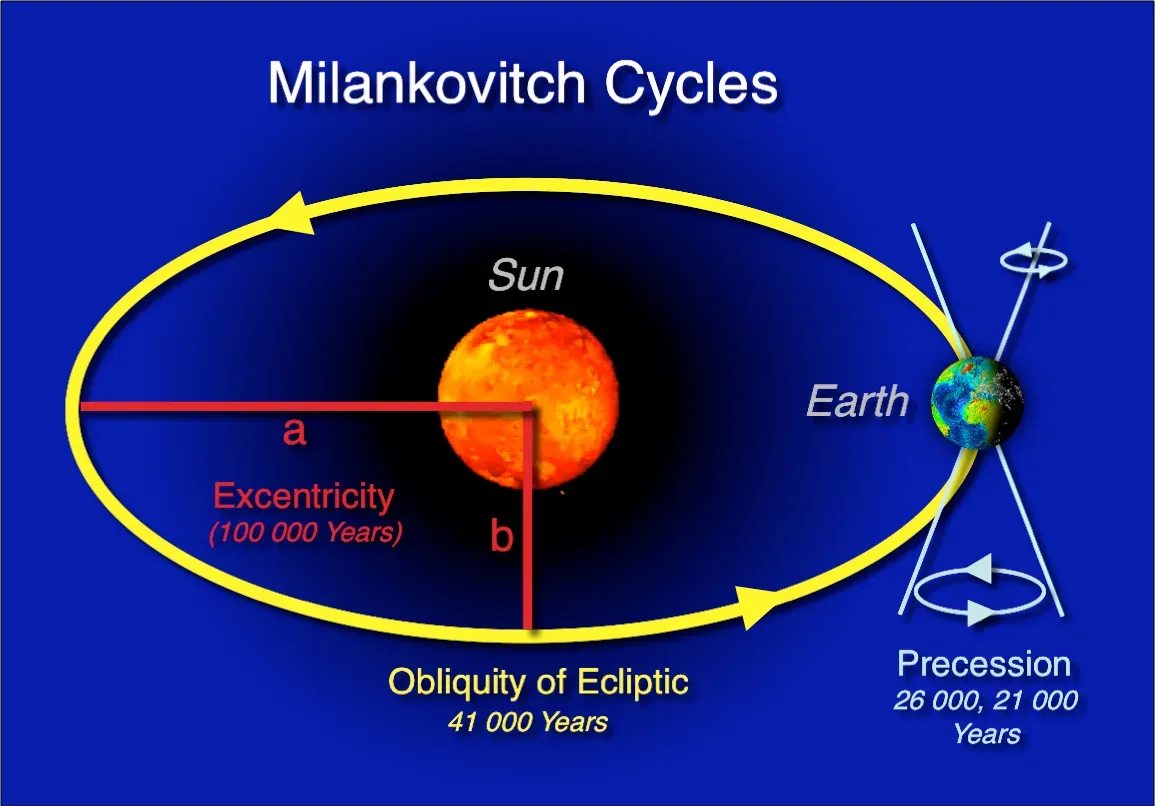
You might not think the shape of Earth’s orbit around the sun would matter much to a prehistoric animal. It turns out it mattered enormously. Earth’s elliptical orbit around the sun changes its shape slightly on periods of 100,000 and 400,000 years, known as the Milankovitch cycles, and along with periodic wobbles of the Earth on its axis, this causes the levels of solar radiation received to wax and wane, putting the planet through periods of natural climate change. Think of it as a cosmic thermostat, endlessly dialing up and down.
The Earth’s climate underwent glacial cycles influenced by the planet’s tilt, wobble, and orbit, which affected the distribution of solar radiation and led to variability in climate, and these glacial shifts caused changes in temperature and precipitation, resulting in notable shifts in tropical rainbands and monsoon systems, which impacted human evolution. Every swing of that cosmic pendulum reshuffled who could survive and where, culling the inflexible and rewarding those with adaptable traits.
The climatic shifts during the Pleistocene resulted in substantial alterations in the dominant biome types: in Europe, temperate forests were replaced by grasslands and tundra during glacial periods, while in Africa, rainforests were replaced by shrublands and grasslands during the mid-Pleistocene. Entire ecosystems vanished and reformed, and only the most adaptable creatures moved with them.
The Woolly Mammoth: Engineered by Ice
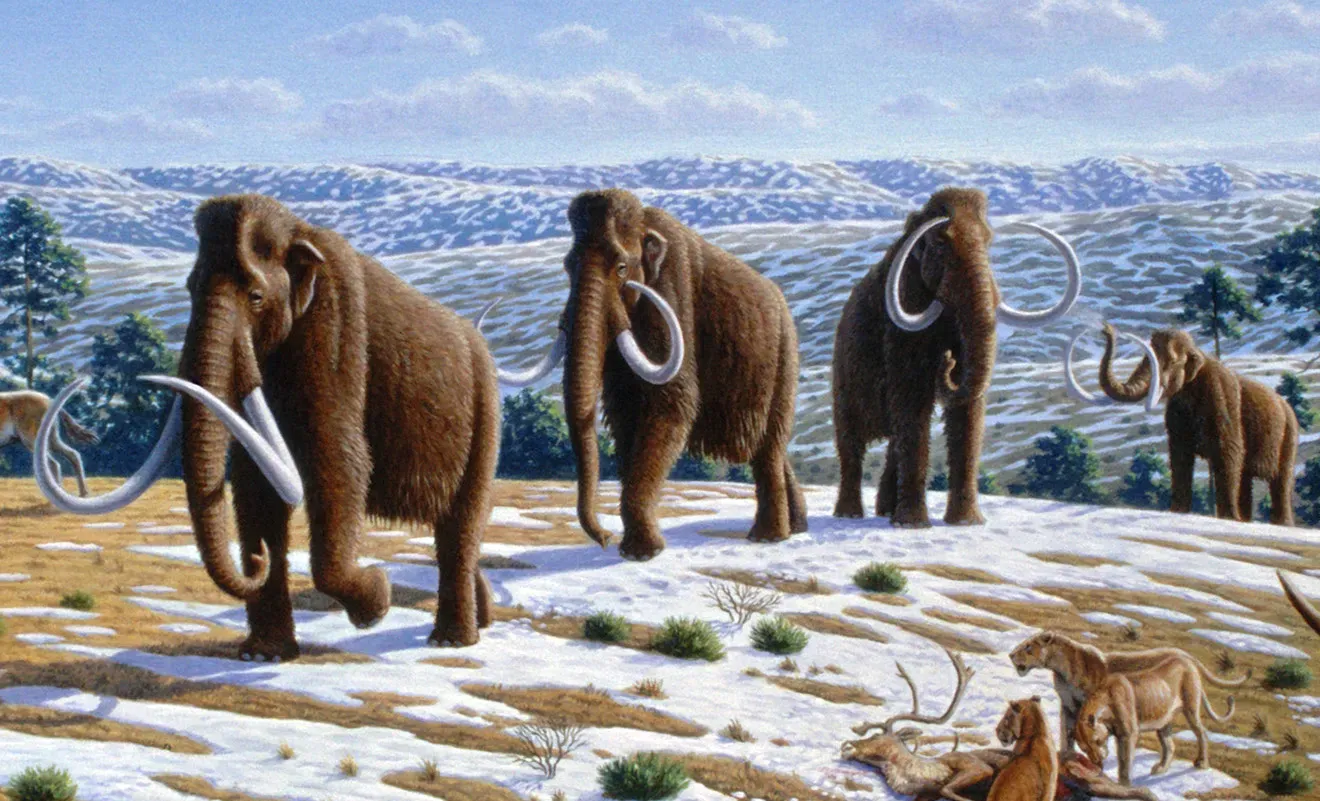
The woolly mammoth was well adapted to the cold environments present during glacial periods, covered in fur with an outer covering of long guard hairs and a shorter undercoat, with ears and tail kept short to minimize frostbite and heat loss. These weren’t random features. Each one was a precise answer to an impossible question: how do you keep a multi-ton animal alive in an Arctic winter?
As in reindeer and musk oxen, the haemoglobin of the woolly mammoth was adapted to the cold, with three mutations to improve oxygen delivery around the body and prevent freezing, a feature that may have helped the mammoths to live at high latitudes. That is a genetic edit written in ice ages, pressed into the bloodstream of an animal over hundreds of thousands of years. I think that’s one of the most staggering examples of climate literally reshaping biology at a molecular level.
Genes that could help an animal survive in the Arctic Circle, such as those coded for long hair, fatty deposits, and a tolerance to cold, were present even in older steppe mammoth DNA. The cold had been sculpting the mammoth lineage long before the woolly version emerged. Climate did not just threaten mammoths. In a very real sense, it created them.
The Survivors of the Asteroid Impact: Small, Fast, and Flexible
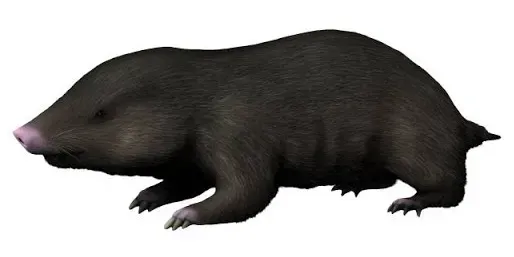
When the Chicxulub asteroid struck Earth 66 million years ago, it triggered one of the most violent chain reactions in planetary history. The asteroid impact triggered a heat pulse that ignited forest fires globally, and dense clouds of debris and soot were ejected into the atmosphere, cooling the planet and likely blocking sunlight, while acid rain poured down. It was a climate catastrophe stacked on a physical catastrophe.
Underground burrows and aquatic environments protected small mammals from the brief but drastic rise in temperature, while larger dinosaurs would have been completely exposed and vast numbers would have been instantly burned to death, and after several days of searing heat the Earth’s surface temperature returned to bearable levels and the mammals emerged from their burrows, though they found a barren wasteland. The lesson is almost uncomfortably simple: being small, burrowing, and unfussy about diet saved the day.
Omnivores, insectivores, and carrion-eaters survived the extinction event, perhaps because of the increased availability of their food sources, while neither strictly herbivorous nor strictly carnivorous mammals seem to have survived, with the surviving mammals and birds instead feeding on insects, worms, and snails, which in turn fed on detritus made up of dead plant and animal matter. The age of the specialists ended in fire. The age of the generalists began in ash.
Crocodilians: The Ancient Survivors That Refused to Change
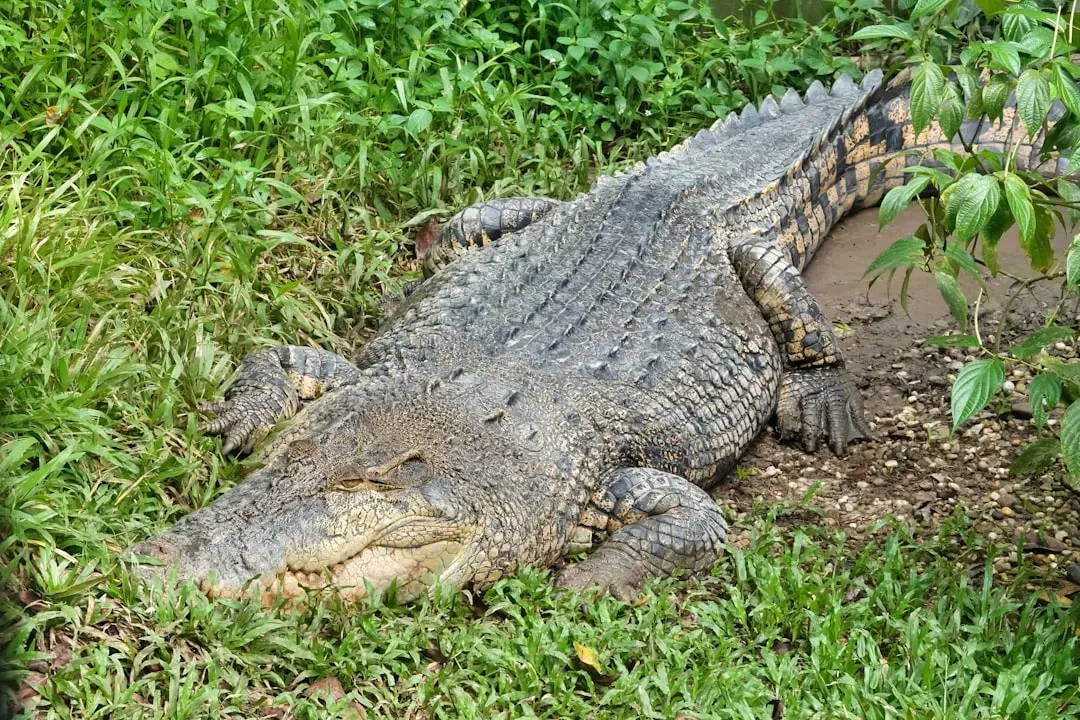
There is something almost arrogant about crocodilians. They have watched five major mass extinctions roll by, outlasted the dinosaurs, and are still here in 2026, looking more or less as they always have. Modern crocodilians can live as scavengers and survive for months without food, with their young being small, growing slowly, and feeding largely on invertebrates and dead organisms for their first few years, and these characteristics have been linked to crocodilian survival at the end of the Cretaceous period.
While they may look unchanged after nearly 80 million years, today’s crocodilians are actually a far cry from their distant ancestors, which first appeared in the Late Triassic, around 235 million years ago. They look like living fossils, but the truth is more interesting. They have been quietly evolving all along, just slowly and smartly enough that nobody noticed. One exception among prehistoric creatures were the pseudosuchians, the group that consists of crocodilians and their fossil relatives, and interestingly, while the latitudinal biodiversity of other species shifted dramatically over 200 million years, pseudosuchian biodiversity has remained relatively stable.
Yes, today’s crocodilians may look prehistoric, but they’ve come a long way since their ancestors’ origins in the Late Triassic and may continue to diversify as climate change forces them to adapt. That right there is the crocodilian promise: bend just enough to stay standing, and you can outlast almost everything.
How Climate Variability Became Evolution’s Greatest Engine

A key hypothesis in understanding human evolution suggests that the major events in human evolution were shaped not by any single type of habitat or environmental trend but by environmental instability itself, an idea developed by Dr. Rick Potts of the Human Origins Program known as variability selection, which calls attention to the variability observed in all environmental records and to the fact that the genus Homo was not limited to a single type of environment. It’s a bold idea. Stress itself was the teacher.
Over the last 25 years scientists exploring human origins have become increasingly interested in the ways that changing climate and variable ecological conditions, like droughts and freezing temperatures, helped to guide evolution, with the idea being that the need to survive in variable environments would favor humans with genetic changes that made them more adaptable and better able to survive in a wide range of conditions. In other words, every drought, every ice age, every ecosystem collapse was essentially a filter, and only the most flexible creatures passed through.
Over the course of human evolution, human ancestors increased their ability to cope with changing habitats rather than specializing on a single type of environment. It’s hard to say for sure whether this is the single greatest driver of human success, but the evidence makes a compelling case. Flexibility, not strength or size, is what ancient Earth rewarded most generously.
Conclusion
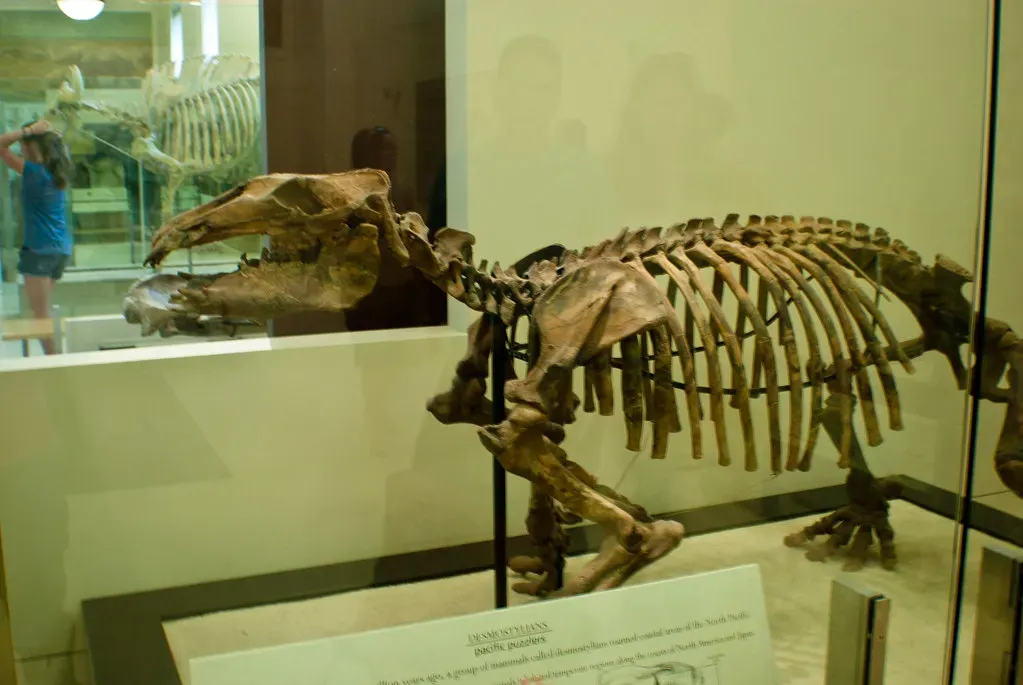
The story of prehistoric survival is not a tale of brute force. It’s a story about fit. About creatures that, whether by luck, biology, or sheer behavioral flexibility, happened to carry the right tools for the worst moments in Earth’s history. Lystrosaurus burrowed and hibernated. Woolly mammoths rewired their own blood for the cold. Small mammals hid underground and ate whatever was left. Crocodilians learned to go months without food and let everyone else panic above them. Each one found its own door through the chaos.
What is genuinely humbling is how many of these survival traits were not innovations born from crisis. They were pre-existing quirks that suddenly became invaluable when the world changed around them. That should make you think hard about adaptability, not just for prehistoric creatures, but for any living thing navigating an unpredictable environment, including us. Ancient Earth was brutal, relentless, and spectacularly unforgiving. And in return, it produced the toughest survivors life has ever known. Could the same pressure be quietly forging the resilient species of tomorrow right now?