Picture a planet so violently alive that its oceans boil, its skies choke with toxic gases, and nearly every creature that has ever crawled, swum, or crept across its surface simply vanishes. That is not a scene from a science fiction film. That is prehistoric Earth, over and over again, resetting its biological clock with terrifying efficiency.
What you might not realize is that every single catastrophe, every supervolcano, every planetary collision, and every poisoned ocean was not just an ending. It was also a doorway. today, including every bird perched outside your window, exist because of those disasters. Let’s dive in.
The Great Dying: When Life Nearly Lost Everything
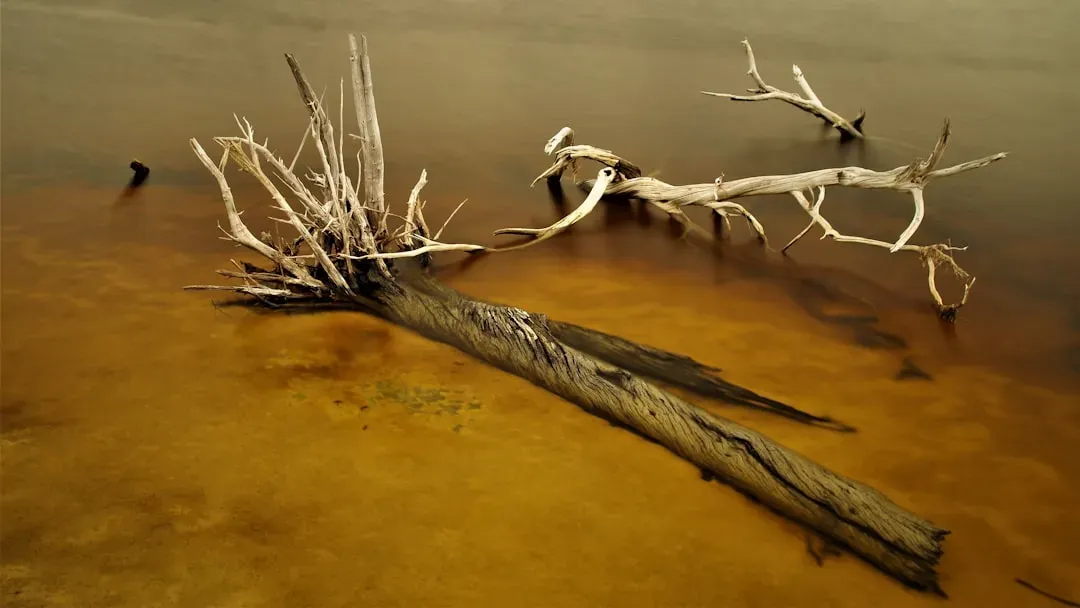
Roughly 252 million years ago, Earth threw what is still the most catastrophic tantrum in its 4.5-billion-year history. The Permian-Triassic extinction event, known as the “Great Dying,” occurred approximately 251 million years ago and is considered the most severe extinction event in Earth’s history, resulting in the loss of around 90% of marine species and 70% of terrestrial vertebrate species. Think about that for a second. Nearly every living thing. Gone.
The volcanic activity, particularly from the Siberian Traps, released large amounts of carbon dioxide and sulfur dioxide, leading to severe environmental shifts including a greenhouse effect that caused global temperatures to rise dramatically. As ecosystems collapsed, food chains were disrupted, leading to further extinctions. It was not one disaster but a cascade, each collapse triggering the next like a row of falling dominoes stretched across millions of years.
Before the Permian-Triassic extinction, mammals’ ancient relatives thrived on land, with prehistoric habitats rife with strange animals called synapsids that filled nearly every ecological niche, from apex predators to hulking herbivores to meek insect-eaters. These creatures were Earth’s rulers, and they dominated the land much as dinosaurs would later do. The Great Dying swept most of them away.
The extinction event marked the transition from the Permian to the Triassic period, facilitating the emergence of new life forms, including early ancestors of dinosaurs and various marine species. Honestly, if you want to trace the very first pages of the dinosaur story, this is where you open the book.
Empty Thrones: How the Wipeout Created Opportunity
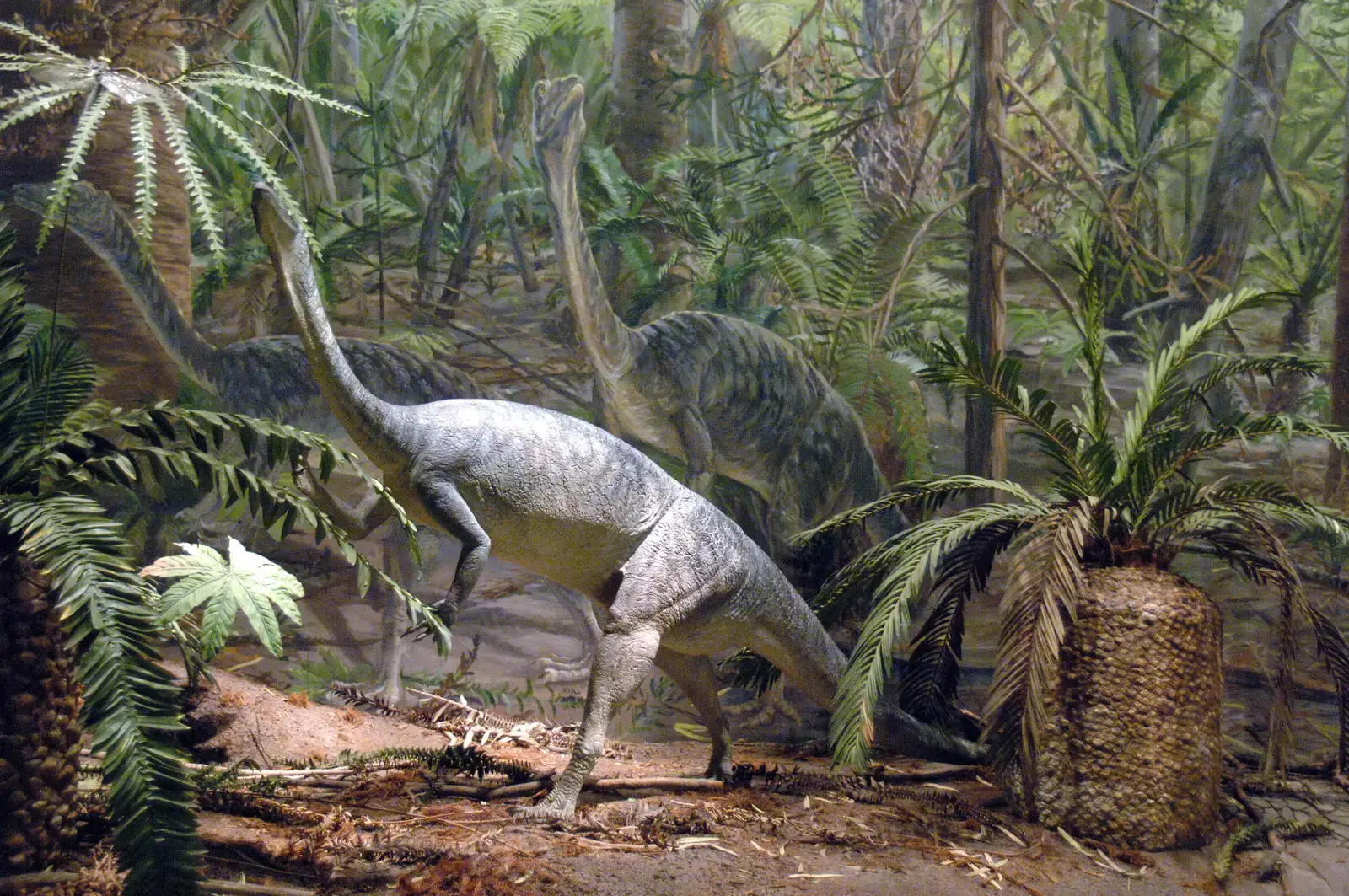
Here is the thing about mass extinctions that most people overlook. They do not just destroy. They liberate. It turns out that dinosaurs rose to prominence in the first place thanks to the worst crisis in the history of life on Earth. About 252 million years ago, intense volcanic activity spewed tons of carbon dioxide and other greenhouse gases into the atmosphere, and the heat ignited coal beds that threw even more ash and particulates into the air, blotting out the sun, acidifying the oceans, spurring global warming, and even reducing oxygen levels.
Archosaurs, which included the ancestors of dinosaurs and crocodilians, were initially rarer than therapsids but began to displace them in the mid-Triassic. The creatures that would eventually give rise to dinosaurs were essentially waiting in the ecological wings. The catastrophe cleared the stage, and they stepped into the spotlight. The synapsids were replaced by archosaurs, whose descendants included birds, crocodilians, pterosaurs, and of course dinosaurs.
Breathing Through Disaster: Why Dinosaurs Survived What Others Could Not
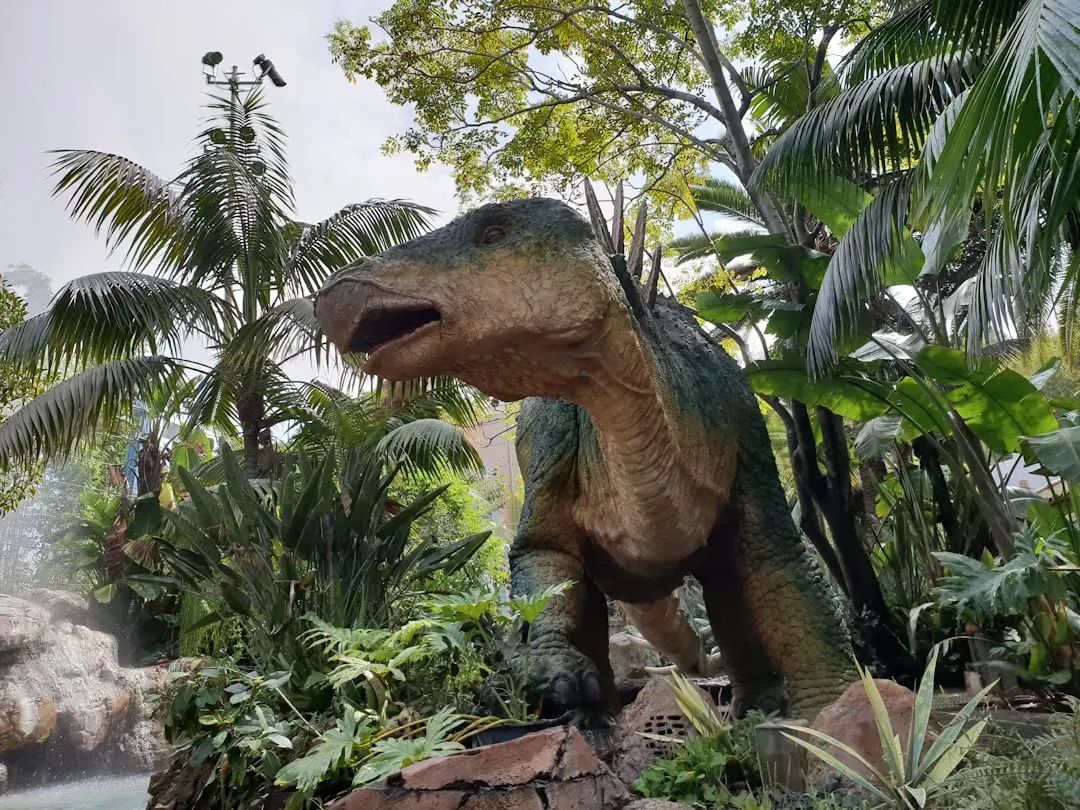
You might wonder why certain creatures made it through when so many others did not. It was not random luck entirely. Dinosaur ancestors had a biological advantage that proved critical when oxygen levels plummeted. Reptiles, including the ancestors of dinosaurs, breathed in a different way: one part of the lung pumped while the other part took up oxygen. This anatomical setup has allowed reptiles, including species today from snakes to birds, to breathe more efficiently at high altitudes or in other low-oxygen conditions.
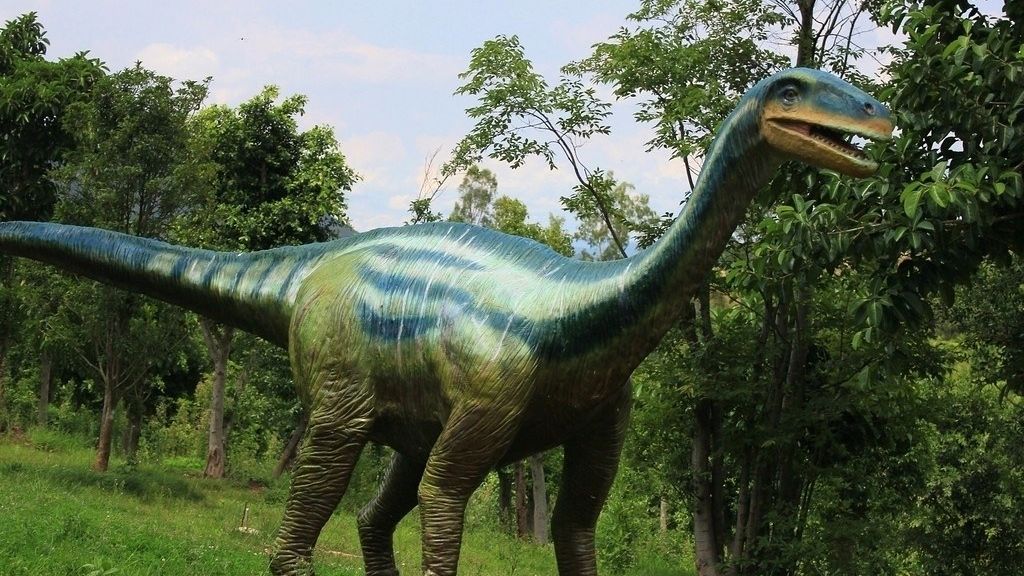
The first dinosaurs began to evolve in the Triassic. They were small, bipedal insect-eaters about one meter long, but they soon became larger and diversified as flesh and plant eaters. It is almost comical to think about. The creatures that would one day grow into Tyrannosaurus Rex and Brachiosaurus started out as cat-sized insect hunters, scurrying through a ruined world and seizing every opportunity that disaster had created for them.
The Volcanoes That Handed Dinosaurs a Kingdom
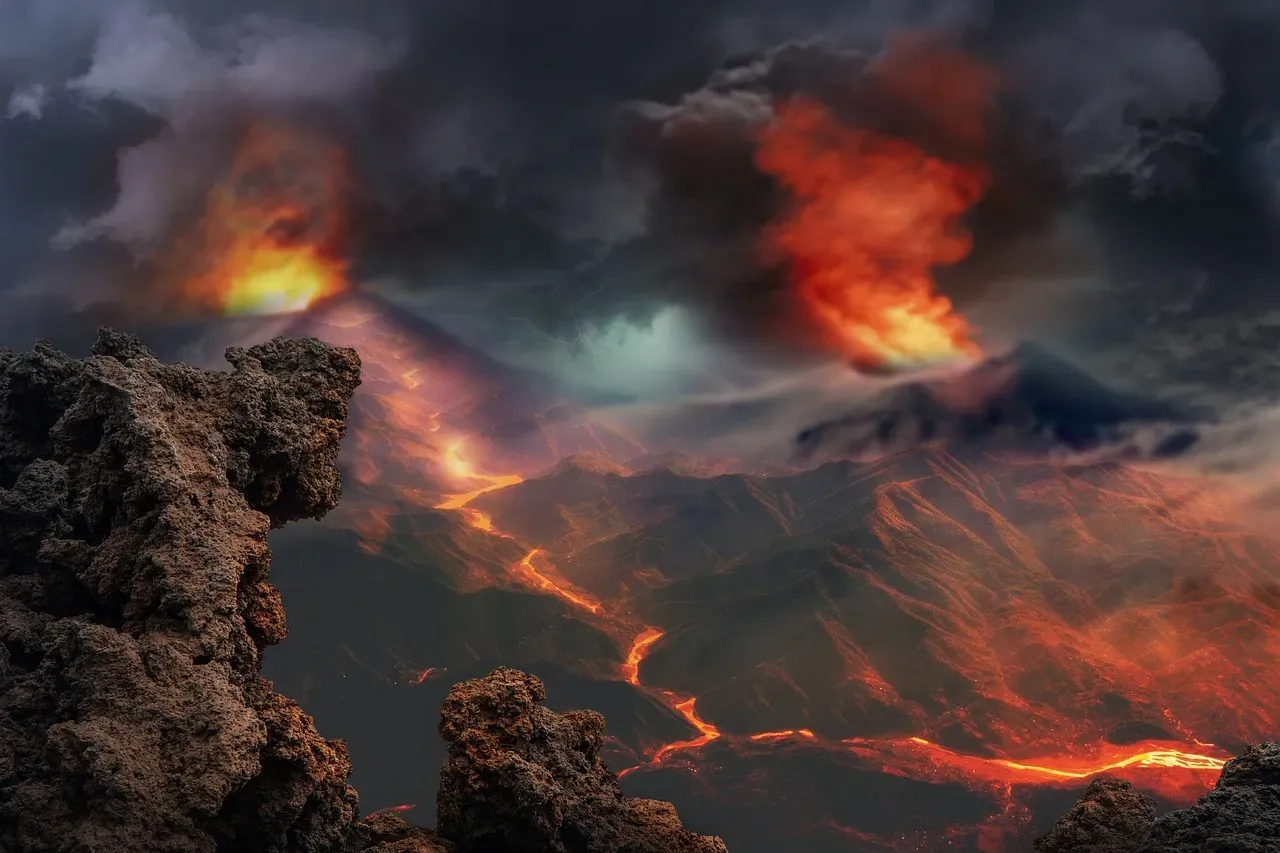
A different mass extinction was responsible for the success of the dinosaurs. Around 201 million years ago, incredible volcanic outpourings in the supercontinent Pangaea shook up life on Earth and gave early dinosaurs a chance to thrive. This was the Triassic-Jurassic extinction, and it is criminally underrated compared to the famous asteroid strike that ended the dinosaurs’ reign.
The end-Triassic extinction was a global extinction event occurring at the end of the Triassic Period that resulted in the demise of some 76 percent of all marine and terrestrial species and about 20 percent of all taxonomic families. It was likely the key moment allowing dinosaurs to become Earth’s dominant land animals. No other event in Earth’s history so directly and deliberately handed the world over to the dinosaurs. On land, all archosauromorph reptiles other than crocodylomorphs, dinosaurs, and pterosaurs became extinct. Crocodylomorphs, dinosaurs, pterosaurs, and mammals were left largely untouched, allowing them to become the dominant land animals for the next 135 million years.
Most scientists agree on a likely scenario: over a relatively short period of time, massive volcanic eruptions from a large region known as the Central Atlantic Magmatic Province spewed forth huge amounts of lava and gas, including carbon dioxide, sulfur and methane. This sudden release of gases into the atmosphere may have created intense global warming and acidification of the oceans that ultimately killed off thousands of plant and animal species. It is hard to imagine, but a volcanic system so vast that it once straddled the edges of what are now four different continents essentially ran the world’s thermostat haywire.
The Breakup of Pangaea: When Geography Became Destiny
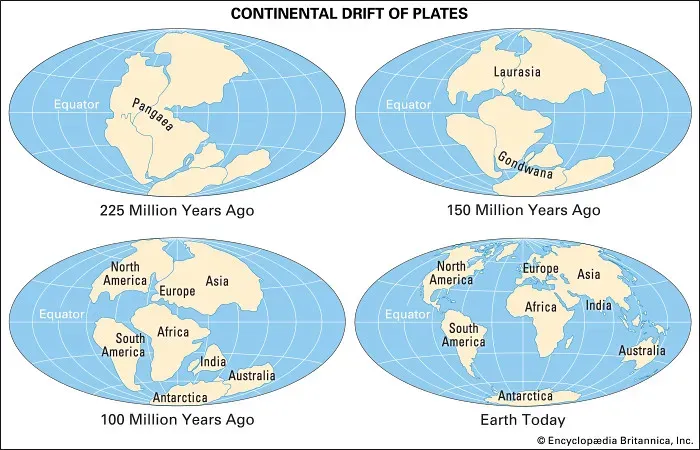
At the beginning of the age of dinosaurs during the Triassic Period, about 230 million years ago, the continents were arranged together as a single supercontinent called Pangaea. During the 165 million years of dinosaur existence, this supercontinent slowly broke apart. Think of Pangaea like a single enormous room where all the dinosaurs once mingled freely. Then someone knocked down the walls and the rooms drifted apart across a vast ocean.
One of the most profound consequences of Pangaea’s breakup was the evolutionary isolation it created among dinosaur populations. As ocean barriers formed between the separating continents, dinosaur species that had once freely intermingled suddenly found themselves cut off from their distant relatives. This isolation became the driving force behind rapid evolutionary diversification. The result? In the northern landmasses of Laurasia, dinosaurs began evolving along different paths than their southern cousins in Gondwana. The famous long-necked sauropods developed distinct characteristics depending on which continent they inhabited. While North American species like Diplodocus evolved extremely long, whip-like tails, their South American relatives developed different body proportions and feeding strategies. Same family tree, completely different branches.
Climate Chaos and the Rise of Giants
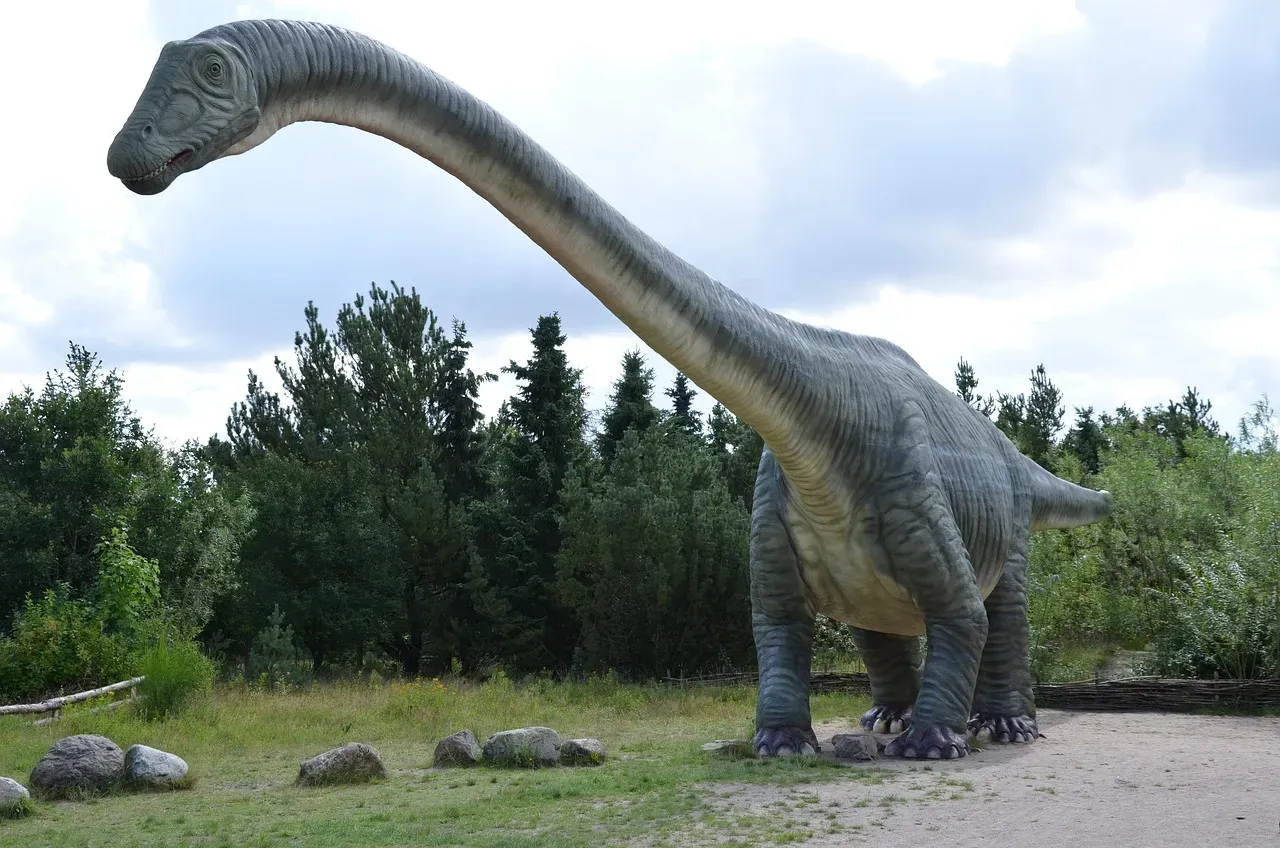
As the dinos entered the Jurassic period, Pangaea’s gradual separation into Laurasia in the North and Gondwana in the South coincided with cooler temperatures and increased rainfall. This spurred the growth of new vegetation, such as ferns and conifer trees. As the flora changed, dinosaurs diversified. Climate catastrophe gave way to climatic opportunity, and dinosaurs exploited it almost immediately.
Sauropods reached ever greater sizes and heights. One of the largest was Patagotitan, stretching to heights of more than 120 feet as it roamed the Early Cretaceous. We owe some of the most famous and largest meat-eating dinosaurs, such as Tyrannosaurus Rex, Spinosaurus, and Velociraptor, to the Cretaceous, too. It is worth sitting with that thought. The terror and grandeur of the Cretaceous ecosystem, those iconic creatures that still dominate our imagination, were shaped directly by the climatic upheavals that came before them. The hadrosaurs, or duck-billed dinosaurs, exemplify this trend, evolving complex dental arrangements containing up to 1,400 teeth to process tough Cretaceous vegetation.
The Final Blow: How Disaster Ended and Continued the Legacy
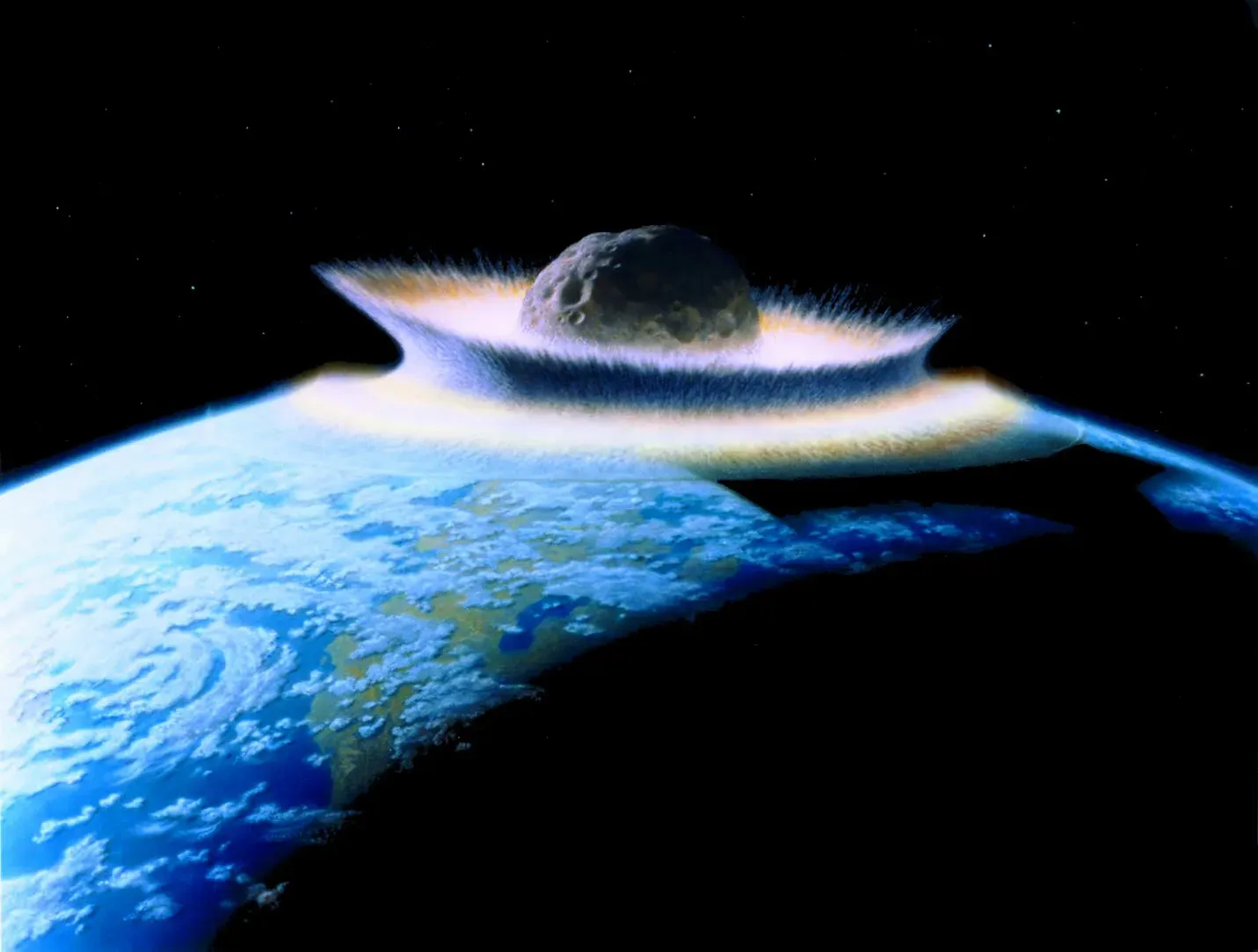
Sixty-six million years ago, Earth’s most famous bad day arrived. The Chicxulub crater can be found on Mexico’s Yucatan Peninsula, measuring 111 miles wide and 12.5 miles deep. It marks an asteroid impact from around 66 million years ago. The asteroid was around 6 miles in diameter, but the speed at which it was traveling meant that when it collided with Earth, it did so with the power of over a billion atomic bombs.
The asteroid impact unleashed a chain of disasters including massive wildfires, tsunamis, earthquakes, and a lingering “impact winter” that darkened the skies and devastated the global food chain. Meanwhile, the Deccan Traps eruptions, occurring both before and after the asteroid strike, released huge volumes of CO2, dust, and sulfur into the atmosphere. It was, in every sense, a one-two punch that the non-avian dinosaurs simply could not survive.
Yet even here, disaster was not purely an ending. All of the non-bird dinosaurs died out, but dinosaurs survived as birds. Some types of bird did go extinct, but the lineages that led to modern birds survived. Initially, the survivors were small, with birds the first to experience evolution to larger sizes. While some species survived, leading to the rise of mammals and eventually humans, the mighty dinosaurs could not endure this sudden catastrophe. In other words, you are not living in a world free of dinosaurs. You are living in a world where dinosaurs evolved wings.
Conclusion
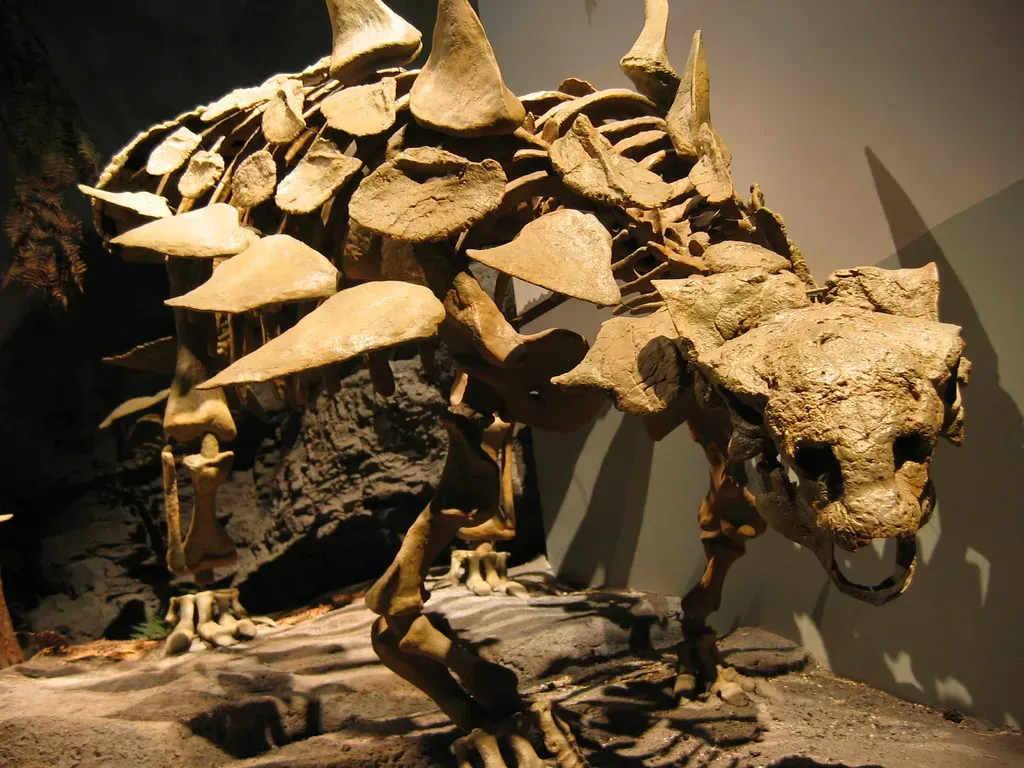
The story of the dinosaurs is not really a story about the dinosaurs at all. It is a story about Earth’s relentless capacity to destroy and rebuild, to clear the board and shuffle the deck. Every volcanic winter, every toxic ocean, every shattering asteroid, each one contributed a chapter. Crises reset ecosystems, but very often the new ecosystems come to resemble the old in terms of interdependencies and other interactions. Life is an extremely resilient force of nature, and yet some parts of it struggle to keep up, prompting extinction.
The Tyrannosaurus Rex did not just appear. It was forged. Shaped by pressure and catastrophe across hundreds of millions of years. Every disaster was essentially a sculptor, chipping away everything unnecessary and leaving behind something extraordinary. Next time you look at a bird, consider that it is the living heir to all of that violence and resilience. What do you think: does that change how you see the natural world around you? Tell us in the comments.