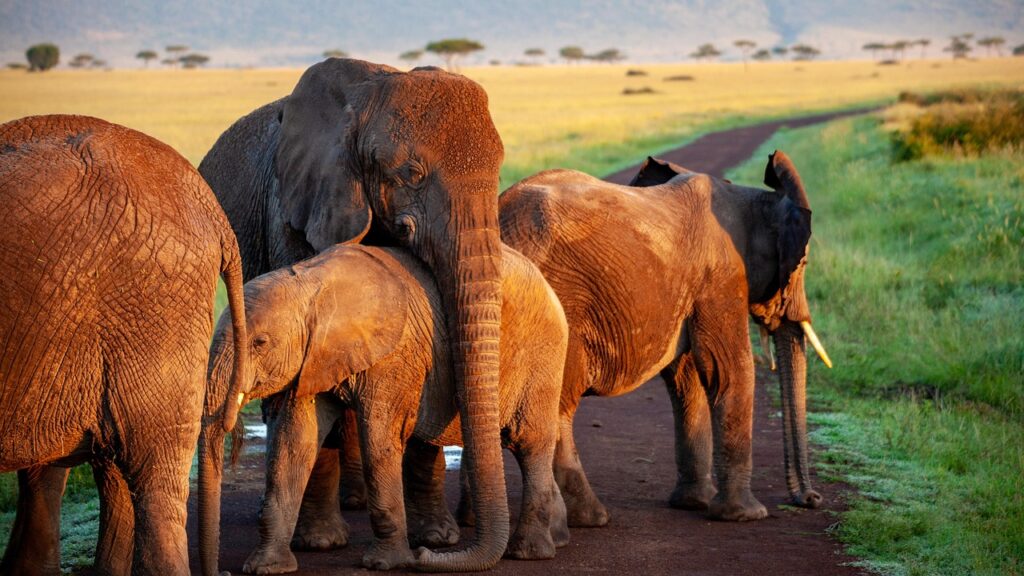
There’s something quietly extraordinary about a person who stops mid-walk to notice that the birds have gone silent, or who feels a shift in the air before a storm rolls in. Most people are walking through the world with their senses half-closed. But some of us are wired differently, picking up on the ancient signals that the natural world has been broadcasting for thousands of years.
Honestly, it’s not magic. It’s awareness. And science is starting to catch up with what indigenous peoples and naturalists have known for centuries: that some humans are deeply, almost instinctively, tuned to the rhythms and signals of the living Earth. If you’ve ever wondered whether you’re one of them, you’re about to find out. Let’s dive in.
1. You Notice When the Birds Go Quiet
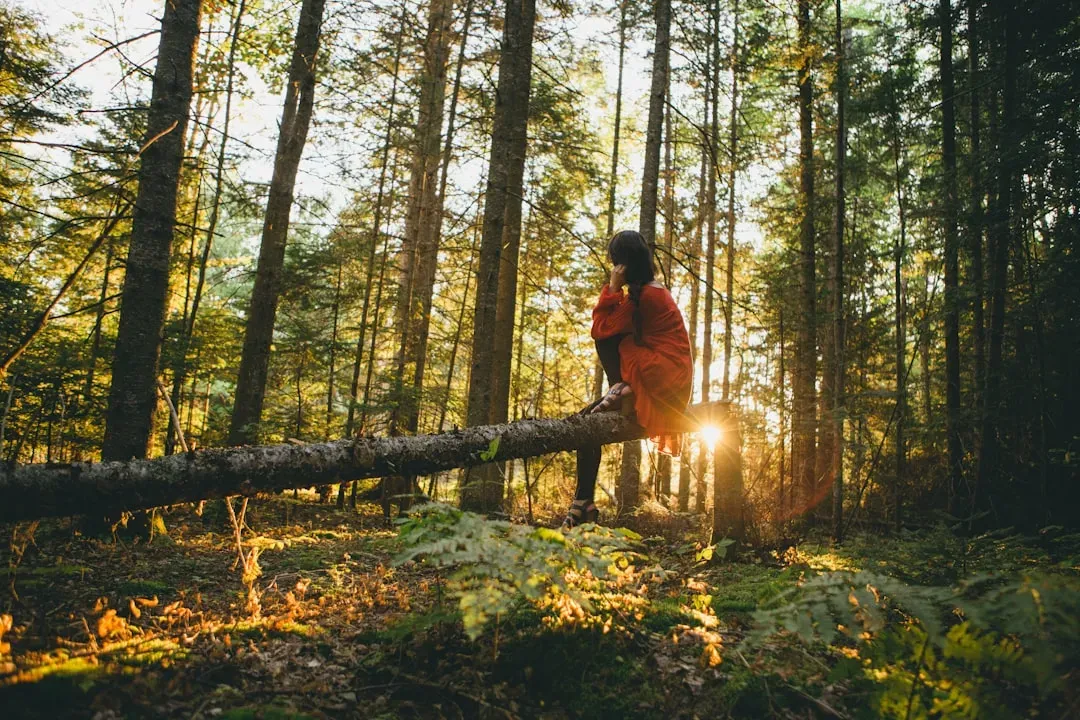
This one might sound small, but it’s ancient and primal. Our ancestors knew that when birds were singing, predators weren’t nearby. A silent forest often meant danger. If you instinctively feel uneasy when the usual chorus of birdsong drops away, you’re picking up on one of nature’s oldest alarm systems, one that your body recognizes even if your mind hasn’t quite caught up.
That eerie quiet isn’t random. Throughout history, humans have looked to nature for guidance and wisdom, and nature speaks a silent yet profound language, one filled with hidden messages waiting to be deciphered by those attuned to its signals. Being someone who notices that silence, rather than tuning it out, is a sign your senses are still deeply calibrated to the wild world around you.
2. You Sense a Storm Before You Check the Forecast
You know that feeling. The air changes, something in your body tightens slightly, and you just know rain is coming. Our bodies sense shifts in barometric pressure, which is why some people feel restless or even get headaches before storms. For our ancestors, recognizing these subtle atmospheric shifts was crucial for survival. A sudden drop in pressure meant that strong winds, rain, or even more severe weather could be on the way.
What’s remarkable is how this instinct persists in modern life. This awareness triggered a natural response to find shelter, ensuring safety before the storm arrived. Even today, this instinct remains, and many people feel an urge to stay inside, cancel plans, or prepare for a storm, even before checking a forecast. If that’s you, your nervous system is essentially running ancient weather software. That’s not a quirk. That’s a gift.
3. You Feel Something Shift With the Seasons Before They Officially Change

Calendars are human inventions. The Earth doesn’t care about them. One of the most obvious yet subtle messages nature sends is through the changing seasons. Seasons have long been metaphors for the cycles of life: birth, growth, decay, and renewal. Beyond the symbolism, the seasons also offer tangible messages. If you notice that something feels different in the air a week before autumn technically begins, or your mood lifts before the first real spring day arrives, you’re reading those messages in real time.
This attunement isn’t about memorizing calendars. It’s an embodied awareness: sensing when it’s time to rest, create, harvest, or let go. These individuals embrace changes instead of fighting them. They see life itself as a series of cycles, which makes them more patient with their own growth and challenges. Think of it like having a natural internal clock that’s synced with the Earth rather than your phone. Most people have lost that signal. You haven’t.
4. You’re Drawn to Running Water With an Almost Inexplicable Pull

You’re out for a walk and you hear a stream in the distance. Something in you immediately wants to move toward it. That pull is not accidental. From the way we instinctively relax near water to the subtle alertness we feel when the wind picks up, nature has been shaping our reactions and emotions since the beginning of mankind. Even in our modern world of screens and city life, these connections are still there, quietly guiding us.
Water in nature carries sensory richness: sound, movement, coolness, scent. Nature is a sanctuary for those connected to it, a place where they can retreat to find peace and solace. The rustling of leaves, the chirping of birds, the ebb and flow of waves can have a profound calming effect. In essence, their connection to nature serves as an anchor, grounding them in times of turmoil and providing peace amidst chaos. If flowing water feels like coming home, you’re not being poetic. Your nervous system is responding to something genuinely restorative.
5. You Read Animal Behavior Like Subtle Body Language
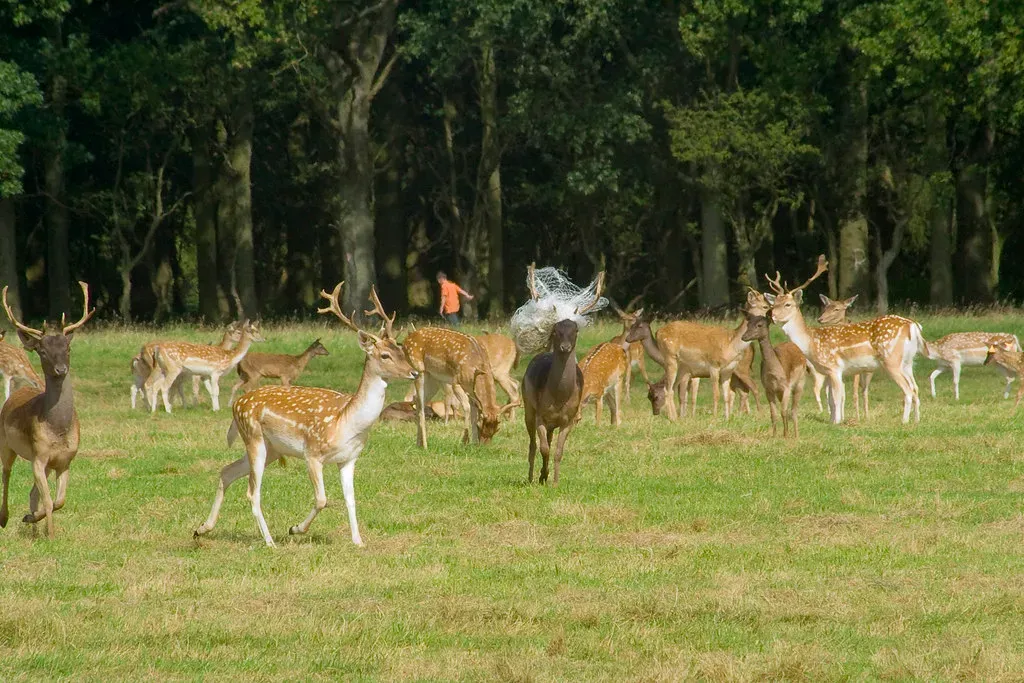
Here’s the thing: animals are constantly communicating, and not just with each other. Deer are known to be sensitive to changes in their environment. A sudden change in their behavior, such as migrating to new areas or becoming more visible in human-populated areas, may indicate disruptions in their habitat or food sources. If you find yourself watching a group of deer at the edge of a tree line and thinking something feels off today, your observation instincts are working at a pretty sophisticated level.
Wildlife tracking is one of the oldest of all human skills. It’s the original form of primitive science where the only measuring device is your own sensory awareness. There’s no other skill quite as effective at sparking the innate curiosity and problem-solving potential of human beings as tracking. You don’t need to be a wilderness expert to practice this. Simply paying attention to how animals behave, and feeling when something shifts in that behavior, is a sign you’re genuinely engaged with the living intelligence of the natural world.
6. You Experience a Deep, Quiet Awe at Small Things
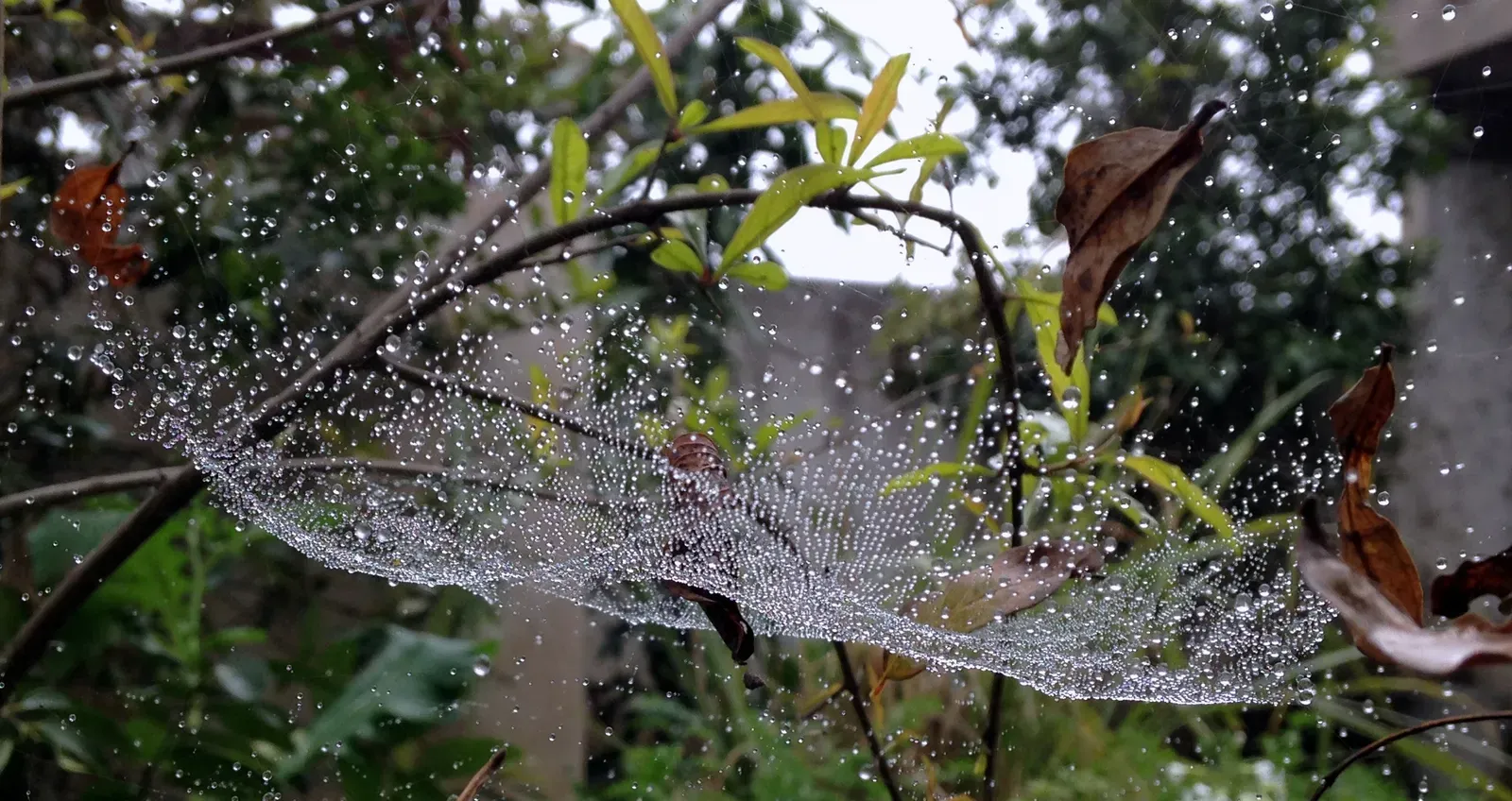
Not everyone stops to look at a single dew-covered spiderweb for thirty seconds. But you do, and you know exactly what I mean. At the heart of those who feel deeply connected to nature, there is a perpetual sense of awe and wonder. They are constantly amazed by the intricacies and majesty of the natural world, from the grandeur of towering mountains to the delicate beauty of a single dew-kissed leaf. This isn’t naivety. It’s a form of presence that most adults have been trained out of.
People who are deeply connected to nature live with this sense of awe as a baseline. They don’t need grand landscapes for it. A blooming weed growing through a crack in pavement can trigger the same feeling as a mountain vista. Highly sensitive individuals are characterized by aesthetic sensitivity, and are therefore potentially more sensitive to the beauty of nature, with a disposition to experience awe, a sense of admiration and “feeling small” in front of nature. If you recognize yourself here, you’re experiencing one of the richest forms of human perception available. Most people walk past it every day.
7. You Absorb the Emotional Tone of Natural Environments

Walk into an old-growth forest and something changes inside you. Walk into a degraded, barren landscape and something in you deflates. Environmental sensitivity describes how individuals respond to environmental influences and represents a pivotal aspect of human interaction with the surrounding physical and social world. This responsiveness extends beyond mere perceptual awareness, encompassing an intricate interplay between an individual’s sensory experiences and their emotions. If you feel environments emotionally rather than just visually, that is a documented human trait, and it runs deep.
Individuals with sensory processing sensitivity exhibit heightened emotional reactivity and empathy, alongside a profound aesthetic sensitivity and a unique connection to nature. Unlike ease of excitation and low sensory threshold, which primarily focus on intensity, aesthetic sensitivity encompasses a deeper and more enduring engagement with the natural world. Put simply: you’re not imagining what you feel when you walk through a forest versus a parking lot. You are reading the room. The natural world has its own emotional texture, and you are fluent in it.
8. You Find Yourself Thinking in Cycles, Not Straight Lines

Most modern thinking is linear: start, middle, end, goal, result. Nature doesn’t work that way, and neither do you. When you look for locally grown produce, you begin to notice seasonal shifts in a new way. You get to see how a food slowly becomes available until it builds to an abundant level before it disappears from the market until the following year. If you follow it, this cycle can anchor you in the seasonality of the year in a deeply grounding way. This kind of cyclical thinking extends beyond food. It shapes how you see growth, loss, rest, and renewal in your own life.
Emotional well-being is related to nature connectedness. Psychological and social well-being are consistently related to nature connectedness, suggesting that feeling connected to nature is related to a participant’s well-being in their personal and social lives. People who think in cycles tend to be more patient, more resilient, and more at peace with impermanence. It’s hard to panic about the end of something when you genuinely believe in what comes after it. That perspective is nature’s greatest teaching, and you’re already living it.
9. You Feel Restless or Depleted When You’re Cut Off from the Outdoors

Some people can spend weeks indoors without a second thought. Others, like you perhaps, start to feel slightly frayed at the edges. Even though humans derive many benefits from nature, our modern lifestyles have created a disconnect from the natural environment wherein we spend significantly more time indoors. Some researchers estimate that humans spend up to 90% of their lives indoors. For someone deeply attuned to natural rhythms, that number isn’t just a statistic. It’s a lived experience of something missing.
Research suggests that being in nature can lower stress hormone levels, boost the immune system, and enhance mood. This could be why those with high sensitivity or introversion are drawn to it – nature provides a soothing balm to their heightened senses and need for tranquility. Simply walking in nature for fifteen minutes, in comparison to walking in an urban environment, increases an individual’s subjective connectedness to nature, positive affect, attentional capacity, and their ability to reflect on a life problem. That’s not a small thing. That’s fifteen minutes between feeling scattered and feeling whole.
Conclusion
There’s a reason indigenous trackers, ancient farmers, and wilderness navigators were so deeply trusted by their communities. They understood the language of the natural world at a level most people have lost touch with. The nine signs above aren’t about being mystical or unusual. They are about being awake.
If you recognized yourself in several of these, you carry something rare in a world that increasingly rewards looking at screens over looking at skies. Throughout history, humans have looked to nature for guidance, wisdom, and inspiration. Nature speaks a silent yet profound language, one filled with hidden messages waiting to be deciphered. From ancient civilizations to modern times, reading nature’s signs has been a vital practice for survival, spiritual insight, and understanding the delicate balance of ecosystems. You are part of that lineage.
The natural world is always talking. The real question is: how much of it have you been hearing all along, without even realizing it? What do you think about your own connection to nature? Tell us in the comments.