Every single breath you take is, in a very real sense, a gift from the deep past. The air filling your lungs right now was sculpted over billions of years by living things that vanished long before the first dinosaur ever walked the Earth. That is not a metaphor. It is a literal, scientific fact that most of us never stop to think about.
The story of our atmosphere is wilder and more dramatic than any science-fiction novel. It involves microscopic killers, catastrophic ice ages, forests taller than modern buildings, and insects the size of dinner plates. If you think you know where your oxygen comes from, prepare to have your mind genuinely blown. Let’s dive in.
Earth’s First Atmosphere: A Poisonous Starting Point
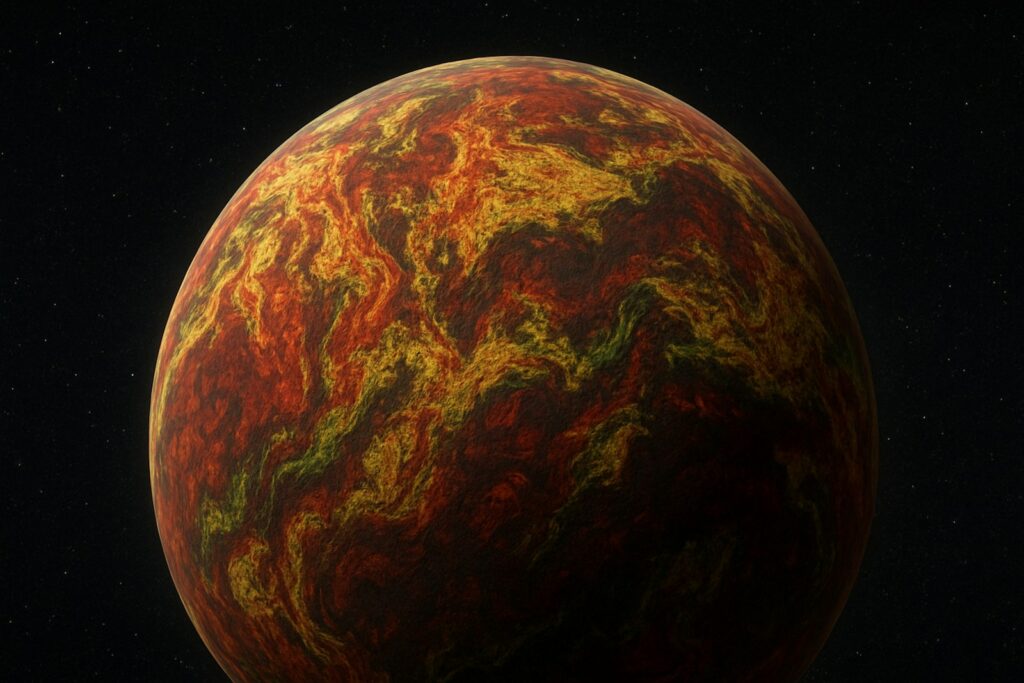
Here is the thing about early Earth: it was absolutely hostile. Earth’s atmosphere has undergone significant changes since the planet’s formation approximately 4.5 billion years ago. Initially, Earth may have had a temporary atmosphere composed of hydrogen and helium, but this was short-lived due to the planet’s insufficient gravity and the intense solar winds from the young Sun. As Earth cooled and its interior outgassed, a more stable atmosphere formed, primarily consisting of water vapor, carbon dioxide, and nitrogen.
Earth’s original atmosphere was rich in methane, ammonia, water vapour, and the noble gas neon, but it lacked free oxygen. Think about that for a moment. The air that was here before life arrived was essentially the same stuff that spews out of volcanoes today. Breathe that in, and you would not last more than a few seconds. At that time, the Earth had a reducing atmosphere, consisting of carbon dioxide, methane and water vapor, as opposed to the present-day atmosphere that consists primarily of nitrogen and oxygen.
Cyanobacteria: The Tiny Microbes That Changed Everything
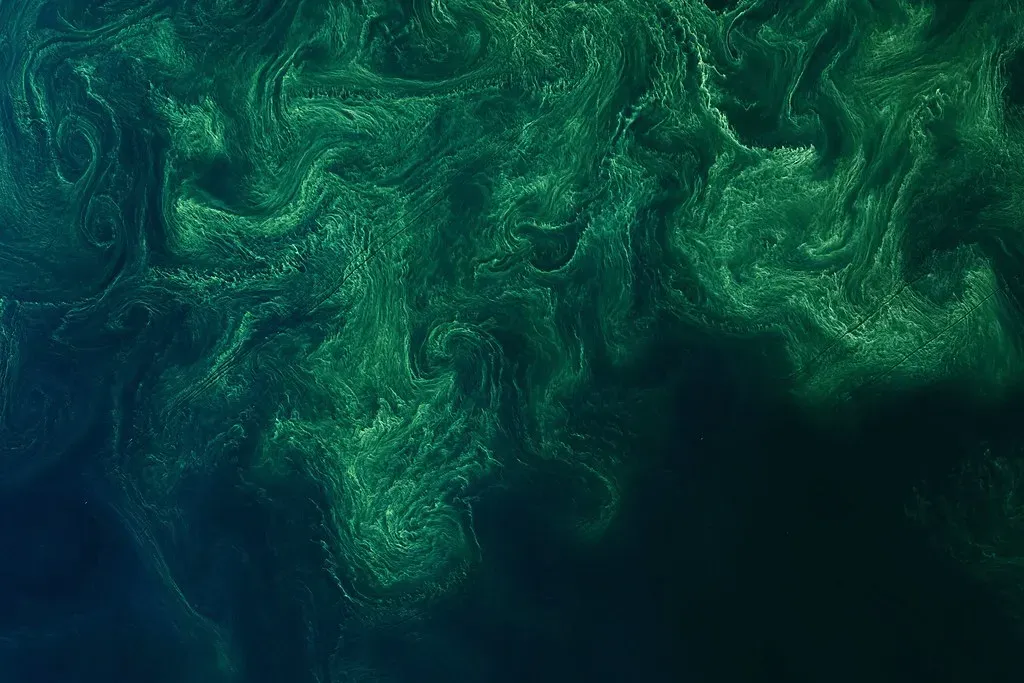
I know it sounds crazy, but the single most transformative event in Earth’s atmospheric history was caused by something you cannot even see with the naked eye. Around 2.7 billion years ago, a peculiar group of microbes, known as cyanobacteria, evolved. Phylogenetic analyses based on 16S and 23S rRNA, genome reconstructions and fossil evidence have been used to understand the evolutionary characteristics of these early living organisms. These microbes possessed the remarkable ability to perform photosynthesis, meaning they could generate energy from sunlight. Cyanobacteria possessed the machinery to utilize water as a fuel source by oxidizing it.
Researchers hypothesize that the levels of oxygen released into the seawater by cyanobacteria gradually increased over time, and that over a span of 200 to 300 million years, oxygen was produced at a faster rate than it could react with other elements or get sequestered by minerals. The oxygen released by cyanobacteria steadily accumulated over vast swathes of the ocean and oxygenated the water. Gradually, the accumulated oxygen started escaping into the atmosphere, where it reacted with methane. As more oxygen escaped, methane was eventually displaced, and oxygen became a major component of the atmosphere. A single microscopic organism, quietly rewriting the chemistry of an entire planet.
The Great Oxidation Event: Revolution and Mass Extinction
The Great Oxidation Event, also called the Oxygen Catastrophe, Oxygen Revolution, Oxygen Crisis, or Oxygen Holocaust, was a time interval during the Earth’s Paleoproterozoic era when the Earth’s atmosphere and shallow seas first experienced a rise in the concentration of free oxygen. This began approximately 2.460 to 2.426 billion years ago during the Siderian period. What most people don’t realize is that this dramatic rise in oxygen was, for the organisms living at the time, a genuine catastrophe.
The appearance of highly reactive free oxygen, which can oxidize organic compounds and thus is toxic to the then-mostly anaerobic biosphere, may have caused the extinction of many early organisms on Earth. It is one of the great ironies in planetary history. The very gas that would eventually allow complex life to thrive first wiped out enormous swaths of the life that existed at the time. Organisms that could not adapt well enough to oxygen remained in anaerobic environments. The release of oxygen by cyanobacteria was thus responsible for changes in the Earth’s atmospheric composition, the rise of aerobic metabolism and, ultimately, the evolution of multicellularity.
Ice Ages, the Ozone Shield, and Climate Catastrophe
The ripple effects of rising oxygen were staggering, and they didn’t stop with a simple change in air chemistry. Methane, a greenhouse gas, traps heat from sunlight and keeps the Earth warm enough for organisms to survive. Therefore, when methane was displaced by oxygen, global temperatures dropped, causing Earth to enter a series of ice ages known as the Huronian glaciation. Imagine a planet going from a warm, humid greenhouse to a world of ice sheets stretching from the poles all the way to the tropics. That was the scale of this disruption.
Honestly, though, one of the most profound gifts of that ancient oxygen surge was something you probably don’t think about much: Oxygen was also responsible for the formation of the ozone layer in the atmosphere. The UV radiation from the Sun split oxygen molecules into 2 atoms of oxygen, which then reacted with another oxygen molecule to generate ozone. Ozone acts as a natural sunscreen to prevent harmful UV radiation from reaching the Earth. Without ancient ecosystems producing all that oxygen, you would need serious UV protection just to step outside. The sunscreen in your bathroom cabinet is ultimately a product of biology that lived billions of years ago.
The Carboniferous Forests: When Oxygen Went Supernova
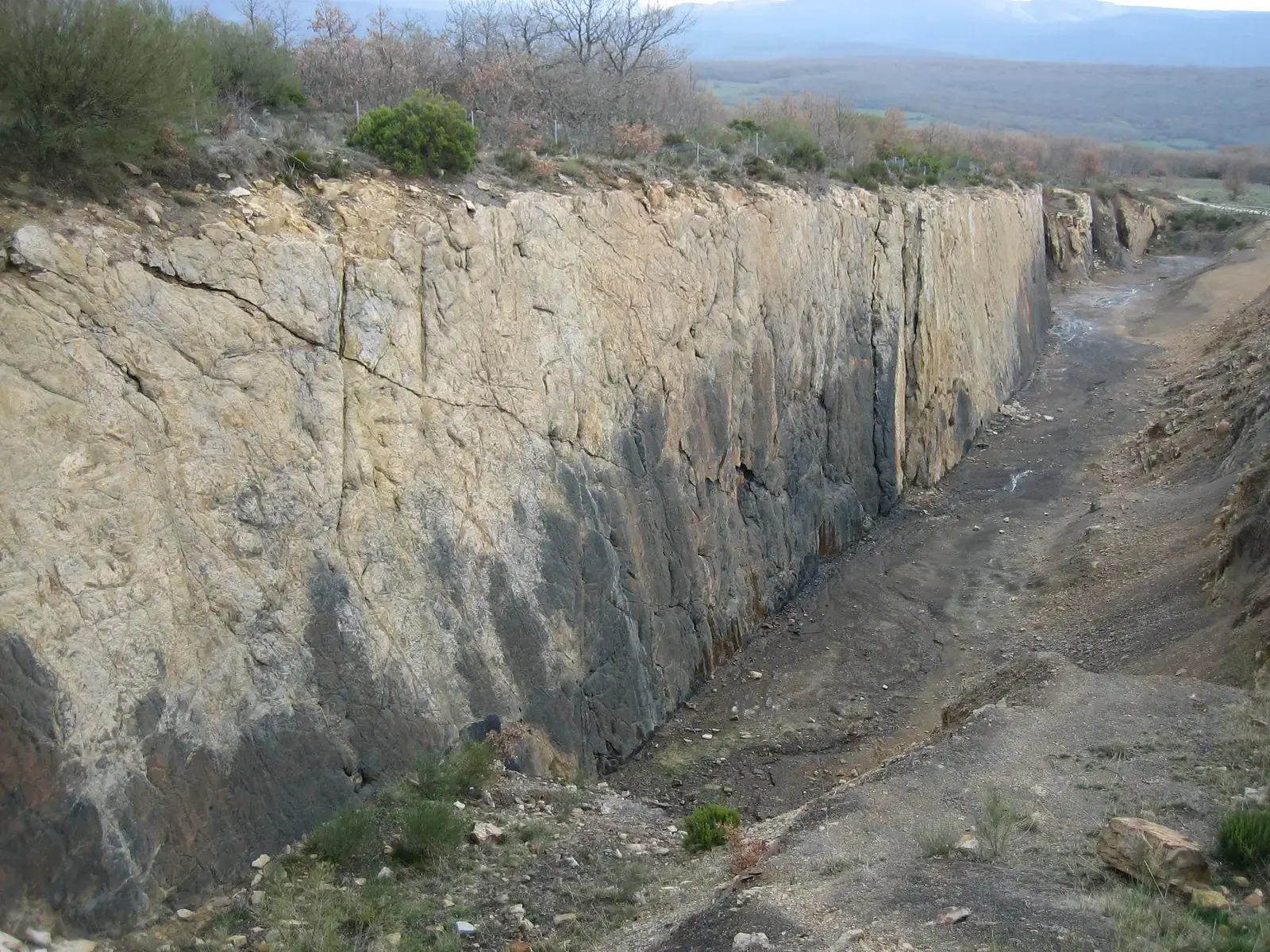
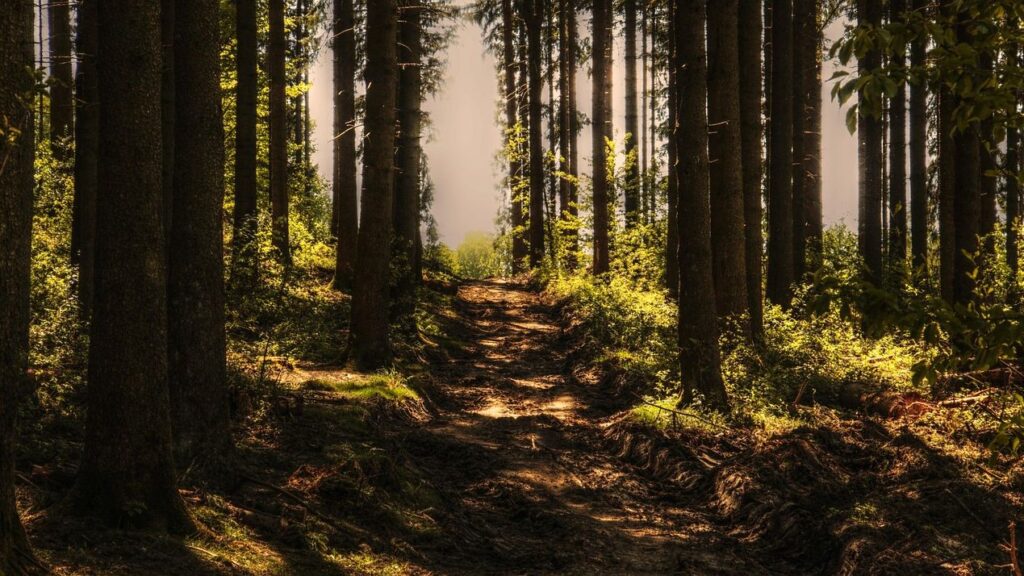
Characteristic of the Carboniferous period, from about 360 million to 300 million years ago, were its dense and swampy forests, which gave rise to large deposits of peat. Over the eons, the peat transformed into rich coal stores in Western Europe and North America. The name “Carboniferous” refers to this coal. Picture an ancient world carpeted in vegetation so dense and so prolific that it literally rewrote the rules of what was possible for life on land. That is exactly what happened.
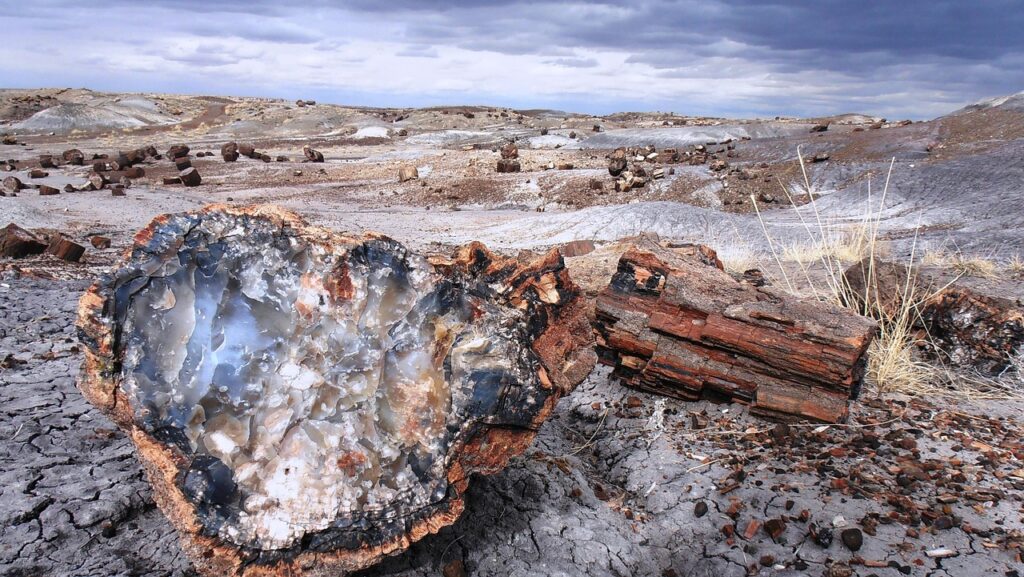
The growth of these forests removed huge amounts of carbon dioxide from the atmosphere, leading to a surplus of oxygen. Atmospheric oxygen levels peaked around 35 percent, compared with 21 percent today. That is not a typo. The air of the Carboniferous contained nearly two-thirds more oxygen than the air you breathe right now. Wood was a novel material on the planet: the fungi and microbes capable of digesting it didn’t exist yet. When these trees fell over and died, they stayed in place. Tree trunks slowly accumulated over the swampy Earth, storing away much of the carbon in the atmosphere. Carbon was essentially locked away underground, and oxygen kept building and building.
When Giants Walked the Earth: Life Under an Oxygen-Rich Sky
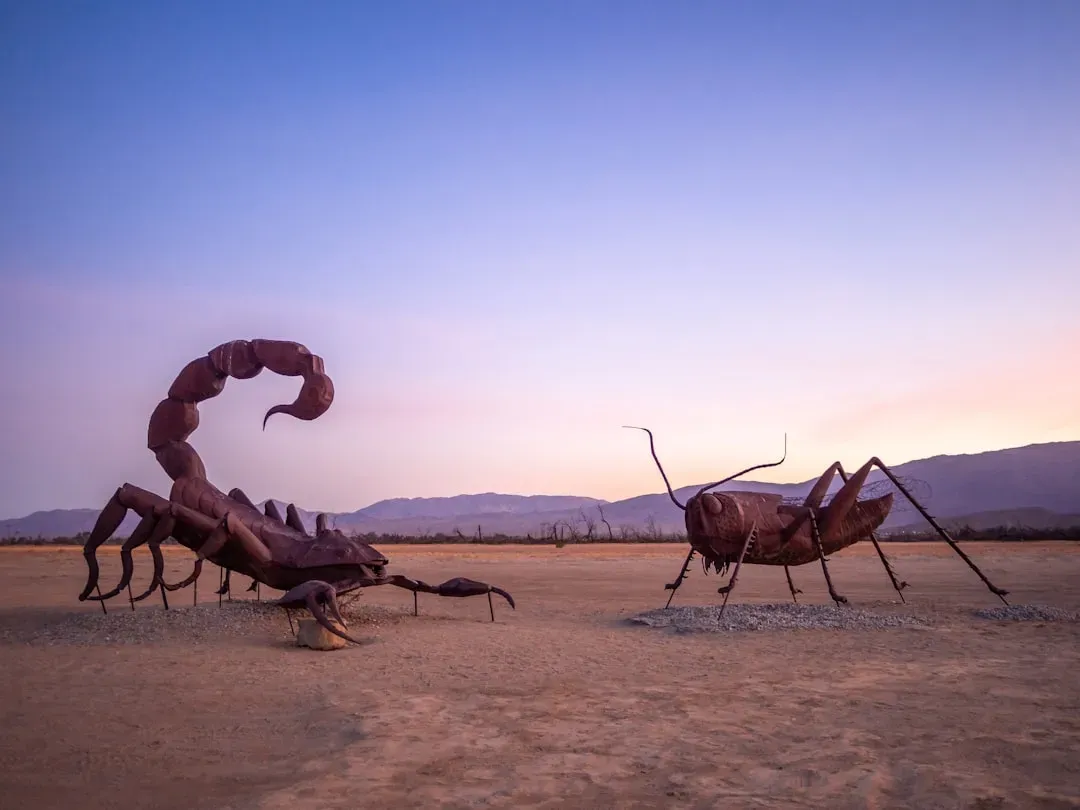
Here is where the story gets genuinely strange and spectacular. The Carboniferous landscape was home to some of the largest arthropods known to have existed. Among the most iconic was Meganeura, an extinct griffin fly resembling modern dragonflies, with wingspans up to 75 centimeters, about 2.5 feet. These predators soared through the oxygen-rich skies, preying on other insects. Another colossal resident was Arthropleura, a millipede relative, growing over 2.6 meters, about 8 feet long and half a meter wide. Let that sink in. An eight-foot-long millipede. Roaming the forests. Because there was simply so much oxygen that the rules of biology bent.
Oxygen diffuses from the atmosphere into tracheal tubes in insects. Higher oxygen levels allowed oxygen to diffuse more efficiently and further into the tracheal system, overcoming a physiological limitation on body size. This efficiency allowed them to grow larger while receiving sufficient oxygen for metabolic needs. High oxygen levels along with the humid warmth allowed plants and animals to reach sizes not known in today’s atmosphere and to further diversify. The atmosphere was not just background scenery. It was an active sculptor of life itself.
The Legacy We Inherited: Fossil Fuels, Carbon Cycles, and Today’s Air
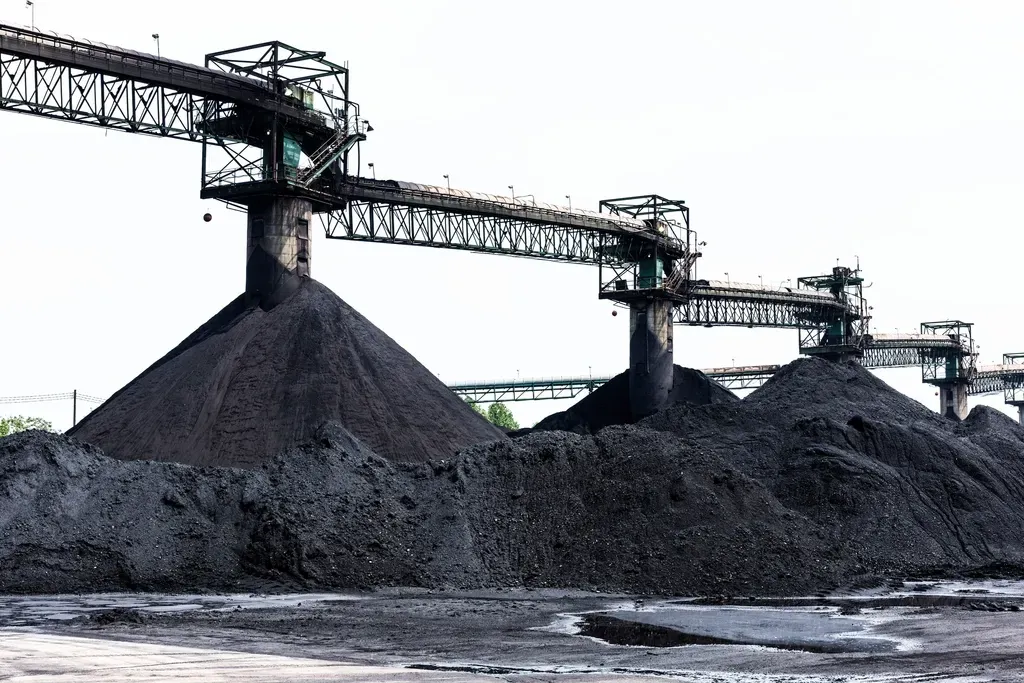
This is the part of the story that connects directly to your life today, and it is more unsettling than most people realize. Coal forms when organic matter builds up in waterlogged, anoxic swamps, known as peat mires, and is then buried, compressing the peat into coal. The majority of Earth’s coal deposits were formed during the late Carboniferous and early Permian. The plants from which they formed contributed to changes in the Carboniferous Earth’s atmosphere. Every lump of coal ever burned by human industry is, in essence, compressed Carboniferous forest, carbon that was locked away hundreds of millions of years ago.
The present atmosphere consists mainly of nitrogen, about 78 percent, and oxygen, about 21 percent, with small amounts of other gases including argon, carbon dioxide, and the vital ozone. This is the product of more than 4 billion years of evolution and the life-sustaining processes occurring continuously on our planet. The industry is pumping those reserves of ancient carbon into the atmosphere as CO2 and methane. Some suggest that we are returning the Earth to a humid and tropical climate similar to the Carboniferous period. When you burn fossil fuels, you are undoing, in decades, atmospheric work that took millions of years to create.
Conclusion: Every Breath Is a Debt to the Deep Past
The next time you take a deep breath, consider what it actually took to make that moment possible. Billions of years of microscopic work by cyanobacteria. Millions of years of towering ancient forests. Ice ages triggered by biological chemistry. A planetary-scale ozone shield built from the exhaust of living organisms. Every single element of the air you breathe was placed there by ecosystems that are long gone.
The modern atmosphere is not a given. It is a fragile, earned inheritance. Understanding how ancient life shaped it is not just a matter of scientific curiosity. It is a reminder that the chemistry of the air around us responds to what living things do, including us. The Carboniferous forests changed Earth’s atmosphere dramatically just by growing and dying. We are doing something similar now, only much, much faster. The question that should keep you up at night is simple: what kind of atmosphere are we building for the ecosystems that come after us?