Imagine standing on a beach in Australia and being told that the stories passed down by local Aboriginal elders describe, in remarkable detail, a coastline that existed over ten thousand years ago. Not symbolically. Not metaphorically. Actually, geographically, verifiably. The land they describe is now beneath the ocean. That idea should stop you in your tracks.
For far too long, the Western world has been dismissive of Indigenous oral traditions, filing them under “myth” and “folklore” as if those words are just polite ways of saying “made up.” Honestly, that’s one of the most shortsighted intellectual moves in the history of science. What researchers are discovering, with increasing urgency, is that these narratives are layered archives of ecological memory, holding information about lost landscapes, vanished species, and environmental upheavals that no scientist with a clipboard could have witnessed. Let’s dive in.
When Stories Are Older Than Civilizations: The Depth of Indigenous Memory
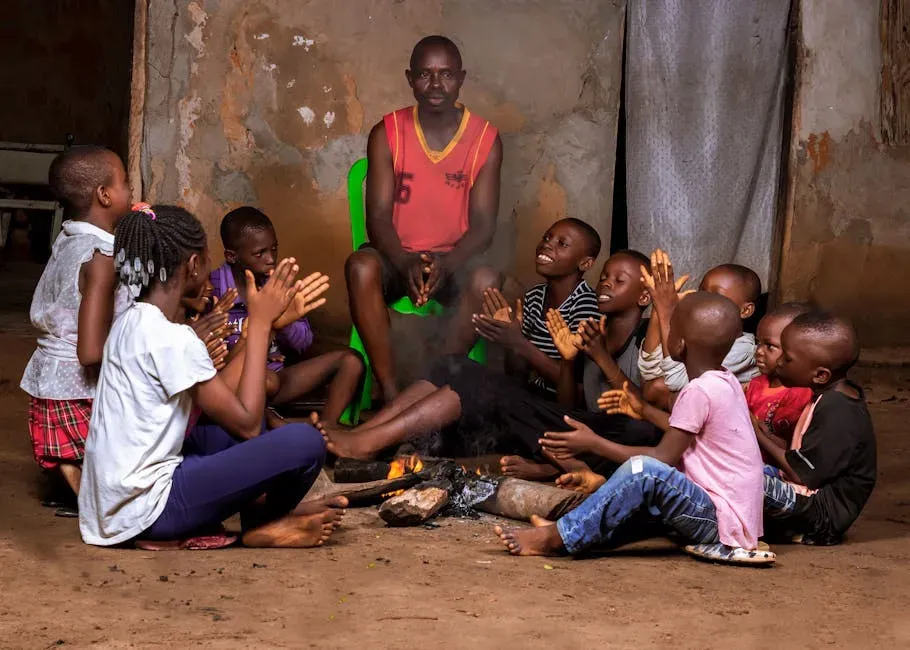
Here’s the thing about human memory. We trust a diary written yesterday more than a story told last century. Yet Indigenous oral traditions operate on a completely different timescale, one that makes our notion of “reliable record-keeping” look embarrassingly narrow.
Humans were generating, transmitting, and applying information about the natural world long before scientific inquiry was formalized. Indigenous peoples around the world developed, maintained, and evolved knowledge systems via direct experience interacting with biophysical and ecological processes, landscapes, ecosystems, and species over millennia.
Stories and narratives passed down through generations are important in making sense of complexity and connecting individual facts to a larger meaning. Indigenous Storywork describes the many ways Indigenous storytelling serves as a historical record, teaching and learning method, and expression of culture and identity. Think of it less like a telephone game and more like a carefully maintained library, one where the librarians memorized every single book.
Indigenous stories have always carried intricate details about the natural world. More than just narratives, these stories are repositories of knowledge earned through centuries of close observation and interaction with the environment. They are, in a sense, the collective wisdom of generations, serving as guides for co-existing peacefully with nature.
Australia’s 10,000-Year Coastlines: A Case Study in Geological Memory
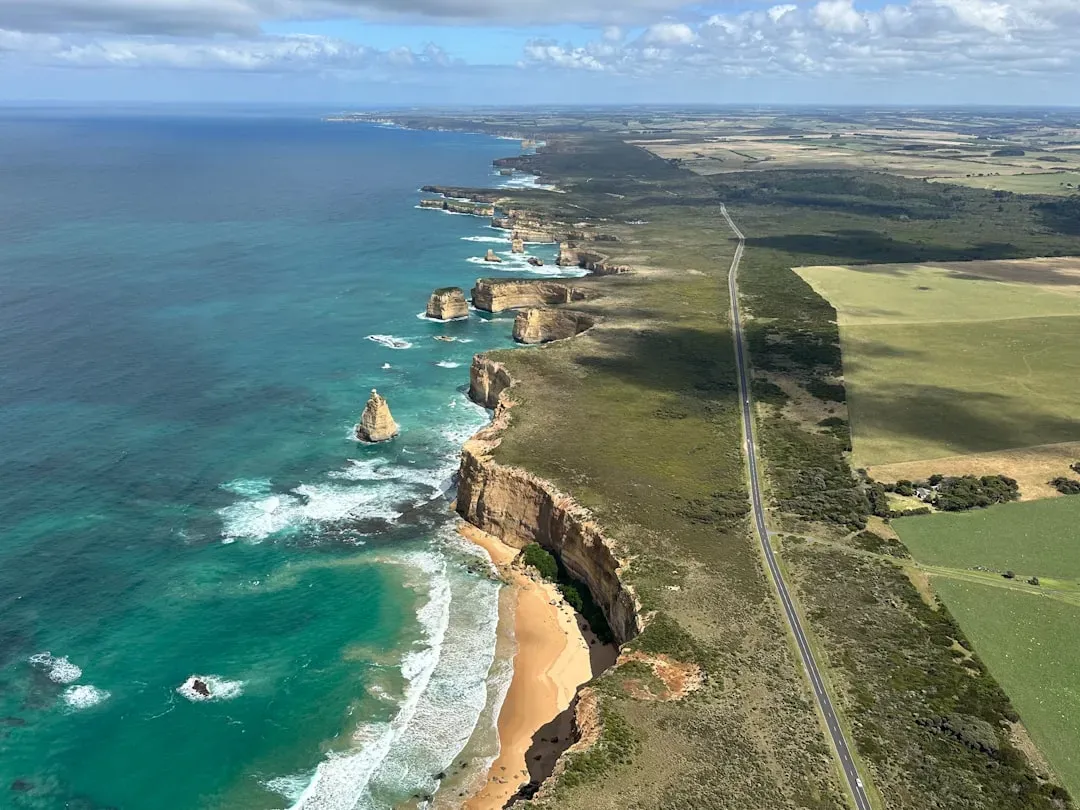
If you want one example that shatters every assumption about the limits of oral history, look at Aboriginal Australia. Researchers studying Aboriginal coastal stories found something extraordinary and deeply humbling. These weren’t just poetic flood myths. They were precise.
Aboriginal groups from every part of Australia’s coastline tell stories of long-ago deluges that can be traced to real events caused by rising sea levels at various times between around 7,250 and 13,070 years ago. That is not a typo. We are talking about stories that have survived, intact and geographically accurate, for over thirteen thousand years.
Without using written languages, Australian tribes passed memories of life before, and during, post-glacial shoreline inundations through hundreds of generations as high-fidelity oral history. Some tribes can still point to islands that no longer exist – and provide their original names. That is not mythology. That is a living geological record, passed mouth to ear across hundreds of generations.
Researchers suggest that because all these stories say essentially the same thing, it is more likely that they are based on observation. All tell of the ocean rising over areas that had previously been dry. None tell stories running the other way. The huge distances separating the places from which the stories were collected, as well as their unique local contexts, makes it unlikely that they derived from a common invented source. For such reasons, researchers regard the common element in these stories about sea level inundating coastal lowlands, sometimes creating islands, as based on observations of such an event and preserved through oral traditions.
The Māori and the Moa: Tracking Extinction Through Language
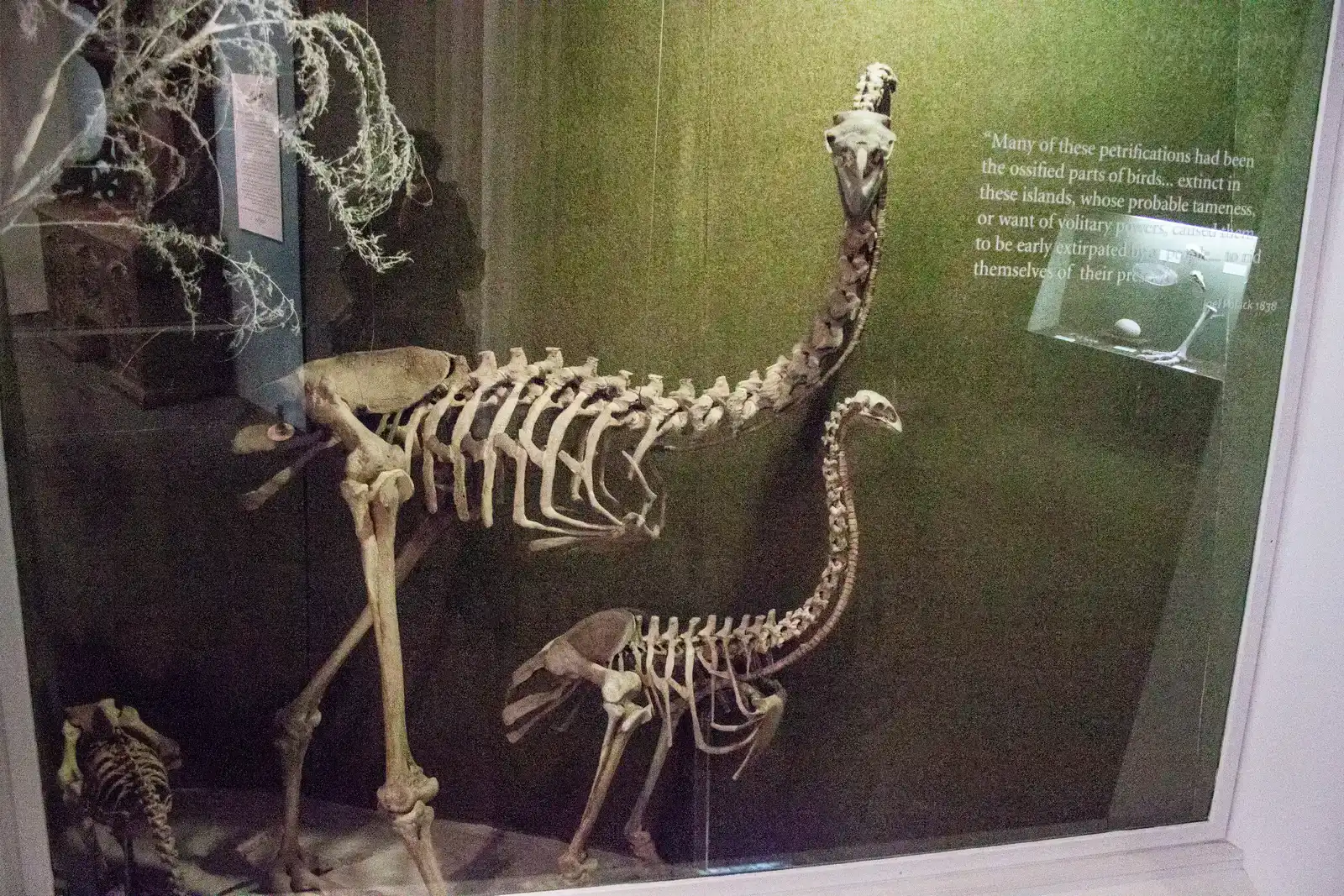
New Zealand gives us another jaw-dropping window into how Indigenous narratives can preserve ecological memory. The Māori people arrived in New Zealand roughly seven hundred years ago and witnessed something that no other human civilization had seen on that scale, the rapid collapse of an entire megafauna assemblage.
Human settlement into new regions is typically accompanied by waves of animal extinctions, yet we have limited understanding of how human communities perceived and responded to such ecological crises. The first megafaunal extinctions in New Zealand began just 700 years ago, in contrast to the deep time of continental extinctions. Consequently, indigenous Māori oral tradition includes ancestral sayings that explicitly refer to extinct species. Linguistic analysis of these sayings shows a strong bias towards critical food species such as moa, and emphasizes that Māori closely observed the fauna and environment.
Temporal changes in form and content demonstrate that Māori recognized the loss of important animal resources, and that this loss reverberated culturally centuries later. The data provide evidence that extinction of keystone fauna was important for shaping ecological and social thought in Māori society. It’s a striking thought. You can actually trace grief for a vanished animal through the evolution of a language across hundreds of years. The moa was gone, but the cultural wound it left behind stayed visible in the words people used.
Oral traditions passed down by Māori provide real glimpses into the ecological relationships and concerns of early settler populations, and provide early human context to an otherwise relatively dry scientific record of extinction events. The whakataukī emphasize that indigenous peoples are not simply passive actors against an environmental backdrop but rather interact with the environment in myriad ways that affect not only the species assemblages present but also the development of cultural values, ideas, and practices.
Shifting Baselines and the Danger of Forgetting What Was Once There
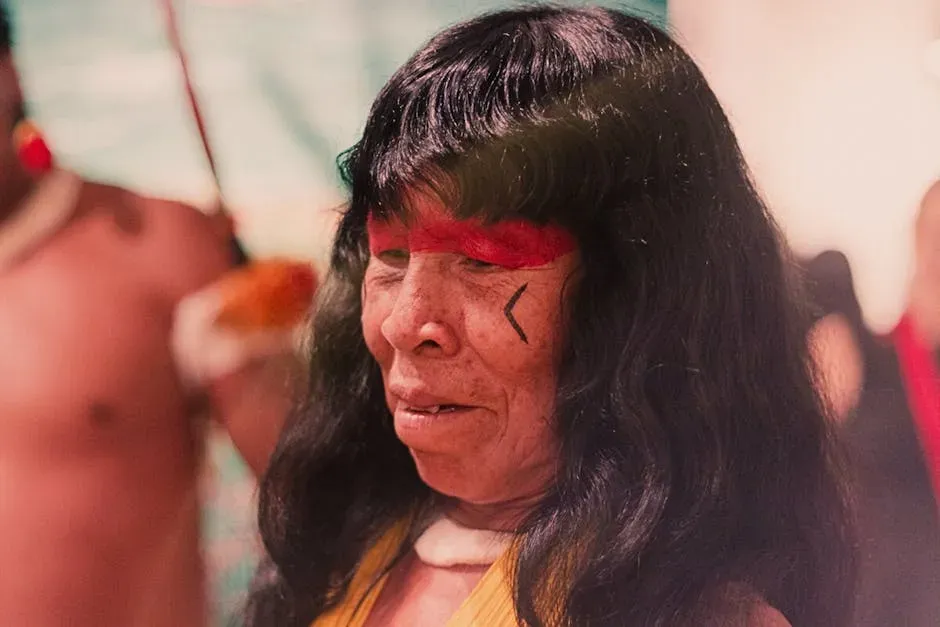
One of the most insidious threats to modern conservation is something called shifting baseline syndrome. Each generation grows up accepting the degraded environment they inherit as normal. They have no reference point for what the forest, the river, or the reef used to look like. This is where Indigenous storytelling becomes not just historically interesting, but urgently relevant.
If old generations do not tell younger generations how ecosystems resembled in the past, ecological changes remain unnoticed to younger generations. Such phenomenon poses a threat to conservation, because the failure to recognize ecological changes usually translates into unsustainable uses of biodiversity and decreased support for conservation.
The risk of shifting baselines calls for developing programs aimed at facilitating intergenerational transfer of knowledge. In this context, storytelling has been proposed as a powerful means for establishing narratives of ecosystem change and strengthening networks of cultural transmission. You can think of it like this: a story about how abundant salmon once filled a river isn’t just culturally beautiful, it’s a baseline measurement. It tells scientists exactly what a restored ecosystem should look like.
Since shifts in the environment directly affect the survival of Indigenous communities, Indigenous hunters and fishers who have observed changes in the landscape over generations are often the first to notice them. Their knowledge of local ecosystems helps fill in the gaps left by remote sensing technologies. Satellites can tell you a forest is shrinking. They can’t tell you what lived there before it did.
Traditional Ecological Knowledge: Science by Another Name
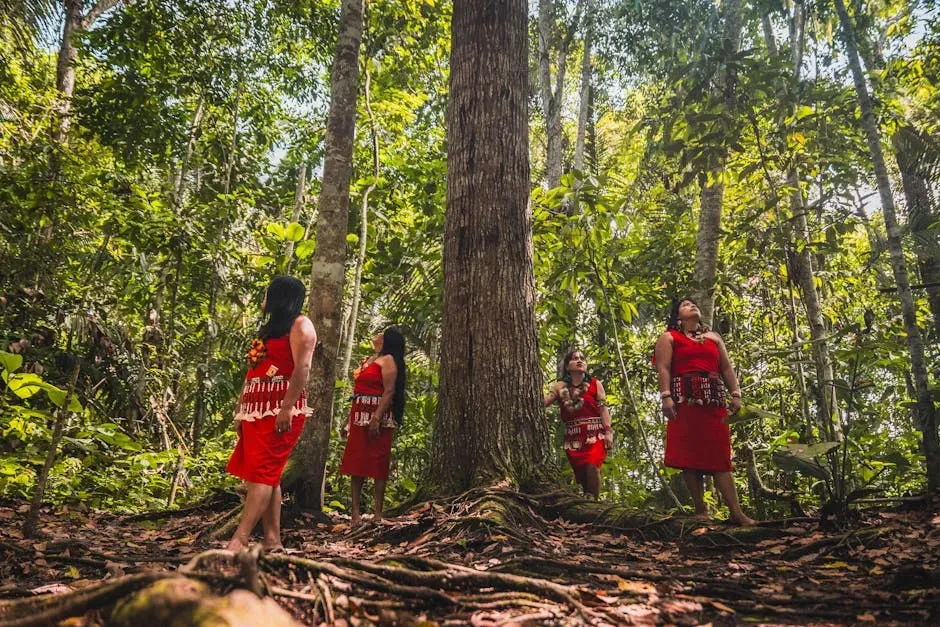
Let’s be real: the Western scientific community spent a long time treating Indigenous knowledge as a curiosity at best and superstition at worst. That attitude is slowly, though still incompletely, changing. What researchers are finally acknowledging is that Traditional Ecological Knowledge, or TEK, is not a primitive precursor to real science. It is science, built on millennia of methodical observation.
TEK is deep knowledge of a place that has been painstakingly discovered by those who have adapted to it over thousands of years. People have relied on this detailed knowledge for their survival. They have literally staked their lives on its accuracy and repeatability. That is a more rigorous quality-control standard than most peer-reviewed journals will ever demand of their contributors.
Indigenous knowledge reflects the deep understanding of the relationships between people, animals, plants and the environment that Indigenous communities have developed and passed along for generations. It is grounded in principles of responsibility, reciprocity and respect for the land and all living things. Rather than positioning humans as detached observers, it views humans as active participants in an interconnected ecosystem.
IK is often dismissed as solely spiritual or mythical and is mischaracterized as lacking rigor. However, Indigenous science and knowledge systems go far beyond the spiritual or mythical – they are built on millennia of observation, experimentation and innovation. I think that distinction is worth repeating. The spiritual and the empirical are not opposites. In Indigenous knowledge systems, they were never separated in the first place.
Earthquake Memories and Confirmed Geological Events
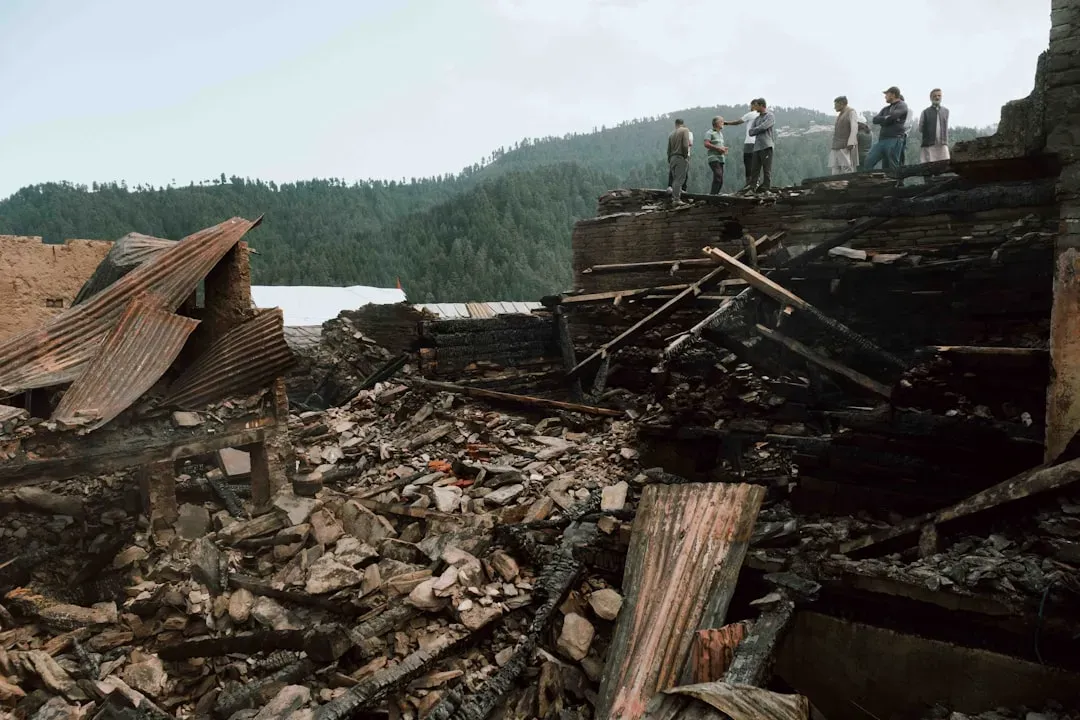
It’s hard to say for sure exactly where the line falls between metaphor and literal memory in any given story. Yet in certain cases, Indigenous narratives have proven so precisely accurate that even the most skeptical geologist has had to pause.
Contemporary validation through Western science consistently confirms indigenous knowledge. When DNA analysis validates Metlakatla oral histories about continuous territorial occupation, or when seismology confirms the date of earthquakes preserved in Huu-ay-aht stories, it demonstrates these systems’ reliability. The Huu-ay-aht example is particularly stunning.
These are not primitive myths but sophisticated historical frameworks encoding observations about environmental change, species relationships, and human responsibilities accumulated over millennia. When the Huu-ay-aht oral histories describe a massive earthquake and tsunami, modern seismology confirms it occurred precisely on January 26, 1700. A specific date. Confirmed. From a story passed down by oral tradition with no written record.
The connection between Indigenous knowledge – stories, traditions, rituals – and Western science is a useful nexus for understanding the distant past, as exemplified by the relationship between Blackfoot creation stories and paleoclimatological research on the Pleistocene. When you start stacking these confirmations one on top of another, a pattern emerges that is impossible to dismiss.
Conservation’s Unsung Archive: What Science Owes Indigenous Storytelling
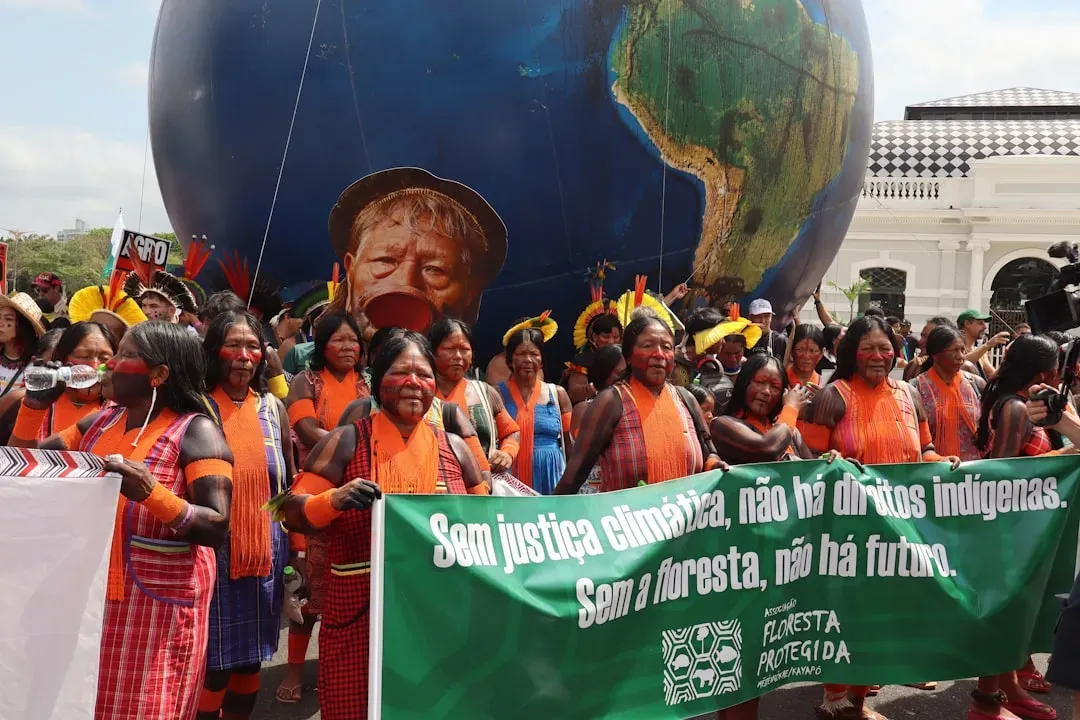
Here is perhaps the most practical takeaway from all of this. If we are serious about conservation, about understanding what our ecosystems once were, and about restoring them to something resembling health, then Indigenous oral traditions are not supplementary reading. They are primary sources.
Traditional and Indigenous knowledge has successfully preserved and restored biodiversity across the globe. However, its recognition as being equally valid as Western science as a way of knowing remains lacking. If we are to preserve global biodiversity and rewild key habitats, science and Indigenous knowledge must work in partnership while also being restitutive and rights-based.
As stewards and guardians of lands that intersect with about 40% of all terrestrial protected areas and ecologically intact landscapes, Indigenous peoples also have a central role in detecting and managing change. That is not a minor footnote. Nearly half of the world’s most intact ecosystems are co-managed or influenced by Indigenous communities. Their stories aren’t just about the past. They are active tools for navigating the future.
Such indigenous ability to share and transfer unique local knowledge from the older to the younger generations, to sustainably use and manage natural resources for the common good of the community, is now being called for and recognized by researchers, climate scientists, and relevant international bodies as one of the best solutions to combat climate change while restoring and protecting biodiversity. The science world is finally catching up. The question is whether it will do so fast enough.
Conclusion: The World’s Oldest Library Is Still Open
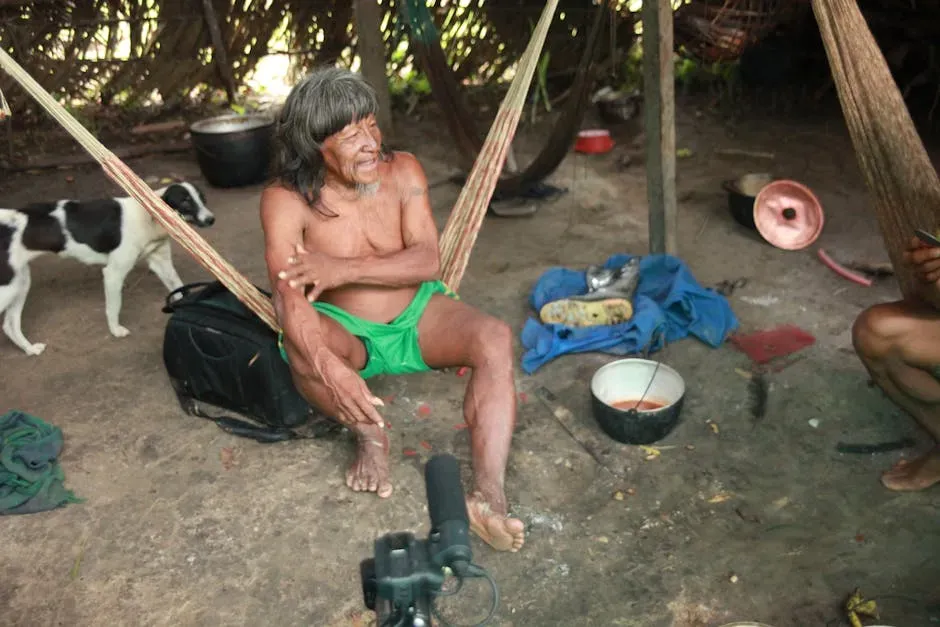
The more you dig into this subject, the more a single humbling realization takes hold. Indigenous peoples have been doing what scientists only recently began valuing – long-term ecological observation, careful intergenerational knowledge transfer, and precise documentation of environmental change. They just did it through stories instead of spreadsheets.
You don’t need to romanticize Indigenous cultures to appreciate this. You simply need to take the evidence seriously. A coastline accurately described from 13,000 years ago. A language preserving the grief of an extinct bird for 700 years. An earthquake pinpointed to a specific date by oral tradition alone. These are not coincidences. They are data.
The vanished ecosystems these narratives describe, with their lost species, submerged lands, and altered climates, represent a baseline that no satellite image or fossil record alone could reconstruct. The memories held in stories can lend a history of movement to a river’s path and remind us of all the details a landscape can hold. Combining stories with research data allows our perspective of the world’s past to come alive at a more human level, revealing portraits of the land we otherwise may never have been able to envision.
The oldest library in the world was never built of stone. It was built of breath, passed from elder to child, across tens of thousands of years, in almost every language humanity has ever spoken. The real question is not whether we should listen. It’s whether we will listen in time. What would change about how you see conservation if you truly believed the stories already had the answers?