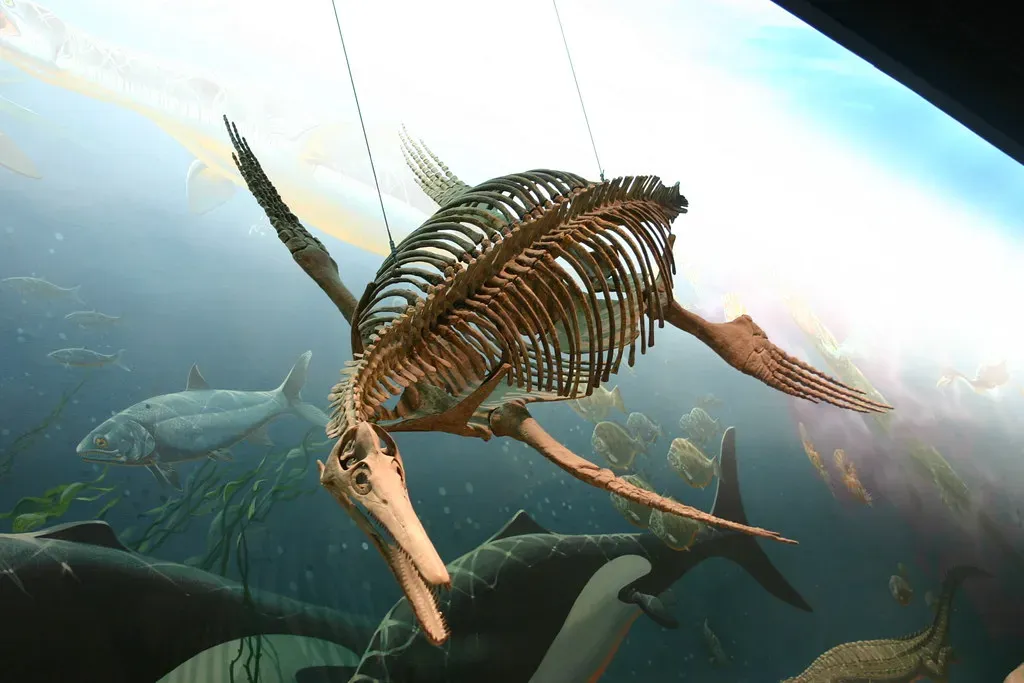
When you think about ocean predators from millions of years ago, you might picture mindless, cold-blooded beasts that relied purely on instinct. Honestly, I used to think the same. These creatures dominated prehistoric seas for over a hundred million years, and for decades, scientists assumed their brains were simple, reptilian, and primitive. That assumption just got turned on its head.
Recent discoveries are forcing us to completely rewrite our understanding of these ancient giants. From sophisticated hunting strategies to complex sensory systems and even hints of social behavior, these marine reptiles weren’t the dull-witted monsters we imagined. Let’s dive in.
Brain Reconstruction Reveals Startling Complexity
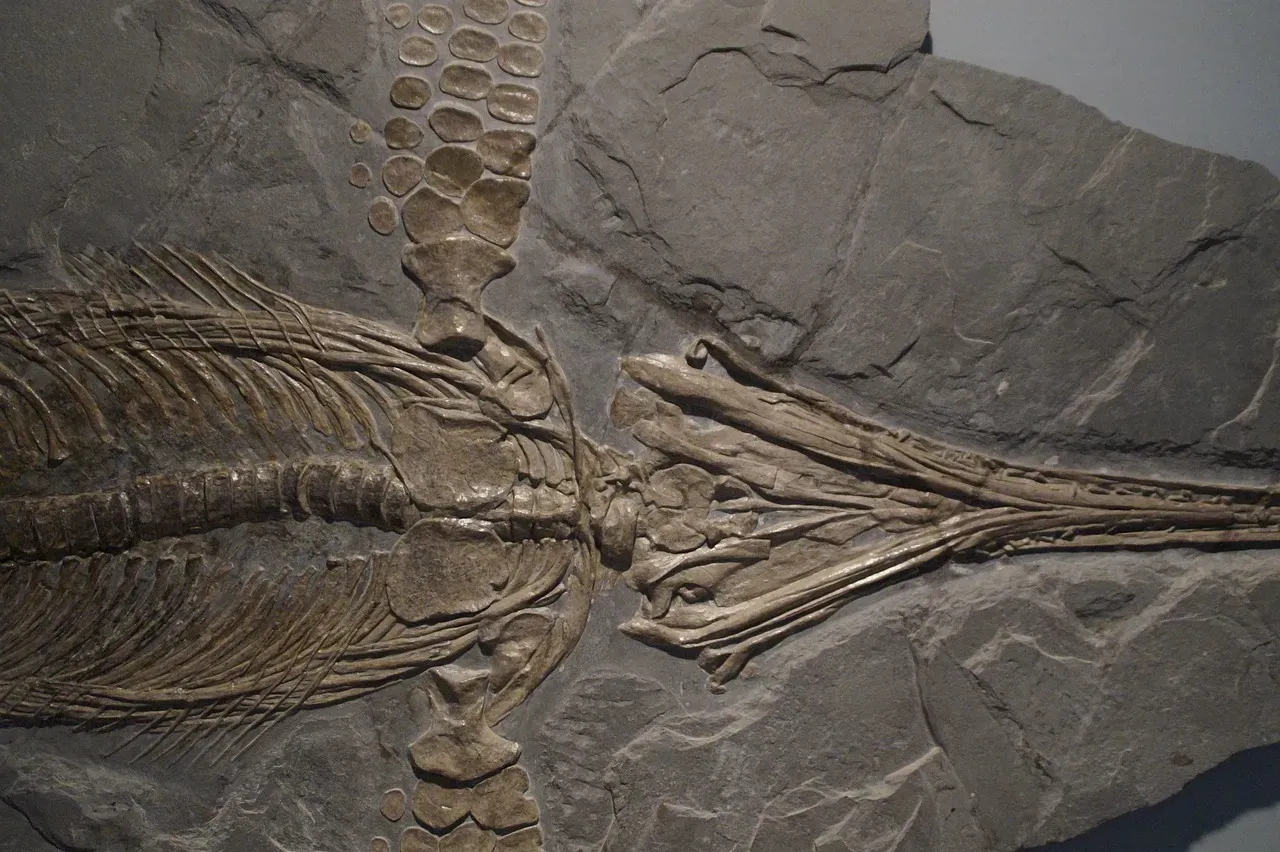
Ichthyosaurs possessed enlarged optic lobes corresponding to their huge eyes, allowing them to see when diving to deeper waters, along with an enlarged cerebellum responsible for motor control, enabling them to be highly mobile, visual predators. Think about what that means for a moment. These weren’t just brutes thrashing around in the water.
The olfactory region, the area responsible for processing smell, was also enlarged, offering new insights into how these marine reptiles interacted with their environments. Scientists had hypothesized these creatures were sophisticated, but actually seeing the brain structure confirmed it in ways nobody expected. The combination of enhanced vision, precise motor control, and a surprisingly keen sense of smell paints a picture of a calculating hunter, not a simple predator.
Sensory Superpowers Beyond Imagination
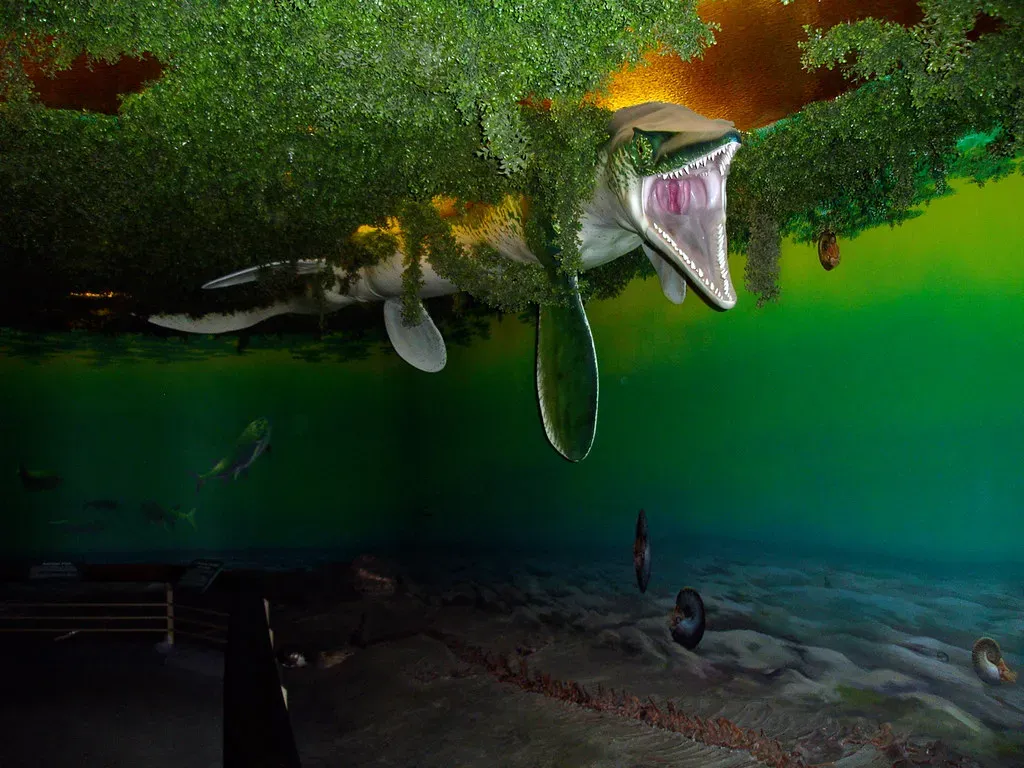
Here’s the thing about hunting in murky, ancient seas: you need more than just teeth and speed. Charlie’s optic lobes were quite enlarged, which would have been a decided benefit to vision during their 600-meter forays deep in the ancient murky seas. Six hundred meters. That’s deeper than most modern submarines can comfortably operate without serious engineering.
The pressure down there is crushing, the light nearly nonexistent. Yet these reptiles evolved enormous eyes supported by specialized structures just to hunt in those conditions. The brain’s cerebellum was enlarged as well, dealing primarily with motor control, making a large one a critical advantage for fine motor control and efficient swimming. This wasn’t brute force. This was precision engineering honed over millions of years of evolution.
Strategic Hunting That Rivals Modern Predators
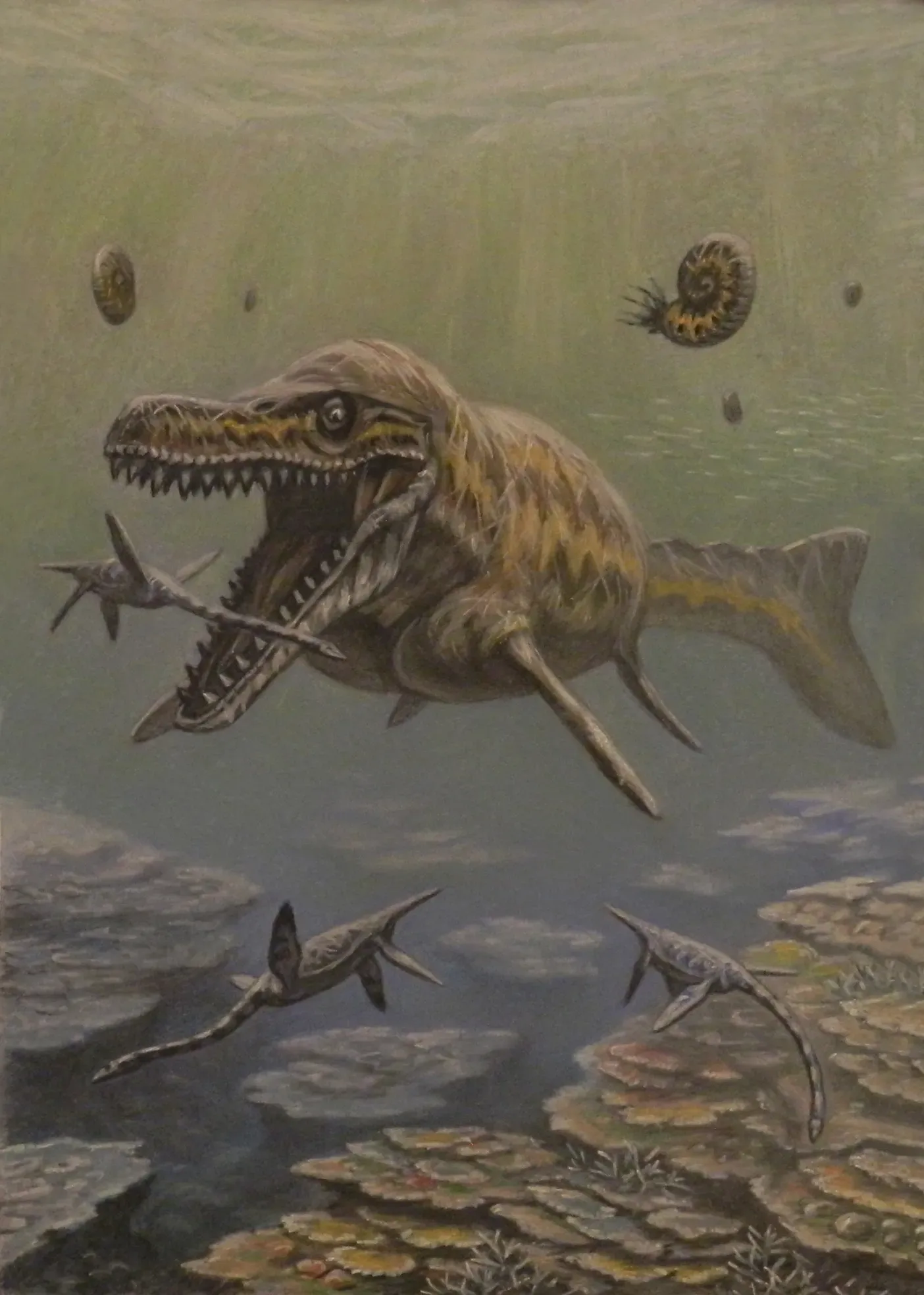
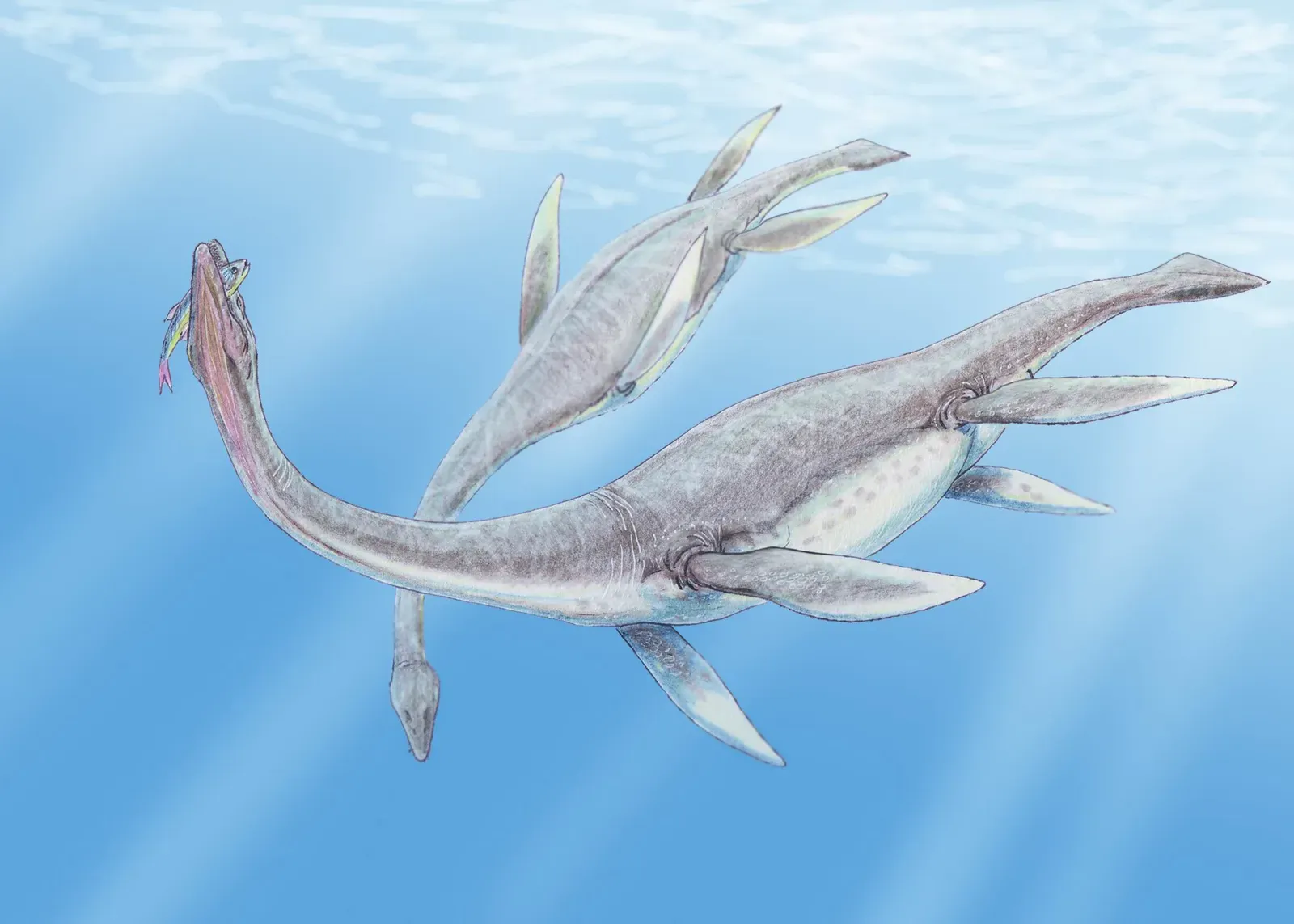
Let’s be real – these creatures were smart hunters. Long-necked plesiosaurs were likely slow-cruising hunters, patrolling productive waters and ambushing small prey with minimal energy expenditure, well adapted for sustained swimming and precision feeding rather than explosive speed. They conserved energy like modern apex predators do today.
Meanwhile, their short-necked cousins, the pliosaurs, took a completely different approach. Pliosaurs were active pursuit predators with streamlined bodies, reduced neck length, and powerful flippers allowing rapid acceleration and short bursts of high speed, likely dominating open-water ecosystems with top-down control similar to modern orcas or great white sharks. Two different body plans, two different hunting strategies, both incredibly effective. That’s not primitive behavior. That’s adaptive intelligence.
Evidence of Parental Care and Social Behavior
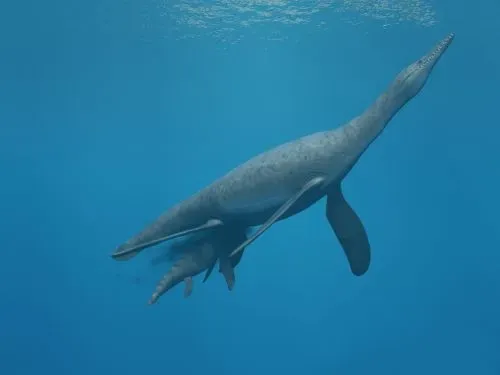
Now this is where things get really interesting. A fossil of a pregnant Polycotylus latippinus shows these animals gave birth to a single large juvenile, with the young measuring 1.5 meters long compared to its mother of five meters length, indicating a K-strategy in reproduction. That’s a massive baby relative to the mother’s size.
From the parental care indicated by the large size of the young, it can be deduced that social behavior in general was relatively complex. Think about what goes into raising a baby that’s nearly one-third your size. You’re investing enormous resources, time, and protection. Modern reptiles rarely do this. Mosasaurus may have taught their offspring how to hunt, as supported by a fossil nautiloid with bite marks from two conspecific mosasaurs, one being from a juvenile and the other from an adult, possibly showing a parent mosasaur teaching its offspring about cephalopods as an alternate source of prey and how to hunt one. Teaching. Actual teaching behavior in a marine reptile from 80 million years ago.
Sophisticated Blood Supply Systems Show Advanced Physiology
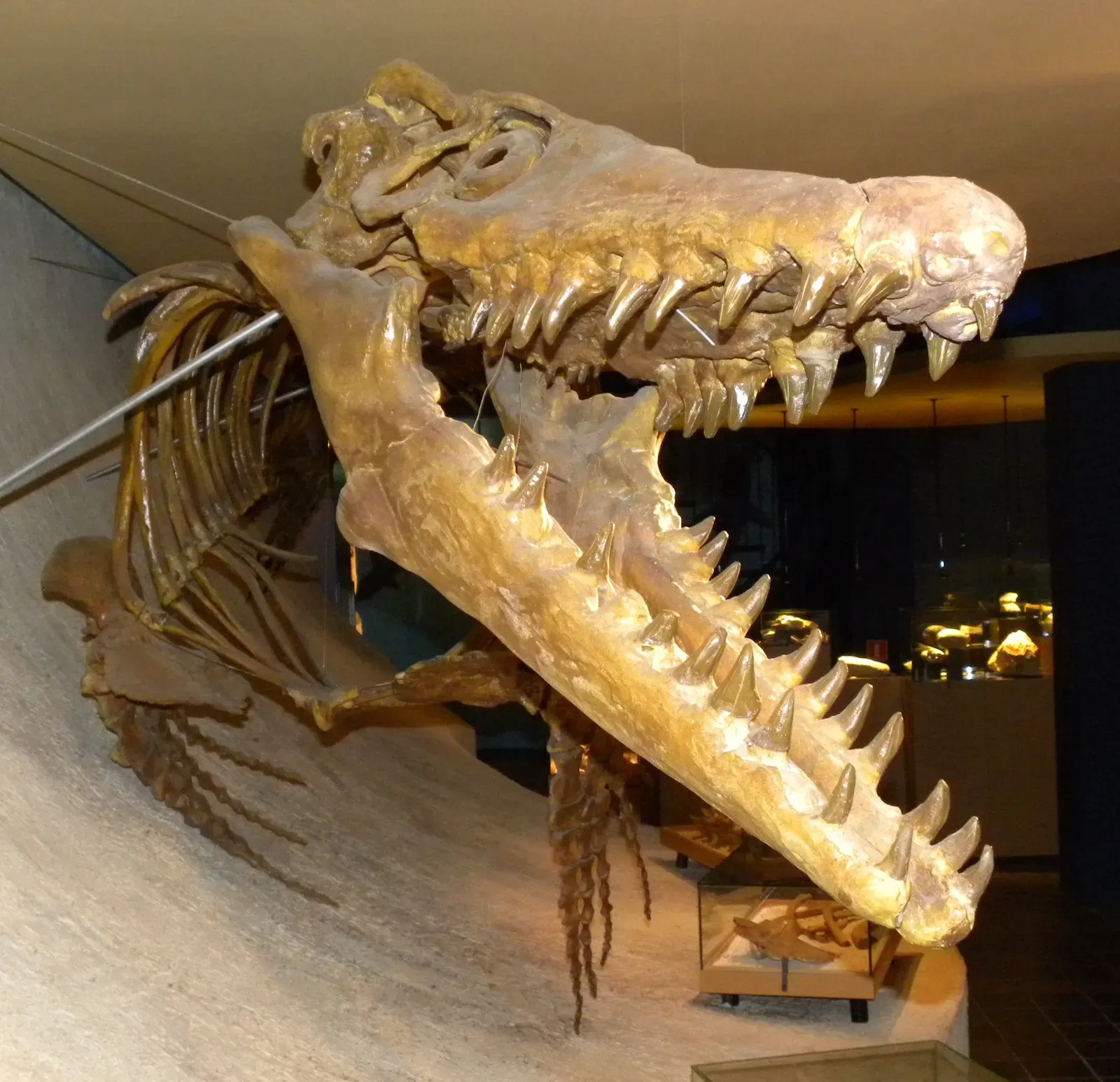
Here’s something that blew my mind when I first read about it. Sarabosaurus evolved a novel blood supply to the brain, showing how one group of mosasaurs shifted the primary blood supply from a branch of the internal carotid arteries to arteries entering the brain below the brain stem. Why does that matter?
Because evolving an entirely new way to supply blood to your brain isn’t something that happens by accident. It’s a specialized adaptation that takes millions of years to perfect. Interestingly, this shift is similar to what happened in the evolution of whales. These creatures were solving the same physiological problems that modern marine mammals face, just with completely different evolutionary tools. That takes serious biological complexity.
Communication and Interaction Patterns
Newborn and newly hatched reptiles show diverse types of social behavior, with aggregation behavior in snakes, dominance in turtles, vocalization in crocodilians, and synchronized nest emergence, migration, and foraging behavior in iguanas documented. If modern reptiles can do all that, why wouldn’t their ancient cousins?
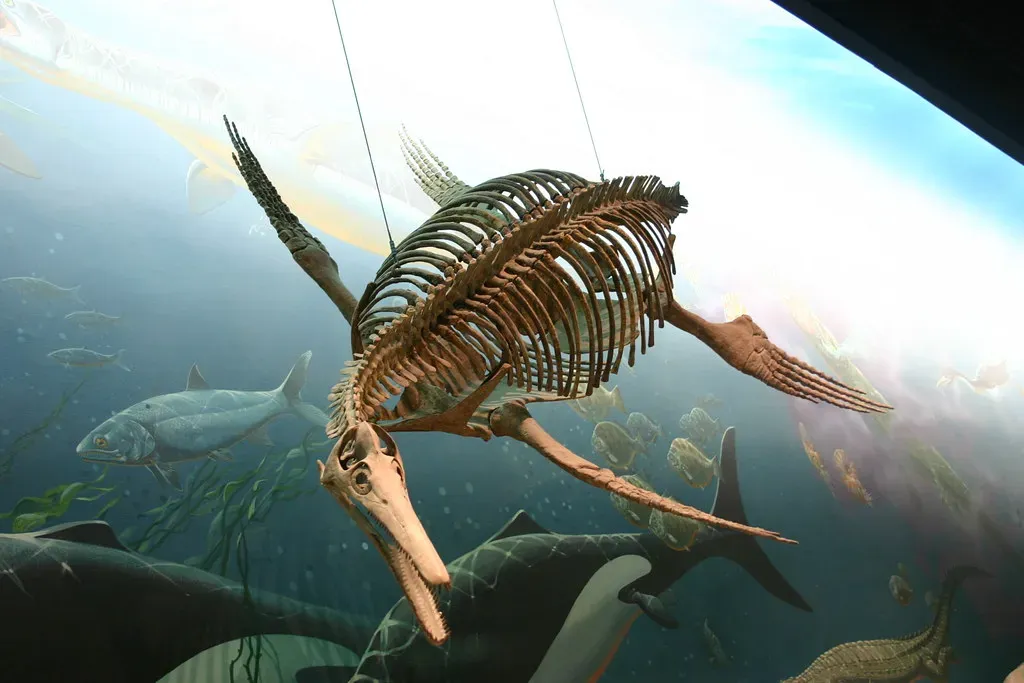
Ichthyosaurs are often assumed to have lived in herds or hunting groups, though little evidence is available about the nature of ichthyosaur social behaviour. The fossil record is frustratingly incomplete on this point, but the hints we do have suggest these animals weren’t solitary loners. Group living requires communication, coordination, and social intelligence. Even if we can’t prove it definitively yet, the circumstantial evidence keeps piling up.
Apex Predators With Unprecedented Dominance
Around 130 million years ago, some sea creatures sat at the very top of an extraordinarily complex food chain during the Cretaceous period, surpassing modern standards of ecological dominance. Let that sink in. These predators were more dominant than anything alive today.
This prehistoric sea was filled with enormous marine reptiles, some growing longer than 10 meters, that occupied a previously unseen seventh level of the food chain, whereas today’s oceans typically reach only six levels, with animals such as killer whales and great white sharks sitting at the top. A seventh trophic level. These creatures were so successful, so efficient at killing and eating other predators, that they created an entirely new layer of food chain complexity that doesn’t exist anymore. That level of dominance requires intelligence, strategy, and adaptability.
Rewriting Everything We Thought We Knew
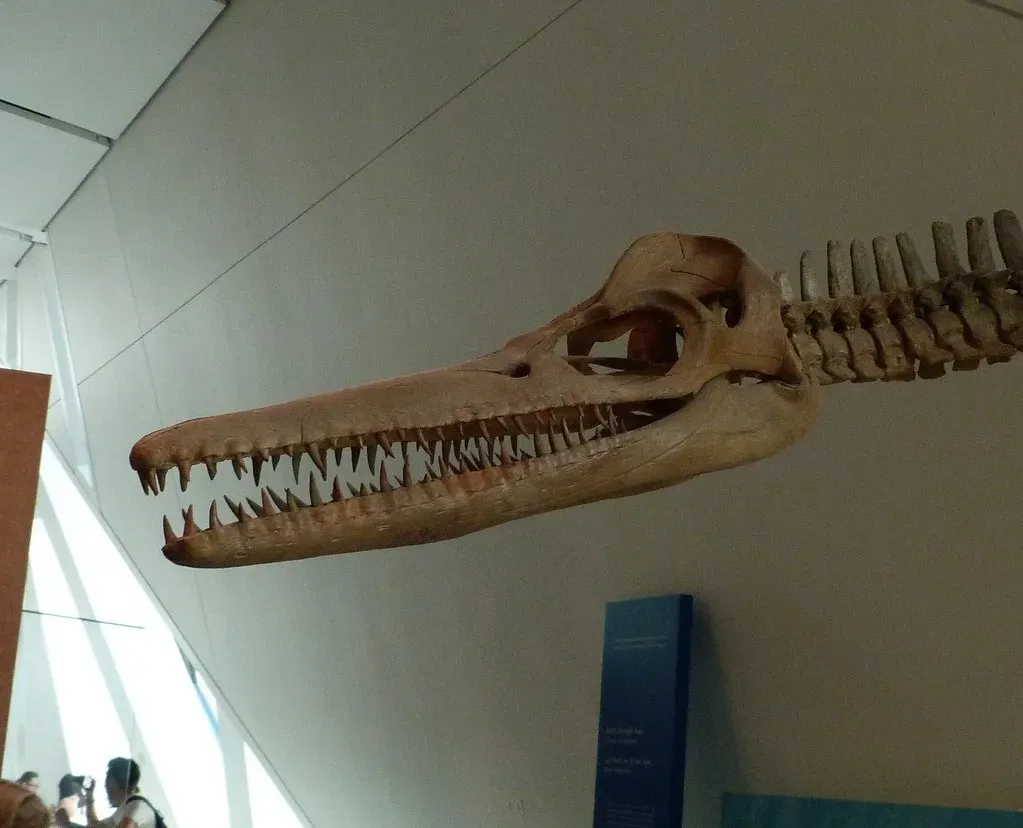
Once considered simple and “primitive,” the reptilian brain is now recognized to govern complex behaviours. Decades of research bias had us looking at these animals all wrong. Earlier studies that seemed to confirm the dumb reptile stereotype had inadequate and ecologically irrelevant experimental study designs, such as suboptimal room temperatures or insufficient reinforcers, with food having much less appeal to reptiles because of their low metabolic rate and irregular feeding habits.
We were literally testing their intelligence in ways designed for warm-blooded mammals. It’s like trying to judge a fish by its ability to climb a tree. Both reptilian and mammalian brains evolved their own clade-specific neuron types and circuits from a common ancestral set. These creatures developed intelligence in fundamentally different ways than we did, which made it nearly impossible for us to recognize it when we saw it.
Conclusion: Intelligence Takes Many Forms
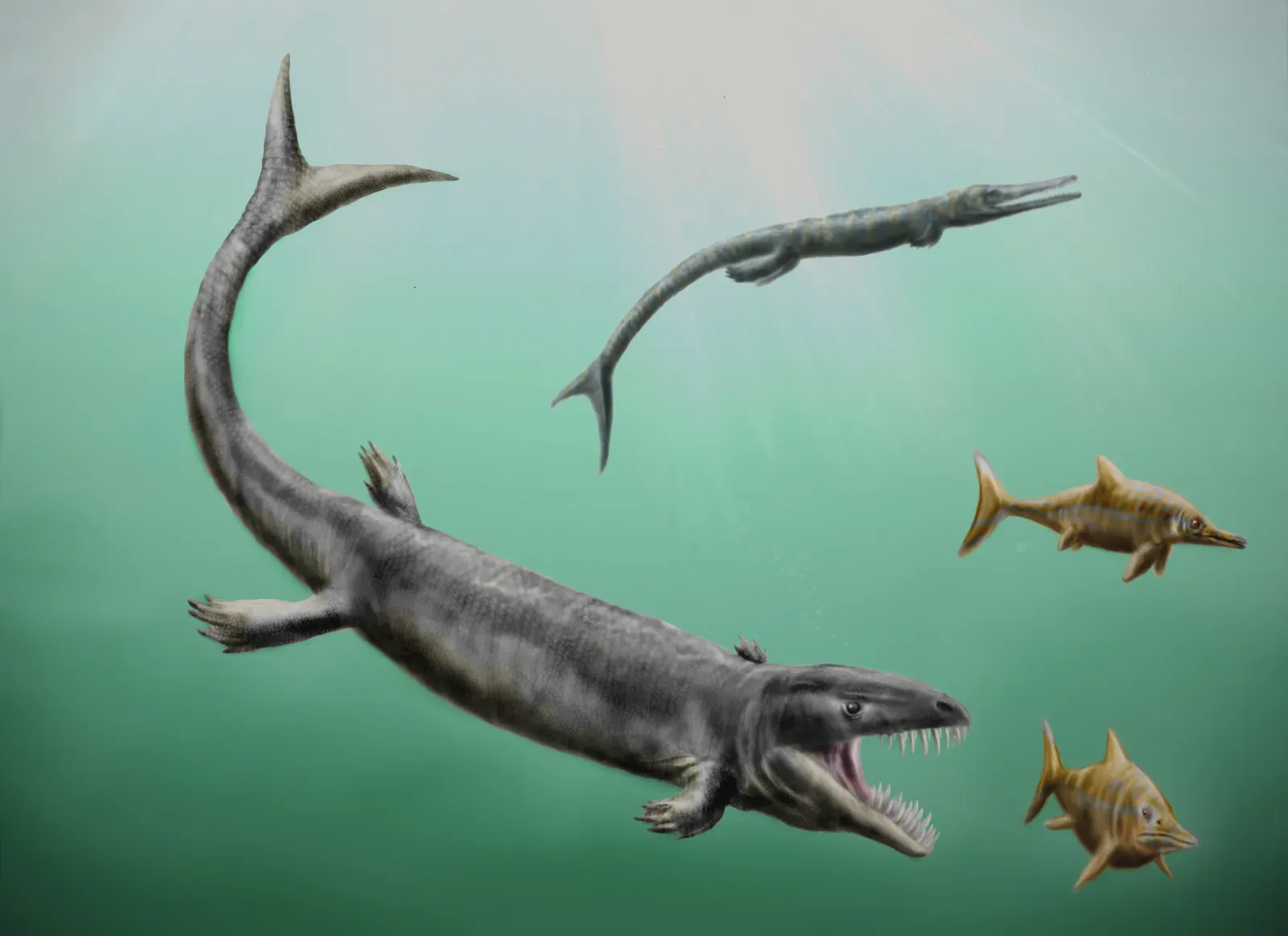
The ancient oceans were ruled by creatures far more sophisticated than anyone imagined. From complex brain structures to strategic hunting, parental care, and unprecedented ecological dominance, these marine reptiles challenge everything we thought we knew about prehistoric life. They weren’t mindless killing machines. They were intelligent, adaptable, and remarkably successful animals that thrived for over a hundred million years.
Perhaps the most humbling realization is this: intelligence doesn’t always look like ours. These reptiles solved problems, raised young, hunted cooperatively, and dominated their environments using neurological systems completely different from mammals. The next time you see a reconstruction of an ancient sea creature, remember you’re looking at an animal that was likely far smarter than the lifeless eyes in museum displays suggest.
What other assumptions about prehistoric life might we be getting completely wrong?