Picture a world without grass, without fruit, without the colorful bloom of a single flower. Just vast stretches of towering ferns, cathedral-like forests of ancient conifers, and palm-like cycads swaying in a warm, prehistoric breeze. That was the world dinosaurs actually lived in, and it was every bit as dramatic as the creatures themselves. The plants of the Mesozoic era were not just background scenery – they were the very engine that powered dinosaur life, shaped their bodies, and defined the landscapes they called home.
You might be surprised to learn just how deeply intertwined prehistoric plant life and dinosaur evolution truly were. From the chemical defenses of ancient conifers to the sudden explosion of flowering plants that rewrote entire ecosystems, the story of megaflora is inseparable from the story of the dinosaurs. So let’s dive in.
The Mesozoic World: A Planet Covered in Ancient Green
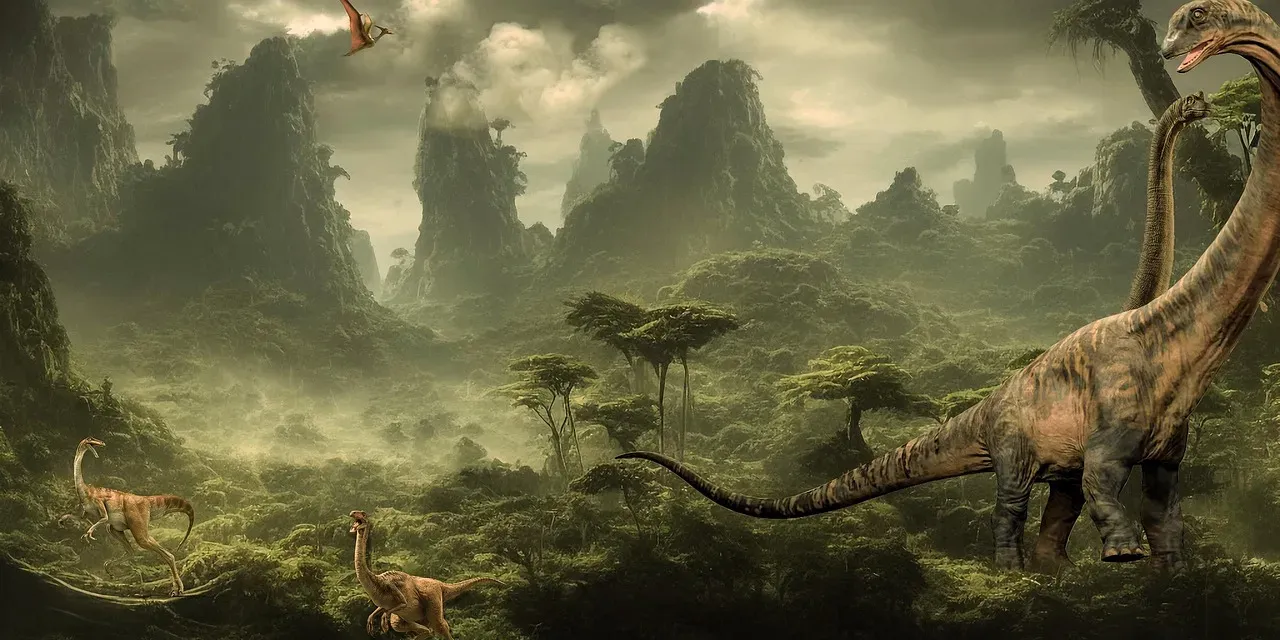
The Mesozoic Era lasted from about 252 to 66 million years ago, comprising the Triassic, Jurassic, and Cretaceous periods. That is a staggering stretch of time – nearly four times longer than the age of the oldest known human ancestor. Throughout all of it, plants were evolving, competing, and reshaping the surface of the planet in ways that directly determined where dinosaurs could survive.
The era was characterized by the dominance of gymnosperms such as cycads, ginkgoaceae, and araucarian conifers, alongside a hot greenhouse climate and the tectonic breakup of Pangaea. Think of it like a slow-motion continental puzzle being disassembled over millions of years, with plant communities splitting and adapting as new landmasses drifted apart and new climates emerged.
This “Age of Reptiles” not only showcased colossal dinosaurs but also witnessed significant developments in plant life. In the Triassic period, the landscape featured ferns, cycads, and conifers, pioneering the way for more complex plant ecosystems. Honestly, the phrase “pioneering the way” barely covers it – these plants were literally inventing the rulebook for how land ecosystems work.
Towering Conifers: The Giants That Fed the Giants
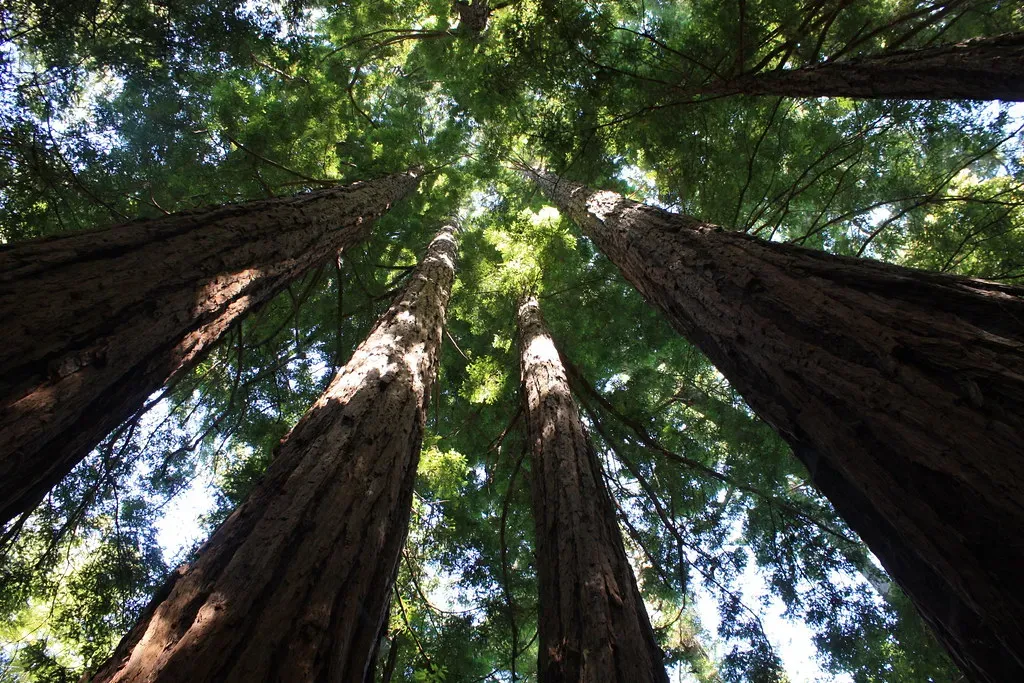
During the Mesozoic Era, conifers dominated the landscape. These slow-growing evergreen trees and shrubs probably constituted the majority of the herbivorous dinosaurs’ diets. Conifers were probably important food for dinosaurs, including the large sauropods. Let’s be real – when you imagine a 50-ton Brachiosaurus stretching its neck into a forest canopy, those towering trees it was reaching for were ancient conifers, not the oak trees you might have in your backyard.
Mesozoic Era conifers included redwoods, yews, pines, the monkey puzzle tree (Araucaria), cypress, and Pseudofrenelopsis. The monkey puzzle tree is particularly fascinating. The Araucariaceae, popularly called monkey puzzles, was among the first conifers to develop large, well-protected cones, and these trees have been cited as an important food source for the large sauropod dinosaurs that proliferated during this time. Perhaps the feeding habits of the large, long-necked dinosaurs of the Jurassic provided the evolutionary pressure for the development of well-protected seed cones. Plants evolving armor in response to being eaten by creatures the size of small buildings – that is nature at its most extraordinary.
If Brachiosaurus was warm-blooded, it has been estimated that it would have required more than 440 pounds of conifer and cycad plant food each day, and it would have spent most of its time feeding. That is not just eating – that is a full-time ecological force. A herd of these animals moving through a conifer forest would have reshaped entire landscapes, opening clearings and disturbing soils in ways that altered which plants could grow next.
Cycads: The Prehistoric Palm That Ruled for Millions of Years
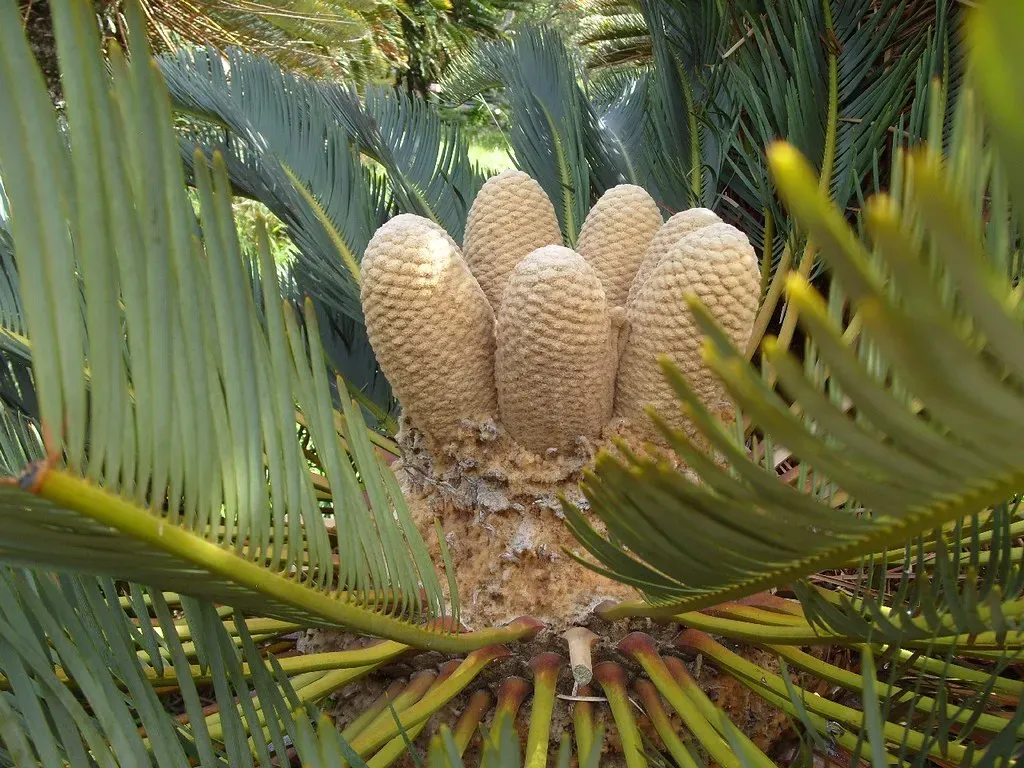
Cycads were once worldwide, outlived the dinosaurs, and are roughly 320 million years old. To put that in perspective, cycads were already ancient by the time the first dinosaurs appeared. They had already survived previous mass extinctions and had perfected their survival strategy long before T. rex was even a glimmer in evolution’s eye.
Cycadophytes dominated southern areas during the Triassic period and thrived during the Jurassic, but began to decline in the mid-Cretaceous period. Dinosaurs would have eaten cycads, plants that produce cones in the very centre of their trunk. This peculiar anatomy meant dinosaurs were literally reaching into the heart of these plants for food – a strange and intimate kind of prehistoric relationship that shaped the morphology of both creature and plant over millions of years.
Cycads were one of the first plants to be pollinated by insects, with beetles transferring pollen from the slender male cones on one plant to the female cones on another plant. So while dinosaurs were consuming cycads in enormous quantities, insects were quietly helping those same plants reproduce. The web of life in the Mesozoic was far more complex and interwoven than the “big monsters eating everything” image most people picture.
Ferns and Pteridophytes: The Ground-Level Food Source
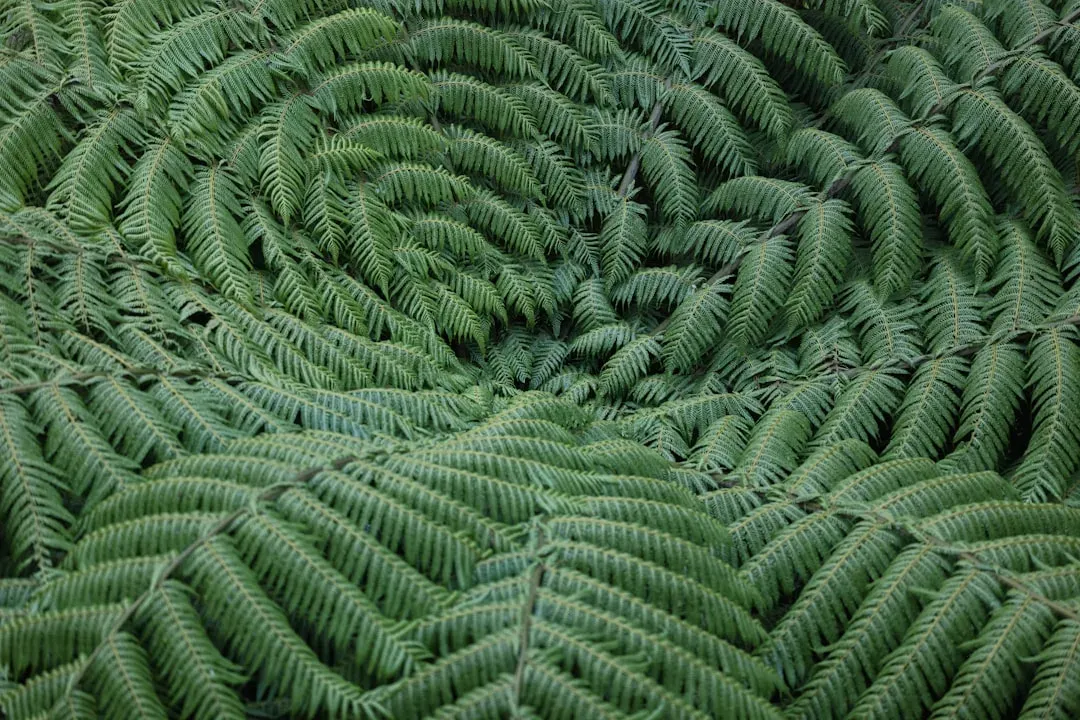
Pteridophytes are a group of primitive vascular plants that include club mosses, horsetails, and ferns. These plants reproduce with spores that germinate only in moist areas and also using rhizomes, or underground stems. Pteridophytes evolved during the Devonian and were mostly low-growing during the Mesozoic Era. Here’s the thing about low-growing plants – they were actually the perfect food for smaller herbivorous dinosaurs and juveniles of larger species, forming an essential lower tier in the ancient food web.
These fast-growing, resilient plants were a source of food for plant-eating dinosaurs that lived in moist areas. When the first dinosaurs evolved in the Triassic Period, spore-producing plants like tree ferns and human-sized quillworts were common. Picture a dense thicket of tree ferns as tall as a modern house, dripping with moisture, sheltering smaller creatures from the blazing Mesozoic sun. That kind of habitat directly determined which dinosaurs could thrive in which regions.
The ferns that grew during the dinosaurs’ reign actually predate these giant land creatures. Ferns have been around for more than 300 million years. That kind of deep-time resilience is almost impossible to wrap your head around. Ferns watched the dinosaurs rise, dominate, and ultimately disappear, and they are still here today. I think there is something quietly humbling about that.
Ginkgoes and Seed Plants: The Living Fossils That Survived It All
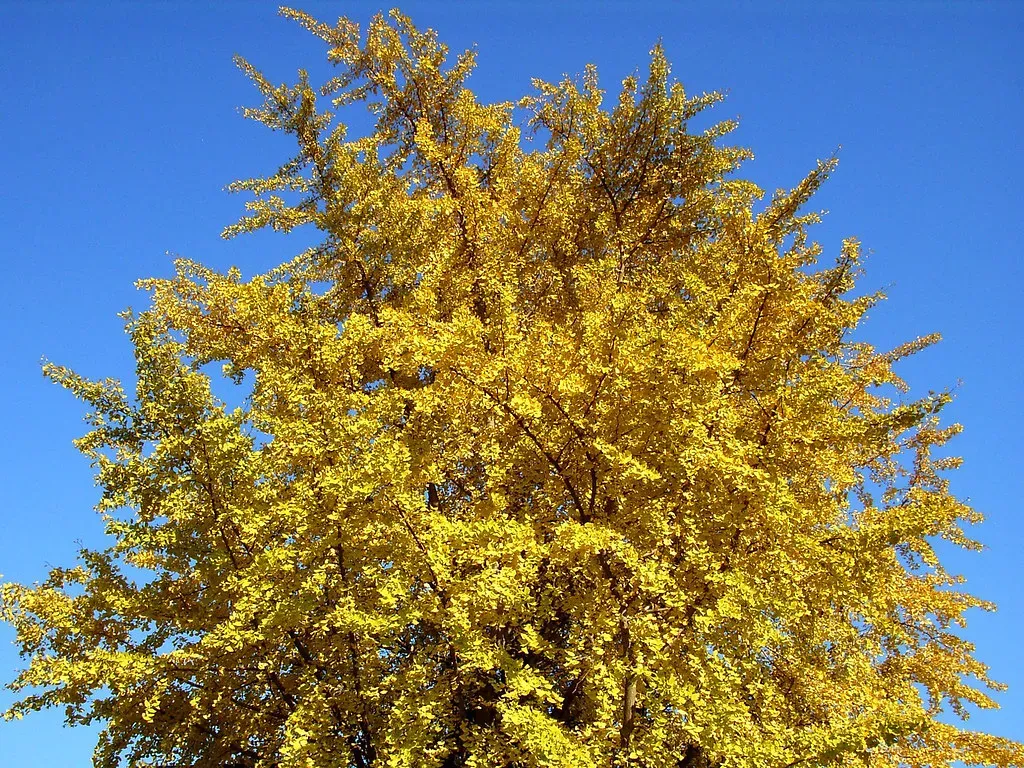
Seed plants evolved in the Late Devonian, eventually becoming the dominant vegetation by the Early Cretaceous. A seed consists of a plant embryo, a source of food, and a protective coat. This adaptation helped seed plants like conifers, ginkgos, and cycads out-compete the spore-producing plants, particularly in drier habitats. The seed was one of the most revolutionary inventions in the history of life on Earth – a tiny self-contained survival capsule that allowed plants to colonize environments that ferns simply could not reach.
Two gymnosperm species, including the dawn redwood and the maidenhair tree, are commonly cultivated today and are the living survivors of an ancient flora that dates back to the days of dinosaurs. Leaf imprints resembling the present-day maidenhair tree have been found abundantly in sedimentary rocks of the Jurassic and Triassic periods when dinosaurs roamed the earth. Modern Maidenhair trees are considered “living fossils” because they look almost exactly like Jurassic fossils of ginkgos. If you have ever walked past a ginkgo tree in a city park, you were looking at something that dinosaurs once stood beneath. That is genuinely mind-bending.
The Flowering Plant Revolution and Its Impact on Dinosaur Communities
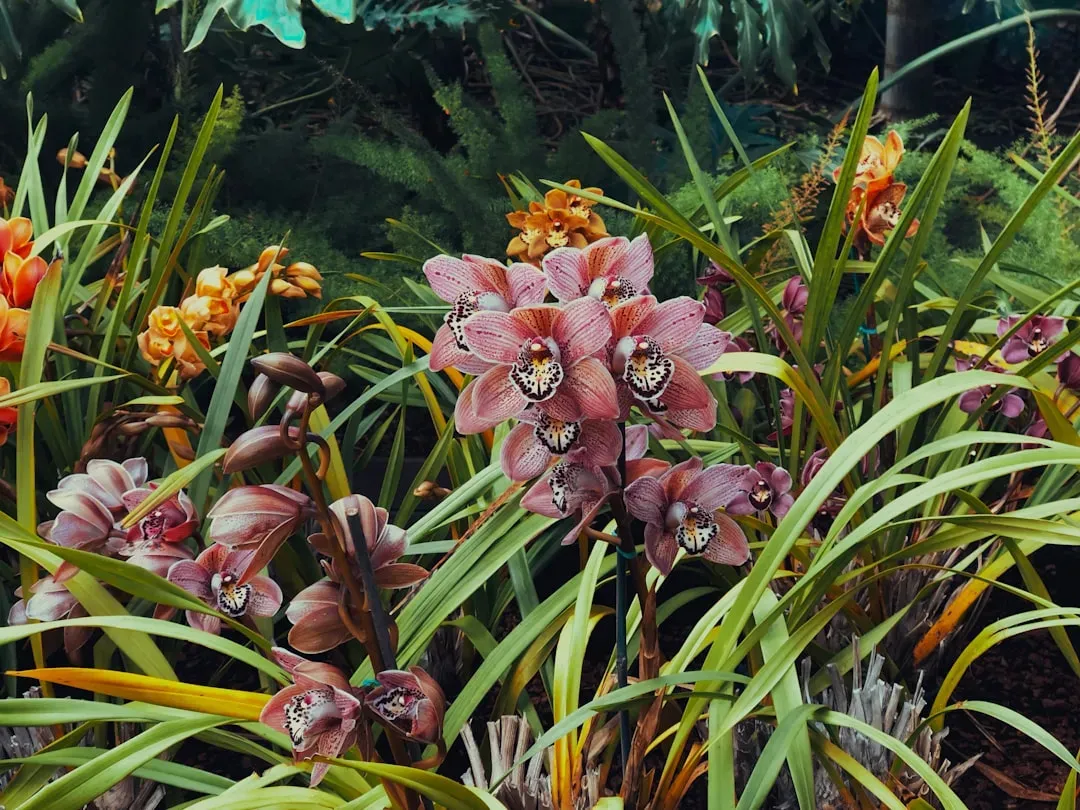
Flowering plants appeared in the Early Cretaceous and would rapidly diversify through the end of the era, replacing conifers and other gymnosperms such as ginkgoales, cycads, and bennettitales as the dominant group of plants. This was not a gradual, quiet shift – it was a full-scale botanical takeover that cascaded through every ecosystem on Earth, forcing every herbivore to adapt or perish. Some did one, some did the other.
Given the enormous size of the large herbivorous dinosaurs, they would have consumed massive amounts of plant food, and their preferences opened up opportunities for fast-growing plants able to quickly grow in disturbed environments – namely, the angiosperms, which include flowering plants. Dinosaurs effectively cleared away the competition and allowed flowering plants to proliferate, and in turn, the changes in plant communities influenced the evolution of dinosaurs with heavy batteries of chewing power, such as the hadrosaurs and horned dinosaurs. It is a beautifully tangled loop – the plant-eaters shaped the plants, and the plants reshaped the plant-eaters.
Flowering plants ruled the Cretaceous period. These angiosperms included magnolias, sycamores, figs, beech, poplar, and palms, and consequently added quite a bit of diversity to a dinosaur’s diet. The Cretaceous climate was tropical and subtropical, perfect for these nutrient-rich flowering plants. The emergence of more nutritious plant food likely supported the extraordinary diversity of herbivorous dinosaurs that paleontologists keep uncovering to this day.
What Fossil Evidence Tells You About Ancient Plant-Dinosaur Relationships
In the summer of 2017, staff and volunteers at the Australian Age of Dinosaurs Museum were excavating a relatively complete subadult skeleton of the sauropod Diamantinasaurus matildae from the mid-Cretaceous period. During this process, they noticed an unusual, fractured rock layer that appeared to contain the sauropod’s cololite, consisting of many well-preserved plant fossils. This kind of discovery is extraordinarily rare, and it opened a window directly into what these animals were eating on their very last days alive.
The cololite consisted of a variety of plants, including foliage from conifers, seed-fern fruiting bodies, and leaves from angiosperms, indicating that Diamantinasaurus was an indiscriminate, bulk feeder. The findings bolster the idea that indiscriminate bulk feeding underpinned sauropod dominance for roughly 130 million years. By gulping vast quantities of whatever greenery was available and outsourcing digestion to microbial partners, these giants could fuel bodies the size of whales on land. It is hard to say for sure, but this feeding strategy may be one of the key reasons sauropods remained dominant for such an incomprehensibly long time.
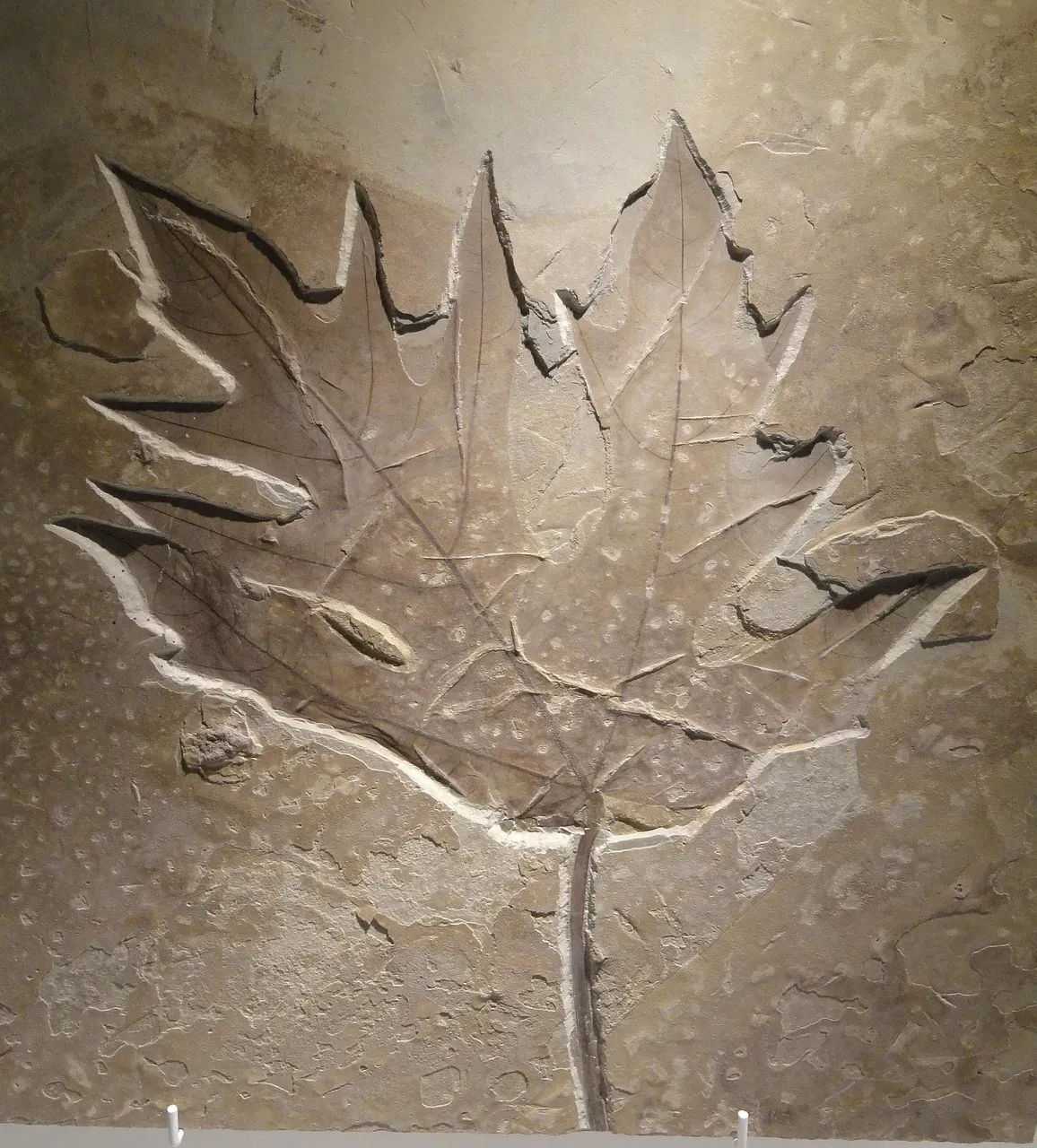
Some of the information that researchers can find from fossilized plant remains includes growth patterns, population density of specific plant species, reproductive patterns, the age of plant life, and levels of moisture in the air at the time of the plant’s death. These fossils can also tell much about the environments in which the specific plant species grew and even what types of elements were rich in the soil and ecosystem where the plant grew. Every fossilized leaf is essentially a tiny diary entry from deep time, telling us what kind of world existed long before humans ever appeared.
Conclusion: A World Built by Plants, Ruled by Dinosaurs
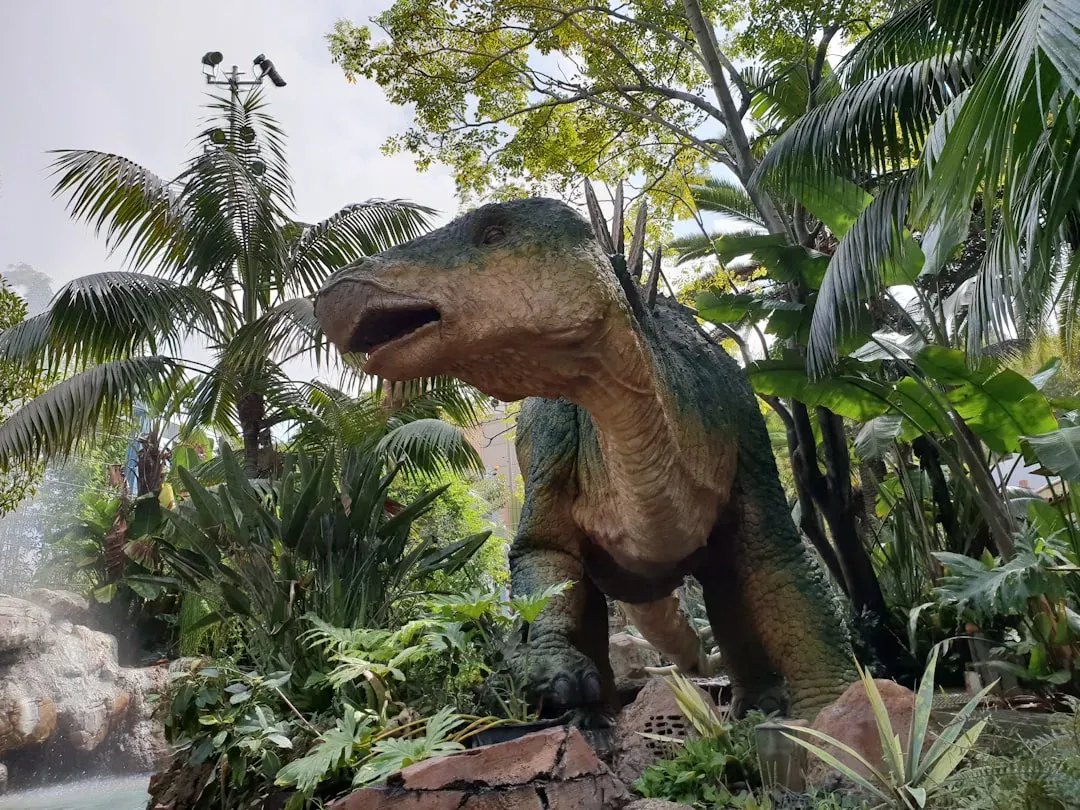
You cannot truly understand dinosaurs without understanding the plants they lived among, fed on, and inadvertently transformed. The megaflora of the Mesozoic was not passive scenery – it was an active, evolving force that determined everything from where dinosaurs could find food to how big they could grow and which ecosystems they could dominate.
From the slow-growing conifers that fed multi-ton sauropods to the revolutionary arrival of flowering plants that rewired entire food webs, every shift in ancient plant life sent ripples through the dinosaur world. The relationship was mutual, dynamic, and endlessly fascinating – a reminder that in any ecosystem, the plants usually hold more power than the largest predator in the room.
Next time you stand beneath an ancient ginkgo tree or run your hand along a fern, remember – you are touching the direct relatives of plants that once sheltered, fed, and shaped the most iconic creatures this planet has ever seen. What would you have guessed held more influence over dinosaur evolution: the animals themselves, or the plants that surrounded them?