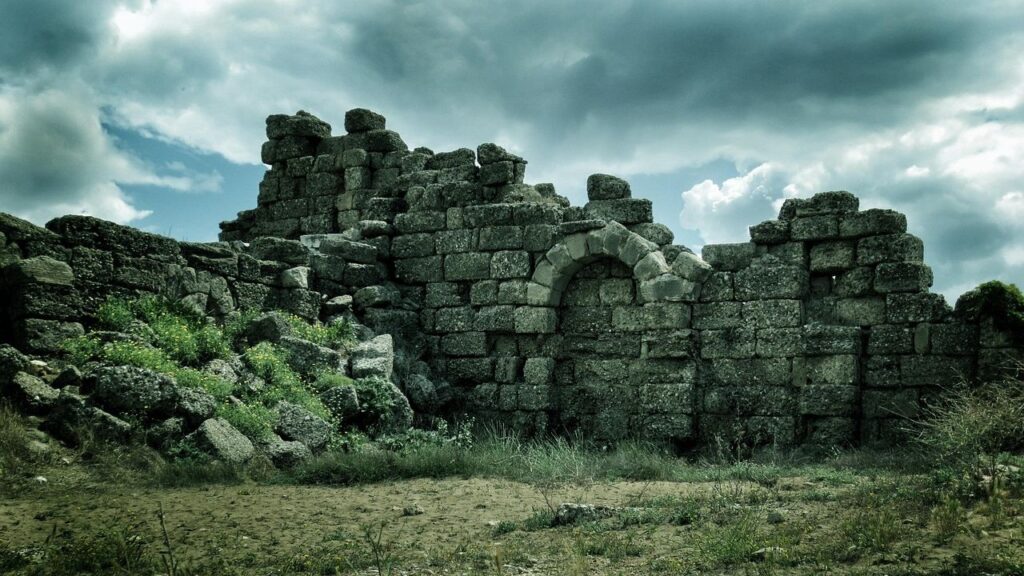
You’ve probably seen pictures of Stonehenge or heard about the Egyptian pyramids. Yet the scale of what prehistoric humans managed to create goes far beyond what most people imagine. These weren’t primitive societies struggling to survive. They were sophisticated civilizations capable of planning and executing engineering projects that still puzzle modern experts.
Think about this for a moment. Before the invention of the wheel, before metal tools became widespread, before any written languages emerged, humans were already building colossal structures that have outlasted entire empires. The methods they used remain hotly debated, and some of the techniques they employed may have been lost to time forever. Let’s explore the most remarkable achievements of these ancient builders and discover what they reveal about our ancestors’ ingenuity.
The Revolutionary Temple Complex of Göbekli Tepe
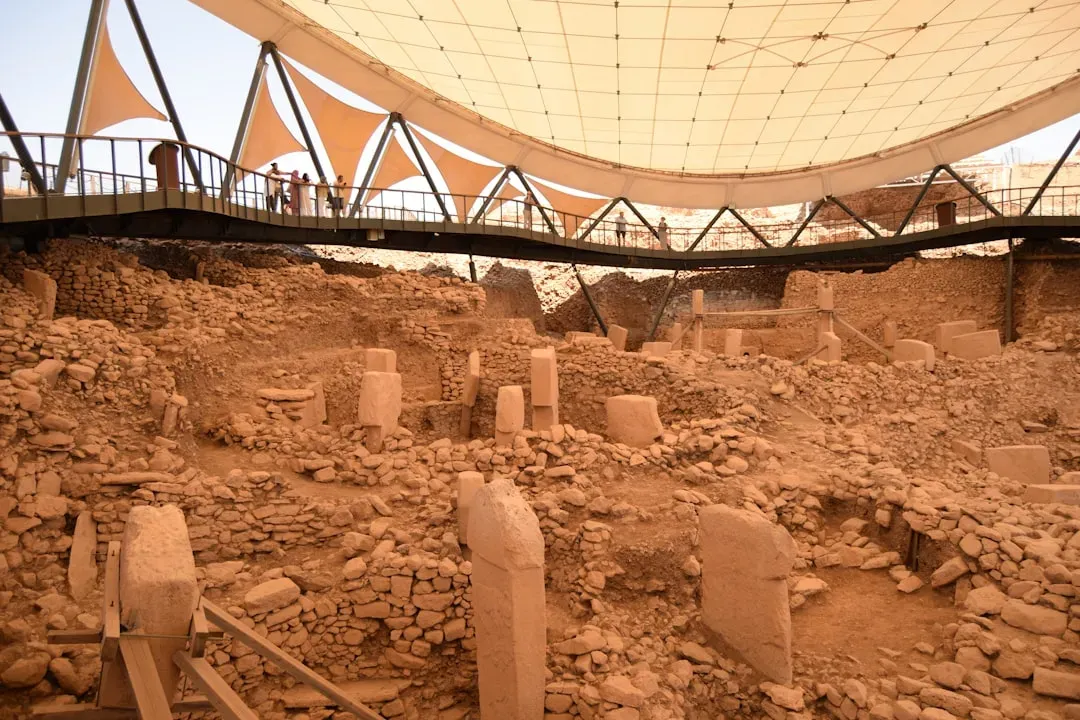
Göbekli Tepe in Turkey stands as a prehistoric monument that was inhabited from around 9500 BCE to at least 8000 BCE, featuring large circular structures that contain massive stone pillars among the world’s oldest known megaliths. The massive T-shaped limestone pillars, some weighing up to 20 tons, were quarried, carved, transported, and arranged in carefully designed circular enclosures by people still labeled as hunter-gatherers. This completely rewrote what historians thought they knew about early human civilization.
Researchers used computer algorithms to trace aspects of the architectural design processes and found that geometry informed the layout of these structures, which were initially planned as a single structure. While some estimates suggest that just seven to fourteen people could have moved the pillars using ropes and water or another lubricant, experiments at Göbekli Tepe suggested that all the exposed structures could have been built by twelve to twenty-four people in less than four months. The builders didn’t just randomly stack stones. They used sophisticated geometric patterns and precise planning.
Stonehenge and the Mastery of Mortise and Tenon Joints
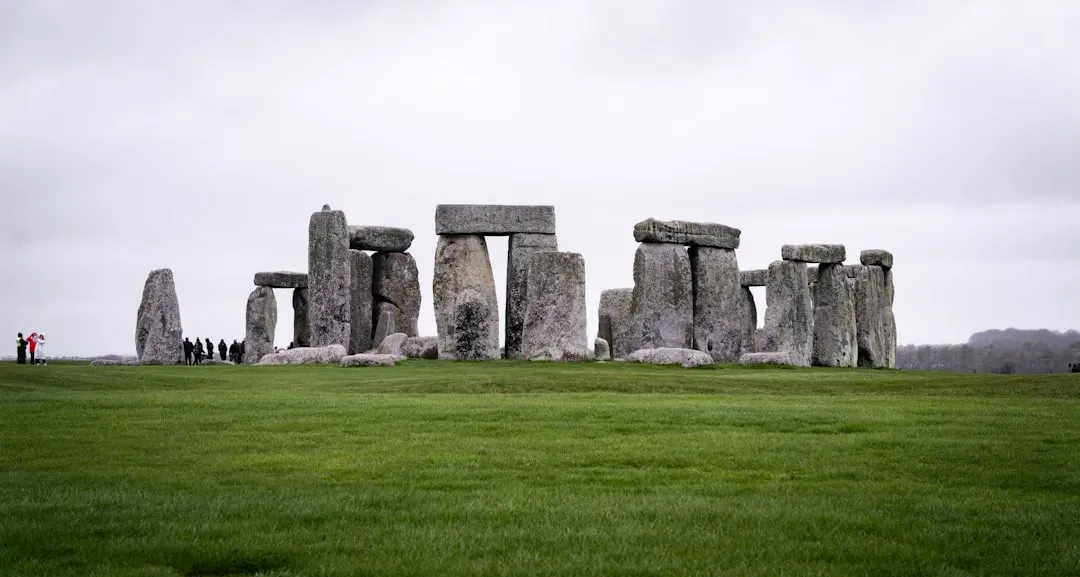
Stonehenge is a masterpiece of engineering built using only simple tools and technologies before the arrival of metals and the invention of the wheel, requiring hundreds of people to transport, shape and erect the stones. What makes this monument particularly fascinating is the sophisticated joinery techniques used. The immense towering stones were cleverly interlocked using holes and protruding studs, a construction method much more sophisticated than contemporary stone circles that allowed the monument to stand the test of time.
The outer ring consists of sarsen sandstone slabs from local quarries, but its inner ring is made of smaller bluestones traced to the Preseli Hills in Wales, some 200 miles away, and workers who broke ground as early as 5,000 years ago somehow transported these 4-ton boulders over such a great distance. On average the sarsens weigh 25 tons, with the largest stone, the Heel Stone, weighing about 30 tons. Moving these stones across rough terrain without wheels or pack animals represents an astonishing feat of human determination and engineering skill.
The Enigmatic Precision of Newgrange’s Solar Alignment
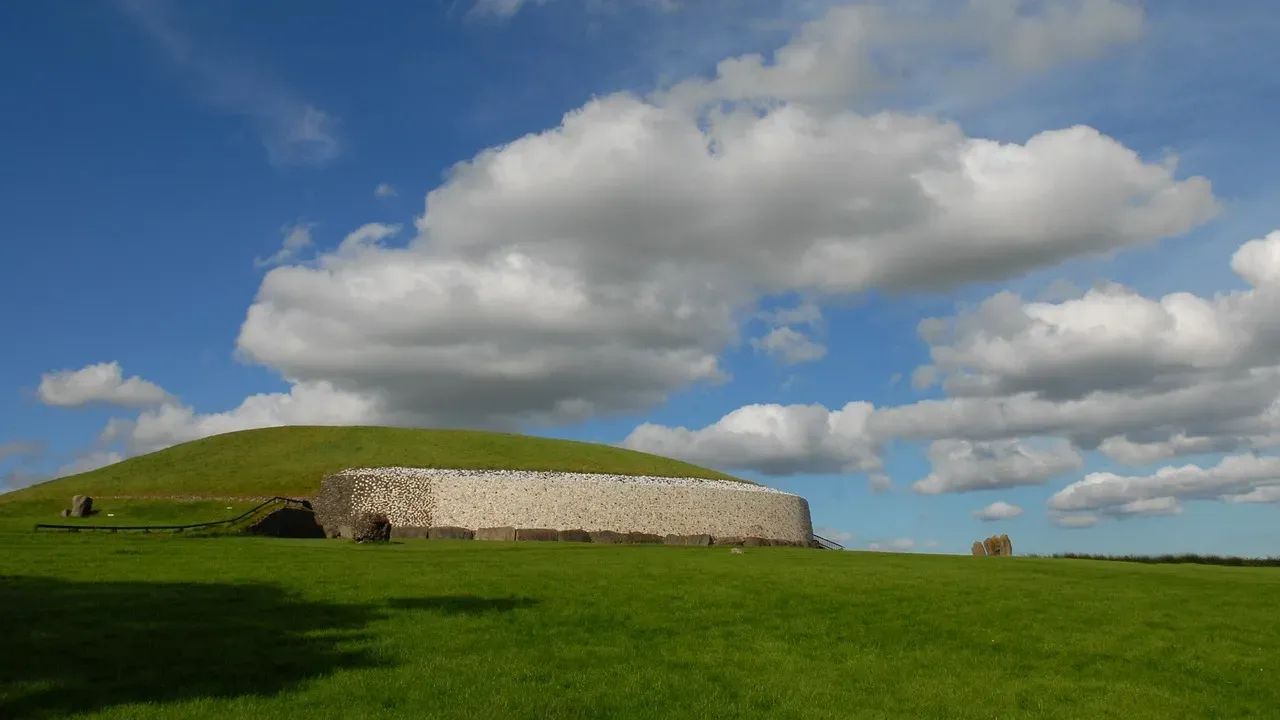
Newgrange is an exceptionally grand passage tomb built during the Neolithic Period around 3100 BC, making it older than Stonehenge and the Egyptian pyramids, consisting of a large circular mound with an inner stone passageway and cruciform chamber. The monument consists of about 200,000 tonnes of material, measuring 85 metres wide at its widest point and 12 metres high, covering 4,500 square metres of ground. The builders didn’t just create an impressive tomb. They engineered a monument aligned with celestial events with remarkable precision.
Once a year at the Winter Solstice, the rising sun shines directly along the long passage, illuminating the inner chamber for approximately 17 minutes through a specially contrived opening known as a roofbox directly above the main entrance. Construction took more than 20 years according to experts, with workers dragging 200,000 tons of loose stones to the mound, digging them from the earth by hand and hauling them 30 miles to the hilltop. Honestly, the dedication required for such a project speaks volumes about the importance these structures held in prehistoric societies.
The Great Pyramid and the Lost River Branch

The Great Pyramid of Giza was built around 2560 BCE during the reign of Pharaoh Khufu from over 2 million limestone blocks, some weighing several tons. Let’s be real, this is probably the most famous ancient structure in the world. Recent discoveries have shed new light on how the Egyptians accomplished this monumental task.
A study published in May 2024 mapped an extinct branch of the Nile, the Ahramat Branch, which once flowed near the Great Pyramid, using satellite imaging and sediment core analysis to reveal that the 64-kilometre waterway about half a kilometre wide with a depth of at least 25 metres was crucial for transporting materials and labor. A new study by Simon Andreas Scheuring proposes that the Great Pyramid was not built using massive ramps and brute labor but instead constructed from the inside out using internal pulley-like systems and sliding counterweights, introducing the radical idea that the Great Pyramid itself was a machine designed to lift and place its own building blocks. This challenges everything we thought we knew about pyramid construction.
Desert Kites and the Earliest Architectural Blueprints
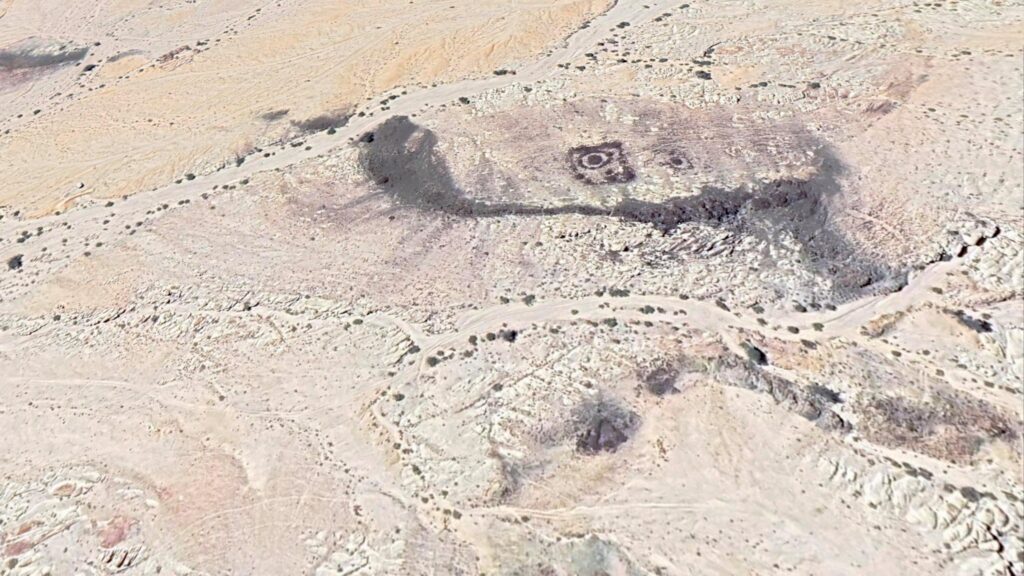
Archaeologists have unearthed ancient stone engravings of vast animal traps in Jordan and Saudi Arabia that are possibly the earliest blueprints ever discovered. These desert kites were used as animal traps placed along migration routes to ensnare herds of gazelle, antelope, and other game beasts, consisting of rock and dirt walls up to 5 kilometers long that don’t look like much from ground level but appear as a colossal pattern when viewed from above.
The ability to transpose large space onto a small two-dimensional surface represents a milestone in intelligent behavior. Given their scale, it was previously unclear how prehistoric humans designed and created the structures without seeing them from the air. The discovery of these ancient plans proves that prehistoric builders possessed abstract thinking capabilities far more advanced than previously believed. They could conceptualize massive landscape-scale projects and communicate those plans to others.
The Blinkerwall: Europe’s Submerged Stone Wall
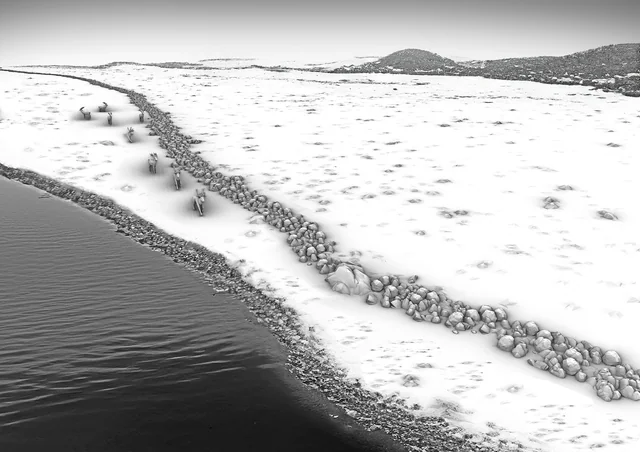
Archaeologists identified what may be Europe’s oldest human-made megastructure, the Blinkerwall, submerged 21 meters below the Baltic Sea, a continuous low wall made from over 1,500 granite stones running for almost a kilometer, constructed by Palaeolithic people between 11,700 and 9,900 years ago, probably as an aid for hunting reindeer. This structure tells us something remarkable about Stone Age societies.
The Blinkerwall adds a new element to understanding the highly skilled and specialized hunting strategies engineered by people at the end of the last glacial period, strategies that have continued to be used in different landscapes for millennia. In game drive hunting strategy, hunters use landscape and built features to gain an advantage over their prey by directing its movements to a location where they are more vulnerable to attack by other hunters. These ancient builders weren’t just constructing monuments for ritual purposes. They were engineering functional tools to improve their survival.
Saksaywaman and the Puzzle of Interlocking Stones
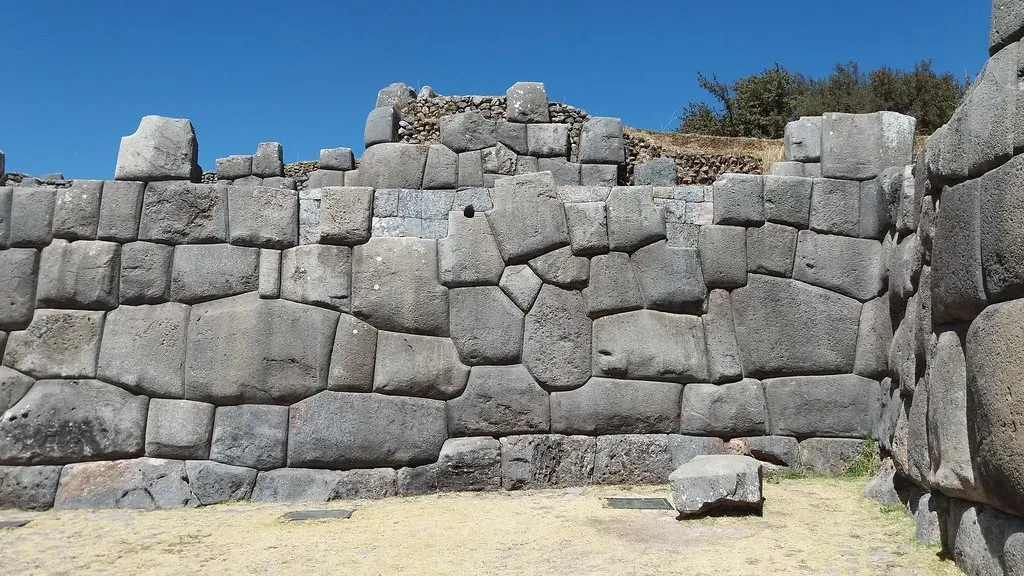
The skill required to build Saksaywaman is impressive even by today’s standards because the stone boulders are so precisely interconnected that it is virtually impossible to push even something as thin as a piece of paper between them, and the boulders were excavated from a quarry located three kilometers away using an unknown transportation system, with the largest tipping the scales at about 120 tons. I know it sounds crazy, but this level of precision challenges everything we assume about Stone Age technology.
The stone structure outside Cusco, Peru was completed in the 16th century. The ancient civilization responsible for this construction also built an aqueduct and road system linking Saksaywaman and Lake Cochapata, with Cusco being the capital of the Incan empire. The engineering knowledge required to create such tightly fitting megalithic structures without mortar demonstrates an understanding of stone properties and construction techniques that modern engineers still struggle to replicate.
The Underground Marvel of Lalibela’s Rock Churches
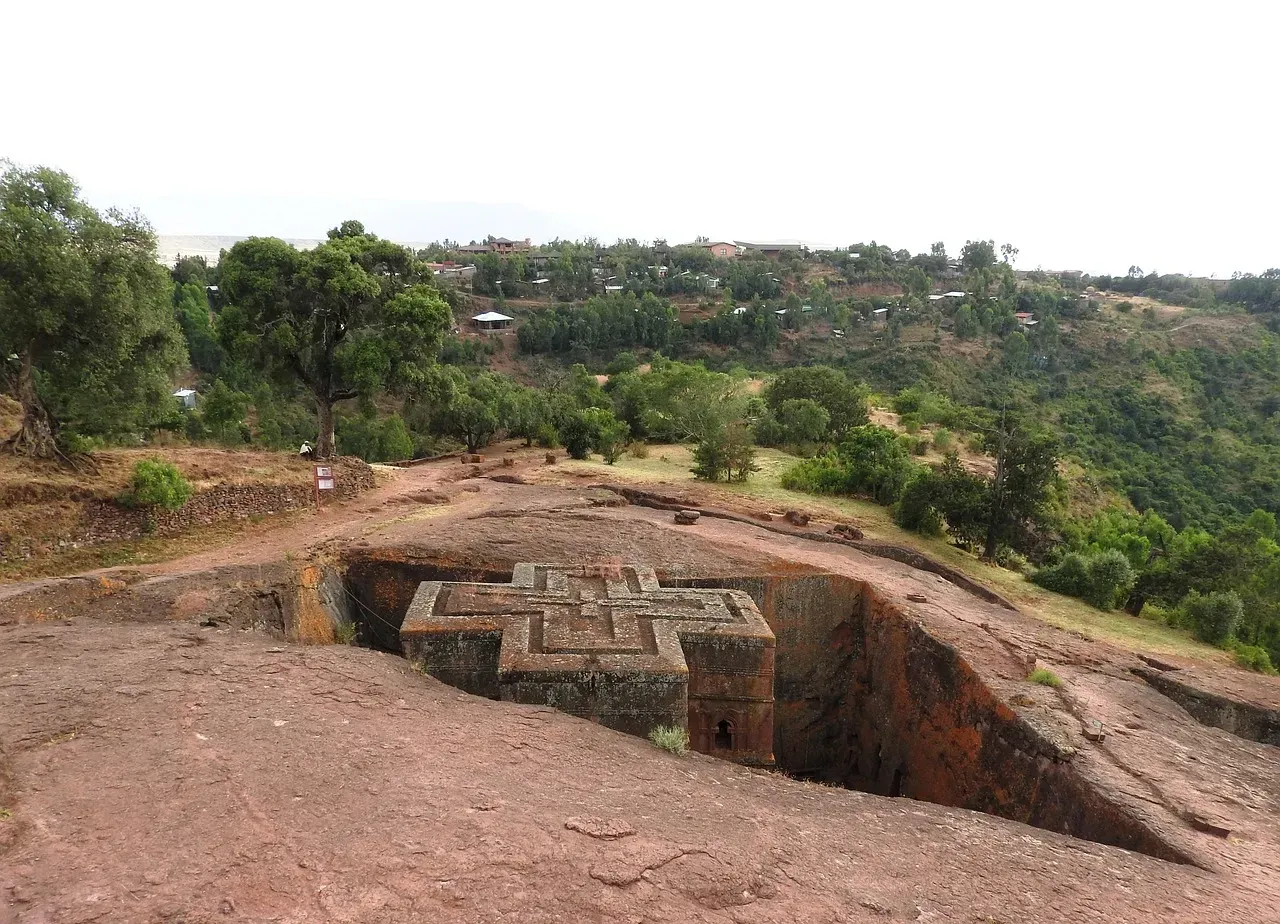
The underground churches of Lalibela in Ethiopia are engineering marvels completed sometime during the 12th and 13th centuries, with all eleven underground churches carved from a single rock to accommodate Ethiopian Orthodox Church worshippers and pilgrims. Here’s the thing: these aren’t just buildings. They’re entire religious complexes carved downward into solid rock.
The people who carved these rock churches also tapped natural aquifers located deep underground without modern drilling and underground water detection tools. Think about the planning involved. You can’t make mistakes when carving downward. There’s no way to add material back if you remove too much. The builders had to visualize the entire finished structure in their minds before they began, then execute it flawlessly. This required incredible spatial reasoning and confidence in their engineering calculations.
Lost Knowledge and Forgotten Techniques
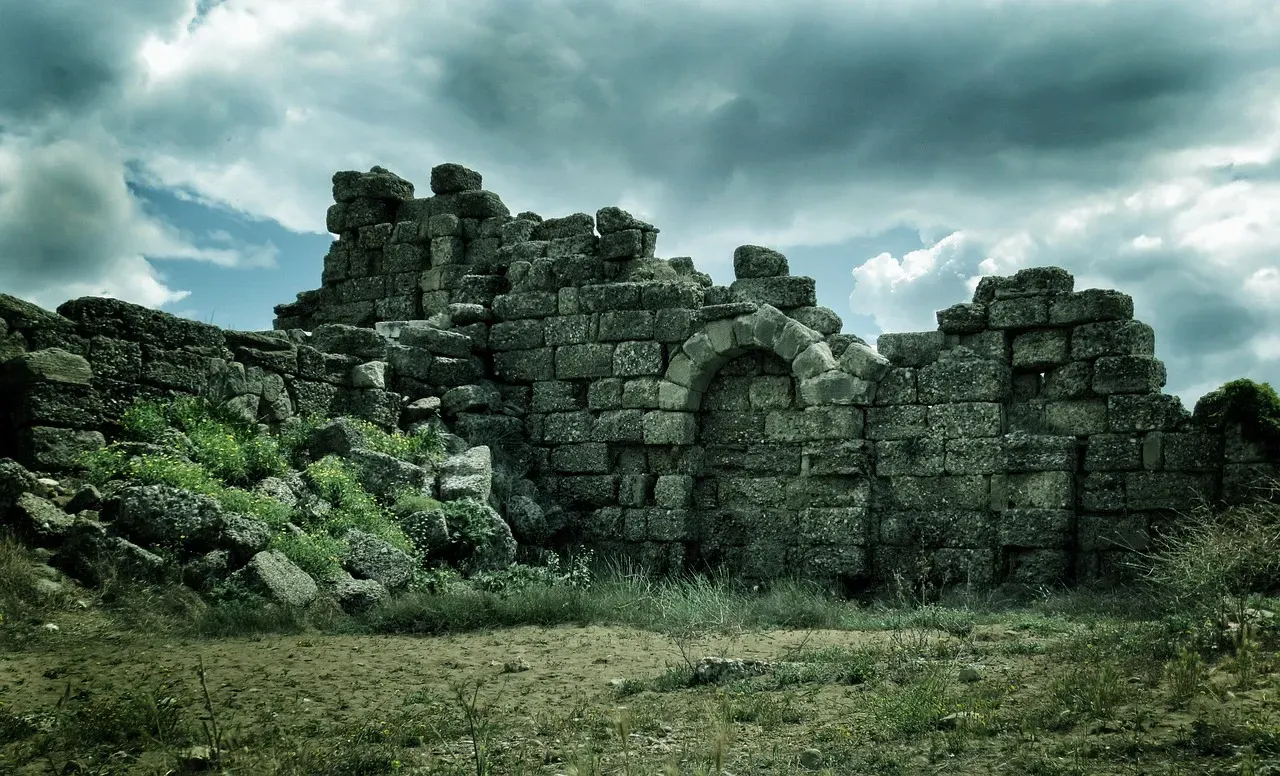
Some ancient civilizations were highly advanced and capable of spectacular engineering accomplishments, with many building architectural wonders using construction expertise that has stumped civil engineers and historians until recent years, leaving structural marvels that have stumped modern mechanical and civil engineering experts up to present day. It’s hard to say for sure, but we may have lost more knowledge than we realize.
With every new excavation season at Göbekli Tepe, fresh anomalies appear, including subtle differences in material composition, unexplained construction techniques, and patterns in the layout that hint at knowledge we don’t fully understand, forcing us to confront the possibility that our ancestors may have been far more socially and intellectually sophisticated than we ever gave them credit for. Certain landmarks have captured the imagination of modern architects and engineers as they work to solve the mystery of how ancient forebears constructed such beautiful, timeless and revolutionary structures with none of the machines and materials available to modern engineers. The humbling truth is that prehistoric builders achieved things we still can’t fully explain.
The megastructures left behind by prehistoric builders stand as permanent testaments to human ingenuity, determination, and sophisticated planning. These weren’t primitive people stumbling through the Stone Age. They were skilled engineers, astronomers, mathematicians, and organizers who coordinated massive labor forces to create monuments that have outlasted thousands of years of weathering, earthquakes, and human interference. Their achievements challenge our assumptions about technological progress and remind us that intelligence and creativity aren’t dependent on modern tools.
What do you think drove these ancient societies to undertake such monumental projects? Share your thoughts with us.