Imagine sharing your world not with cars and traffic jams, but with thundering herds of giant bison, enormous mammoths stripping tree branches with their trunks, and saber-toothed cats lurking just beyond the firelight. That was daily life for the earliest people to walk the North American continent. It was raw, dangerous, and extraordinary all at once.
The relationship between ancient North American cultures and the megafauna around them was not simply a story of predator and prey. It went deeper, shaping how people moved, ate, built communities, told stories, and understood the sacred. You might be surprised just how profoundly these colossal creatures shaped who those ancient peoples were. Let’s dive in.
A World Shared With Giants: The Ice Age Landscape of North America
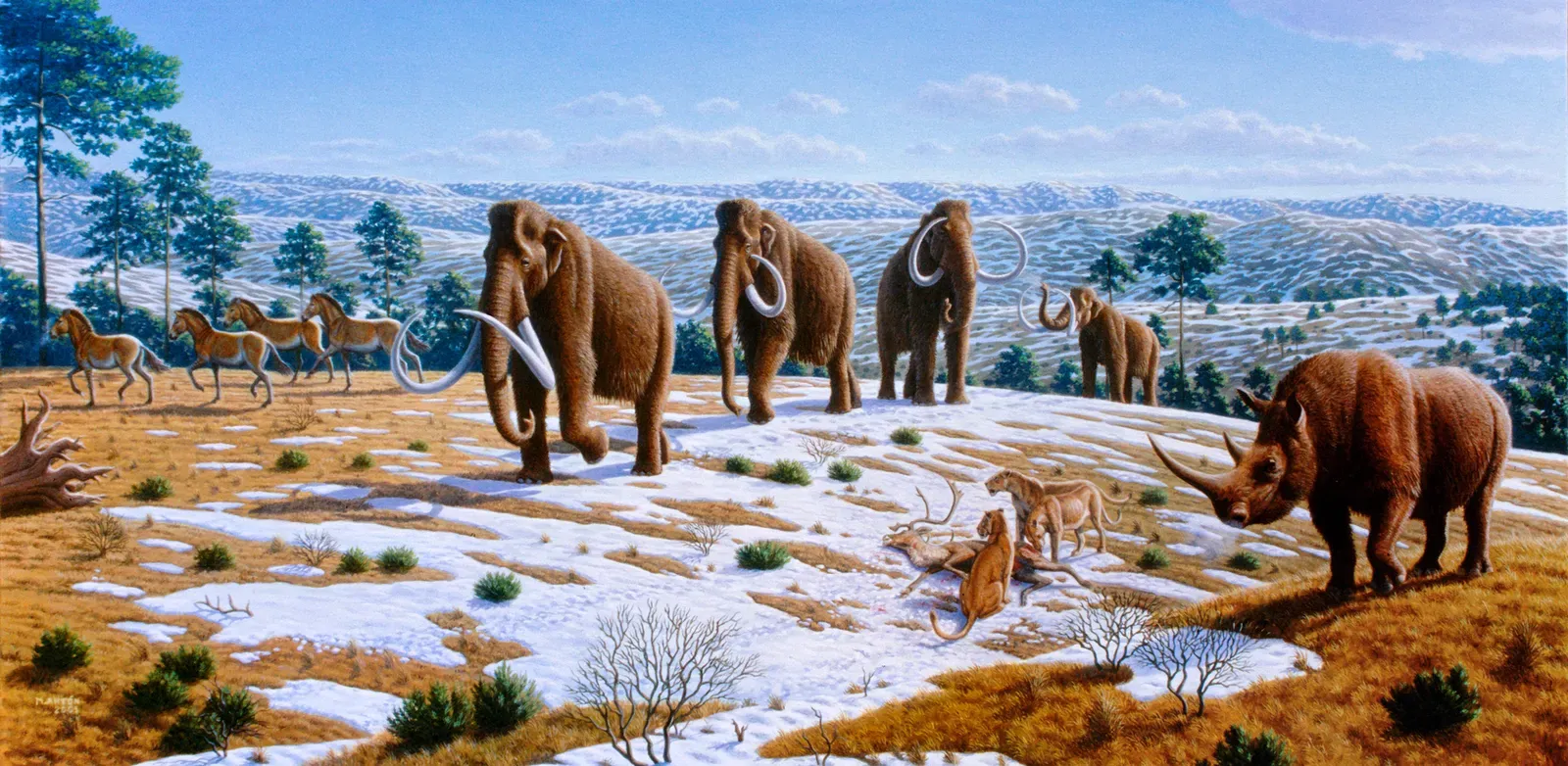
The earliest people who lived in North America shared the landscape with huge animals. On any given day, these hunter-gatherers might encounter a giant, snarling saber-toothed cat ready to pounce, a group of elephantlike mammoths stripping tree branches, or a herd of giant bison stampeding past. If you’re picturing something like a real-life Jurassic Park, you are not entirely wrong. The scale of that world is genuinely hard to wrap your head around.
Mammoths, mastodons, huge bison, horses, camels, very large ground sloths, and giant short-faced bears all roamed the landscape before dying out as the huge continental ice sheets disappeared at the end of the ice age. During the Late Pleistocene, one creature towered over the grasslands of North America – the magnificent Bison latifrons. Known as the largest bison species ever to walk the continent, it stretched up to 4.7 meters in length, standing 2.5 meters at the shoulder, and weighing nearly 2,000 kilograms.
Following the Herds: How Megafauna Shaped Human Migration
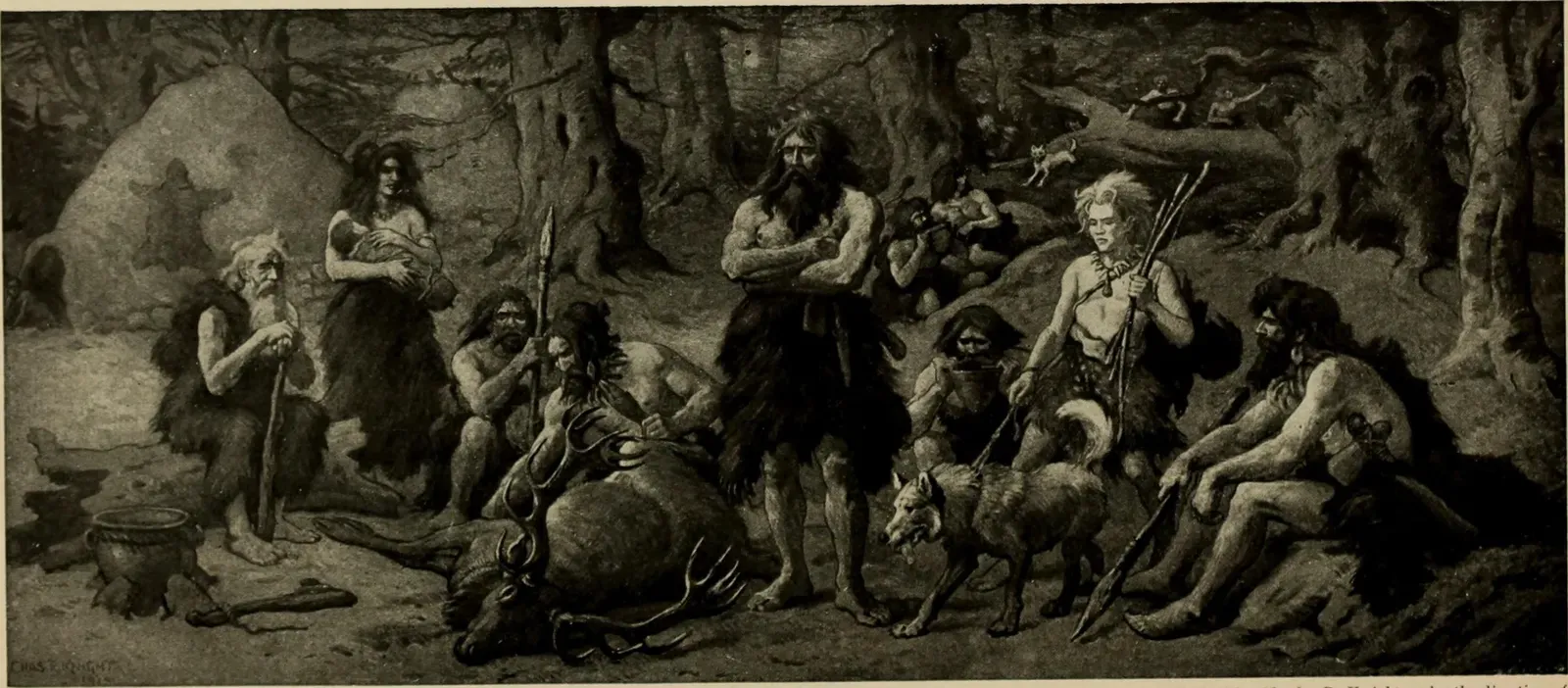
The most generally accepted theory is that ancient Beringians moved when sea levels were significantly lowered due to glaciation, following herds of now-extinct Pleistocene megafauna along ice-free corridors that stretched between the Laurentide and Cordilleran ice sheets. Think about that for a moment. The very reason human beings arrived in North America at all was, in large part, because they were chasing these massive animals across an ancient land bridge. Megafauna literally pulled humanity across a continent.
The earliest human inhabitants of the Great Plains arrived thousands of years ago, following migrating megafauna. The earliest human presence in the Eastern Woodlands also dates back to the Paleo-Indian period, over 10,000 years ago, as nomadic hunter-gatherers followed megafauna across the region. It is a remarkable thing to realize that the map of early human settlement across North America was largely drawn by the movement of animals, not by human choice alone.
The Clovis Culture and the Art of Hunting Giants
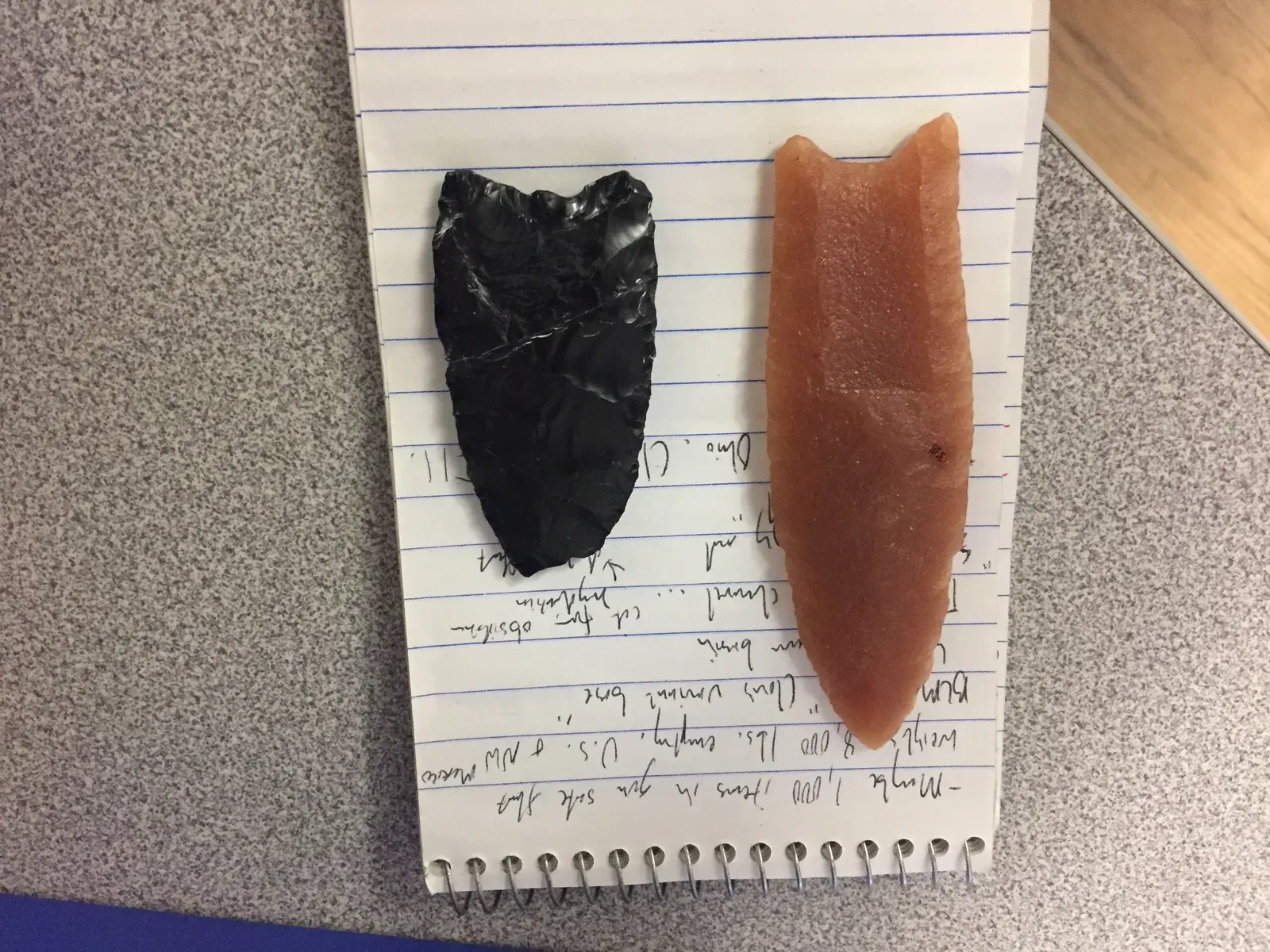
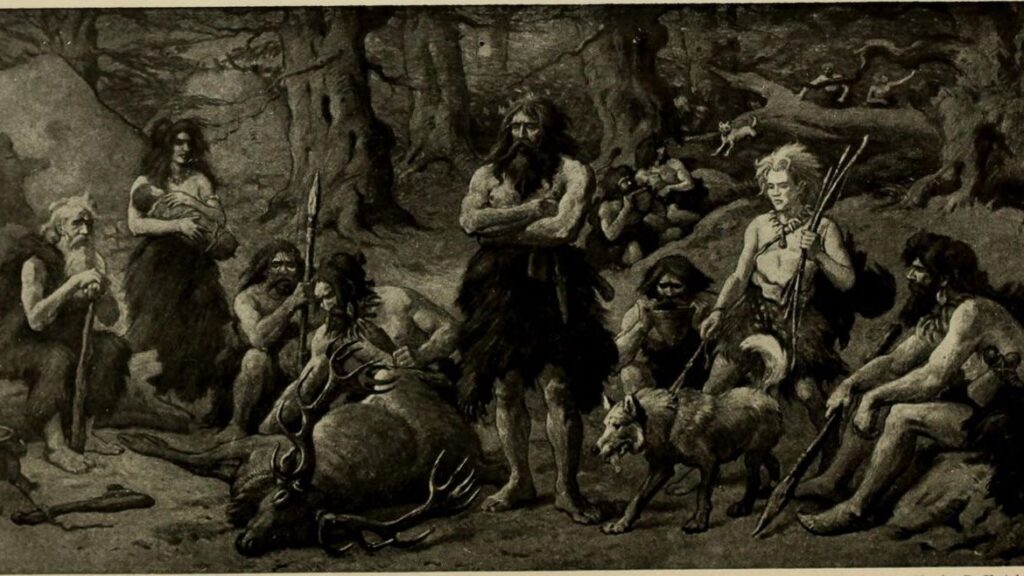
The Clovis culture, known for its distinctive style of stone projectile points, roamed North America between 13,500 and 12,500 years ago, and they have long been viewed as effective hunters who preyed on mammoths, mastodons, bison, and other megafauna of the Ice Age. Clovis peoples had a particularly strong association with mammoths, and to a lesser extent with mastodon, gomphothere, bison, and horse, though they also consumed smaller animals and plants. Honestly, it is staggering to think about the courage – or perhaps the sheer necessity – that it took to go up against a mammoth with a sharpened stone on a stick.
While the dominant narrative and popular culture view Clovis points and tipped spears as throwing weapons, UC Berkeley researchers say these tools may have actually been designed to be braced against the ground as a pike during a confrontation with megafauna. They braced the spear’s butt against the ground, angling the weapon upward to impale charging animals. The immense force of the animal’s movement would drive the spear deeper into its body, creating a devastating wound far more severe than what even the strongest prehistoric hunters could inflict on their own.
Megafauna as a Food System: More Than Just a Meal
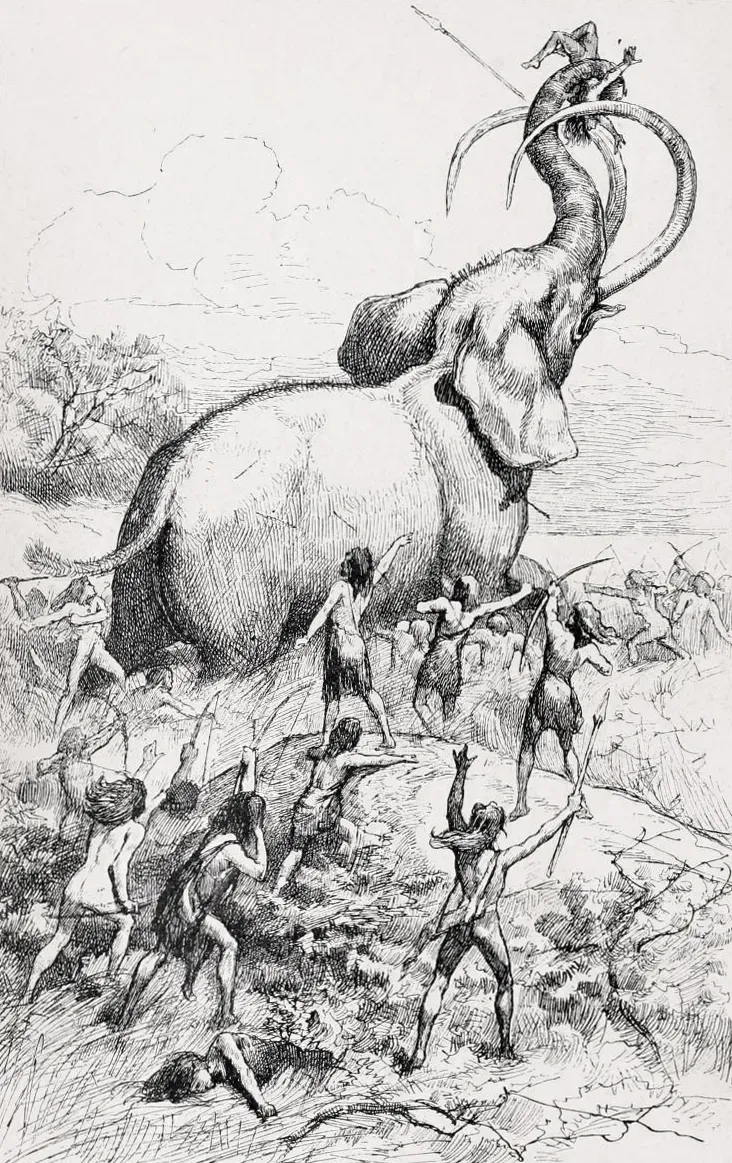
Scientists have uncovered direct evidence that ancient Americans relied primarily on mammoth and other large animals for food, and their research sheds new light on both the rapid expansion of humans throughout the Americas and the extinction of large ice age mammals. Studies found that roughly two in every five calories consumed by some Clovis people came from mammoth, with other large animals like elk and bison making up most of the rest, while small mammals played a very minor role in their diet. That is a level of dependence on a single megafaunal species that is genuinely difficult to imagine today.
Hunting mammoths provided a flexible way of life, allowing the Clovis people to move into new areas without having to rely on smaller, localized game, which could vary significantly from one region to the next. Clovis hunters also apparently hunted extinct types of horse, camel, and bison for their hides, which were much more desirable for making clothing, working the soft hides from these animals with scrapers and knives made from flint or obsidian. These animals were, in every sense, the engine of ancient North American civilization.
Spiritual Bonds: Megafauna in Indigenous Belief and Ceremony
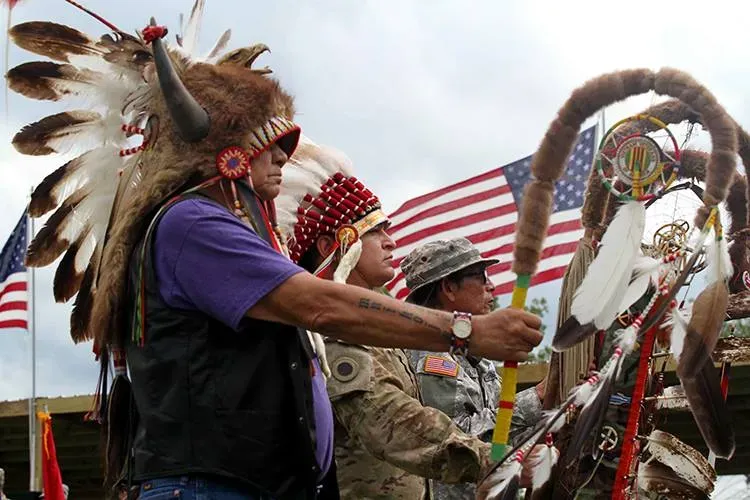
In many Indigenous cultures, animals are imbued with great spiritual significance. Traditional concepts of respect and sharing that form the foundation of the Aboriginal way of life are built around natural laws, with each teaching honoring one of the basic virtues intrinsic to a full and healthy life. Each law is embodied by an animal, underscoring the point that all actions and decisions made by human beings are manifest on a physical plane, and the animal world taught people how to live close to the earth. This is not a metaphor to these cultures. It is a literal cosmological truth.
As one of the most important life sources for the Plains tribes, the American buffalo, or bison, is a sacred and strong giver of life, with their horns and hides used as sacred regalia during ceremony. The bison is also tied to creation, medicine, and the bearing of sacred messages from ancestors. Hunting the buffalo was a communal activity, often guided by spiritual rituals and strict rules to ensure sustainability. Let’s be real – these were not just hunting regulations. They were acts of worship.
Carved in Stone and Bone: Megafauna in Ancient North American Art
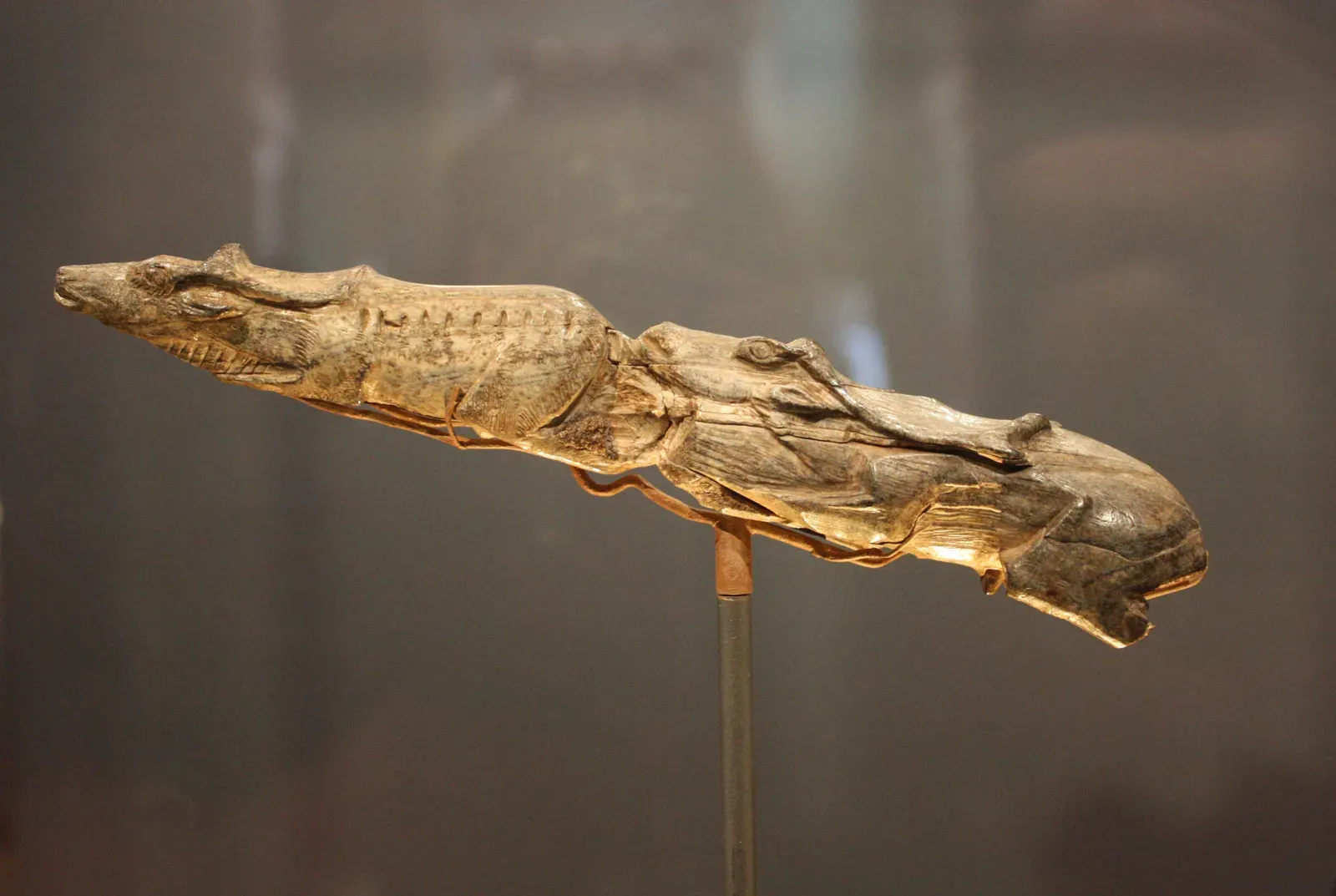
The oldest known art in the Americas is a fossilized megafauna bone, possibly from a mammoth, carved with a profile of a walking mammoth or mastodon that dates back to approximately 11,000 BCE. The bone was found near Vero Beach, Florida, in an area where human bones had been found in association with extinct Pleistocene animals. The anatomical correctness of the carving and the heavy mineralization of the bone indicate that the carving was made while mammoths and mastodons still lived in the area, more than 10,000 years ago. In other words, someone looked at a living mammoth and decided to honor it in art. That is a profoundly human impulse.
Columbian mammoth and bison rock engravings have been found at the Upper Sand Island rock art site at the San Juan River in Utah, with the engravings showing rock varnish and wear indicating they are from the end of the ice age, as well as anatomical details not commonly known to the public. The rock engravings date to roughly 13,000 to 11,000 years ago. Megafauna paintings have accompanied the earliest archaeological contexts across the continents, revealing a fundamental inter-relationship between early humans and megafauna during the global human expansion as unfamiliar landscapes were humanized and identities built into new territories.
Ecological Stewardship and the Legacy of the Human-Megafauna Bond
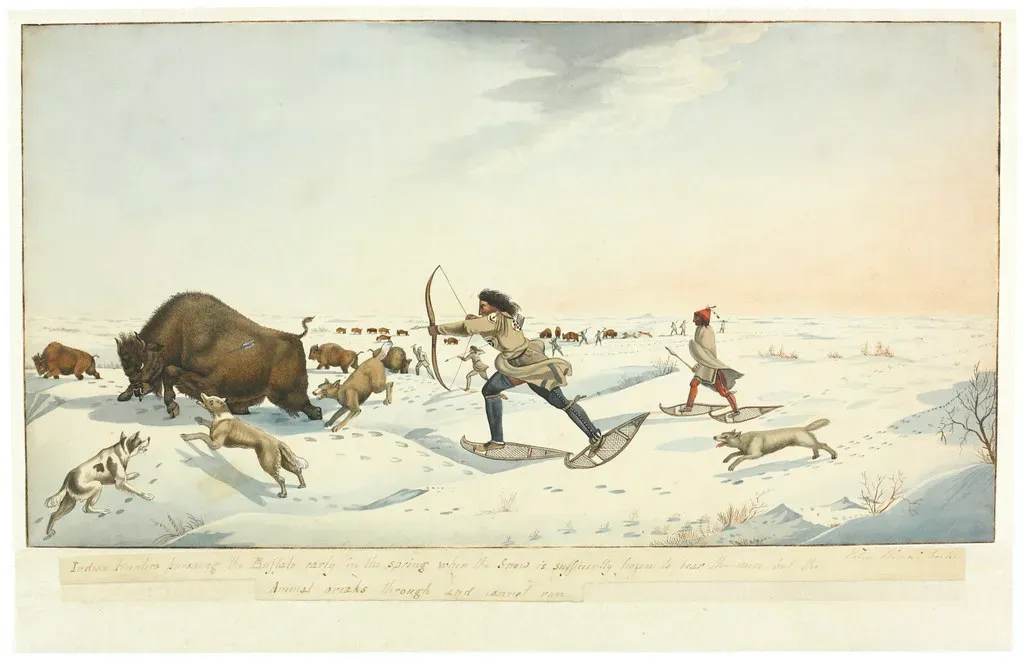
Indigenous peoples’ spiritual connection to nature, their view of humans as part of nature, and their traditional knowledge of the ecological dynamics going on in their lands all worked together to protect the animals found on their lands. For many Indigenous peoples, the natural world is not viewed as a separate entity but as one interconnected aspect of the whole, and this interconnectedness equates to a moral responsibility to care for, live in harmony with, and respect the natural world. That philosophy, honestly, sounds more sophisticated than much of what passes for environmental policy today.
While studies do not prove humans were solely responsible for megafauna extinctions, they do show that early Paleoindians across the continent likely hunted or scavenged these animals at least occasionally, and the results also indicate that ancient mammoths, mastodons, and horses were around when Clovis people were there, only a few hundred years before these animals’ eventual extinction in North America. Bison are one of the few large Pleistocene mammals that survived the wave of megafauna extinctions at the end of the last ice age – while mammoths, giant ground sloths, and saber-toothed cats all disappeared, bison persisted and thrived. The survival of bison, in many ways, kept the deep human-megafauna bond alive well into modern Indigenous history.
Conclusion
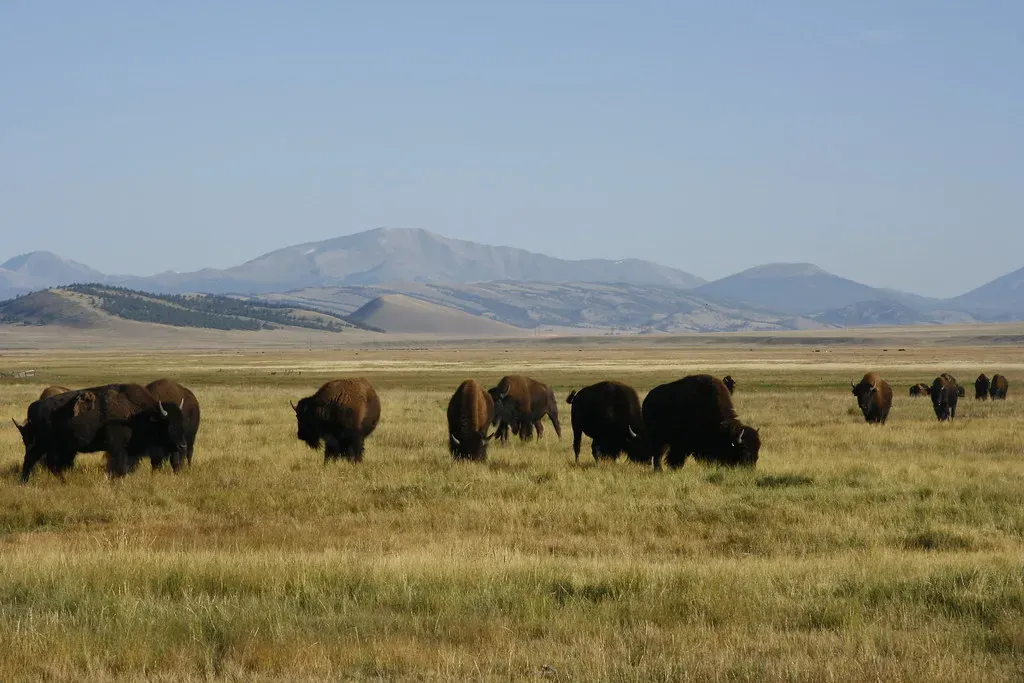
The story of ancient North American cultures and their megafauna is not simply one of hunters and hunted. It is a story about identity, spirituality, innovation, and survival woven together across tens of thousands of years. These people did not just live beside these massive creatures. They built their entire world around them, and in doing so, created cultures of extraordinary depth and ingenuity.
When the last of the great megafauna vanished, it was not just an ecological shift. For these cultures, it was also the disappearance of a teacher, a spirit, a food source, an artistic muse, and a sacred partner in life. The echo of that bond still lives on in Indigenous traditions, ceremonies, and oral histories that persist to this day. So the next time you see a modern bison grazing on a wide open plain, consider that you are looking at a thread connecting us to a world almost unimaginably ancient. What does it tell you about how deeply nature and humanity are truly intertwined?