You might think you’ve seen strange creatures before, especially if you’re into modern ocean life. Honestly, though, nothing quite compares to what used to roam the ancient seas millions of years ago. These weren’t just big fish or oversized versions of what we know today. They were something else entirely.
The ancient oceans were home to creatures so alien, so utterly bizarre, that scientists initially struggled to even identify what they were looking at when fossils first surfaced. We’re talking about predators with circular saws for jaws, gentle giants with necks longer than their entire bodies, and armored fish that could bite through bone. Let’s dive in and explore what made these creatures rulers of their watery kingdoms.
The Cambrian Explosion: When Weird Became the Norm
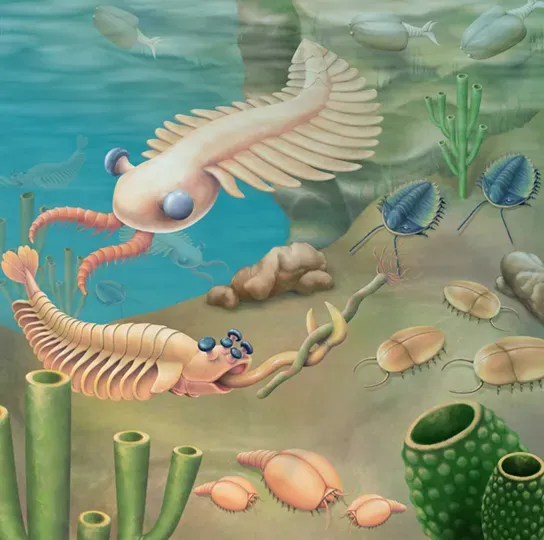
The Cambrian period occurred approximately 542 to 488 million years ago and included the biggest evolutionary explosion in Earth’s history. Imagine an ocean where almost nothing existed beyond simple organisms, and then suddenly, within a geological blink of an eye, complex life forms burst onto the scene. This happened due to a combination of a warming climate, more oxygen in the ocean, and the creation of extensive shallow-water marine habitats, creating an environment ideal for the proliferation of new types of animals.
The world’s first predators took to scanning the seabed from above or hiding in the sediments of the seafloor as disguised ambushers. It was during this time that shells became common as a defense mechanism against these emerging hunters. Life was no longer peaceful and passive. Competition and predation had arrived, and with it came an arms race that would shape ocean ecosystems for hundreds of millions of years to come.
Anomalocaris: The Unusual Shrimp That Wasn’t
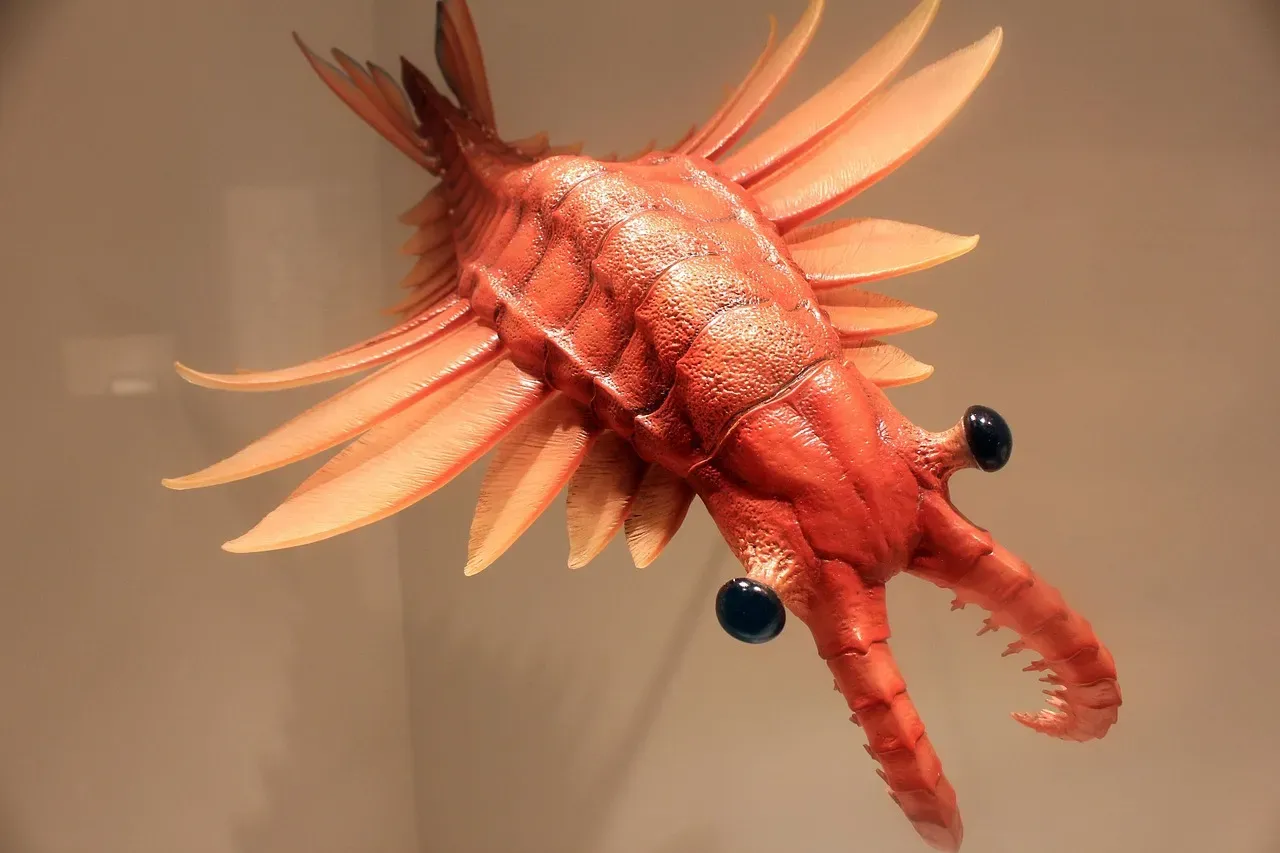
Anomalocaris is an extinct genus of radiodont, an order of early-diverging stem-group marine arthropods, best known from the type species found in the Burgess Shale of British Columbia, Canada. Its name literally means “unlike other shrimp,” and boy, is that an understatement. When scientists first discovered parts of this creature, they were so confused they thought the different body parts belonged to separate animals entirely.
While at around 60 centimetres long Anomalocaris was small by today’s standard, when it was swimming the oceans it was relatively massive, cruising the waters before snatching anything too slow with a pair of long, spiked arm-like structures. Recent research suggests this Cambrian predator probably preferred soft-bodied prey rather than crunching through hard-shelled trilobites as once believed. Think of it as a speed demon built for quick strikes, not a tank built for breaking armor.
Trilobites: The Armored Survivors

These creatures deserve their own spotlight because they were everywhere. Arthropods were by far the most dominant animals in the ocean, but trilobites were only a minor part of the total arthropod diversity, though they appeared abundant because their heavy armor reinforced by calcium carbonate fossilized far more easily than the fragile chitinous exoskeletons of other arthropods.
Trilobites lived for roughly 270 million years, which is an absolutely mind-boggling stretch of time when you consider humans have only been around for a tiny fraction of that. Paleontologists believe that trilobites vanished during the Permian-Triassic extinction event, probably caused by significant changes in the environment, such as global warming, ocean acidification, and changes in the chemical composition of oceans. They were survivors until the planet itself turned against them.
Helicoprion: The Buzz Saw Nightmare
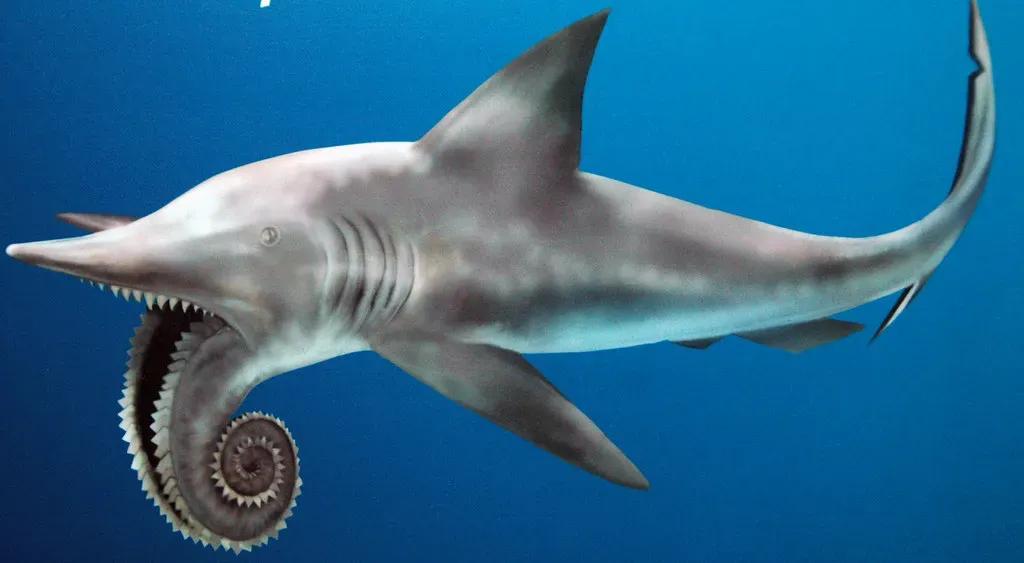
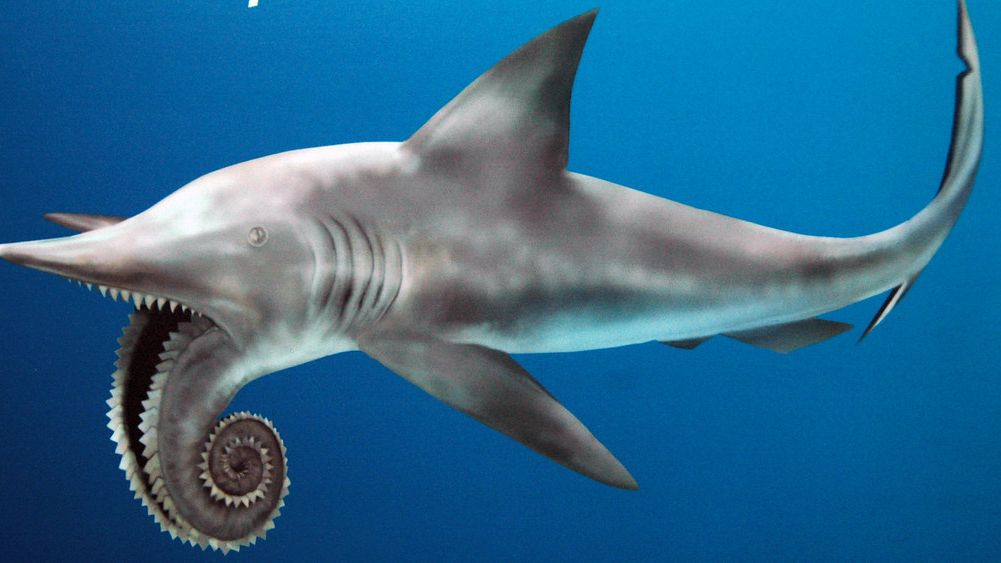
Here’s where things get truly bizarre. Helicoprion lived during the Permian from 290 to 270 million years ago and were truly cosmopolitan, inhabiting oceans across the world, evidenced by the fact that we’ve found their tooth whorls everywhere from Western Australia to Norway. The most distinctive feature? A circular whorl of teeth that scientists initially couldn’t figure out where to place on the body.
A specimen of the saw located in Idaho in 1950 included some cranial cartridge, indicating that it probably sat inside the Helicoprion’s mouth, though there’s little agreement about just where the saw would have been located, with some saying it served as a tongue. Let’s be real, this is one of those creatures that looks like nature was experimenting just to see what would happen.
Dunkleosteus: The Devonian Dominator
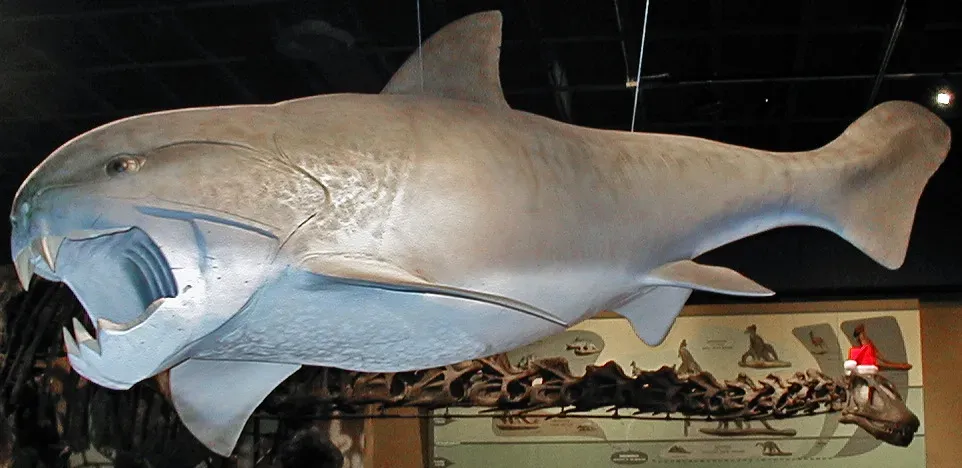
Dunkleosteus is an extinct genus of large arthrodire fish that existed during the Late Devonian period, about 382 to 358 million years ago, and was a pelagic fish inhabiting open waters and one of the first vertebrate apex predators of any ecosystem. This wasn’t your typical fish. This 14-foot armored fish ruled the Late Devonian seas with razor-sharp bone blades instead of teeth, making it among the largest and most ferocious arthrodires.
What made Dunkleosteus particularly terrifying was its bite force. Scientists estimate that Dunkleosteus’ bite force reached 8,000 pounds per square inch, stronger than that of modern crocodiles and some species of sharks, enabling it to tackle a variety of prey, from armored fish to early sharks and cephalopods. Fossil evidence even suggests cannibalistic tendencies. This creature didn’t discriminate when it came to dinner.
Ichthyosaurs: The Dolphin Mimics
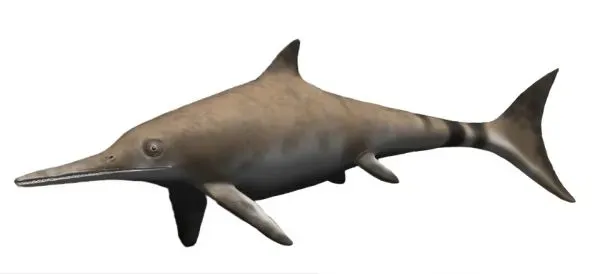
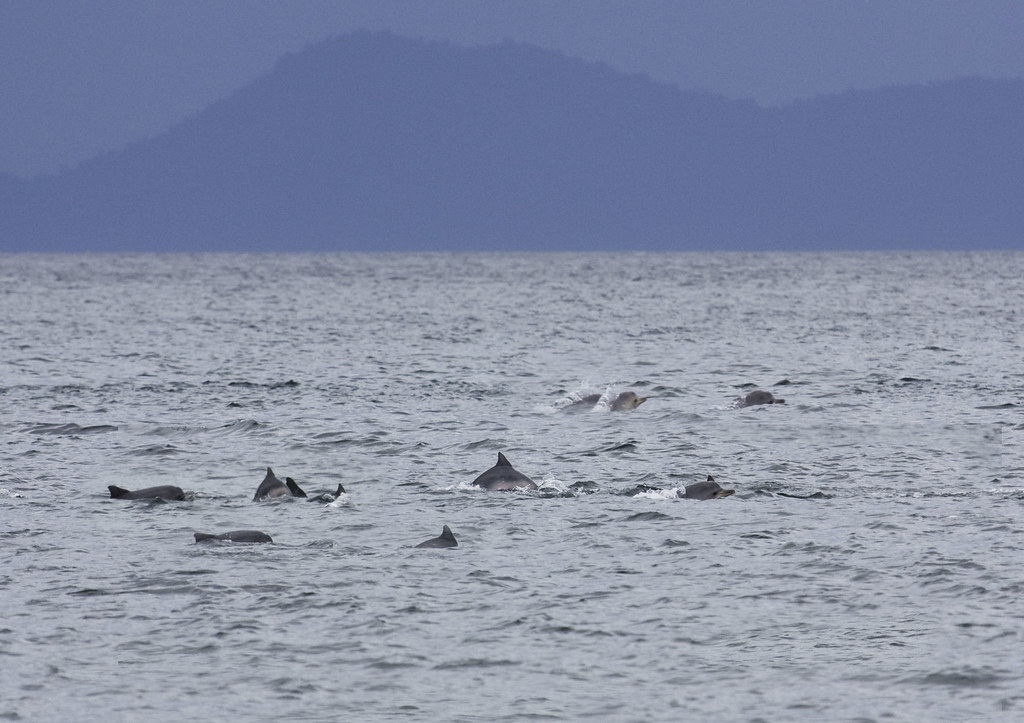
Ichthyosaurs evolved around 250 million years ago and went extinct around 90 million years ago, and while there were ichthyosaur species as small as 1 foot long, the group was home to several giants in the late Triassic period. Their resemblance to modern dolphins is a perfect example of convergent evolution, where completely unrelated animals develop similar body shapes because they occupy similar ecological niches.
In 2018, researchers estimated that a fossilized jawbone from the U.K. belonged to an ichthyosaur that was more than 85 feet long, which is nearly the size of a blue whale. Imagine swimming in an ocean where dolphin-shaped reptiles the size of blue whales cruised past you. These were creatures built for speed and efficiency in the open ocean.
Plesiosaurs and Pliosaurs: Necks for Days and Heads for Destruction
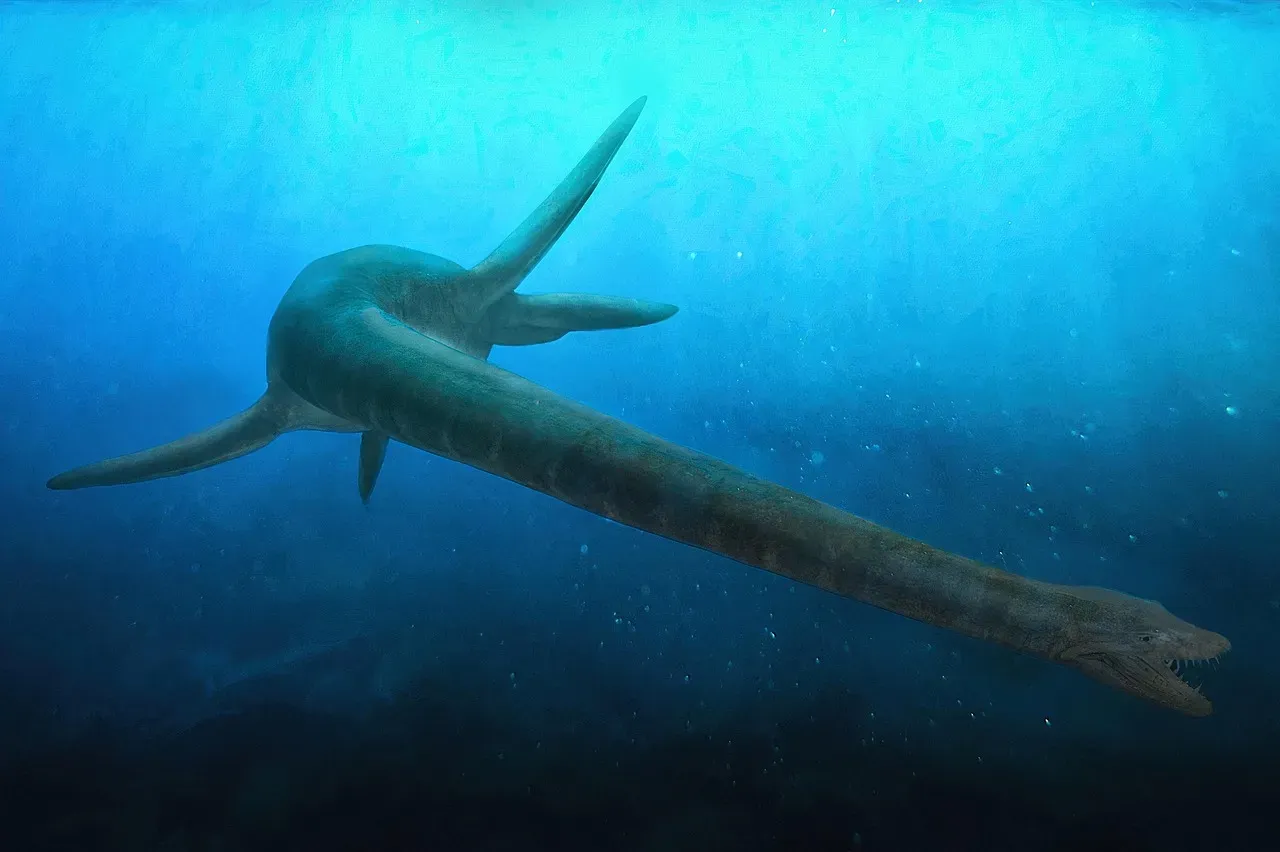
The Plesiosauria or plesiosaurs are an order or clade of extinct Mesozoic marine reptiles, first appearing in the latest Triassic Period, possibly in the Rhaetian stage, about 203 million years ago. This group splits into two fascinating body plans. Some had incredibly long necks and small heads, looking eerily like the popular depictions of the Loch Ness Monster.
The thalassophonean pliosaurs looked like a cross between a crocodile and a whale, with short necks, huge heads, large paddle-shaped flippers, and powerful hydrodynamic bodies, reaching lengths of more than 11 meters and ruling the world’s oceans as apex predators for more than 80 million years. The pliosaurs were the heavyweight champions, built for power and devastation rather than elegant hunting.
Mosasaurs: The Final Marine Reptile Dynasty
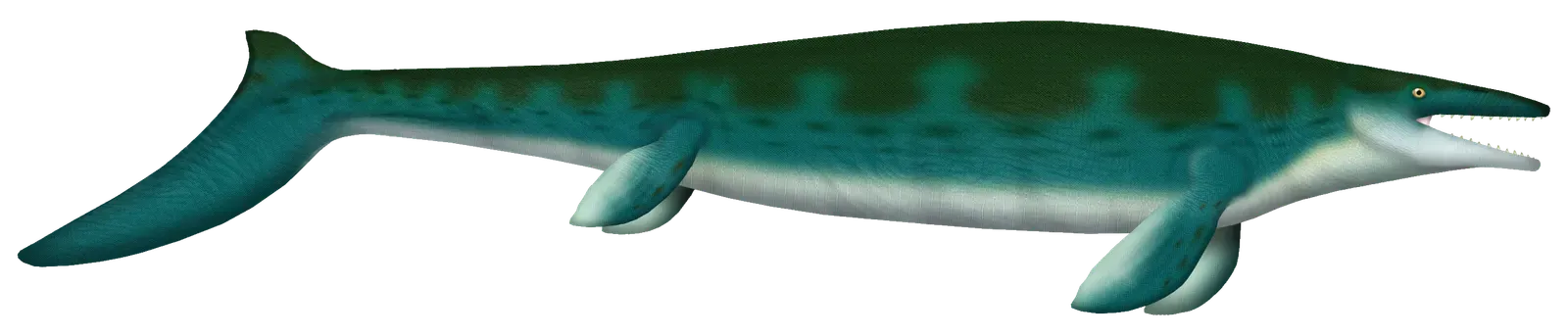
Mosasaurus is the type genus of the Mosasauridae, an extinct group of aquatic squamate reptiles that lived from about 82 to 66 million years ago during the Campanian and Maastrichtian stages of the Late Cretaceous. These were essentially gigantic marine lizards, related to modern monitor lizards and snakes. The Mosasaurus ruled the ocean during the Cretaceous period and are closely related to snakes or monitor lizards we see today, fast in the water with powerful tails that propelled them and small flippers that allowed them to easily maneuver to find their prey.
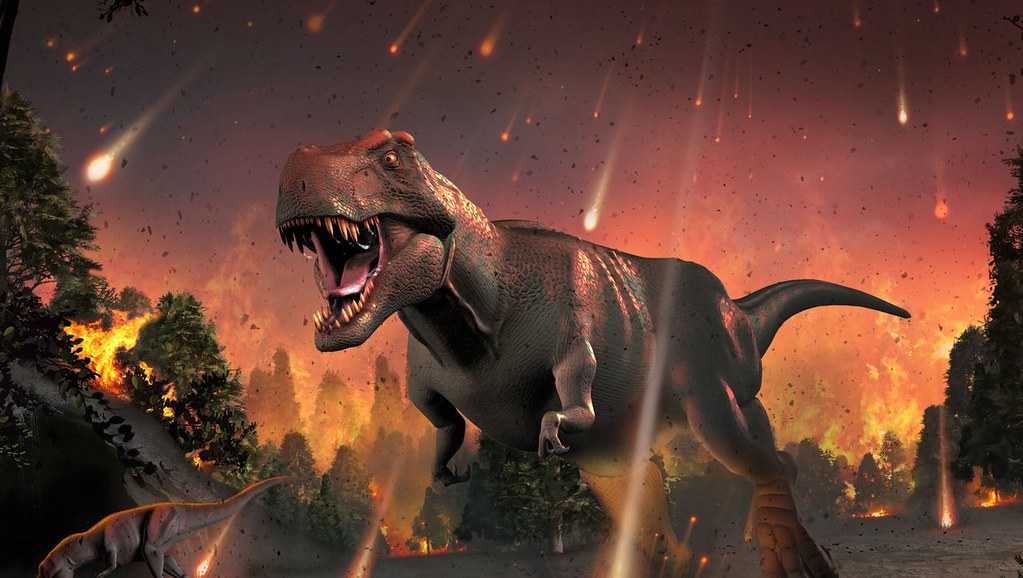
Mosasaurus was a common large predator in these oceans and was positioned at the top of the food chain, and paleontologists believe its diet would have included virtually any animal, likely preying on bony fish, sharks, cephalopods, birds, and other marine reptiles including sea turtles and other mosasaurs. They were the last great marine reptile rulers before the extinction event that ended the age of dinosaurs wiped them out completely. These creatures represent the final chapter in a 185-million-year saga of marine reptile dominance.
Conclusion
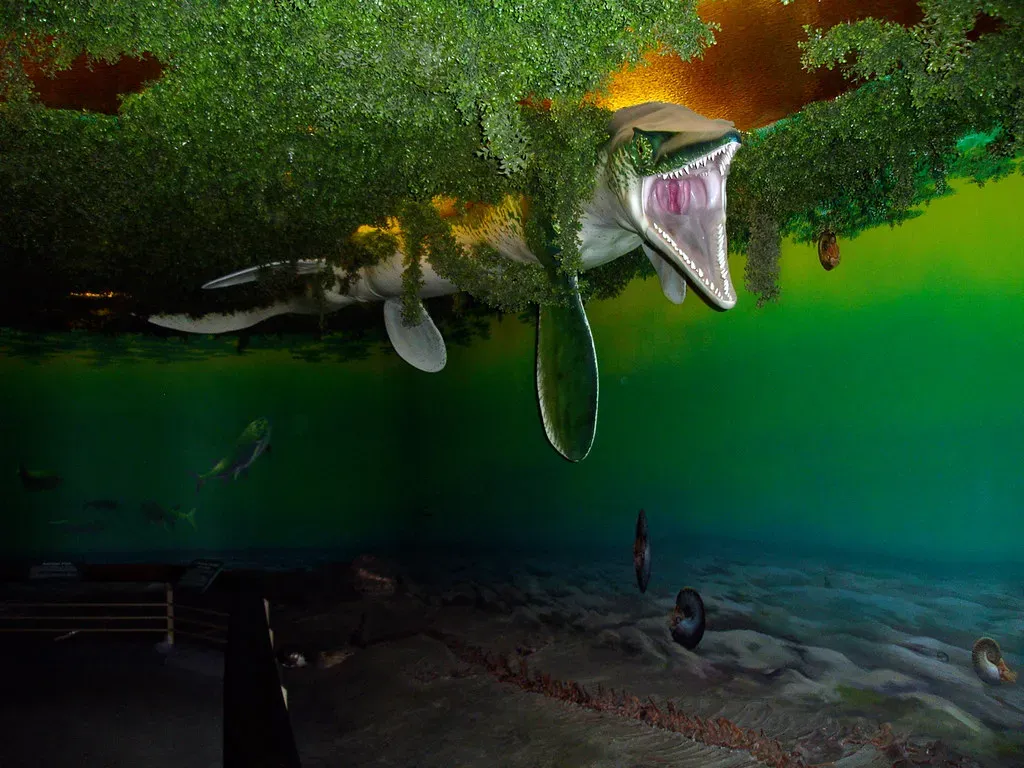
The ancient oceans were theaters of evolutionary experimentation on a scale we can barely comprehend today. From the tiny but fierce predators of the Cambrian to the whale-sized reptilian hunters of the Cretaceous, these creatures ruled their domains with adaptations that seem almost fantastical. The fossil record continues to surprise us, with new discoveries constantly reshaping our understanding of what life was like beneath the waves millions of years ago.
Here’s the thing. These creatures aren’t just cool facts from a distant past. They’re reminders of how dynamic and ever-changing life on Earth truly is. What’s swimming in our oceans today is just the latest chapter in an ongoing story that spans hundreds of millions of years. Did you expect that the oceans once held creatures stranger than anything in our wildest imagination? Share your thoughts in the comments.