Imagine a world where the most fearsome creatures on Earth weren’t just surviving, they were engineering entire ecosystems through sheer predatory power. Long before humans built cities or drew maps, the planet was organized around one relentless truth: who hunted, and how. The strategies these ancient killers developed didn’t just feed them. They sculpted landscapes, drove evolution, and determined which species lived and which were erased forever.
You might think of prehistoric predators as simple brutes, all muscle and teeth and nothing else. Honestly, that couldn’t be further from the truth. What the fossil record reveals is something far more fascinating: a richly complex theater of ambush tactics, pack coordination, ecological dominance, and biological innovation that still echoes in the natural world today. Let’s dive in.
The First Apex Killers: When Predation Was Brand New
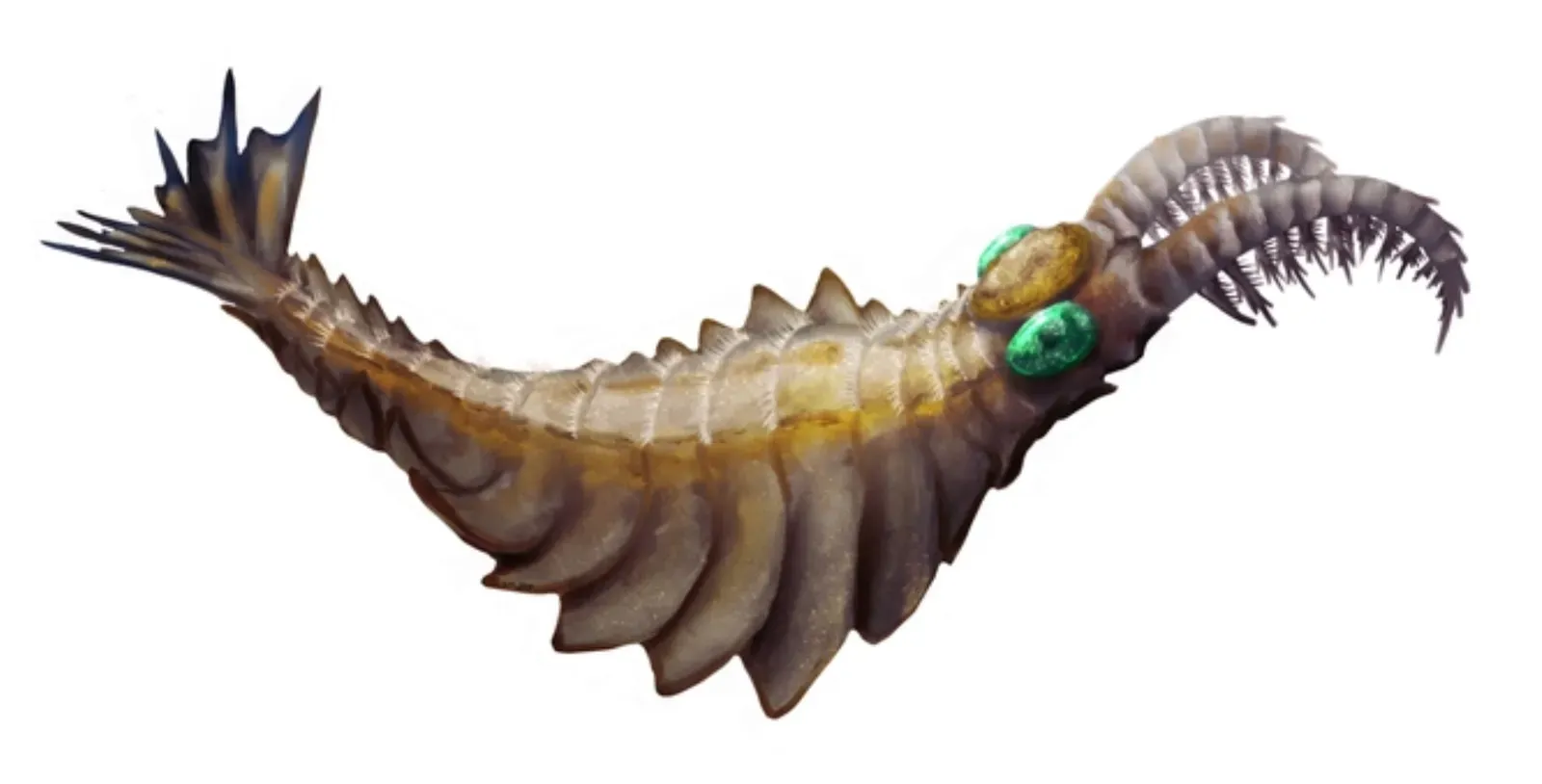
Think about it this way: everything that ever lived in an apex predator’s shadow owes something to those very first hunters. Apex predators have a long evolutionary history, dating at least to the Cambrian period, when animals such as Anomalocaris and Timorebestia dominated the seas. These were not creatures of instinct alone. They were, in a sense, the original architects of the food web. Long before the dinosaurs, before the saber-tooths, and long before you, something was already at the top of the chain.
Anomalocaris canadensis reigned roughly 500 million years ago, and with a body as long as a housecat, it was among the largest creatures of the Cambrian period. Let that sink in. This tiny, bizarre creature with spiny facial appendages was the apex predator of its age. The evidence suggests Anomalocaris was best suited for chasing soft creatures swimming through the water and snagging them in its spiky clutches, and even the earliest predators may have been specialized hunters. Specialization. Right from the very start.
Dunkleosteus: The Guillotine-Jawed Terror of the Devonian Seas
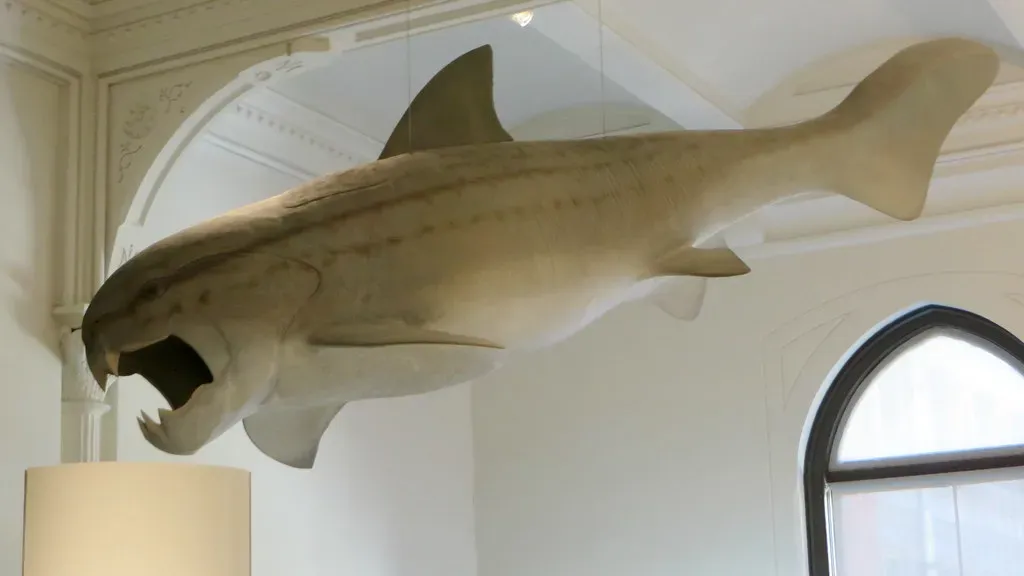
Around 360 million years ago, a 14-foot armored fish with razor-sharp bone blades for jaws ruled the Late Devonian seas with relentless efficiency, a true apex predator that would have been the terror of its underwater world. You’ve seen scary fish in movies. None of them come close to what this animal actually was. Dunkleosteus is widely considered to be the world’s first pelagic super predator, occupying a niche that’s now ruled by great white sharks and orcas.
Dunkleosteus lacked proper teeth; instead it had two pairs of long, bony blades that protruded from its upper and lower jaws, creating a cutting apparatus that crudely resembled a guillotine, capable of biting down at a force of 80,000 psi. Here’s the thing though: its hunting strategy was as terrifying as its anatomy. Researchers estimated it was capable of opening its jaws in just 20 milliseconds, thanks to some specially designed joints working in tandem with several powerful muscles, fast enough to create a small vacuum just in front of its mouth. It essentially sucked prey in before they even knew it was there. Pure, mechanical horror.
Smilodon: The Ambush Artist of the Ice Age Grasslands
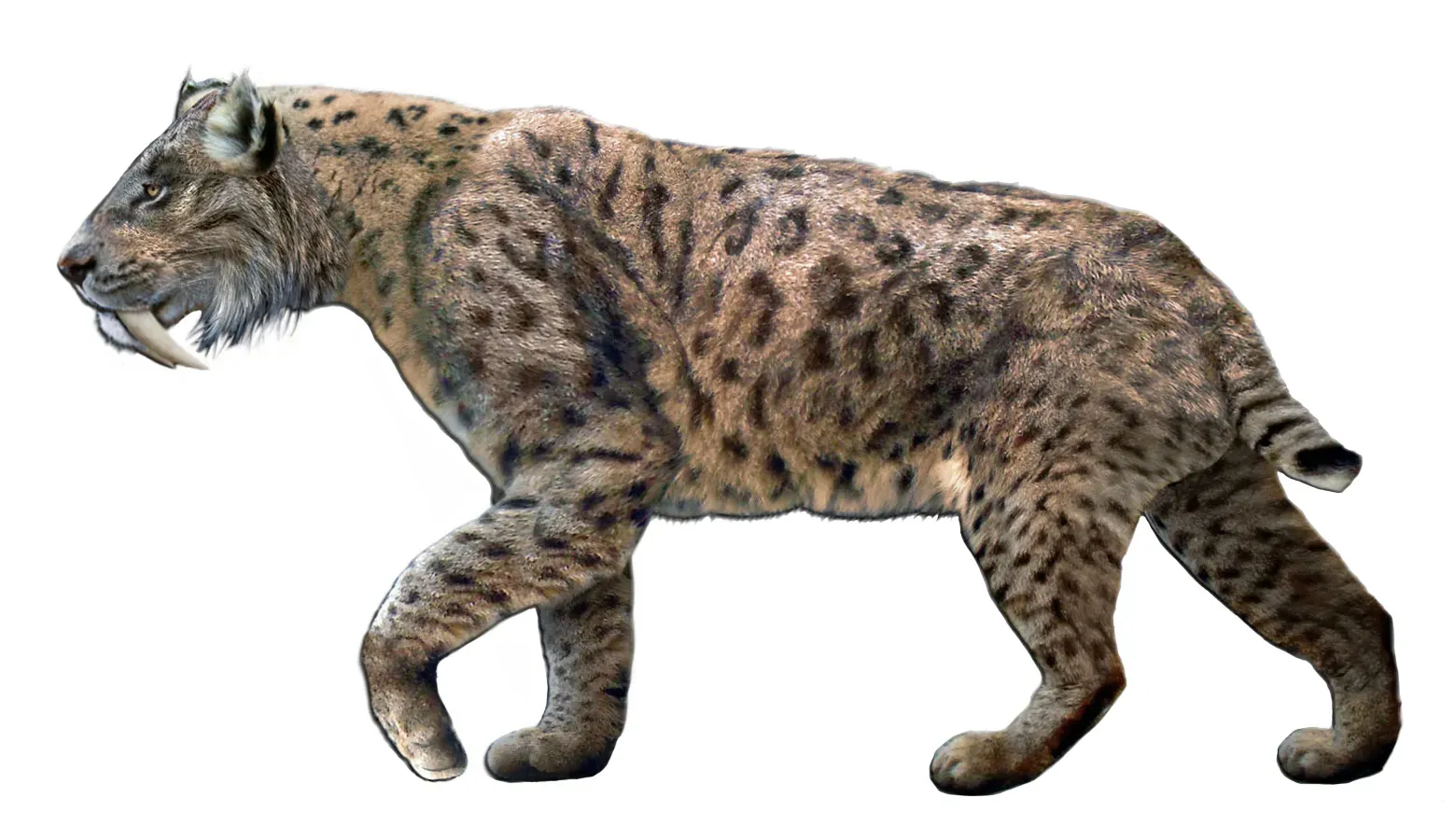
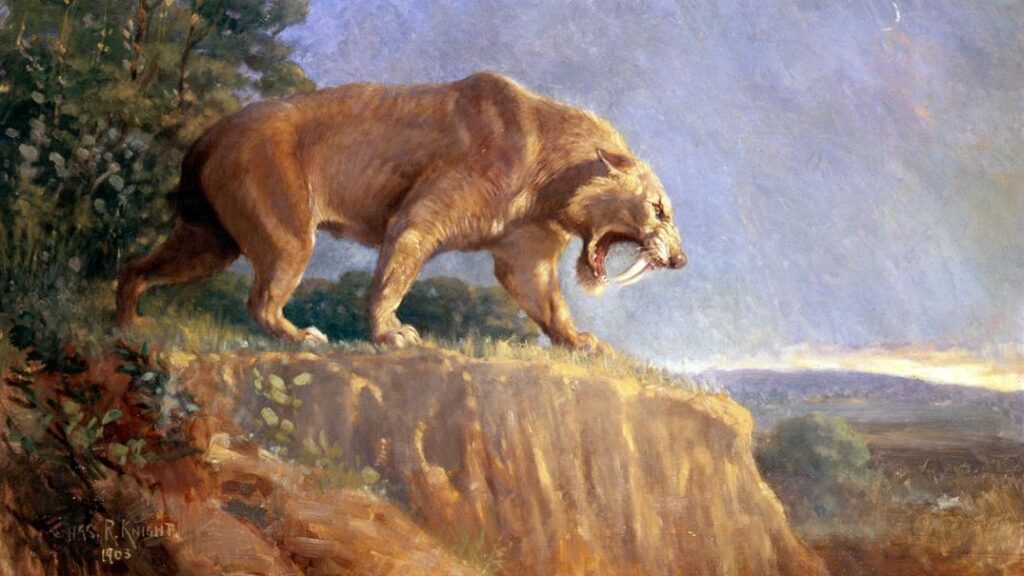
You may know Smilodon by its famous saber teeth, those long, curved canines that have launched a thousand documentaries. Smilodon was likely an ambush predator that concealed itself in dense vegetation, as its limb proportions were similar to modern forest-dwelling cats, and its short tail would not have helped it balance while running. It wasn’t built for pursuit. It was built for the perfect strike. Think of it like a loaded spring, patient, coiled, waiting.
Instead of exhausting their prey through a long pursuit, the cats ambushed prey at a short distance and immobilized them using their massive forelimbs before killing the prey with precisely positioned bites. In North America, Smilodon hunted large herbivores such as bison and camels, and it remained successful even when encountering new prey taxa in South America such as Macrauchenia and ground sloths. I think that adaptability is what made Smilodon so remarkable. It wasn’t a one-trick predator; it adjusted its strategy across an entire continent.
Pack Behavior and Social Hunting: Cooperation as a Weapon
Here’s something that surprises most people: cooperation in hunting isn’t a modern mammal invention. Whether Smilodon was a pack hunter has long been debated, but an unusual number of healed injuries in the Smilodon bones at La Brea makes it unlikely that these cats were solitary. Surviving a broken leg or a dislocated elbow in the Pleistocene? That’s only possible if something else is bringing you food. A Smilodon suffering hip dysplasia at a young age that survived to adulthood suggests that it could not have survived without aid from a social group, as this individual was unable to hunt or defend its territory due to the severity of its congenital issue.
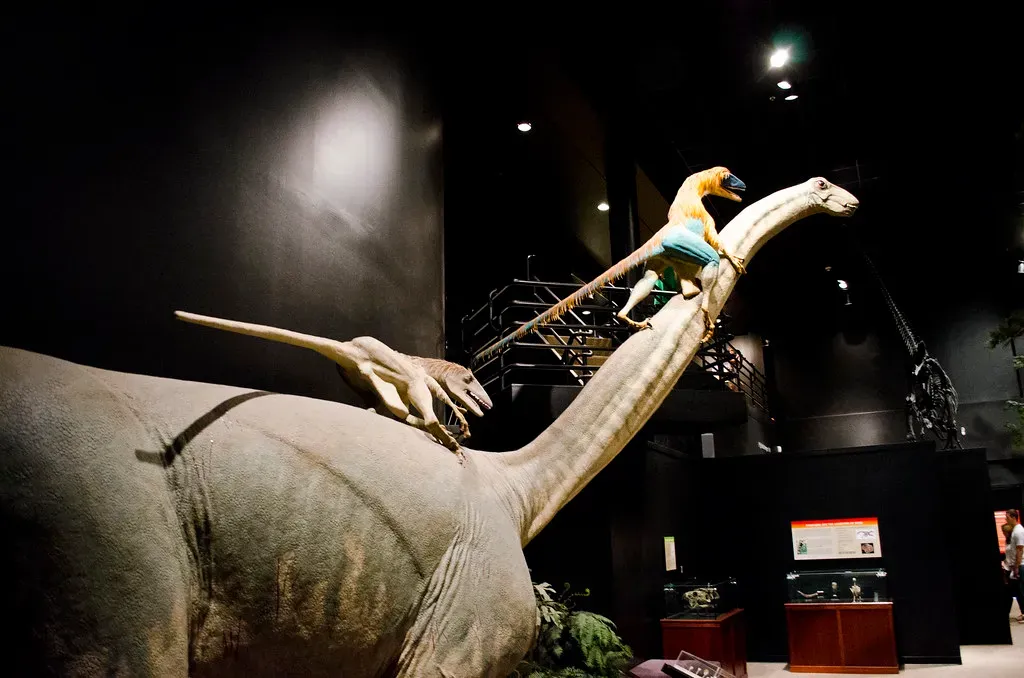
Early Cretaceous Utah harbored the largest member of the dromaeosaurid family, a pack-hunting nightmare that roamed floodplains and riverine woodlands 139 to 135 million years ago, measuring 5 to 7 meters in length and weighing around 500 kilograms, with its impressive size and speed suggesting coordinated pack hunting of large herbivorous dinosaurs was well within its capabilities. Social hunting, it turns out, is an ancient arms race. As prey grew larger, predators grew smarter about working together. The strategy wasn’t just efficient, it was evolutionary.
Tyrannosaurus Rex: The Bite Mark That Settled the Debate
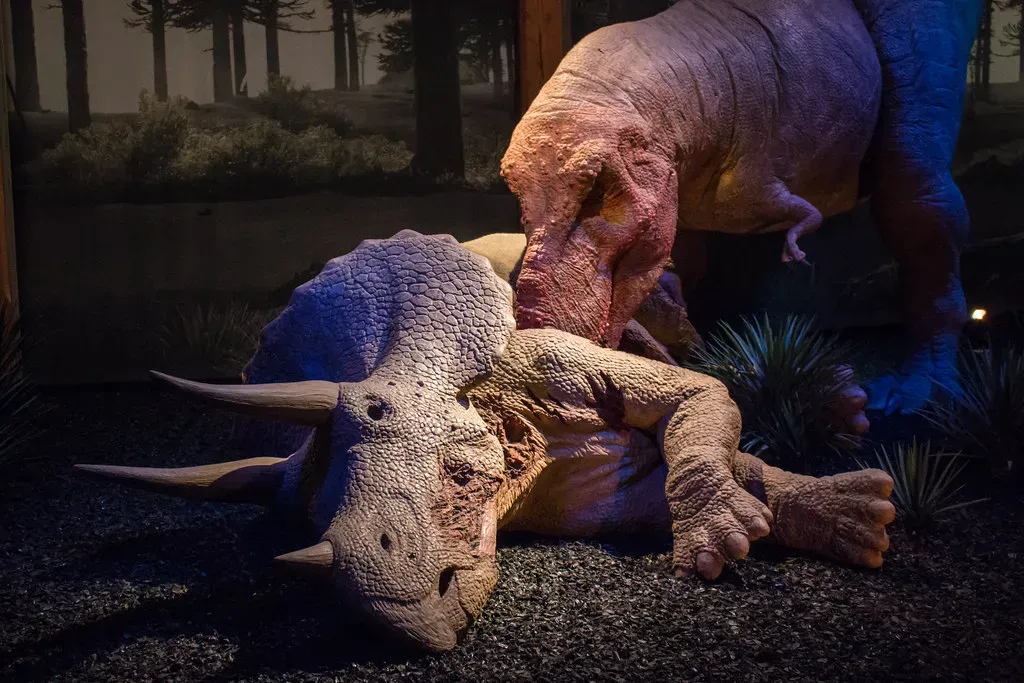
For decades, scientists argued about whether T. rex was a predator or a scavenger. Was this colossal animal actually chasing down living prey, or was it mostly feasting on carcasses? When examining the skeletons of dinosaurs living at the same time as T. rex, there are more and more cases where T. rex bite marks are being found, and these did not always result in the death of the animal, as many fossil specimens show regrowth of bone at the site of the wound. T. rex teeth have also been found embedded in the bones of their prey, removing all doubt about which predator was responsible for inflicting the injury.
Regrown bone around a bite mark means one thing: that animal survived the attack. You don’t survive a scavenger taking a bite after you’re dead. T. rex was absolutely an active, aggressive hunter. Carnivorous theropod dinosaurs including Allosaurus and Tyrannosaurus are theorized to have been apex predators, based on their size, morphology, and dietary needs. The sheer scale of this animal’s impact on its environment was staggering, a 40-foot-long predator shaping the behavior of every other species within its range simply by existing.
The Ocean’s Ruling Giants: Megalodon and the Deep-Water Ambush
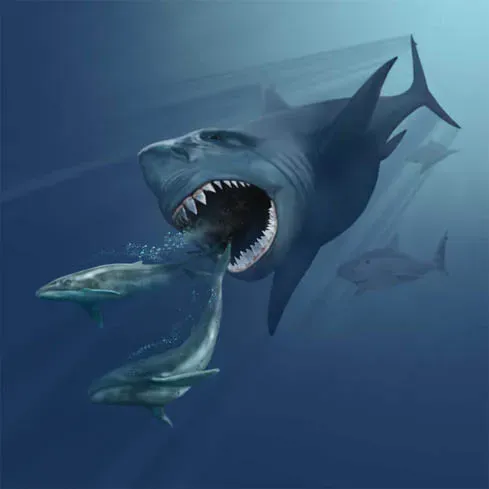
If the land had T. rex, the oceans had something arguably more terrifying. Megalodon was the largest fish to ever swim the seas, living from around 23 million to 3.6 million years ago during the Miocene and Pliocene epochs, eating just about everything it could catch from large marine mammals to fish, and thriving in nearly all the world’s oceans minus those in the polar regions. The scale of its range alone tells you something remarkable about how this predator shaped marine life across the planet.
Marine predators like Megalodon and predatory whales such as Livyatan approached targets from below, homing in unseen, as the pressure and electro-receptors of fish tend to work in sideways directions, and any scent from the predator would also drift sideways in ocean currents, not up. It’s the same tactic great white sharks use today, approaching from the darkness below before exploding upward. The demise of Megalodon is attributed partly to competition from faster-moving sharks as oceans cooled toward modern conditions after climate changes disrupted habitats. Even the most dominant predator in ocean history was eventually outwitted by a changing world.
How Humans Became Apex Predators and What It Cost the Megafauna
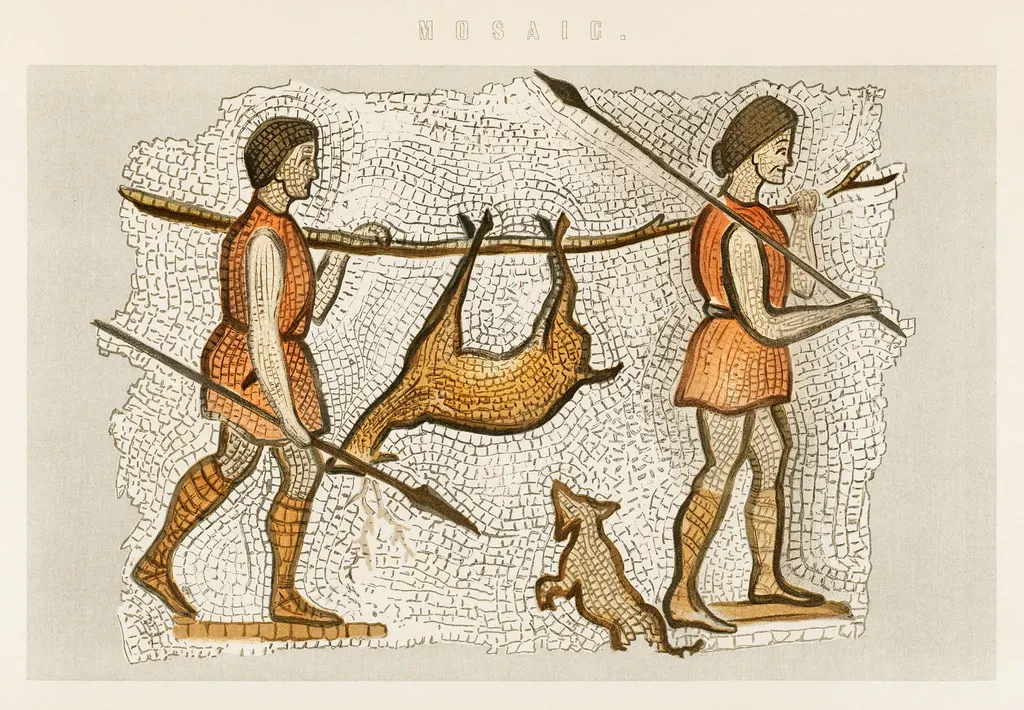
Let’s be real: when most people think of prehistoric predators, they don’t picture early humans. Yet the evidence is overwhelming. A look through hundreds of previous studies on everything from modern human anatomy and physiology to measures of the isotopes inside ancient human bones and teeth suggests we were primarily apex predators until roughly 12,000 years ago. Two million years of top-of-the-food-chain status. That’s not a minor footnote in prehistoric history. That’s the entire story.
Surveying data from archaeological sites dating from 1,500,000 to 20,000 years ago, the dominant species of prey at the beginning of the period was a 12-ton elephant, and at the end it was a 25-kilogram gazelle, with the average weight of animals hunted by humans a million years ago at 3 tons, going down to 50 kilograms 20,000 years ago, meaning prey size decreased continually through time. Humans were systematically hunting through the megafauna. The remains of large animals found in countless archaeological sites are the result of humans’ high expertise as hunters, and many researchers who study the extinction of large animals agree that hunting by humans played a major role in this extinction.
When Predators Vanish: The Ecological Ripple Effect
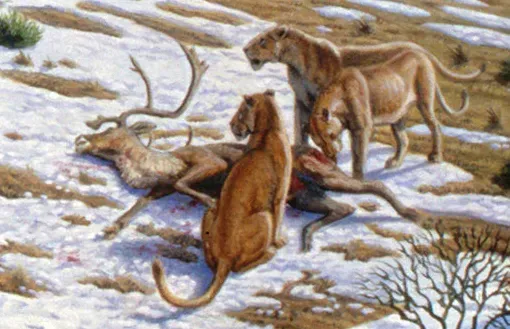
The story of ancient predators isn’t just about who they killed. It’s about what the world looked like without them. Apex predators can have profound effects on ecosystems, as the consequences of both controlling prey density and restricting smaller predators may be capable of self-regulation, and they are central to the functioning of ecosystems, the regulation of disease, and the maintenance of biodiversity. Remove the top predator, and the entire system trembles. It’s not a metaphor. It’s ecological mechanics.
Dramatic changes in the Greater Yellowstone Ecosystem were recorded after the gray wolf was reintroduced to Yellowstone National Park in 1995, with elk becoming less abundant and changing their behavior, freeing riparian zones from constant grazing and allowing willows, aspens, and cottonwoods to flourish, creating habitats for beaver, moose, and scores of other species. Now imagine multiplying that effect across millions of years and dozens of predatory species. After the extinction of Dunkleosteus and the placoderms, other fish diversified post-extinction, filled the niches left behind, and ultimately went on to establish the ecosystems we recognize in our oceans today. Every extinction left a vacuum. Every vacuum was filled by something new. Predators didn’t just participate in evolution. They drove it.
Conclusion: The Predator Is the Author of the World
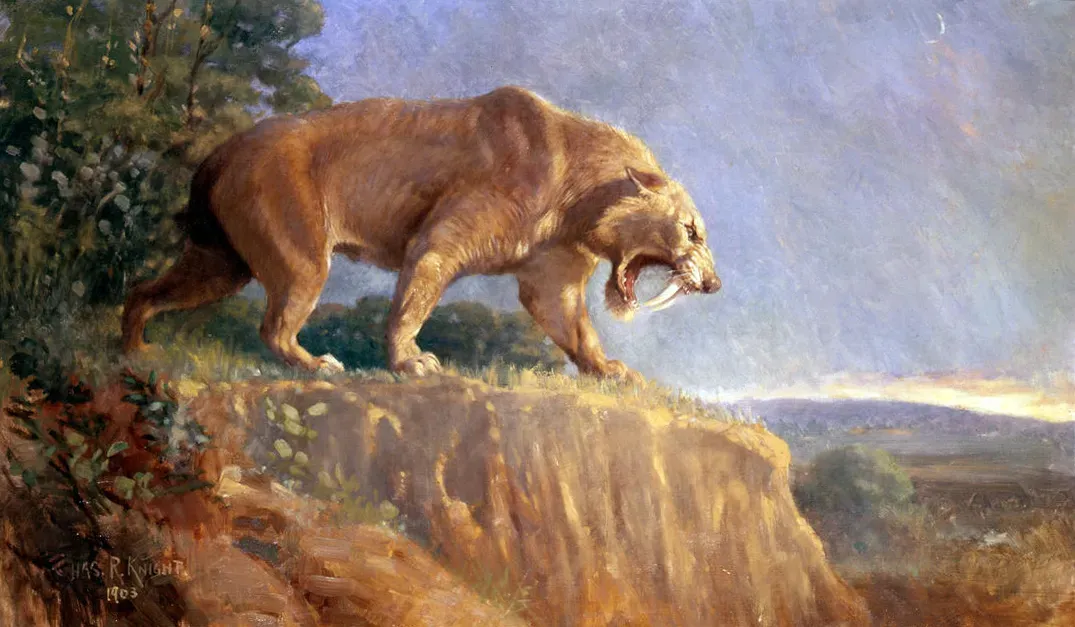
You’ve now seen the scope of it. From Anomalocaris filtering prey from Cambrian seas to Megalodon patrolling vast Miocene oceans, from Smilodon crouching in Ice Age undergrowth to early humans systematically dismantling entire populations of megafauna. These weren’t isolated creatures playing out individual dramas. They were forces of nature that rewrote entire ecosystems around their presence.
What you’re left with is something genuinely humbling. Every feature of the modern natural world, every behavioral adaptation in prey animals, every shape of every predator alive today, carries the genetic memory of those ancient hunting strategies. While they may be long extinct, their fossilized remains continue to reveal the incredible diversity and power of life’s most formidable hunters, and understanding these predators not only satisfies our fascination with prehistory but also provides insights into how ecosystems function and evolve over time. The prehistoric world wasn’t chaotic. It was shaped, with teeth and claws and strategy, by predators who never stopped innovating. Does that change how you see the natural world around you today?