Picture this for a second. You’re standing at the edge of a river millions of years ago, and just beneath the surface lurks something far more terrifying than any modern predator. We’re talking about ancient crocodilians so massive they hunted dinosaurs. These prehistoric monsters weren’t the stuff of fantasy. They were real, and their fossils tell a story that will change how you think about what once lived in America’s waterways.
The remnants of these creatures are scattered across the United States, found in places you’d never imagine were once ancient river deltas and coastal swamps. Let’s be real, the rivers and streams we see today are nothing compared to the wild, dangerous ecosystems that existed tens of millions of years ago. These waterways were ruled by apex predators of unimaginable size.
The Discovery That Changed Everything
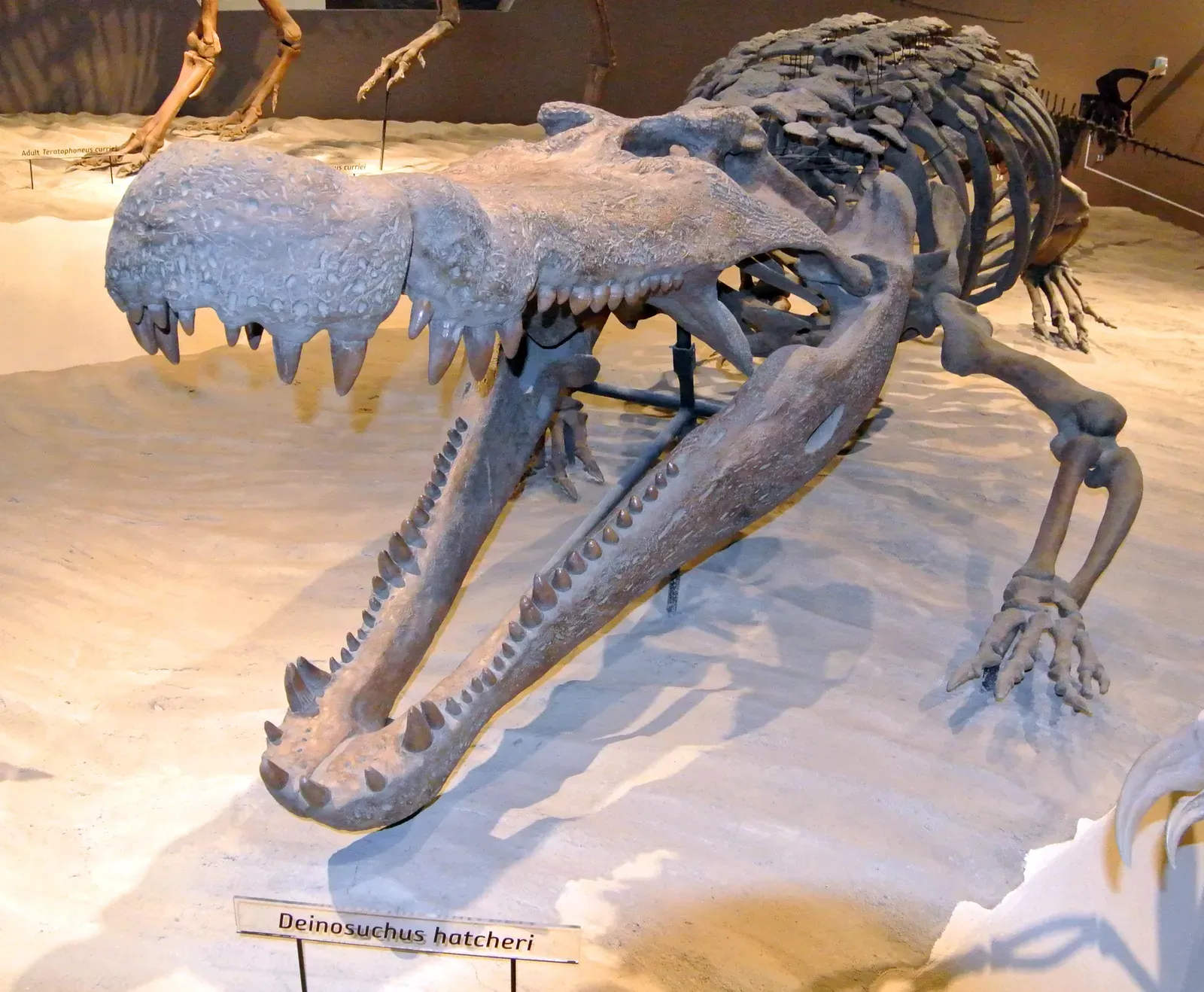
The first hint that something enormous once prowled American waters came in 1858, when geologist Ebenezer Emmons discovered two large teeth in North Carolina that he believed belonged to a giant crocodile. At first, scientists weren’t sure what to make of them. Additional fossil osteoderms were found in Montana in 1903 at Willow Creek, initially mistaken for dinosaur armor until examination revealed they belonged to a large crocodilian.
After researcher John Bell Hatcher died in 1904, his colleague W. J. Holland studied the fossils and assigned them to a new genus and species, Deinosuchus hatcheri, in 1909. The name comes from Greek words meaning “terrible crocodile,” which honestly feels like an understatement. A 1940 expedition by the American Museum of Natural History yielded more fossils of giant crocodilians from Big Bend National Park in Texas, expanding our understanding of where these beasts once lived.
How Big Were These River Monsters Really
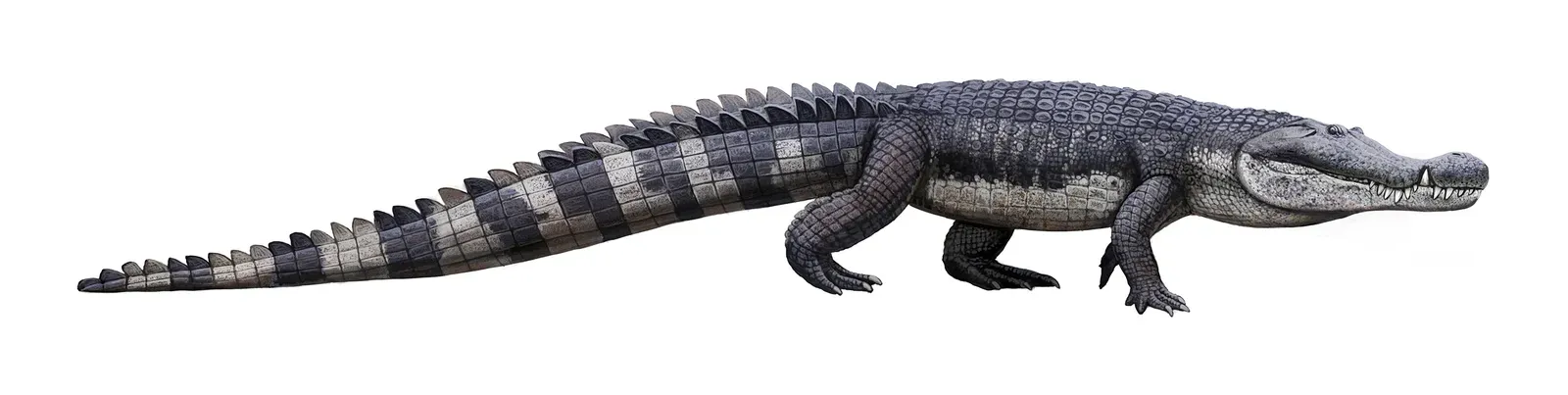
Here’s the thing that’ll blow your mind. The largest adults of Deinosuchus measured 10.6 meters or about 35 feet in total length. That’s longer than a city bus. Deinosuchus weighed between 2,500 and 5,000 kilograms, which is three to five times more than the largest crocodiles alive today.
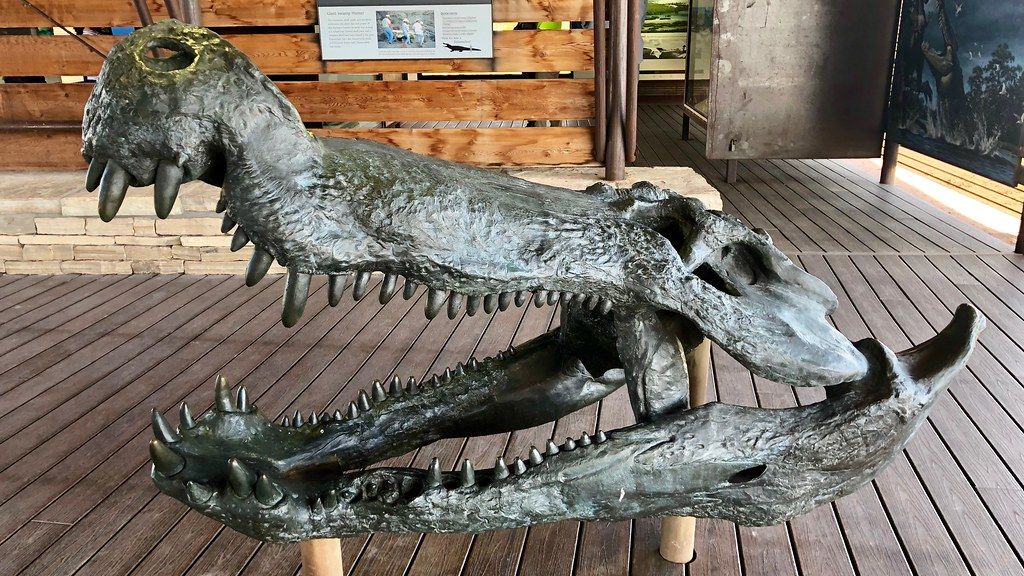
These river monsters had very strong teeth, which were as long as bananas, and possessed a bite force between 18,000 and 102,803 Newtons, with bite marks found on discovered dinosaur bones and sea turtle shells. Imagine something that size waiting in the shallows. One study indicated Deinosuchus may have lived for up to 50 years, growing at a rate similar to that of modern crocodilians but maintaining this growth over a much longer time, which explains how they reached such colossal proportions.
Where These Giants Ruled Ancient America
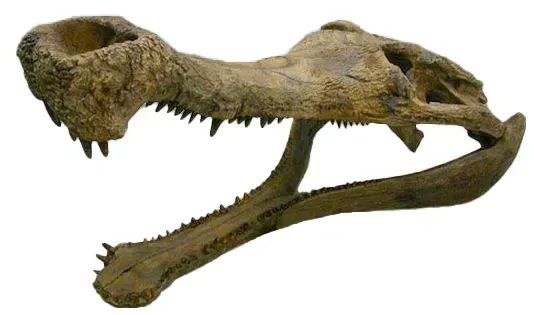
Deinosuchus fossils have been discovered in 12 U.S. states, including Texas, Montana, and many along the East Coast, with fossils also found in northern Mexico. The distribution is fascinating because it tells us where ancient river systems once thrived. These creatures lived on both sides of the Western Interior Seaway and served as opportunistic apex predators in the coastal regions of eastern North America.
During the Cretaceous Period, the Deinosuchus species lived on both sides of the Western Interior Seaway, an inland sea in North America about 100 million years ago that connected the Gulf of Mexico to the Arctic Ocean through America and Canada. This means vast stretches of what’s now dry land were once shallow seas and river deltas teeming with life. Between 83 to 72 million years ago, the sea retreated and the area became a coastline to a massive inland sea, creating a perfect spot for dinosaurs to roam.
What These Prehistoric Predators Actually Ate
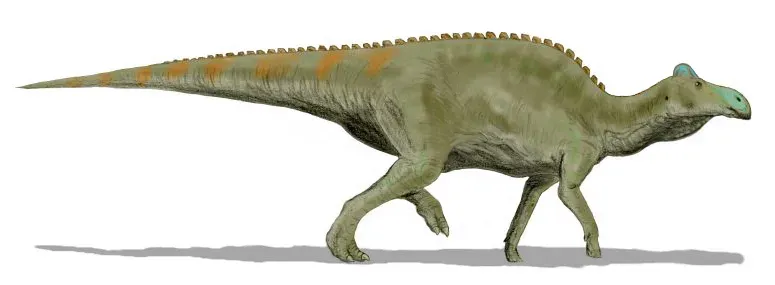
Let’s get to the scary part. Fossil evidence suggests Deinosuchus actively preyed upon dinosaurs, with bite marks found on the fossilized bones of hadrosaurs, the duck-billed dinosaurs, that match the teeth of Deinosuchus, revealing brutal encounters at the water’s edge where the crocodilian’s explosive ambush tactics could drag even large dinosaurs into the depths. Think about that for a moment. Dinosaurs, which we often think of as the ultimate ancient predators, were on the menu.
The feeding patterns of Deinosuchus most likely varied by geographic location, with the smaller specimens of eastern North America being opportunistic feeders in an ecological niche similar to that of the modern American alligator, consuming marine turtles, large fish, and smaller dinosaurs including young theropods. Scientists proposed in 1996 that Deinosuchus may have preyed on marine turtles, using the robust, flat teeth near the back of its jaws to crush the turtle shells, with several shells of the sea turtle Bothremys found with bite marks most likely inflicted by the giant crocodilian.
The Ancient River Ecosystems They Called Home
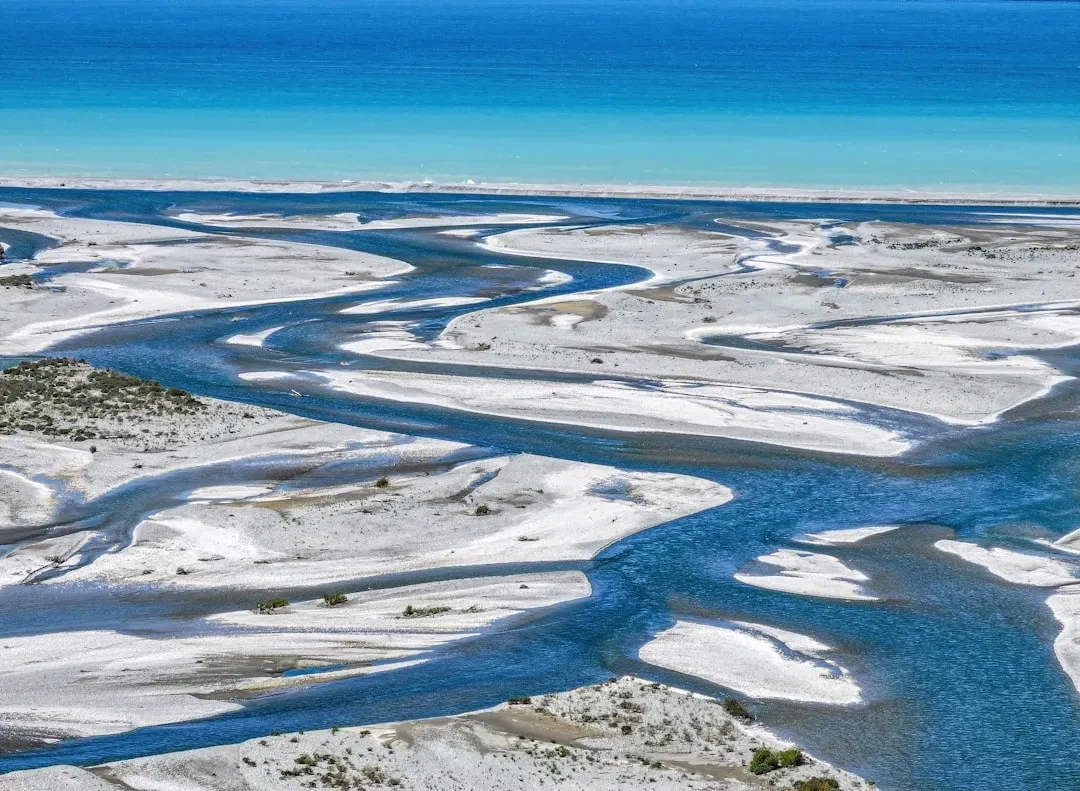
Sedimentological data at La Salada suggest a deltaic river system with frequent ingressions of sea water, with a similarly brackish regime suggested as habitat for Deinosuchus in other regions of North America, especially for the coastal areas of the Western Interior Seaway. These weren’t the clean, clear rivers you might picture. They were muddy, dense with vegetation, and absolutely packed with life.
The environment consisted of a low-lying delta-plain with shallow lakes, river channels and vegetated wetlands, situated about 100 kilometers inland from the shoreline of the Western Interior Seaway, with multiple episodes of flooding and emergence that determined whether and when animals walked or swam. High global sea levels and a warm climate during the late Cretaceous fed incredible growth within marshes and swamps everywhere the sea touched North America, with the nature of these aquatic ecosystems allowing such giant reptiles to evolve in the first place.
How Scientists Reconstruct These Ancient Beasts
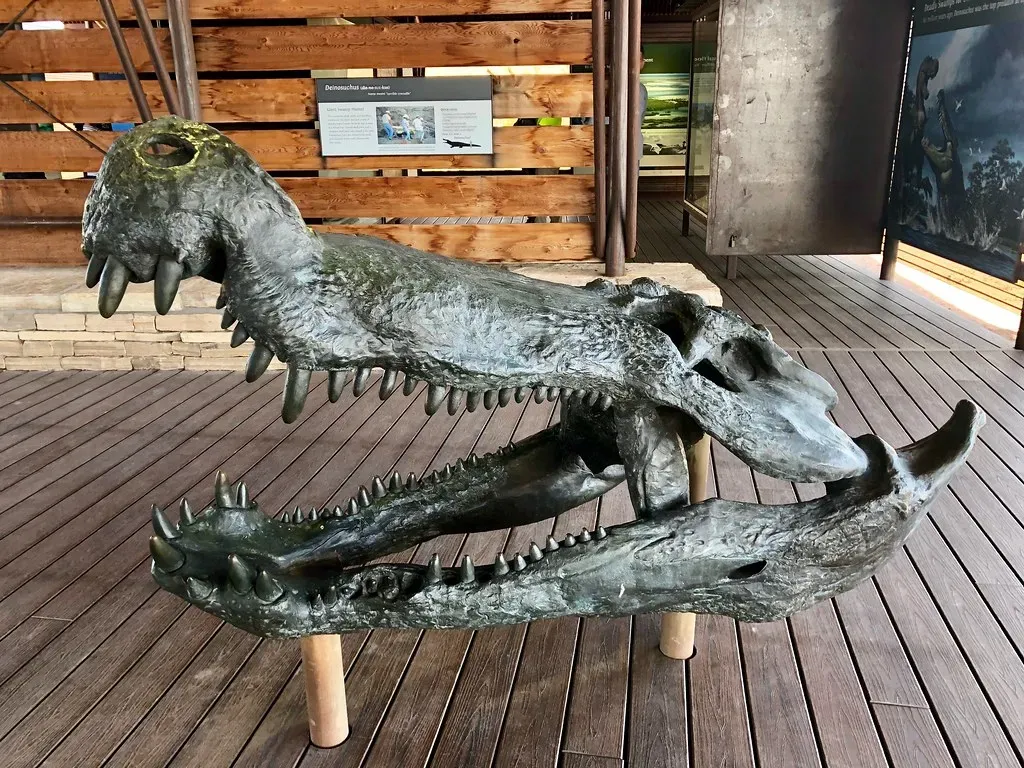
Paleontologists have uncovered partial skulls, vertebrae, and teeth across the United States, with recent advances in technology like CT scanning and 3D modeling allowing scientists to reconstruct anatomy and behavior with unprecedented accuracy, continuing to reshape understanding of this terrible crocodile. It’s honestly incredible what modern science can reveal from fragmentary remains. High-resolution scans of fossil material allowed paleontologists to test articulation, posture, and armor placement with anatomical accuracy when creating a full-scale Deinosuchus skeleton.
The mounted skeleton at the Tellus Science Museum in Cartersville represents the only cast of Deinosuchus schwimmeri available to the public. This gives visitors a rare chance to see the scale of these creatures. Fossils recovered from multiple states show a massive, semi-aquatic predator that exceeded 32 feet in length, though complete skeletons remain elusive.
Why These Giants Eventually Disappeared
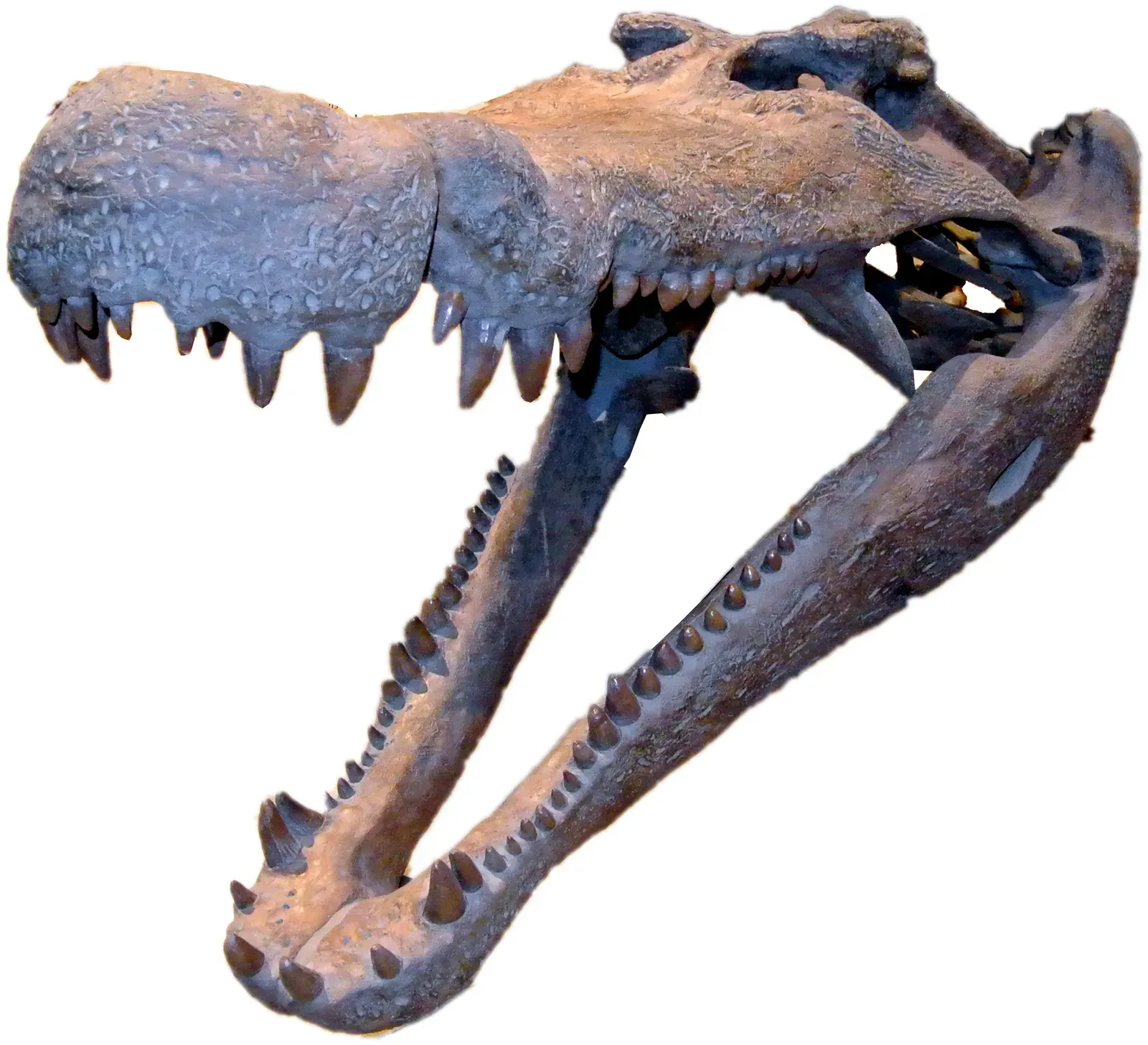
At the end of the Cretaceous period, sea levels fell and the inland sea dried up, with no more Deinosuchus fossils from this period, suggesting the various species may have become extinct as their vast wetland habitat was lost. The loss of habitat was likely the death sentence for these massive predators. The oldest examples of this genus lived approximately 82 million years ago, and the youngest lived around 73 million years ago.
Massive crocodilians evolved independently in aquatic environments more than a dozen times over the past 120 million years during all types of global climatic phases including ice ages, with reports of individuals measuring 23 feet or more persisting until the 19th century, suggesting enormous size was the rule rather than the exception. The disappearance of Deinosuchus marked the end of an era, but their evolutionary legacy continued through their modern relatives.
Conclusion
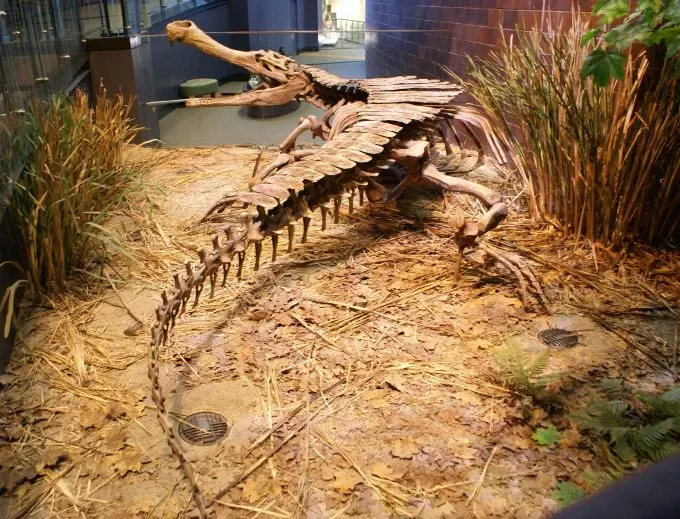
The rivers that once flowed through ancient North America were home to some of the most terrifying predators that ever existed. These weren’t just big crocodiles. They were apex predators that reshaped entire ecosystems and hunted the mighty dinosaurs themselves. The fossil evidence scattered across the United States tells a story of wetlands so productive and vast that they could support creatures of almost unimaginable size.
Next time you see a river or stream, try to picture what might have lurked there millions of years ago. These ancient waterways were far more dangerous than anything we experience today. What do you think about these prehistoric river monsters? Does it change how you view modern crocodilians, knowing their ancestors were even more formidable?