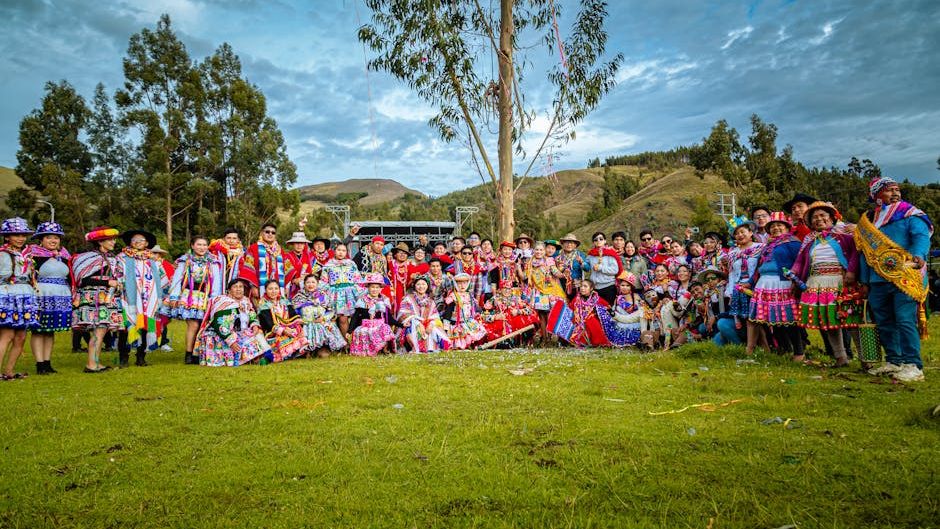
There is something haunting about the idea that the world’s oldest libraries have no shelves, no books, and no walls. They exist in the memory of elders, in the rhythms of ceremony, in the names given to rivers and trees by people who have watched those same rivers and trees for hundreds of generations. You might walk right past one and never know it.
Right now, as scientists scramble to understand ecosystems that are collapsing faster than they can be studied, a remarkable realization is taking hold. The most detailed ecological records on Earth may not be locked inside a data center or a university archive. They could be sitting across from you, wrapped in decades of quiet observation, belonging to an indigenous elder who has never published a single paper. Let’s dive in.
The Ancient Science You Were Never Taught About
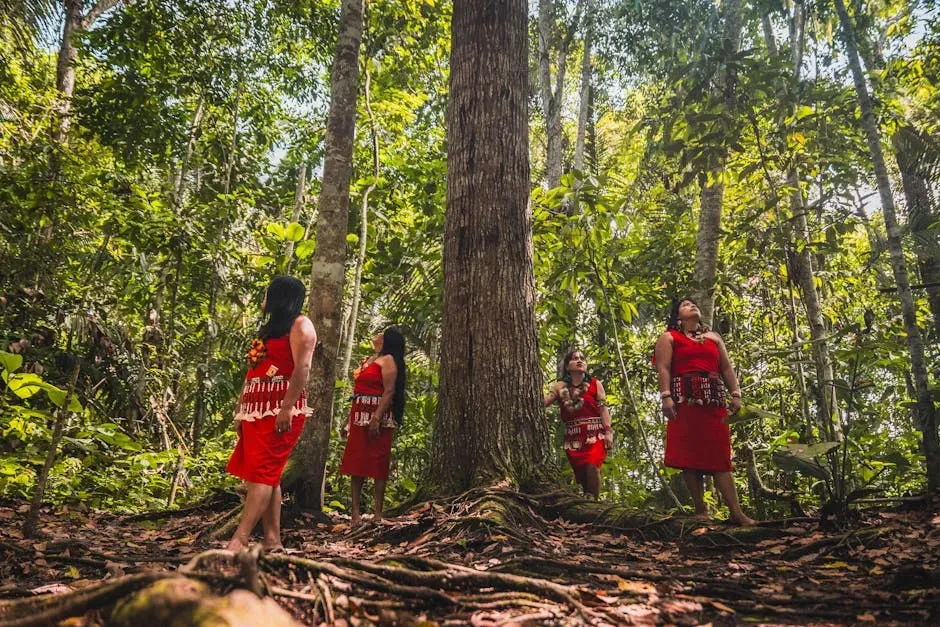
Traditional Ecological Knowledge, commonly known as TEK, is the ongoing accumulation of knowledge, practice, and belief about the relationships between living beings in a specific ecosystem, acquired by indigenous people over hundreds or thousands of years through direct contact with the environment and handed down through generations. Honestly, if you think about it, that is just science, only older, deeper, and far more patient than anything a modern research grant can fund.
Indigenous Knowledge is the collective term representing the many place-based knowledges accumulated across generations within myriad specific cultural contexts, and despite its millennia-long application to environmental management, non-indigenous Western scientific research has only recently considered it. It’s a little embarrassing, when you think about how long we’ve been overlooking what was right in front of us.
A Living Record of Landscapes That No Longer Exist
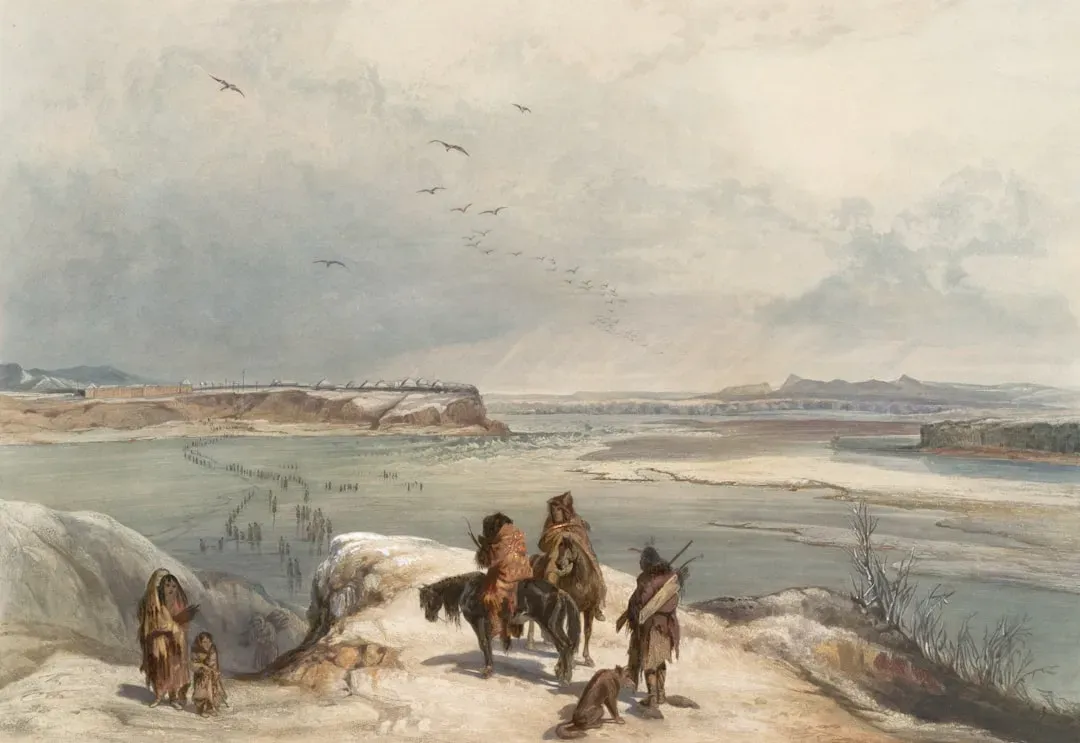
Here’s the thing that stops me cold when I think about it. Many of the ecosystems described in tribal oral traditions are ecosystems that modern scientists have never seen alive. TEK is deep knowledge of a place that has been painstakingly discovered by those who have adapted to it over thousands of years. Think of it like a time capsule, except the capsule is a person, sitting in front of you, and what’s inside can rewrite ecological history.
Research coupled with historical observations from the Haíɫzaqv First Nation of British Columbia alongside zooarchaeological and scientific data has allowed for estimates of northern abalone abundance on the Pacific coast of Canada from the Holocene to the present, with historical observations offered by community members with decades of experience allowing for estimates of the number, size, and distribution of abalone over specific decades. Without those human memories, those population histories simply would not exist anywhere.
Folktales as Fossil Records: When Stories Outlast the Species
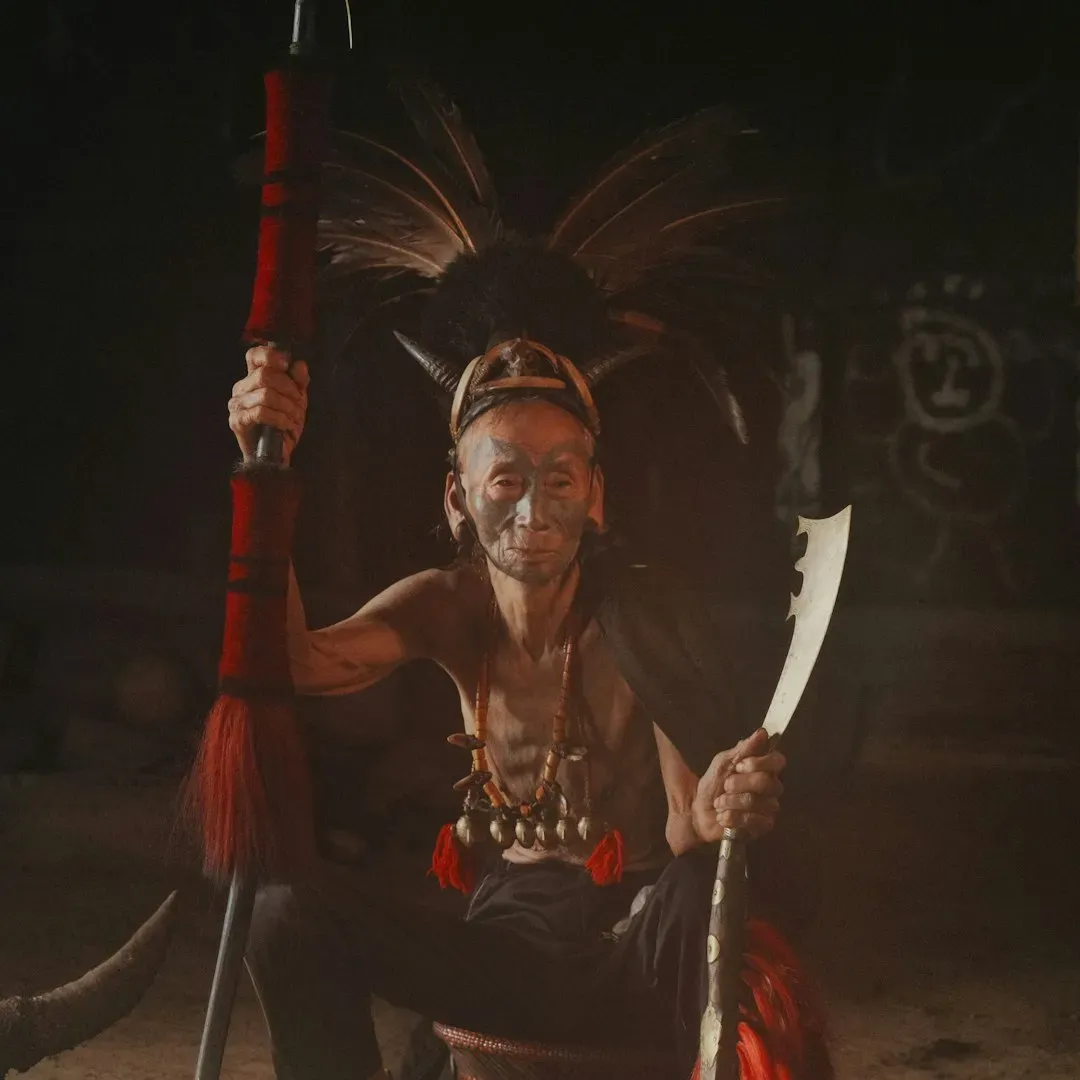
This one genuinely surprised me when I first came across it. Madagascar folktales of an “ogre” with the body of an animal but the face of a human that could be rendered helpless on smooth rock outcrops are suggested to be based on cultural memory of past hunting methods for the now-extinct sloth lemur, which has probably been extinct for several centuries. A terrifying monster in a bedtime story, it turns out, is actually a hunting manual for an animal no living scientist has ever seen move.
Similarly, Maori traditions collected during the nineteenth century about extinct moa, giant flightless birds that probably died out over five hundred years ago, consist largely of reported hunting methods, and the long-term persistence of this utilitarian knowledge may be a more general pattern seen across indigenous cultures following extinction events. You’d be hard pressed to find a more precise example of how culture preserves what science has not yet thought to look for.
Countering the Amnesia of Modern Ecology
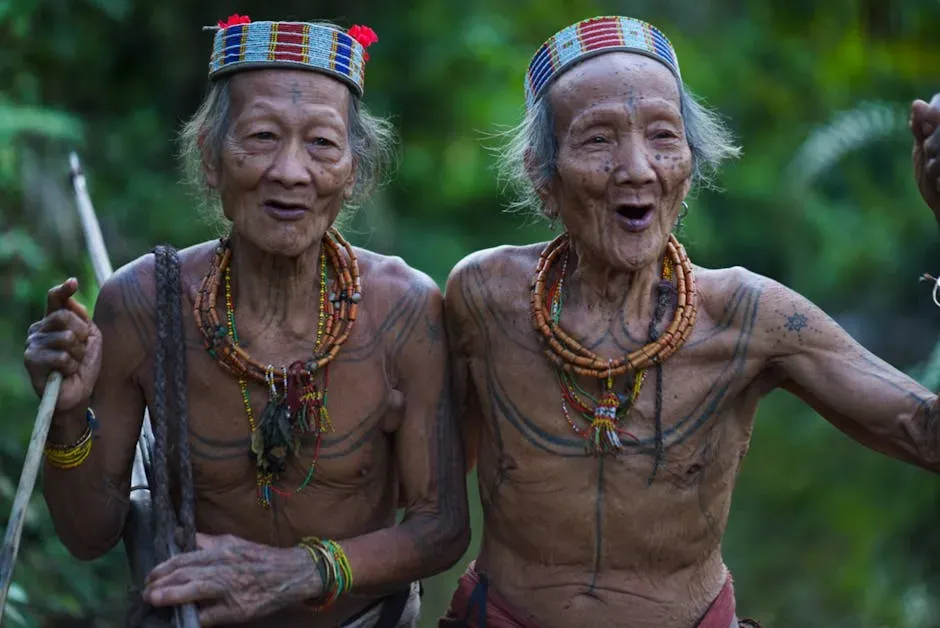
There’s a phenomenon in conservation science called shifting baseline syndrome, and once you understand it, you’ll never look at environmental news quite the same way. Shifting baseline syndrome is a socio-psychological phenomenon in which historical environmental information is lost over time and people do not notice changes in biological systems. Each new generation simply accepts the diminished world they were born into as normal. It’s a slow, invisible kind of forgetting.
Indigenous knowledge has been proposed as a counter to the shifting baseline syndrome in conservation, wherein perspective on what abundance or other measures are “normal” is lost among generations as environmental degradation continues, resulting in lowered expectations for conservation outcomes. In other words, tribal memories don’t just tell us about the past. They remind us how much we’ve already lost without noticing. Indigenous knowledge is crucial to limiting the syndrome’s effects, as it pushes forward the lived experiences of communities that recognize historic baseline conditions, and in this way sharing it acts as a remedy against generational amnesia.
Rediscovering the “Extinct”: When Tribal Knowledge Leads Scientists Home
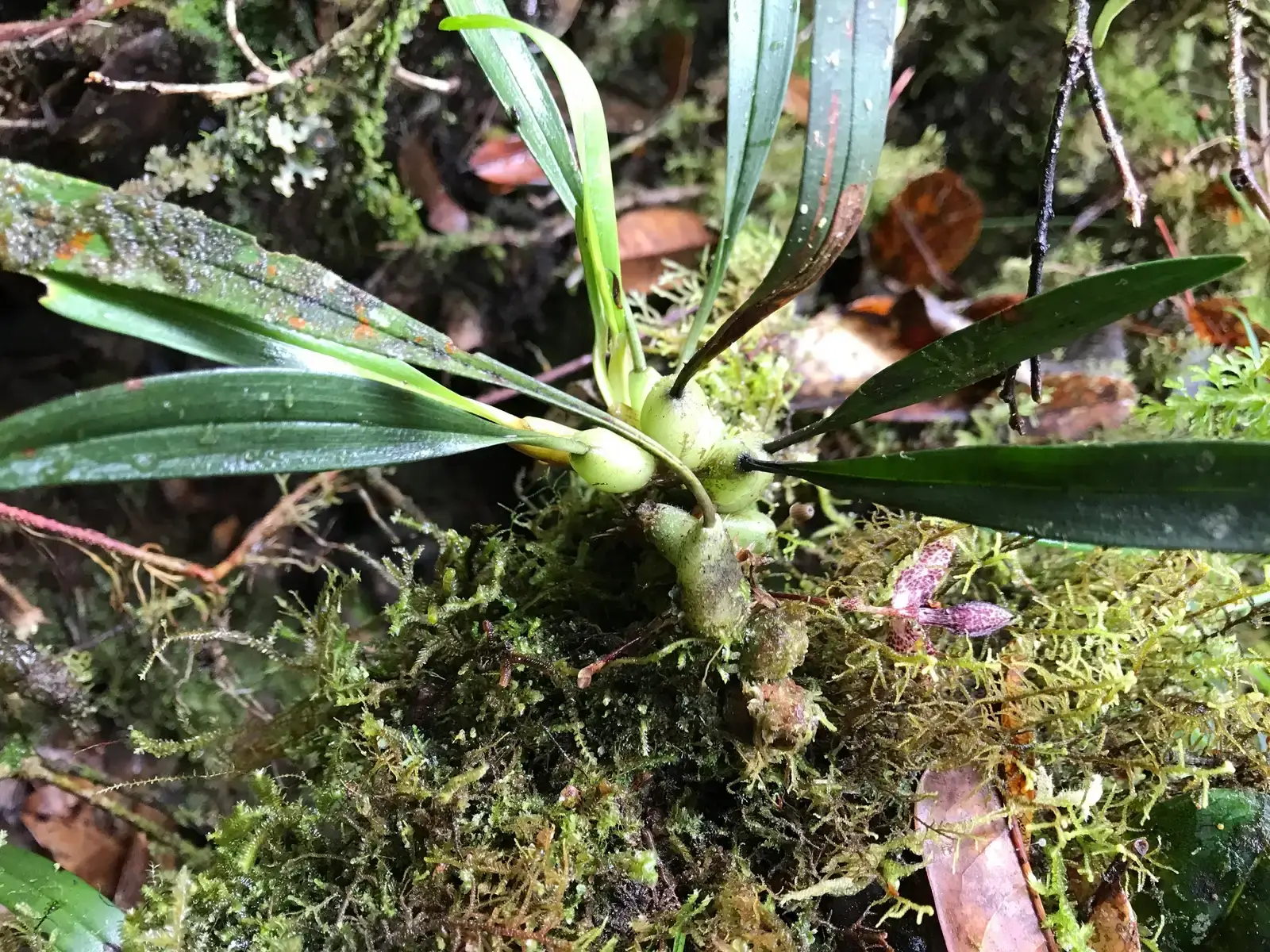
It’s hard to say for sure which story is more astonishing: a species coming back from the dead, or the fact that local people always knew it was there. Two species previously thought to have vanished from the Earth for over six thousand years have been rediscovered in the lush rainforests of New Guinea, a revelation that highlights the profound role of local indigenous knowledge in scientific discovery. Six thousand years. That’s longer than written human history.
The discovery reaffirmed the importance of collaborating with indigenous communities in understanding the natural world, and the discovery would not have been possible without the cooperation of local elders, whose traditional knowledge played a crucial role in identifying the species. Let that sink in. Scientists with satellites and genetic sequencers couldn’t find what elders already quietly knew. The ring-tailed glider is considered sacred by some indigenous groups in New Guinea, which may be precisely why it survived at all.
The Biodiversity Guardians the World Keeps Ignoring
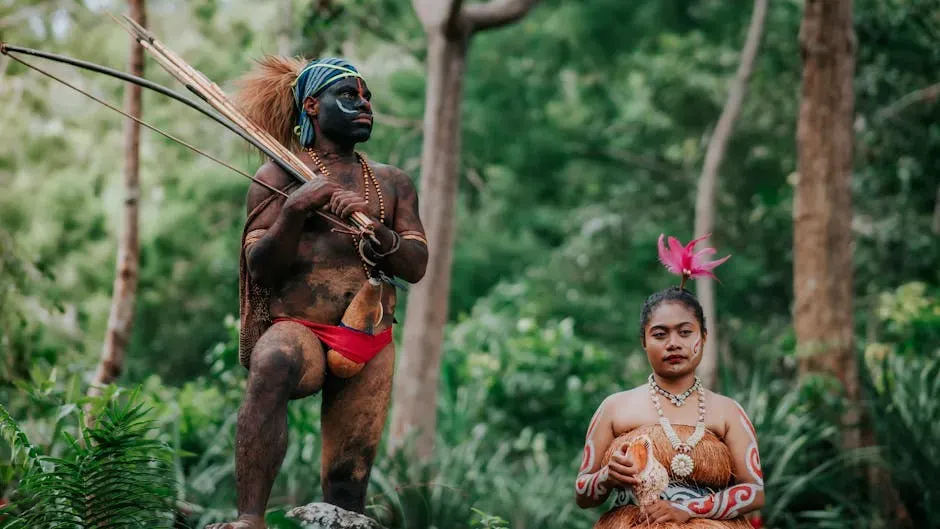
Let’s be real. The numbers here are staggering, and they deserve more attention than they typically get. While native peoples comprise only about four or five percent of the world’s population, they use almost a quarter of the world’s land surface and manage eleven percent of its forests, and in doing so they maintain roughly eighty percent of the planet’s biodiversity in or adjacent to eighty-five percent of the world’s protected areas. That is an extraordinary return on what the world has never fully invested in.
Patches of forest managed by indigenous communities in British Columbia over a century ago still support more pollinators, more seed-eating animals, and more plant species than the surrounding natural conifer forests, because those communities used the patches for growing food and medicinal plants, even bringing seeds from hundreds of miles away, and even though those communities were displaced from their lands long ago, the vegetation they planted continues to grow. Think about that like a gift left behind in the landscape, still giving, long after the giver was pushed away.
The Urgent Race to Preserve What Remains Before It Vanishes
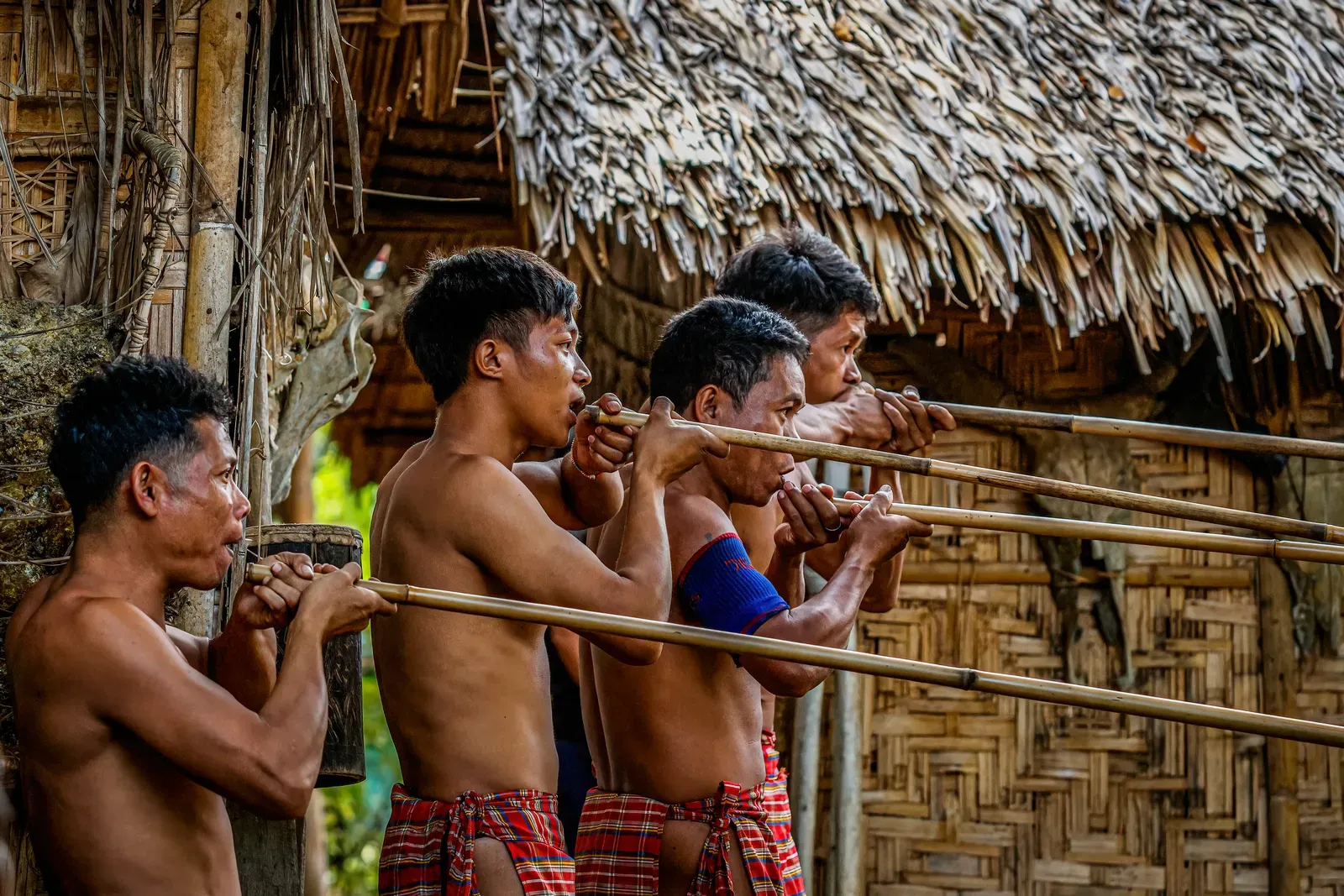
Here’s where it gets uncomfortable. Indigenous people have relied on indicators in nature to plan activities and even for short-term weather predictions, but as a result of ever more unusual conditions, entire indigenous cultures have been disrupted and displaced, and there is now a loss of the cultural ties to the lands they once resided on and a loss of the traditional ecological knowledge they had with the land there. We’re not just losing forests and species. We’re losing the people who know how to read them.
Academic researchers, public institutions, and government agencies increasingly acknowledge that the region-specific knowledge of TEK is crucial for conserving biodiversity, protecting ecological processes, and executing sustainable resource management, and as biodiversity continues to decline and climate change accelerates, there is an urgent need to integrate TEK into more areas of scientific research and policy-making. The window is closing faster than most people realize, and the loss, once it happens, is irreversible in a way that not even the best technology can undo.
Conclusion: The Oldest Data Set on Earth Is Running Out of Time
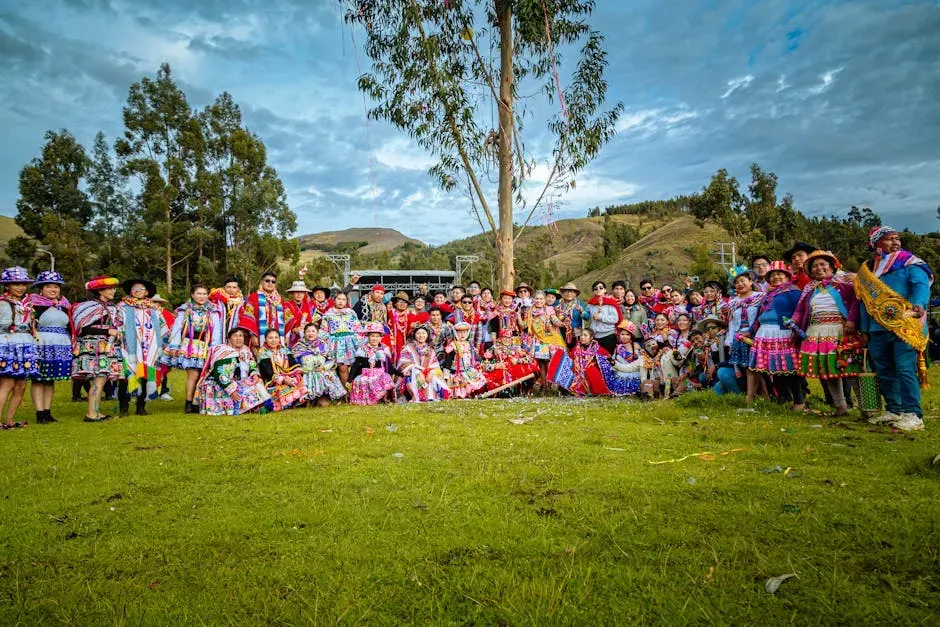
There’s a reason this conversation matters so urgently right now, in 2026, as ecosystems the world has never paid proper attention to continue disappearing. Indigenous communities of the world are the repositories of vast accumulations of traditional knowledge and experience that link humanity with its ancient origins, and their disappearance is a loss for the larger society which could learn a great deal from their traditional skills in sustainably managing very complex ecological systems.
Drawing on diverse ways of knowing, respectfully, collaboratively, ethically, and reciprocally, can help provide more detailed knowledge of local ecosystems and guide all humans toward greater sustainability, and from environmental monitoring to building relationships with plants and the land to ecological restoration, there are many lessons at the intersection of indigenous knowledge and ethnobiology that can inform and contribute to the future of humanity and other life on Earth.
The world’s most important ecological archive is not in a database. It lives in the voice of a Maori elder describing a giant bird she never saw but whose story she has carried her whole life. It lives in a folktale from Madagascar that turns out to be a field guide. It lives in a patch of forest in British Columbia that was planted by people who were forced away from it more than a hundred years ago, and is still feeding animals today.
The real question isn’t whether ancient tribal knowledge matters. The question is whether we’ll finally listen before the last page is gone. What do you think it costs us when we don’t?