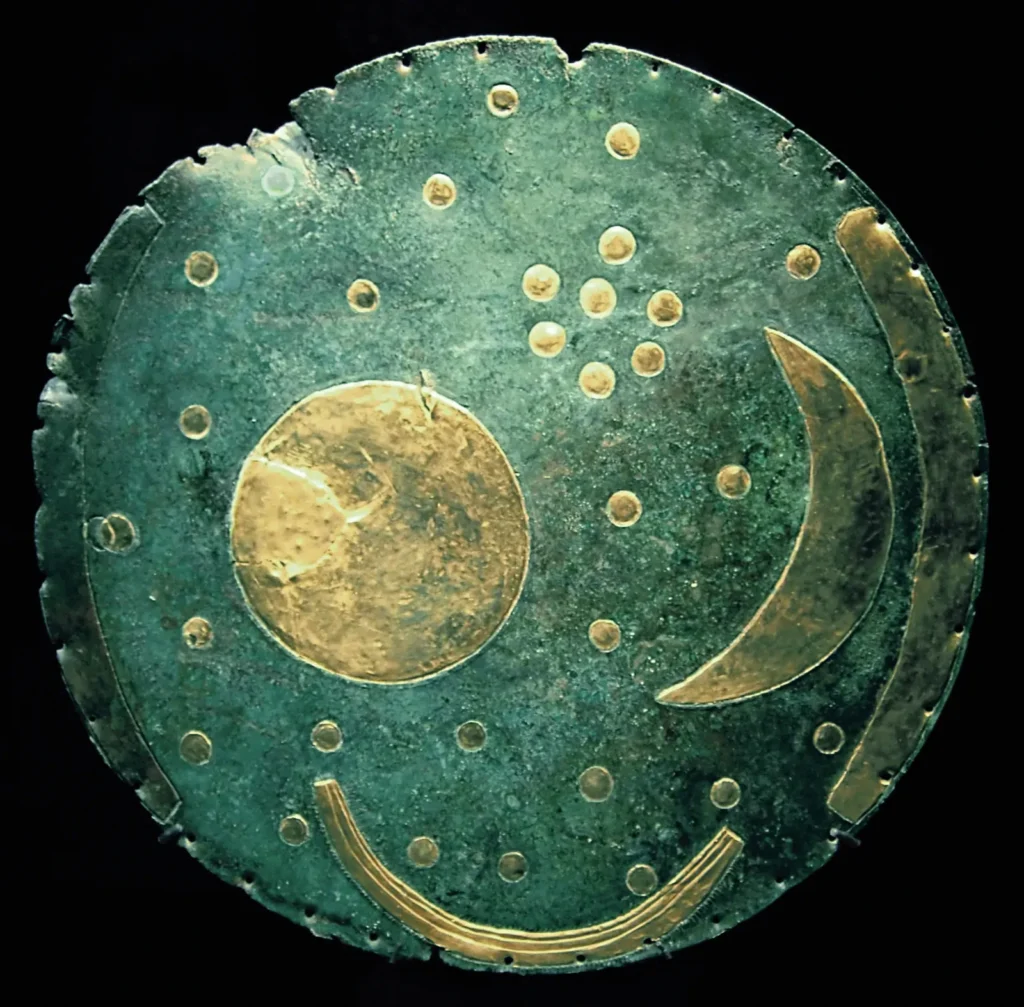
Imagine sitting under an open sky, no phone, no clock, no GPS, and yet knowing exactly when to plant your crops, when a flood is coming, and when the longest night of the year will arrive. That was everyday reality for ancient tribes across the world. You might assume that sophisticated astronomical knowledge is a modern privilege, something reserved for scientists with telescopes and satellites. Think again.
Long before written textbooks or university classrooms existed, indigenous peoples across every continent were mapping the heavens with breathtaking precision. Their sky knowledge was not a lucky accident. It was a living, breathing science passed from elder to child, encoded in architecture, ceremony, and myth. So let’s dive in and explore just how astonishing their understanding truly was.
The Sky Was Their Calendar, Clock, and Compass
Here’s the thing about ancient tribes that often gets overlooked: they were not primitive guessers looking up at pretty stars. Ancient civilizations accomplished remarkable feats of knowledge without the benefit of telescopes, satellites, or computer technology, doing it the old-fashioned way through careful observation, generational record-keeping, pattern recognition, and early mathematics. You might call it the original citizen science, and it worked remarkably well.
Ancient peoples tracked the sun across the sky, marking its northernmost and southernmost points in addition to the equinox. With this information, they could accurately predict seasons, dates, and weather, using it to build calendars and maintain more complex life cycles. Think of it like this: the sky was their smartphone, their calendar app, and their weather forecast all rolled into one.
Stone Circles, Mounds, and Monuments Built to Face the Stars
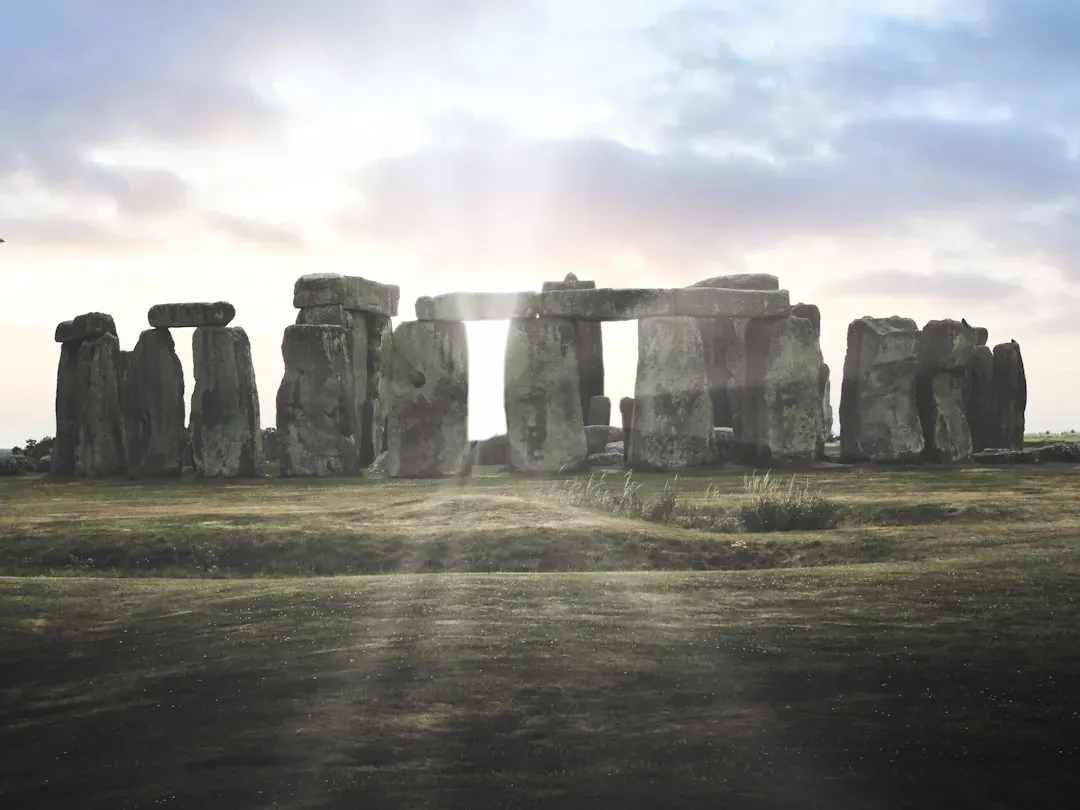
You would not expect a 4,500-year-old pile of stones to tell accurate time, and yet that is essentially what ancient tribes built. Many historic structures were designed by ancient civilizations to align with astronomical events like solstices and equinoxes. These were not coincidences or artistic choices. They were deliberate, precise, and deeply intentional engineering feats.
On the summer solstice, which is the longest day of the year, the sun rises directly above the Heel Stone at Stonehenge when viewed from the center of the monument, casting light into the middle of the stone circle. During the winter solstice, the sun sets in alignment with the central axis of the monument. These precise alignments indicate that the builders of Stonehenge had a clear understanding of the solar cycle and may have used the monument to mark seasonal changes. That level of engineering, achieved with no computers, is honestly jaw-dropping.
The Pawnee, the Navajo, and the Living Cosmos of North America
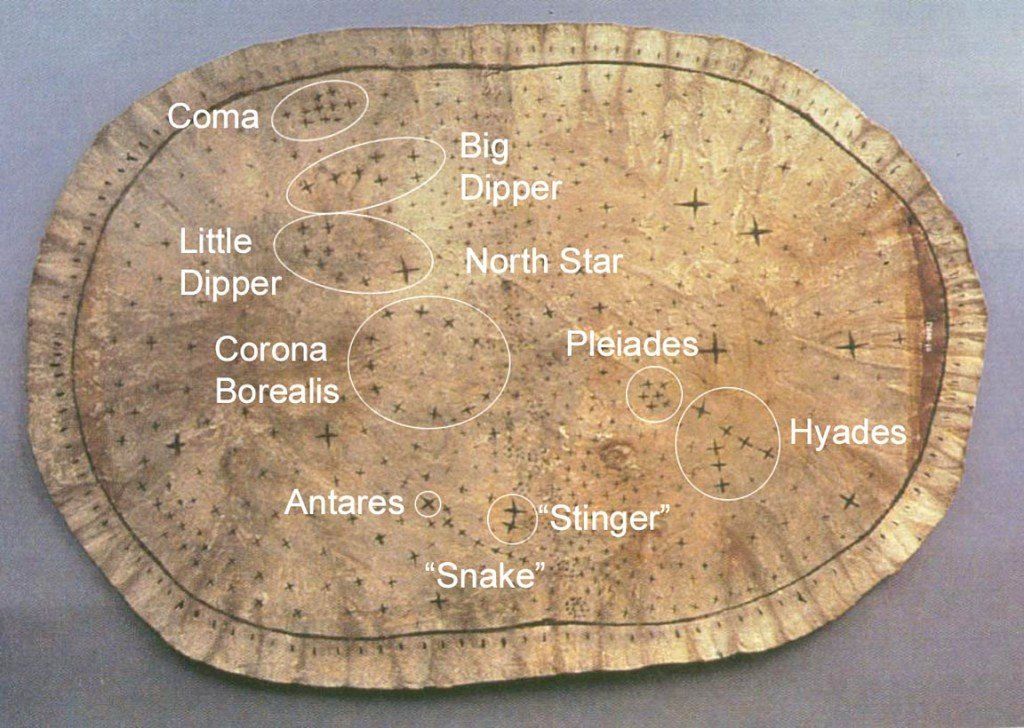
The Pawnee Tribe, a Native American group with a rich cultural heritage, has long been known for its profound connection to the cosmos. For centuries, the Pawnee people looked up to the stars not just for navigation, but as a source of wisdom and storytelling. Their unique understanding of astronomy is deeply interwoven with their identity, shaping both their daily lives and spiritual practices. It is hard not to find that moving, honestly.
Stars had sacred meanings to the Skidi Pawnee, who lived in the river valleys and plains of Nebraska. This band arranged their villages in the pattern of the North Star, the evening star, and the morning star. They arranged the posts of their earthen lodges in the same pattern, so each home repeated the cosmic arrangement. Your home mirroring the night sky above you. That is not just practical astronomy. That is poetry lived out in architecture.
African Tribes and the Stars That Shaped Their Societies
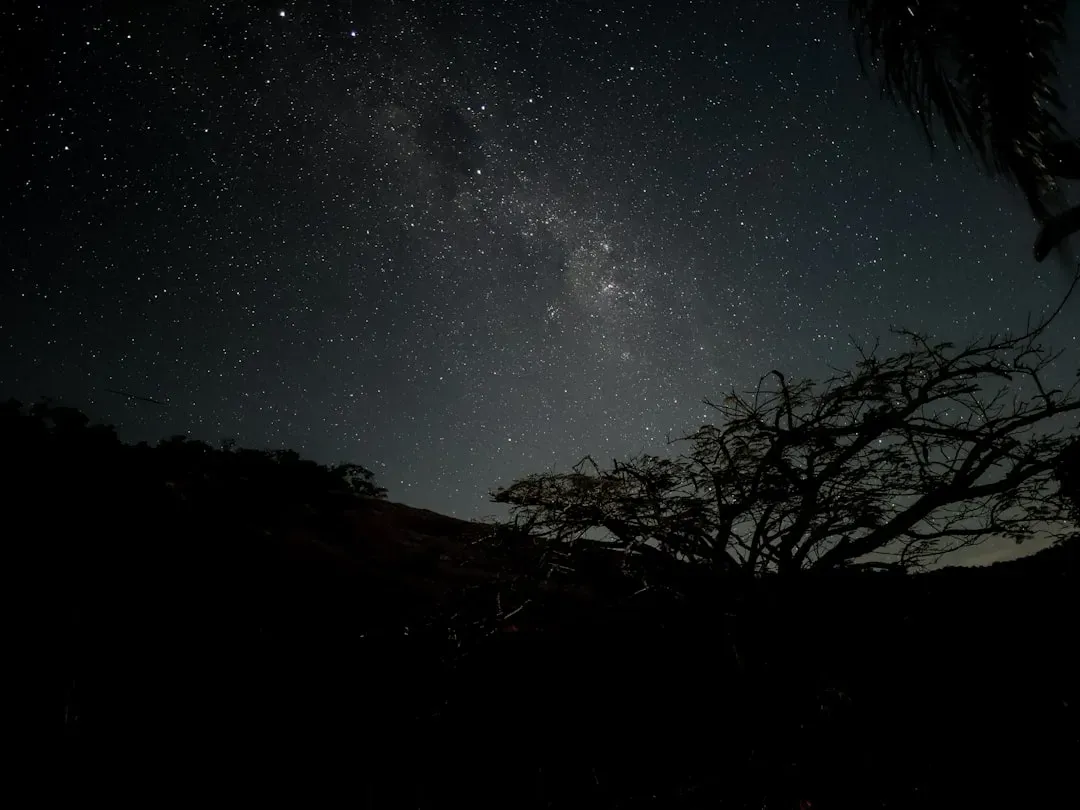
While astronomy tends to take on a Western narrative, African cultures have their own profound connection to the stars. Stars are not just distant specks of light in the African night sky but the guiding lights of mythology, culture, and spirituality. This is a perspective that Western science is only now beginning to fully appreciate and respect.
In many African societies, navigating life with the guidance of stars has birthed a rich reservoir of practical knowledge useful for timekeeping, agriculture, geography, record-keeping, and history. The Chokwe people of Zambia, for instance, gave the stars deep, rhythmic names with societal and historical significance. These were not random labels. Each name carried memory, season, and survival knowledge embedded within it.
The Maya and Their Jaw-Dropping Cosmic Calendars
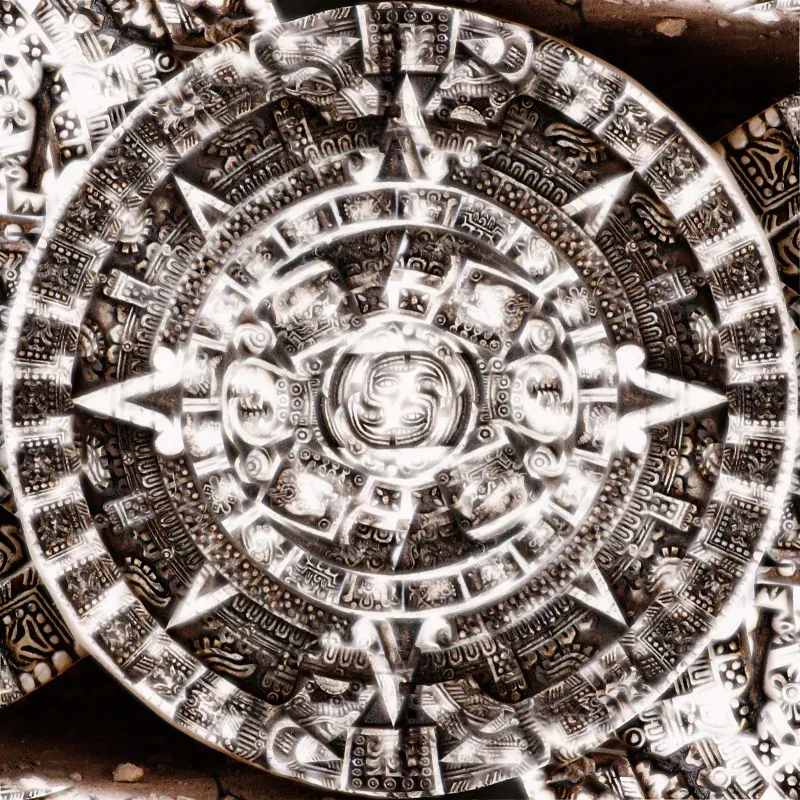
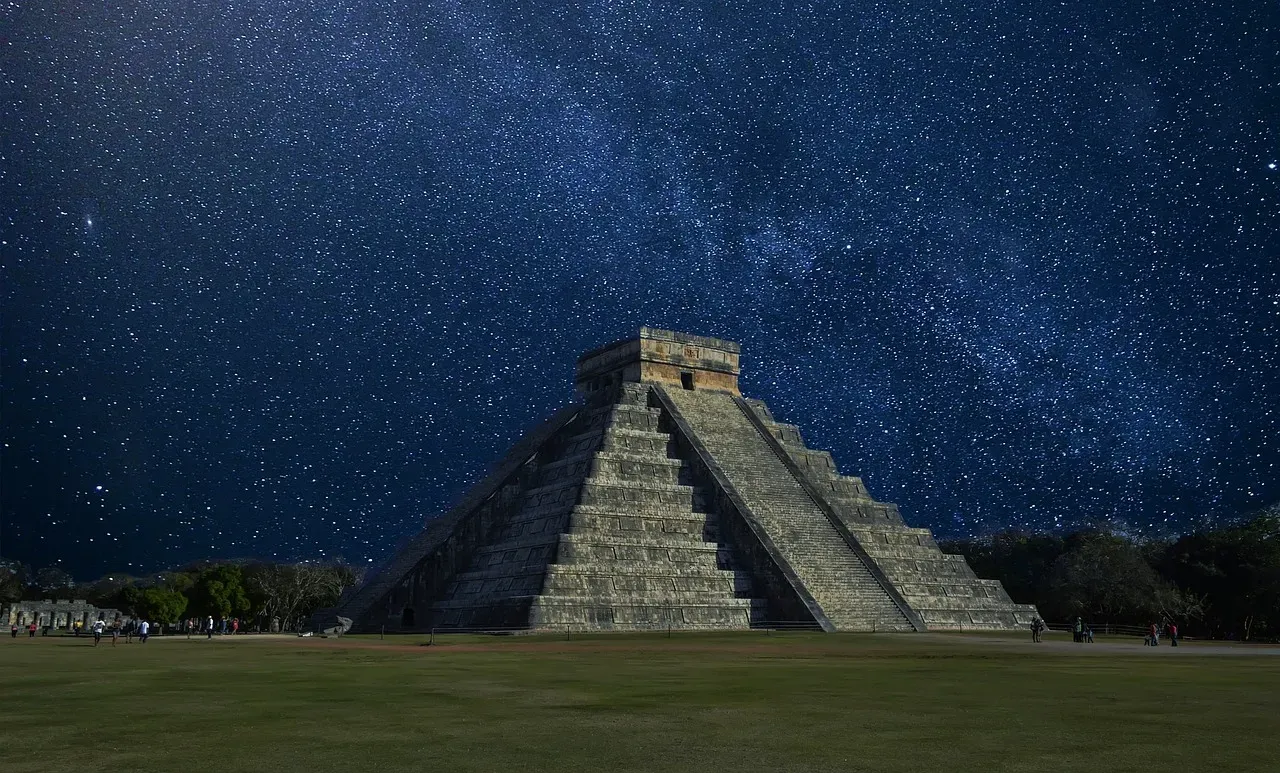
The Maya’s interest in the sky was mainly driven by their need to predict seasons and understand their influence on human behavior and social life. In addition to their written record, the Mayans developed tables to register and predict eclipses. They created famous Mayan calendars, such as the Tzolkin, the Haab, and a long-count calendar. The sheer sophistication of that system would impress any modern data scientist.
In Maya cosmology, the terrestrial realm was divided into four corners, roughly corresponding to our cardinal directions and marked by the movement of the sun across the horizon throughout the year, from solstice to equinox and back again. While the Maya, like many ancient peoples, lived their lives in accordance with the cycles and rhythms of the universe, they also placed tremendous emphasis on the correlation between time and space. It’s hard to say for sure whether modern civilization has ever matched that level of integrated cosmic living.
Seasons, Survival, and the Sacred Art of Reading the Sky

Ancient civilizations treated solstices and equinoxes as pivotal because those solar turning points are the most reliable, observable markers of the year. They matter for survival, social order, religion, and cosmology. Let’s be real. For tribal peoples, getting the seasons wrong was not just inconvenient. It could mean the difference between a full harvest and starvation.
The Pawnee tribe’s agricultural practices were heavily influenced by the positions of celestial bodies and the changing seasons. The tribe recognized specific celestial events, such as the solstices and equinoxes, as indicators for important agricultural activities. For instance, the Pawnee celebrated the spring equinox, marking the time when day and night are of equal length. This event signaled the optimal time for planting crops, as the tribe believed that the balance between light and darkness would promote growth. You will not find a more elegant system for living in harmony with the earth than that.
Conclusion: What Ancient Sky-Watchers Still Teach Us Today
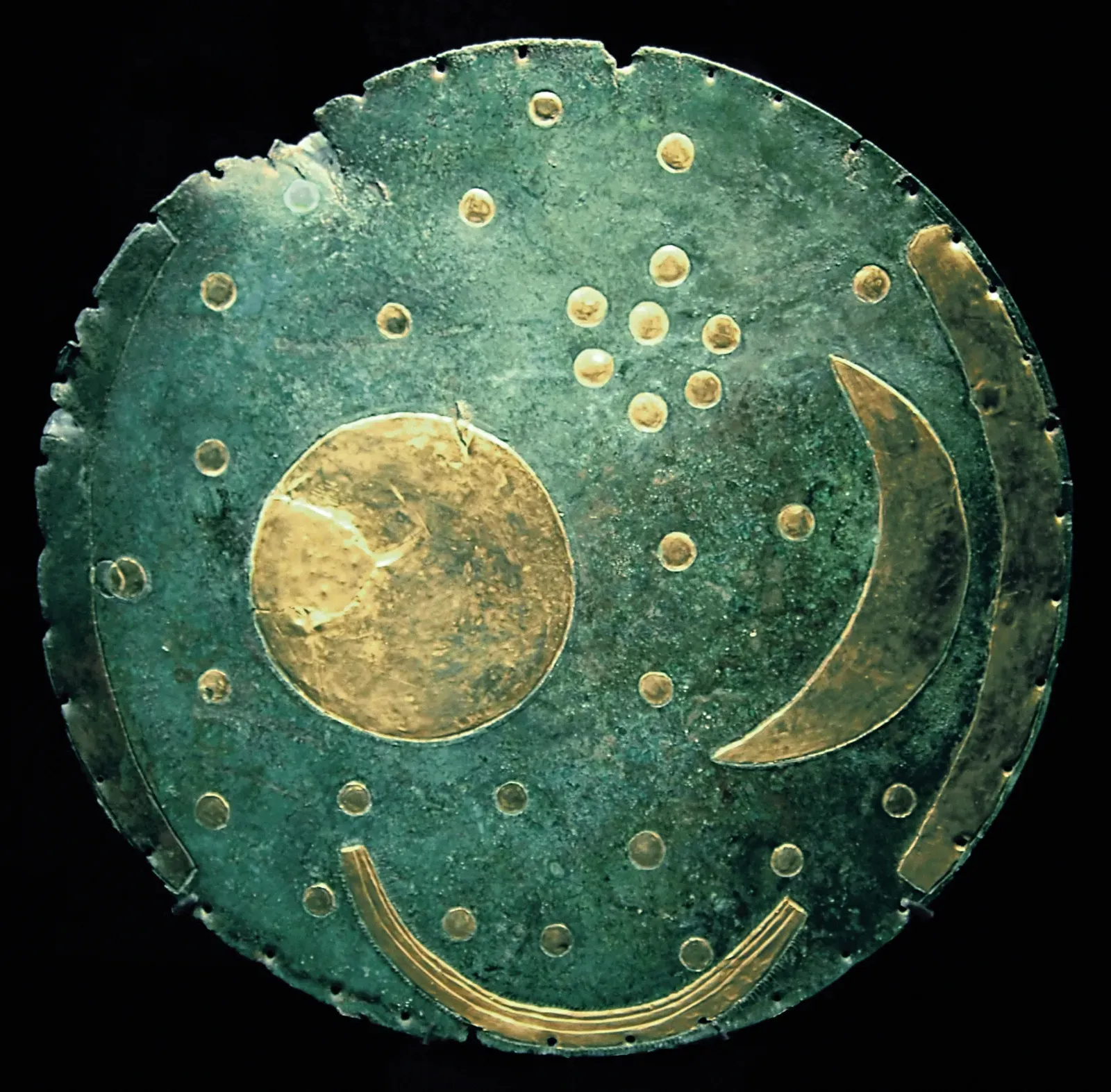
You could be forgiven for thinking that ancient tribal astronomy was just folklore dressed up as science. The truth is almost the opposite. Indigenous cosmogonies were more than mythical stories. They were the product of advanced sky observation and measurement technologies that allowed communities to understand what was happening in the sky and how it could influence their lands and societies. That realization should shift how you view ancient cultures entirely.
Indigenous communities around the world are actively working to preserve and utilize their traditional sky knowledge, which has been passed down through generations. By integrating this ancestral information with modern scientific methods, researchers are gaining a more comprehensive and holistic understanding of how ancient peoples perceived and interacted with the cosmos. Perhaps the most powerful takeaway is this: the sky has always been humanity’s greatest shared text, and ancient tribes were among its most devoted and brilliant readers.
What does it say about us today that we have more technology than ever, yet most of us cannot name a single constellation or predict a season without checking an app? Think about that the next time you glance up at the stars.