Imagine sitting around a fire thousands of years ago, listening to an elder describe a giant beast with tusks, shaggy hair, and earth-shaking footsteps – an animal no living person has seen in generations. You’d probably file that story away as legend. Pure myth. The kind of tale designed to keep children from wandering too far from camp. But here’s the thing: science is increasingly proving that many of those ancient stories were far more than creative fiction. They were records. Detailed, surprisingly accurate, incredibly old records.
The relationship between indigenous oral traditions and real prehistoric animals is one of the most fascinating puzzles in modern science. Researchers have found alignment after alignment between what ancient tribes described and what fossil evidence later confirmed. It challenges everything we assume about primitive knowledge. So let’s dive in – because you’re about to discover just how much ancient peoples really knew.
The Original Fossil Hunters – Long Before Science Had a Name for It
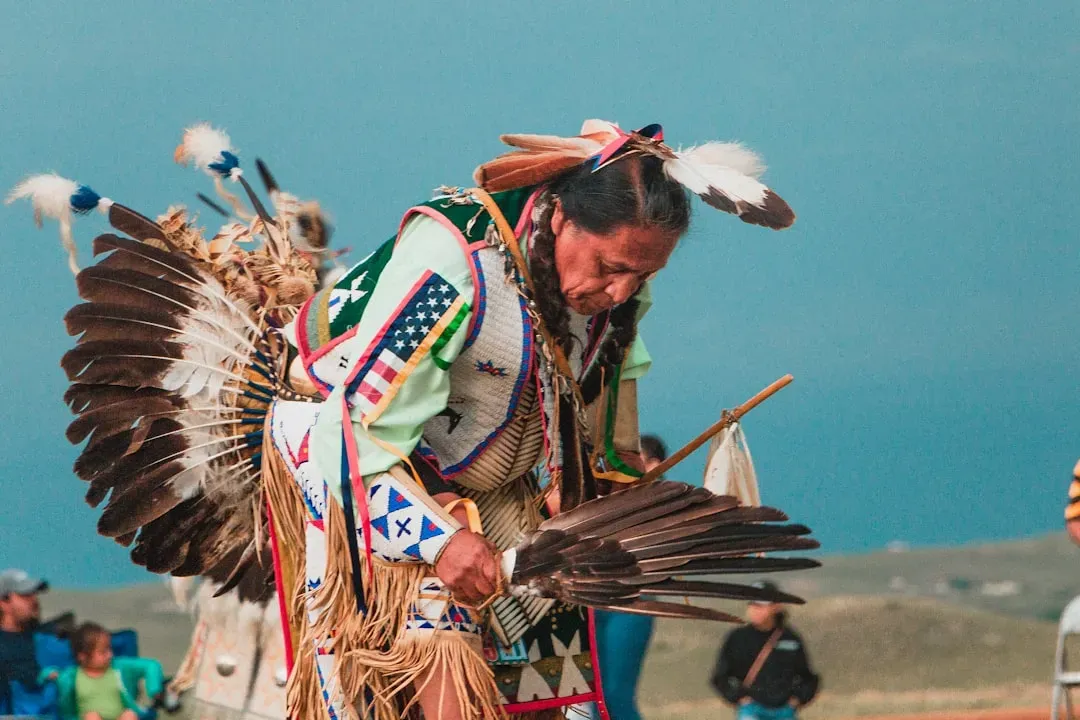
Before paleontologists began scouring indigenous lands for proof of evolution in the fossil record, Native Americans had long since incorporated these discoveries into their cultures. Centuries before Europeans arrived, native inhabitants of the Americas understood that the land had once been teeming with massive creatures that ruled the earth, water and sky. Think about that for a second – this wasn’t guesswork. These peoples were observing, interpreting, and preserving what they found with a level of intellectual rigor that modern scholars are only beginning to appreciate.
Native peoples were the first discoverers of the remains and tracks of dinosaurs on this continent, and in some instances it was they who brought the bones, teeth, and tracks to the attention of people of European descent. As early as the late 17th century, they tried to describe to settlers the giant monsters that once inhabited the earth, but they were not often believed. Honestly, that part stings a little. Their knowledge was dismissed as superstition for centuries, while the same knowledge quietly shaped the foundations of Western paleontology.
Mammoths, Mastodons, and the Stories They Left Behind
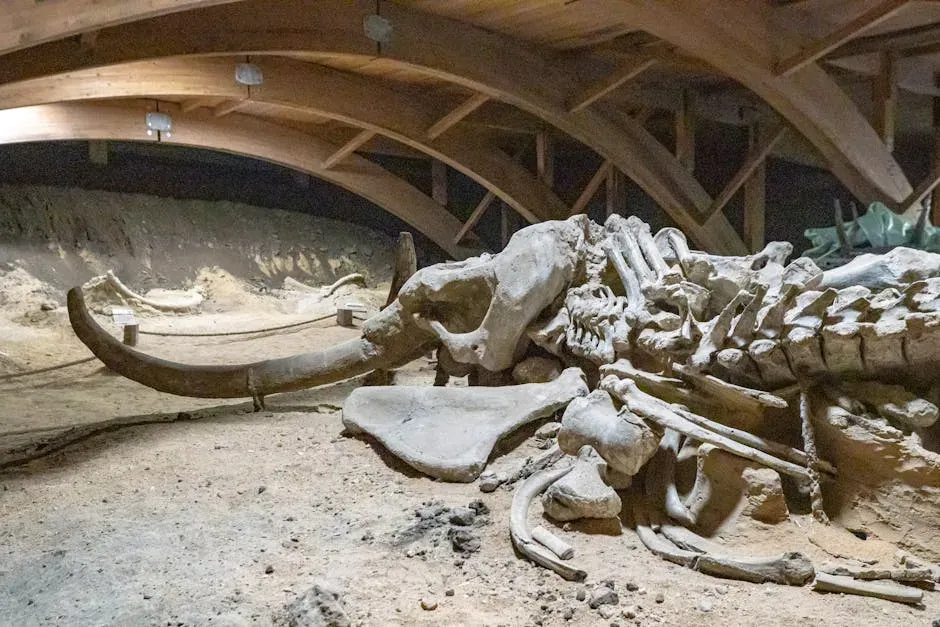
Ancient ancestors of Native Americans had lived alongside mammoths and mastodons, giant sloths, saber-toothed tigers, and giant bison – extinct animals that lived on in Native oral histories backed up by fossils. Some of these stories identified mastodons as the “grandfathers of the buffalo,” with one tale telling of a wounded warrior who has a vision of the Little People sailing to a swamp, where they ambush a group of giant beasts as the animals rise up from the earth. It sounds mythological on the surface. But strip away the narrative framing, and what you have is a coherent description of real megafauna in a real ecosystem.
Indigenous groups also posited that megafauna like giant beavers and bison had shrunk to their present sizes over time. They came up with these explanations long before European scientists had any comprehension of deep time, centuries before the development of Cuvier’s theory of extinction and Charles Darwin’s theory of natural selection. Let that sink in. Concepts like species change and extinction, ideas that shook the Western scientific world in the 1800s, were already embedded in the oral traditions of tribes across the Americas.
Australian Aboriginal Dreamtime – Ancient Memory or Scientific Record?
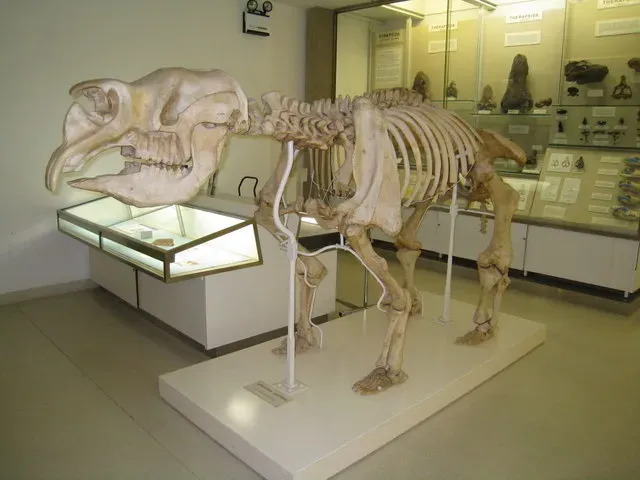
Monsters and large animals in Dreamtime stories have been associated with extinct megafauna. The association was made at least as early as 1845, with colonists writing that Aboriginal people identified Diprotodon bones as belonging to creatures from their traditions, with some researchers concluding that the fear of attacks at watering holes remembered a time when these massive animals lived in marshes. The Diprotodon was the largest marsupial to ever walk the earth – imagine a creature the size of a rhinoceros but built like an enormous wombat. Aboriginal stories about it weren’t just legends. They were memories.
Indigenous Australians are known to have co-existed with the lumbering, bull-sized, wombat-like marsupial Zygomaturus trilobus for at least 17,000 years – ample time for details of their nature to have been incorporated into the extraordinarily long cultural memories of Aboriginal people. Seventeen thousand years of co-existence. That is an incomprehensible stretch of time, and yet it has been suggested that Aboriginal oral traditions may have endured for up to 30,000 years, lending further weight to the idea that some Aboriginal myths pertaining to gigantic animals may be authentic records of extinct megafauna.
Rock Art as a Window Into a Lost World
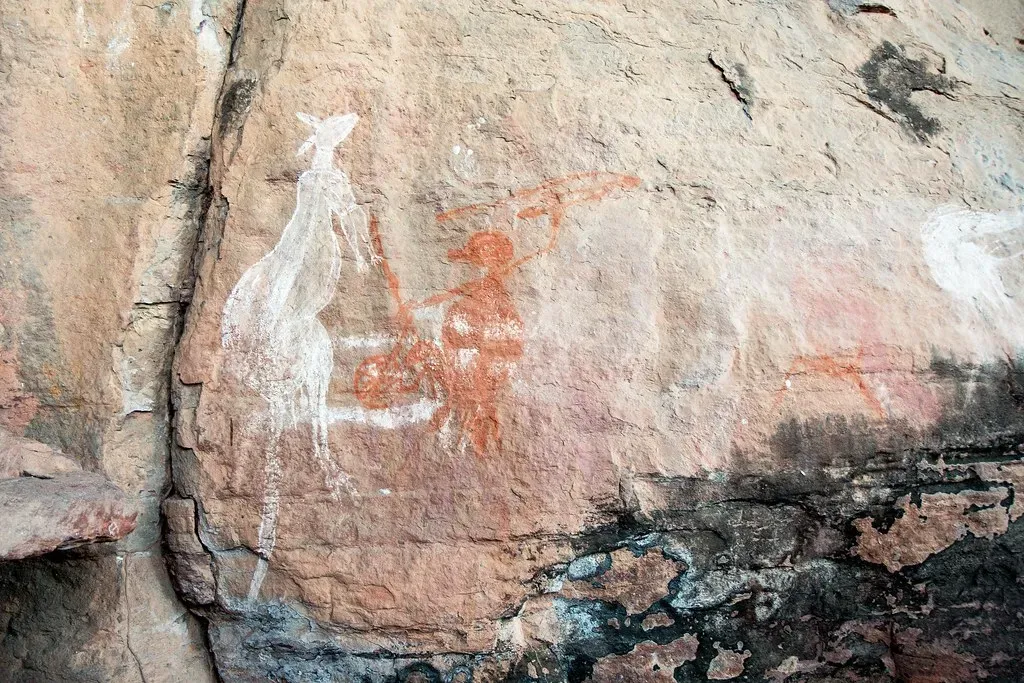
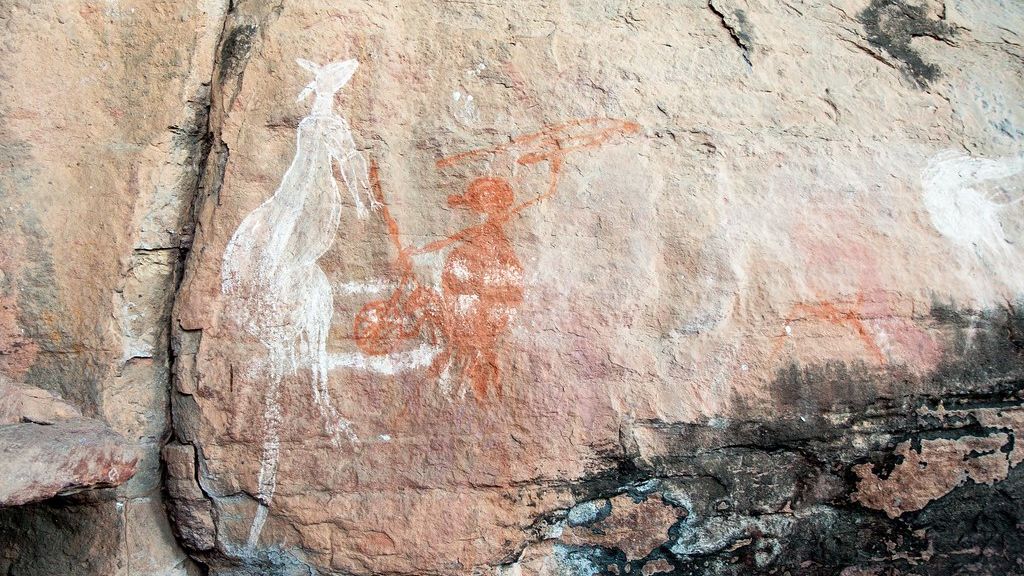
Beneath layers of more recent drawings, paleontologists now think certain rock art depicts Procoptodon goliah, an extinct species of short-faced kangaroo that had a large, single-clawed toe on each hind foot, and was over two and a half times as heavy as a modern red kangaroo. The sheer detail encoded in these paintings is breathtaking. These weren’t decorative doodles – they were observations recorded by people who had actually seen these animals or heard precise descriptions of them from those who did.
The similarity between paleontology-informed reconstructions of extinct megafauna and their representations in ancient rock art leave little doubt that Aboriginal Australians and Brazilians were familiar with these creatures. In Algeria, people referred to some dinosaur footprints as belonging to the legendary “Roc bird.” In North America, cave paintings depicting dinosaur footprints were painted by the Anasazi people between AD 1000 and 1200. Indigenous Australians identified dinosaur footprints as belonging to a legendary “Emu-man.” Across continents, separated by oceans and millennia, peoples were doing the same thing – noticing, naming, and remembering.
African Tribes and Their Fossil Discoveries
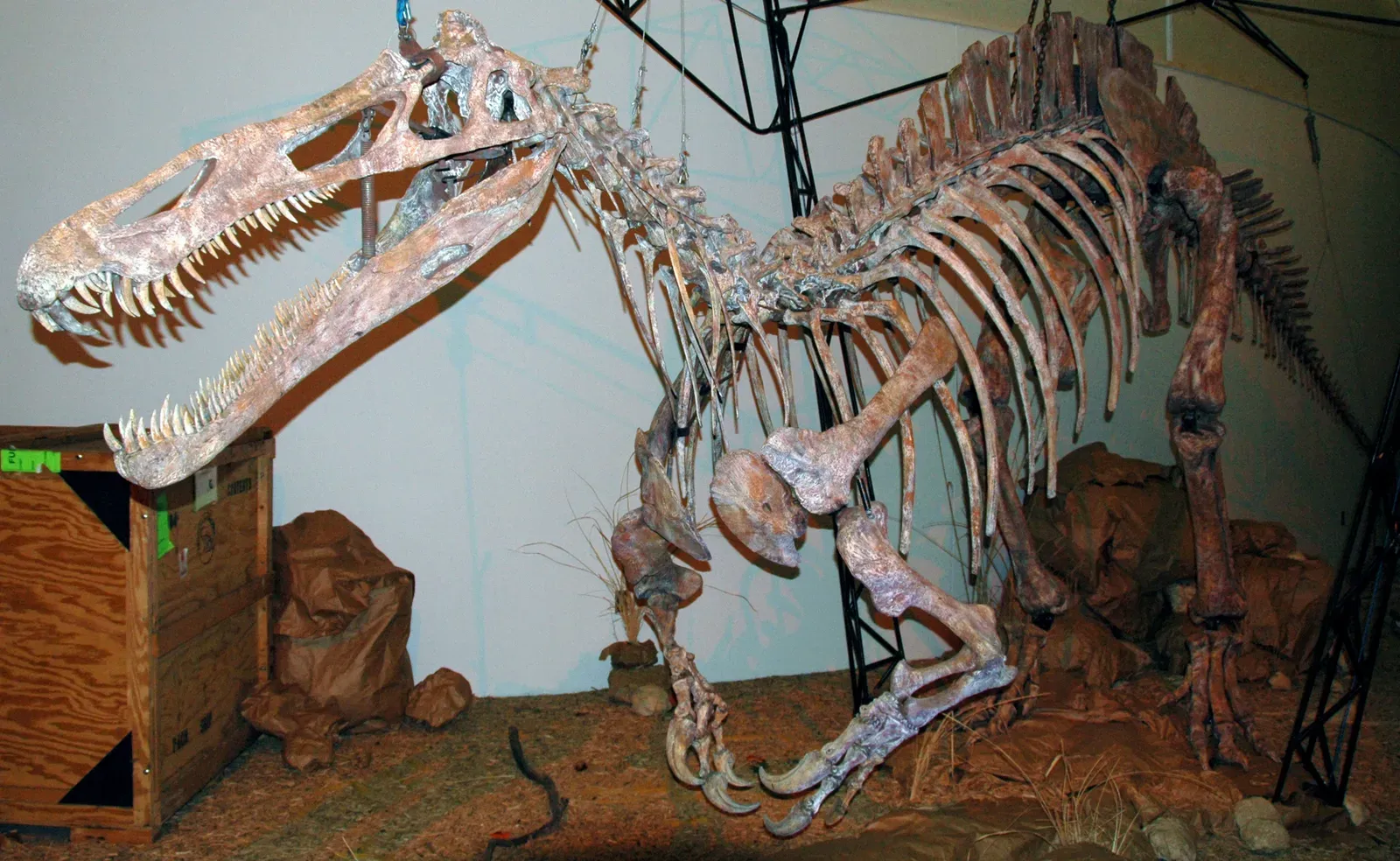
More often than not, the first dinosaur fossils supposedly discovered by scientists were actually brought to their attention by local guides. Examples include the discovery of the gigantic dinosaurs Jobaria by the Tuaregs in Niger and Giraffatitan by the Mwera in Tanzania. Think about what that means. The Western scientific world assigned credit to the formal researchers, while the people who actually found the fossils – who had known about them for generations – were sidelined from the story.
One of the highlights of research into African indigenous knowledge is the archaeological site of Bolahla, a Later Stone Age rock shelter in Lesotho. Dating techniques indicate the site was occupied by the Khoesan and Basotho people from the 12th to 18th centuries. Evidence suggests that the first dinosaur bone may have been discovered in Africa as early as 500 years before British natural historian Robert Plot’s well-credited find. This is not a small footnote. This rewrites the history of paleontology entirely.
Oral Tradition as a Precision Information System
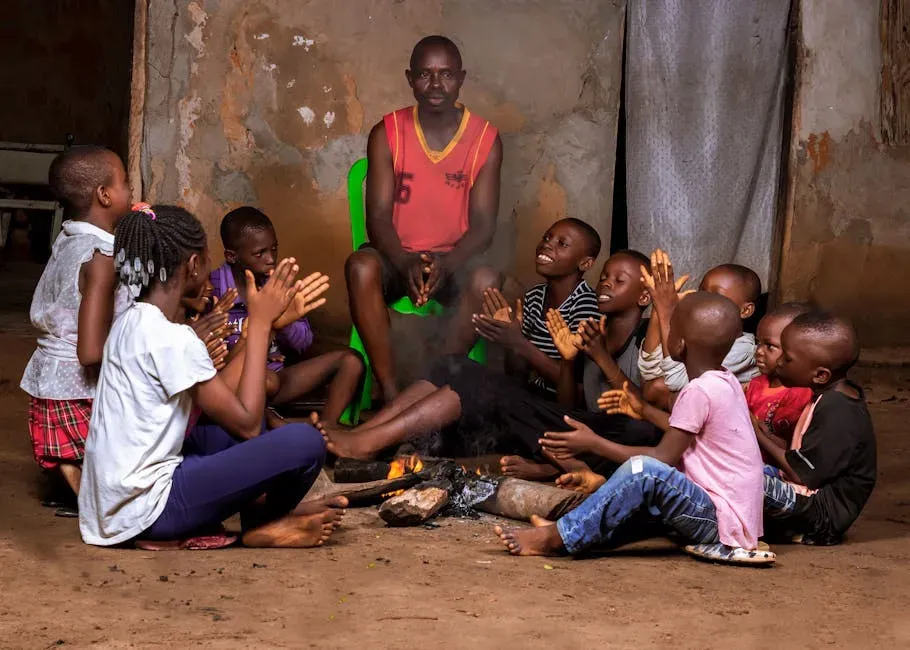
Within certain indigenous knowledge traditions, information was expected to be recounted exactly, without error. That is a standard that would impress any archivist. People assume oral traditions are inherently unreliable – like a game of telephone played across centuries. I think that assumption is lazy, honestly. Some aspects of knowledge are so highly valued that they can be reliably retained over millennia. Pragmatic information stored within oral tradition such as knowledge of the environment, plants, animals, astronomy, navigation, and laws is constantly being reinforced through experience and updated with new knowledge.
Without using written languages, Australian tribes passed memories of life before and during post-glacial shoreline inundations through hundreds of generations as high-fidelity oral history. Some tribes can still point to islands that no longer exist and provide their original names. Scientists have been able to corroborate certain Aboriginal oral history by dating volcanic rocks, confirming stories that were being told between 5,000 and 10,000 years ago. The precision of these ancient memories, verified by hard geological data, is extraordinary.
When Indigenous Knowledge Shaped Modern Paleontology
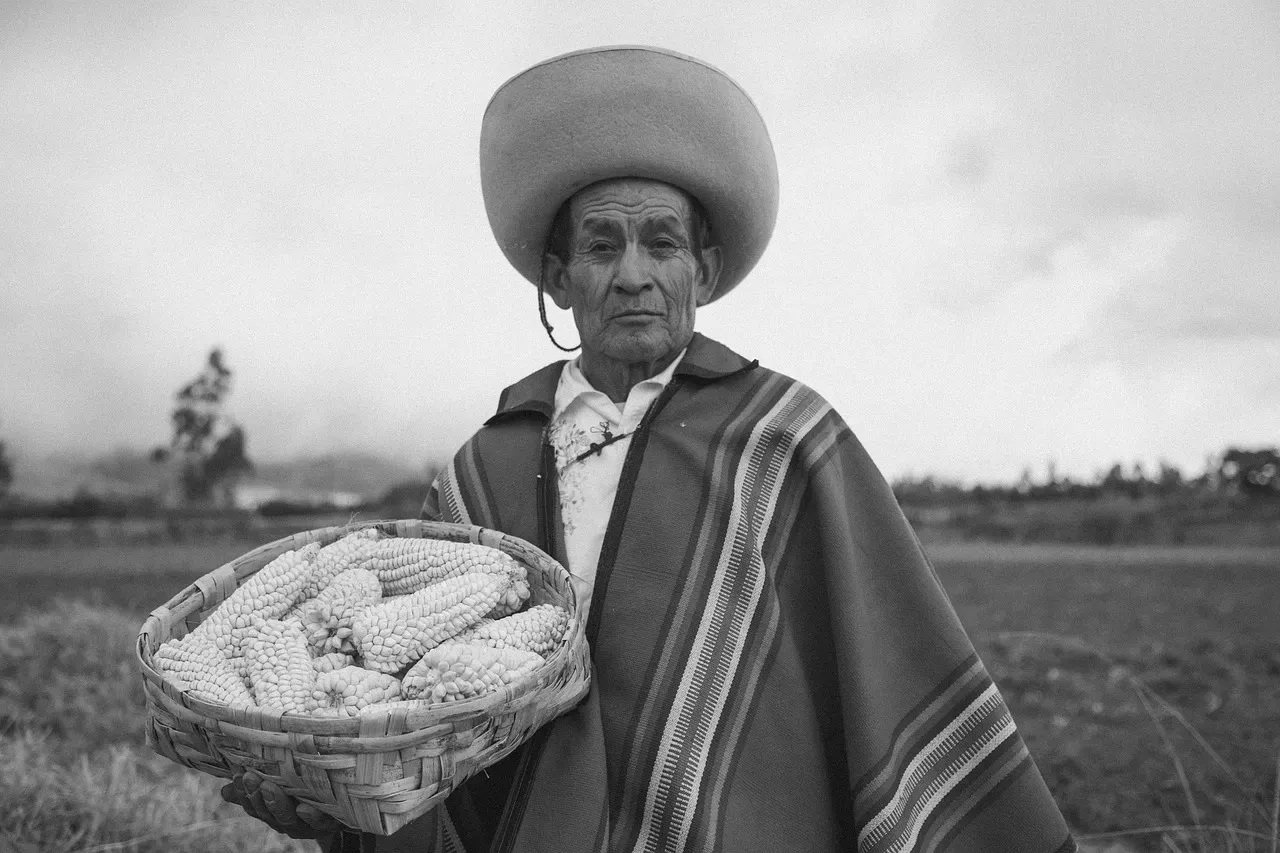
Zuni, Navajo, Apache, and Hopi creation stories all cover a vast timeframe; the Zuni, for instance, describe volcanic eruptions that dried out primeval oceans full of monsters and giant lizards that were eventually replaced by huge mammals. That is not a random mythological jumble. That is a layered description of geological eras, mass extinctions, and species succession. For these stories to exist, someone had to observe the fossil layers – and connect them to a coherent narrative about the deep past.
According to folklorist Adrienne Mayor, a common theme in indigenous American fossil legends is “the eternal struggle for natural balance among earth, water and sky forces.” Indigenous fossil legends also frequently show motifs resembling major themes in scientific paleontology like deep time, extinction, change over time, and relationships between different life forms. Fossils have been used by Native Americans for evidence about the past, healing, personal protection, and trade. Their insights, some so sophisticated that they anticipate modern scientific theories, were passed down in oral histories over many centuries. The word “anticipate” is doing heavy lifting there – because in reality, indigenous peoples didn’t anticipate science. They practiced it, in their own way, long before the term existed.
Conclusion: Ancient Wisdom Deserves a New Kind of Respect
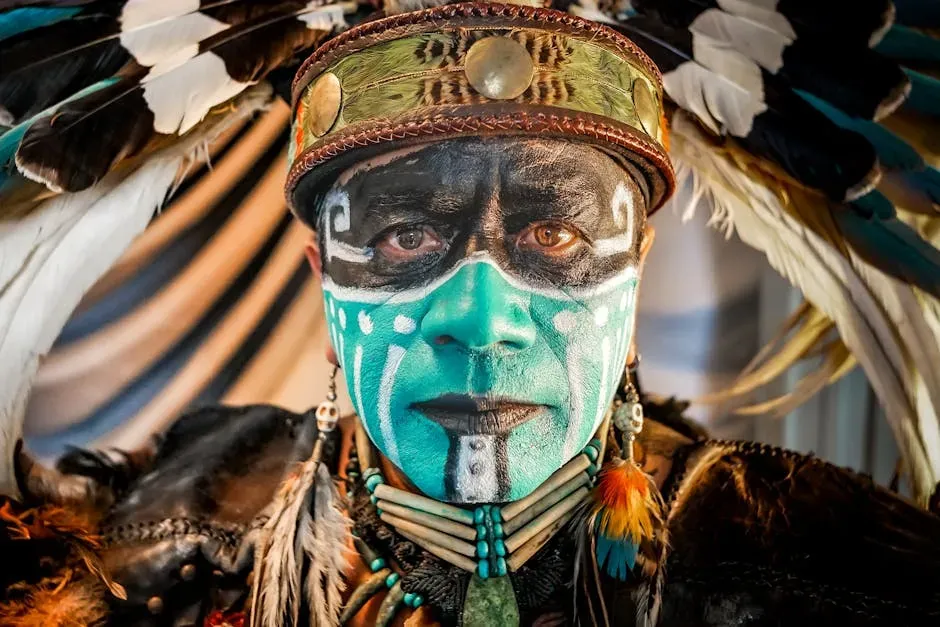
Here’s what all of this tells you: the line between “myth” and “knowledge” has always been more about who holds the microphone than about what is actually true. For centuries, Western science dismissed indigenous accounts as superstition, only to spend decades slowly confirming what those traditions already knew. The oral histories of ancient tribes weren’t primitive guesses – they were meticulous, multigenerational observations passed down with extraordinary care.
Today, it is indisputable that Native American thought represents a distinct and valuable form of scientific reflection and inquiry. That recognition is overdue. Fossil-related traditions could help bridge the gap between local communities and paleontologists, which in turn could contribute to preserving important heritage sites. The ancient peoples of this world were watching, thinking, and remembering. We’re only just beginning to truly listen to what they had to say.
The next time you hear an old story about a great serpent or a sky-shaking beast, maybe don’t be so quick to call it fiction. Somewhere buried in the landscape nearby, the bones of that beast might still be waiting to be found. What would you have guessed – legend or memory?