When you picture a dinosaur, your mind probably conjures massive creatures stomping through lush Jurassic jungles, supreme rulers of a world they seemingly always dominated. But here is something that might genuinely stop you in your tracks: those incredible animals nearly never got their shot. The real story behind their rise is one of fire, sulfur, freezing winters, and a supercontinent tearing itself apart. It is a story written in ancient rock, and scientists are still decoding it today.
The connection between ancient volcanoes and dinosaur evolution is one of the most profound and underappreciated relationships in the entire history of life on Earth. You might not expect that a river of lava or a column of volcanic gas could shape the destiny of an entire lineage of animals. Yet the evidence, pulled from sediments on four different continents, says otherwise. Buckle up, because this journey through deep time is full of surprises.
The World Before the Dinosaurs Took Over
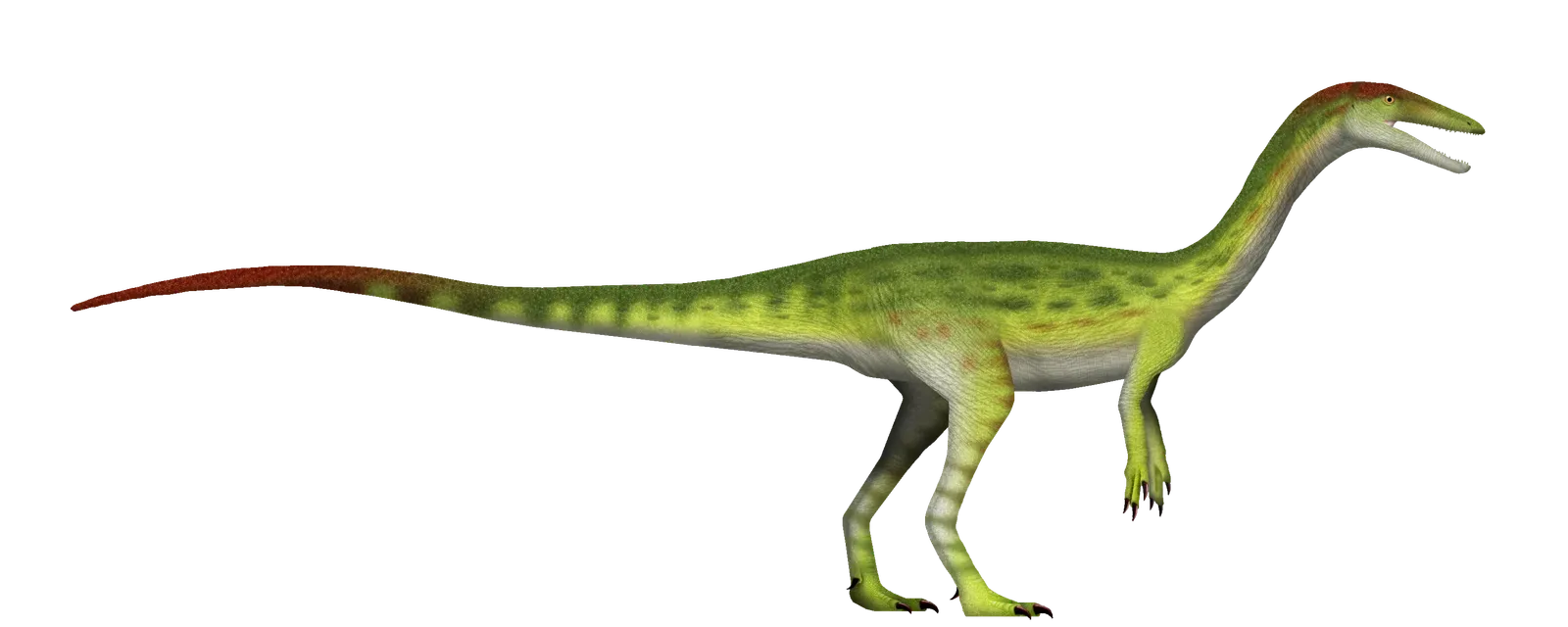
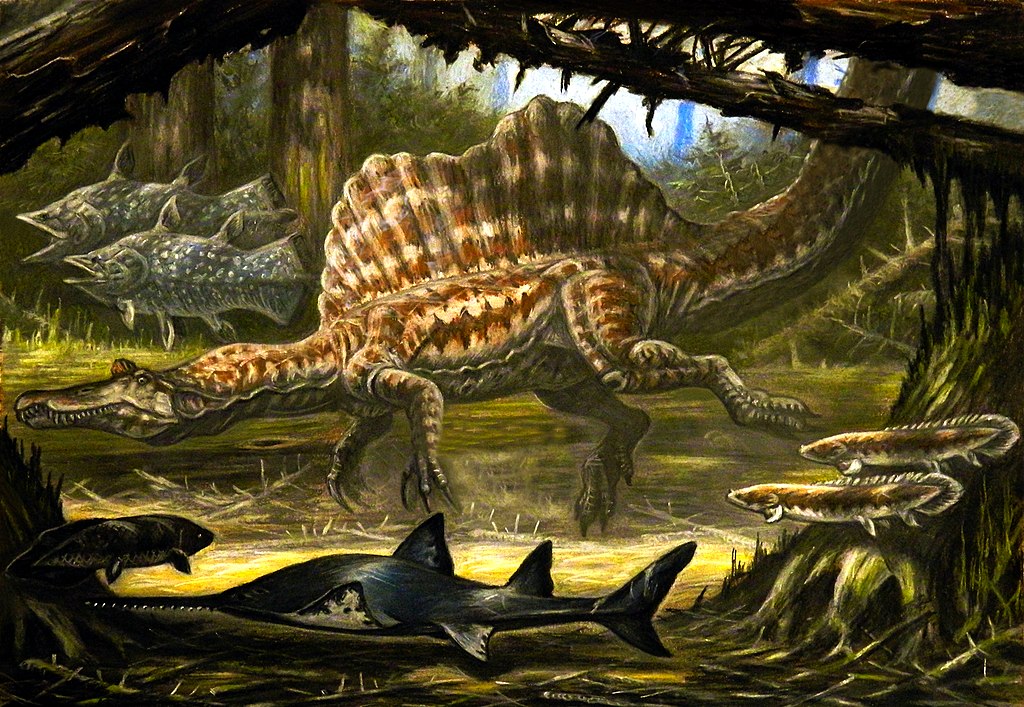
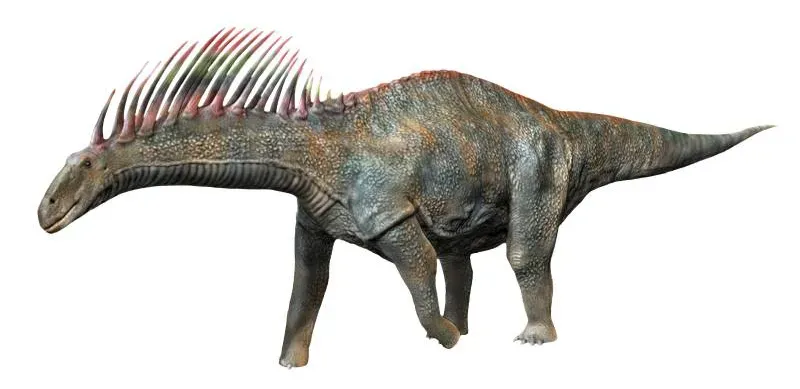
If you could somehow travel back to the Late Triassic period, you would not recognize the Earth you stepped onto. In the latest days of the Triassic, early dinosaurs lived alongside giant amphibians, gharial-like phytosaurs, and an array of crocodile relatives that took forms ranging from armadillo-like to apex predators. Dinosaurs, at that point, were actually the underdogs. They were small, marginalized, and surrounded by far more dominant competitors.
During the Triassic period, large crocodiles reigned on land and preyed on dinosaurs, which were small. These crocodiles went extinct as a consequence of cold weather brought on by volcanic activity. Think of it like a grand biological chess match where the dinosaurs were mere pawns. They would not become kings until the board itself was violently overturned by forces from deep within the Earth.
The Carnian Pluvial Episode: When Volcanoes Triggered a Rainfall Revolution
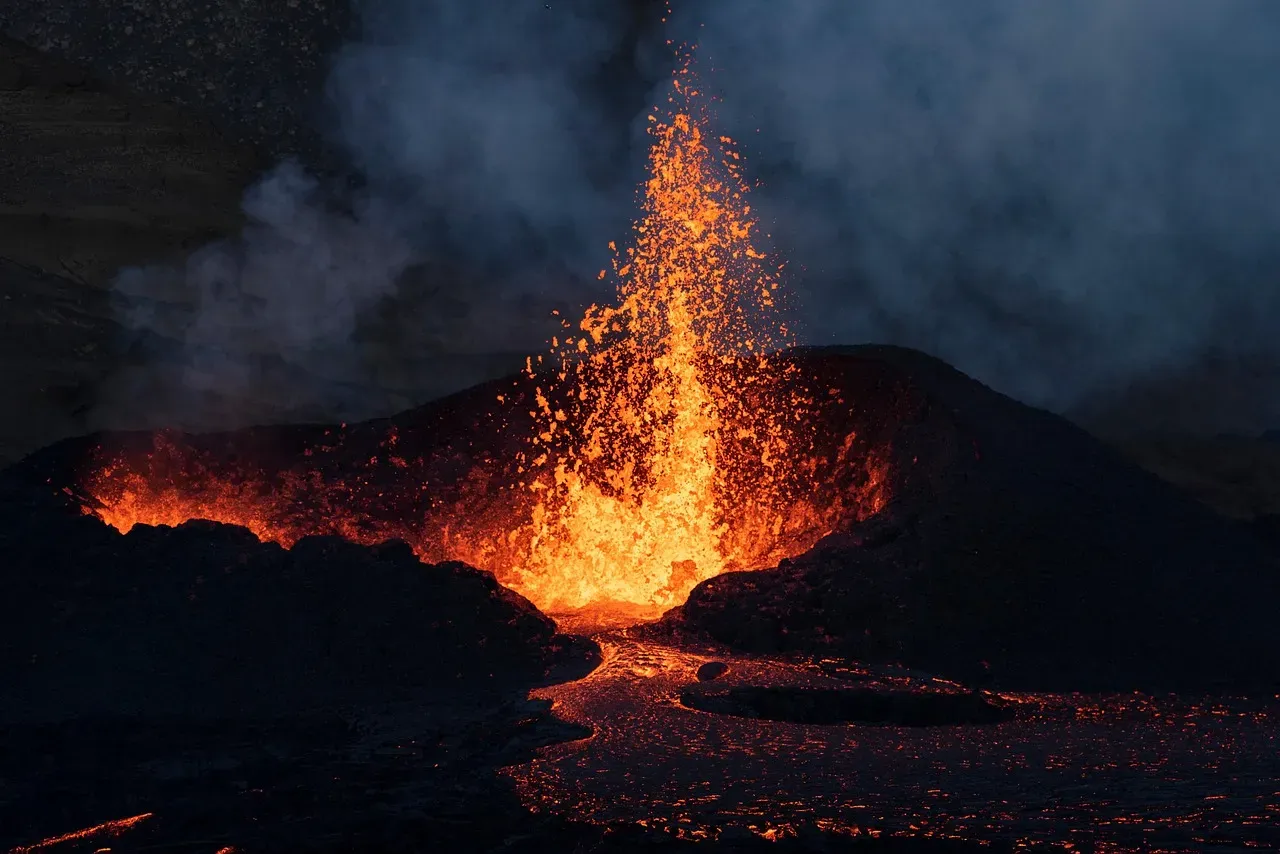
During the late Triassic period, there was a stretch of time known as the Carnian Pluvial Episode (CPE), which ran from 234 to 232 million years ago. Before the CPE, the supercontinent of Pangaea was dry and arid, but then the CPE came along with its mega monsoon climate, leading to an increase in global temperature and humidity. This transformation of conditions had a major impact on plant and animal life. Honestly, calling it just a “climate shift” feels like calling a hurricane “a bit of wind.”
Volcanoes in northern Pangaea, along what is now the west coast of Canada and Alaska, began to stir during the Carnian Stage of the Triassic. The eruptions came from a crustal fragment called the Wrangellia Terrane, resulting in massive outpourings of lava and clouds of volcanic gases being released into Earth’s atmosphere. A wave of rapid climate changes began as carbon dioxide trapped the heat in the atmosphere, raising global temperatures by about 3 degrees Celsius. That warming, in geological terms, hit like a freight train. The earliest dinosaurs, which include the ancestors of birds, lepidosaurs, the ancestors of modern-day lizards and snakes, and potentially mammaliaforms, ancestors of mammals, all diversified during the event.
Fire and Ice: How Volcanic Winters Cleared the Way
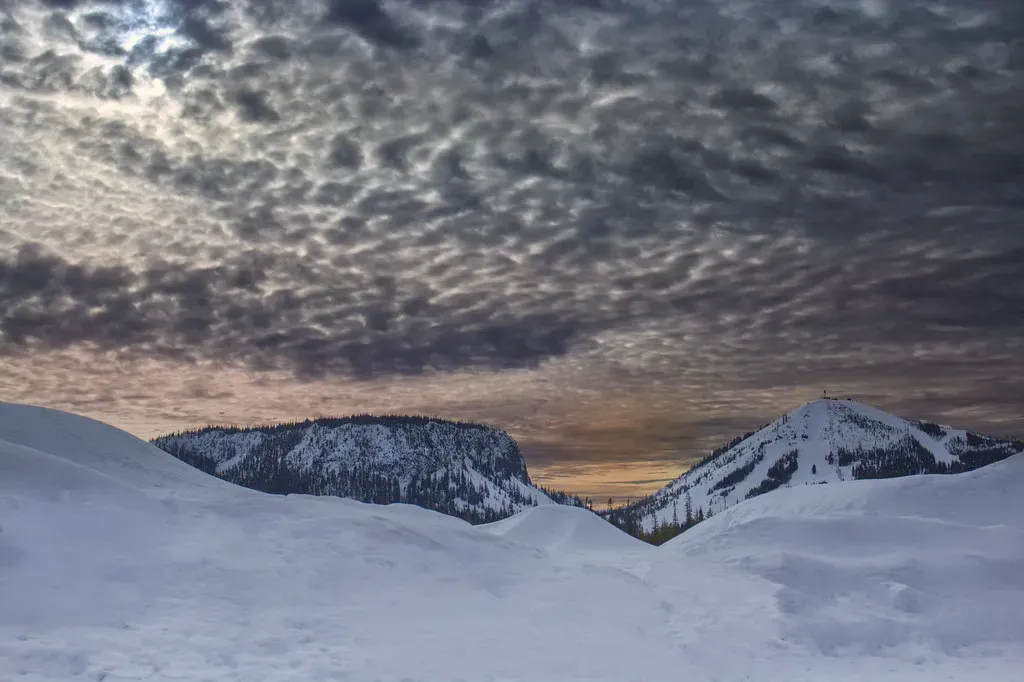
Short-lived but intense volcanic winters, which are colder-than-usual conditions triggered by volcanic eruptions, sent temperatures plummeting at the end of the Triassic Period, according to research published in Science Advances that uncovered evidence of freezing conditions 202 million years ago. So you had this wild situation where volcanoes were simultaneously warming the planet through CO2 and then cooling it dramatically through sulfate aerosols. It was like the Earth kept flipping between a fever and a deep freeze.
Dinosaurs, many of which were primitively insulated with either feathers or body hair, were able to weather the cold much better than other animals. Other animals, including crocodilians and their relatives, were dominant land animals in tropical and temperate regions but did not have insulation and therefore did not fare nearly as well. They were almost completely wiped out during the Triassic-Jurassic extinction event. Dinosaurs generally did just fine, and that is why they became the dominant species on land during the Jurassic. Nature, it turns out, rewarded the furry and the feathered.
The Central Atlantic Magmatic Province: Earth’s Most Consequential Eruption
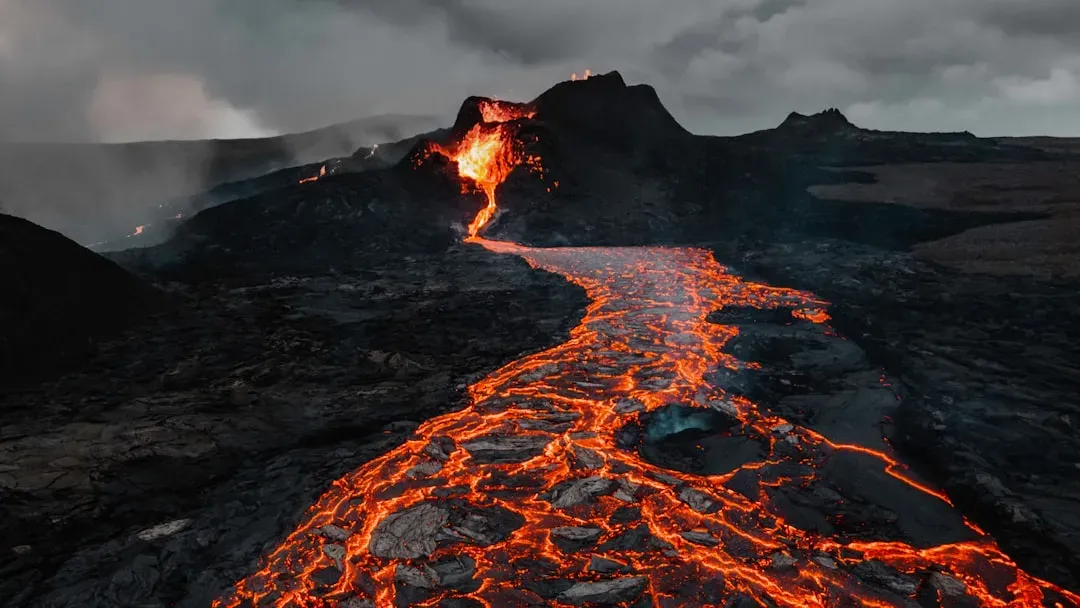
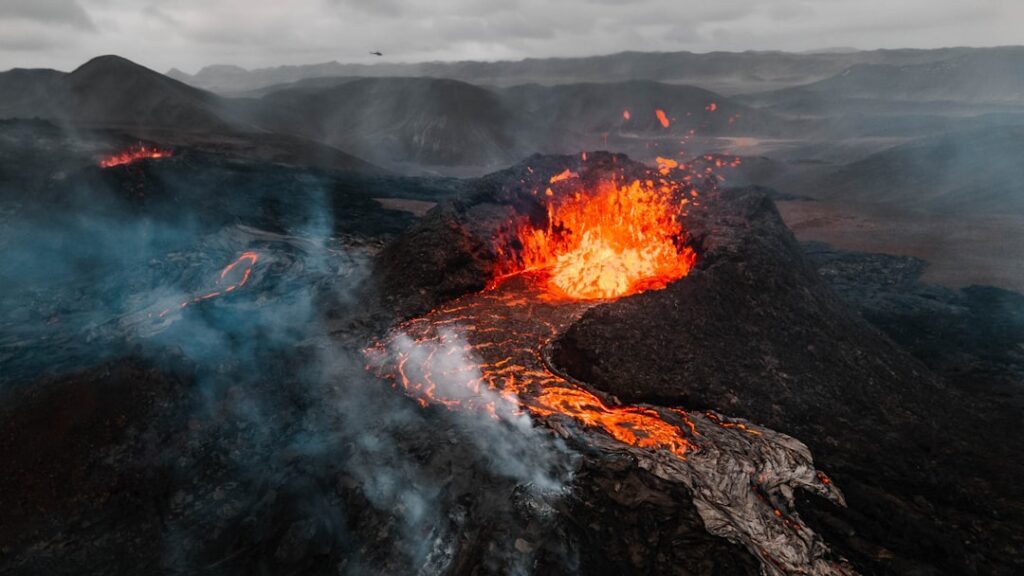
The most likely trigger for the Triassic-Jurassic mass extinction is incredible outpours of greenhouse gases in what experts call the Central Atlantic Magmatic Province, or CAMP. The ancient volcanoes in that area, situated around the center of Pangaea, oozed and belched greenhouse gases into the atmosphere. It is thought that CAMP emitted a total of more than 2 million cubic kilometers of lava. If that amount of lava were spewed over a period of 1 to 2 million years, it would not have nearly the same impact as if it were emitted over tens of thousands of years. The speed of those eruptions, in other words, was everything.
The End Triassic Extinction, which occurred about 201.6 million years ago, stamped out three-quarters of all life on Earth, and has long been thought to be linked to the volcanic eruption of the Central Atlantic Magmatic Province, which occurred around the same time. The event also caused huge changes in land vegetation, and while it remains a mystery why the dinosaurs survived this event, they went on to fill the vacancies left by the now-extinct wildlife species, alongside early mammals and amphibians. Let’s be real: that ecological vacancy was the golden ticket dinosaurs had been waiting for.
Mercury in the Rocks: The Geological Fingerprint of Volcanic Catastrophe
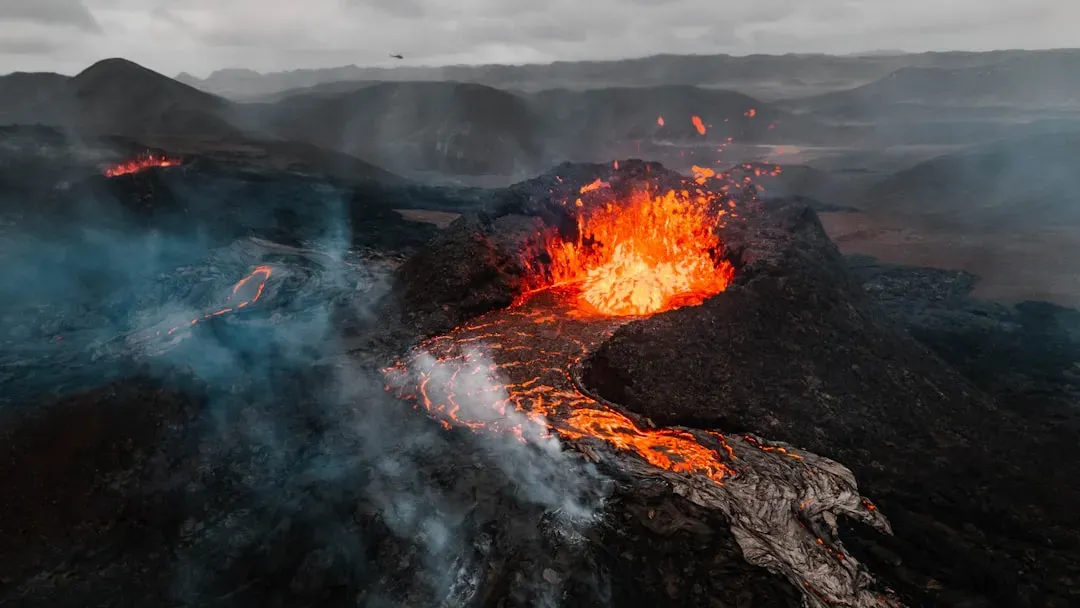
Here is where things get genuinely fascinating from a detective standpoint. By examining geological records from all over the world, researchers discovered that large amounts of mercury were released into the atmosphere at around the same time as the extinction. Since mercury is also released by volcanoes, this suggests the volcanic eruptions really were severe enough to affect the whole world and potentially cause the mass extinction. You are essentially reading the ancient chemical diary of a catastrophe.
Researchers found other mercury peaks between the extinction layer and the layer that marked the start of the Jurassic period, which occurred approximately 100,000 to 200,000 years later. This suggests that multiple episodes of tremendous volcanic activity took place during and immediately after the end-Triassic extinction. The team sourced six sediment deposits from the UK, Austria, Argentina, Greenland, Canada, and Morocco, and analyzed their mercury levels. Spanning four continents and both hemispheres, this evidence made the volcanic connection virtually impossible to dismiss.
How Volcanic Landscapes Physically Reshaped Dinosaur Habitats
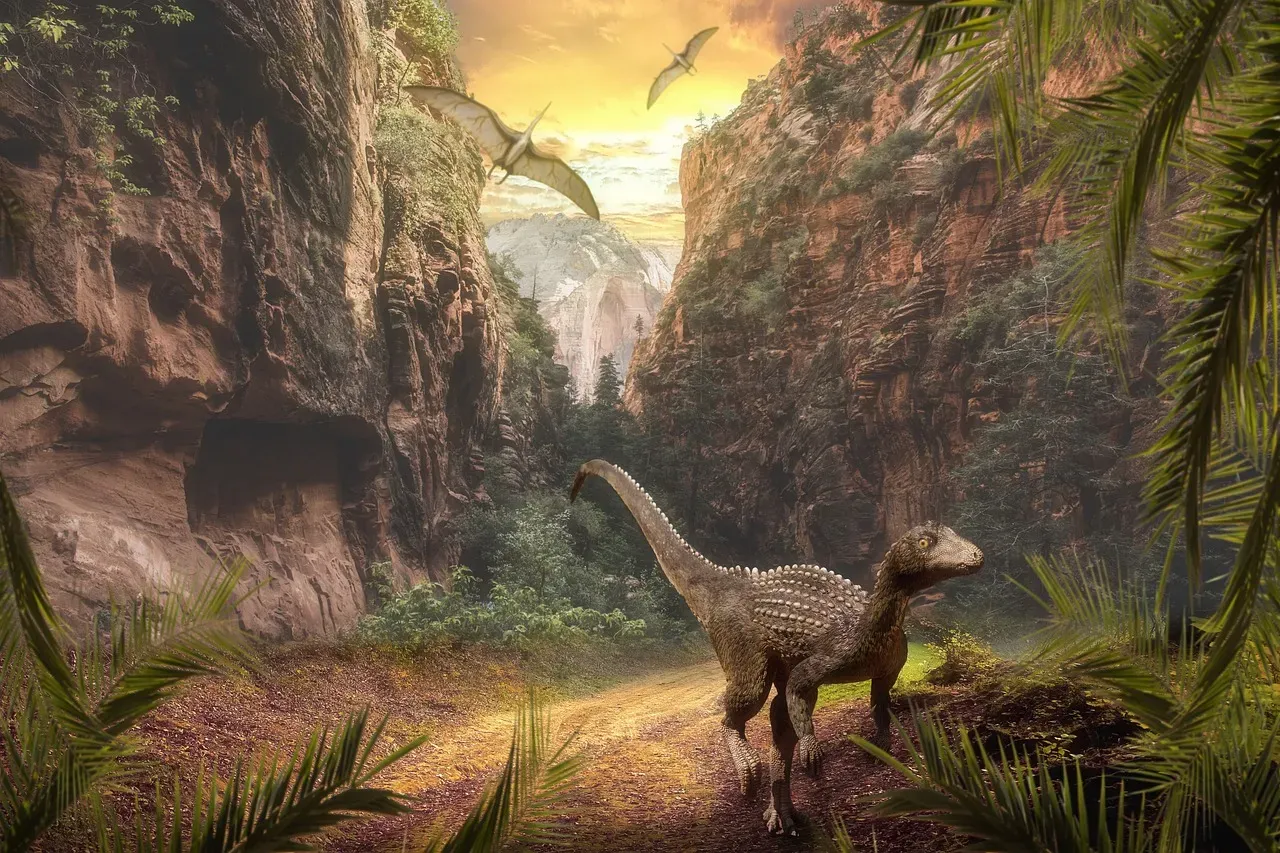
Another way ancient volcanoes shaped the habitats of dinosaurs was by creating islands, mountains, or plateaus. Volcanic eruptions also contributed to continental growth over thousands to millions of years. Generally, the creation of islands or mountains takes several thousand years, whereas continental growth can take millions of years. The formation of landmasses created new habitats, providing dinosaurs with more food and space to thrive. Think of it like a slow-motion terraforming project that no one asked for but everyone eventually benefited from.
Volcanic eruptions created natural barriers such as mountains, which helped separate species from predators and competition. A key biogeographic model, the “diachronous rise of dinosaurs” hypothesis, posits that groups like sauropodomorphs originated in mid-palaeolatitudes of Gondwana and were initially confined there during the Late Triassic by harsh, arid climates in the palaeotropics, and then a northward breakout and dispersal only became feasible around the mid-Norian following climatic amelioration. Volcanic activity, in shaping the physical terrain and climate corridors, was essentially drawing the migration maps for dinosaur evolution.
Dinosaurs That Thrived Because Volcanoes Rewrote the Rulebook
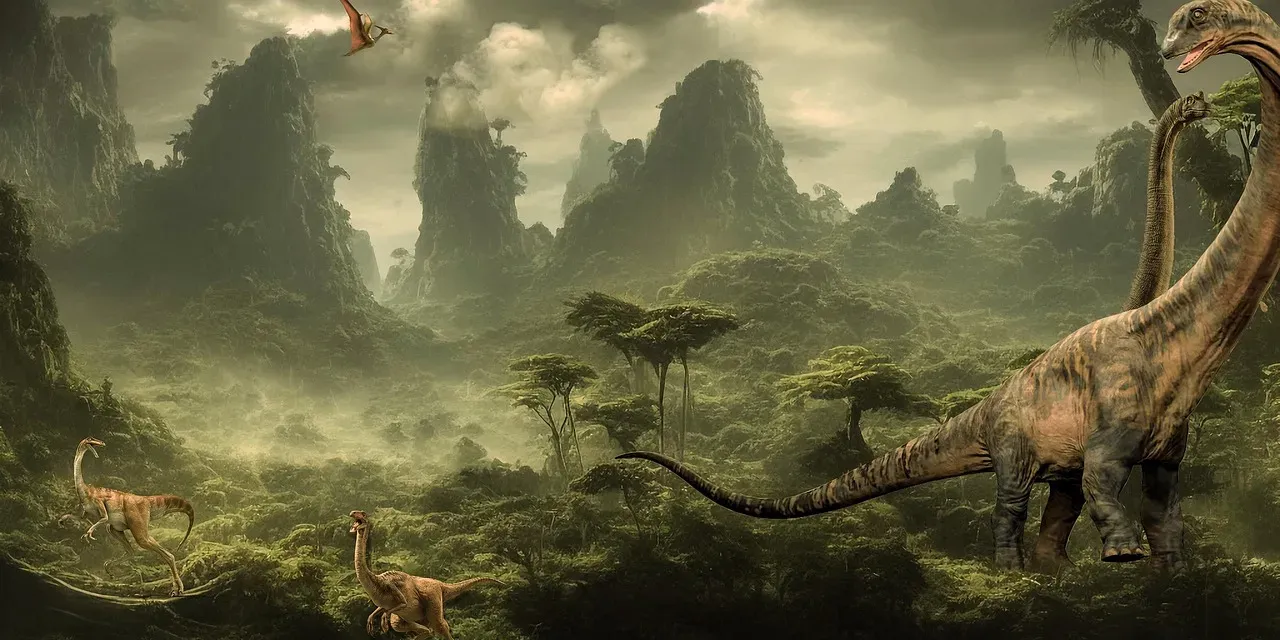
Climate changes during the Triassic period underwrote a vegetation boom that provided some previously omnivorous dinosaur lineages with enough green food to begin specializing on eating plants. Ultimately, the drastic climate changes of the Carnian Pluvial Event paved the way for new forms of life to emerge and diversify, setting the stage for the dominance of dinosaurs and other modern terrestrial fauna. It is hard to overstate just how consequential this moment was. Without volcanic chaos reshuffling the ecological deck, you might never have had a Brachiosaurus or a Triceratops.
Researchers describe it as a chain reaction in the Triassic: big volcanoes erupt, they change the climate from dry to humid, and that helps catalyze the spread of dinosaurs. This shows how big changes in climate can have big implications for evolution. It is not just that climate changes can cause extinctions, but they can also help certain groups prosper and spread. Dinosaurs diversified in two steps during the Triassic. They originated about 245 million years ago, during the recovery from the Permian-Triassic mass extinction, and then remained insignificant until they exploded in diversity and ecological importance during the Late Triassic. The second step, that glorious explosion, was essentially powered by volcanic fire.
Conclusion
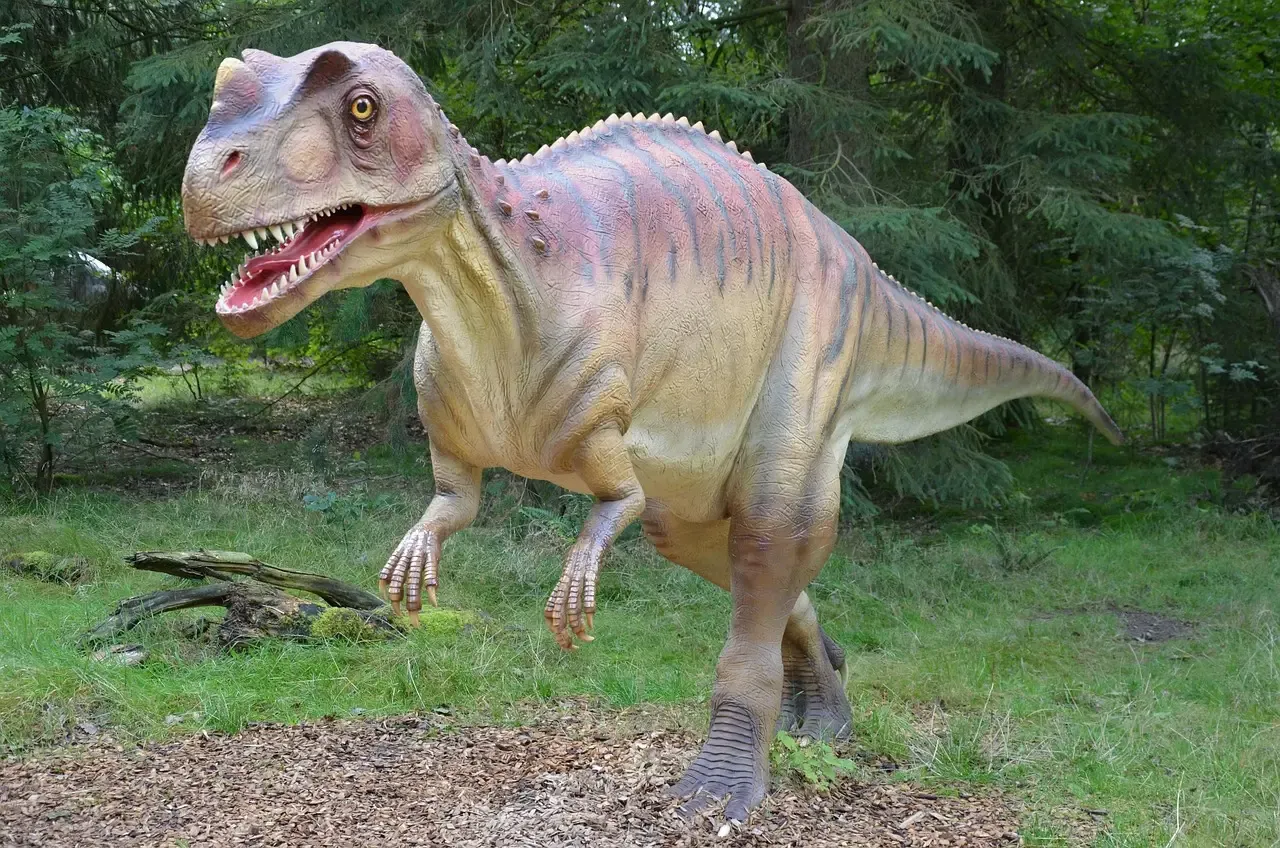
The story of dinosaur evolution is, at its core, a story about surviving impossible odds. Volcanoes did not just happen to be there in the background while dinosaurs rose to dominance. They were the architects of the very conditions that made it possible. They cleared competitors, reshaped continents, created habitats, altered climates, and rewrote the rules of survival in ways that systematically favored early dinosaurs over everything else sharing the planet with them.
You could argue that without ancient volcanic chaos, the dominant land animals of the Mesozoic might have been large crocodilian relatives, or perhaps something you would not even recognize today. Every titanosaur, every theropod, every feathered creature that eventually gave rise to modern birds owes a quiet debt to the planet’s fiery interior. Next time you look at a bird perched on a fence, consider that it might owe its very existence to a supervolcano that erupted over 200 million years ago. Not exactly what you pictured when you thought of where birds came from, is it? What other unlikely forces of nature do you think shaped the life around us today?