Imagine you are standing on the coast of Brazil, staring out over the Atlantic Ocean. Now picture that same ocean simply not existing. No water, no horizon. Just a vast, muddy floodplain stretching all the way to what we now call Cameroon. It sounds impossible, like something out of science fiction. Yet that is exactly the world dinosaurs once wandered across, and the evidence is piling up in the most breathtaking ways.
What scientists are uncovering about ancient dinosaur migrations is reshaping everything you thought you knew about prehistoric life. From matching footprints on opposite sides of the Atlantic to mysterious exodus events in Europe, the story of how these giants traveled across primeval landmasses is far more dramatic and intricate than anyone once imagined. Let’s dive in.
A World Without Oceans: The Stage Called Pangaea
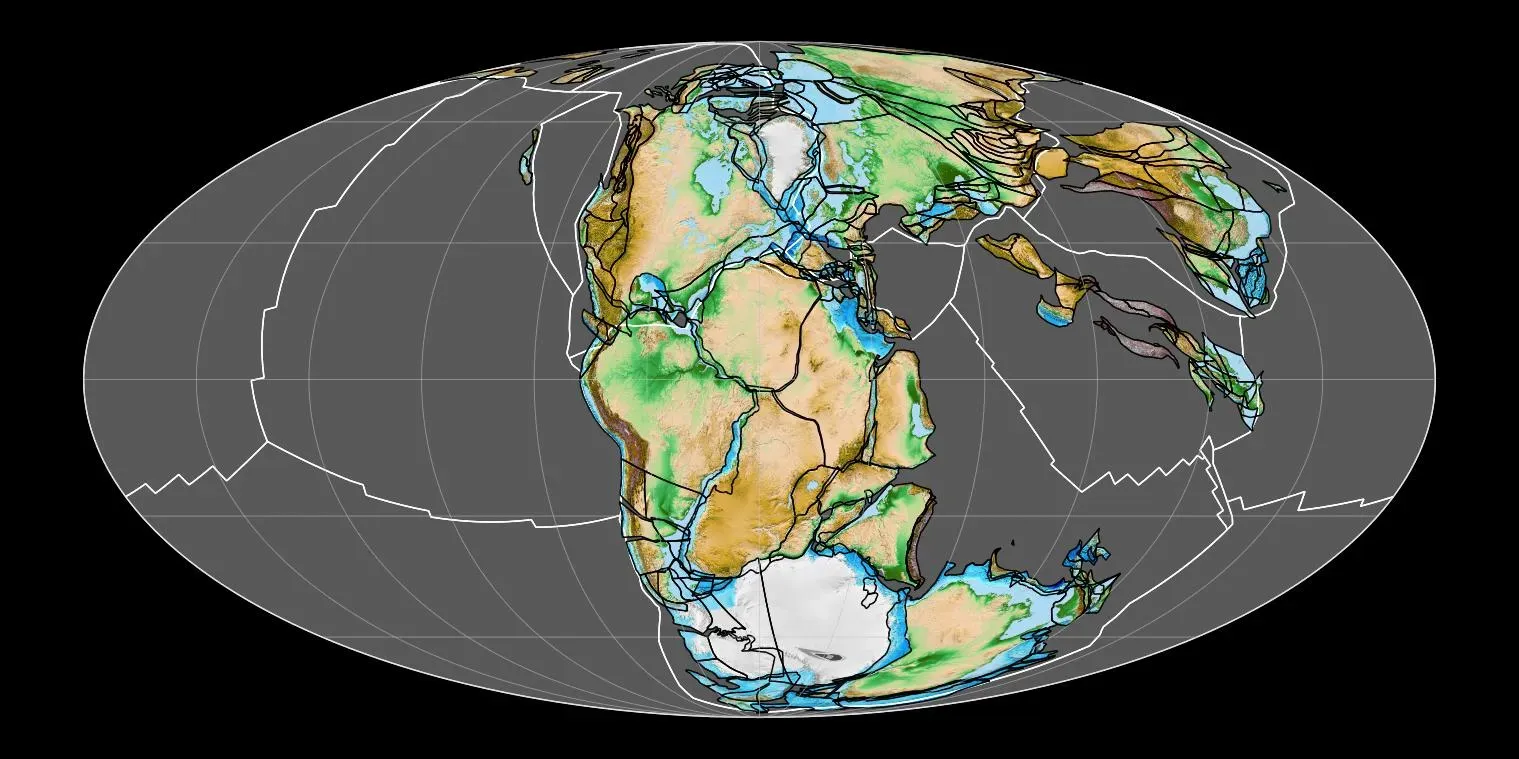
Before you can understand where dinosaurs went, you need to picture where they started. Pangaea is Earth’s most recent supercontinent, which existed roughly 320 million to 195 million years ago. Think of it as one enormous landmass, a single continent so vast it dwarfed anything on today’s map, where every corner of what would become our modern world was stitched together like a crumpled piece of cloth slowly being unfolded.
Dinosaurs emerged on Pangaea, including theropods, largely carnivorous dinosaurs that mostly had air-filled bones and feathers similar to birds. Land bridges between regions provided critical migration pathways for different species, allowing early dinosaurs to move across the continent and adapt to local environments. These migration corridors were crucial for the development of diverse ecosystems within the supercontinent, as species could spread quickly to favorable regions. It was, in essence, one giant open highway with no borders, no oceans, and no limits.
Footprints Across the Atlantic: The Discovery That Stunned the World
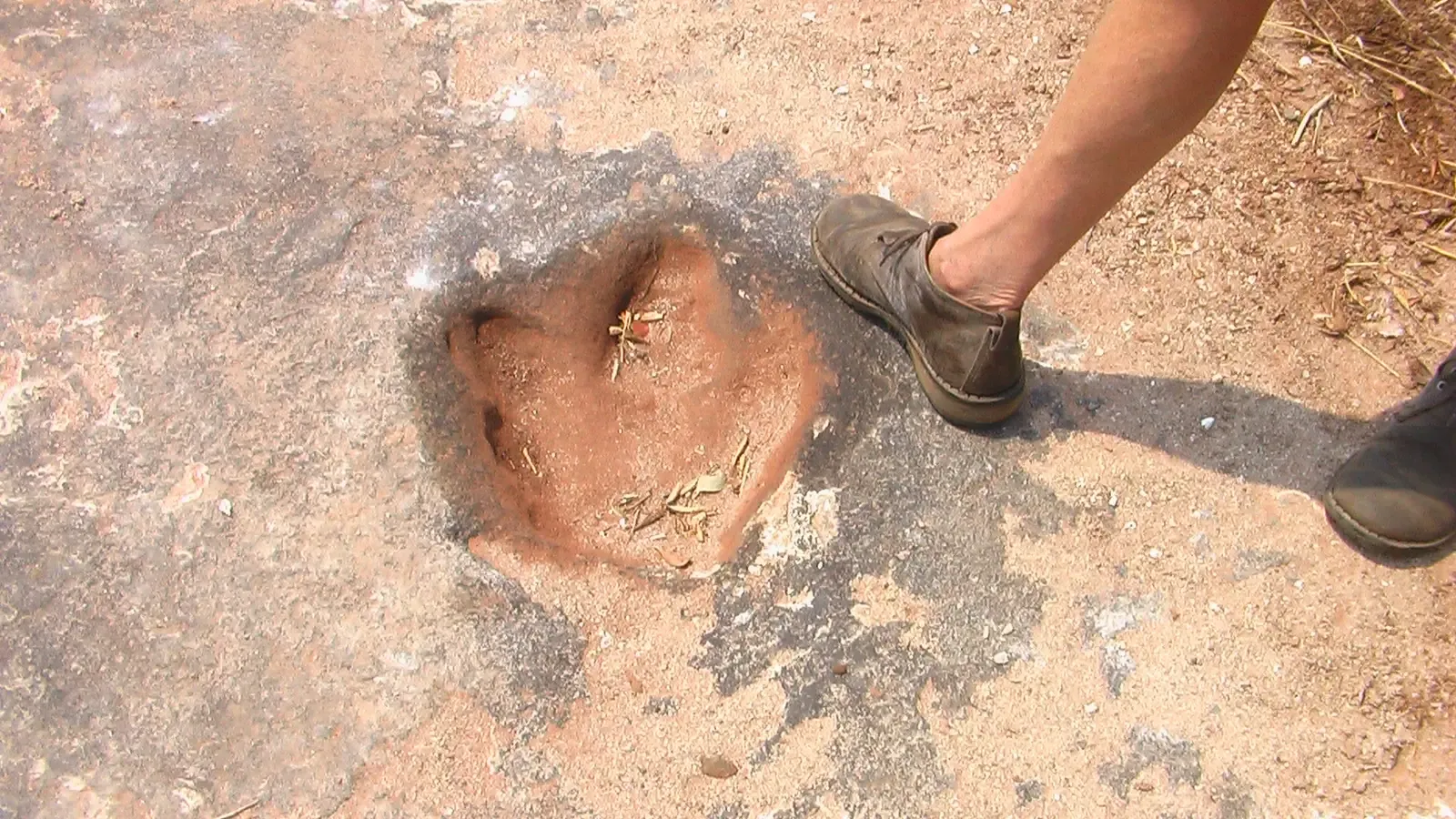
Here is something that honestly still blows my mind. In an astonishing discovery that has captivated paleontologists worldwide, matching sets of dinosaur footprints from the Early Cretaceous period have been unearthed on two different continents, South America and Africa, offering unprecedented insights into Earth’s geological past. These footprints, more than 260 in total, provide strong evidence of the last connections between these landmasses before they were split apart by the opening of the South Atlantic Ocean nearly 120 million years ago.
Discovered in Brazil’s Sousa Basin and Cameroon’s Koum Basin, these footprints represent an extraordinary find that ties together the histories of two continents that were once part of the supercontinent Gondwana. The footprints, impressed into mud and silt along ancient rivers and lakes, were found more than 3,700 miles, or 6,000 kilometers, away from each other. That is roughly the same distance as flying from New York to London. Same tracks. Different continents. Same ancient world.
River Highways: How Dinosaurs Used Nature’s Corridors
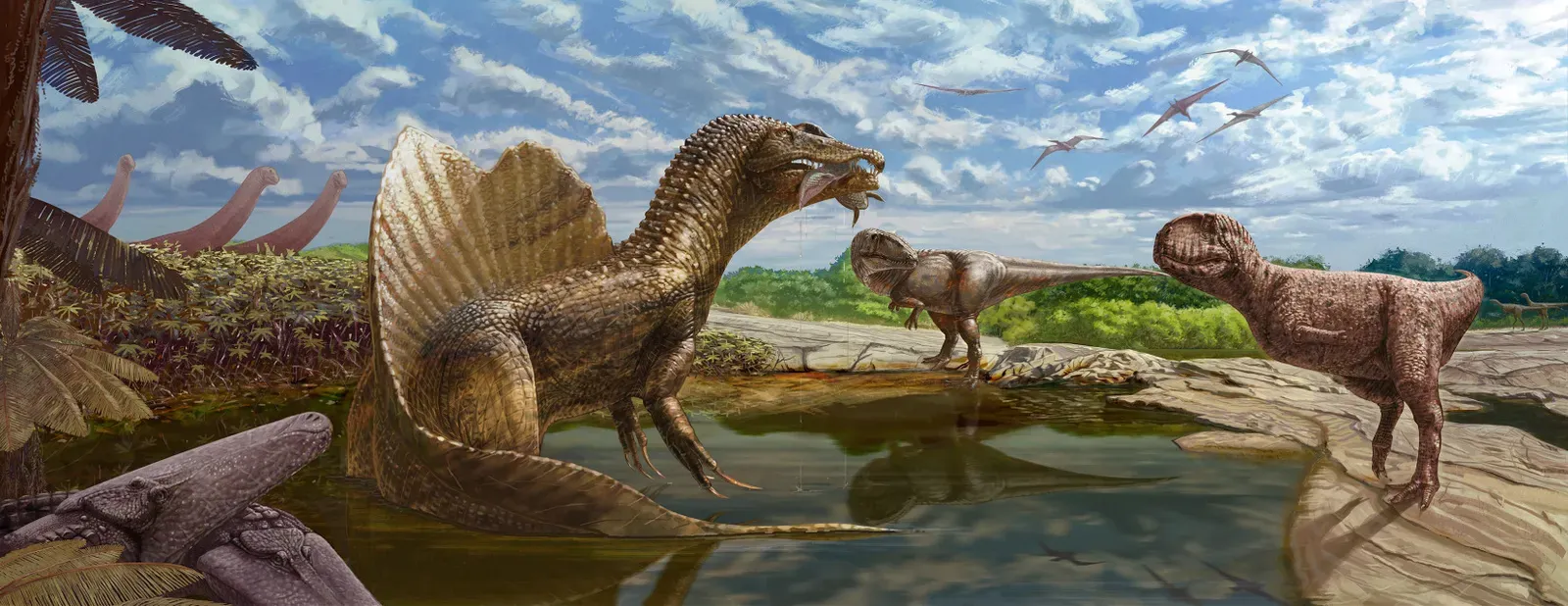
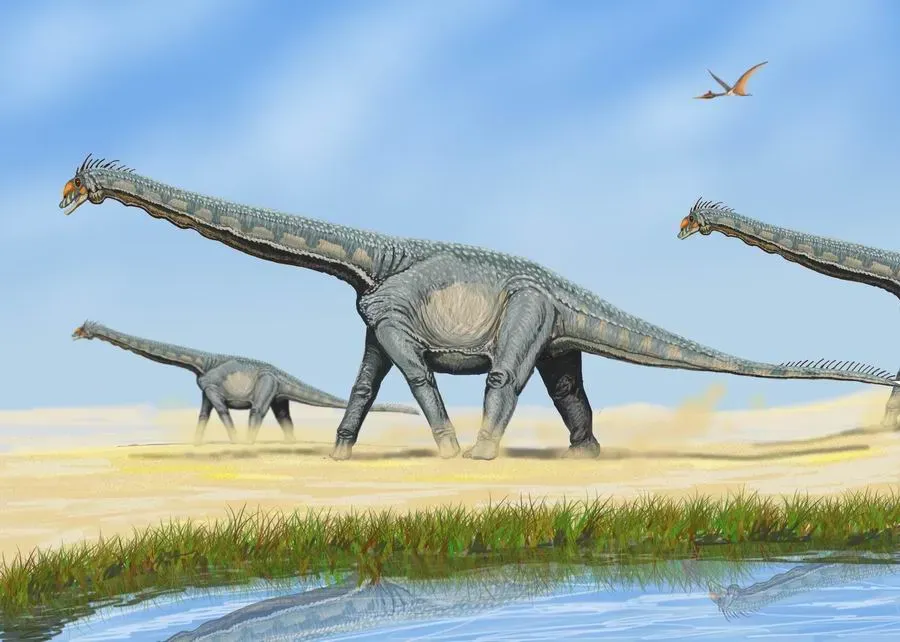
The rivers and lakes in these basins supported thriving ecosystems, with lush vegetation that fed herbivorous dinosaurs and other species, while muddy sediments preserved the footprints of carnivorous theropods and other creatures. Picture enormous sauropods grazing along riverbanks while sharp-toothed predators stalked through reed beds. These were not random wanderings. These were structured, ecologically driven movement patterns along living corridors of water and greenery.
Back in the Early Cretaceous, Cameroon was stitched to the elbow of northeastern Brazil. There was no Atlantic Ocean, only a low, swampy plain linking the two landmasses. Long-necked plant-eaters lumbered through reed beds, sharp-toothed hunters trailed them, and every footfall wrote a record in clay. These tracks are significant not only because they offer a window into the past but also because they reveal the critical role these river systems played in connecting the two landmasses. Nature, it turns out, has always been ingenious at building its own bridges.
The Great European Exodus: When Dinosaurs Abandoned a Continent
If you think the South Atlantic story is wild, wait until you hear about Europe. Europe saw an exodus of dinosaurs from the continent in the Early Cretaceous period, according to scientists using network theory to track their movements around the world. Surprisingly, all dinosaur connections found between Europe and other continents during the Early Cretaceous period, between 125 and 100 million years ago, were outgoing. That is, while dinosaur families were leaving Europe, no new families were migrating into Europe.
Overall, the number of family networks, meaning closely related dinosaur families found on separate landmasses, decreased along with the increasing fragmentation of the world. A mass migration away from Europe is seen in the Late Jurassic, from 161 to 146 million years ago, but as the oceans proliferated, the number of networks decreased and the dinosaur families began to evolve into distinctly different beasts. What drove them out? Honestly, it is hard to say for sure. Climate shifts, tectonic activity, and changing food sources are all on the table. It remains one of paleontology’s most intriguing puzzles.
Temporary Bridges and Vanishing Pathways: How Migration Never Truly Stopped
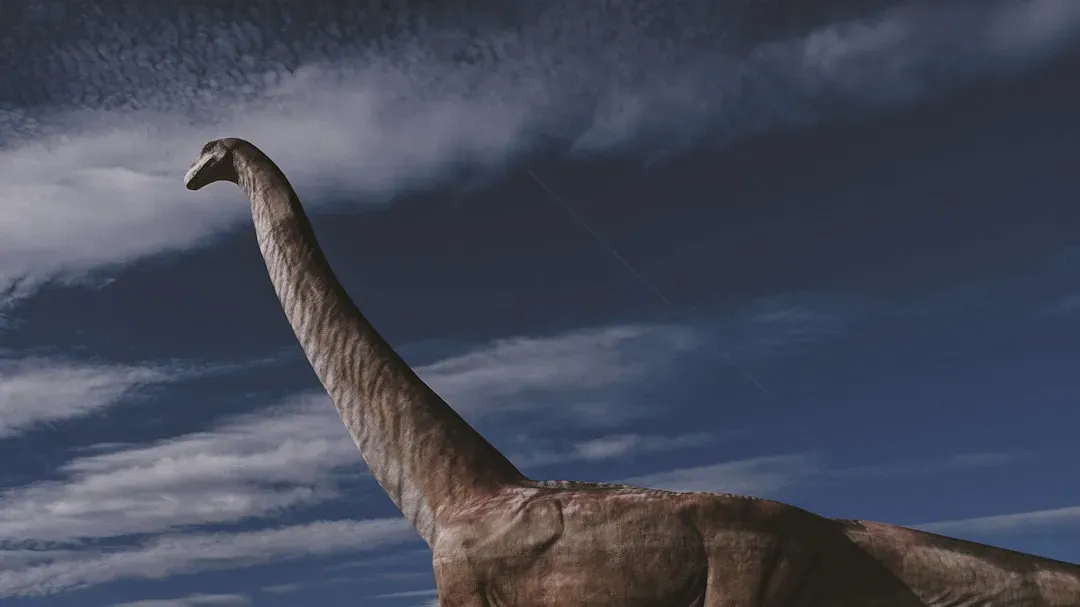
You might assume that once continents separated, migration stopped cold. You would be wrong, and that is where things get truly fascinating. Findings showed dinosaurs continued to migrate across the globe after the supercontinent Pangaea, which included modern-day North and South America, Africa, Eurasia, India, Australia and Antarctica, broke up, an event that began around 175 million years ago. Even as oceans formed between landmasses, the journey somehow continued.
Researchers presume that temporary land bridges formed due to changes in sea levels, temporarily reconnecting the continents. Over the timescales of tens of millions of years, it is perfectly feasible that plate tectonic activity gave rise to the right conditions for such land bridges to form. Dinosaur geography was influenced by continental fragmentation and rising sea levels throughout the Mesozoic, with fewer family-level connections occurring in the later Cretaceous than in the Triassic, Jurassic and Early Cretaceous when continents were more closely aligned. Imagine a slow-motion game of stepping stones across a rising flood, and you start to get the picture.
Asia Meets North America: The Dinosaur Connection at the Top of the World
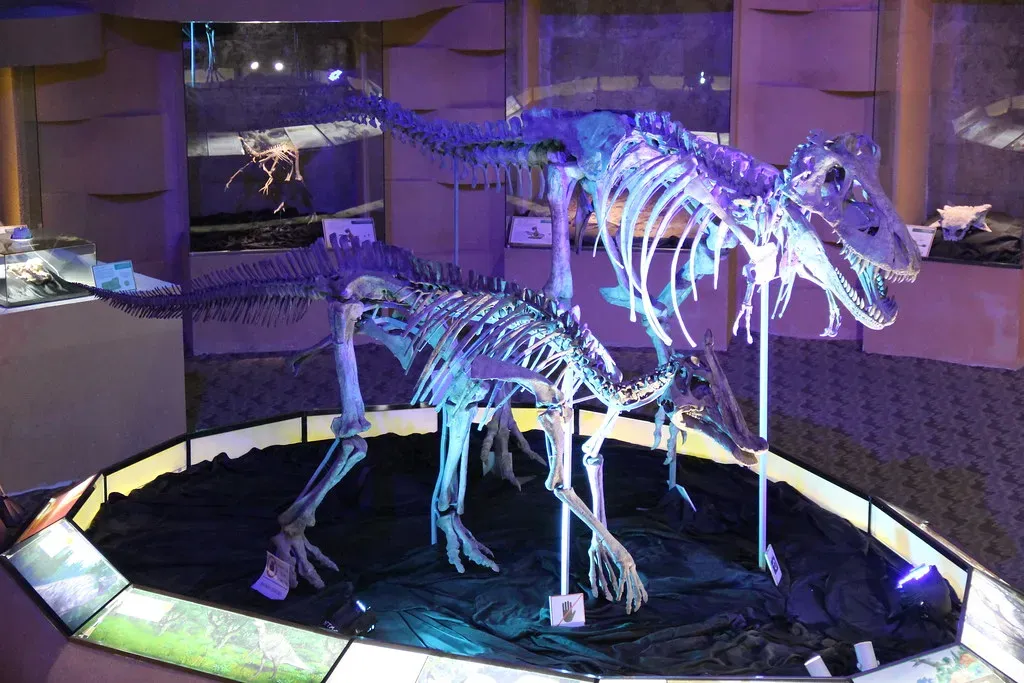
The story of dinosaur migration across the ancient Bering region is just as electrifying. A large find of dinosaur tracks and fossilized plants and tree stumps in far northwestern Alaska provides new information about the climate and movement of animals near the time when they began traveling between the Asian and North American continents roughly 100 million years ago. Alaska, as it turns out, was not a frozen frontier but a living gateway between two worlds.
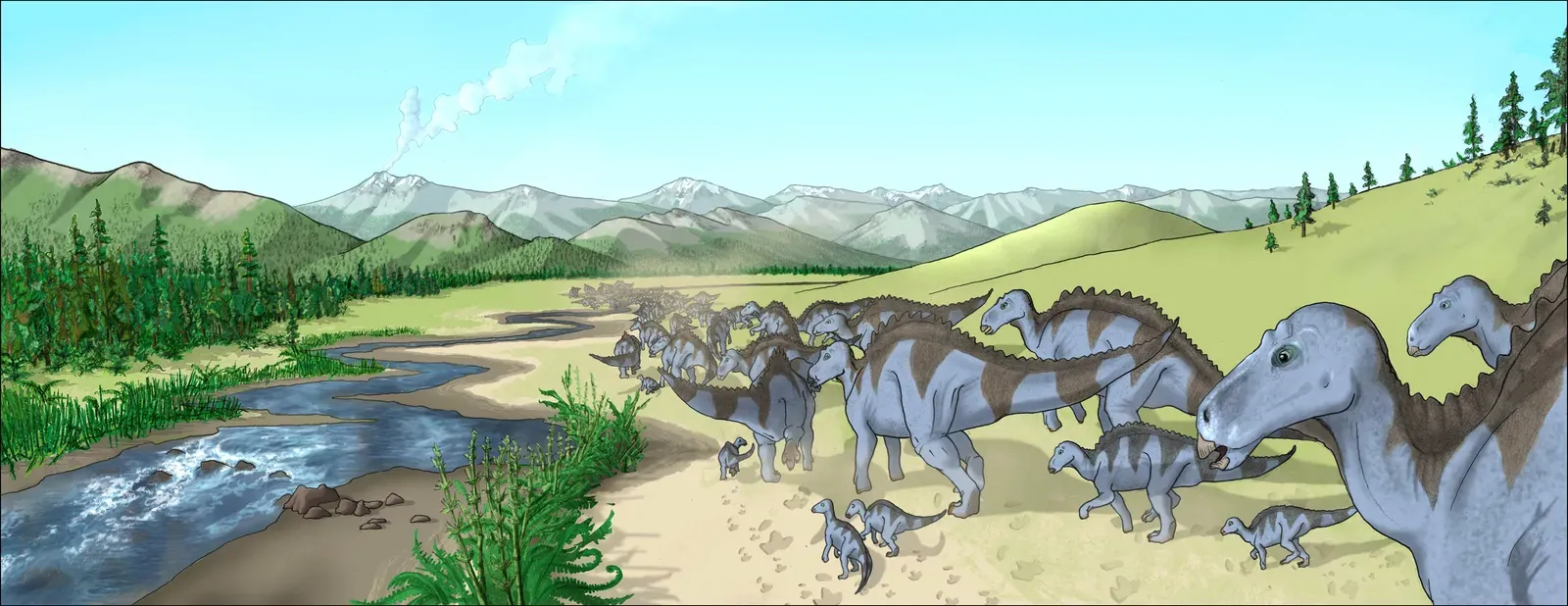
Evidence comes from a collection of mingled, 70 million-year-old footprints from duck-billed hadrosaurs, common in Cretaceous Alaska, and another dinosaur, a long-clawed animal that was much more Asian, the therizinosaur. Similar dinosaur fossils occur both in Asia and in North America. Saurolophus was found in both Mongolia and western North America. Relatives of Troodon, Triceratops, and Tyrannosaurus rex all came from Asia. I think that last point is the real jaw-dropper. The most famous predator in popular culture has Asian roots. The T. rex, in a very real sense, was an immigrant.
Modern Science Reads the Ancient Record: Technology Unlocking Prehistoric Journeys
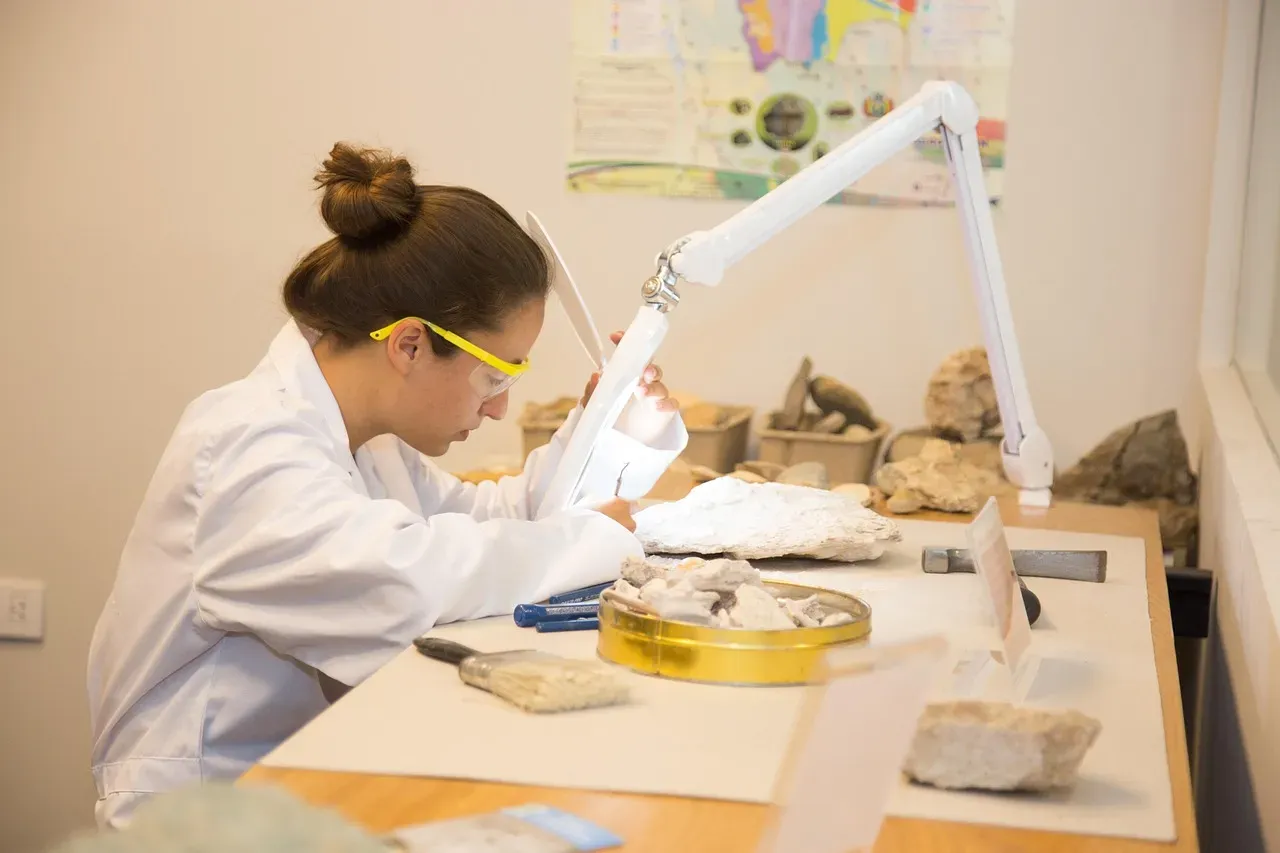
Over recent years, new fossils, reanalyses of famous specimens, and the use of increasingly sophisticated tools have continued to upend what we thought we knew about how these animals lived, moved, fed and evolved. Researchers are no longer just digging in dirt. They are using CT scanners, isotopic analysis, and network theory to reconstruct migration maps with a precision that would have seemed like science fiction just a decade ago.
Researchers have used network theory in a new way to see how different dinosaur fossils were connected. A network is described as a series of points representing the entities being investigated, drawn together by lines showing interaction and connection. Studying the dispersed footprints sharpens computer models that reconstruct continental drift, improving predictions of where oil, minerals, or groundwater might reside today. They also highlight how living routes shift as climates and coastlines change, offering lessons for wildlife facing modern habitat fragmentation. The past, it turns out, is one of the most powerful tools we have for understanding the future.
Conclusion: The World Is Smaller Than You Think
What the study of ancient dinosaur migration ultimately reveals is something quietly profound. The continents you know today, with their fixed borders and familiar shorelines, are really just a freeze-frame in an incredibly long, restless movie. The tracks remind us that continents move at a snail’s pace, yet over millions of years that pace is enough to reshape oceans, climates, and the paths available to life. Nothing on this planet has ever been truly fixed or permanent.
The study of dinosaur migration patterns has profound implications for our understanding of evolutionary processes and the ecological dynamics of the ancient world. By analyzing the adaptive strategies and resource utilization of these prehistoric giants, researchers are gaining valuable insights into the mechanisms that drive the dispersal and diversification of species over vast spatial and temporal scales. These creatures were not just surviving. They were exploring, adapting, and essentially writing the first chapters of a story that still continues today in every living species on Earth.
Every footprint preserved in ancient mud is a message sent across 120 million years. The more we learn to read those messages, the clearer it becomes that life has always found a way to move, to connect, and to endure. So here is something worth sitting with: if dinosaurs could cross vanishing continents and bridgeless oceans to spread across an entire world, what does that say about the unstoppable nature of life itself? What would you have guessed was possible, before the fossil record proved it true?