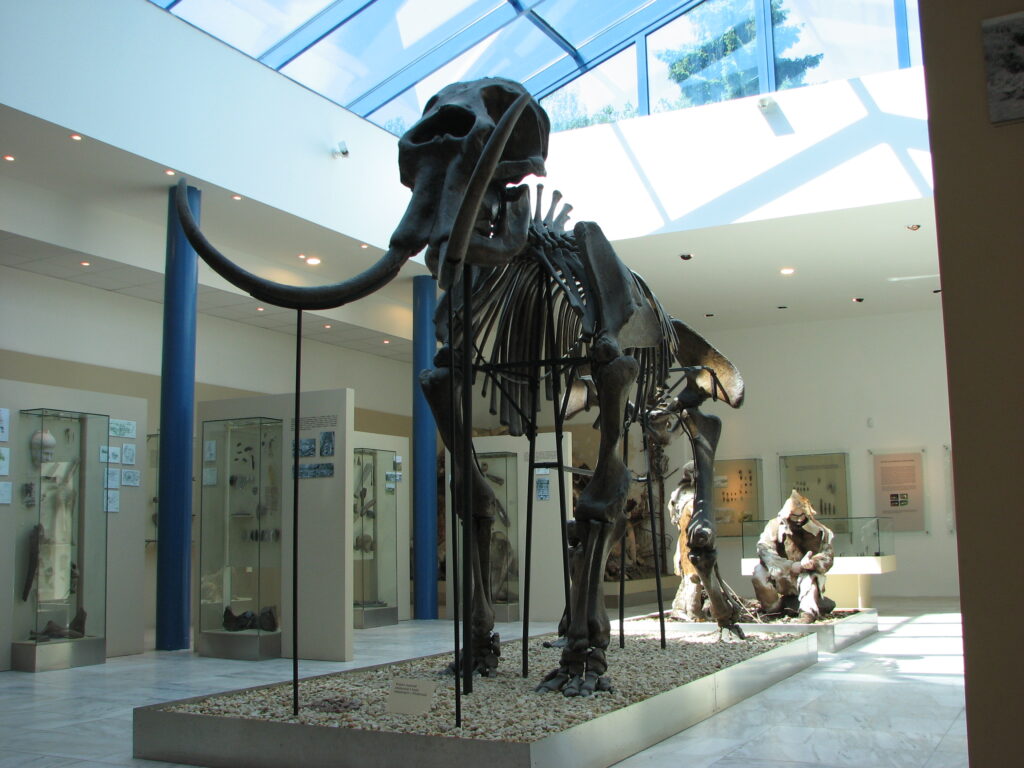
Radiocarbon analysis has dated a woolly mammoth known as Myfanwy to approximately 15,000 years ago, positioning her among the earliest to reclaim Britain following the intense chill of the Last Glacial Maximum. Workers unearthed the remains in Holyhead Harbour more than 160 years ago, preserving a piece of Ice Age history now housed in a local museum. This find illuminates how landscapes transformed as ice retreated, allowing massive herbivores to venture northward once more.
Workers’ Surprise Find in 1864
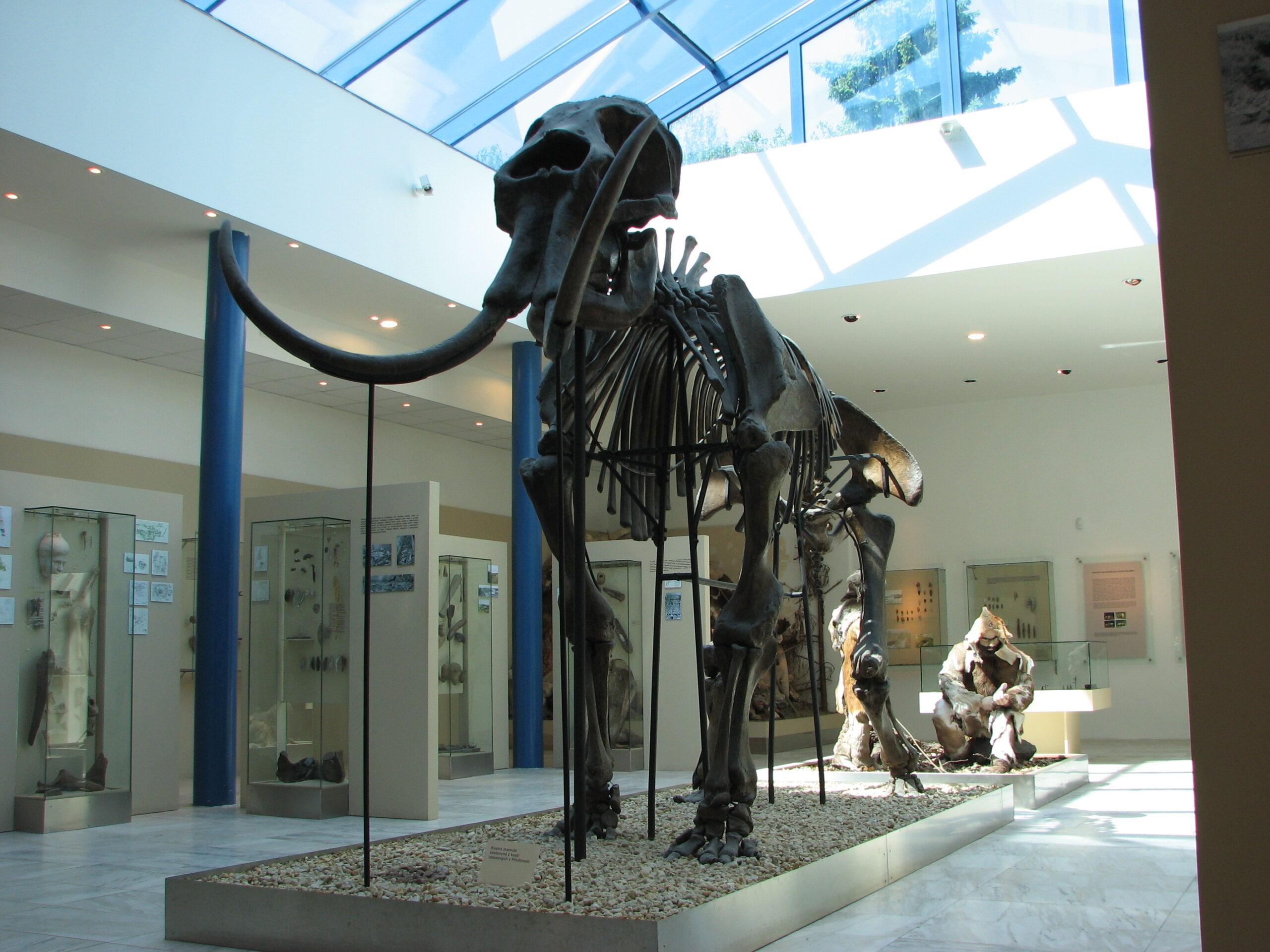
Workers’ Surprise Find in 1864 (Image Credits: Upload.wikimedia.org)
Construction crews linking the London North Western Railway to Holyhead Harbour dredged mud from the seabed and pulled up an unexpected treasure: a fossilized jawbone and molar tooth from a woolly mammoth. Amateur archaeologist Lord William Owen Stanley rescued the specimens and donated them to London’s Natural History Museum. The relics later returned on long-term loan to the Holyhead Maritime Museum in 2006, where they draw visitors intrigued by prehistoric Wales.
At the time, few grasped the full significance of the discovery. The jawbone and tooth sat in storage for decades before modern techniques brought their story to light. Holyhead Maritime Museum trustee Barry Hillier noted the naming tradition: “We christened it Myfanwy just to give us a Welsh name and we’ve adopted it as a female mammoth… We may have to look for another name. It may be a male. But that’s to come.”
Breakthrough from Recent Testing
In November 2025, experts from the Natural History Museum, including Dr. Neil Adams, extracted tiny samples from the tooth root using a diamond-tipped saw. The process released a distinctive smell hinting at well-preserved collagen, ideal for analysis. Radiocarbon dating placed Myfanwy’s life at roughly 14,900 to 14,600 years ago, while tooth wear suggested she died at about 32 years old – middle-aged for a mammoth that could reach 70.
Nitrogen isotope examination revealed details on her final years. The results pointed to a diet dominated by grasses and steppe plants in a moderately moist, open environment with scant competition from other grazers. Dr. Adams highlighted the importance: “Myfanwy is not only the first of these from Wales but also looks to be the oldest of this group, indicating Myfanwy provides the new best estimate for the re-population of Britain by woolly mammoths.”
Life in a Post-Glacial World
The Last Glacial Maximum peaked around 20,000 to 21,000 years ago, blanketing much of Britain in ice and driving megafauna southward. As temperatures rose, ice sheets melted on Anglesey, fostering grasslands that lured woolly mammoths back. Myfanwy’s presence marks this shift, with her tough tooth enamel suited to grinding abrasive vegetation in treeless expanses.
Funding from groups like the Holy Island Partnership and GeoMôn supported the sampling. Museum manager Eric Anthony recalled the experts’ reaction: “The Natural History Museum experts were surprised to see our exhibits in such good condition. We’re looking forward to seeing more of their results.” Ongoing DNA tests in Sweden may soon confirm her sex and genetic ties to other populations.
Mammoths’ Return to Britain
Myfanwy stands as Wales’ sole known woolly mammoth, predating contemporaries at sites across England:
- Condover, Shropshire: Around 14,000 years ago, including adults and juveniles.
- Pin Hole and Robin Hood’s Cave, Derbyshire: 14,700 to 14,100 years old.
- Gough’s Cave, Somerset: Similar timeframe to Derbyshire finds.
These discoveries cluster toward the Ice Age’s close, between 75,000 and 12,000 years ago. Myfanwy’s earlier date refines timelines for how quickly ecosystems rebounded. Rising seas later submerged coastal grasslands, leaving “ghost forests” visible at low tide along Welsh shores.
Key Takeaways
- Myfanwy lived 14,900–14,600 years ago, the earliest dated mammoth repopulating post-LGM Britain.
- At 32 years old, she grazed open steppe grasslands on Anglesey after ice retreat.
- Future DNA analysis could reveal sex and global mammoth connections.
This humble jawbone reshapes our view of Ice Age recovery, proving Anglesey served as a gateway for ancient wanderers. As tests continue, Myfanwy promises more revelations about a vanished world. What do you think about her story? Tell us in the comments.