Antarctica – Layers of ice have preserved a glimpse into a distant era when the continent teemed with life. Researchers uncovered fossils of Glacialisaurus hammeri, a towering herbivorous dinosaur from the Early Jurassic period. This find illuminated how dinosaurs adapted to high-latitude environments around 190 million years ago.
A Grueling Quest High in the Transantarctic Mountains
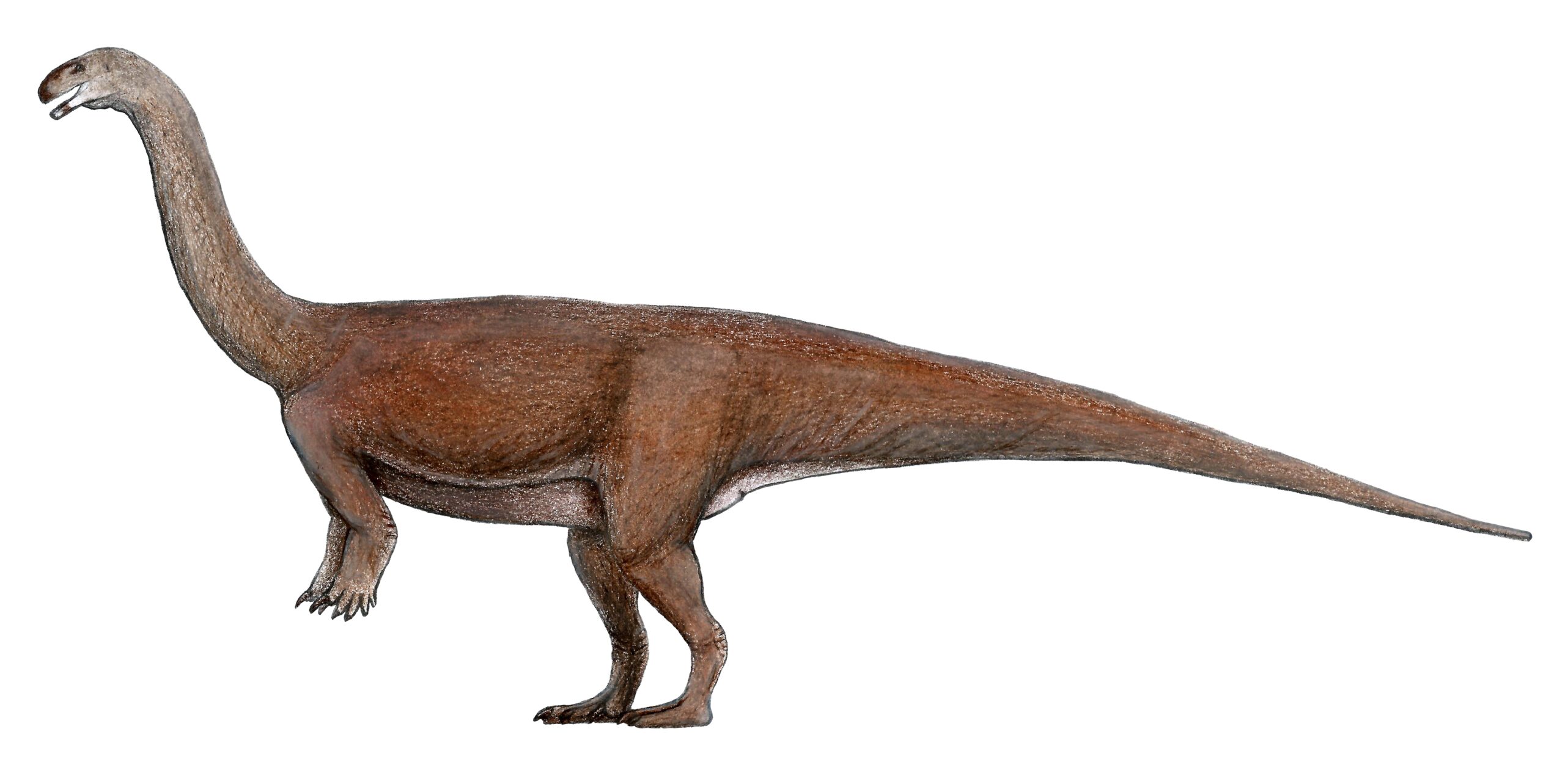
A Grueling Quest High in the Transantarctic Mountains (Image Credits: Upload.wikimedia.org)
Teams faced brutal conditions to extract the first clues of Glacialisaurus hammeri. In the early 1990s, expeditions reached Mount Kirkpatrick near the Beardmore Glacier, at elevations exceeding 13,000 feet. Workers chipped away at ice and rock with jackhammers, rock saws, and chisels over two field seasons.
William Hammer of Augustana College led the efforts that yielded partial foot, leg, and ankle bones. Nathan Smith and Diego Pol later described the specimen in 2007, naming it Glacialisaurus hammeri after Hammer’s contributions. The Hanson Formation, where the fossils emerged, dates to the Pliensbachian stage of the Early Jurassic.
Portrait of a Basal Sauropodomorph Powerhouse
Glacialisaurus hammeri stood as a long-necked behemoth, measuring 20 to 25 feet in length and weighing 4 to 6 tons. As a primitive sauropodomorph in the Massopsondylidae family, it shared traits with early giants destined to dominate landscapes worldwide. Its robust hind limbs supported a body built for browsing high vegetation.
The dinosaur’s foot structure echoed that of Lufengosaurus from China, hinting at close relations across ancient landmasses. Herbivorous by nature, Glacialisaurus likely foraged on ferns and conifers in its woodland home. Such features marked it as a bridge between smaller ancestors and the colossal true sauropods.
Thriving in a Warmer, Forested South Pole
Early Jurassic Antarctica bore little resemblance to today’s ice sheet. Positioned within Gondwana, the supercontinent linked it to South America, Africa, India, and Australia. Temperate climates prevailed, with forests of glossopteris trees and seasonal light cycles.
Coastal regions stayed above freezing most years, fueled by volcanic activity and rifting. Glacialisaurus shared its realm with Cryolophosaurus ellioti, a crested theropod predator about 20 feet long. Other neighbors included possible true sauropods, pterosaurs, and tritylodonts – extinct mammal relatives.
- Cryolophosaurus: Carnivorous hunter with a distinctive head crest from the same Hanson Formation.
- Unnamed sauropod: Pelvic bones suggesting advanced cousins nearby.
- Pterosaur: Humerus bone indicating aerial life.
- Tritylodont: Tooth from a mammal-like reptile.
Redefining Dinosaur Reach and Evolution
The Glacialisaurus fossils stretched known ranges of basal sauropodomorphs to the polar fringes. Prior records confined them to warmer zones in China, South Africa, and the Americas. This Antarctic presence confirmed broader distribution amid connected continents and even climates.
Nathan Smith noted, “They are important because they help to establish that primitive sauropodomorph dinosaurs were more broadly distributed than previously thought, and that they coexisted with their cousins, the true sauropods.” Evidence showed these primitives lingered alongside emerging giants into the Early Jurassic. Such overlap challenged timelines of sauropod dominance.
Enduring Legacy Under the Ice
Preserved by accumulating ice sheets, these relics waited nearly 190 million years for exposure. Modern tools now safeguard them from melting glaciers and erosion. Discoveries like Glacialisaurus reshape views of dinosaur adaptability, proving high-latitude survival through behavioral tweaks for polar twilight.
Further digs in the Transantarctic Mountains promise more insights into Gondwanan ecosystems. The continent’s fossil trove underscores a dynamic past, from forested poles to frozen isolation.
Key Takeaways
- Glacialisaurus hammeri reveals polar dinosaurs’ wide reach 190 million years ago.
- Early Jurassic Antarctica hosted forests, predators, and herbivores in temperate climes.
- The find bridges primitive sauropodomorphs and true sauropods in evolution.
Dinosaurs once wandered where penguins now slide, a reminder of Earth’s shifting climates. What do you think about these polar pioneers? Tell us in the comments.