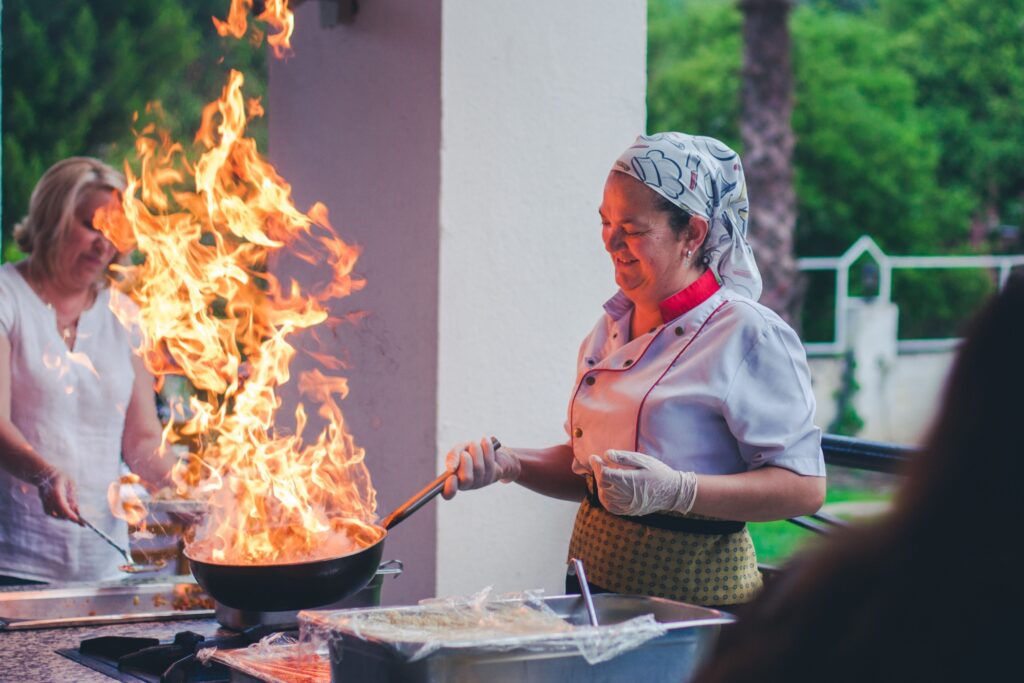
Picture an ancient human ancestor crouched over the first controlled fire, tossing in raw meat and roots without the faintest idea that this moment is about to rewrite the story of our species. That tiny campfire did more than keep our ancestors warm or scare off predators. It quietly rewired bodies, brains, social lives, and even the way we love, share, and fight.
When anthropologists say , it sounds dramatic. But the deeper you dig into the fossil record, biology, and cross-cultural studies, the more it feels almost obvious. Cooking did not just give us nicer dinners. It changed what our guts look like, how big our brains are, how much time we have in a day, and even what it means to be human in a group. Let’s walk through how something as ordinary as heating food became one of the most extraordinary forces in our evolutionary journey.
From Raw To Cooked: Why Heat Turned Food Into Power
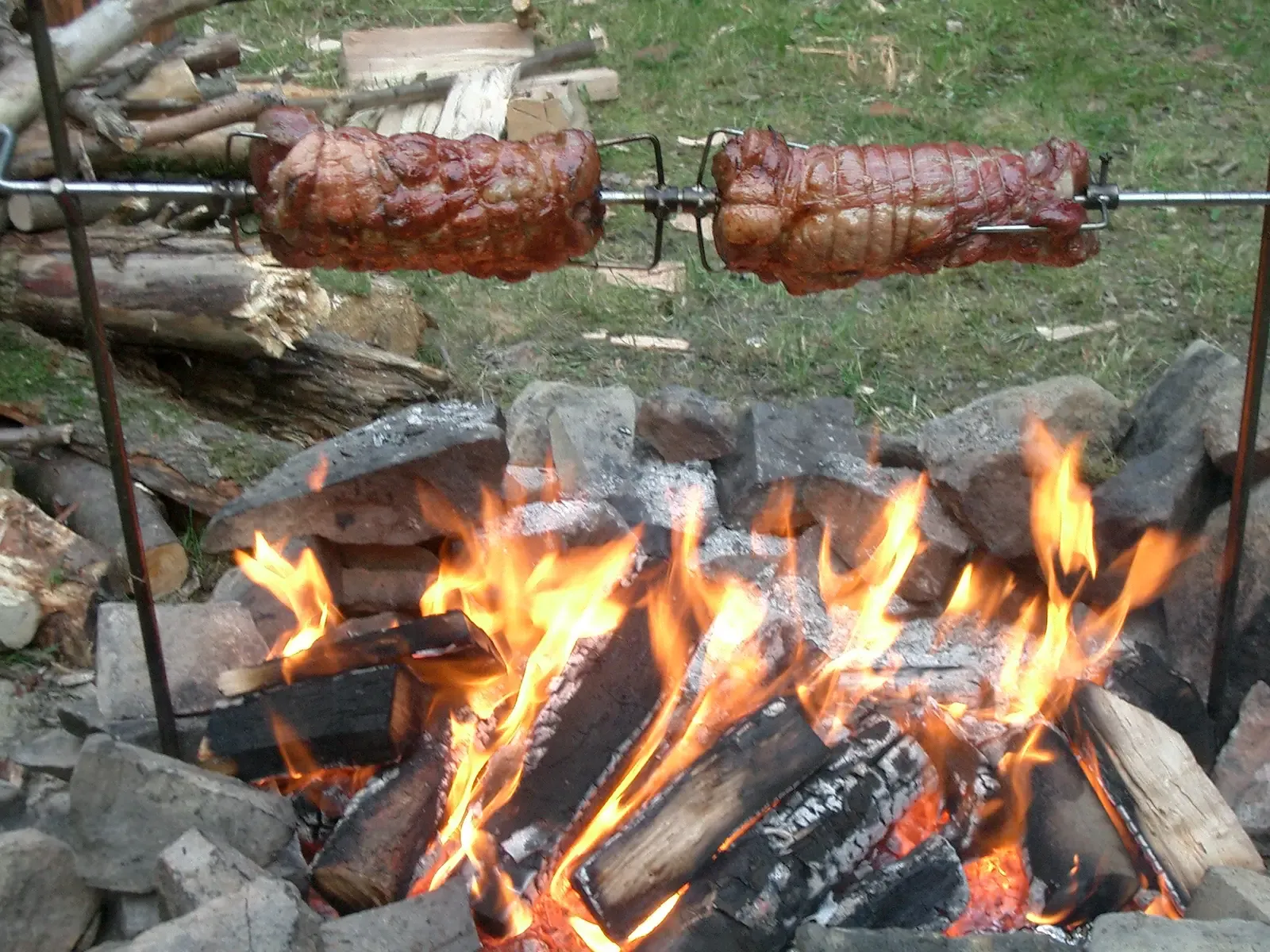
At its core, cooking is controlled chemistry. When we cook meat or tubers, we break down tough fibers, denature proteins, and gelatinize starches, turning something that is hard to chew and slow to digest into a fast, efficient fuel source. That means our bodies can pull out more calories and nutrients using less effort, which is a massive evolutionary win. For early humans trying to survive in tough environments, every extra bit of usable energy could mean the difference between life and death.
Think of raw food as food locked behind a complicated safe, and cooking as the combination code that opens it. By softening food, cooking also reduced the need for powerful jaws and heavy chewing. Instead of spending hours gnawing on raw plants and tough meat, our ancestors could get more energy in less time, and that freed up resources that evolution could invest elsewhere – especially in the brain. That shift from raw to cooked was not some minor tweak; it was like switching our entire metabolism onto a higher-performance track.
A Smaller Gut, A Bigger Brain: How Cooking Rewired Our Bodies
One of the boldest ideas in anthropology is that cooking helped us trade gut for brain. Brains are expensive organs in evolutionary terms, constantly demanding a big share of our daily energy. Large intestines and heavy chewing muscles are also energetically costly. Over time, as cooked food became a staple, our ancestors no longer needed such a massive digestive system to process tough raw foods, and their jaws and teeth gradually shrank.
Fossil skulls from earlier human species show heavier jaws, larger teeth, and more robust faces compared with later humans, whose faces are flatter and whose teeth are relatively small. Our intestines are also shorter than those of many other primates when you compare body size. Cooking made food easier to process, and that freed up energy and physical “budget” to support a larger brain. In simple terms, cooking turned our bodies into sleeker, more brain-focused machines, shifting the balance of what our anatomy was built to prioritize.
Time Is Energy: How Cooking Freed Up Our Day
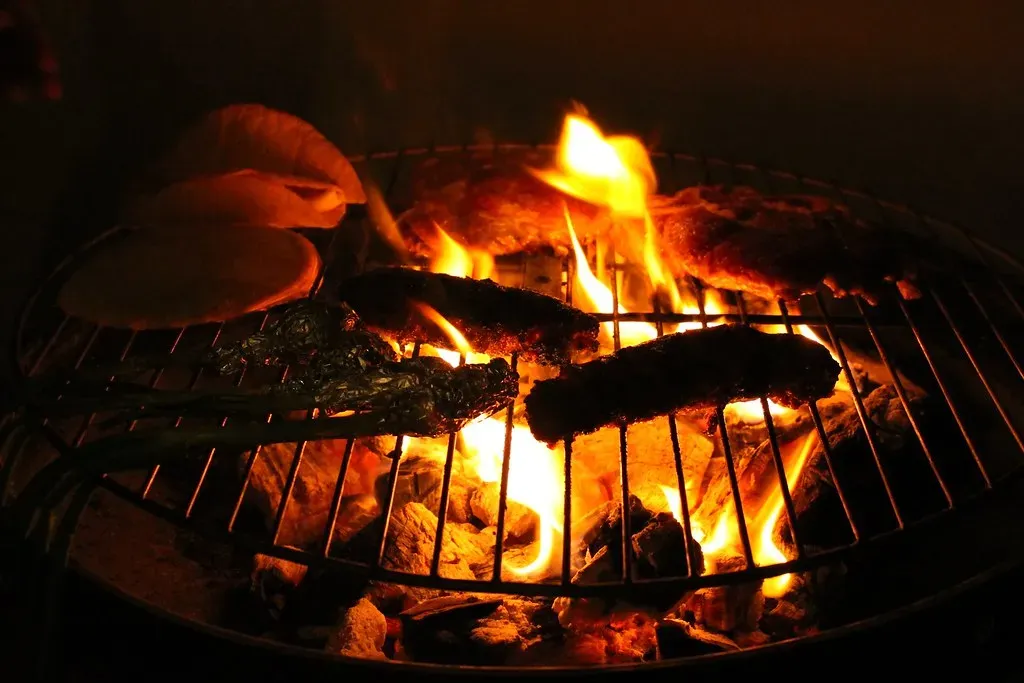
Wild primates who eat only raw food often spend long stretches of their day chewing – basically, their schedule is: find food, chew food, rest, repeat. If humans tried to live entirely on raw food, with our current body size and brain needs, we would likely have to spend huge chunks of our waking hours just eating. Cooking flips that script. It compresses the time needed to chew and digest, giving us hours back every single day.
Those extra hours were evolutionary gold. Free time may sound like a luxury, but in evolutionary terms it created space for something radical: culture. With more hours not spent chewing, our ancestors could communicate, invent tools, experiment with new technologies, form stronger social bonds, and explore new territories. Cooking did not just fill our stomachs faster; it stretched the day in a way that allowed complex human societies, languages, and traditions to take root and grow.
Firelight Communities: Cooking As Social Glue
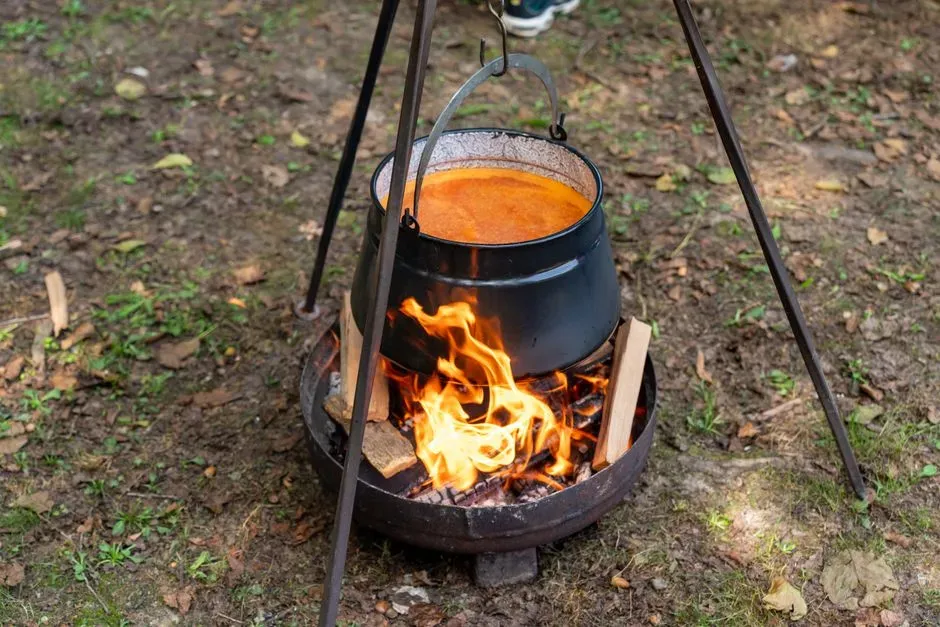
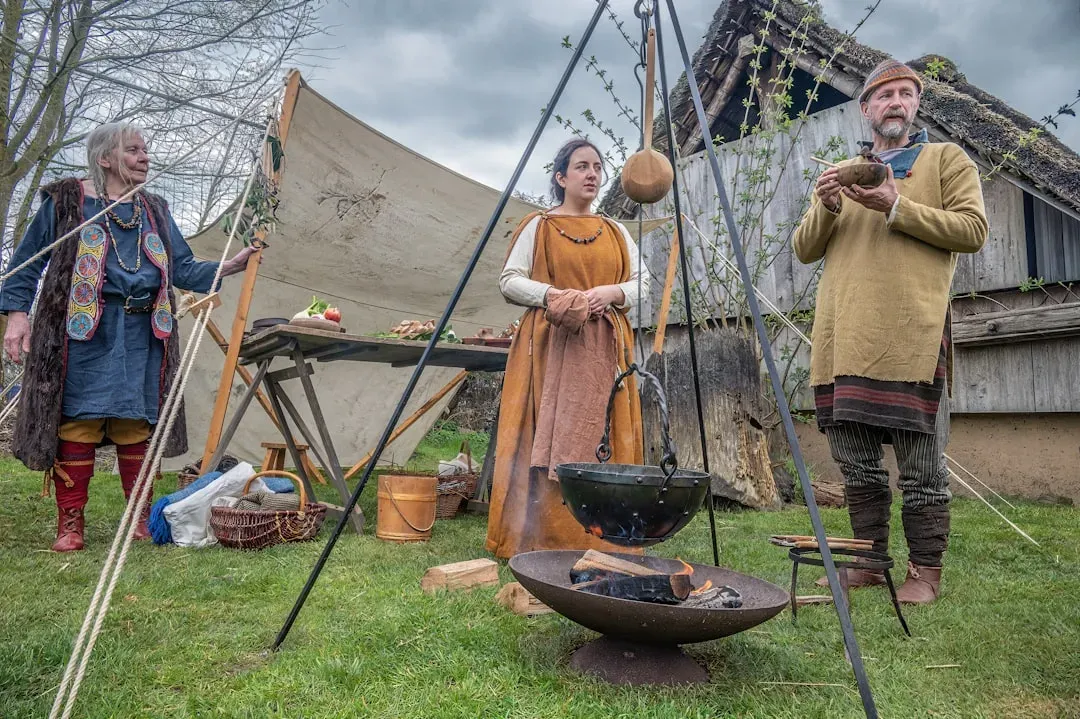
Cooking is rarely a solo act in traditional societies. It clusters people together – around a hearth, a fire, or a shared cooking spot. That simple physical gathering had deep social consequences. Around the fire, people hunted together, shared food, told stories, negotiated alliances, taught children, and resolved conflicts. Food became more than nutrition; it turned into a social currency, a way to show care, trust, status, and obligation.
Anthropologists studying hunter-gatherer groups often find that evening meals are critical moments for social life. The fire creates a shared focal point and a sense of safety, and the cooked food is usually divided up, reinforcing bonds and norms about fairness, generosity, and reciprocity. Over generations, this repeated pattern likely shaped our psychology. We became a species wired to associate shared cooked meals with belonging and security. That emotional warmth you feel during a big family dinner has incredibly deep evolutionary roots.
Safety First: How Cooking Helped Us Outsmart Pathogens And Toxins
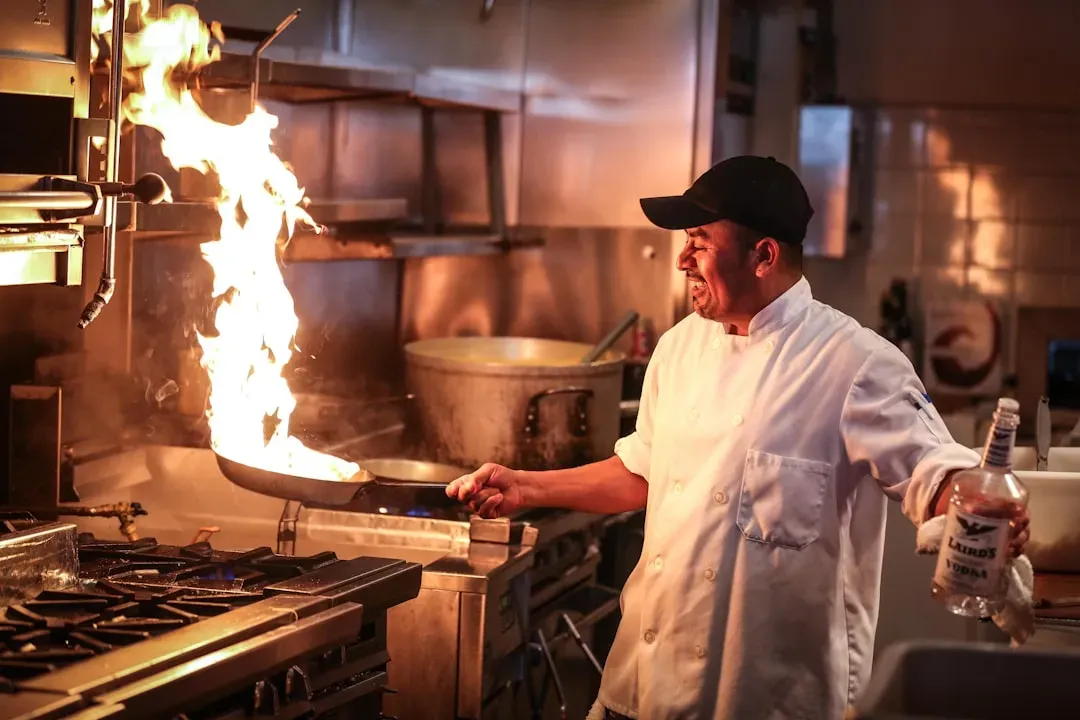
From an evolutionary perspective, raw food is risky. Raw meat can carry dangerous parasites and bacteria, and many wild plants contain natural toxins or anti-nutrients that interfere with digestion. Cooking reduces these dangers. Heat can kill many harmful microbes in meat and water, and it can break down or neutralize some plant toxins, making previously marginal or unsafe foods suddenly usable and reliable.
This shift did more than just reduce food poisoning. It opened up new food landscapes. Roots buried deep in the ground, tough seeds, and fibrous plants that would have been borderline useless in raw form became dependable staples once cooked. That meant our ancestors could survive in a wider range of habitats and seasons. In other words, cooking was not just about better flavors; it was a life-saving survival tool that expanded where and how humans could live.
Cooking, Family, And Cooperation: Reshaping Human Relationships

Cooked food changed more than biology and safety; it reshaped how we organize family life and cooperation. Once food needed preparation, storage, and protection, it created new roles and dependencies. People who could cook and manage food resources became central to group survival. Some anthropologists argue that sharing cooked meals reinforced long-term pair bonds and cooperative parenting, because partners and relatives relied on each other not only to find food, but to transform it into something safe and nourishing.
Food sharing is one of the defining behaviors of humans, especially sharing beyond immediate mother–offspring pairs. Cooking makes food easier to divide and portion, and that sharing built webs of obligation and trust. If someone shared their hard-earned cooked meal with you today, you were more likely to share tomorrow. Over time, this mutual dependence under cooking-based economies may have nudged our species toward being unusually cooperative primates compared with many others, where sharing is far more limited or competitive.
There is also a more uncomfortable side, which we still wrestle with today: cooking has often been gendered work, tied to power and expectations within households. Even that pattern has deep historical echoes. Whoever controlled the hearth often had quiet but immense influence over group dynamics, resource distribution, and daily life.
The Taste Revolution: Cooking And The Human Love Of Flavor
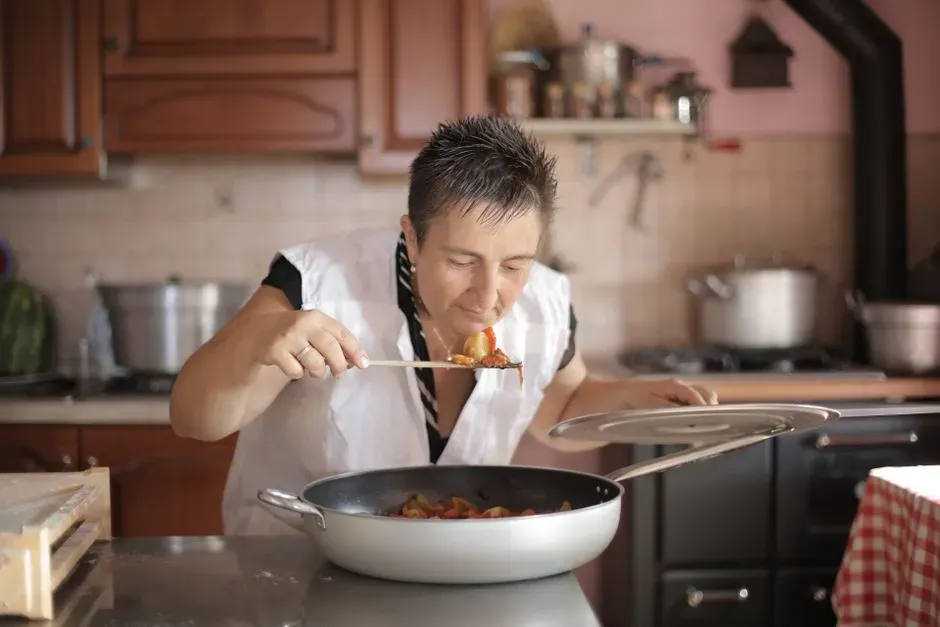
Let’s be honest: cooked food is usually just more enjoyable. Browning, caramelizing, simmering – all those cooking processes release aromas and flavors that raw ingredients simply do not have. Our brains respond strongly to these cues, reinforcing the behavior of cooking and eating together. That deep sensory reward likely helped lock in cooking as a central human habit rather than a short-lived experiment.
Over time, our taste preferences and cultural food rules evolved together. Spices, marinades, and complex cooking techniques emerged not only for flavor, but in some cases to help preserve food or subtly reduce harmful microbes. The joy of eating a warm, flavorful meal became tangled up with group identity, memory, and emotion. That is why comfort food hits so hard – it is not just calories; it is a layered package of history, chemistry, and psychology, all made possible because our ancestors leaned into the power of heat.
Brains, Culture, And Innovation: Cooking As A Launchpad For Everything Else
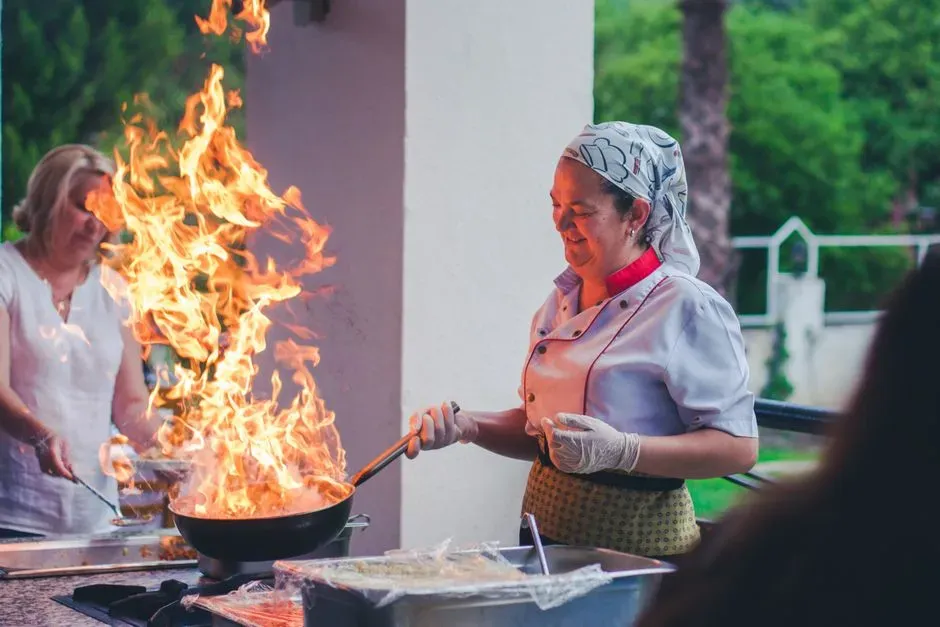
When you add up all the effects – more accessible calories, smaller guts, bigger brains, more free time, safer diets, stronger social bonds – cooking starts to look less like a single invention and more like a platform. It set the stage for language to deepen, for tools to get more complex, for art and rituals to develop, and for large, cooperative groups to hold together without constantly falling apart. In a sense, cooking created the biological room and social conditions for culture to explode in richness.
Once that cultural engine was running, everything from religion to technology to trade rode on top of it. Modern life – with its delivery apps, celebrity chefs, food trends, and nutrition debates – still sits on the same basic foundation: we are the species that transforms our food with fire. Compared with that, many other human achievements, impressive as they are, start to look like branches off a very old trunk. Cooking was not a side story in evolution; it was one of the main drivers that pushed us beyond the limits that bind most other animals.
Opinionated Conclusion: Cooking As Humanity’s Most Underrated Superpower
If we are being honest, cooking often gets treated like background noise in the story of human evolution, overshadowed by flashier topics like toolmaking or language. But when you trace everything it touches – our bodies, brains, schedules, social lives, risks, and pleasures – it is hard not to see cooking as one of the loudest, most transformative forces shaping who we are. Fire and food together turned survival into something more strategic, more collaborative, and more creative than anything our primate cousins managed.
In my view, cooking deserves to sit right at the top of the list of human evolutionary milestones, maybe second only to the control of fire itself – if you even want to separate the two. It is the quiet superpower we build our days around without thinking, from morning coffee to late-night snacks. The next time you stand over a stove or share a meal with people you care about, you are reenacting an ancient revolution that made our huge, hungry brains and complicated societies possible. When you step back and see the full picture, does it still feel like “just cooking,” or does it look a lot more like the force that made us human in the first place?