

Imagine waking up in a world with no shared songs, no streaming apps, no radios, and yet, if you walked a thousand miles in any direction, you’d still find people making music. That’s basically what anthropology discovered: even in cultures that never had contact, music still shows up, stubborn and bright, like fire in the dark. It is one of the strongest clues that rhythm and sound are not just hobbies but part of what it means to be human.
Even more uncanny, people separated by oceans and millennia kept bumping into the same acoustic solutions, whether they were carving flutes from bird bones, stretching skins over hollow logs, or stringing gut across gourds. Different materials, different cosmologies, same physics, same problems to solve. When you zoom out, all those wildly diverse musical traditions start to look less like random creativity and more like a giant, accidental research project run by our species over tens of thousands of years.
Music As A Human Universal, Not A Cultural Luxury

One of the most striking findings in anthropology is that there is no known human culture without some form of music. You can find societies without written language, without wheels, without metal, but you will not find a group of people that never sings, claps, drums, or chants. That alone puts music in the same category as language, tool use, and ritual: a foundational behavior, not a decorative extra.
This universality matters because it suggests music is not just a cultural trend that spread from one “inventor” and went viral around the world. Instead, it seems to have emerged repeatedly and independently, with each community shaping sound using whatever materials, myths, and social needs they had on hand. In that sense, every culture is both a unique musical world and another data point in a larger pattern about how humans naturally turn noise into meaning.
Parallel Inventions: Different Materials, Same Acoustic Solutions
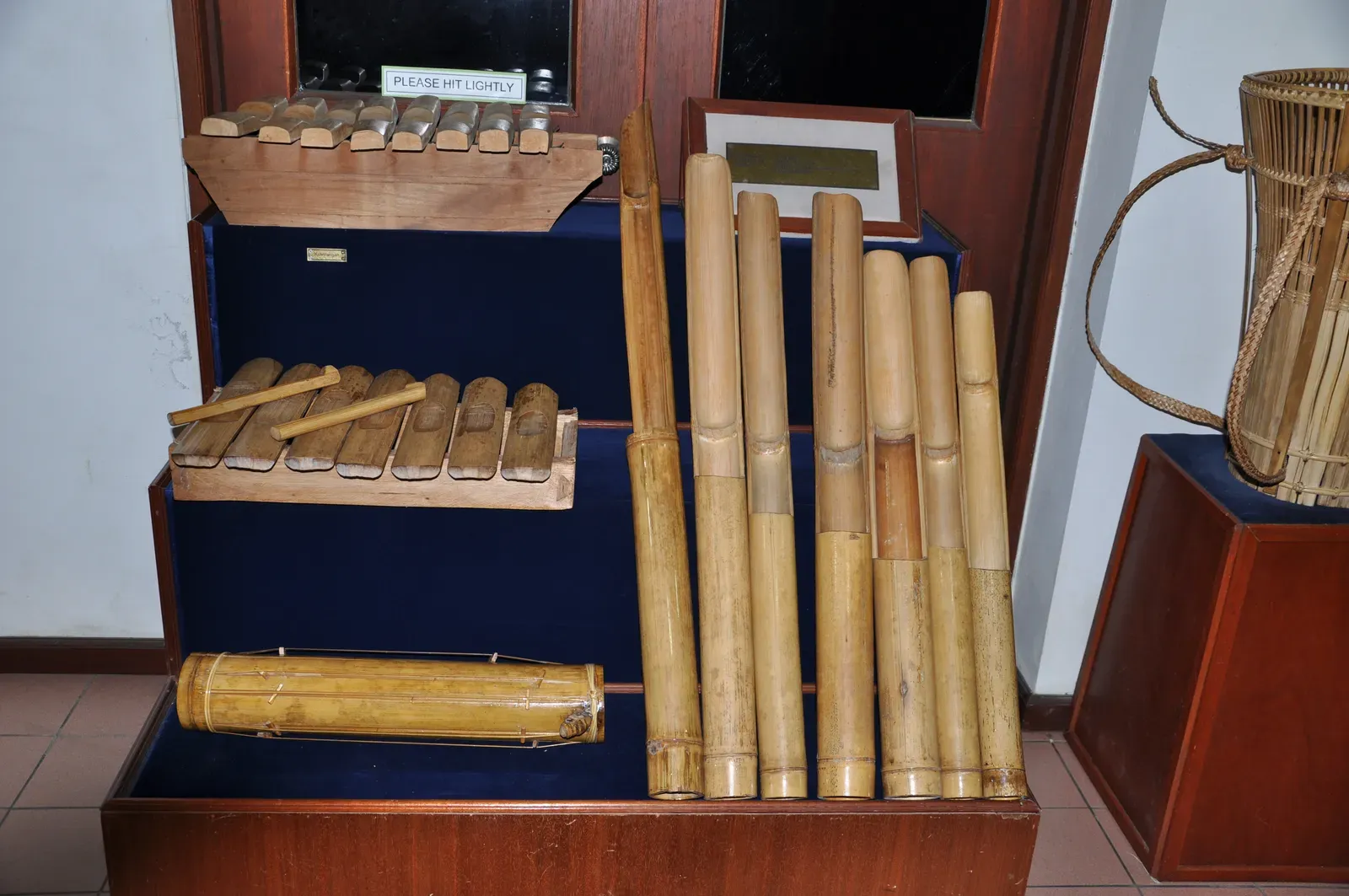
When anthropologists and ethnomusicologists compare instruments from distant cultures, they keep running into eerie similarities. A bamboo flute from Southeast Asia and a bone flute from prehistoric Europe look nothing alike at first glance, but they both rely on the same principles of vibrating air columns, carefully placed finger holes, and controlled breath. A West African drum and a Pacific Island drum are built from different trees and skins, yet both are basically tensioned membranes tuned for specific pitches and timbres.
This kind of parallel evolution shows how much the physics of sound quietly shapes cultural creativity. Whether people are working with wood, stone, gourds, reeds, metal, or animal parts, they eventually hit the same bottlenecks: how to control pitch, how to increase volume, how to stabilize tuning, how to vary tone color. The answers they find tend to rhyme, even when no trade routes existed between them, because the underlying acoustic problems are identical everywhere on Earth.
The Shared Physics Behind Rhythm, Pitch, And Harmony
Under all the cultural variety, music has to obey the same physical laws: vibrating strings, columns of air, or membranes produce certain patterns whether you are in the Amazon or the Arctic. Many societies, even those with no written theory, end up using intervals that line up with simple frequency ratios, because those relationships sound especially stable and pleasing to human ears. People learn this not through equations but by trial, error, and listening over generations.
Rhythm follows a similar story. Our bodies give us a natural grid: footsteps, heartbeats, breathing cycles, work movements like pounding grain or paddling a canoe. Different cultures decorate that grid in wildly complex ways, but the sense of a beat, of grouping time into regular units, keeps reappearing. It is as if human nervous systems and the physics of motion gently nudge musical systems into certain recurrent shapes, no matter where they begin.
Drums, Strings, And Flutes: The Same Families Everywhere
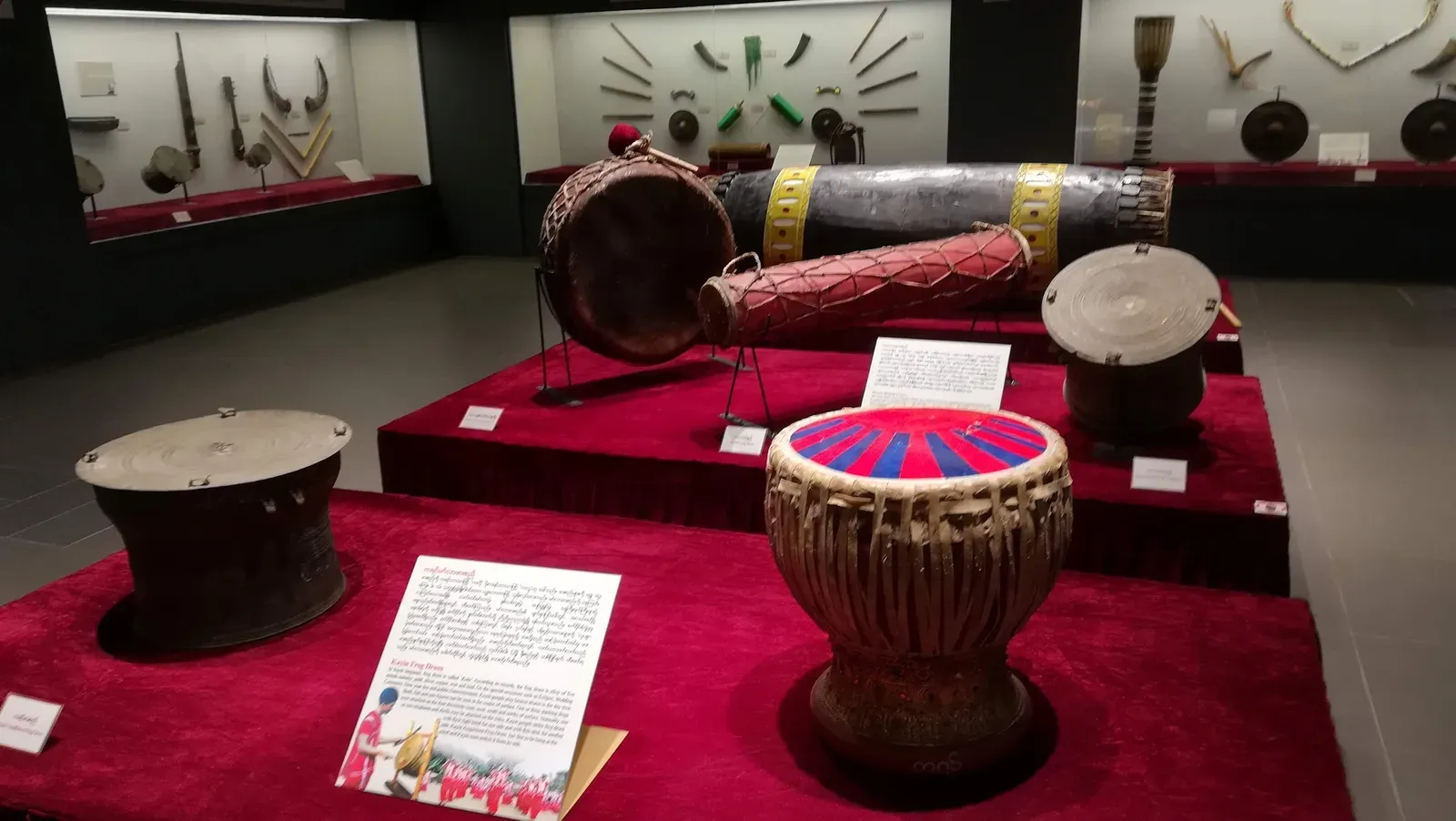
A funny thing happens if you strip away the surface design and just ask how instruments make sound: you keep returning to a small set of families. You get things you strike (idiophones and drums), things you pluck or bow (strings), and things you blow (winds). From there, you see endless local variations: slit drums carved from logs, lamellophones with metal tines, lutes with hollow gourds, panpipes from river reeds, trumpets from animal horns or shells.
This convergence is not a coincidence; it is a consequence of how few robust ways there really are to produce controllable musical sound. If you hit something, you get a sharp attack and decay. If you bow or blow, you can sustain a tone. If you change length, tension, or thickness, you shift pitch. Cultures all over the planet played with these levers using whatever materials they had, essentially reinventing the same basic playbook again and again without ever meeting one another.
Social Needs That Push Every Culture To Invent Music

Physics can explain why instruments end up similar, but it does not explain why humans bother with music at all. That part comes from social and emotional needs that turn out to be just as universal as sound waves. People use music to mark births, deaths, marriages, harvests, battles, healing ceremonies, and religious festivals. It is how groups remember stories, teach values, and turn abstract beliefs into something you can feel in your chest.
On a more intimate level, lullabies soothe infants, love songs carry longing, work songs synchronize labor, and war chants steel nerves. I remember realizing this the first time I listened to a field recording of a distant culture and still felt the tension and tenderness, even without understanding the words. In every corner of the world, music seems to be the emotional glue that holds communities together and makes shared life feel meaningful rather than mechanical.
Music, The Brain, And Why Our Species Keeps Reinventing It
Modern brain research lines up with what anthropologists have been saying for decades: humans are wired to respond strongly to rhythm and melody. Listening to or making music lights up networks related to movement, reward, memory, and emotion, often all at once. That broad activation may be why music feels so powerful and why people keep recreating it, even in harsh conditions or with minimal resources.
From an evolutionary perspective, this payoff could help explain why every culture ends up inventing music independently. Any behavior that reliably boosts cohesion, coordinates group action, and helps individuals manage stress or grief is likely to stick around. You do not need a conscious plan or a music textbook for that; you just need people who notice that singing together makes life more bearable and who pass that habit down, one generation after another.
Independent Invention Versus Cultural Borrowing

To be fair, once cultures start mixing through trade, conquest, or migration, musical ideas definitely travel. Instruments like the guitar, the violin family, or the modern drum kit are obvious examples of tools that spread far beyond their birthplaces. But the deeper anthropological claim is that even without these exchanges, people would still invent music-like systems on their own, because the raw ingredients – bodies, voices, objects that can vibrate – are always there.
So we end up with a layered reality. At the surface, specific styles, genres, and popular instruments are heavily shaped by history and contact; there is nothing “inevitable” about hip-hop beats or symphony orchestras. Underneath that, though, are recurring solutions: tuned strings, flutes with holes, drums with stretched skins, scales clustered around certain intervals, and social uses like dancing, mourning, celebration, and worship. That deeper layer is where anthropology sees independent invention most clearly.
What This Reveals About What It Means To Be Human

Once you see how stubbornly music appears everywhere humans exist, it becomes hard to treat it as a luxury or a side hobby. It looks more like a built‑in feature of our species, a way of turning raw sensation into shared structure and emotion. That is why people will make music with rocks if they do not have drums, with whistling if they do not have flutes, with their own bodies if they lack any tools at all.
Personally, I think this universality is an argument against the idea that music is just entertainment. If every culture has independently decided that shaping sound is worth time, effort, and precious resources, then music is doing serious work for us, even when we experience it as play. It helps us synchronize, remember, feel, and imagine together. Maybe the real surprise is not that every culture solved the same acoustical problems, but that we ever believed music was optional in the first place. When you look across history and across the globe, it starts to feel less like a pastime and more like a quiet definition of who we are – if you stripped everything else away, would humans without music even feel human to you?