Residues of everyday medications continue to infiltrate rivers and streams worldwide through wastewater, creating an overlooked conduit to land ecosystems via small aquatic insects.
Recent Research Exposes a Hidden Pollution Route
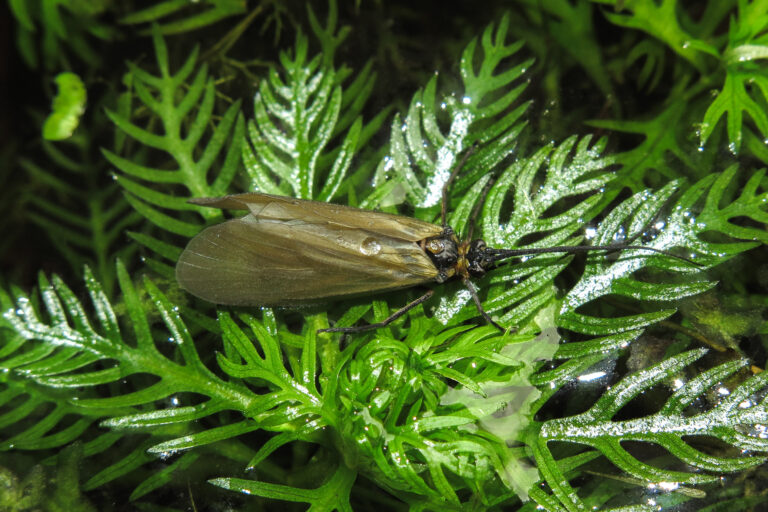
Recent Research Exposes a Hidden Pollution Route (Image Credits: Imgs.mongabay.com)
Researchers at the University of South Bohemia provided compelling evidence that aquatic insects absorb pharmaceuticals from contaminated waters and transfer them to predators on land. Their study exposed larvae of caddisflies and mayflies to treated urban wastewater, revealing uptake across life stages from larvae to adults.
Larvae accumulated higher concentrations than adults, with levels remaining steady during prolonged exposure. This process persisted even though water concentrations fell below typical toxicity thresholds. The findings build on earlier work, such as a 2018 analysis of Australian streams where scientists detected dozens of drug compounds in insects and spiders.
Key Players: Drugs, Insects, and Predators
Sertraline, the active ingredient in the antidepressant Zoloft, showed notable bioamplification during insect metamorphosis, concentrating further as larvae transformed. Other compounds included norsertraline, venlafaxine from Effexor, and theophylline used in asthma treatments. Up to 49 pharmaceuticals appeared in the exposure wastewater, with 15 transferring into the insects.
Caddisflies like Oligotricha striata and Limnephilus species, along with the mayfly Siphlonurus aestivalis, proved particularly susceptible. These insects emerge with wings, making them easy prey for riparian spiders, birds, bats, and even larger animals such as platypuses or trout in some regions. Prior studies confirmed similar patterns, with spiders harboring up to 66 compounds after consuming emerged adults.
- Caddisflies (Oligotricha striata, Limnephilus spp.): Filter feeders that retain contaminants effectively.
- Mayflies (Siphlonurus aestivalis): Show variable accumulation by life stage.
- Riparian spiders: Primary land predators specializing in emerging insects.
- Birds and bats: Streamside foragers exposed through diet.
Mechanisms of Uptake and Transfer
Bioaccumulation occurs as insects absorb drugs directly from water and food, while bioamplification happens when larvae fail to metabolize or excrete compounds during biomass loss in pupation. Factors like a drug’s biodegradation half-life and bioconcentration potential best predicted uptake rates. In the Czech experiments, adults started with lower levels but saw increases over time.
This transfer links aquatic and terrestrial food webs, a pathway previously understudied despite massive insect emergences from freshwater habitats. Wastewater treatment plants remove some pollutants but leave residues of antibiotics, antidepressants, and painkillers intact. Global pharmaceutical use exacerbates the issue, with streams near urban areas showing concentrations 10 to 100 times higher than pristine sites.
Uncharted Risks to Wildlife and Ecosystems
Lead researcher Marek Let warned that some medical compounds prove incredibly toxic to wildlife, even at lower levels than pesticides. Top predators might ingest doses approaching human therapeutic levels; for instance, a platypus could consume half a daily human antidepressant dose through its insect diet alone. Effects on behavior, reproduction, or food web dynamics remain largely unknown.
Emma Rosi, an aquatic ecologist involved in earlier research, noted that stream life swims in pharmaceutical mixtures, with chronic exposure potentially altering ecological functions. Synergistic impacts from drug cocktails add uncertainty, as tested compounds represent only a fraction of those in circulation.
Key Takeaways
- Aquatic insects bioaccumulate up to 15+ pharmaceuticals from wastewater, transferring them to land predators.
- Bioamplification elevates concentrations like sertraline during metamorphosis.
- Global streams affected; better monitoring and reduced inputs needed despite treatment limitations.
These discoveries highlight how human health practices ripple through nature, demanding expanded research into cross-ecosystem pollution. Stricter wastewater strategies and ecological monitoring offer paths forward, though challenges persist. What measures do you support to curb this spread? Tell us in the comments.