For generations, the dominant story of the Americas before Columbus was disturbingly simple: scattered, small-scale societies living in a largely untouched wilderness, waiting for the arrival of European civilization. Honestly, that version of history was never really about evidence. It was about perspective. And the ground itself has been pushing back against that story for decades.
What researchers are uncovering today, through laser technology slicing through rainforest canopies, ancient human DNA, and microscopic traces preserved in lake sediment, is something far more extraordinary. Archaeological discoveries across the hemisphere have repeatedly rewritten human history, pushing back settlement dates and revealing unexpected complexity in pre-Columbian societies. You’d be surprised just how different the real picture looks from the one most of us grew up learning. So let’s dive in.
The Amazon Was Never an Empty Wilderness
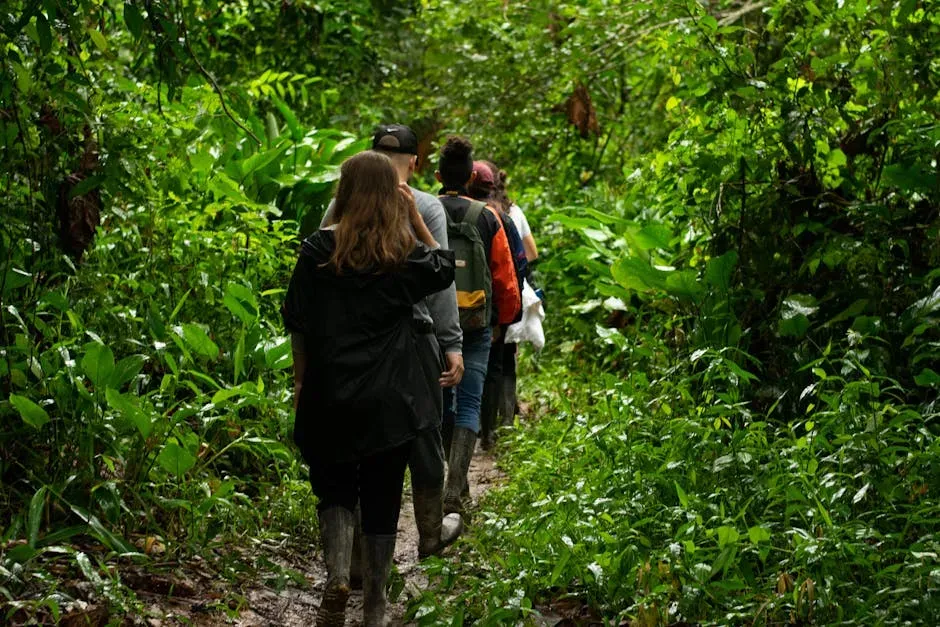
Let’s be real: for most of modern history, the Amazon rainforest was imagined as a pristine, untouched jungle, too wild and unforgiving to support large human populations. That assumption has been completely demolished. The remains of enormous earthworks, pyramids, and roads from Bolivia to Brazil discovered over the past two decades have proved conclusively that the Amazon was home to large, complex societies long before European colonizers arrived. Now, there’s evidence of a dense network of interconnected cities hidden beneath the forest in Ecuador’s Upano Valley, revealed by the laser mapping technology called lidar.
The findings showcase a complex network of interconnected cities, roads, and agricultural structures dating back 2,500 years, making it the oldest and largest example of an agricultural civilization in South America’s Amazon rainforest. The Upano Valley site spans approximately 230 square miles and was occupied by the pre-Hispanic Kilamope and Upano cultures, followed by the Huapula culture. Lidar imaging revealed more than 6,000 rectangular earthen platforms, plaza structures, and mounds connected by an extensive gridwork of straight roadways and footpaths. Think of it like discovering Manhattan beneath a jungle canopy, and nobody had any idea it was even there.
LiDAR Technology Is Rewriting the Rules of Discovery
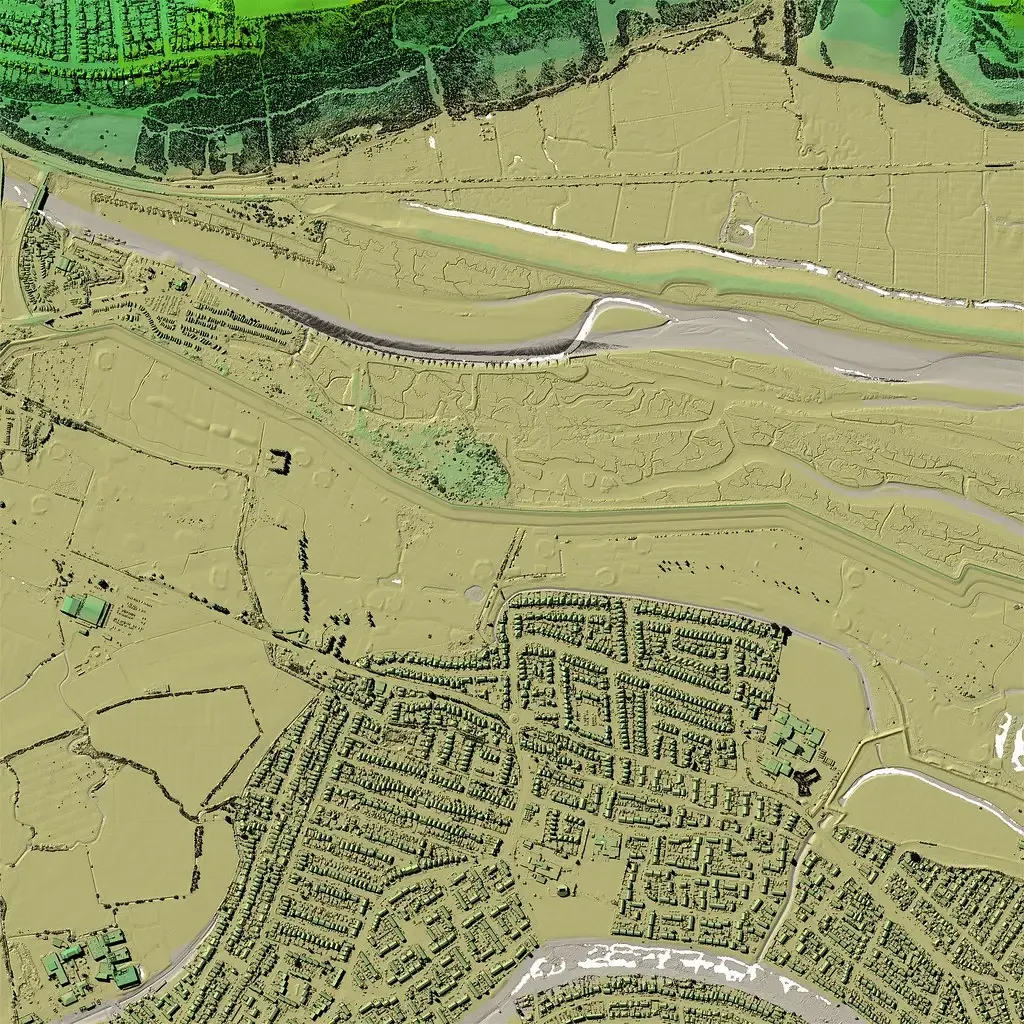
Lidar stands for Light Detection and Ranging, an analog of radar and sonar that scans terrain with thousands of pulses of laser light every second. While the technology has been around for decades, its ability to detect vast structures beneath layers of vegetation and to map the subtle changes of ancient landscapes has recently revolutionized archaeology. It’s the closest thing archaeologists have to a superpower right now, and it keeps delivering shocking results.
The findings from Ecuador’s Upano Valley challenge long-standing assumptions that the Amazon Rainforest could not sustain large, complex urban societies. These new revelations suggest that the dense jungles were home to a highly organized and advanced culture, altering how we perceive the pre-Columbian Americas. Lidar “is revolutionizing our understanding of the Amazon in pre-Columbian times,” according to Carla Jaimes Betancourt, an archaeologist at the University of Bonn. What makes this especially striking is that researchers spent decades walking these sites on foot and still couldn’t see the full picture until the lasers arrived.
Cahokia: North America’s Forgotten Metropolis
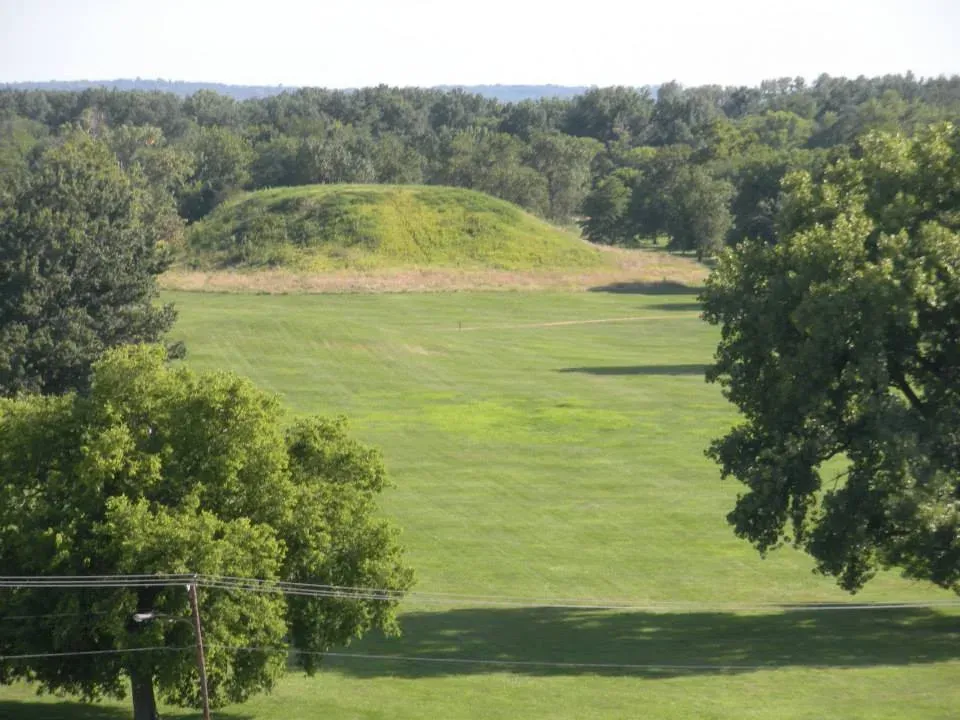
Here’s the thing most people don’t know: before European contact, there was already a city in North America that rivaled the great capitals of the medieval world. Cahokia was the largest pre-Columbian city in North America, and at its peak, the metropolis near modern-day St. Louis was bigger than London. That’s not a typo. Bigger than London. And yet most people have never heard of it.
At its apex around 1100 CE, the city covered about 6 square miles, included about 120 earthworks in a wide range of sizes, shapes, and functions, and had a population of between 15,000 and 20,000 people. Cahokia was the largest and most influential urban settlement of the Mississippian culture, which developed advanced societies across much of what is now the Central and the Southeastern United States, beginning around 1000 CE. It maintained trade links with communities as far away as the Great Lakes to the north and the Gulf Coast to the south, trading in such exotic items as copper, Mill Creek chert, shark teeth, and lightning whelk shells. This was not a simple village. This was a civilization with ambition.
The Myth of the “Vanishing Indian” Gets Debunked
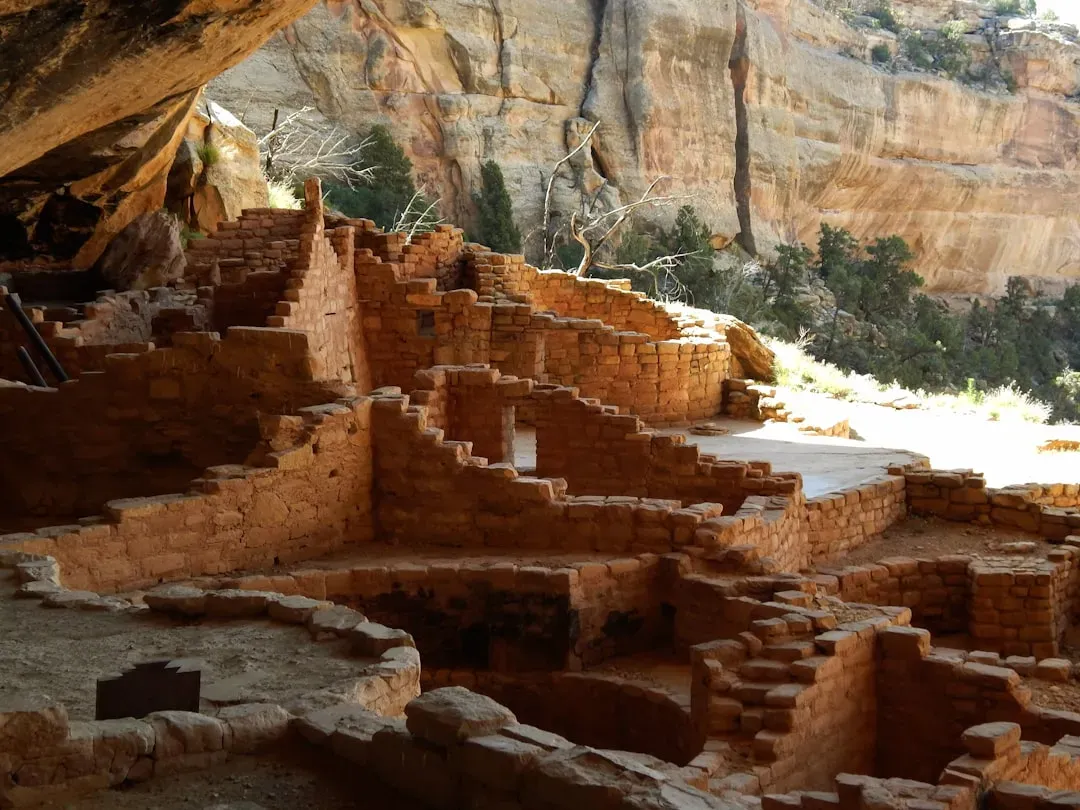
One of the most persistent and damaging myths in American history is the idea that Indigenous populations simply faded away before European arrival, as if the land emptied itself out for the newcomers. Research at Cahokia has pushed back hard against this comfortable fiction. Research results suggest that the Mississippian decline did not mark the end of a Native American presence in the Cahokia region, but rather reveal a complex series of migrations, warfare and ecological changes in the 1500s and 1600s, before Europeans arrived on the scene.
The methods used to reach this conclusion are genuinely fascinating. The linchpin of the evidence were “fecal stanols” derived from human waste preserved deep in the sediment under Horseshoe Lake. Fecal stanols are microscopic organic molecules produced in the gut when digesting food. They are excreted in feces and can be preserved in layers of sediment for hundreds, if not thousands, of years. Because humans produce fecal stanols in far greater quantities than animals, their levels can be used to gauge major changes in a region’s population. It’s hard to say for sure there’s a more unexpected archaeological tool than ancient human waste, but here we are, and the data doesn’t lie.
Pre-Columbian Complexity in Mesoamerica Runs Deeper Than Pyramids
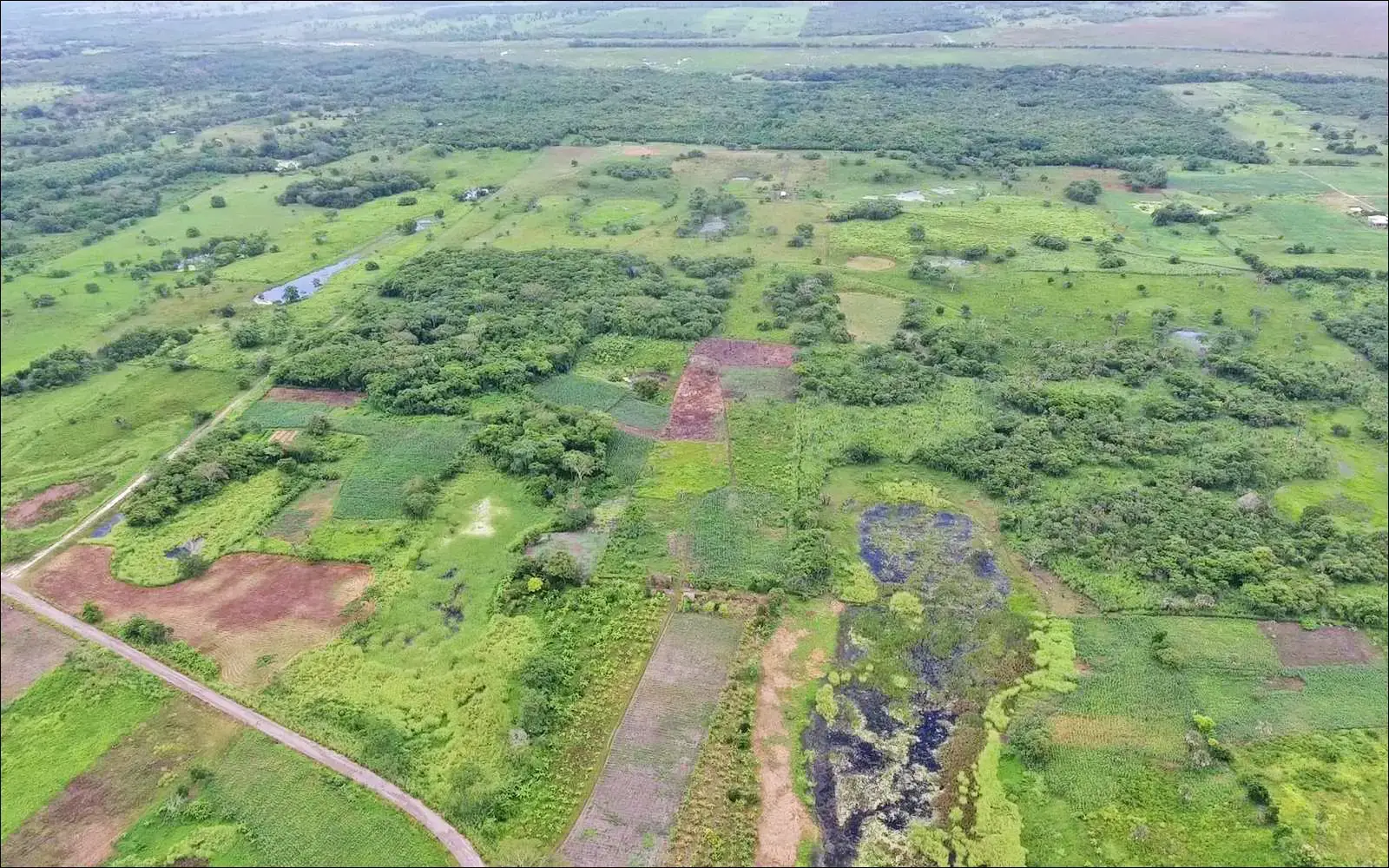
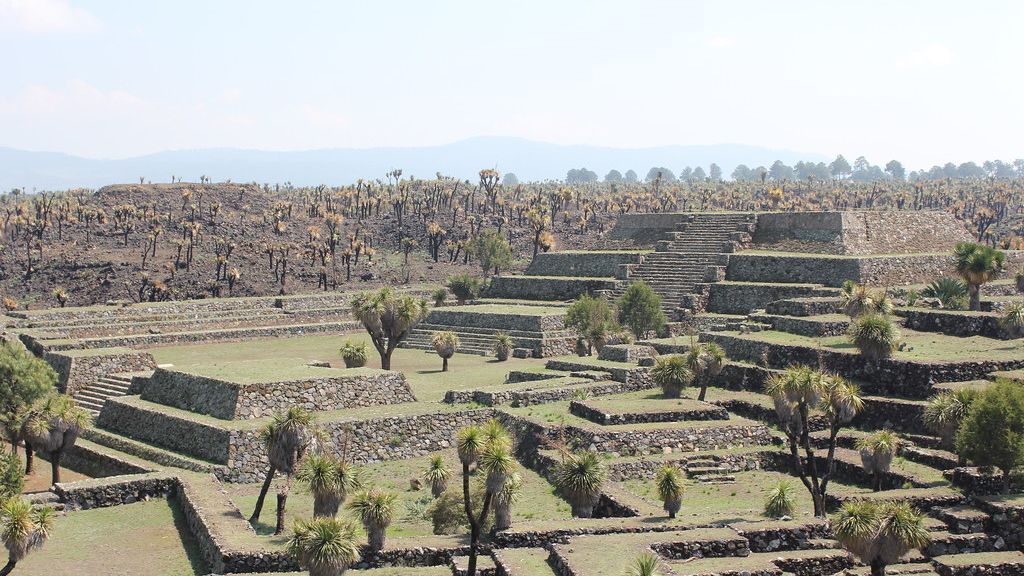
When most people think of pre-Columbian Mesoamerica, pyramids come to mind. The Aztecs. The Maya. Teotihuacan. But new findings keep revealing that civilization in this region was even older and more complex than the famous monuments suggest. A significant discovery at the ancient site of Aguada Fénix in Mexico’s Tabasco region deepened understanding of early Maya society. Researchers uncovered a complex arrangement of ceremonial platforms and a possible early ballcourt from around 1000 BCE. This find is crucial because it shows the site was far more than just a ritual gathering place.
The discovery confirms that large, permanent communities with organized labor and social structure were forming earlier than experts once thought, long before the rise of famous pyramids. It reinforces the idea that significant architectural and social complexity developed gradually, starting not from powerful kings, but from shared community projects. This makes Aguada Fénix a key piece of evidence for the origins of civilization in the Americas. Think of it this way: the pyramids weren’t the beginning of the story. They were closer to the middle chapter.
Pre-Columbian Populations Were Far Larger Than Anyone Assumed
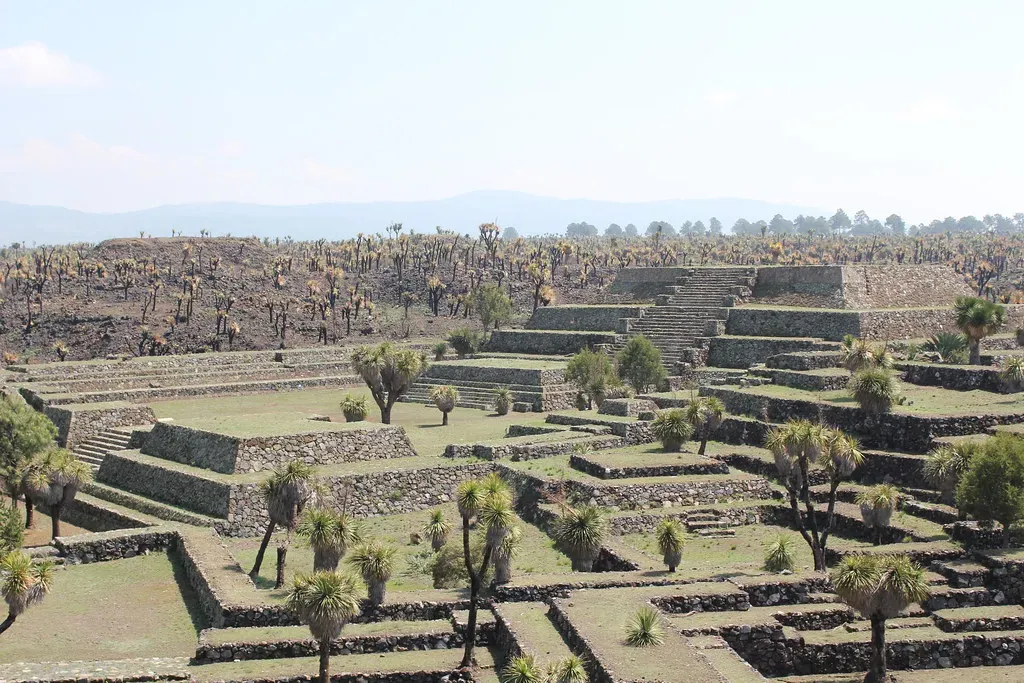
For centuries, estimates of Indigenous populations before European colonization varied wildly. Some early scholars suggested a few hundred thousand, while modern research points to a population in the tens of millions. That discrepancy is enormous, and it matters. How you understand the scale of pre-Columbian populations directly shapes how you understand what was lost when European colonization began.
Research has transcended the pre-Columbian and Columbian divide by applying radiocarbon dating at a massive scale to define a previously unrecognized Indigenous demographic shift that spanned North America. This new synthesis both confirms the long-known demographic drop after European arrival and generates compelling evidence of earlier population flux. Researchers document a significantly larger Indigenous population across the United States before 1150 CE, followed by a depopulation. Pre-Columbian impacts encompassed agricultural and foraging populations and involved interactions among climate change, especially drought, endogenous disease, emigration, and warfare. These were dynamic civilizations responding to real pressures, not passive cultures frozen in time.
Transoceanic Contacts and the Boundaries of Pre-Columbian Reach
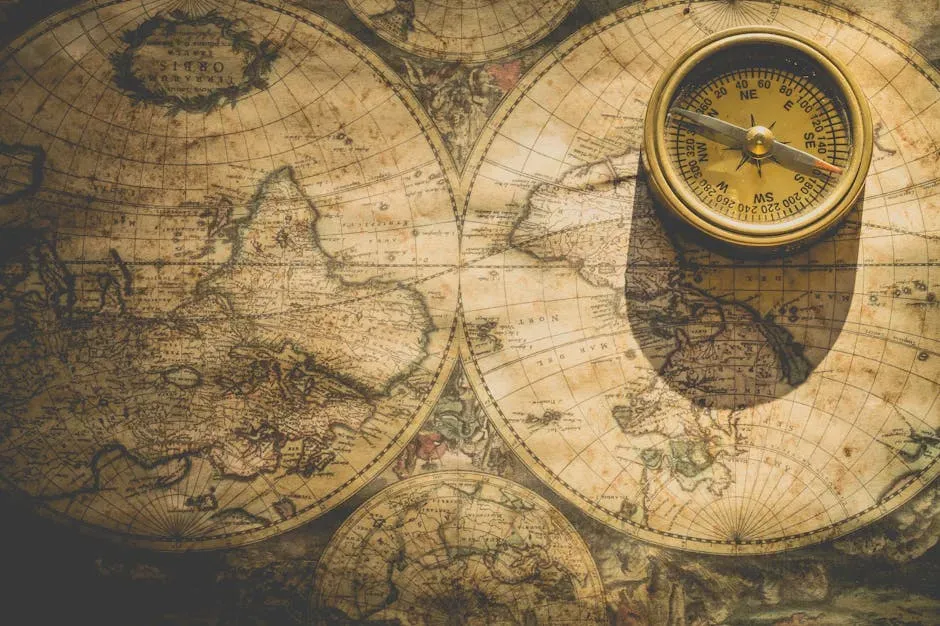
One of the most intriguing questions in all of pre-Columbian studies is whether the Americas were truly isolated before 1492 or whether long-distance contact existed across the oceans. The evidence here is genuinely mixed, and it’s one of those areas where you have to hold your conclusions loosely. Maritime explorations by Norse peoples from Scandinavia during the late 10th century led to the Norse colonization of Greenland and a base camp at L’Anse aux Meadows in Newfoundland, which preceded Columbus’s arrival in the Americas by some 500 years.
Even more intriguing is what science is uncovering about possible Pacific connections. Recent genetic studies have suggested that some eastern Polynesian populations have admixture from coastal western South American peoples, with an estimated date of contact around 1200 CE. Since the 1970s, numerous geoglyphs have been discovered on deforested land in the Amazon rainforest in Brazil, supporting accounts of complex and ancient Amazonian civilizations. The Upano Valley sites in present-day eastern Ecuador predate all known complex Amazonian societies. The Americas, it turns out, were neither empty nor isolated. They were alive with movement, exchange, and deep human history.
Conclusion
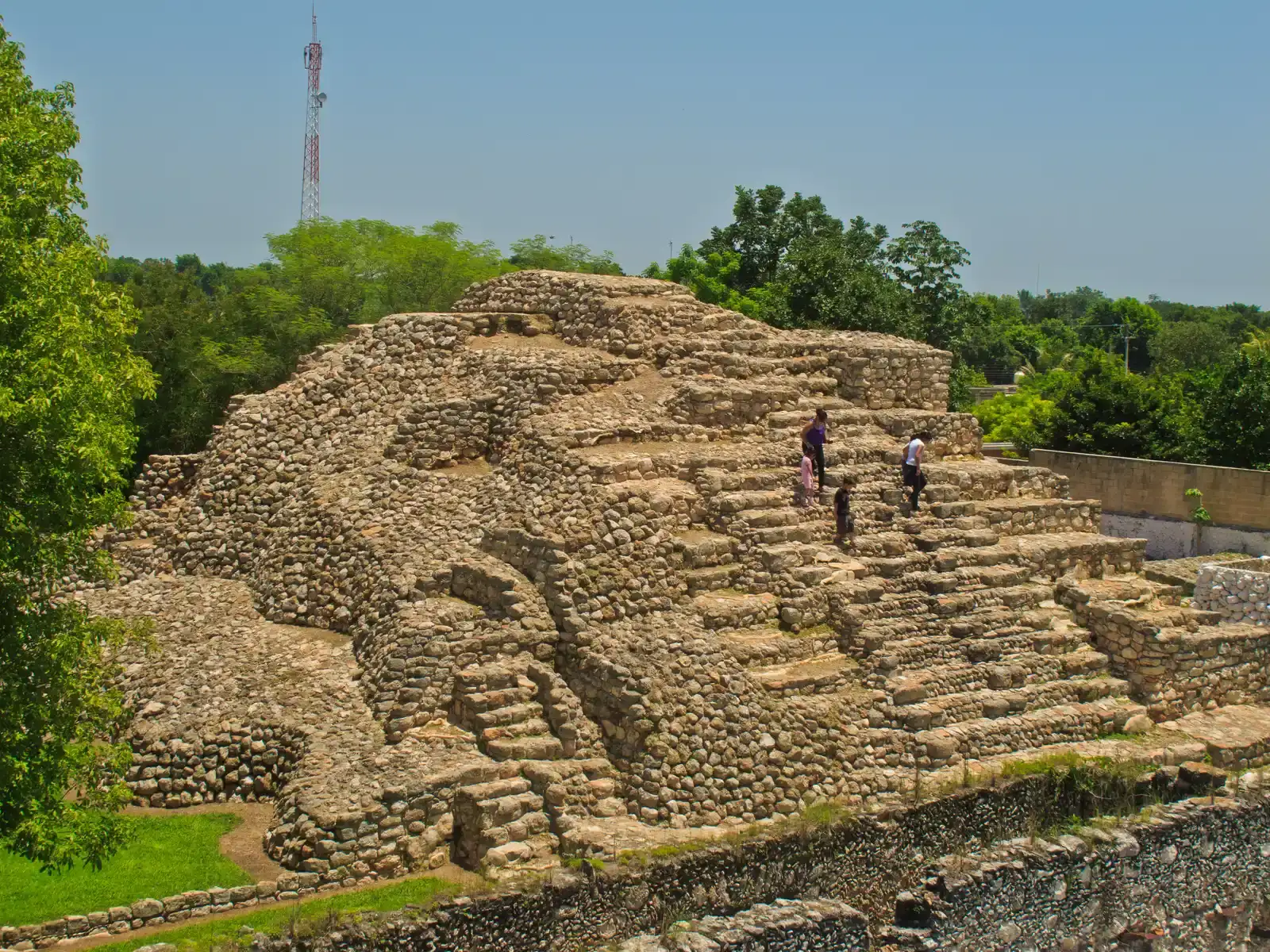
What you’re witnessing right now, in 2026, is nothing short of a quiet revolution in how humanity understands itself. The story of the Americas before Columbus was never the blank page that colonial narratives insisted on. It was a rich, complicated, deeply human story of cities and trade routes, astronomical observation and urban planning, population booms and climate-driven collapses. Every year, new discoveries push that story further back in time and higher in complexity.
The ground beneath the Americas still holds extraordinary secrets. Evidence suggests that somewhere between 10,000 and 24,000 pre-Columbian earthworks exist throughout the Amazon basin. These findings indicate that ancient Amazonians built and resided in surprisingly large urban centers, shaping their environment through advanced agricultural practices, fisheries, and forest management. The tools to find them, from LiDAR lasers to ancient DNA analysis to preserved molecules in lake sediment, are now in hand. The question is whether we’re ready to accept just how much we’ve been missing all along. What do you think history looks like when you finally start listening to the evidence? Share your thoughts in the comments below.