Every so often, the earth opens up and whispers something extraordinary. A single object pulled from the ground can quietly unravel centuries of assumption, rewriting what we thought we knew about people who lived long before the written word. It’s honestly one of the most humbling things about archaeology – the idea that entire chapters of human behavior have been sleeping under our feet, waiting to be found.
Right now, in 2026, a remarkable wave of discoveries is reshaping our understanding of ancient tribal cultures in ways that feel nothing short of astonishing. From hidden ceremonial complexes in the Peruvian cloud forests to sacrificial ritual deposits on the Eurasian steppe, the artifacts being unearthed are unlike anything previously recorded. Buckle up for what you’re about to discover.
When the Ground Gives Up Its Secrets: The Scale of New Discoveries
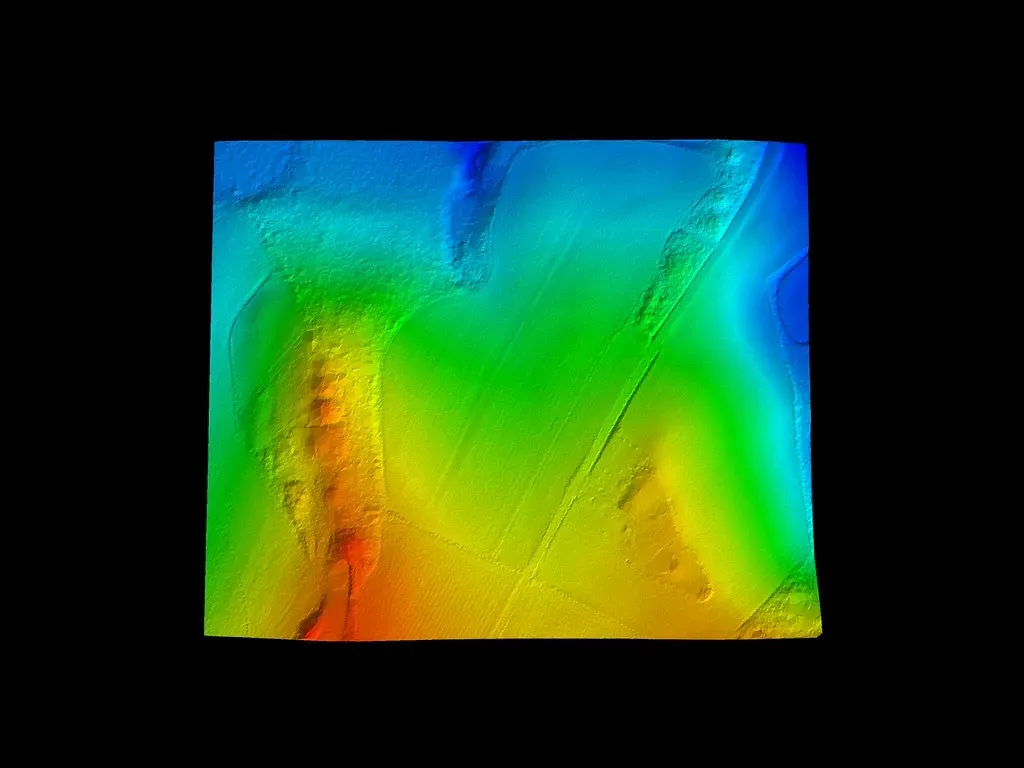
You might think the world’s most famous archaeological sites have already surrendered their biggest mysteries. Think again. Drone-mounted LiDAR systems have unveiled hidden ceremonial complexes, sophisticated water management systems, and residential areas that suggest Machu Picchu was far more extensive and complex than previously imagined. That is not a minor footnote. That’s the entire story of a civilization being rewritten in real time.
The years 2024 and 2025 proved to be watershed moments for archaeology, with several massive projects reaching fruition and unexpected finds rewriting entire chapters of human history – from the jungles of Central America to the depths of the Mediterranean. What’s driving this? Largely new technology. But more on that shortly. The sheer volume of new tribal practices being uncovered is, frankly, staggering.
The Chachapoyas Cloud Forest City: A Civilization Hiding in Plain Sight
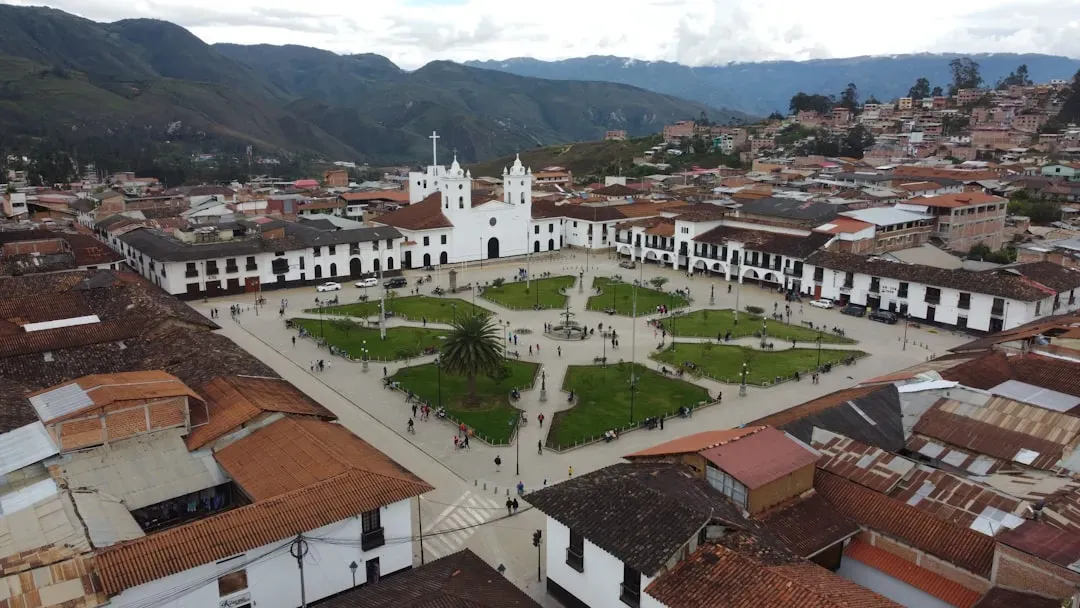
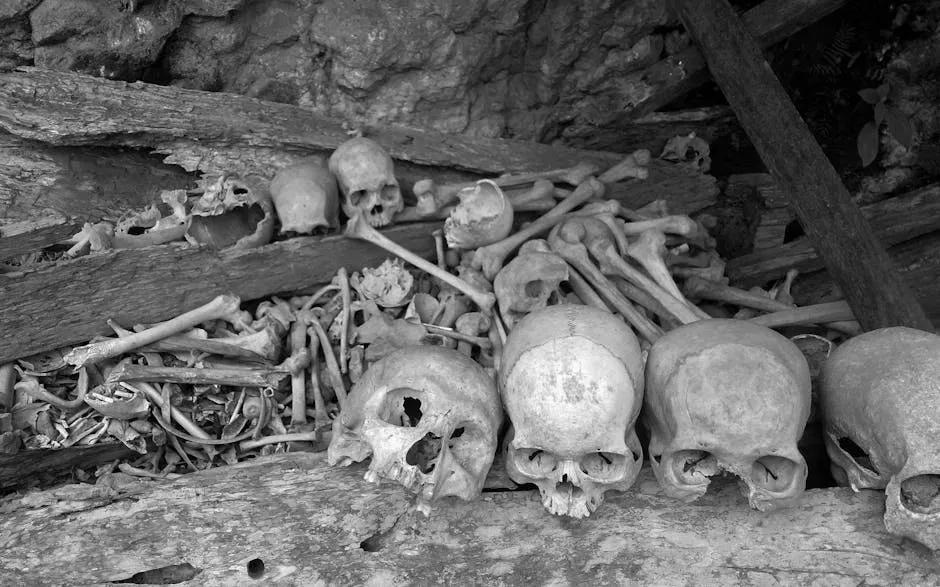
Deep in the mist-wrapped forests of Peru, a lost city belonging to the Chachapoyas people has revealed ritual practices that no one anticipated. The Chachapoyas culture flourished in the cloud forests of Peru at high altitudes from around CE 200 to 1500, best known for its fortress city of Kuelap and distinctive cliffside burial sites like Revash and Laguna de las Momias. For a long time, that was essentially all we had – a name, a fortress, a few cliffside tombs.
Unlike previously excavated sites, the newly discovered Ollape complex shows a greater territorial size and higher social complexity than previously known. The presence of ritual structures and unique artifacts also suggests diverse ritual practices, some perhaps not the same as those that took place at more well-known centers like Kuelap. Let’s be real – when researchers say a culture was more complex than we thought, that usually means we had barely scratched the surface. This discovery confirms exactly that.
Nomadic Sacrificial Rituals Unearthed in the Southern Urals
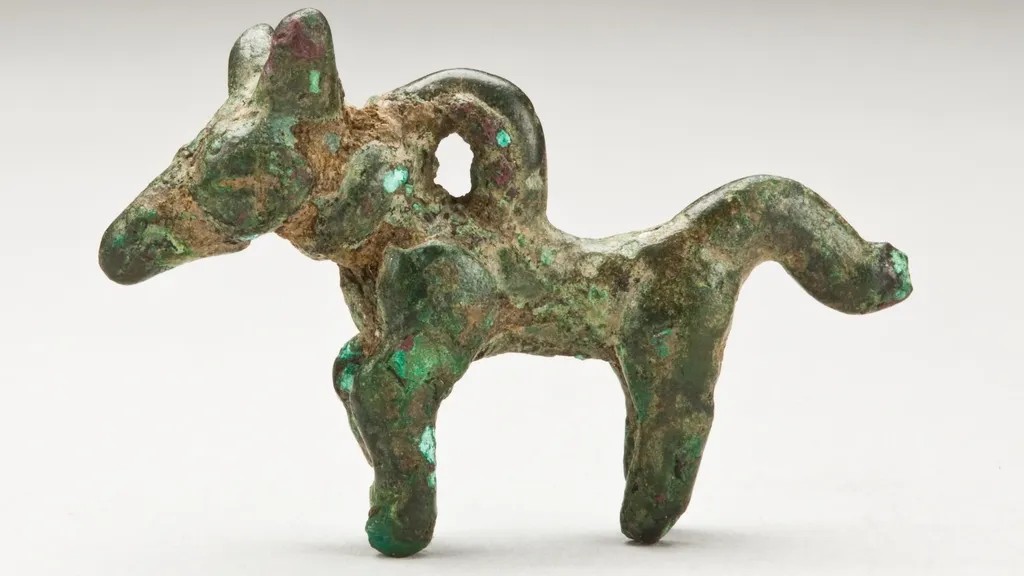
On the vast Eurasian steppe, archaeologists have uncovered a sacrificial complex that tells a jaw-dropping story about nomadic tribal life. The deposit included complete sets of bridles, iron bits, horn and metal cheekpieces, iron buckles, and over 500 small bronze beads. The most spectacular finds were up to seventeen bronze plate browbands, thirty openwork plaques, and a set of round decorative plaques featuring dot patterns, birds, mythological creatures, and swastikas. Each of those objects is a clue. Together, they paint a picture of ritual life that is breathtaking in its sophistication.
The evidence shows that large burial mounds in the Southern Urals served not only as graves but also as ceremonial centers where rich offerings and rites were performed long after the initial burials. According to the researchers, the systematic study of these spaces between mounds opens new perspectives on the funerary traditions of early nomadic societies in this region. Think of it like this: these weren’t just cemeteries. They were ongoing religious institutions, revisited and re-used across generations.
Australia’s Ancient Cave Rituals: A 12,000-Year Unbroken Thread
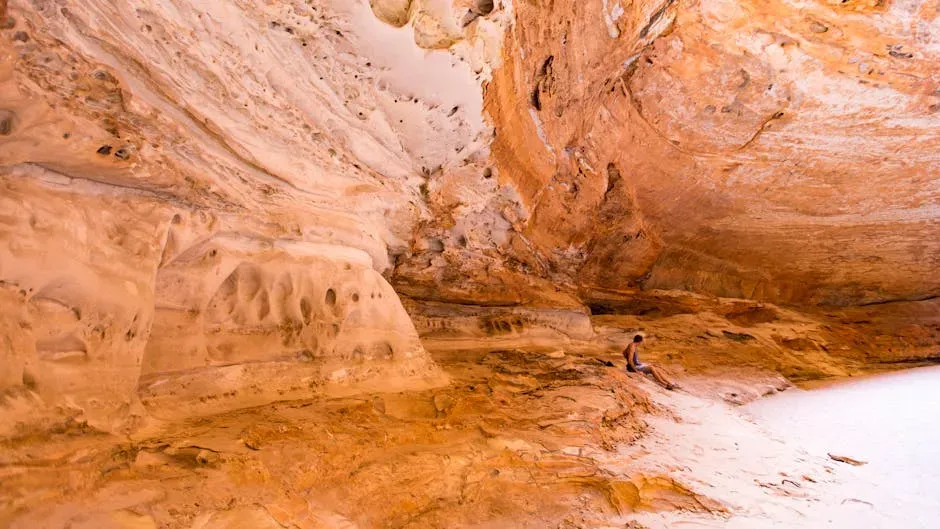
Perhaps the most emotionally powerful discovery in recent memory comes from Australia, where ancient artifacts have confirmed something almost unbelievable about cultural continuity. In GunaiKurnai Country, caves were used as secluded retreats for the performance of rituals by Aboriginal medicine men and women known as ‘mulla-mullung.’ Researchers discovered buried 11,000 and 12,000-year-old miniature fireplaces with protruding trimmed wooden artefacts made of Casuarina wood smeared with animal or human fat, matching the configuration and contents of GunaiKurnai ritual installations described in nineteenth-century ethnography.
Australian archaeological finds of 12,000-year-old fireplaces and artefacts match nineteenth-century GunaiKurnai ritual practices. They represent approximately 500 generations of cultural transmission of this ritual. Five hundred generations. Honestly, sit with that for a moment. While entire empires rose and fell, this single tribal practice remained essentially unchanged. It’s one of the most remarkable stories of human cultural memory ever documented.
Tribal Ceremonial Objects and What They Tell You About Ancient Belief Systems
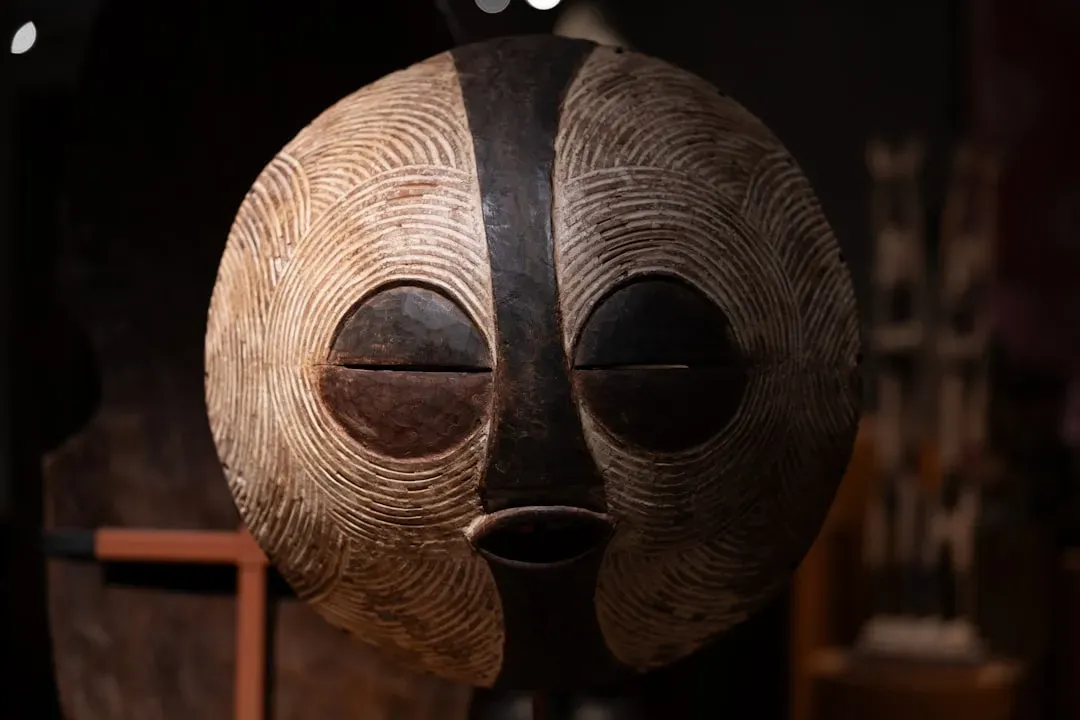
Here’s the thing about ancient artifacts – they are rarely what they first appear to be. A stone tool reveals survival strategies. A ceremonial mask hints at belief systems. A shattered amphora traces forgotten trade routes. A burial site reflects identity, ritual, and social structure. Every object is essentially a frozen moment of human behavior, and reading it correctly takes real expertise. Think of it like forensic detective work, except the crime scene is thousands of years old.
Symbolic behavior likely emerged alongside the development of complex cognitive abilities, enabling early humans to represent and communicate abstract concepts through symbols embedded in artistic representation, language, and ritual practices. Archaeological evidence suggests this capacity began developing in the Middle Stone Age, with the earliest known examples of symbolic artifacts appearing around 100,000 years ago. These artifacts indicate the ability to create and understand symbols, a critical step in the evolution of culture and social structures. That timeline is extraordinary. Tribal symbolic culture is far, far older than most people realize.
Maya Tombs and the Secrets of Dynastic Tribal Power
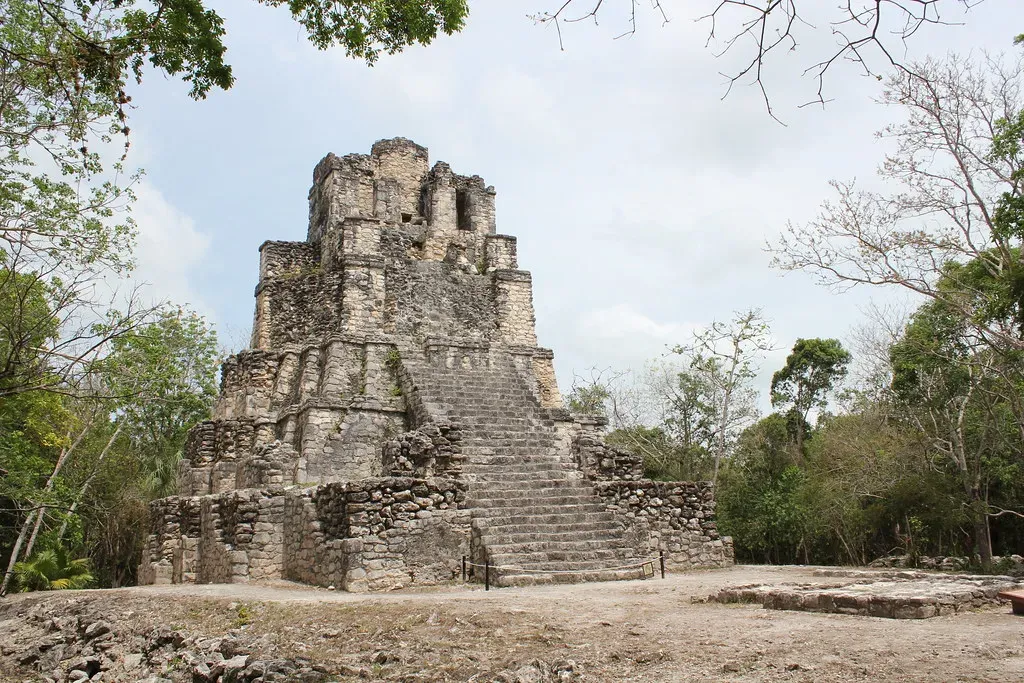
When it comes to dramatic archaeological finds, the ancient Maya continue to astonish. The most consequential archaeological discovery of 2025 occurred at the ancient Maya city of Caracol in present-day Belize. After decades of excavation, researchers uncovered the 1,700-year-old tomb of Te K’ab Chaak, founder of the city’s royal dynasty. The burial dates to approximately AD 330–350 and marks the beginning of Caracol’s rise as a regional power. That’s not just a tomb. That’s the origin story of an entire civilization.
Within the tomb, archaeologists discovered the remains of an elderly man accompanied by extraordinary funerary offerings. The most remarkable artifact was a mosaic death mask assembled from dozens of jade and shell fragments. Additional items, including jade ear flares and obsidian blades, confirmed the occupant’s elite status and provided a tangible identity for the dynasty that ruled Caracol for centuries. Artifacts within the tomb also suggest early connections to the powerful city of Teotihuacan, giving archaeologists new insight into how early Maya states formed and how their political systems evolved into some of Mesoamerica’s most influential urban centers.
Ancient Communal Rituals and the Tribal Architecture of Sacred Space
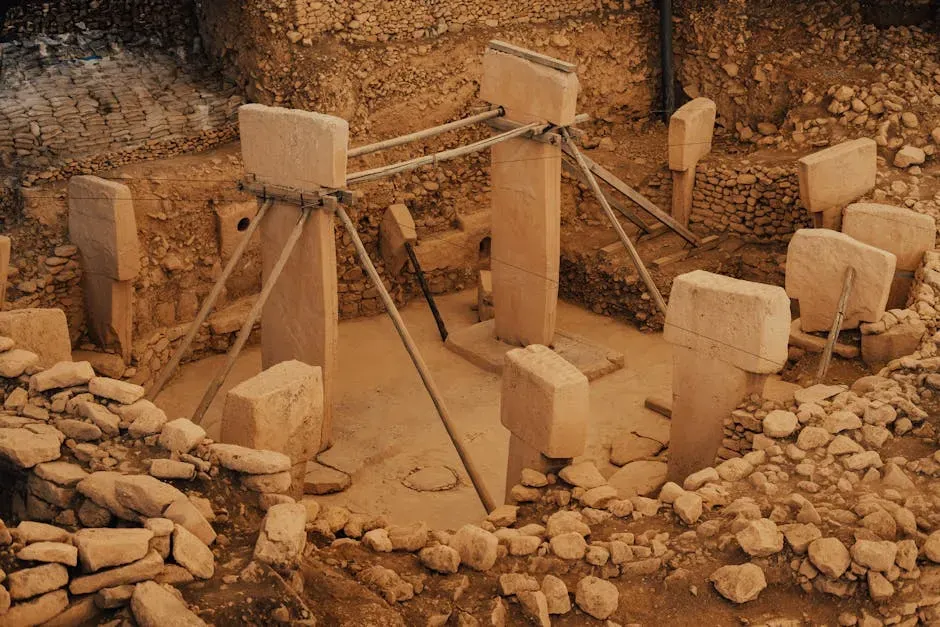
One of the most surprising revelations from recent digs is just how deliberately ancient tribes constructed their ritual spaces. At the Neolithic site of Karahantepe in southeastern Turkey, archaeologists uncovered a massive circular structure resembling a modern amphitheater. Dating back roughly 11,000 years, it features tiered stone seating and carved human and animal figures, demonstrating that monumental communal architecture existed long before agriculture became widespread. The structure suggests that hunter-gatherer societies were capable of organizing large-scale construction projects and maintaining complex social and ritual systems.
Researchers think the shift toward building megalithic structures in certain cultures may have occurred as a communal response to climate change and social disruptions. The presence of Early Bronze Age artifacts such as large bowls, grinding stones, flint tools, animal horn cores, and copper objects at the site of Murayghat in Jordan suggests that the population practiced communal rituals, feasting, and burials at their ceremonial monuments. You can picture it vividly: entire communities gathering around fire and stone, conducting ceremonies that gave meaning to an uncertain world. Some things about human nature, it seems, never change.
How Technology Is Unlocking What Tribal Artifacts Really Mean
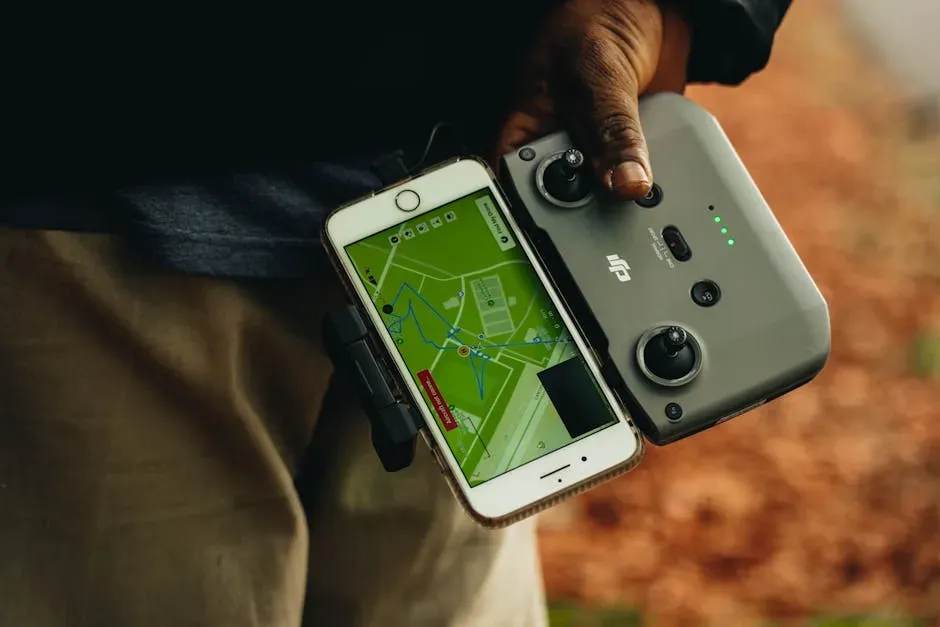
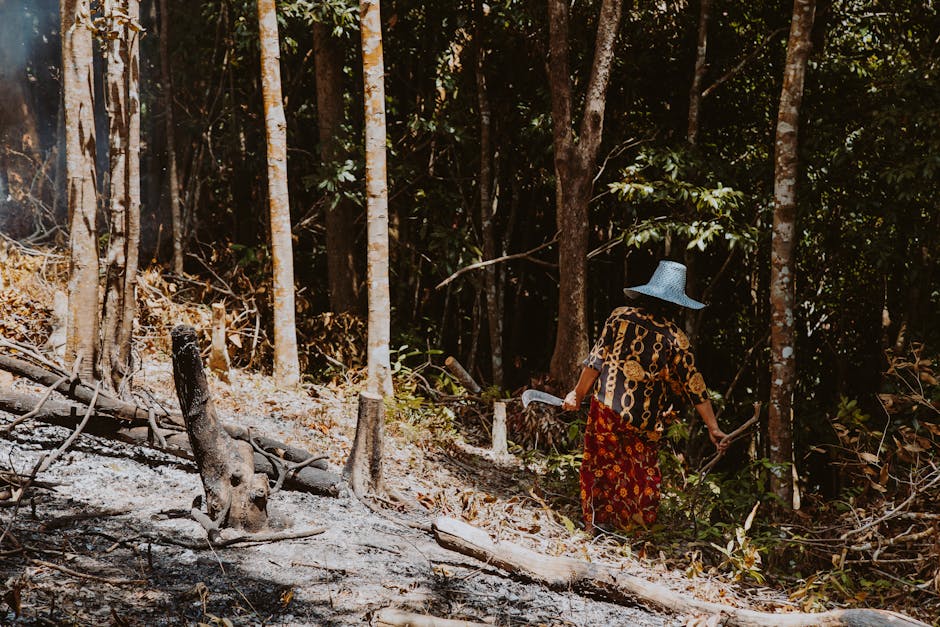
It’s impossible to talk about modern archaeological discovery without acknowledging the technology revolution transforming how you find and interpret ancient tribal artifacts. LiDAR operates like a high-tech “X-ray vision” for archaeologists, capable of seeing through dense vegetation to reveal hidden structures beneath. What used to require years of jungle machete work can now be accomplished in a single drone flight. The pace of discovery has accelerated dramatically as a result.
What makes archaeology so powerful is its ability to challenge assumptions. New discoveries constantly refine and sometimes overturn long-held beliefs about early civilizations, technological advancement, and human migration. The story of humanity is not fixed; it evolves with every dig site and laboratory test. I think that’s the most important thing to take away from all of this. Whether they are discovered through intense searching or merely stumbled upon, these finds can convey key details about the cultures that created them, including their ritual practices, artisanal skills, societal values, and daily life. Every single artifact, no matter how small, is a conversation reaching across thousands of years.
Conclusion: The Past Is Still Alive Beneath Our Feet
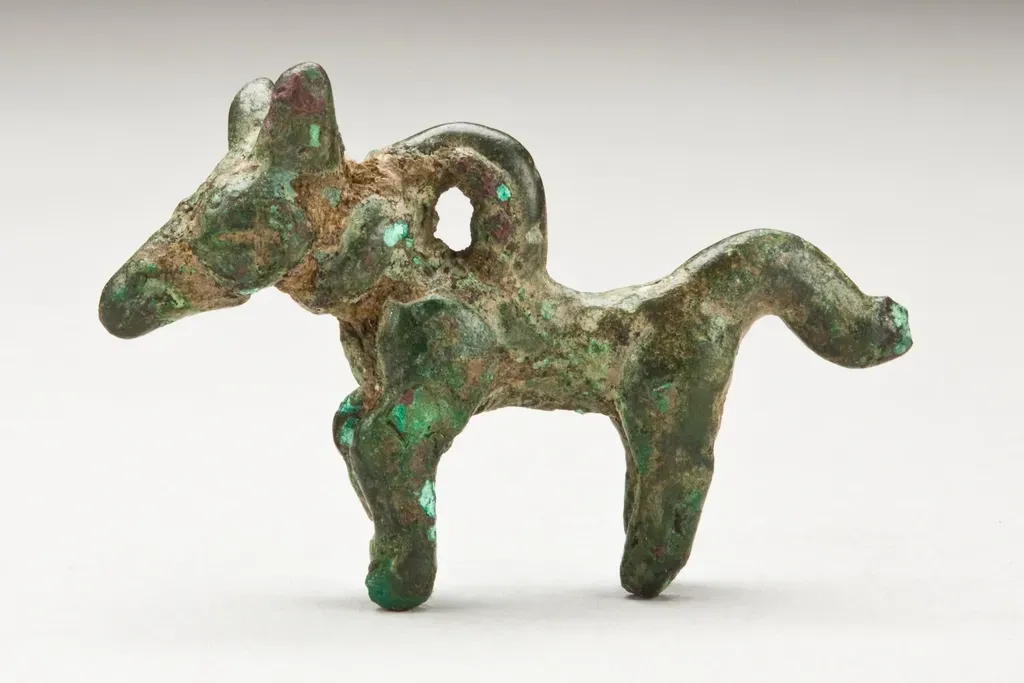
There is something deeply moving about the scale of what is currently being uncovered. Ancient tribes that history had forgotten are stepping forward, one artifact at a time, demanding to be acknowledged. Their ceremonies, their sacred objects, their communal rituals – all of it was never truly lost. It was simply waiting.
By studying earlier societies, how they flourished, how they struggled, and how they changed, we gain insight into our own world. Archaeology reminds us that civilizations are dynamic, that progress is layered, and that human ingenuity is timeless. The tribal practices being uncovered today are not just historical footnotes. They are mirrors reflecting something essential about what it means to be human – the need to make meaning, to gather, to remember, and to believe.
The ground beneath your feet holds centuries of memory, and we are only just beginning to listen. What does it say about us that these ancient voices, silenced for thousands of years, still have so much left to teach? Tell us your thoughts in the comments below.