Have you ever wondered if somewhere, deep in an untouched corner of the world, dinosaurs might still be alive? It sounds like something out of a movie, yet people continue to report sightings of prehistoric beasts in places where civilization has barely touched the earth. From the dense swamps of Central Africa to the remote rainforests of South America, tales of living dinosaurs persist, capturing imaginations and sparking expeditions that have spanned over a century.
These aren’t just old stories passed down through generations. Reports are actually increasing in some regions, particularly in the Congo Basin. What’s driving these sightings? Are people really spotting creatures that should have vanished millions of years ago, or is something else at play here? Let’s explore the fascinating intersection of folklore, science, and human hope that keeps these cryptozoological legends alive.
The Legend of Mokele-Mbembe: Africa’s Most Famous Dinosaur
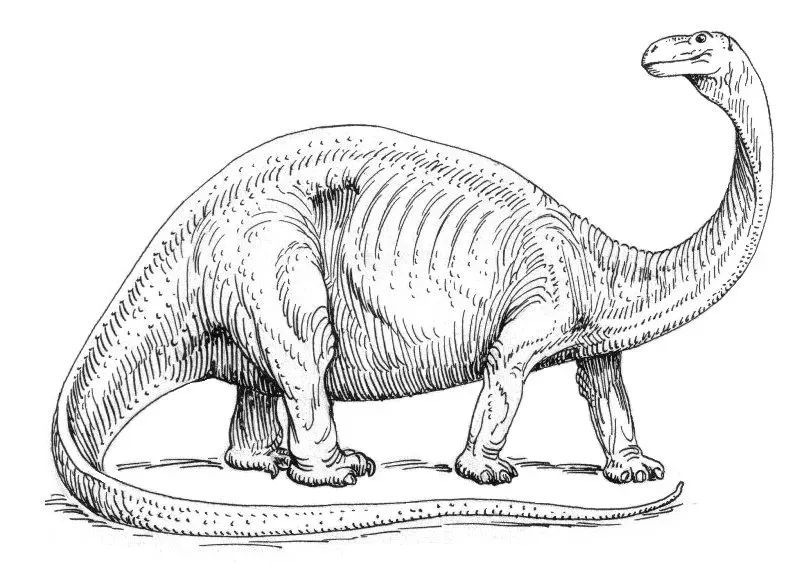
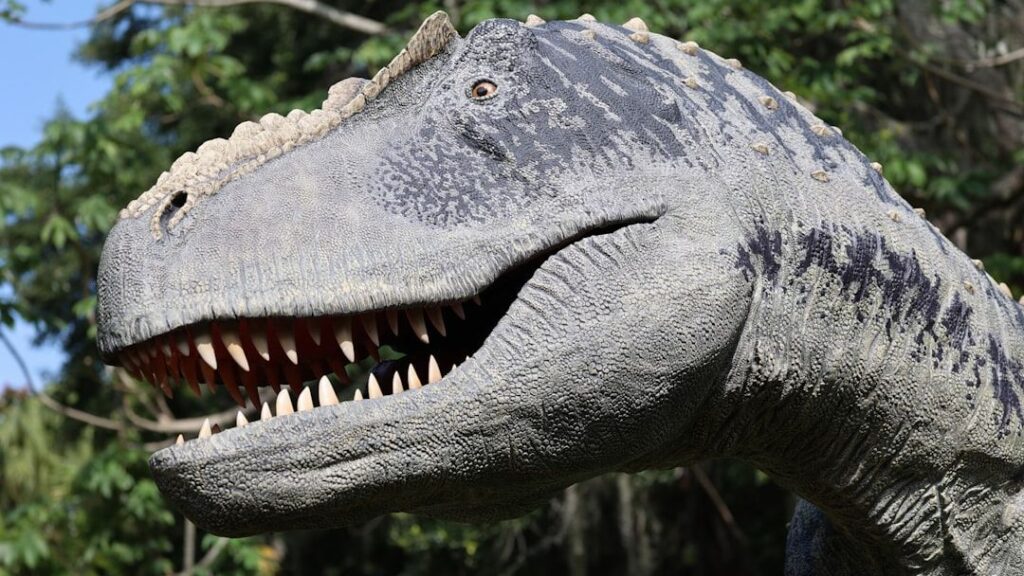
The term mokele-mbembe, originating from the Lingala language of the Democratic Republic of the Congo, loosely translates to “one who stops the flow of rivers.” This legendary creature has been the subject of countless expeditions and remains the poster child for living dinosaur theories. Described as an amphibious dinosaur-like creature said to be up to 35 feet long, with brownish-gray skin and a long, flexible neck, it resembles what many would recognize as a sauropod dinosaur.
The earliest recorded reference to a Congo River ‘dinosaur’ in Western literature is attributed to the French missionary Abbé Lievain Bonaventure Proyart in 1776, who recounted local legends about a large, mysterious creature inhabiting the region which left huge tracks a metre wide on the jungle floor. Local fishermen have long feared this territorial beast. A prevalent belief among local fishermen was that any canoe that came too close to Mokele-Mbembe’s domain was doomed, with the creature allegedly launching immediate attacks upon these vessels.
Why the Congo Basin Became Ground Zero for Dinosaur Hunters
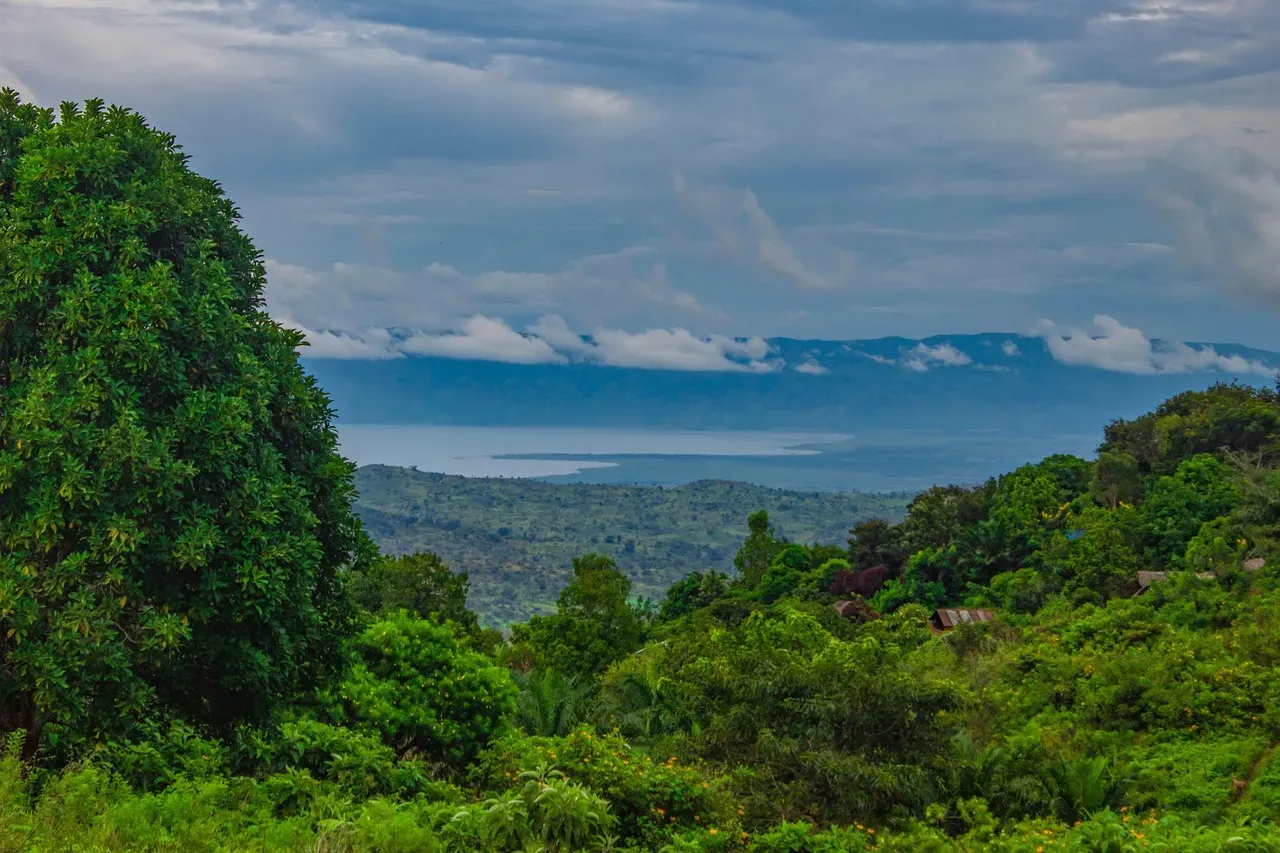
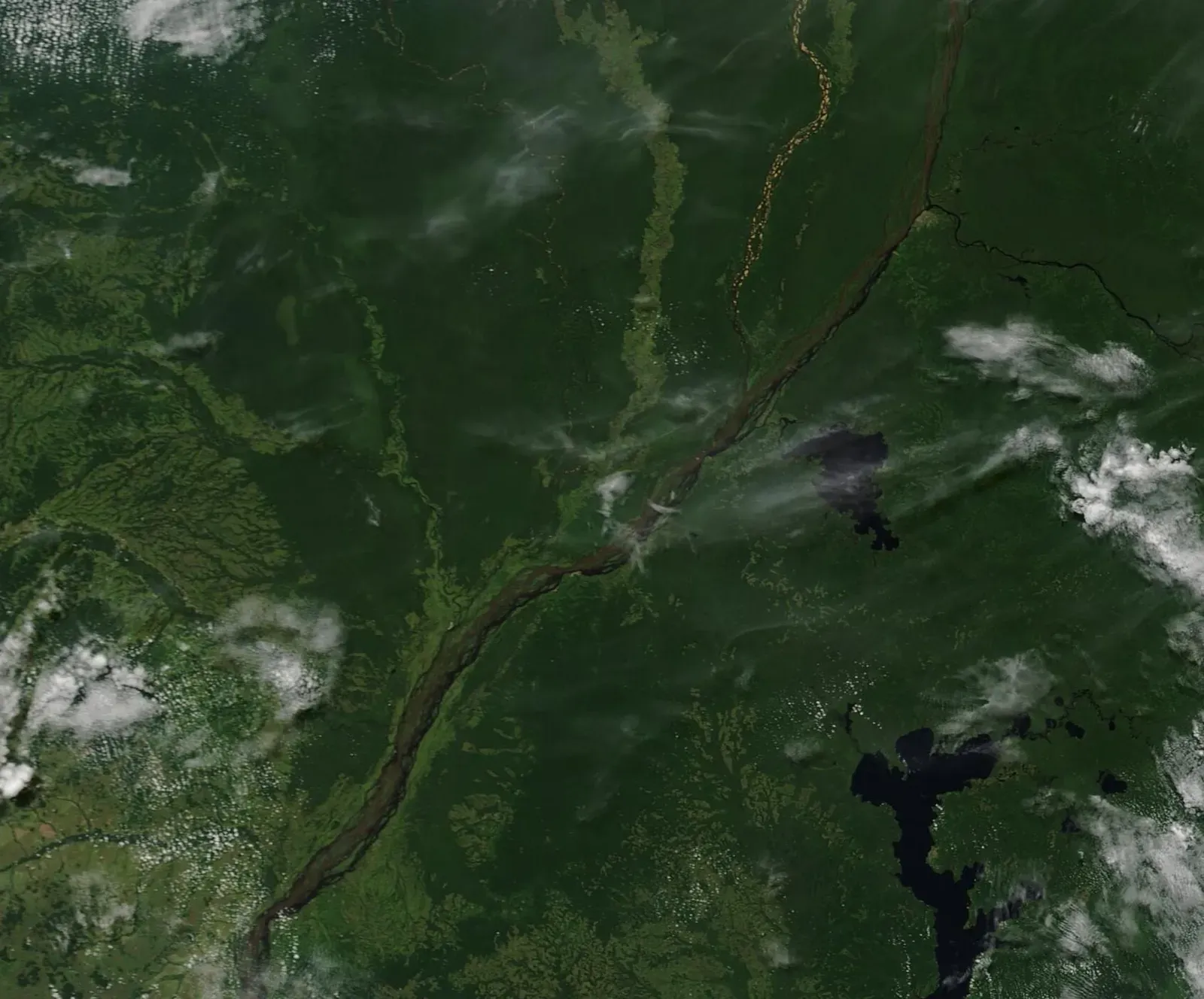
The Congo Basin, stretching across countries like the Democratic Republic of the Congo, Cameroon, and Angola, is a dense and largely unexplored jungle that has long been the subject of fascinating cryptid reports. It’s not hard to see why this region has become the focal point for cryptozoologists. The remote and dense jungles of the Congo, the world’s most unexplored rainforest, are ideal for a living dinosaurs, because its climate is hot and humid and it is lush in vegetation due to its small population of people.
The idea gained serious traction in 1909 when Carl Hagenbeck published his book Beasts and Men. Hagenbeck speculated that sauropods might still be alive in deepest Africa, offering no evidence aside from legends and rumor, but the sensational claims were quickly picked up and circulated by the press. This coincided perfectly with public fascination over newly discovered dinosaur fossils, creating what you might call a perfect storm of speculation and hope.
The Scientific Expeditions That Found Nothing
In 1981, the most famous expedition was led by herpetologist Dr. Roy Mackal and cryptozoologist James Powell. The team ventured deep into the swamps of the Congo, hoping to gather evidence of the creature’s existence. Despite facing challenging conditions and enduring the hazards of the jungle, their expedition yielded no definitive proof. This wasn’t the only failed attempt. The Smithsonian Institution sent an expedition to Africa between the years of 1919 and 1920, meant primarily to secure samples and specimens of undiscovered plants and animals.
A Japanese film crew produced what some call the best evidence in 1992. Another expedition resulted in aerial footage of some shape parting water in a lake. However, the footage proved inconclusive. In 2018, a Danish expedition traveled to Lake Tele in Congo in search of the mokele-mbembe. They did not find the cryptid; however, they found a new species of green algae. It’s a pattern that repeats itself endlessly.
The Creationist Connection and Hidden Agendas
Here’s where things get interesting. Many expeditions weren’t just about discovering a new species. For Christian creationists, the prospect of a sauropod-like dinosaur hiding in the jungle would finally prove that the Earth wasn’t billions of years old after all, which is why creationist organizations funded several expeditions into the Congo Basin. Explorer William Gibbons was explicit about this goal. He wrote that perhaps the most exciting prospect for the world of creation science is the possibility that dinosaurs may still be living in the remote jungles of the world.
Paleontologist Donald Prothero remarks that “the quest for Mokele-Mbembe … is part of the effort by creationists to overthrow the theory of evolution and teaching of science by any means possible”. This reveals something crucial: not all dinosaur hunters are motivated purely by scientific curiosity. Some have ideological reasons for wanting to find evidence that challenges mainstream science, which honestly raises questions about the objectivity of their findings.
The Real Reason Sightings Are Increasing
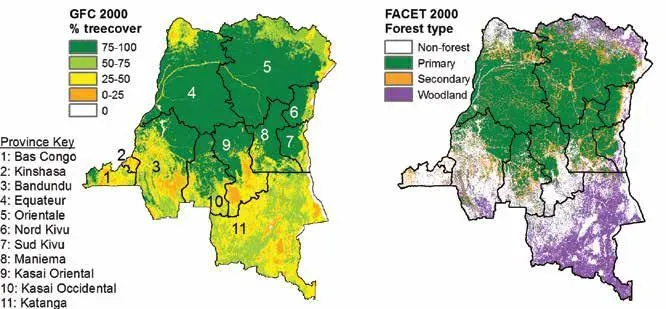
If dinosaurs don’t exist in the Congo, why are sightings suddenly on the rise after declining for decades? The answer is tragically simple. The Congo Basin has lost 23 million hectares of forest since the early 2000s, an area comparable to the entire United Kingdom. As human settlements creep further into habitats, encounters between locals and wildlife are becoming more frequent.
Czech conservationist Laura Vlachova notes that in bigger settlements where habitats are being pushed into and people aren’t used to seeing large animals, they’re suddenly encountering them all the time. People unfamiliar with forest elephants, hippos, or other large creatures might easily mistake them for something more mysterious. One conservationist noted that people are still confusing elephants and apes for mokele-mbembe, and that’s largely because of deforestation. It’s not that dinosaurs are emerging from hiding; it’s that regular animals are being displaced.
Mistaken Identity or Something More?
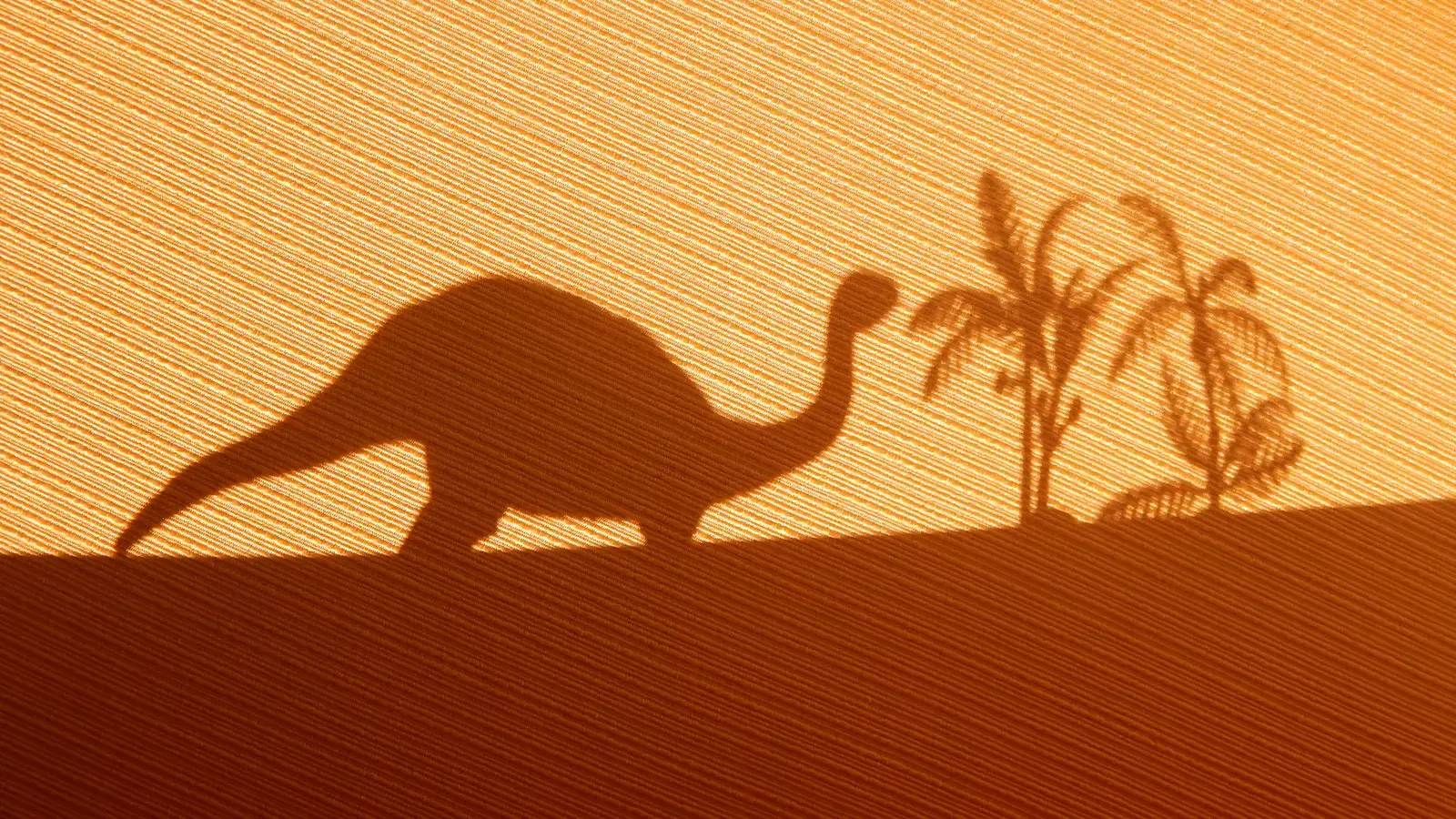
Skeptics argue that reports and sightings of Mokele-Mbembe are likely based on misidentifications, hoaxes or cultural beliefs, rather than concrete evidence of an unknown, dinosaur-like creature living in the African wilderness. Think about it. One theory suggests the legend arose from misidentified local wildlife like elephants or hippos, which when seen from a distance, might resemble a dinosaur-like figure.
Early European explorers weren’t exactly familiar with African wildlife. Early sightings of the pygmy hippo, for example, were reported as an unidentified giant swine or pig. If people can mistake a hippo for a giant pig, imagine what they might think when spotting an elephant partially submerged in murky water, its trunk extended like a long neck. Coleman suggests that when people go exploring in a mysterious state of mind and spot a new, unidentified creature, they assume it has to be something old, like a dinosaur, but that flies in the face of logic as people put blinders on and forget they may run across new species.
Cultural Colonialism and the Dinosaur Narrative
There’s an uncomfortable truth embedded in the mokele-mbembe story. In the early 1900s, some Westerners viewed Africa as a land frozen in time, reinforcing the notion that prehistoric creatures might still roam its jungles. This reveals more about Western prejudices than about African wildlife. Local people had their own folklore about river spirits and mysterious creatures, but the dinosaur interpretation appears to be largely a Western invention.
While native folklore in the Congo Basin has longstanding traditions regarding a massive aquatic beast, the connection to sauropod dinosaurs seems to have only appeared beginning in the early twentieth century. Expeditions have largely succeeded in cementing mokele-mbembe as something literal, in the Western consciousness as well as in the minds of many Congolese. In other words, Western explorers may have fundamentally altered local legends by imposing their own interpretations.
What Science Really Says About Dinosaur Survival
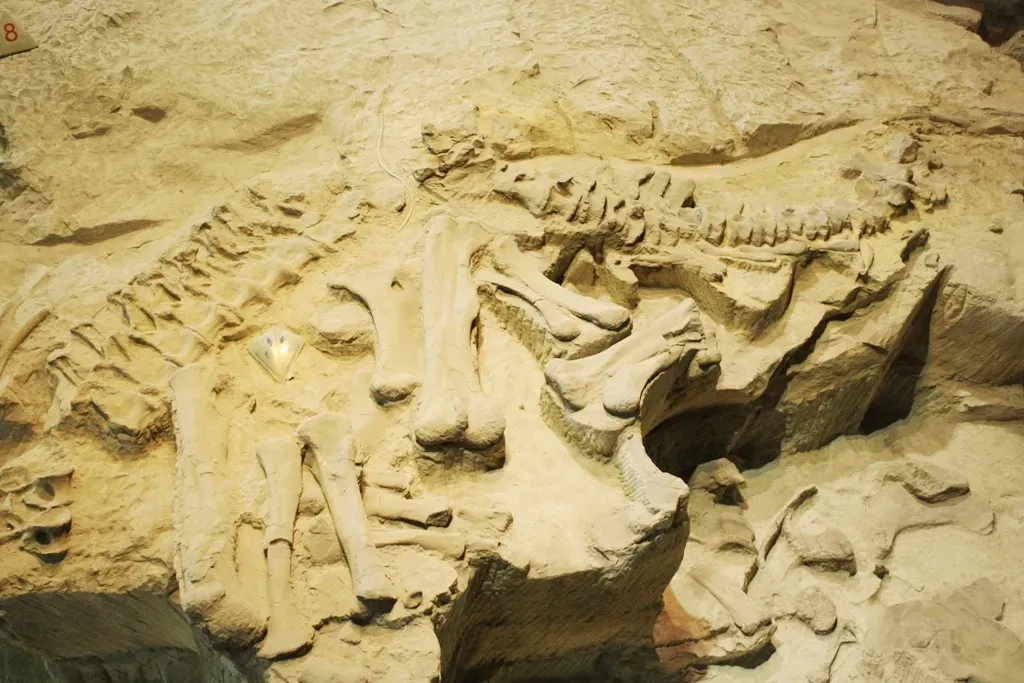
Let’s be real: the scientific consensus is clear. Researchers critically examined the evidence and claims surrounding Mokele-Mbembe, concluding that there is no credible scientific evidence to support the existence of such a creature. 66 million years ago, dinosaurs are believed to have gone extinct. The fossil record, geological evidence, and our understanding of mass extinction events all point to the same conclusion.
Skeptics counter that if the creature was indeed the last living dinosaur, someone would have captured physical evidence of its traipsing about the Congo basin by now. Think about it practically. We have cameras everywhere, satellite imagery, environmental DNA sampling techniques, and countless expeditions over more than a century. Numerous expeditions have sought to uncover evidence of Mokele-Mbembe, yet none have yielded credible specimens or photographs. At some point, absence of evidence becomes pretty compelling evidence of absence.
Conclusion: The Power of Mystery in a Mapped World
So are dinosaurs roaming remote jungles today? Almost certainly not. The evidence overwhelmingly suggests these legends stem from misidentified animals, cultural folklore, and perhaps a very human desire for mystery in an increasingly understood world.
Yet there’s something beautiful about the persistence of these legends. They remind us that the natural world still holds surprises, even if those surprises are newly discovered species of algae rather than living sauropods. The Congo Basin remains one of Earth’s most biodiverse regions, and new species are discovered regularly. Perhaps instead of searching for creatures from 66 million years ago, we should focus on protecting the incredible wildlife that actually exists there before deforestation destroys it forever.
What do you think? Does the romantic idea of living dinosaurs still capture your imagination, or do you find the real conservation challenges more compelling? The jungle holds its secrets close, but maybe the real mystery is how we’ll choose to protect what’s left.