When you step outside and watch a sparrow hop across your driveway or listen to a robin singing in the morning, you might not realize you’re observing living dinosaurs. Though this concept seems almost fantastical, the scientific evidence overwhelmingly supports one of evolution’s most remarkable transformations. The question of whether modern birds truly descended from dinosaurs isn’t just academic curiosity anymore. It’s a settled matter that has revolutionized our understanding of evolution itself.
What started as a controversial hypothesis in the 1800s has become one of paleontology’s greatest success stories. From fossil discoveries in remote Chinese provinces to cutting-edge genetic research, scientists have assembled an extraordinary case that traces your backyard birds directly to the fearsome predators of the Mesozoic Era. Let’s dive into this fascinating journey through deep time.
The Historical Challenge That Changed Everything
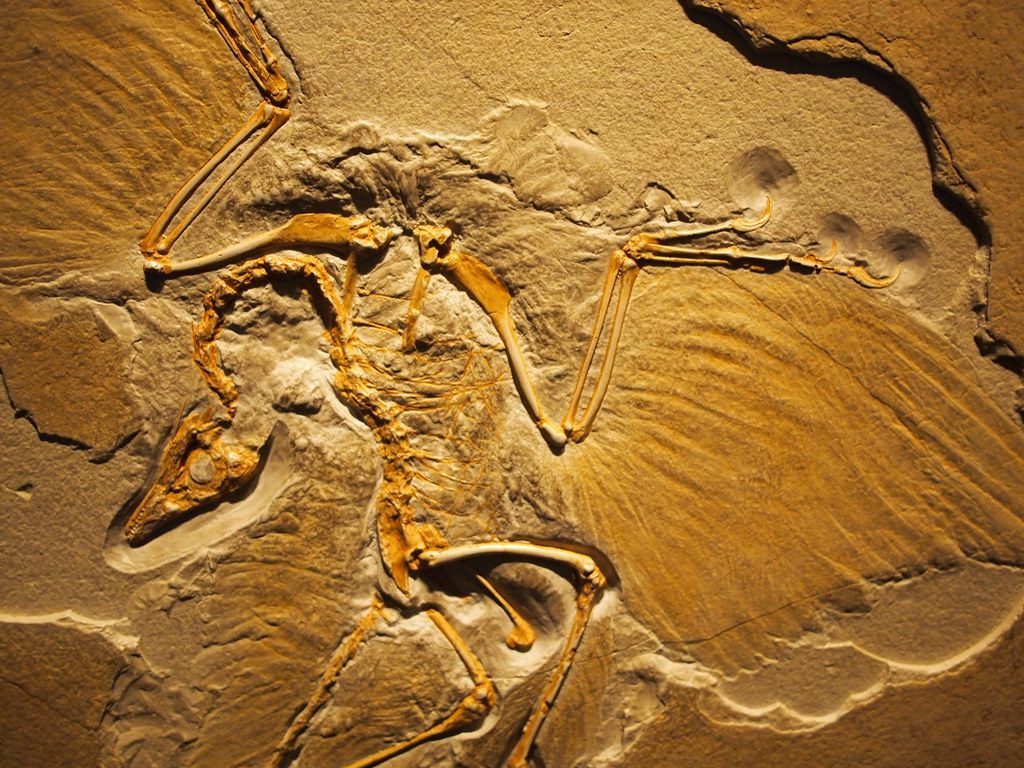
Biologist Thomas Henry Huxley, known as “Darwin’s Bulldog” for his tenacious support of the new theory of evolution by means of natural selection, almost immediately seized upon Archaeopteryx as a transitional fossil between birds and reptiles. Starting in 1868, and following earlier suggestions by Carl Gegenbaur, and Edward Drinker Cope, Huxley made detailed comparisons of Archaeopteryx with various prehistoric reptiles and found that it was most similar to dinosaurs like Hypsilophodon and Compsognathus.
So he proposed a radical idea: birds descended from dinosaurs. Others disagreed, and the debate went back and forth for the next 100 years. Scientists during this era lacked the sophisticated tools we have today, making definitive conclusions nearly impossible based solely on a few fragmentary specimens.
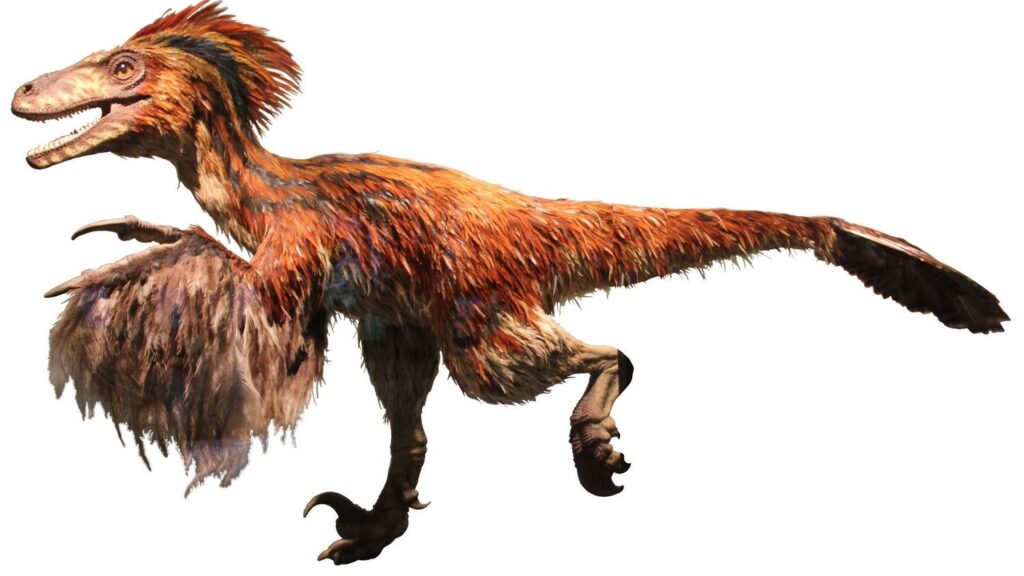
The discovery that would ultimately settle this century-long debate came from an unexpected source. In the mid-1960s Yale University paleontologist John Ostrom unearthed the astonishingly birdlike dinosaur Deinonychus in western North America. It had long arms that looked almost like wings and a lithe build indicative of an active, energetic animal. This wasn’t the sluggish, cold-blooded reptile scientists had imagined dinosaurs to be.
The Revolutionary Chinese Fossil Discoveries
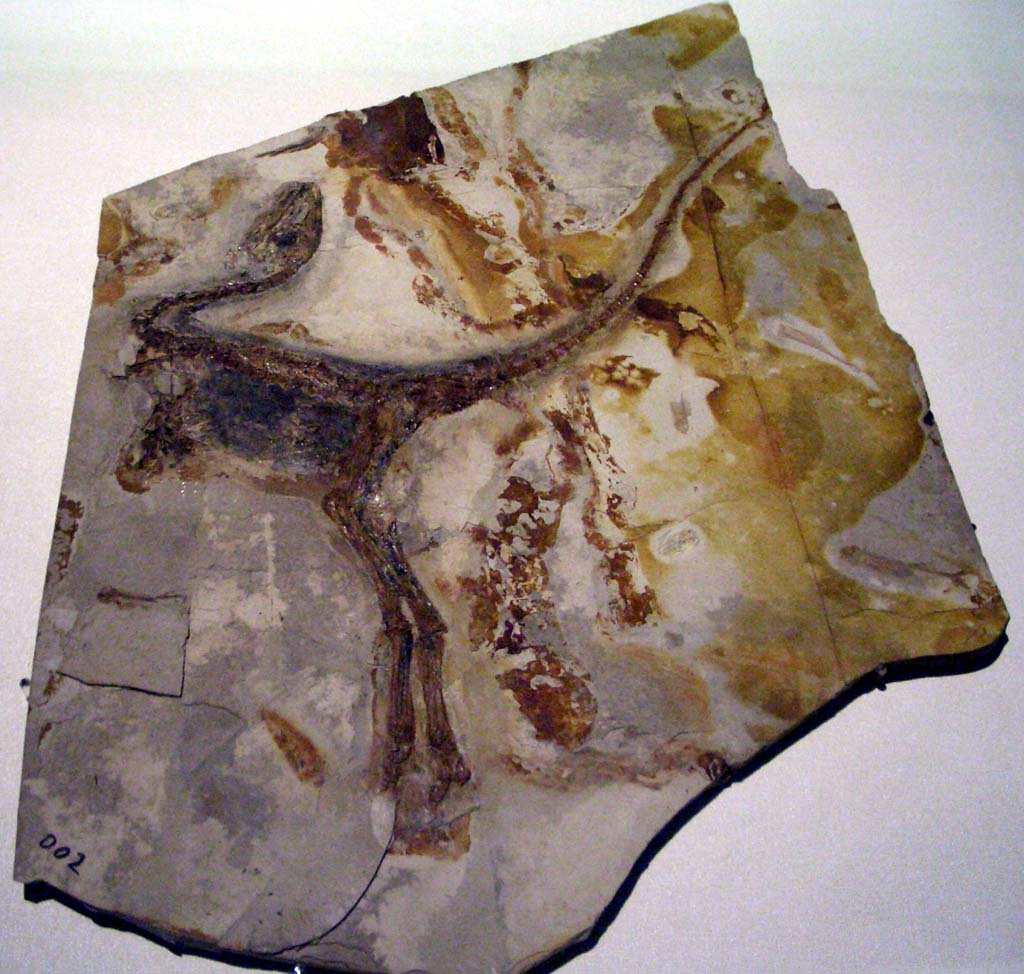
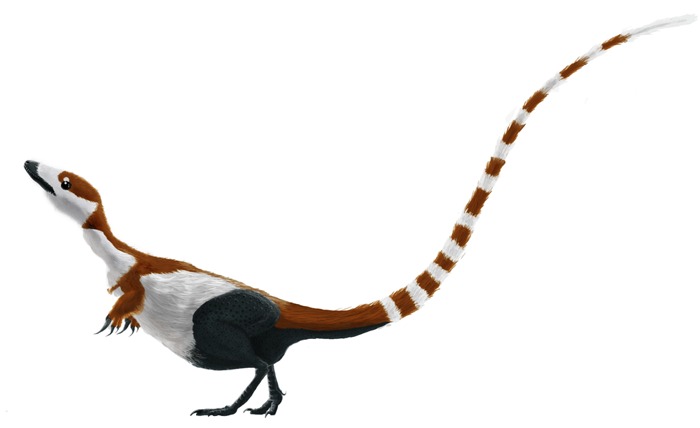
In the mid-1990s, on that hillside in Sihetun, a farmer stumbled onto the world’s first known feathered dinosaur, a creature now named Sinosauropteryx (“the China dragon bird”). Actually, the farmer found two halves of a slab, each preserving a mirror image of this dinosaur. This discovery would spark what paleontologists now call a fossil gold rush.
The discovery of Sinosauropteryx prima in 1996 was one of the most important fossil finds of the century. It was the first non-avian dinosaur found with feather-like structures, providing further evidence for the link between dinosaurs and birds. The implications were staggering. Here was clear evidence that dinosaurs possessed the very feature most associated with modern birds.
The region has yielded more than 40 dinosaur species to date. Taken together, these finds tell dramatic new stories about the dinosaur origin of birds and the evolution of feathers and flight. China’s northeastern provinces became the epicenter for understanding how dinosaurs transformed into the birds you see today.
The Feather Revolution in Paleontology
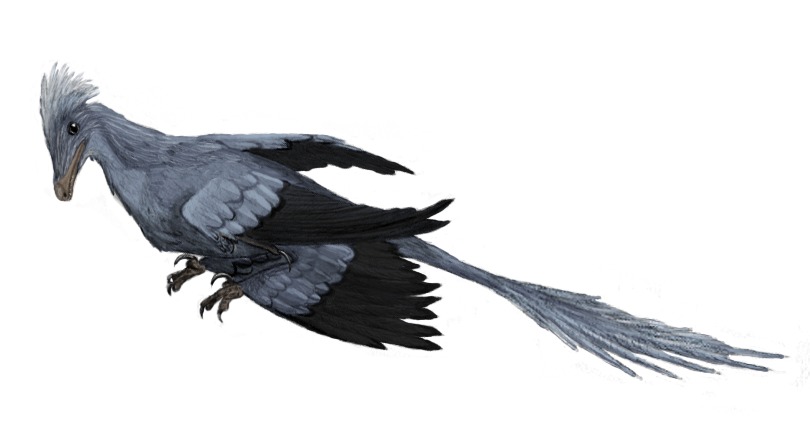
In the 1990s, an influx of new dinosaur fossils from China revealed a feathery surprise. Though many of these fossils lacked wings, they had a panoply of plumage, from fuzzy bristles to fully articulated quills. This discovery fundamentally changed how scientists understood dinosaur appearance and behavior.
It has been suggested that feathers had originally functioned as thermal insulation, as it remains their function in the down feathers of infant birds prior to their eventual modification in birds into structures that support flight. The earliest feathers weren’t flight tools at all, but rather helped regulate body temperature in active, warm-blooded dinosaurs.
They concluded that the bands of dark and light along the tail were in fact ginger and white stripes – the first evidence of original colour of feathers in dinosaurs. Scientists could now determine not just that dinosaurs had feathers, but exactly what colors they displayed millions of years ago. Some dinosaurs sported iridescent plumage similar to modern hummingbirds, likely used for attracting mates or intimidating rivals.
Anatomical Evidence That Cannot Be Ignored
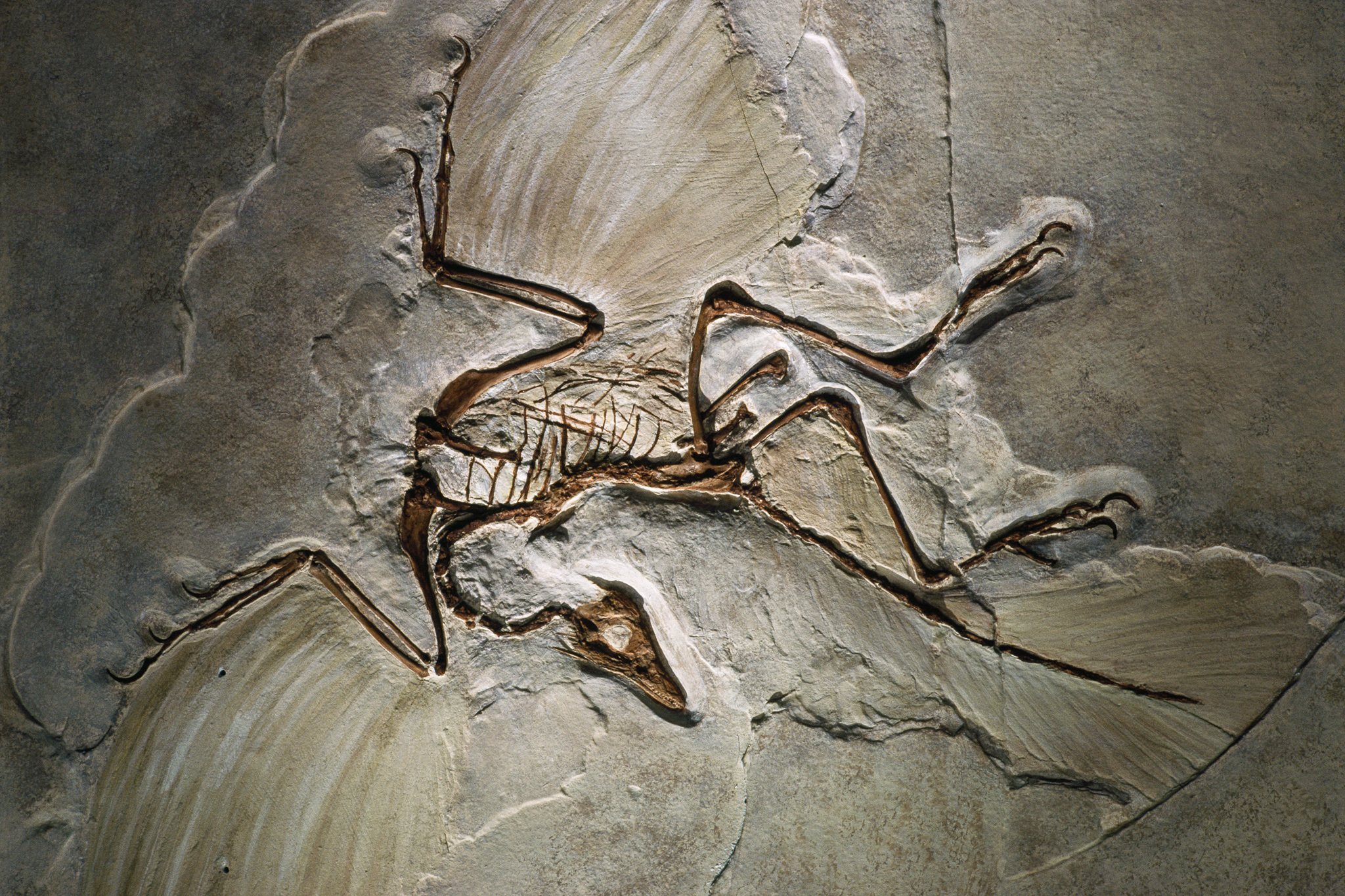
Birds and extinct non-avian dinosaurs share many unique skeletal traits. Moreover, fossils of more than thirty species of non-avian dinosaur with preserved feathers have been collected. These skeletal similarities extend far beyond superficial resemblances into fundamental structural blueprints.
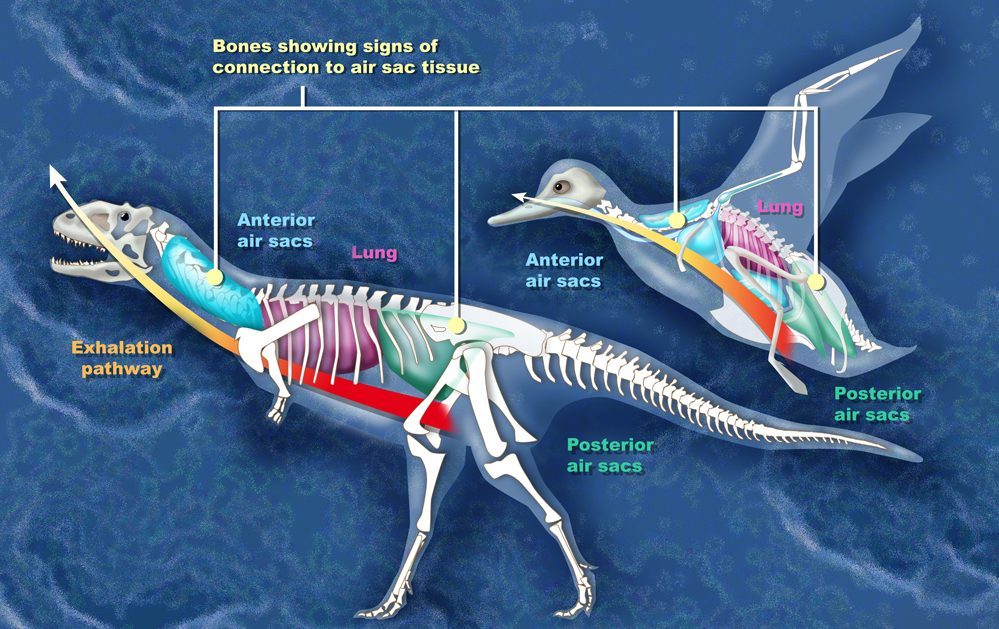
Fossil evidence also demonstrates that birds and dinosaurs shared features such as hollow, pneumatized bones, gastroliths in the digestive system, nest-building, and brooding behaviors. When you watch a bird building its nest or protecting its eggs, you’re witnessing behaviors that first evolved in dinosaurs over 100 million years ago.
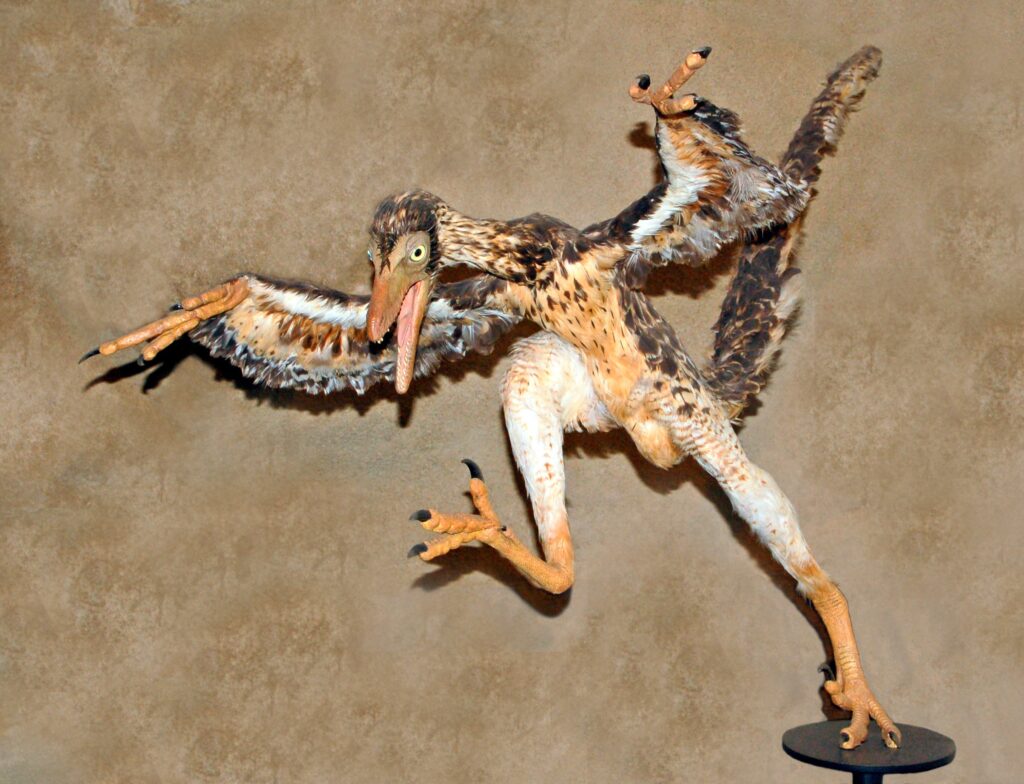
Despite the presence of numerous avian features, Archaeopteryx had many non-avian theropod dinosaur characteristics. This remarkable fossil demonstrates exactly the kind of transitional form that evolutionary theory predicts should exist. It’s neither fully dinosaur nor completely bird, but something beautifully in between.
The Genetic Code of Ancient Connections
Molecular evidence provides even more definitive proof that birds descended directly from theropod dinosaurs. By sequencing DNA and mapping genomes, scientists have demonstrated that birds still carry DNA sequences inherited from their dinosaur forebears. This genetic legacy provides the most compelling evidence for the dinosaur-bird connection.
By comparing the chromosomes of turtles and birds (the living descendants of dinosaurs), the team worked out the likely genome of a common ancestor of those animals. The results suggest that, had scientists had the opportunity to make a chromosome preparation from a theropod dinosaur like a T.rex, it might have looked very similar to that of a modern-day ostrich, duck or chicken.
Birds contain genetic components that first evolved in feathered dinosaurs. The gene sequence for keratin, the key structural protein that makes up feathers, first originated in feathered dinosaurs before birds evolved. All birds retain these same feather-building genes. Every time you observe a bird’s plumage, you’re seeing the expression of genes that first appeared in dinosaurs.
The Dramatic Shrinking Process
Not only are birds much smaller than their dinosaur ancestors, they closely resemble dinosaur embryos. This observation led scientists to a remarkable discovery about how evolution can create dramatic changes through relatively simple mechanisms.
Perhaps birds evolved from dinosaurs by arresting their pattern of development early on in life. This process, called neoteny, explains how massive predators like Tyrannosaurus rex could give rise to creatures as delicate as finches and wrens. The baby-like features of dinosaurs became the adult characteristics of early birds.
“A bird didn’t just evolve from a T. rex overnight, but rather the classic features of birds evolved one by one; first bipedal locomotion, then feathers, then a wishbone, then more complex feathers that look like quill-pen feathers, then wings,” Brusatte said. This gradual transformation occurred over millions of years, with each step building upon the previous adaptations.
Flight Evolution and Wing Development
The gradual evolutionary change – from fast-running, ground-dwelling, bipedal theropods to small, winged, flying birds – probably started about 160 million years ago. It was possibly due to a move by some small theropods into trees in search of either food or protection. This arboreal lifestyle set the stage for one of evolution’s most remarkable achievements.
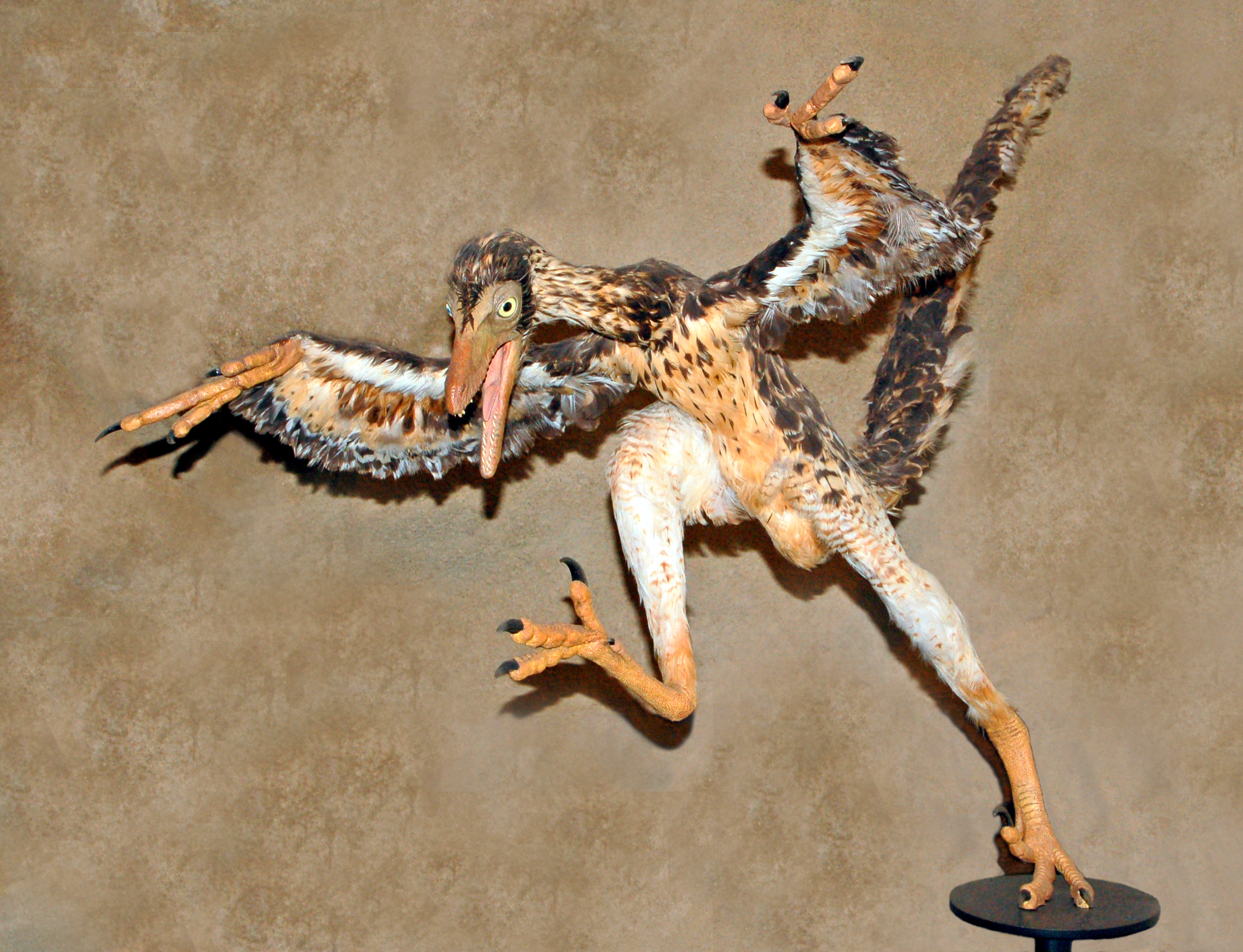
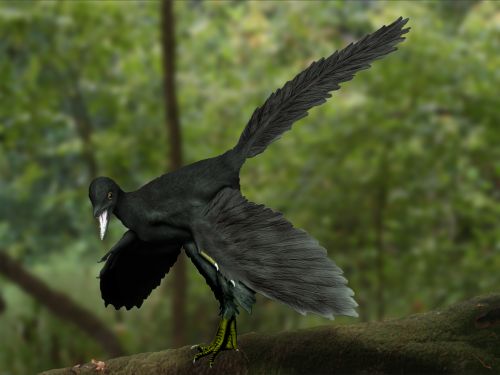
There are even very small dinosaurs, such as Microraptor and Anchiornis, which have long, vaned arm and leg feathers forming wings. The Jurassic basal avialan Pedopenna also shows these long foot feathers. Some dinosaurs developed wings on both their arms and legs, creating a four-winged flying system unlike anything seen in modern birds.
This eventually allowed birds’ wing joints to move in a way that creates thrust for flight. The complex mechanics of flight didn’t appear suddenly but evolved through countless small modifications to bone structure and joint articulation over millions of years.
Behavioral Links Across Deep Time
Neurological and behavioral attributes of living birds can be traced back to the dinosaurs, too. Much of the key evidence for the deep history of these traits comes from the Gobi Desert in Mongolia, where for the past quarter of a century a joint team from the American Museum of Natural History (AMNH) in New York City and the Mongolian Academy of Sciences has been collecting fossils. Under the leadership of Mark Norell and Mike Novacek of the AMNH, the annual summer expeditions have compiled a bounty of specimens from the Late Cretaceous period, between 84 million and 66 million years ago, that provide unprecedentedly detailed insights into the lives of dinosaurs and early birds.
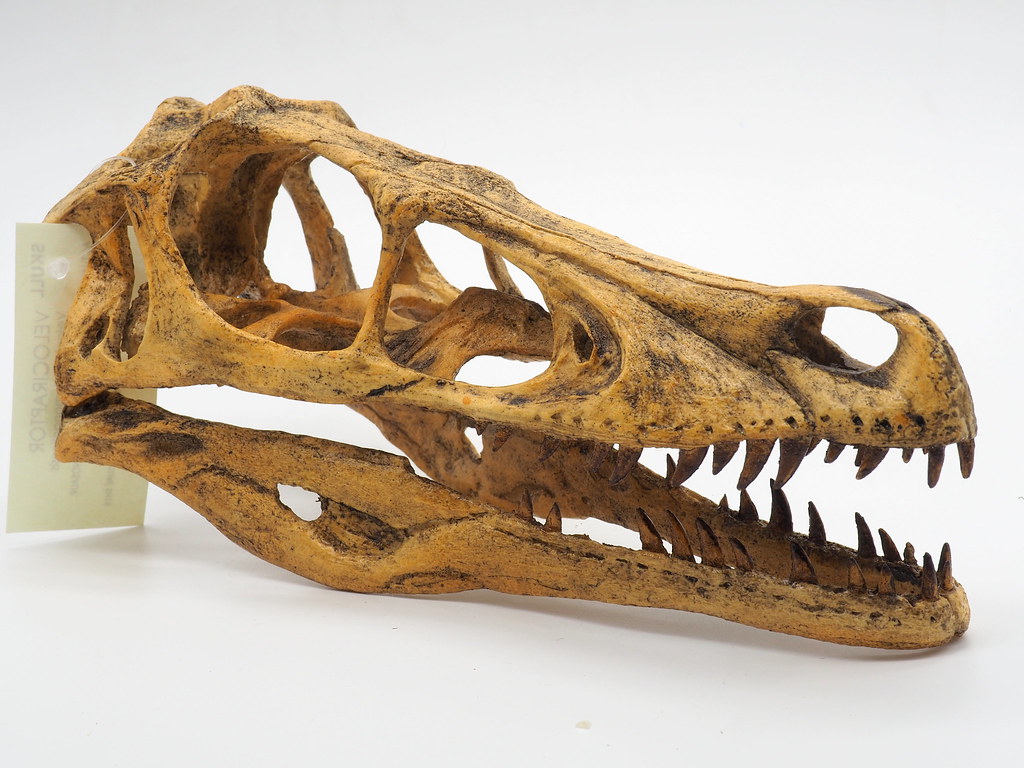
Among their finds is a trove of well-preserved skulls belonging to Velociraptor and other feathered maniraptorans. CT scanning of these specimens, conducted by Amy Balanoff of Stony Brook University, has revealed that these species had a big brain and that the forward-most part of the organ was expanded. The intelligence you observe in ravens and parrots first evolved in their dinosaur ancestors.
This oviraptorid dinosaur, Citipati osmolskae, may have been protecting a nest of eggs. When you watch a bird carefully tending its nest, you’re witnessing parental care behaviors that dinosaurs perfected long before the first true bird took flight.
The Mass Extinction Survivor Story
Early birds diversified throughout the Jurassic and Cretaceous, becoming capable fliers with supercharged growth rates, but were decimated at the end-Cretaceous extinction alongside their close dinosaurian relatives. After the mass extinction, modern birds (members of the avian crown group) explosively diversified, culminating in more than 10,000 species distributed worldwide today.
Only the tiny survived. The smallest dinosaurs weighed about 500 g, but to survive as a land mammal you needed to weigh less than 50 g, and even then the chances were very slim. The massive asteroid impact 66 million years ago created conditions where only the smallest dinosaurs, already well-adapted for flight, could survive.
The origin of modern birds is undoubtedly one of the most dramatic examples of an evolutionary transition – one connecting animals akin to the fearsome Tyrannosaurus rex with the feathered marvels we now see all around us – a transformation documented by a wealth of intermediate fossils that date back to the Mesozoic Era. Every bird in your backyard represents an unbroken evolutionary lineage stretching back to the age of dinosaurs.
The Modern Scientific Consensus
However, due to the cogent evidence provided by comparative anatomy and phylogenetics, as well as the dramatic feathered dinosaur fossils from China, the idea that birds are derived dinosaurs, first championed by Huxley and later by Nopcsa and Ostrom, enjoys near-unanimous support among today’s paleontologists. The scientific debate has essentially concluded.
There’s no longer really any doubt that birds are a type of dinosaur. The strong evidence doesn’t just come from fossilised bones and similarities found across the skeleton, but from fossilised soft tissue – especially feathers. Multiple lines of evidence now converge on the same remarkable conclusion.
In fact, because birds are overwhelmingly interpreted as the descendants of a group of carnivorous dinosaurs, most scientists argue that they be considered living dinosaurs. This isn’t just poetic language but reflects the reality that birds represent the only surviving dinosaur lineage on Earth today.
What This Means for You Today
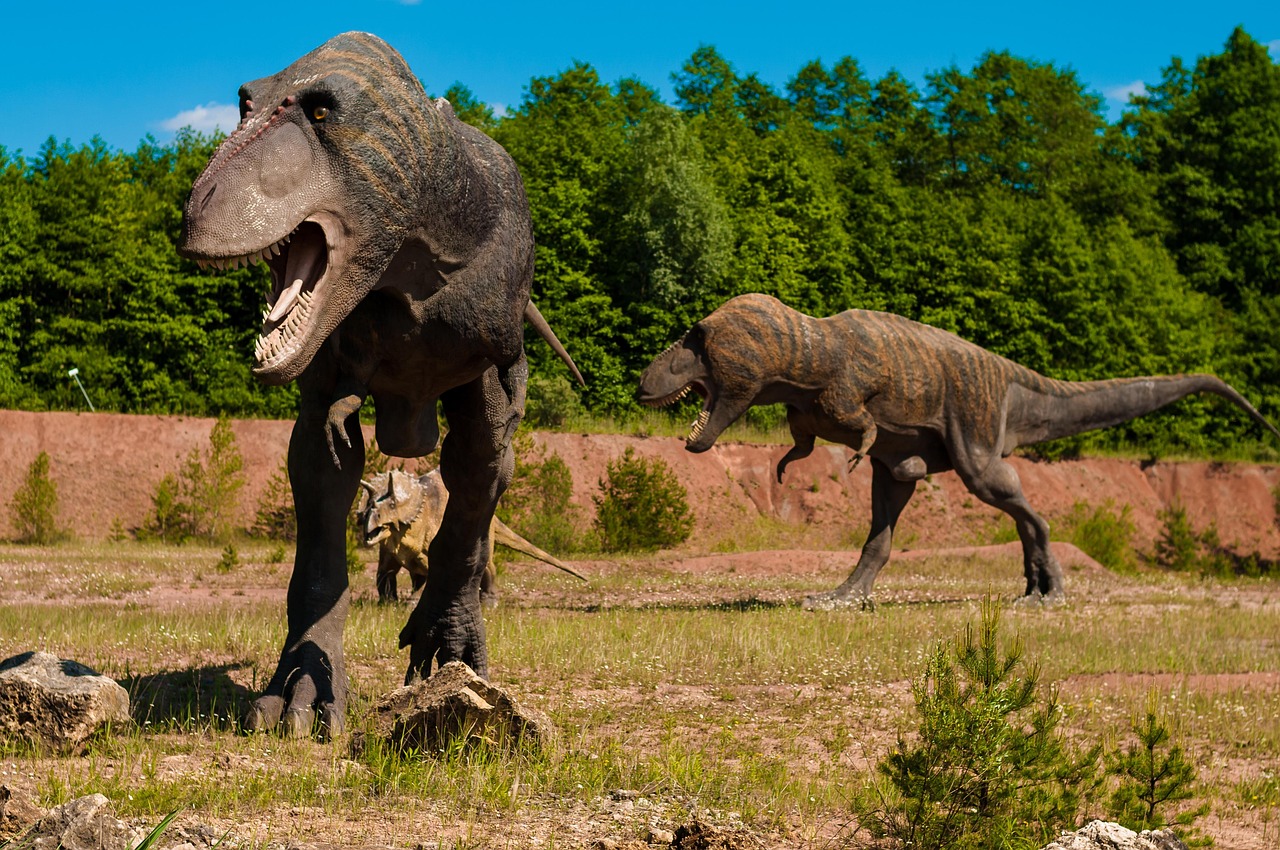
This genetic evidence is so strong that many scientists consider birds to actually be dinosaurs themselves, simply known as avian dinosaurs. Essentially, dinosaurs never fully went extinct – they simply evolved into what we now call birds. The next time you see a pigeon strutting down the sidewalk, remember that you’re looking at a direct descendant of Tyrannosaurus rex.
It’s an unlikely relationship, but the humble pigeon is a descendant of the group of dinosaurs that also includes the mighty Tyrannosaurus rex. The two species share a remarkable biological past. This connection spans over 150 million years of continuous evolutionary development.
“The more feathered dinosaurs we find, the more we learn just how birdlike they were,” adds Brusatte. Each new fossil discovery continues to fill in details of this extraordinary transformation, revealing just how seamlessly dinosaurs evolved into the birds that surround us today.
The evidence is overwhelming, multifaceted, and continues to grow stronger with each passing year. Modern birds aren’t just related to dinosaurs, they are dinosaurs. This remarkable scientific revelation has transformed our understanding of evolution, extinction, and the incredible adaptability of life on Earth. Next time you hear a bird singing outside your window, take a moment to appreciate that you’re listening to the voice of a living dinosaur, carrying on a song that began in the Mesozoic Era.
What do you think about sharing your world with these feathered dinosaurs? Tell us in the comments.