Have you ever wondered why you react to stress the way you do? Why some people seem naturally cautious while others leap without looking? It’s tempting to chalk it all up to upbringing or life experience. Yet science is revealing something far more fascinating beneath the surface.
Your personality might not be entirely your own creation. Research increasingly suggests that the quirks, habits, and tendencies that define who you are could be evolutionary remnants, genetic whispers from ancestors who lived thousands of years ago. These ancient influences may still shape how you navigate the modern world, even though the environments that forged them have long disappeared.
The Genetic Inheritance Hidden in Your Behavior
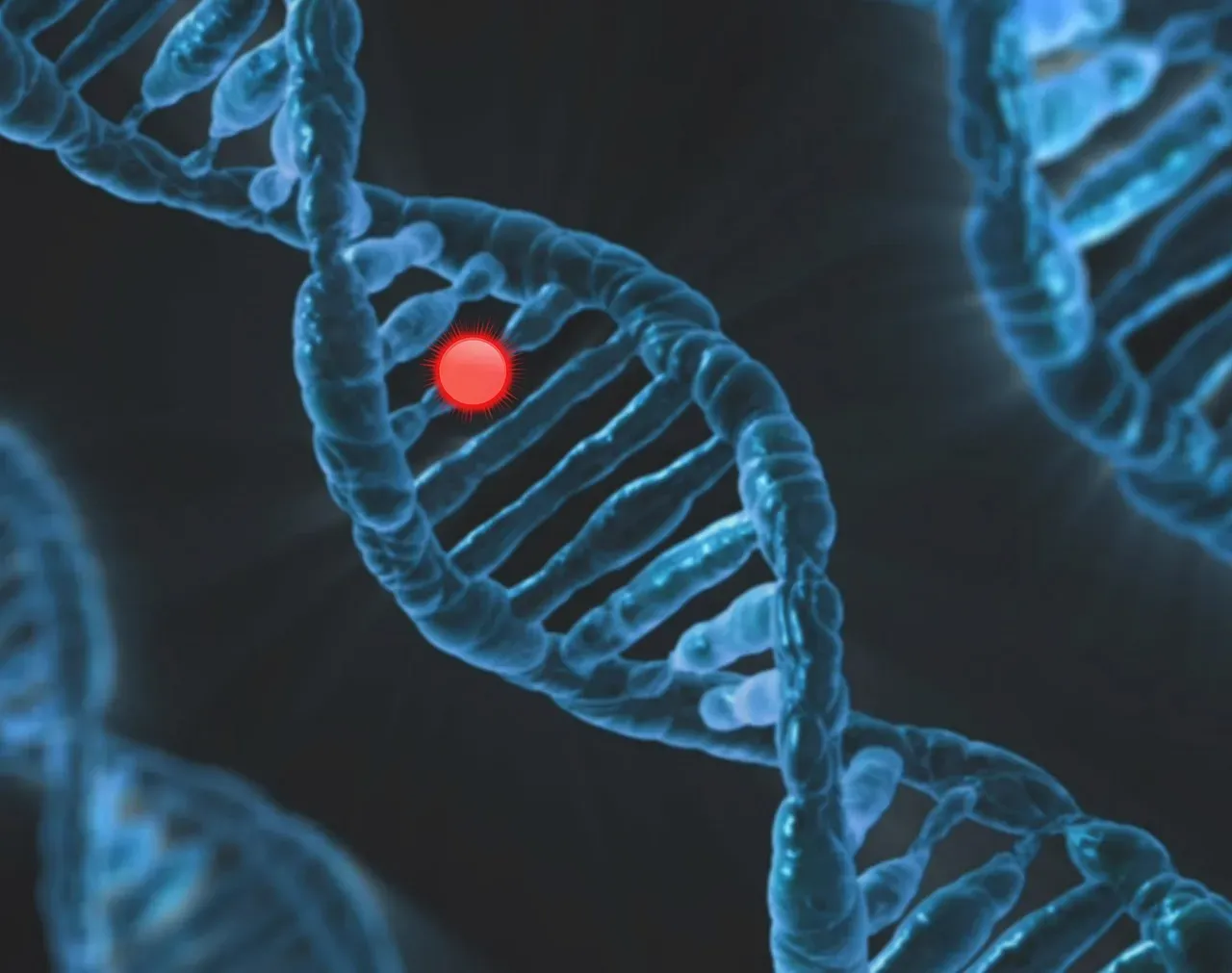
Your personality traits are substantially heritable, meaning a significant portion of what makes you “you” comes written in your genetic code. Research indicates that somewhere between 30 and 60 percent of human personality is determined by genetics. Think about that for a moment. More than half of your behavioral tendencies might trace back through generations, carried forward in your DNA like a message in a bottle tossed across time.
Temperament does not have a clear pattern of inheritance and there are not specific genes that confer specific temperamental traits. Instead, it’s a complex tapestry woven from hundreds or even thousands of genetic variants working together. Hundreds of genetic variants are expected to influence personality’s complex development, creating the unique combination that defines your reactions, your preferences, and your social style.
When Ancient Survival Strategies Became Modern Personality Traits

Behaviors such as shyness and jealousy may be produced in part by genetic causes, presumably because they helped increase the survival rates of human’s ancient relatives. Picture your ancestors navigating the African savannah tens of thousands of years ago. Being cautious around strangers wasn’t just a personality quirk back then – it was survival.
That same wariness might live on in what we now call introversion or social anxiety. Many of our current behaviors likely stem from ancestral experiences. The person who meticulously plans every detail? They might be carrying forward the genetic legacy of ancestors whose careful preparation meant the difference between eating and starving. The traits that kept your distant relatives alive have been passed down, even though the saber-toothed cats are long gone.
The Evolutionary Puzzle of Personality Differences
Here’s where things get really interesting. From an evolutionary perspective, the fact that people have fundamental differences in personality traits initially presents something of a puzzle. If certain personality traits were clearly “better” for survival, shouldn’t natural selection have eliminated the alternatives by now?
Yet personality variation persists across all human populations. Evidence is in line with balancing selection acting on personality traits, probably supported by human tendencies to seek out, construct and adapt to fitting environments. Different environments and social situations favor different personality types. The bold risk-taker might thrive in one setting, while the careful observer excels in another. Personality differences are older than humanity and are ubiquitous in nature, from insects to higher primates, suggesting that a number of evolutionary mechanisms may be able to maintain stable behavioral variation.
Your Brain as an Archaeological Site
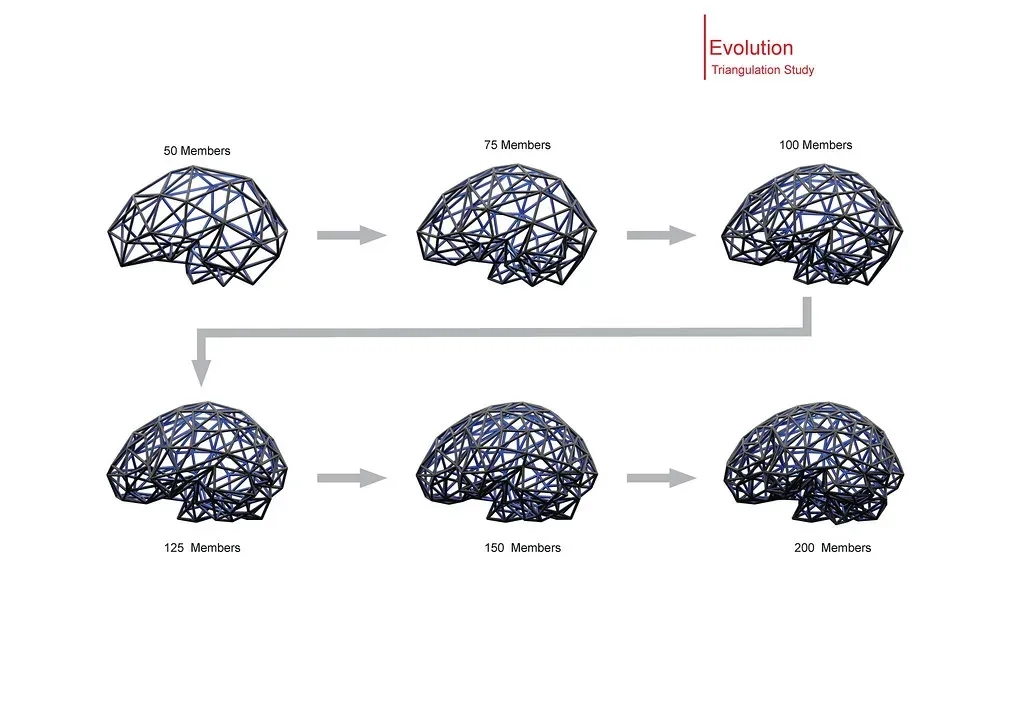
Since the last common ancestor shared by modern humans, chimpanzees and bonobos, the lineage leading to Homo sapiens has undergone a substantial change in brain size and organization, resulting in modern humans displaying striking differences from living apes in cognition and linguistic expression. Your brain, in many ways, is a living record of evolutionary history.
The modern human mind may be conceived as a mosaic of traits inherited from common ancestry with our close relatives, along with the addition of evolutionary specializations within particular domains, with modern human-specific cognitive adaptations appearing to be correlated with enlargement of the neocortex. Think of your mind as a renovated house where the original foundation and some walls remain, even as new rooms have been added. The old structures still influence how the whole building functions.
Ancient Emotional Responses in Modern Settings

Research indicates humans possess an innate fear of snakes resulting from ancestral encounters with these reptiles thousands of years ago, and this fear has persisted through generations. You might live in a city where you’ve never encountered a snake, yet that instinctive recoil when you see one on a nature documentary? That’s ancient programming at work.
Our preference for sweet tastes likely developed because sweet foods were historically more abundant and safer to consume than bitter or sour alternatives. Your cravings, your fears, even your automatic emotional reactions to certain situations aren’t just learned behaviors. They’re echoes of problems your ancestors faced, solutions that were so effective they became hardwired into your biology.
The Environment of Evolutionary Adaptedness Still Influences You

The human EEA consists in the set of environmental conditions encountered by human populations during the Pleistocene, when early hominids lived on the savannahs of eastern Africa as hunter-gatherers. That world shaped human psychology in profound ways. The purpose of Evolutionary Psychology is to discover and explain cognitive mechanisms that guide current human behavior because they have been selected for as solutions to recurrent adaptive problems.
The problem? You’re living in 2026, but your personality was partially designed for 50,000 years ago. As population sizes became larger and societies became more complex, hierarchical, and inter-dependent, selection could plausibly have occurred on genetic variation affecting traits such as individualism and sociability, which could plausibly have had impacts on neuro-psychiatric traits. Your ancestors’ world of small tribal groups clashes with your reality of crowded cities and digital connections.
Recent Evolution Still Shapes Personality

Don’t imagine that evolution stopped thousands of years ago. Ancient DNA provides time series data regarding human evolution, making it possible to directly study past selection by tracking allele frequency changes over time, which provides information about when and where selection occurred. Studies of ancient genomes reveal that selection on various traits, including behavioral ones, continued into more recent history.
Scientists identified 25 genetic loci with rapid changes in frequency during the Neolithic transition and Bronze Age periods, with signals specific to the Neolithic transition associated with body weight, diet, and lipid metabolism-related phenotypes as well as immune phenotypes, while in the Bronze Age, selection signals are enriched near genes involved in pigmentation and immune-related traits. Your personality might reflect adaptations not just from the deep past, but from the agricultural revolution or even more recent periods of human history.
Balancing Selection Maintains Personality Diversity

Why hasn’t one “ideal” personality type won out? Balancing or fluctuating selection, where selection pressures can vary by sex, spatially, temporally or by condition, with humans being adept at shaping their physical and social environments, means environmental heterogeneity is the most likely reason why fluctuating selection would maintain genetic variation in personality. Honestly, it makes sense when you think about it.
Personality varies within and among sexes, variation carries fitness consequences under natural fertility conditions, and those consequences may vary locally and between men and women, with personality impacting fitness through several behavioral pathways. A personality trait that helps you thrive in one context might be a liability in another. The aggressive go-getter might dominate in competitive environments but struggle in cooperative ones. The agreeable peacemaker might hold communities together but get exploited by opportunists.
What This Means for Understanding Yourself
Realizing that your personality has deep evolutionary roots doesn’t mean you’re a prisoner of your genes. Human tendencies to seek out, construct and adapt to fitting environments suggest you have more agency than simple genetic determinism would allow. You can choose environments that suit your inherited tendencies, or deliberately work against those inclinations when they no longer serve you.
Personality differences are ubiquitous in nature, from insects to primates, and these differences are relevant for Darwinian fitness, making understanding the evolutionary bases of heritable personality variation a major aspiration in evolutionary biology. Your quirks aren’t bugs in the system – they’re features that served important functions. That knowledge can bring a strange comfort. The parts of your personality you’ve struggled with might not be flaws at all, but rather ancient adaptations encountering a modern world they weren’t designed for.
Understanding where your personality comes from doesn’t excuse behavior or remove responsibility. Rather, it offers perspective. The anxious vigilance, the impulsive risk-taking, the deep need for social connection – all of these might be genetic echoes from ancestors who successfully navigated their world using exactly those traits. You carry within you the successful strategies of thousands of generations. That’s both humbling and remarkable. What aspects of your own personality do you think might be evolutionary echoes? Tell us in the comments.