In the shadowy corners of natural history and cryptozoology lies a fascinating question that has captivated both scientists and amateur enthusiasts alike: Could dinosaurs, those magnificent rulers of prehistoric Earth, still exist somewhere today? While mainstream paleontology firmly places the non-avian dinosaurs’ extinction at approximately 66 million years ago, persistent reports from remote regions around the world suggest to some that certain dinosaur-like creatures might have survived. These alleged living dinosaurs fall into the realm of cryptids—animals whose existence lacks scientific confirmation but persists in folklore, eyewitness accounts, and the cultural imagination. This article explores the intersection between dinosaur paleontology, cryptozoology, and the tantalizing possibility that some dinosaur lineages might have survived into the modern era, hidden in Earth’s least explored regions.
The Dinosaur Legacy: What Science Tells Us

Before delving into cryptid claims, it’s essential to understand what paleontological science has definitively established about dinosaurs. The scientific consensus, backed by extensive fossil evidence and radiometric dating, confirms that non-avian dinosaurs disappeared during the Cretaceous-Paleogene extinction event approximately 66 million years ago. This catastrophic event, likely triggered by an asteroid impact combined with intense volcanic activity, eliminated roughly 75% of all species on Earth. The fossil record demonstrates a clear cutoff point after which dinosaur fossils no longer appear in younger rock layers, except for avian dinosaurs—the direct ancestors of modern birds. This extinction boundary is remarkably consistent worldwide, providing robust evidence that large terrestrial dinosaurs completely disappeared from Earth’s ecosystems, making way for the rise of mammals as the dominant vertebrate group on land.
Birds: The Living Dinosaurs Among Us

In a strictly scientific sense, dinosaurs do indeed live among us today—as birds. Modern avian species represent the sole surviving lineage of theropod dinosaurs, specifically descended from small, feathered maniraptoran dinosaurs that survived the extinction event. The evolutionary relationship between birds and dinosaurs is one of paleontology’s most well-established findings, supported by overwhelming fossil evidence, comparative anatomy, and genetic studies. Modern birds share numerous anatomical features with their dinosaurian ancestors, including hollow bones, wishbones (fused clavicles), and the structure of their eggs and nests. The discovery of numerous feathered dinosaur fossils in China’s Liaoning Province further solidified this evolutionary connection, revealing a gradual transition from terrestrial theropods to flying birds. When scientists say dinosaurs aren’t extinct, they’re referring to the 10,000+ species of birds that represent living dinosaurs in the truest evolutionary sense.
The Mokele-mbembe: Africa’s Alleged Sauropod

Perhaps the most famous claimed “living dinosaur” is Mokele-mbembe, a creature reported to inhabit the remote swamps and rivers of the Congo Basin in Central Africa. Indigenous descriptions typically characterize it as a large, long-necked, water-dwelling animal with a small head and long tail—features strikingly reminiscent of sauropod dinosaurs like Apatosaurus or Diplodocus. Reports of this creature date back to the early 1900s when European explorers first documented local accounts, though indigenous oral traditions suggest much older awareness of the creature. Throughout the 20th century, numerous expeditions ventured into the Congo in search of evidence, including teams led by cryptozoologist Roy Mackal in the 1980s. Despite these efforts, no definitive physical evidence—such as bones, clear photographs, or specimens—has ever been recovered. Skeptics point out that the remote, waterlogged environment of the Congo Basin could easily conceal a large living mammal like an undocumented elephant or rhinoceros species, which locals might describe in ways that sound dinosaurian to Western ears.
The Loch Ness Monster: Plesiosaur Survivor?

Scotland’s famous Loch Ness Monster represents another purported prehistoric survivor, with some proponents suggesting it could be a surviving plesiosaur—a marine reptile contemporary with dinosaurs but not actually a dinosaur itself. First gaining international attention in the 1930s, “Nessie” is typically described as having a small head, long neck, and one or more humps visible above the water surface. The creature’s proposed identity as a plesiosaur faces significant scientific obstacles. Loch Ness formed only about 10,000 years ago following the last ice age, making it impossible for a population of marine reptiles to have been trapped there since the Mesozoic Era. Furthermore, a breeding population of air-breathing reptiles would need to surface regularly, making their continued concealment in such a heavily monitored lake highly implausible. Extensive scientific surveys using sonar, environmental DNA sampling, and underwater cameras have consistently failed to find evidence supporting the existence of any large unknown animal in the loch, suggesting misidentifications of known phenomena like boat wakes, swimming deer, or large fish are more likely explanations for sightings.
Living Pterosaurs? The Ropen of Papua New Guinea
Reports from Papua New Guinea and surrounding regions describe a nocturnal flying creature called the “ropen,” characterized by a large wingspan, long tail, and bioluminescent properties. Cryptozoology enthusiasts have suggested these might represent surviving pterosaurs—flying reptiles that lived alongside dinosaurs but belonged to a separate reptilian lineage. The most dedicated investigator of the ropen phenomenon has been American cryptozoologist Jonathan Whitcomb, who conducted several expeditions to Papua New Guinea in the early 2000s. Proponents point to cave drawings resembling pterosaurs and consistent eyewitness descriptions as evidence. However, critical analysis of these claims reveals significant problems, including the lack of any physical evidence despite decades of investigation. The bioluminescent description likely points to confusion with the large flying foxes (fruit bats) native to the region, which can have wingspans exceeding five feet. When flying against the night sky or moon, these mammals could easily create a pterosaur-like silhouette, especially to observers primed by local folklore.
Theropod Survivors: The Burrunjor of Australia
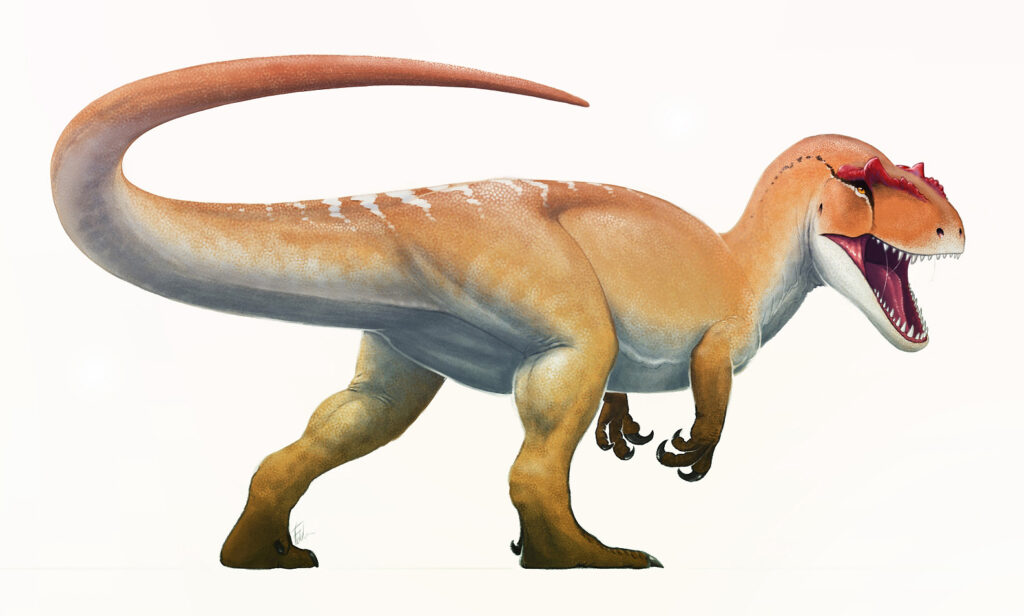
Aboriginal Australian traditions speak of the Burrunjor, a bipedal predatory creature described as resembling a large reptilian beast with characteristics reminiscent of theropod dinosaurs like Allosaurus or Tyrannosaurus. Reports from European settlers in the Northern Territory and Queensland date back to the late 19th century, with sporadic sightings continuing into modern times. Descriptions typically mention a 20-25 foot bipedal reptile with small forelimbs and powerful hind legs, capable of moving at considerable speed. The remote, sparsely populated regions of northern Australia could theoretically harbor undiscovered large species, as demonstrated by the relatively recent scientific recognition of previously unknown large mammals in neighboring New Guinea. However, the complete absence of any physical evidence—fossils, remains, or unambiguous photographs—argues strongly against the existence of a population of large theropod dinosaurs surviving in Australia. Modern sightings might represent misidentifications of large monitor lizards like the perentie, which can reach impressive sizes and run on their hind legs for short distances.
The Kasai Rex: Colonial-Era African Cryptid
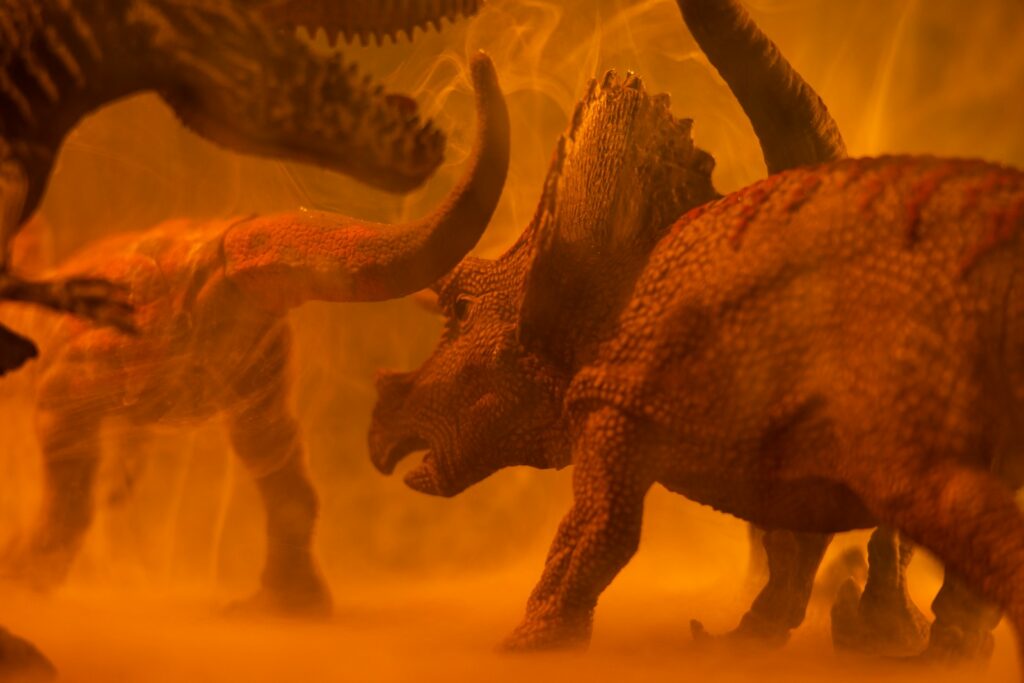
The story of the Kasai Rex emerged from colonial Belgian Congo (now Democratic Republic of Congo) and centers around an alleged dinosaur-like creature encountered by a Swedish explorer named John Johnson in 1932. According to the narrative, Johnson claimed to witness two enormous reptiles fighting in the Kasai Valley, one resembling a Tyrannosaurus and the other like a large ceratopsian (horned dinosaur). This account was supposedly published in the Rhodesian Herald newspaper, accompanied by a photograph showing a rhinoceros-sized bipedal reptile. Modern investigation has thoroughly debunked this story as a hoax. The supposed photograph has been identified as a manipulated image from Bernard Heuvelmans’ book “On the Track of Unknown Animals,” with a model dinosaur superimposed onto an African landscape photograph. No record of the original newspaper article exists, and no explorer named John Johnson matches the description given in the account. The Kasai Rex story represents a cautionary tale about cryptid claims, demonstrating how fabricated accounts can enter cryptozoological literature and persist for decades without proper scrutiny.
South American Dinosaur Claims: Mapinguari and Beyond

The dense, unexplored regions of the Amazon rainforest have generated several reports of alleged dinosaur survivors. Perhaps the most intriguing is the Mapinguari, described in Brazilian folklore as a large, sloth-like creature with a second mouth on its stomach and backward-facing feet. While not typically considered dinosaurian by natives, some cryptozoologists have suggested it might represent a surviving theropod dinosaur. More scientifically plausible is the hypothesis that the Mapinguari legends might preserve cultural memories of the giant ground sloths that inhabited South America until relatively recent prehistoric times, potentially overlapping with early human settlement. Other South American cryptids with proposed dinosaurian connections include the “sauropod-like” creatures reported from remote lake regions in Argentina and Chile. The inaccessible nature of many South American wilderness areas does make them candidates for harboring undiscovered large animals, as evidenced by the continued discovery of new mammal species in the region. However, the ecological requirements of large dinosaurs—particularly their enormous caloric needs—make it extremely unlikely that breeding populations could remain undiscovered in even the most remote regions.
The Lake Champlain Monster: North America’s “Champ”
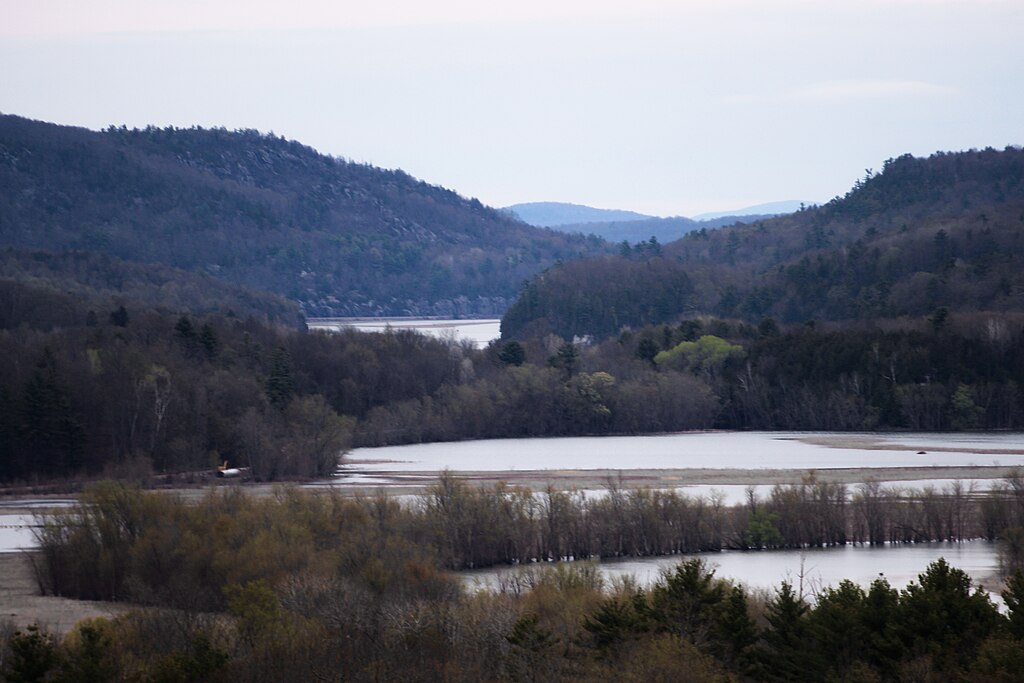
Lake Champlain, stretching between New York, Vermont, and Quebec, has its own alleged prehistoric survivor known locally as “Champ.” Similar to the Loch Ness Monster, Champ is frequently described as having a long neck and humped back, leading some cryptozoologists to suggest it might be a surviving plesiosaur or other Mesozoic marine reptile. The most famous piece of evidence is the “Mansi photograph” taken in 1977, showing what appears to be a long-necked creature surfacing in the lake. Detailed analysis of this photograph by skeptical investigators has not definitively proven it to be a hoax, though misidentification of known animals remains likely. Like Loch Ness, Lake Champlain formed relatively recently (about 10,000 years ago) as glaciers retreated at the end of the last ice age, making it impossible for a population of Mesozoic reptiles to have been trapped there since the age of dinosaurs. Environmental DNA studies conducted in the lake have failed to detect any unknown large animal species, instead revealing the genetic signatures of known fish, mammals, and other organisms that inhabit the lake ecosystem.
Dinosaur Survival Requirements: Ecological Constraints
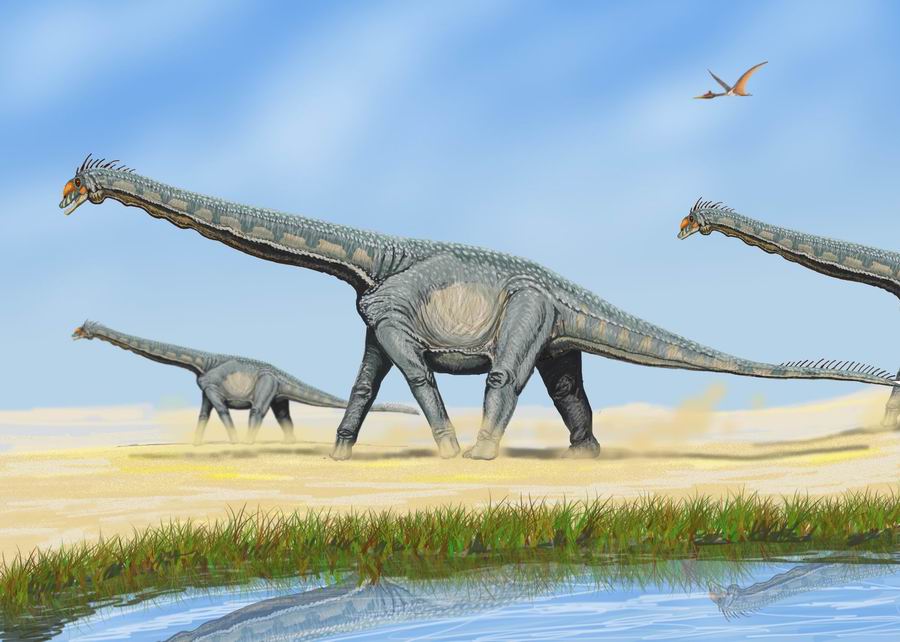
Understanding the ecological requirements of large dinosaurs helps explain why their continued survival would be nearly impossible without scientific detection. Non-avian dinosaurs were not simply large reptiles—they were complex organisms with specific physiological needs that would make their concealment in the modern world exceedingly difficult. Large predatory dinosaurs like Tyrannosaurus required vast territories and enormous quantities of prey to sustain themselves, while large herbivorous dinosaurs like sauropods needed tons of vegetation daily to maintain their body mass. Any surviving population would need to be genetically viable, meaning dozens, if not hundreds, of individuals would need to exist to prevent inbreeding depression over millions of years. The fossil record clearly shows that large-bodied animals leave evidence of their existence through bones, footprints, and ecological impact, even in environments where fossilization is rare. No such evidence from the last 66 million years has ever been discovered for non-avian dinosaurs. The absence of this evidence, combined with our increasing ability to monitor remote areas through satellite imaging, camera traps, and environmental DNA sampling, makes the existence of living dinosaurs vanishingly improbable from a scientific perspective.
Understanding Cryptozoology: Science, Folklore, and Human Psychology
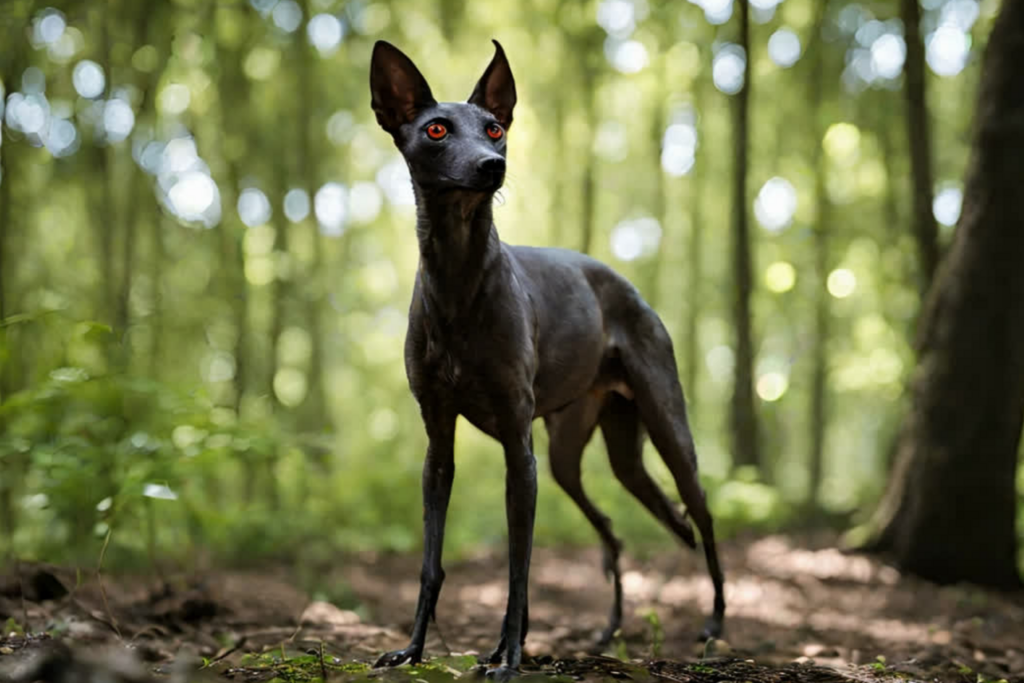
Cryptozoology—the study of hidden or unknown animals—occupies a complex position between scientific zoology and folklore studies. While mainstream scientists dismiss most cryptozoological claims due to a lack of verifiable evidence, the field does occasionally contribute to zoological discoveries. The mountain gorilla, giant squid, and coelacanth were all once considered cryptids before their scientific verification. However, living dinosaur claims fall into a different category, as they contradict well-established extinction patterns and evolutionary history. Human psychology helps explain the persistence of such beliefs despite the absence of concrete evidence. Our brains are evolved to detect patterns and potential threats, sometimes leading to pareidolia (seeing meaningful patterns in ambiguous stimuli) and confirmation bias (interpreting information in ways that confirm existing beliefs). Cultural factors also play a significant role, with indigenous traditions about mysterious creatures often being reinterpreted through a Western paleontological lens. The isolation and mystery of remote wilderness areas further feed speculation, as humans are naturally drawn to the possibility that something extraordinary might exist beyond the boundaries of explored territory.
Mistaken Identities: Known Animals That Could Be Misinterpreted

Many cryptid sightings attributed to living dinosaurs likely represent misidentifications of known animals, particularly when observed under suboptimal conditions. Large crocodilians, including saltwater crocodiles exceeding 20 feet in length, could easily be misinterpreted as dinosaurian when glimpsed briefly in murky water. Monitor lizards, especially the larger species like Komodo dragons or water monitors, can appear remarkably prehistoric and may run on their hind legs for short distances, potentially creating a theropod-like impression. In Africa, unusual sightings of rhinoceroses or elephants, particularly juveniles or individuals with atypical features due to injury or mutation, might contribute to reports of sauropod-like creatures. Aquatic mammals like swimming elephants, whose trunks could be mistaken for a long neck, or partially submerged moose, whose antlers and head might create a serpentine silhouette above water, account for many lake monster reports. Birds in flight at unusual angles, particularly large species like storks or herons with their legs extended behind them, have frequently been misidentified as pterosaurs by observers unfamiliar with avian flight patterns. In each case, the combination of brief observation, unfamiliar context, and the human tendency to fit ambiguous experiences into recognizable patterns contributes to dinosaurian interpretations of ordinary animals.
The Future of Living Dinosaur Investigations

While traditional evidence for living dinosaurs remains elusive, advances in technology are transforming how cryptozoological claims can be investigated. Environmental DNA (eDNA) sampling allows scientists to detect genetic material shed by organisms into their environment, potentially revealing the presence of unknown species without direct observation. This technique has already revolutionized biodiversity surveys and could definitively settle questions about lake monsters like Nessie or Champ. Drone technology and satellite imaging continue to reduce the world’s truly unexplored regions, making it increasingly difficult for large animals to remain undiscovered. Camera trap networks deployed throughout remote regions have proven remarkably effective at documenting rare and elusive species, suggesting they would likely capture evidence of any large dinosaurian creatures if they existed. Genetic analysis of unusual biological samples collected by cryptozoological expeditions can now be performed relatively inexpensively, allowing for rapid identification of their true origins. While these technologies make the confirmation of any genuine cryptid more possible than ever before, they simultaneously make the continued absence of evidence for living dinosaurs increasingly significant. The most scientifically productive approach moving forward likely involves a thorough investigation of cryptid claims without assuming prehistoric origins, focusing instead on documenting potentially new species regardless of their evolutionary history.
Conclusion: Between Science and Wonder

The question of living dinosaurs ultimately illuminates the fascinating interplay between scientific understanding and the human desire for mystery and wonder. Scientifically, the evidence is overwhelmingly against the existence of non-avian dinosaur survivors. The consistent absence of physical evidence, the clear extinction boundary in the fossil record, and our growing understanding of dinosaur biology all point to their disappearance (except for birds) 66 million years ago. Yet the cultural persistence of living dinosaur claims speaks to something profound in human nature—our enchantment with the prehistoric past and our hope that fragments of it might still exist in the world’s wild places. Perhaps the most balanced perspective acknowledges both the extreme improbability of living dinosaurs while maintaining a spirit of curiosity about the unexpected discoveries our planet may still hold. After all, the fact that birds represent living dinosaurs—a connection unknown to science until relatively recently—reminds us that nature’s evolutionary story continues to unfold in ways both surprising and wonderful, even if it doesn’t include Tyrannosaurus in the Congo or plesiosaurs in Scottish lakes.