Picture this. You’re standing in a dense rainforest where ancient rocks peek through thick vegetation, or maybe you’re scanning the endless sands of a desert where wind slowly reveals secrets buried for millions of years. Could the next groundbreaking dinosaur discovery be hiding right there, waiting for someone brave enough to look?
The truth is, we’re living through what scientists call a golden era of dinosaur discovery. The year 2025 has so far seen the discovery of 44 new dinosaur species – nearly one a week. Recent finds include everything from tiny plant eaters to bizarre spiky creatures that challenge everything we thought we knew about these ancient animals. Yet for all these discoveries, vast portions of our planet remain virtually untouched by fossil hunters. Let’s explore whether we’re truly on the brink of uncovering entirely new chapters in the dinosaur story.
The Current Boom in Dinosaur Discoveries
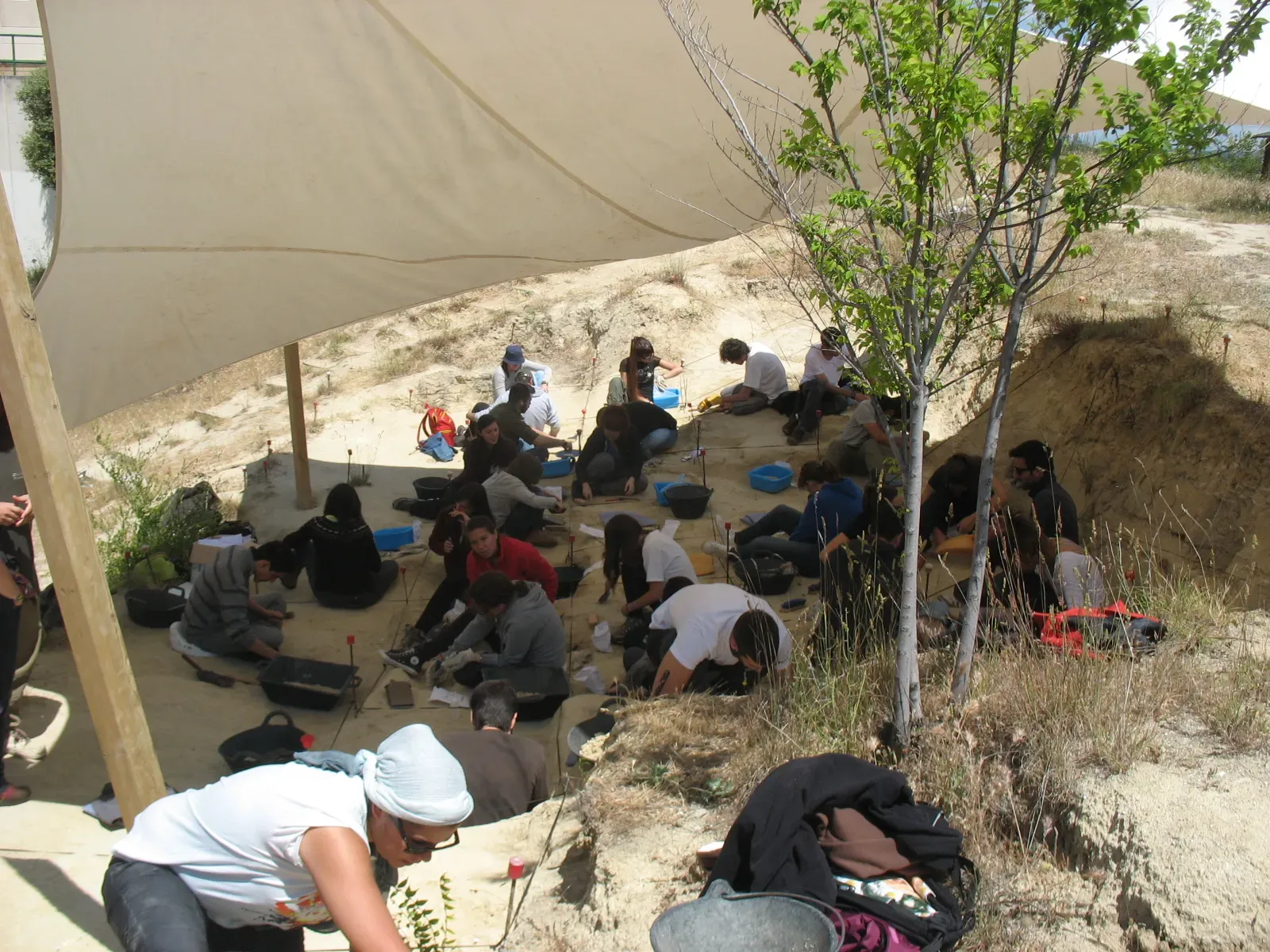
Here’s the thing about dinosaur science right now. It’s exploding in ways that would have seemed impossible just a few decades ago. Around 1,400 dinosaur species are now known from more than 90 countries, with the rate of discovery accelerating in the last two decades. Technology has transformed how paleontologists work, with advanced CT scanning and sophisticated analytical tools allowing researchers to examine old fossils with completely fresh perspectives.
New methods of fossil extraction, advanced CT scanning, and sophisticated analytical tools have allowed scientists to re-examine old fossils with fresh eyes. Bones that once gathered dust in museum drawers are revealing new species and even entire lineages once thought extinct. Think about that for a moment. Museums around the world are sitting on collections that might contain undiscovered species, just waiting for the right technology or the right set of eyes to recognize them.
Hidden Treasures Beneath the Amazon and Sahara
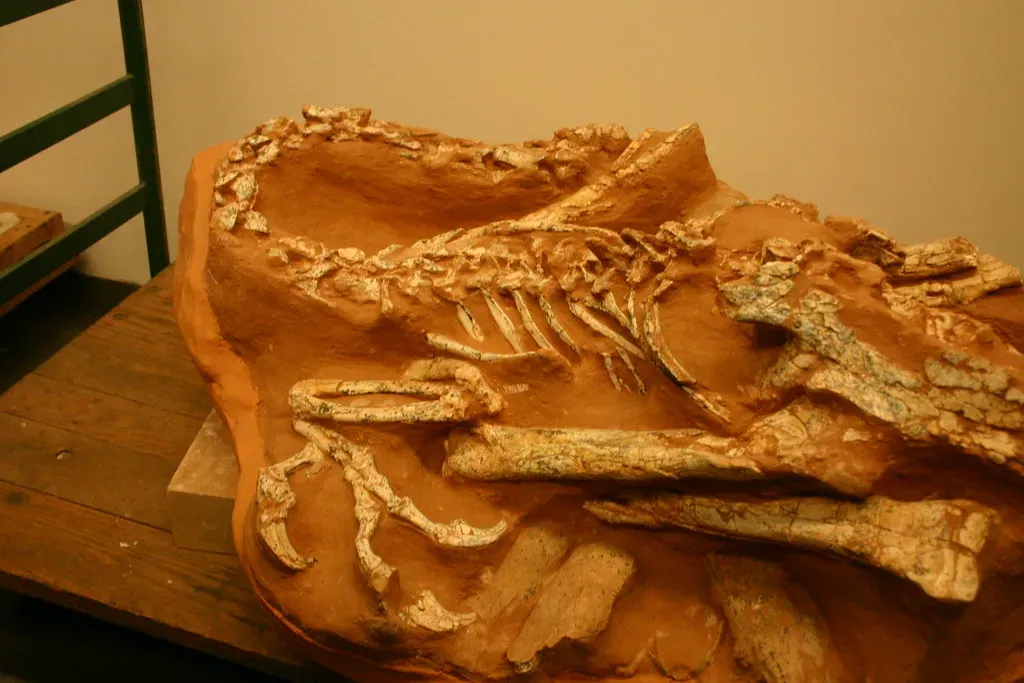
Let’s talk about one of the most tantalizing possibilities in modern paleontology. The remains of the earliest dinosaurs may lie undiscovered in the Amazon and other equatorial regions of South America and Africa, suggests a new study led by UCL researchers. Imagine that – the birthplace of dinosaurs might be buried under rainforests and deserts that researchers have barely scratched.
So far, no dinosaur fossils have been found in the regions of Africa and South America that once formed this part of Gondwana. However, this might be because researchers haven’t stumbled across the right rocks yet, due to a mix of inaccessibility and a relative lack of research efforts in these areas. The modeling suggests these regions were hot and arid when dinosaurs first evolved, environments totally different from what we see there today. Future expeditions to these areas could fundamentally reshape our understanding of where dinosaurs came from.
Why Some Regions Remain Unexplored
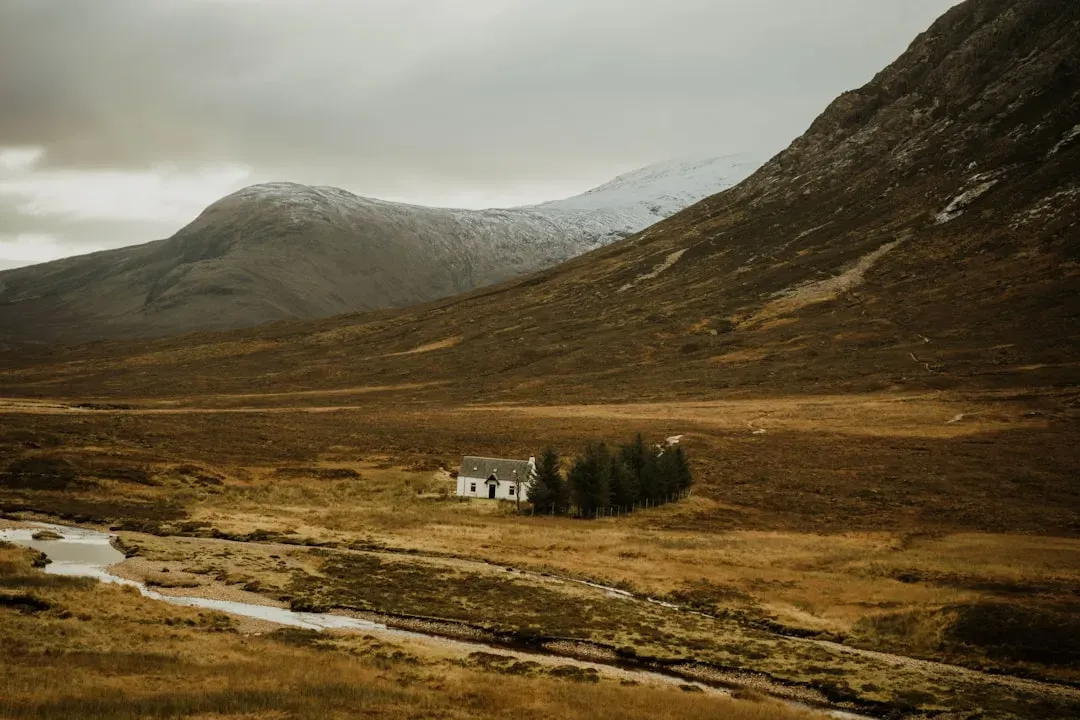
You might wonder why paleontologists haven’t already searched everywhere. The reality is surprisingly practical and, honestly, sometimes frustrating. Harsh climates, remote locations, and unstable political situations can make fossil hunting arduous. Despite these hurdles, intrepid researchers continuously push into these areas, driven by the hope of groundbreaking discoveries.
Vast areas of the Earth remain largely untapped – places like central Africa, Southeast Asia, and even remote regions of Australia, where thick vegetation, political instability, or lack of funding have kept exploration to a minimum. Sometimes it’s not about knowing where to look – it’s about being able to get there safely with enough resources to do the work properly. The best fossil sites in the world might be sitting in places that are simply too difficult or dangerous to access right now.
Africa’s Untapped Paleontological Potential
Africa represents one of the most intriguing gaps in our dinosaur knowledge. At roughly 230 million years old, it is potentially the earliest dinosaur ever discovered (or at least very close to the origin of dinosaurs). This means that, despite the relative lack of attention that has been placed on the continent, Africa might have played a critical role in the evolution of dinosaurs themselves. Let that sink in. The earliest dinosaur might have been African.
The infrastructure challenges are stark. Many of the rich fossil-bearing rock formations are a long way from towns and cities, or in some cases in politically unstable regions. This lack of infrastructure is particularly striking when compared to other well-known fossil locations, such as those in North America. Still, recent discoveries like the bizarre Spicomellus from Morocco show that Africa’s dinosaur story is completely unique and worth pursuing.
Antarctica’s Frozen Secrets
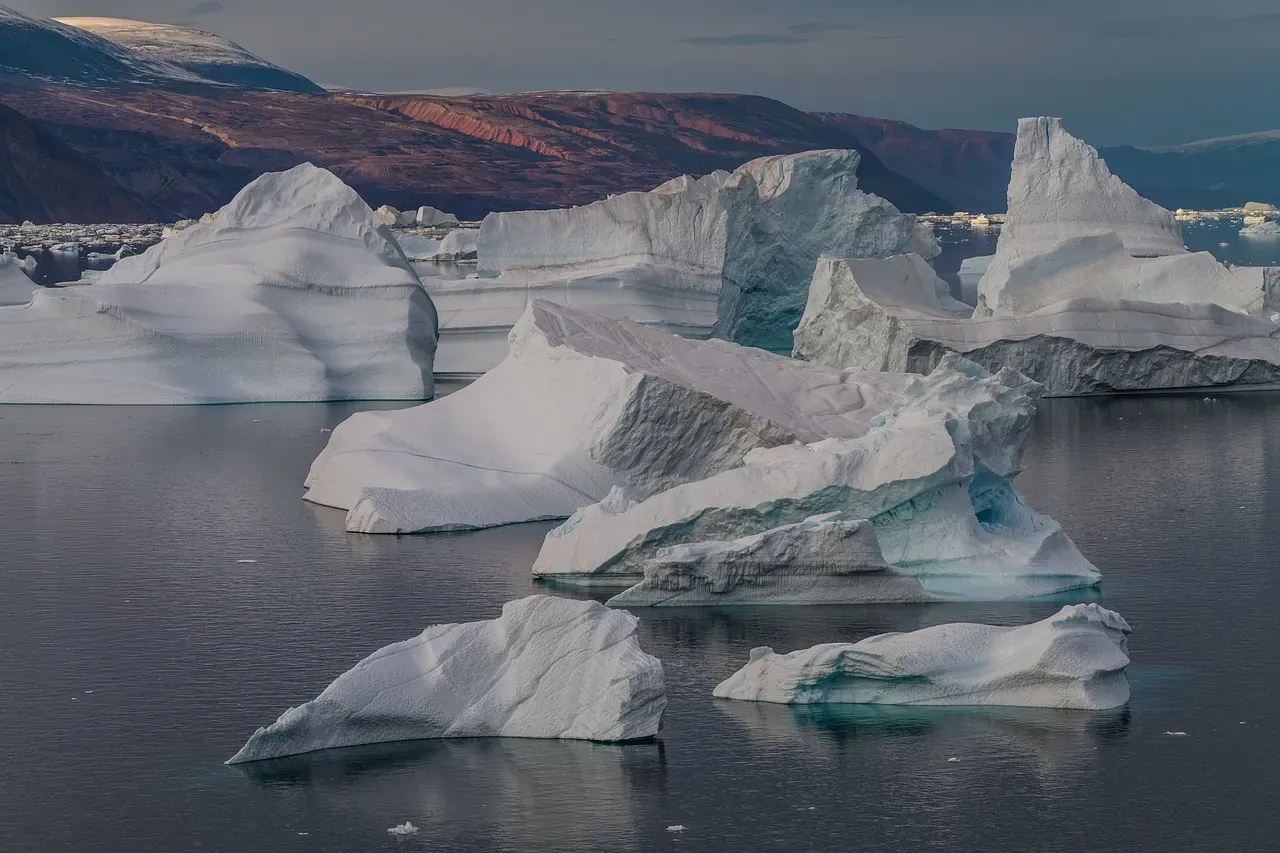
Now here’s something that sounds like science fiction. Dinosaurs once roamed every continent. By a wide margin, though, Antarctica’s are the most mysterious. The frozen continent holds enormous potential precisely because it’s been so difficult to explore.
Two dinosaurs have been found from this time period in Antarctica, the aptly named plant-eating Glacialisaurus and the 21-foot-long crested meat-eater Cryolophosaurus. Researchers have found several dinosaur species there already, but accessing Antarctic fossils requires dealing with extreme cold, remote locations at high altitudes, and a very short window each year when conditions allow fieldwork. The specimens recovered so far suggest there’s much more waiting under the ice and rock.
How Paleontologists Find New Sites Today
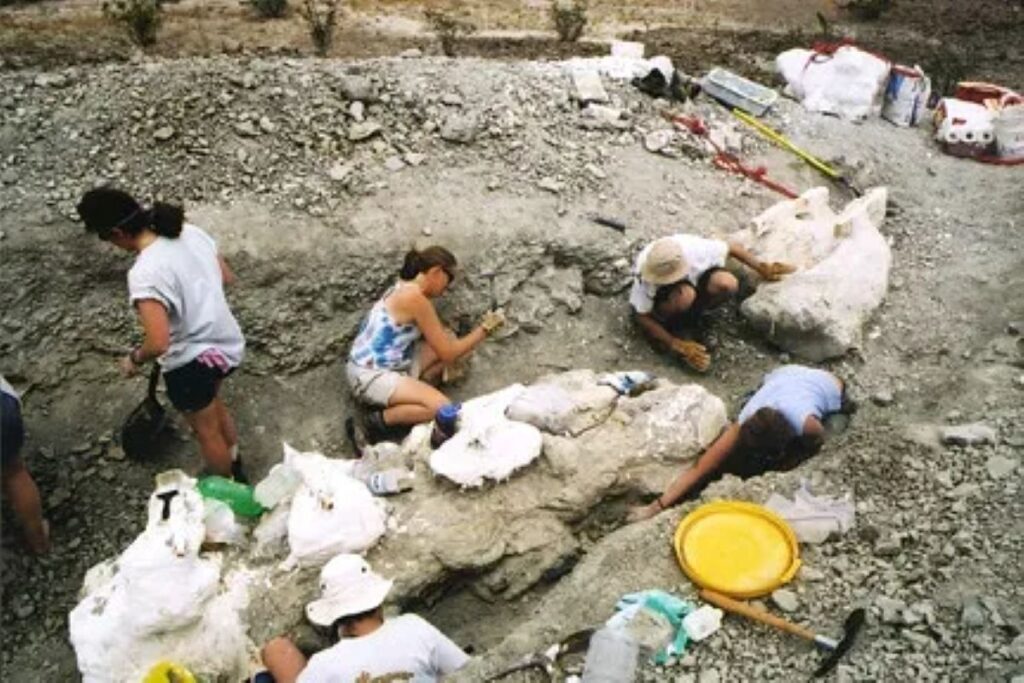
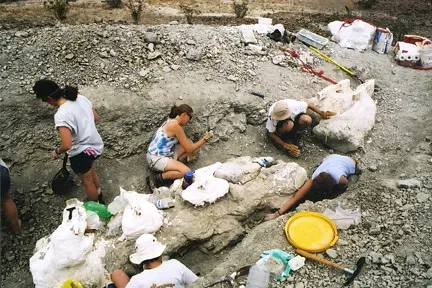
The methods for discovering fossils have evolved dramatically. Most vertebrate paleontologists today find fossils the same way their predecessors did in the nineteenth century. They walk the landscape looking for big fossils; sometimes they crawl on the surface looking for little ones. Figuring out which sites to visit is a matter of reading the scientific literature to see where good fossils have been found and reading the geology to discern where fossils might be buried.
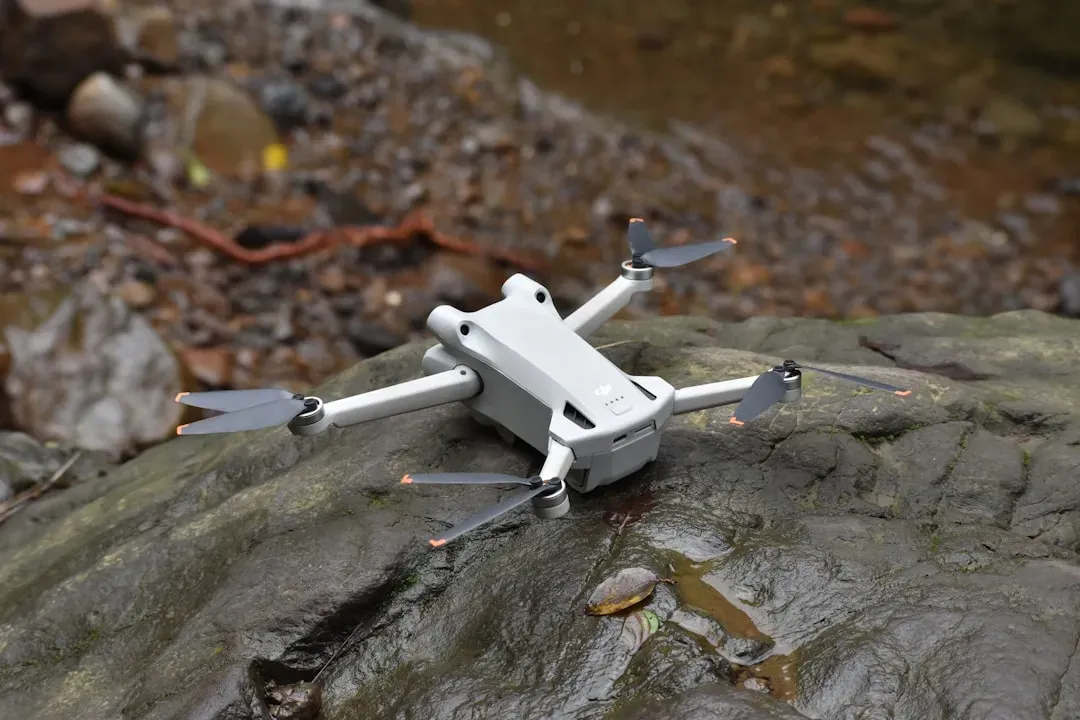
Technology is changing everything though. With unexplored and remote areas, the satellite images, geology, and topography of an area are analyzed to help survey for a site. A drone-based orthomosaic map is suggested as an additional tool for virtual paleontology fossil prospecting. Satellites and drones can now scan huge areas that would take years to explore on foot, identifying promising locations before researchers ever set boots on the ground.
The Ghost Lineages Problem
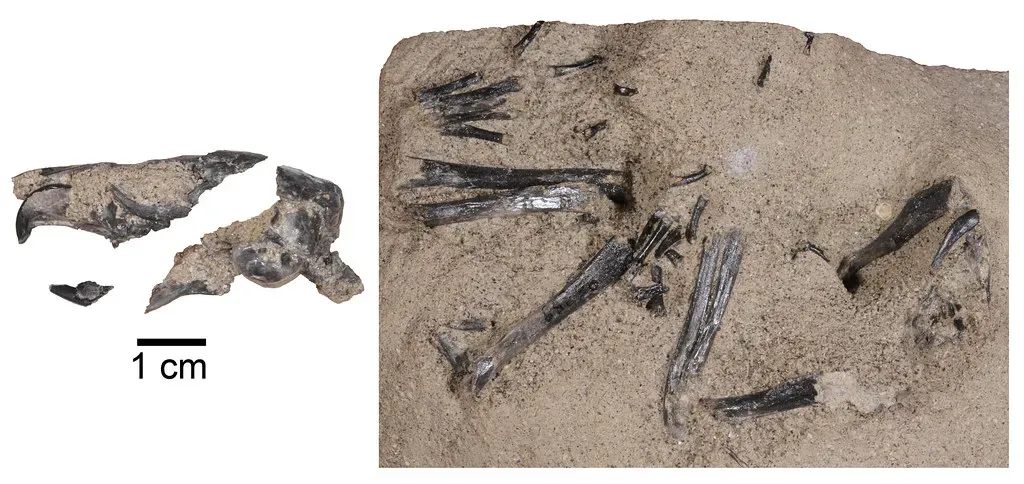
Here’s where things get really fascinating from a scientific perspective. One of the most compelling arguments for undiscovered dinosaurs comes from what scientists call “ghost lineages.” These are inferred evolutionary branches – species that must have existed because of known ancestors and descendants, yet have left no fossil trace we’ve found yet. The evolutionary tree has gaps that only make sense if species we haven’t discovered yet once existed.
Think of it like missing pieces in a puzzle. When you look at the relationships between known dinosaur species, there are sometimes huge time gaps or geographic jumps that don’t make sense unless other species existed in between. Those missing species are out there somewhere, fossilized in rocks we haven’t found or perhaps haven’t recognized.
What the Numbers Really Tell Us

So just how much are we missing? The estimates might shock you. Some estimates are even more conservative, suggesting as little as 10%. This isn’t mere speculation – it’s based on mathematical modeling of fossil diversity, extinction rates, and sampling bias. That means we might have only discovered a tiny fraction of dinosaur species that actually existed. Let that settle in for a moment.
These changes influenced where dinosaurs lived – and where they might be fossilized. Thus, large swaths of dinosaur biodiversity may be missing simply because the world conspired to erase them. Fossilization is incredibly rare, requiring just the right conditions. Many dinosaurs lived in environments where their bones simply couldn’t be preserved, or those rocks have since been destroyed by geological processes. We’re working with an incomplete record that will always have holes.
The Future of Dinosaur Discovery
Where do we go from here? Maidment and Butler (2025) review the state of dinosaur taxonomy and attempt to determine the geographical areas and time periods likely to offer the best opportunities for major new discoveries. Scientists are getting smarter about where to look, using everything from predictive modeling to historical biogeography to guide their search.
Part of the reason is strictly geographical: more paleontologists are being trained in more places around the world and are working locally. And in places like China and Mongolia, international access to potential dig sites, limited through most of the 20th century, has dramatically opened in the past 25 years. As more countries develop their own paleontological expertise and infrastructure improves in remote regions, the pace of discovery will likely continue accelerating. We’re definitely close to finding new species – in fact, we’re finding them constantly. The question isn’t really whether we’ll discover more dinosaurs in unexplored regions. It’s how many, and how spectacular they’ll be when we finally unearth them. What incredible creature might be waiting beneath the sands or ice right now, ready to rewrite the textbooks?