Have you ever wondered what ancient mysteries are still hidden beneath the Earth’s surface? Picture this: dense Amazon rainforests, endless Sahara sands, and remote mountain ranges sheltering secrets from millions of years ago. Despite centuries of fossil hunting, the story of dinosaurs remains spectacularly incomplete.
Right now, we know about 1,400 dinosaur species from more than 90 countries, with discovery rates accelerating over the last two decades – in fact, 2025 alone saw 44 new dinosaur species discovered, nearly one per week. Yet scientists believe we’ve barely scratched the surface. Think about it: if new species are being named roughly every two weeks, how many more could be waiting in places no one has properly searched?
The Amazon and Sahara May Hold the Key to Dinosaur Origins
Here’s the thing: you might assume most dinosaur discoveries happen in places like Montana or Mongolia. Recent research led by UCL suggests the remains of the earliest dinosaurs may lie undiscovered in the Amazon and other equatorial regions of South America and Africa. These areas, once part of the ancient supercontinent Gondwana, could completely reshape what we know about where dinosaurs first appeared.
So far, no dinosaur fossils have been found in the regions of Africa and South America that once formed this part of Gondwana, but this might be because researchers haven’t stumbled across the right rocks yet, due to a mix of inaccessibility and a relative lack of research efforts in these areas. The real problem isn’t that fossils don’t exist there. It’s that getting to them requires navigating thick vegetation, unstable political situations, and sheer remoteness that makes even basic logistics a nightmare.
We’ve Only Found a Fraction of What Existed
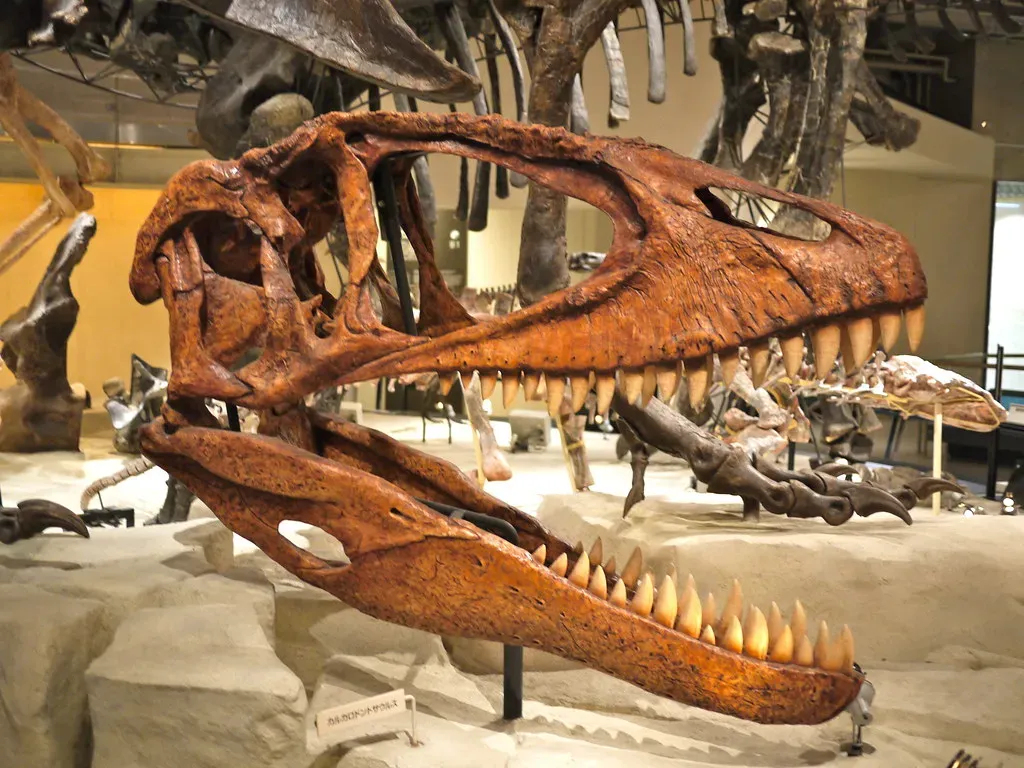
Let’s be real: the numbers are staggering. Research estimates the diversity of non-avian dinosaurs at roughly 1,850 genera, including those that remain to be discovered, with 527 genera currently described, meaning at least 71 percent of dinosaur genera thus remain unknown. Imagine that for a moment. Nearly three quarters of all dinosaur types that ever lived are still missing from our collections.
During the Mesozoic period, pretty much every animal larger than a meter in size that lived on land was a dinosaur, occupying nearly every ecological niche, yet we’ve probably found less than 1 percent of all the dinosaurs that ever lived. Some estimates are even more sobering. When you factor in millions of years of evolution and the vast geographic spread of these creatures, the true number could be tens of millions of species when you include variations in color, behavior, or subtle anatomical differences that bones alone can’t reveal.
Technology Is Changing How We Hunt for Fossils
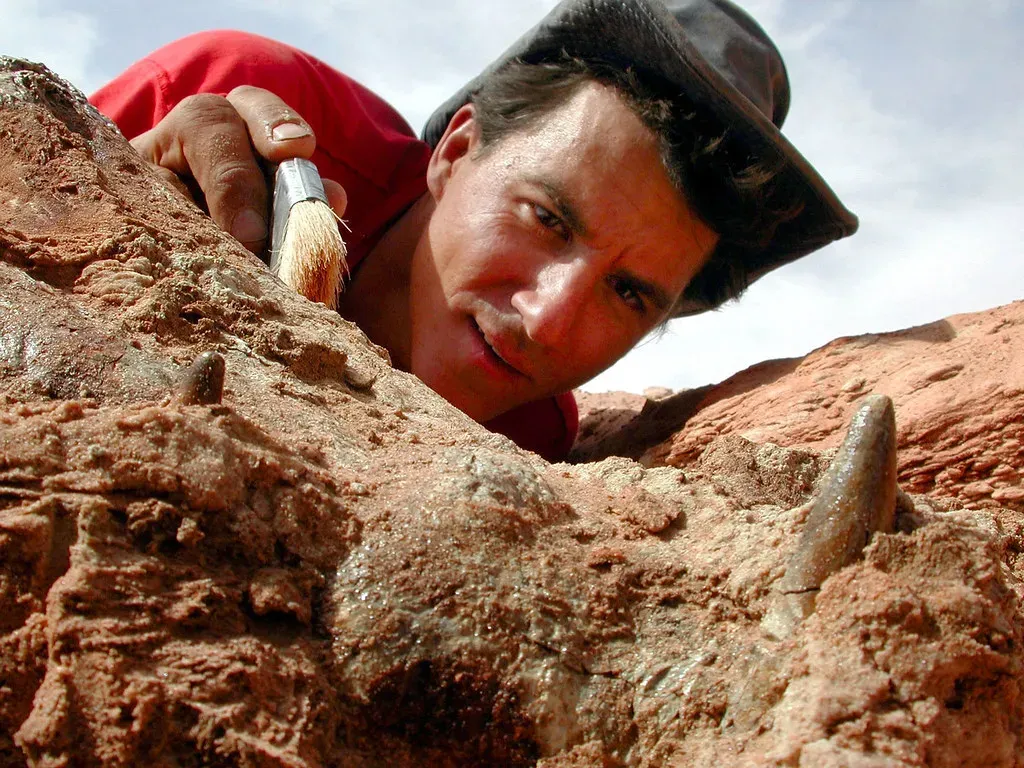
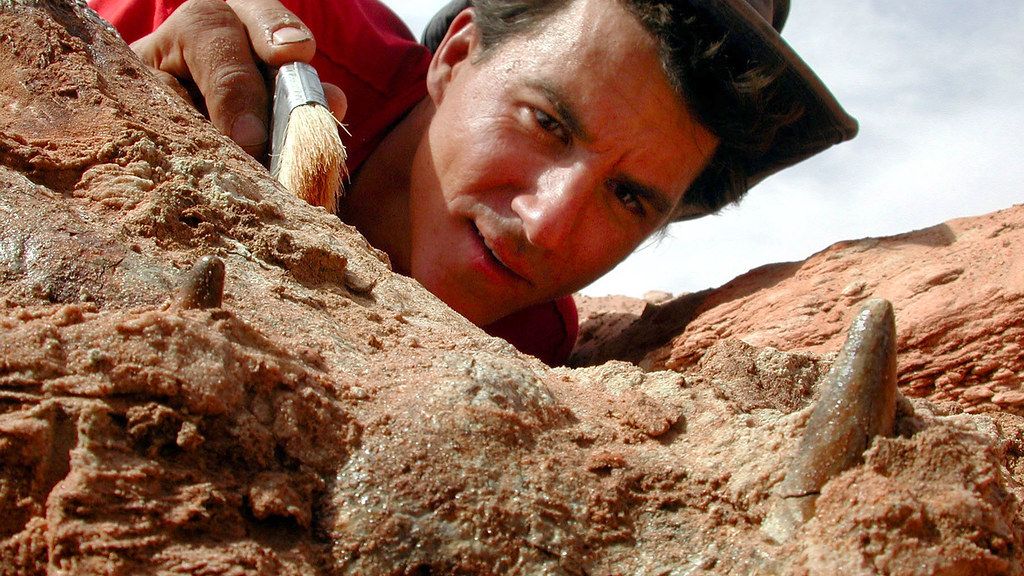
You don’t always need to dig up new ground to find new dinosaurs. New methods of fossil extraction, advanced CT scanning, and sophisticated analytical tools have allowed scientists to re-examine old fossils with fresh eyes, with bones that once gathered dust in museum drawers now revealing new species and even entire lineages once thought extinct. It’s honestly remarkable how much we missed before.
A 2025 study found that bright orange bone-colonizing lichens in Canadian badlands can serve as biological beacons for locating underlying dinosaur bones during drone-based surveys, with traditional fossil prospecting being slow and ground-intensive, while using lichens as natural fossil flags allows for faster and less invasive surveys. This kind of innovation means previously unreachable areas might suddenly become accessible. Remote sensing, satellite imagery, and even artificial intelligence are revolutionizing where and how paleontologists search.
Why Some Regions Remain Virtually Untouched
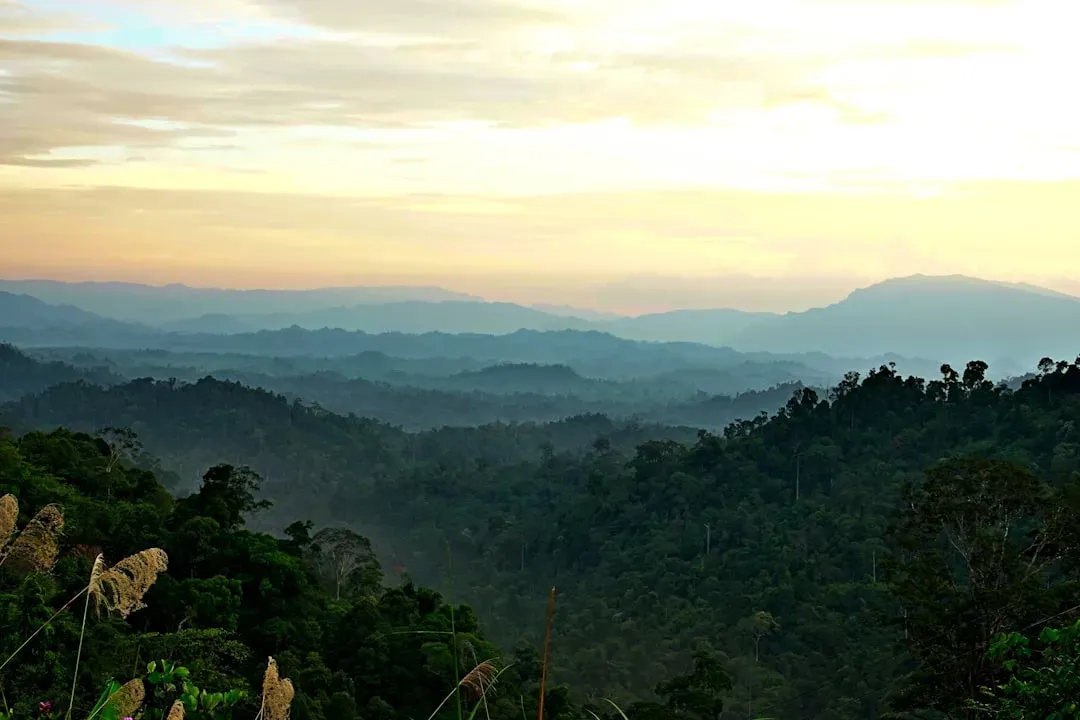
Vast areas of the Earth remain largely untapped – places like central Africa, Southeast Asia, and even remote regions of Australia, where thick vegetation, political instability, or lack of funding have kept exploration to a minimum. It’s hard to say for sure, but logistics matter more than you’d think. A paleontologist might identify promising rock formations from satellite data, but actually getting a team there with proper equipment is another story entirely.
Many of the rich fossil-bearing rock formations are a long way from towns and cities, or in some cases in politically unstable regions, which can make it simply difficult to work in these places due to the logistics, and this lack of infrastructure is particularly striking when compared to other well-known fossil locations, such as those in North America. Meanwhile, well-explored formations like those in Utah might have five or six teams working simultaneously, while entire African countries might have only a handful of active dinosaur research teams.
Africa’s Untapped Paleontological Treasure Trove
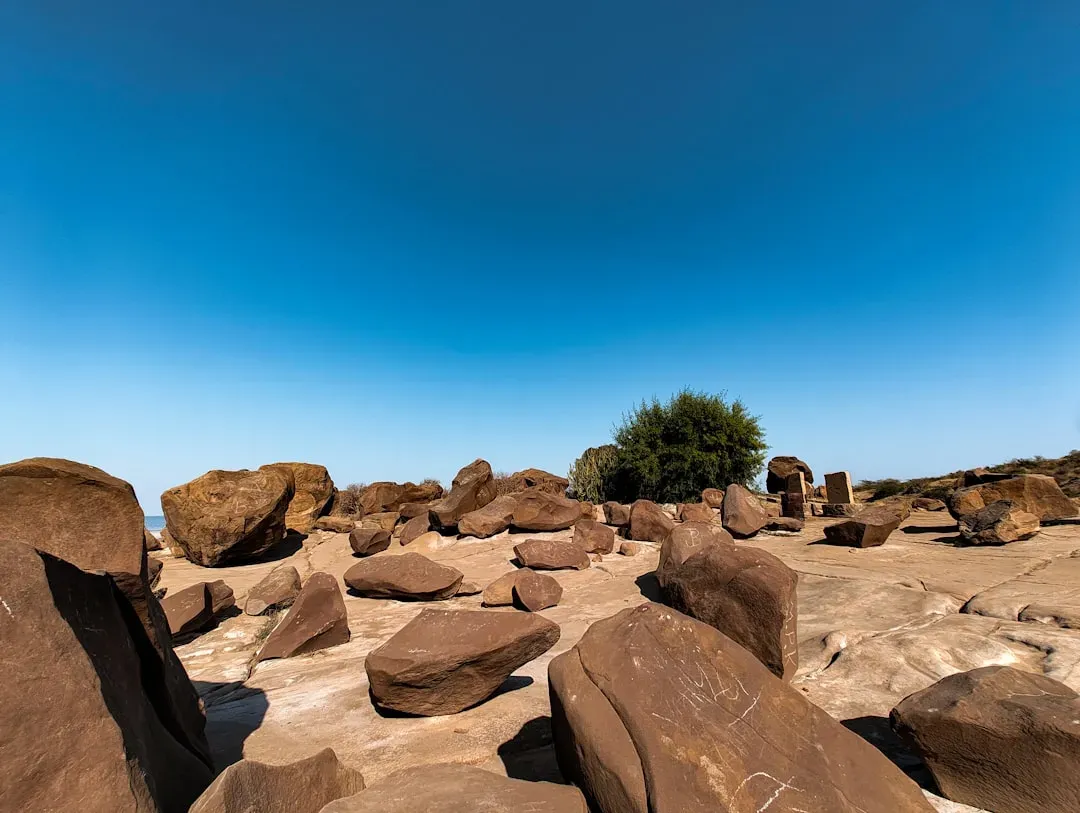
Africa might have played a critical role in the evolution of dinosaurs themselves, with one fossil species potentially being the earliest dinosaur ever discovered at roughly 230 million years old. Yet the continent has received far less attention than places like North America or China. Think about the irony: Africa could be where dinosaurs originated, yet it remains one of the least explored continents for fossils.
Gadoufaoua, said to mean “place where camels fear to tread,” is Africa’s most famously fossil-rich area, in the heart of the Sahara’s hyperarid Ténéré region, a desert within a desert. Recent expeditions there have yielded spectacular finds, including massive carnivores and bizarre new species. The potential is staggering, honestly. Every expedition seems to uncover something that challenges existing theories about dinosaur evolution and distribution.
Small Dinosaurs Are the Next Frontier
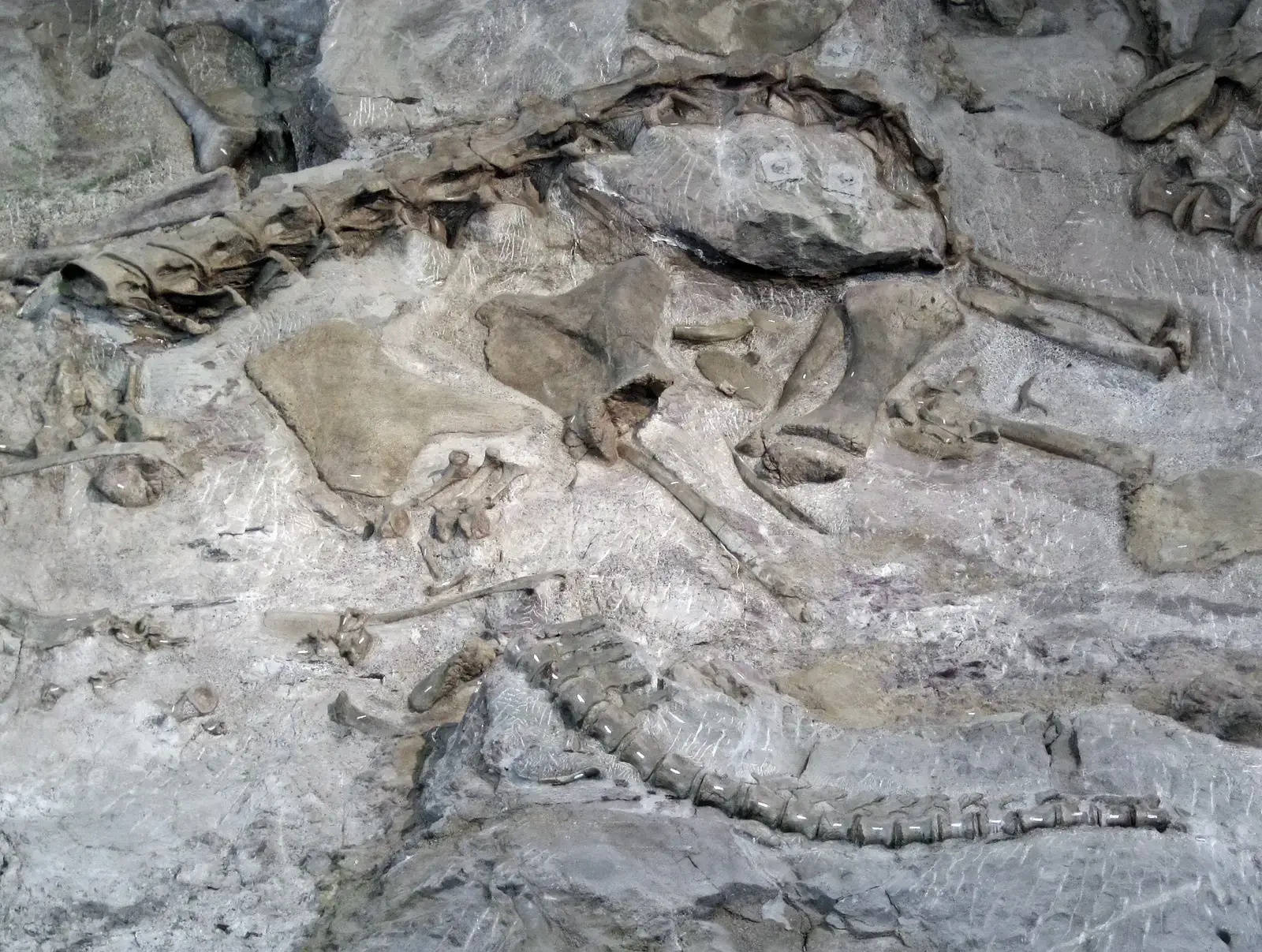
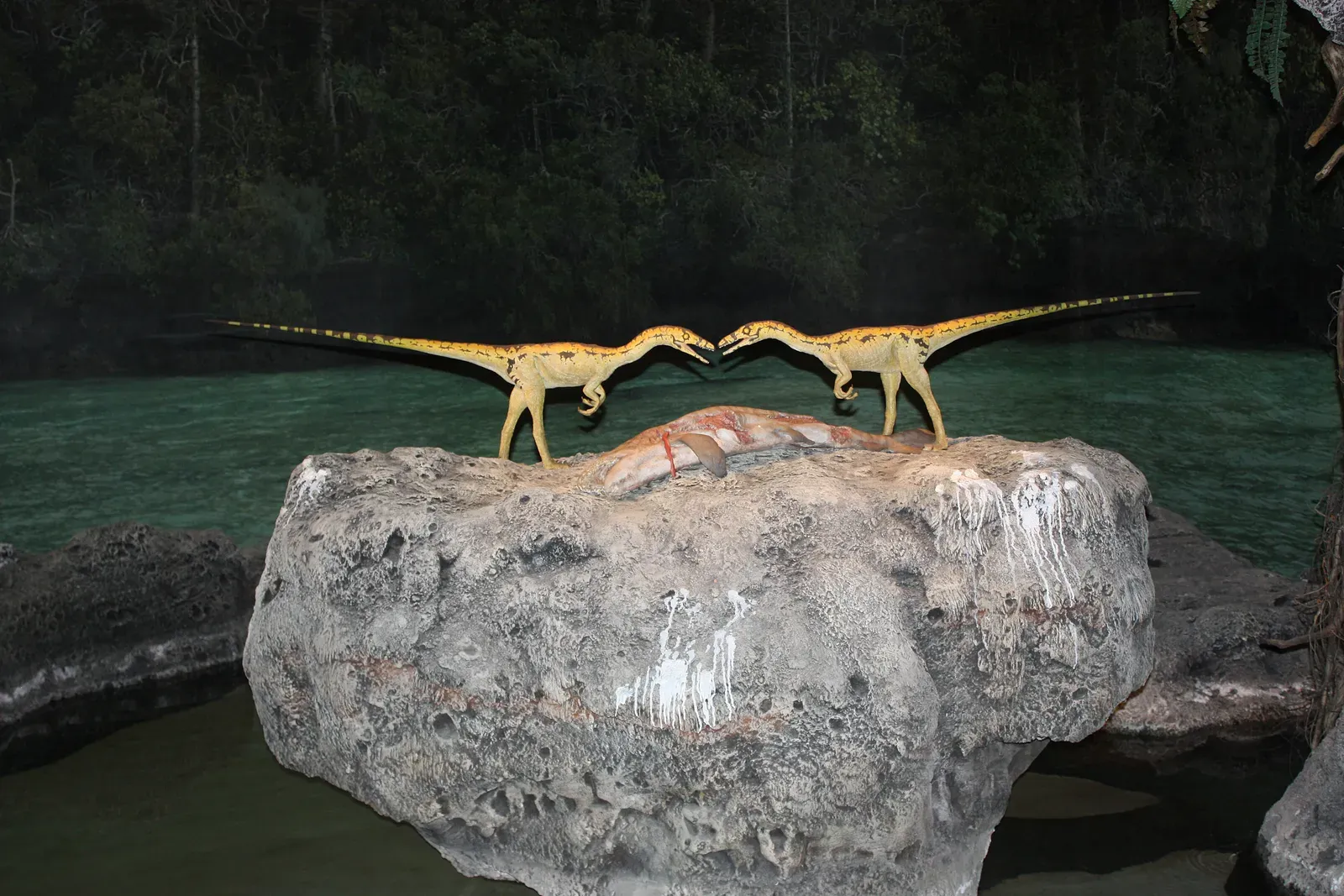
Future finds are likely to be of small dinosaurs, as big dinosaurs were often found first because their remains were more resilient to scavenging, weathering and destruction than those of smaller animals, and museums liked having large, impressive dinosaurs to reconstruct for patrons, while small species were harder to find and often overlooked when they were uncovered.
The Morrison Formation in the western United States has been picked over since the 1800s, yet new species continue to emerge. A newly identified tiny dinosaur, Foskeia pelendonum, is shaking up long-held ideas about how plant-eating dinosaurs evolved, with fully grown adults being remarkably small and lightweight but featuring a bizarre, highly specialized skull and unexpected evolutionary traits. These smaller creatures filled ecological niches we’re only beginning to understand. They darted through forests, climbed trees, and survived in environments where larger dinosaurs couldn’t thrive.
What the Future Holds for Dinosaur Discovery
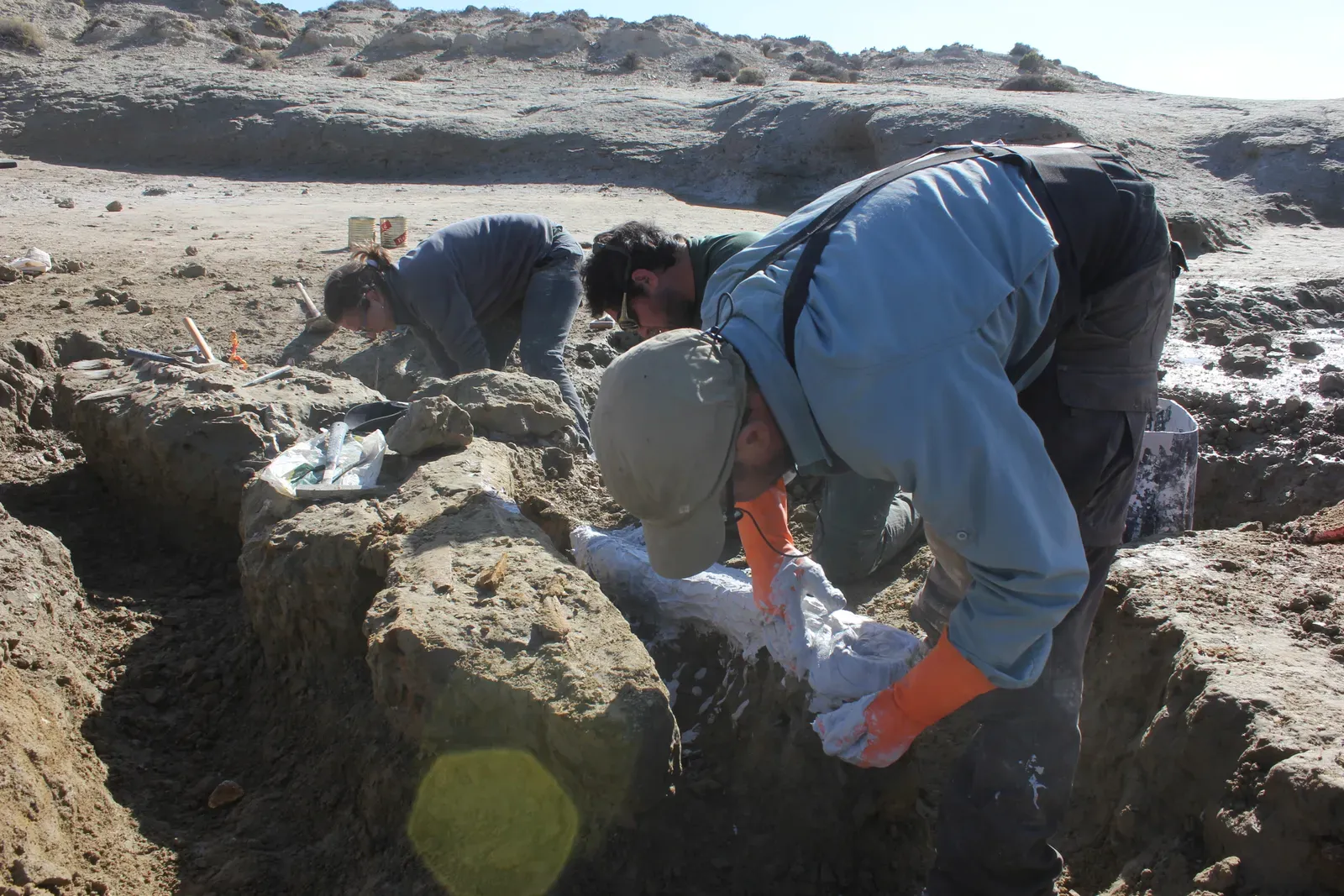
By using a logistic model, researchers predict that 75 percent of discoverable genera will be known within 60 to 100 years and 90 percent within 100 to 140 years. That timeline assumes current discovery rates continue, which honestly seems conservative given technological advances. Drones, satellite mapping, and machine learning are accelerating the pace dramatically.
The year 2025 has so far seen the discovery of 44 new dinosaur species, nearly one a week, with many new discoveries coming from paleontological hotspots such as Argentina, China, Mongolia and the US, but dinosaur fossils are also being found in many other places, from a Serbian village to the rainswept coast of north-west Scotland. The democratization of paleontology – with more local scientists in previously underexplored regions – means discoveries are happening in places that weren’t even on the map a generation ago. Every rock formation of the right age holds potential treasures.
So Absolutely. The question isn’t whether new species are waiting to be found, but rather how many and where. With roughly three quarters of dinosaur genera still unknown and vast regions of the planet barely explored, we’re living through what scientists genuinely call a golden age of paleontology. The Amazon’s dense canopy, the Sahara’s shifting sands, and Africa’s remote badlands likely conceal creatures that will rewrite textbooks and force us to reconsider everything we thought we knew about these magnificent animals. What do you think will be discovered next? The next groundbreaking find could happen tomorrow.