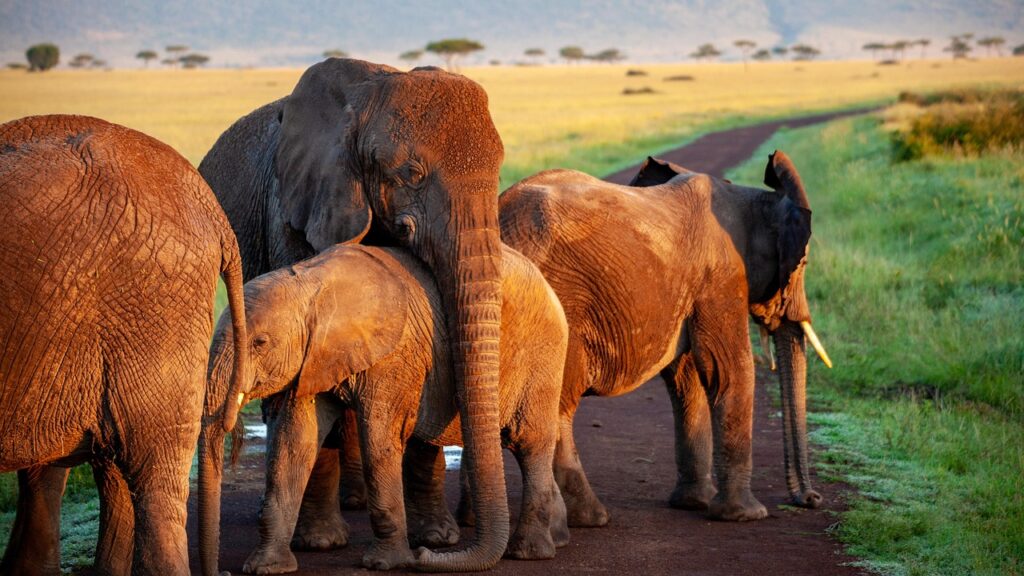
Picture a creature so massive it would make a full-grown African elephant look like a house cat. That was the everyday reality of the Mesozoic world, a planet where titans stomped across ancient landscapes, reshaping forests and entire ecosystems just by moving through them. For most of us, dinosaur size is a fact we absorb early in childhood, right alongside our ABCs. We accept it, move on, and never really question it.
Here’s the thing though: scientists are still genuinely puzzled by it. For all our modern technology and decades of fossil digging, the true “why” behind dinosaur gigantism remains one of paleontology’s most thrillingly unresolved mysteries. You might think you know the answer. You probably don’t. Let’s dive in.
The Question We’ve Been Asking Wrong All Along
Most people frame dinosaur size as a simple puzzle: how did they get so enormous? It sounds like the right question. Honestly, it might be the wrong one entirely. Some researchers now suggest we may be asking the wrong question, and that the real mystery isn’t “how did dinosaurs get so big?” but rather “why don’t placental mammals get so big?” That subtle flip in perspective changes almost everything.
Think about it like asking why your car goes fast, when the more revealing question is why your neighbor’s scooter is so slow. Sauropod dinosaurs exceeded all other terrestrial vertebrates in both average and maximum body size, yet no clear global environmental factors that would have directly caused their gigantism can be identified. The sheer scale of the mystery is, itself, astonishing.
The Staggering Scale of What You’re Dealing With
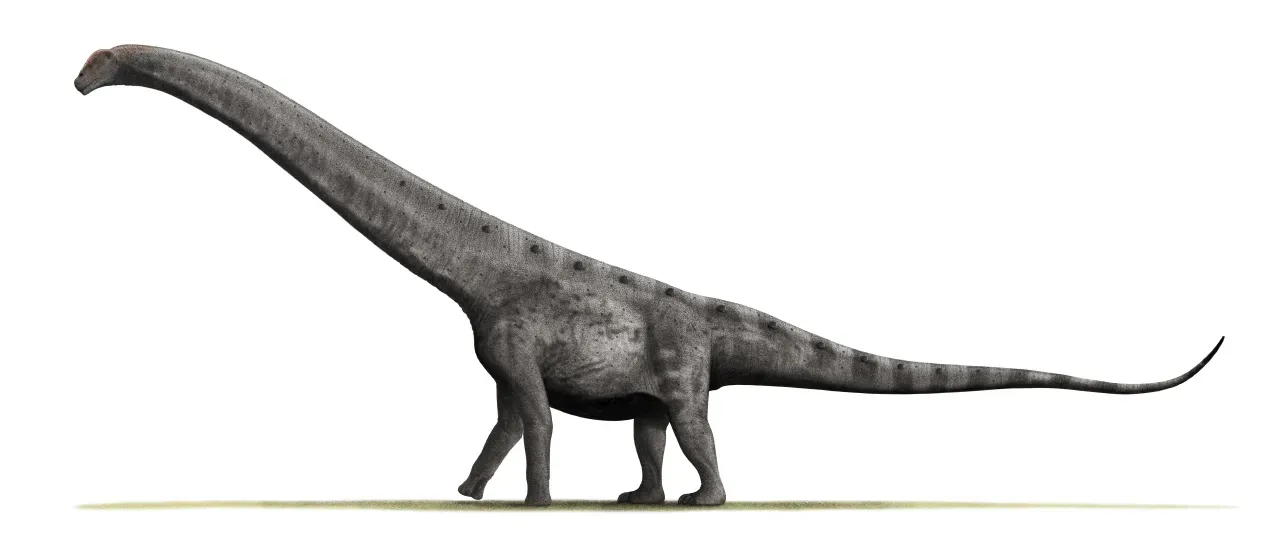
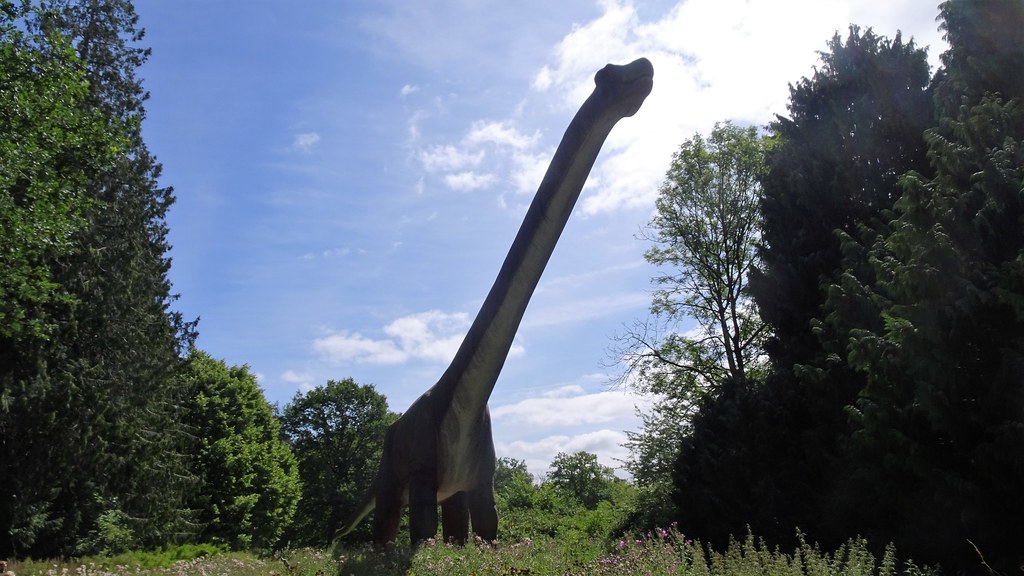
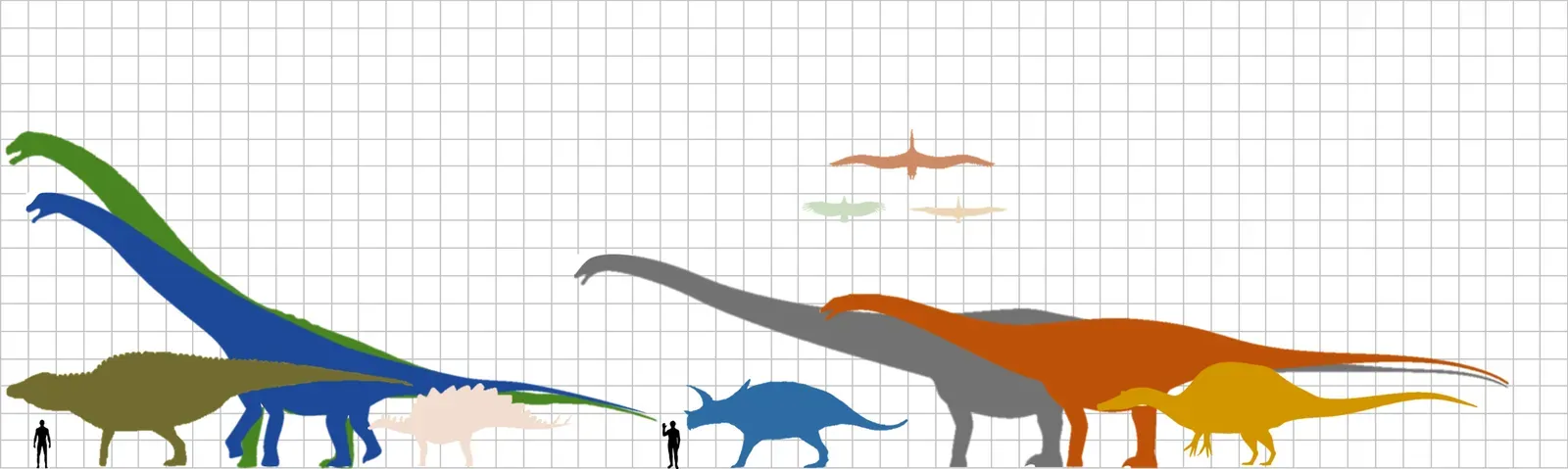
Sauropod dinosaurs were the largest animals ever to inhabit the land. At estimated maximum body masses of 50 to 80 metric tons, they surpassed the largest terrestrial mammals by an order of magnitude, and with body lengths exceeding 40 meters and heights over 17 meters, their linear dimensions remain unique in the animal kingdom. Let that sink in for a moment. No land animal before or since has come close.
From their beginnings in the Late Triassic, roughly 210 million years ago, sauropods diversified into about 120 known genera, and they dominated ecosystems for more than 100 million years from the Middle Jurassic to the end of the Cretaceous. A hundred million years of dominance. By comparison, our entire human lineage is a footnote. That staying power tells you something profound about how well this extreme size actually worked.
The Breathing System That Made the Impossible Possible
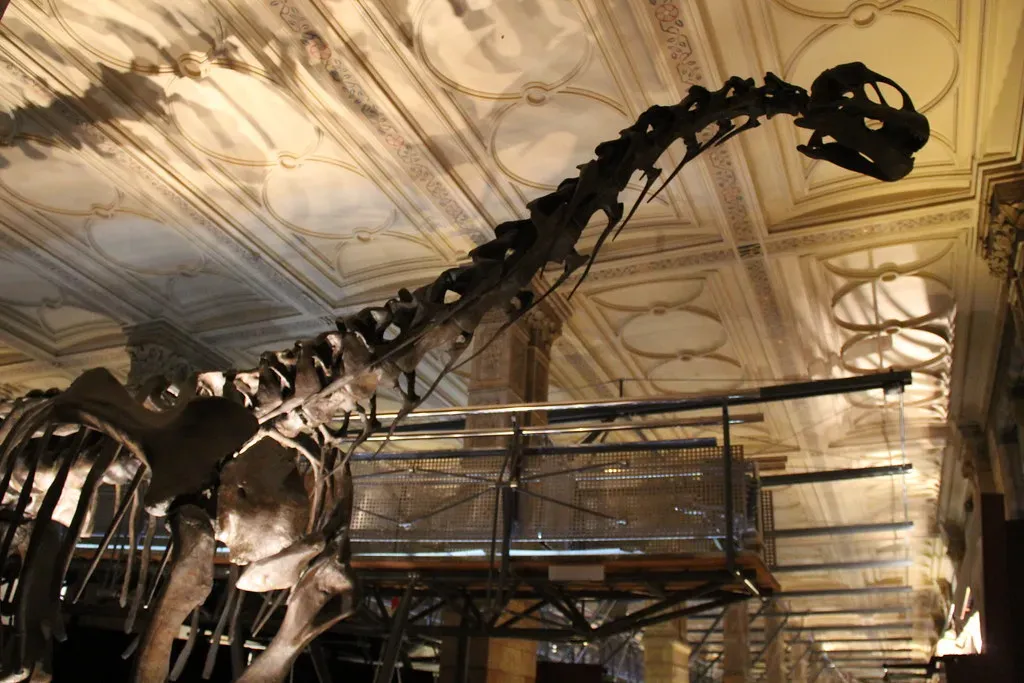
Paleontological evidence suggests that dinosaurs possessed an avian-style respiratory system with air sacs, similar to modern birds, rather than the simpler lungs of mammals. This highly efficient system creates a one-way flow of air through the lungs, allowing for continuous oxygen absorption rather than the in-and-out breathing pattern of mammals. Imagine breathing so efficiently that your body never wastes a single gasp. That’s the biological superpower we’re talking about.
The presence of pneumatic air spaces in dinosaur bones, particularly in sauropods, provides strong evidence for this respiratory adaptation. This system would have given dinosaurs superior oxygen uptake capability, supporting their massive size by meeting their enormous metabolic demands. Furthermore, the air sacs and hollow bones would have reduced overall body weight while maintaining structural integrity. It’s a bit like building a skyscraper out of carbon fiber instead of concrete. Same strength, dramatically less weight.
Growth Rings, Bone Secrets, and a Surprising Revelation
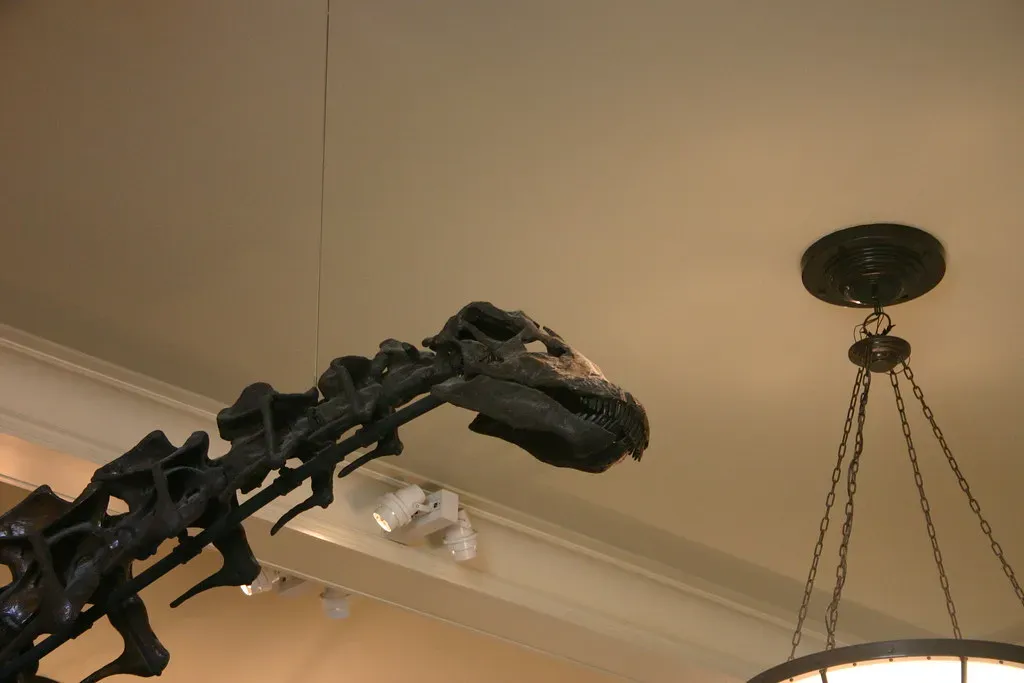
In a study published in Science, researchers discovered through examining the bones of dinosaurs that there was no relationship between growth rate and body size. This genuinely rattled the field. Before this, the assumption was simple: big animal, fast grower. Turns out, reality had other plans. The bones of many dinosaurs slowed or paused growth every year, leaving marks like tree rings that indicate the animal’s age and can be used to estimate the rate of growth.
It was previously thought that the predominant mechanism for evolving a larger body size in dinosaurs was through developmental acceleration, meaning a faster growth spurt. What the research shows is that it was just as equally likely that they actually slowed their growth but grew for longer periods. So some giants sprinted to their size in roughly a decade, while others took their sweet time across several decades. The largest dinosaurs sometimes took as little as ten years to reach their truly immense sizes, while some others would have taken decades. There was, it seems, no single recipe for becoming a titan.
The Mesozoic Menu: How an Ancient Buffet Drove Extreme Size
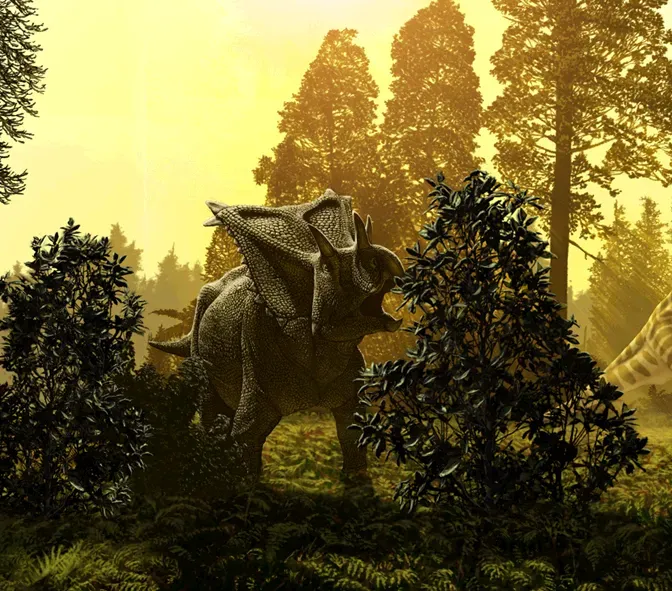
The Mesozoic Era witnessed a revolutionary expansion of plant life that may have directly contributed to dinosaur gigantism, particularly among herbivorous species. The evolution and diversification of gymnosperms and later angiosperms created unprecedented food resources, and unlike earlier periods dominated by lower-growing plants, the Mesozoic featured expansive forests with tall trees and abundant high-growing vegetation. In other words, the world essentially became an all-you-can-eat restaurant for large herbivores.
A higher quality and availability of food plants would make the initial growth rate faster and the final saturating size larger, with body size growth stopping once reproduction starts, and fertility increasing with adult body size and food-plant quality. As sauropods’ stomachs grew in size, researchers think they evolved the ability to store food for a long period of time, consuming a huge amount of food very fast by swallowing it whole, while their stomachs would do the slow work of grinding it down over the course of weeks. Think of it as a biological slow cooker running inside a living mountain.
The Reproduction Loophole That Changed Everything
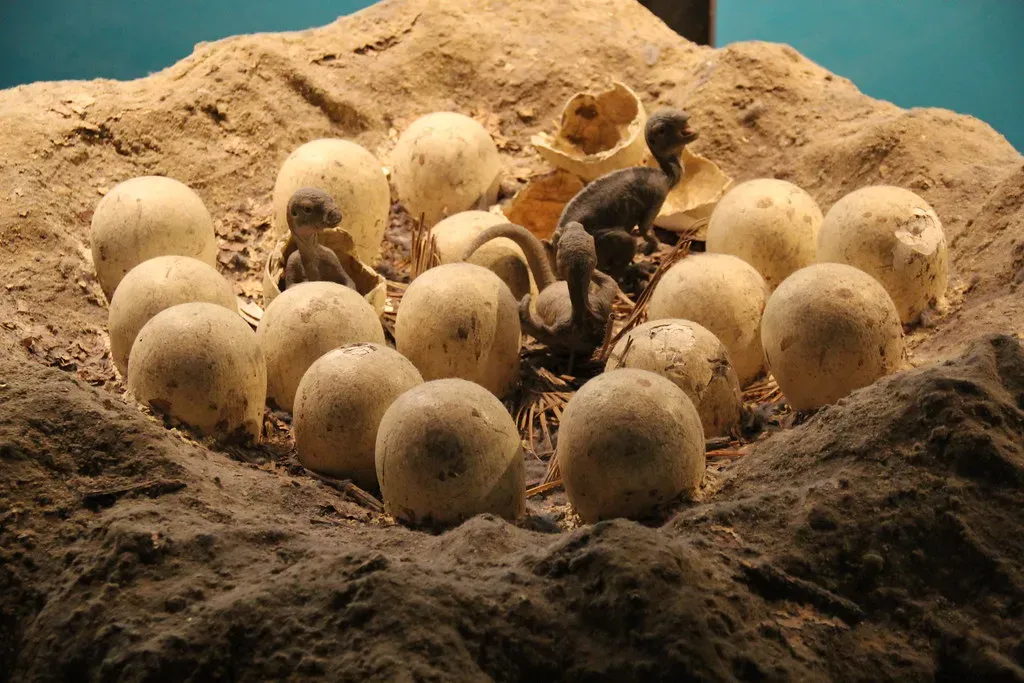
Here’s one of the most mind-bending angles in the whole debate. Mammals are fundamentally constrained by how they reproduce. Placental mammal gestation periods are strongly correlated with body mass, with horses gestating around eleven months, rhinos nearly sixteen months, and elephants twenty-two months. The bigger you get, the longer your babies take, and the more energy you invest in each one. Dinosaurs simply opted out of that deal entirely.
Unlike large mammals such as whales, which spend years raising each calf, sauropods pursued a quantity-over-quality approach to reproduction, producing lots of eggs and then leaving their young to fend for themselves. Sauropods, like all nonavian dinosaurs, laid multiple eggs at a time, bypassing the reproductive constraints of live birth and flooding their ecosystems with enormous numbers of babies that had the potential to grow huge. The result? A biological numbers game that kept populations massive and growth pressure relentless. It’s a completely alien reproductive strategy compared to anything alive today.
The Predator Arms Race: Size as the Ultimate Weapon
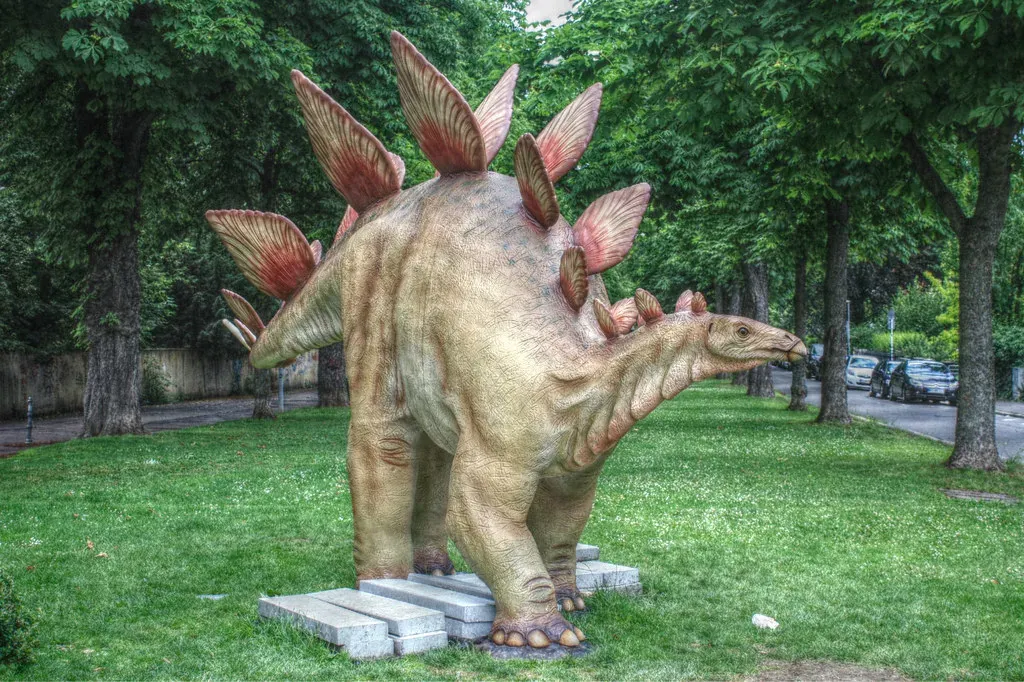
Herbivores gain mass to avoid being preyed upon, and carnivores gain mass to make it easier to prey on the large herbivores. Over time, both are pushed to upper extremes in size, in what amounts to an evolutionary arms race. You could compare it to a neighborhood where one family builds a taller fence, and the neighbor just keeps building taller ladders. Nobody really wins, but everyone keeps scaling up.
Two factors, the energy loss from one trophic level to the next and large size as predation protection, provide an explanation of why in modern terrestrial ecosystems the largest mammalian herbivores are an order of magnitude larger than the largest mammalian carnivores. This is also the case in most dinosaur faunas, in which the largest herbivore was generally a sauropod, an order of magnitude larger than the largest predator, a theropod. Theropod body size thus may have been limited by sauropod body size. The giants shaped each other, in a perpetual biological standoff spanning millions of years.
The Divergent Pathways: Not All Giants Are Created Equal
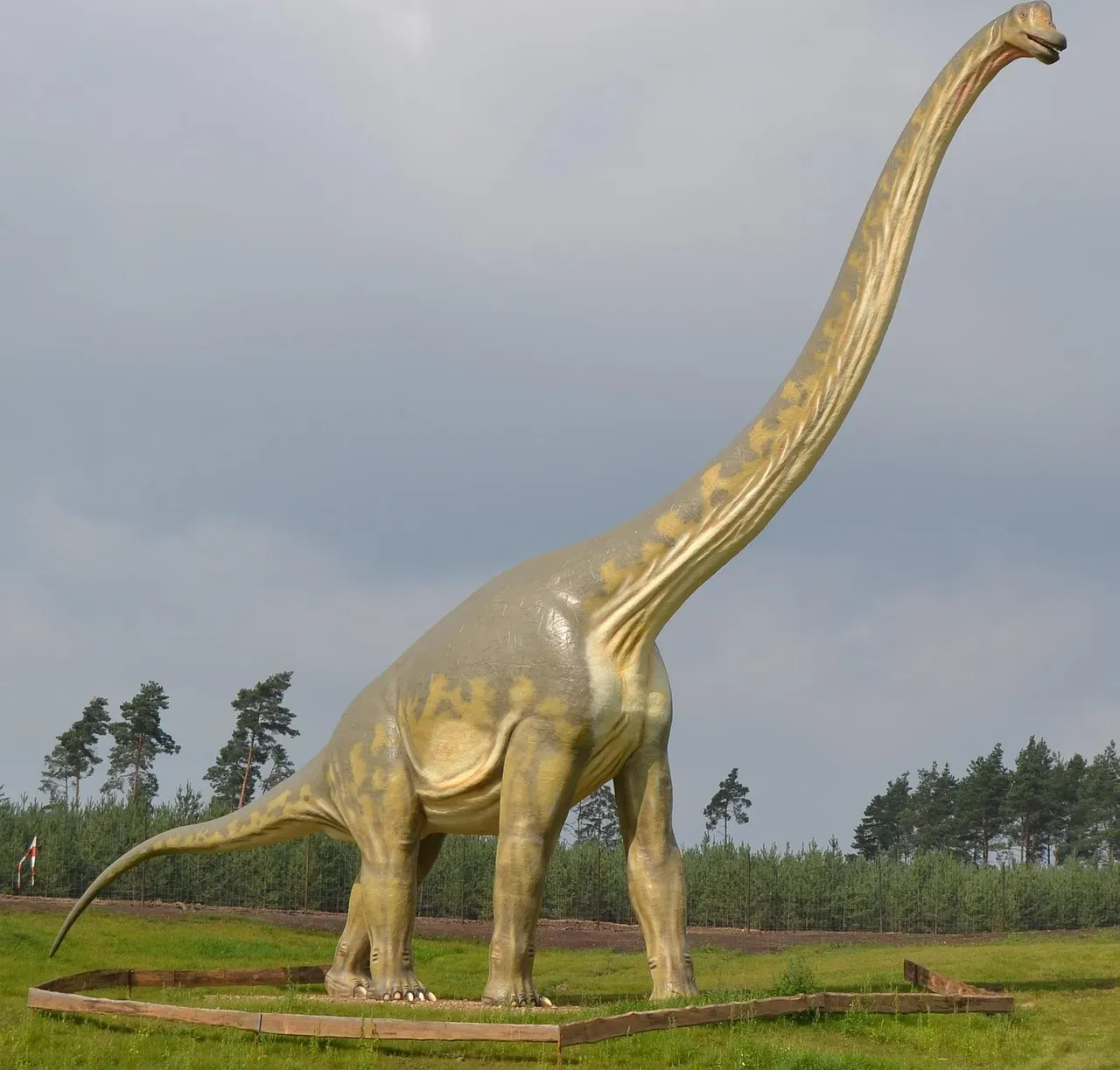
A 2025 comparison of the microstructure of appendicular bones in non-avian dinosaurs and large-bodied mammals interprets the findings as indicating that gigantism was achieved through divergent evolutionary pathways in the two groups. This is a strikingly important revelation because it confirms there was no single master plan behind extreme size. Even within dinosaurs themselves, different groups found radically different roads to bigness.
Sauropods evolved their record sizes a remarkable three dozen times on six landmasses over the course of 100 million years, with each new family to evolve producing one or more lineages that independently reached superlative status. I think that number genuinely deserves a moment of quiet awe. Dozens of separate evolutionary experiments all arriving at the same jaw-dropping conclusion: go big, or eventually go extinct. The evolutionary driving forces behind the evolution of truly huge body size are not clear, and likely differed from one group of dinosaurs to the next. Science, at its most honest, admits this is still wide open territory.
Conclusion: The Giant Mystery We’re Still Circling
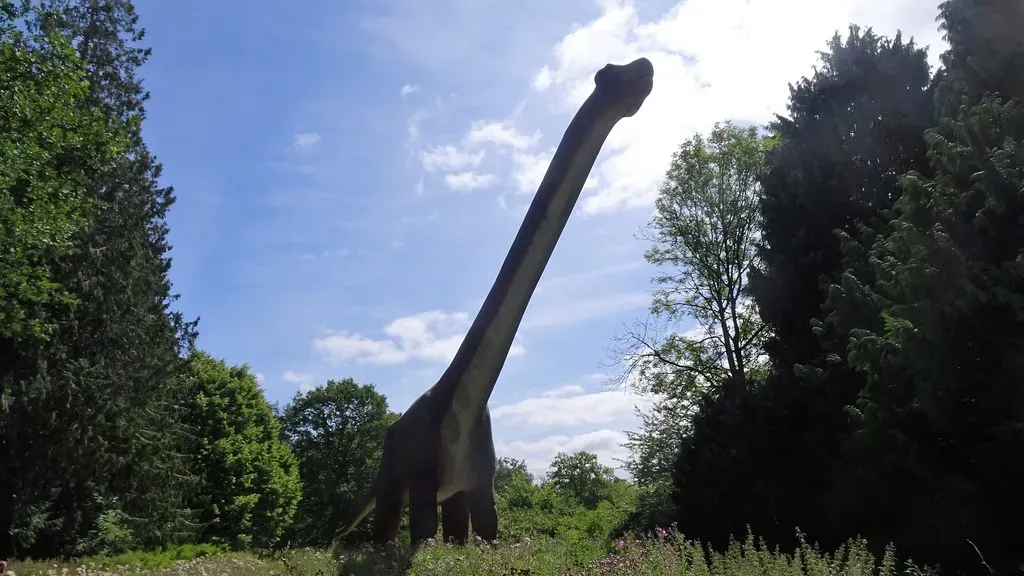
It’s humbling, when you think about it. We live in an era of genome sequencing, AI-powered paleontology, and deep-Earth scanning, yet the question of why dinosaurs grew so extraordinarily large still doesn’t have a clean, tidy answer. The truth seems to be that gigantism wasn’t one thing. It was a cascade, a combination of breathtaking anatomy, reproductive strategy, a planet bursting with food, and a never-ending biological arms race between predator and prey.
What makes this even more fascinating is the growing scientific realization that size wasn’t forced on dinosaurs by some magical ancient environment. Higher oxygen levels have been linked to bigger body sizes in a few ancient insects, but the atmosphere in the heyday of the dinosaurs was about the same as today’s, and the Earth’s gravitational force was just as strong in the Mesozoic era as in the modern era. So the impressive size of the greatest sauropods was not a matter of an abiotic factor like increased oxygen or lower gravity. They did this themselves, through millions of years of biological ingenuity.
The real lesson here isn’t just about dinosaurs. It’s about how we ask questions. When you flip the question from “how did they get so big?” to “what combination of traits made extreme size not just possible, but repeatedly inevitable?”, a much richer, stranger, and more beautiful picture emerges. We are only just beginning to understand why sauropods got so big, and the answer seems to be complex, with no single explanation covering all of the largest species. So what do you think – is there one final missing piece of the puzzle still buried in some undiscovered fossil bed? Tell us in the comments.