
Have you ever walked into a room and immediately felt drained by the energy around you? Maybe you’ve been told countless times that you’re overreacting or reading too much into things. Perhaps bright lights give you headaches, or watching intense movies leaves you emotionally wiped out for days. If any of this sounds familiar, you’re not alone.
Roughly one in five people possess a personality trait known as sensory processing sensitivity, though many go through life without ever understanding why they experience the world so differently. The truth is, being highly sensitive isn’t about being fragile or weak. It’s about processing information and emotions on a deeper level than most people around you. Keep reading to discover whether you might be one of these deeply perceptive individuals, and more importantly, what that really means for your daily life.
You Process Everything on a Much Deeper Level

If you’re a highly sensitive person, you tend to process information deeply, reflecting on experiences and emotions more thoroughly than others, often having a rich inner life. This isn’t just about overthinking, though people might accuse you of that. Your brain literally works differently, spending more time analyzing situations, considering multiple perspectives, and connecting dots that others miss entirely.
Research indicates that HSPs have stronger connections between the hippocampus and precuneus, areas crucial for memory and emotional processing, which explains why they often spend considerable time reflecting on their experiences. You might replay conversations in your head for hours afterward, not because you’re anxious necessarily, but because your mind is still extracting meaning and nuance from what was said. This depth of processing can be exhausting, yet it also allows you to develop insights and understanding that others rarely achieve.
Overstimulation Hits You Like a Freight Train
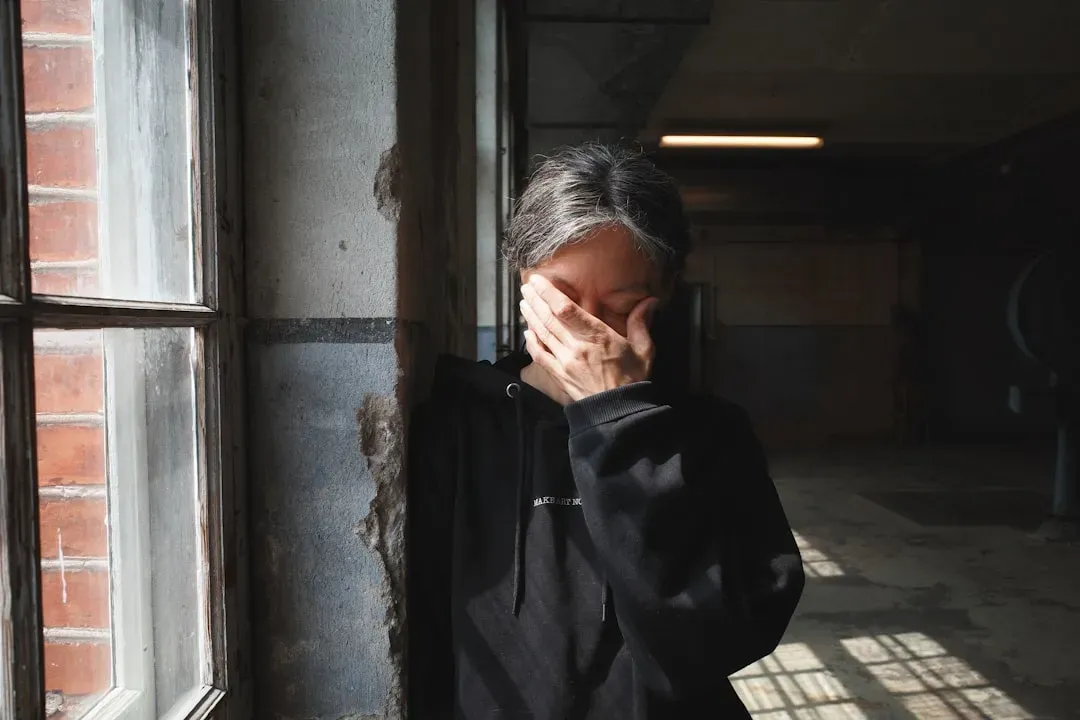
Let’s be real, crowded shopping malls and loud restaurants aren’t just mildly annoying to you. They’re physically draining. HSPs become easily overstimulated in busy or chaotic environments and may need time alone or in quiet spaces to recharge and regain their equilibrium. After a day filled with meetings, social events, or even just running errands in busy places, you might feel completely depleted.
You’re more impacted by strong sensory input such as bright lights, loud noises, strong smells or rough textures. This isn’t being picky or high maintenance. Your nervous system is genuinely processing more stimuli than the average person’s, and there’s only so much bandwidth available before everything becomes overwhelming. When HSPs are exposed to overwhelming environments, their bodies respond with physical symptoms like racing hearts, chest tightness, and even nausea.
Your Emotional Responses Are Incredibly Intense

HSPs feel both positive and negative emotions more intensely than non-HSPs. When something beautiful happens, you might find yourself moved to tears. A touching commercial can make you cry. A piece of music might give you goosebumps that last for minutes. On the flip side, criticism cuts deeper, rejection stings harder, and conflict feels almost unbearable.
Brain scans have shown that HSPs have more active mirror neurons which are responsible for feelings of empathy for others and more activity in areas that are involved with emotional responses. This means your emotional intensity isn’t a character flaw or something you need to fix. It’s literally how your brain is wired. You experience joy more joyfully and pain more painfully, which makes life both richer and more challenging at the same time.
You Notice Details That Others Completely Miss

HSPs notice subtle details that others miss such as non-verbal cues and small changes in their environment, which is not to be confused with hypervigilance that can result from trauma. You pick up on the slight change in someone’s tone of voice. You notice when a friend seems off, even when they insist everything’s fine. You spot the new painting on the wall that everyone else walked past without seeing.
This heightened awareness extends to your physical environment too. You immediately sense when something has been moved in your space. You detect smells that others don’t notice until you point them out. HSPs feel as if they register more details of their environment than less sensitive people do, including sounds, sights, or emotional cues. Sometimes this gift feels more like a curse, especially when you’re the only one bothered by the flickering fluorescent light or the faint smell of something burning.
Violence and Cruelty Affect You Profoundly

Everyone hates violence and cruelty, but for highly sensitive people, seeing or hearing about it can be extremely unsettling, making them unable to watch very scary, gory, or violent movies without getting upset or even feeling physically ill, or stomach news stories about animal cruelty. Your friends might love horror films or true crime documentaries, but you can’t handle them. The images stay with you for days, replaying in your mind when you’re trying to sleep.
This isn’t about being squeamish or sheltered. HSPs are thought to be more disturbed than others by violence, tension, or feelings of being overwhelmed, and they may make concerted efforts to avoid situations in which such things are likely to occur. Your empathy runs so deep that witnessing suffering, even fictional suffering on a screen, creates genuine distress in your own system. You feel it in your body, not just your mind.
You Crave Meaningful Connections Over Surface-Level Interactions

Small talk at parties? Exhausting and pointless. Small talk is dissatisfying and perhaps boring to you, and relationships are very important, so you dive in quickly and feel more connected with someone only when they get vulnerable or emotional. You want to know what really makes people tick, what keeps them awake at night, what their biggest dreams and fears are.
HSPs often report that they form deep bonds with others, have exciting dreams and internal monologues, and find great enjoyment in art, music, and human connection. Superficial friendships don’t satisfy you. You need depth, authenticity, and genuine emotional intimacy in your relationships. This can make it harder to find your people, but when you do connect with someone who matches your intensity, those relationships become profoundly meaningful and life-changing.
You Need More Downtime Than Everyone Around You
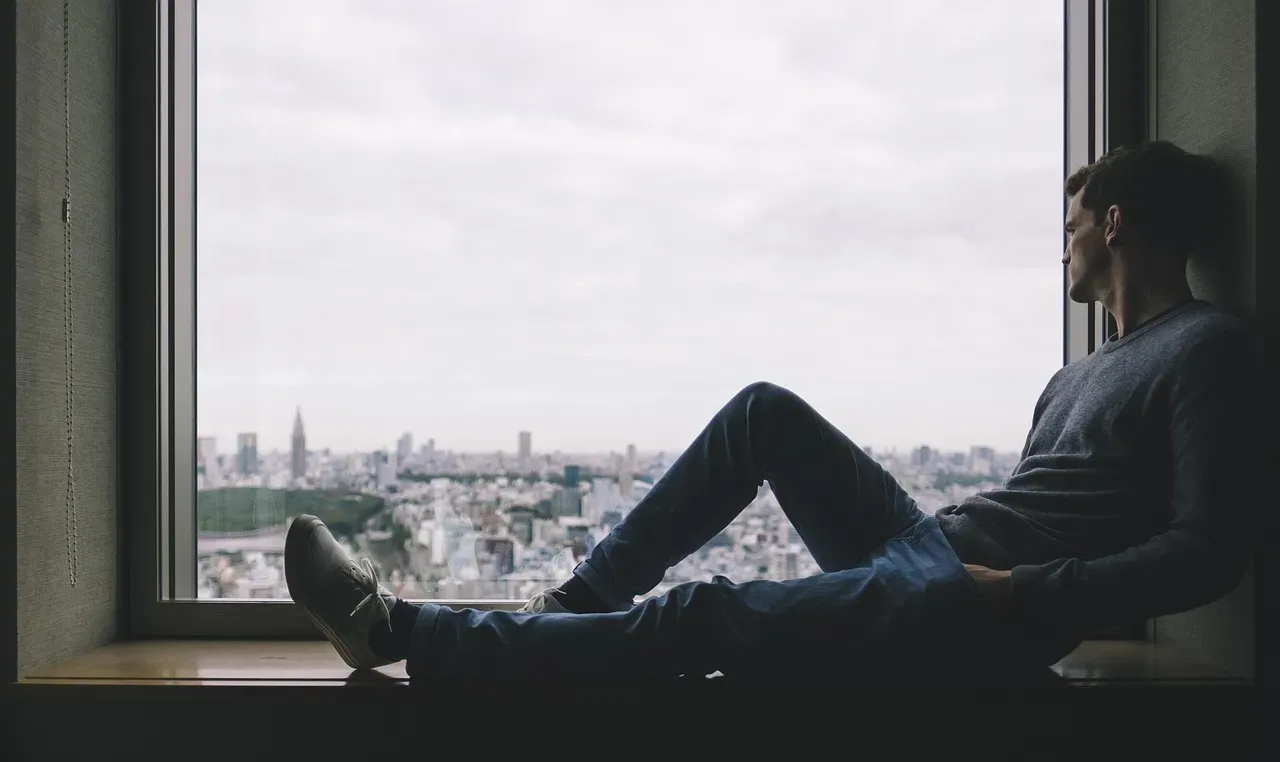
HSPs need a lot more downtime than others, thrive in silence, and need a slower pace of life, meaning taking the time to relax and process experiences is essential for their wellbeing. While your friends can go from work to happy hour to dinner to a concert without breaking a sweat, you need breaks between activities. You need quiet evenings at home. You need time to just be.
Research indicates that HSPs tend to process information more deeply, which can lead to quicker mental and physical fatigue, and they often need more downtime to recharge, especially after exposure to stimulating environments. This isn’t laziness or antisocial behavior. Your nervous system requires more recovery time because it’s working harder than most people’s nervous systems during every waking moment. Learning to honor this need without guilt is one of the most important things you can do for yourself.
Conclusion

Understanding whether you’re a highly sensitive person can be genuinely life-changing. It reframes what you might have always seen as weaknesses or flaws as simply differences in how your nervous system operates. Being a highly sensitive person isn’t considered a mental health disorder, and being HSP comes with its own set of strengths and weaknesses.
If you recognize yourself in these indicators, know that you’re part of a substantial minority who experiences life with greater depth and intensity. The key is learning to work with your sensitivity rather than against it. Creating environments that support your needs, setting boundaries that protect your energy, and surrounding yourself with people who understand and respect your trait can transform sensitivity from a burden into a gift. What aspects of high sensitivity resonate most with your own experience?