
Have you ever walked into a room and immediately felt the tension hanging in the air, even when everyone was smiling? Perhaps you’ve found yourself overwhelmed by bright lights or loud noises in ways that others around you barely notice. Maybe you catch onto emotional undercurrents in conversations that seem invisible to your friends. If any of this sounds familiar, you might be part of a unique group of people who experience the world with unusual depth and intensity.
Roughly one in five people possess what researchers identify as heightened sensitivity. This isn’t about being fragile or overly emotional. It’s about having a nervous system that processes information differently, picking up on subtleties that others might miss entirely. Let’s be real here, understanding whether you fall into this category can genuinely change how you navigate relationships, work environments, and even your own self-care routines. So let’s explore the seven telltale signs that might reveal whether you’re among those who feel and perceive more intensely than most.
You Absorb Other People’s Emotions Like a Sponge

You’re likely to pick up on what someone else nearby is feeling immediately, and you may actually feel the emotion as if it were your own, essentially absorbing it. This goes way beyond simply recognizing that your friend looks sad. When they’re hurting, you feel that ache in your own chest. Their anxiety becomes your restlessness.
People who have high levels of empathy also have very active mirror neurons that read emotional cues from other people, which means you can pick up on tiny changes in expression, body language, or tone of voice that others miss. Sometimes you’ll sense someone’s distress before they’ve even said a word. The challenge? You often have trouble distinguishing someone else’s discomfort from your own.
Sensory Overload Is Your Daily Reality

You have a low threshold for stimulation, sensitivity to light, sound, and smell, and an aversion to large groups. That scratchy sweater tag that everyone else ignores? It feels like sandpaper against your skin. The fluorescent lighting in the office that no one else mentions might give you a genuine headache by noon.
You’re sensitive to the environment including sounds, smells, tastes, and sights, so a slight touch might feel like an abrasive nudge, a dim light might seem like a bright beam, and a quiet hum might sound like a fire alarm. It’s not that you’re being dramatic. Your nervous system genuinely registers these stimuli at a higher intensity than most people experience them.
Crowded Places and Loud Events Drain You Completely
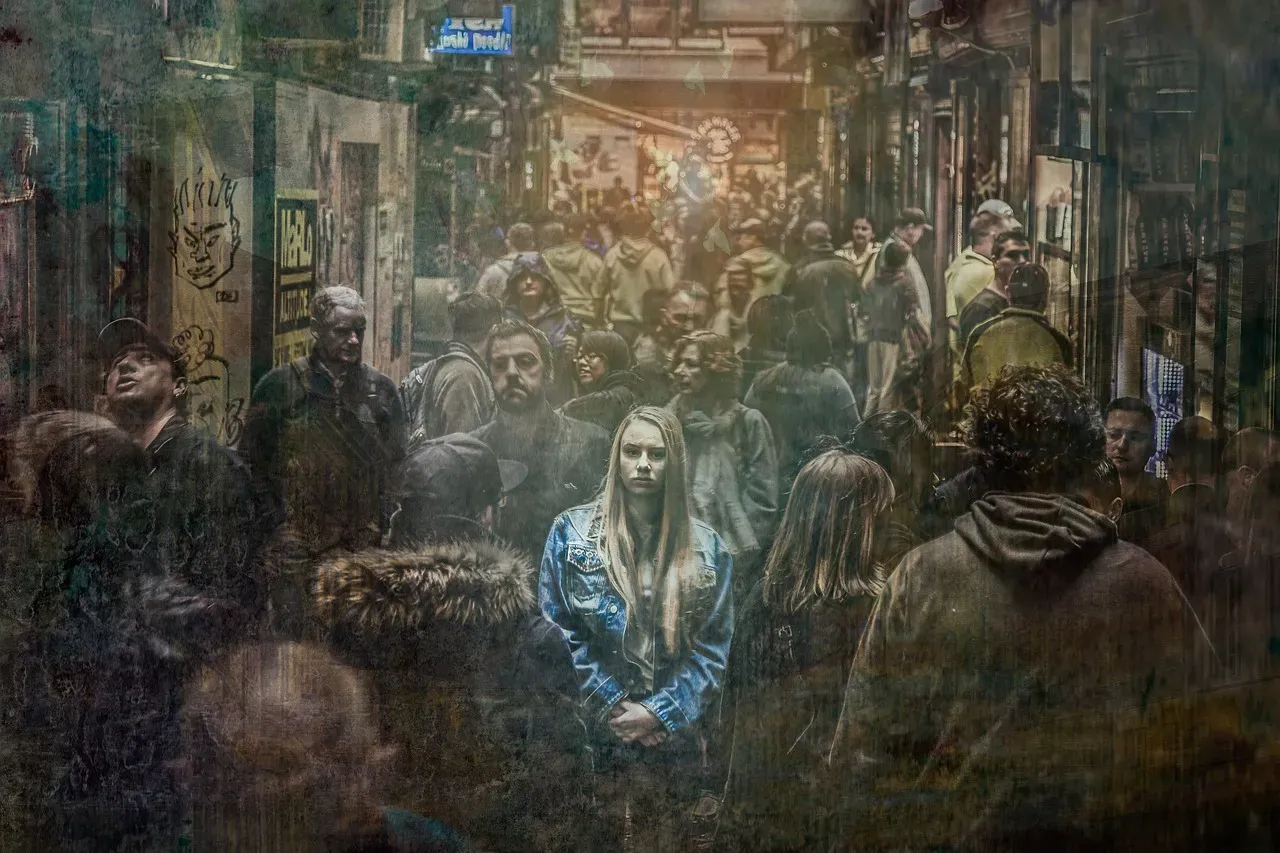
You are extremely sensitive to the feel or atmosphere of your surroundings, so chaotic or depressing environments will quickly pull the energy out of you. Think about the last time you attended a busy concert or bustling party. While others seemed energized by the chaos, you probably felt exhausted within an hour or two.
It takes you longer to wind down after a busy day, since your ability to transition from high stimulation to being quiet is slower. This isn’t antisocial behavior. Your system simply needs more recovery time after processing all those competing stimuli. Quiet spaces, nature, and calm environments aren’t just preferences for you; they’re essential for recharging.
You Need Significant Alone Time to Function
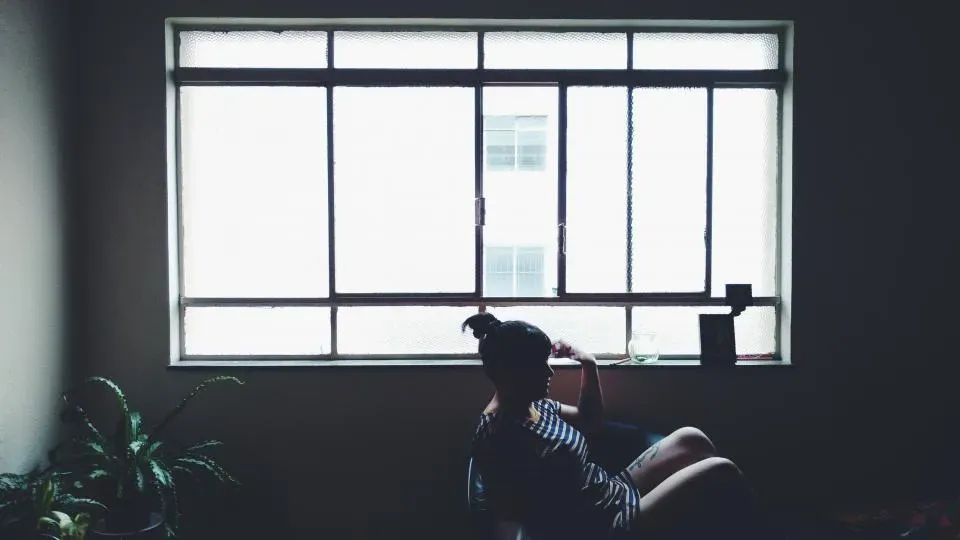
The need for alone time is one of the fundamental characteristics that defines highly sensitive people. This goes beyond introversion, though the two can overlap. Even if you enjoy socializing, you absolutely require solitude to process everything you’ve absorbed throughout the day.
After a full day of work or social interaction, you might feel completely depleted, almost hungover from the sheer volume of emotional and sensory input. This alone time isn’t laziness or avoidance. It’s a biological necessity for your nervous system to reset and restore itself. During these quiet moments, you’re essentially digesting all the emotional and sensory information you’ve taken in.
You’re Deeply Moved by Beauty and Art
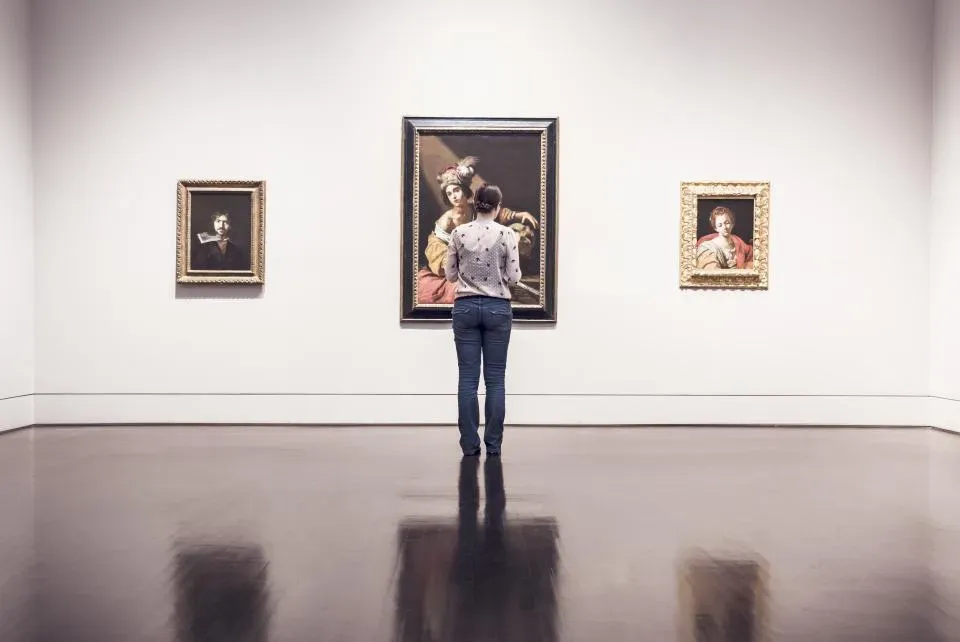
When surrounded by peace and calm, you flourish because you take on those qualities internally, and places of beauty can be transformative, whether it’s a quiet garden, a lovely bedroom, or the halls of a museum. A stunning sunset doesn’t just look pretty to you; it can bring tears to your eyes. A powerful piece of music might leave you emotionally undone for hours.
Having strong emotions means crying for joy, bursting with warmth, or wilting from critique. Your emotional responses to aesthetic experiences run deeper and last longer than what others typically report. This sensitivity to beauty enriches your life in profound ways, though it can also leave you feeling vulnerable and exposed when something truly moves you.
You Process Information on Multiple Levels Simultaneously

You not only take in more information, but you also process it more deeply, which means you often see patterns that others don’t see and are able to connect the dots. Your mind doesn’t just skim the surface of situations. It digs into layers of meaning, context, and implications that others might never consider.
With your brain constantly evaluating the emotional and social cues of others, you’re deeply empathetic and compassionate, including toward people you’ve never met. This depth of processing makes you an exceptional listener and confidant. People naturally sense that you truly understand them on a level that feels rare and valuable.
You Feel Criticism and Conflict Intensely

Wilting from critique is a common experience when you process emotions and feedback more intensely than others. A casual comment that someone else would brush off might replay in your mind for days. Workplace criticism, even when delivered constructively, can feel personally devastating.
You’re often described as tender and warm-hearted, but sometimes you can have a hard time setting boundaries because you care so much about others. Conflict situations drain you more than they do others because you’re not just managing your own emotional response; you’re also absorbing and processing everyone else’s feelings in the room. This can make confrontation feel almost physically painful.
Conclusion

Recognizing yourself in these seven signs doesn’t mean something is wrong with you. Honestly, it means your nervous system operates with a different bandwidth than the majority of people around you. High sensitivity is a valuable, advantageous trait. Yes, it comes with challenges like overstimulation and emotional exhaustion, but it also brings gifts that the world desperately needs.
Your ability to sense what others feel, to notice what everyone else overlooks, and to experience life with such richness and depth isn’t a weakness. It’s a superpower that requires proper care and boundaries to thrive. Understanding your sensitivity allows you to create environments and routines that honor your needs rather than fighting against your nature. The key isn’t changing who you are but learning how to navigate the world in a way that protects your energy while sharing your unique gifts.
So what about you? Do these signs resonate with your daily experience? Understanding your sensitivity might just be the missing piece that helps everything else make sense.