Ever wonder why some people seem to bounce back from setbacks while others stay stuck? It’s not about being superhuman or pretending pain doesn’t exist. Life throws curveballs at everyone, yet somehow certain folks navigate the chaos with something that looks almost like grace. They stumble, they hurt, they feel everything you do. Still, there’s something different about how they move through it all.
The truth is, emotional resilience isn’t some mythical quality reserved for the lucky few. It’s a set of learnable traits and behaviors that separate those who merely survive from those who genuinely thrive. Think of it as your psychological immune system, a kind of inner strength that helps you weather the storms without losing yourself in the process. So let’s dive in and explore whether you’ve got what it takes.
You Don’t Let a Crisis Define Who You Are

You understand there’s a clear separation between who you are at your core and whatever temporary suffering you’re experiencing right now. When something difficult happens, you don’t immediately fold it into your permanent identity. A job loss doesn’t make you a failure. A breakup doesn’t prove you’re unlovable.
You regulate your emotional response to stress and practice acceptance of what you can and cannot change about the situation. This doesn’t mean you’re emotionless or cold. You feel the hurt deeply, maybe even more than others. The difference is you don’t let that single chapter become the entire story of your life.
You Actually Feel Your Emotions Instead of Running Away

Here’s the thing most people get wrong about resilience. It isn’t about being immune to negative emotions; it’s more about how you respond when those emotions show up. You don’t shove feelings down or pretend everything’s fine when it clearly isn’t.
You have a sense of internal safety that allows you to feel all the bad emotions without needing to shut them down or fix them right away. When anxiety hits, you notice it. When sadness washes over you, you let it. This kind of emotional acceptance takes real courage, honestly. Many mistake this for weakness, yet allowing yourself to truly experience pain without being destroyed by it is one of the strongest things you can do.
You Seek Help When You Actually Need It
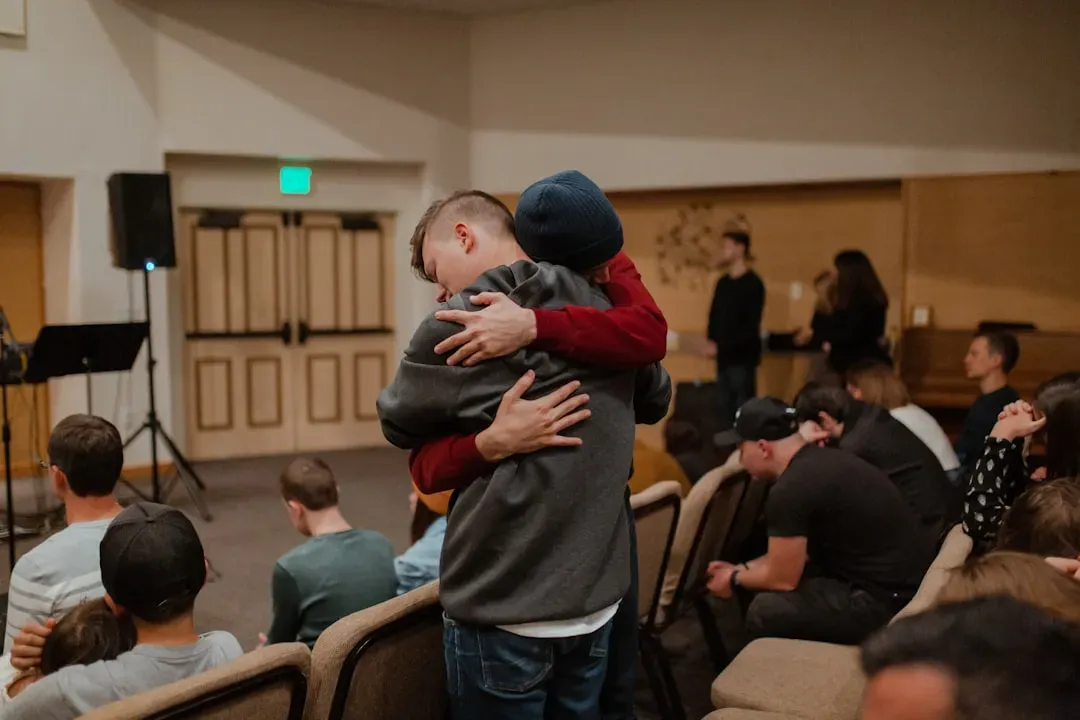
There’s a myth that resilient people are completely self-reliant, but psychology shows the opposite. You’ve figured out that asking for support isn’t admitting defeat. It’s strategic, really.
You tend to seek out and surround yourself with other resilient people when there’s a need for support, viewing them as role models and sources of learning. You’re not offloading all your problems onto others or becoming dependent. Instead, you use connection as a source of perspective and strength. Social support and sense of community consistently show up in research as one of the top resilience factors. You’ve built a network of people you trust, and more importantly, you’re not afraid to reach out when the weight becomes too much to carry alone.
You Know How to Reframe Setbacks Into Something Useful

At the core of resilience is cognitive reappraisal, the ability to look at a difficult situation and consciously shift the way you interpret it. When a project fails, you don’t spiral into self-loathing. You ask yourself what went wrong and what you can learn from it.
You don’t pretend that pain or failure doesn’t hurt; you feel it deeply, but you refuse to let it define you. This mental flexibility transforms obstacles from dead ends into detours. You see patterns where others see chaos. You find lessons where others find only loss. Let’s be real, this isn’t about toxic positivity or forcing yourself to smile through genuine suffering. It’s about refusing to stay trapped in a narrative that keeps you powerless.
You Stay Flexible When Life Refuses to Follow Your Plans

Being willing to change plans and pivot is crucial to being resilient, as those who have experienced adversities know that life often doesn’t go as planned. You’re not rigidly attached to one specific outcome. When circumstances shift, you shift with them.
This adaptability isn’t about being wishy-washy or lacking conviction. It’s about recognizing that clinging to a plan that no longer serves you creates unnecessary suffering. You assess, adjust, and keep moving forward. Resilience is not about stubbornly holding onto a plan at all costs; it’s about flexibility and the willingness to adapt when reality doesn’t match your expectations. Maybe that’s why you rarely feel stuck for long, even when everything seems to be falling apart.
You’re Brutally Honest With Yourself About Reality

You deal with reality for what it is and take stock of facts, research, and feedback from professionals and loved ones. You don’t mentally alter history or convince yourself that things are different than they actually are. This reality-testing ability keeps you grounded when emotions threaten to overwhelm your judgment.
Although you can be overcome by emotions like anyone else, you engage in reality testing, recognizing the difference between your internal feelings and the external world, which allows you to access your rational mind consistently. It’s hard to say for sure, but this trait might be what separates people who recover quickly from those who stay trapped in denial for years. You face the truth head-on, even when it’s uncomfortable or painful.
You’ve Learned to Sit With Pain Instead of Burying It

You understand that stress and pain is a part of the ebb and flow of life, and as hard as it is in the moment, it’s better to come to terms with the truth of the pain than to ignore it, repress it, or deny it. This acceptance doesn’t mean you enjoy suffering or seek it out.
You deal with your past rather than bury events, recognizing and dealing with emotionally distressing experiences while acknowledging that your past may be affecting your current functioning. You know that buried emotions don’t disappear. They just fester beneath the surface, showing up as anxiety, burnout, or unhealthy coping mechanisms. So instead of running, you face what hurts. You process it. You let it teach you something, even when the lesson is brutal.
You Have a Deep Sense of Self-Awareness

Self-awareness helps you get in touch with your psychological and physiological needs, knowing what you need, what you don’t need, and when it’s time to reach out for extra help. You listen to the subtle cues your body and mood are sending. When you’re running on empty, you notice before you completely crash.
You have a deep self-awareness, understanding your emotions, strengths, weaknesses, and triggers, which helps you navigate challenges with clarity and intention. This isn’t about obsessing over every feeling or becoming self-absorbed. It’s about knowing yourself well enough to predict your patterns and intervene before they derail you. You recognize when you’re slipping into old, unhelpful habits. You catch yourself before the spiral gains too much momentum.
Conclusion: The Quiet Strength Within

Resilience isn’t loud or dramatic; it’s quiet, steady, and deeply human, found in the reframing of setbacks, the regulation of emotions, the anchoring in purpose, the leaning on others, the flexibility, the hope, the self-care, and the acceptance of impermanence.
If you recognize these signs in yourself, give yourself more credit than you probably do. You’ve been building something valuable, perhaps without even realizing it. These aren’t superhuman abilities, just human ones practiced with intention and courage. The beautiful thing about emotional resilience is that it’s not fixed. You can develop it, strengthen it, and refine it throughout your entire life.
What traits surprised you most? Did you recognize yourself in any of these signs?