Picture yourself standing next to something so colossal that every building in your street, every tree in your yard, every vehicle on your road, all of them simply don’t come close. That’s the feeling paleontologists get when they piece together the bones of the largest creatures to have ever walked this planet. We’re talking about animals so massive that the word “giant” genuinely feels like an understatement.
Honestly, most people think of Tyrannosaurus rex when dinosaurs come up. Totally understandable. But let’s be real, T. rex was practically a medium-sized dinosaur when you compare it to what you’re about to discover. From the swamps of ancient North Africa to the remote badlands of Argentina, the story of Earth’s biggest dinosaurs is as thrilling as it is mind-blowing. Let’s dive in.
Why Sizing Up Dinosaurs Is Harder Than You Think
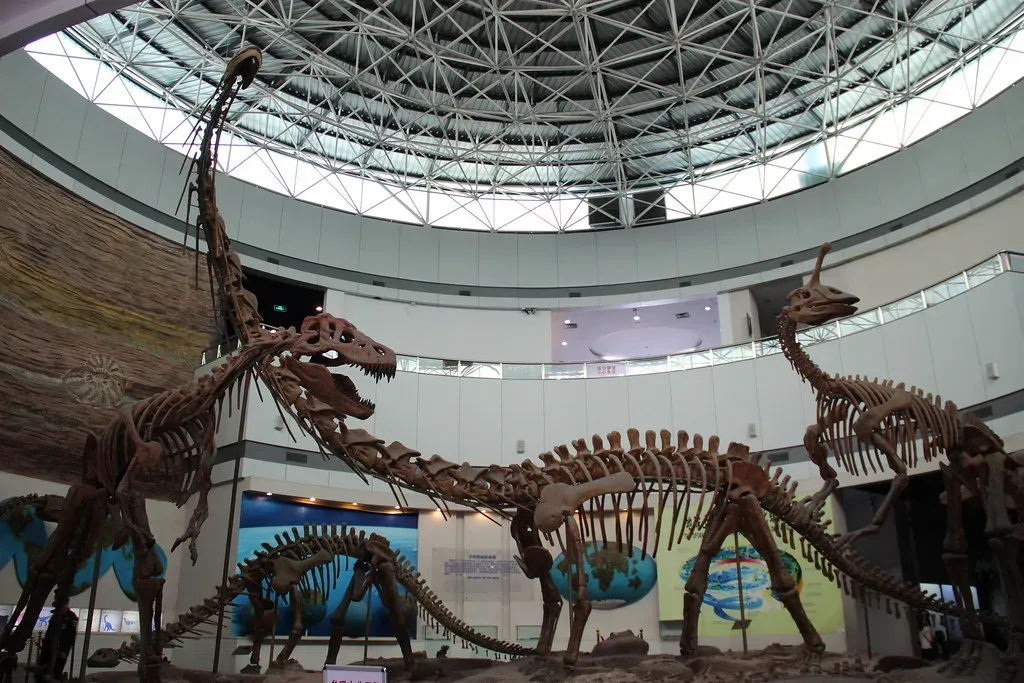
You might assume that figuring out how big a dinosaur was is as simple as measuring some bones. Not even close. Scientists will probably never be certain of the largest and smallest dinosaurs, because only a small fraction of animals ever fossilize, and most of these remains will likely never be uncovered. Of the specimens that are recovered, few are even relatively complete skeletons, and impressions of skin and other soft tissues are rarely discovered.
Think of it like trying to reconstruct the size of a whale using only a single rib found on a beach. Rebuilding a complete skeleton by comparing the size and morphology of bones to those of similar, better-known species is an inexact art, and mass estimates for dinosaurs are much more variable than length estimates given the lack of soft tissue preservation in the fossilization process. This means the numbers you read in textbooks are educated guesses, not gospel truth.
Most dinosaur species are known from only one or a handful of specimens, so it’s extraordinarily unlikely that their size ranges will include the largest individuals that ever existed. The question remains: how big were the largest individuals, and are we likely to find them? That uncertainty, I think, is precisely what makes this field so endlessly fascinating.
The Titanosaurs: Earth’s True Giants
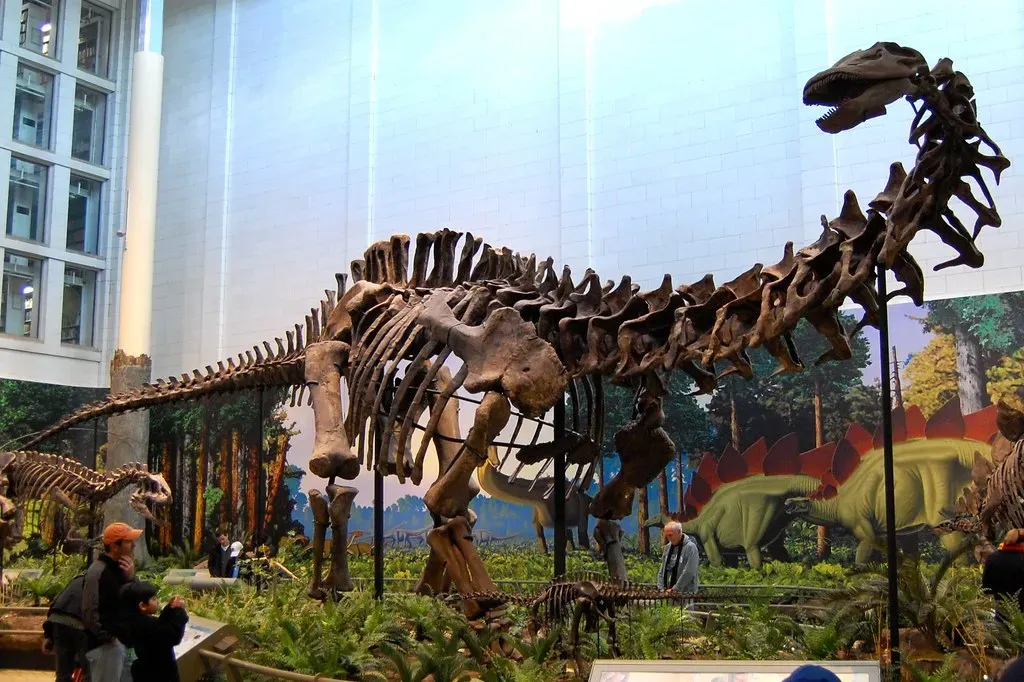
The biggest dinosaurs in the world were titanosaurs. In fact, these prehistoric reptiles are the largest land-dwelling animals that have ever existed. Let that sink in for a moment. Not the biggest dinosaurs. The biggest land animals. Ever. Full stop.
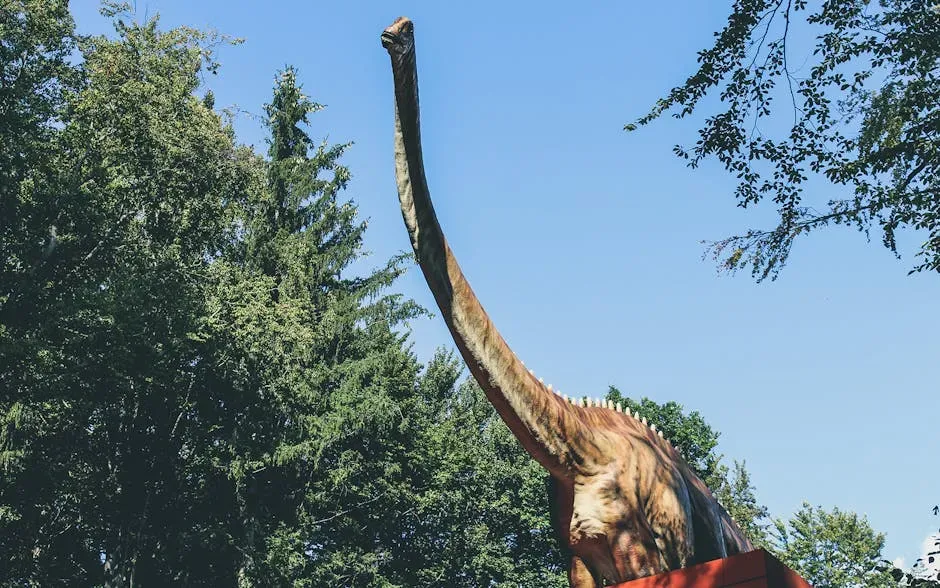
The largest dinosaurs of the era were the sauropods, a collection of four-legged herbivorous species that possessed long necks and tails. A sauropod subgroup called the Titanosauria contained the largest sauropods. Titanosaurs lived at the end of Earth’s Cretaceous Period, and titanosaur fossils have been found on every continent. These were not creatures of one region or one era. They were a global, dominant force.
The sauropods were the longest and heaviest dinosaurs. For much of the dinosaur era, the smallest sauropods were larger than almost anything else in their habitat, and the largest were an order of magnitude more massive than anything else known to have walked the Earth since. Giant prehistoric mammals such as Paraceratherium and Palaeoloxodon were dwarfed by the giant sauropods, and only modern whales approach or surpass them in weight, though they live in the oceans.
Argentinosaurus: The Reigning Heavyweight Champion
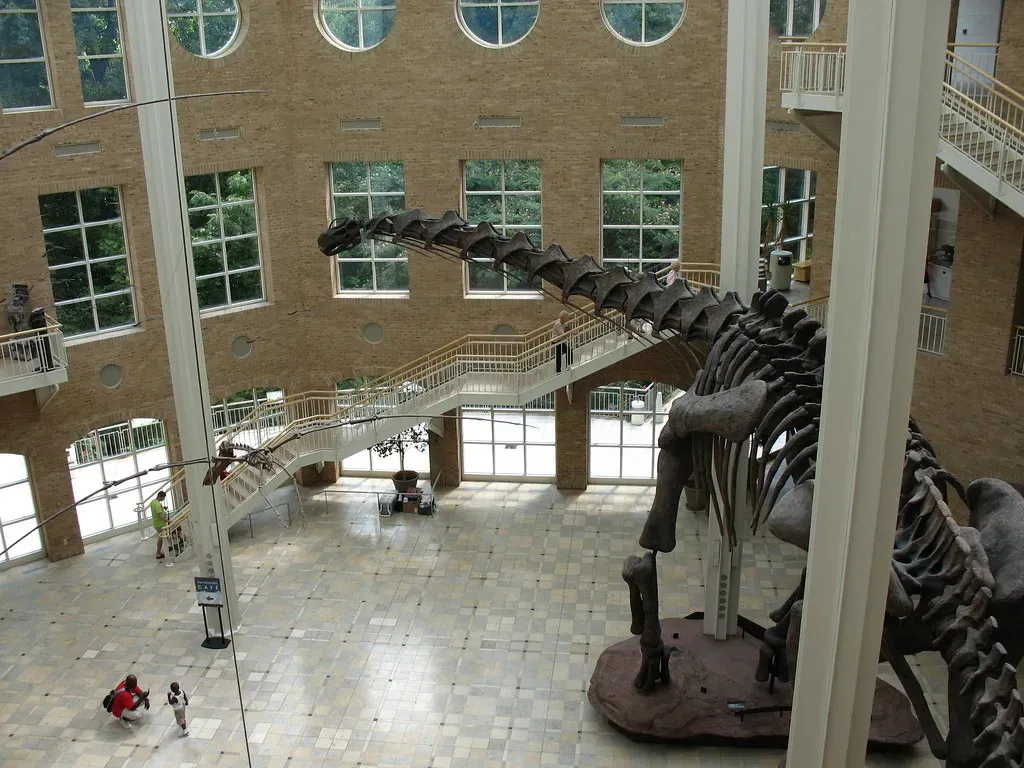
Argentinosaurus, meaning “lizard from Argentina,” is a genus of giant sauropod dinosaur that lived during the Late Cretaceous period in what is now Argentina. Although it is only known from fragmentary remains, Argentinosaurus is one of the largest known land animals of all time, perhaps the largest, measuring roughly 30 to 35 meters long and weighing between 65 and 80 metric tons. It was a member of Titanosauria, the dominant group of sauropods during the Cretaceous.
What makes the Argentinosaurus story especially wild is how it was first found. The first Argentinosaurus bone was discovered in 1987 by a farmer on his farm near the city of Plaza Huincul. A scientific excavation of the site led by Argentine palaeontologist José Bonaparte was conducted in 1989, yielding several back vertebrae and parts of a sacrum. Argentinosaurus lived around 90 million years ago during the Late Cretaceous, and estimates suggest this dinosaur would have been shorter from nose to tail than Patagotitan, but heavier, weighing about the same as twelve elephants. Twelve elephants. Just let that image sit with you.
Patagotitan Mayorum: The Most Complete Colossus
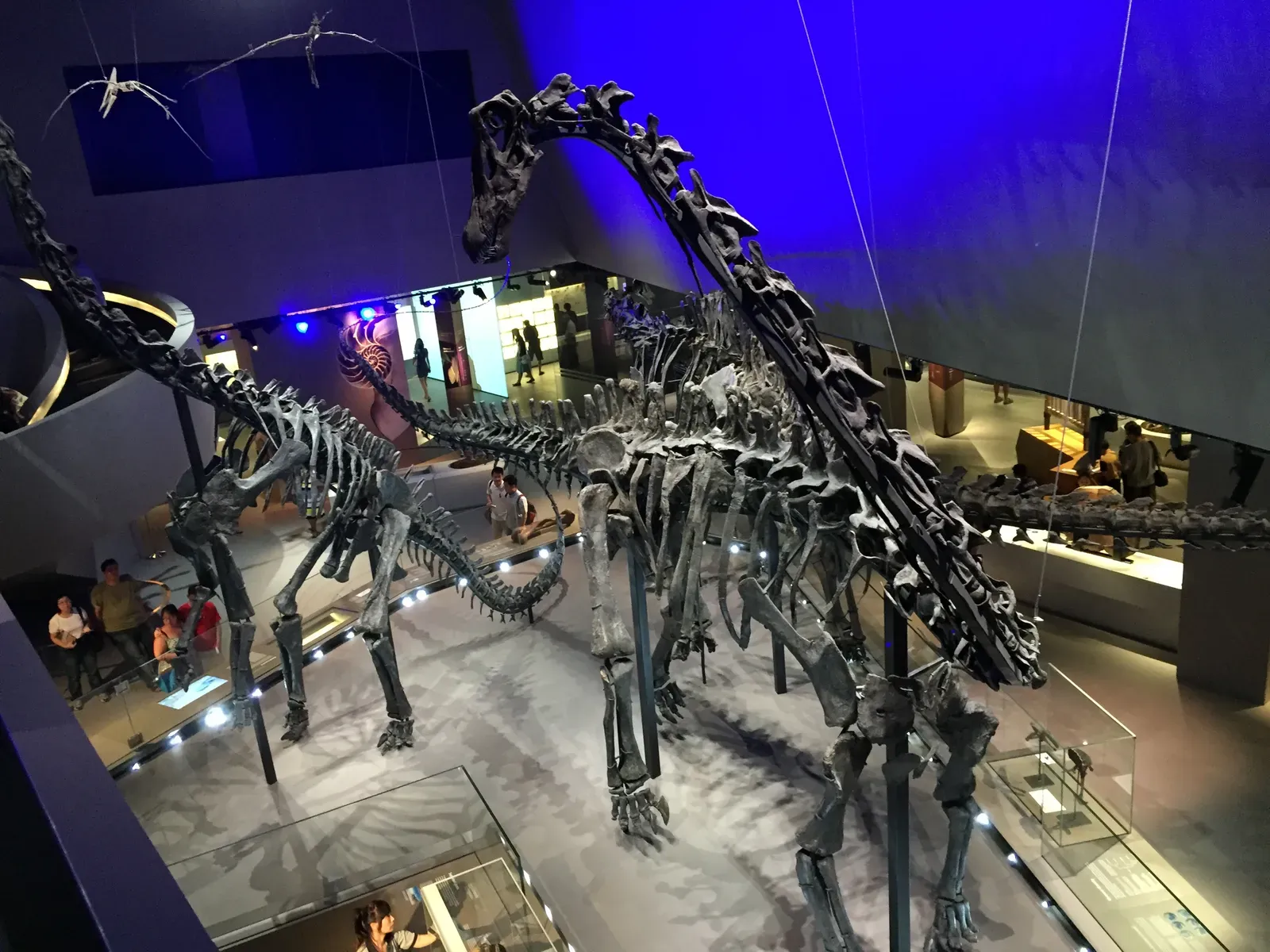
Here’s the thing about Patagotitan. While Argentinosaurus may win on weight estimates, Patagotitan wins on something equally important: actual evidence. Clocking up some 57 tonnes in weight and measuring 37 meters from nose to tail, Patagotitan is the largest, most complete dinosaur currently known. Patagotitan was a member of the titanosaur family, in turn part of the wider sauropod group known for their immensely long necks and thick, squat limbs.
It took three painstaking digs over five years to excavate the remains, and it didn’t take long for the palaeontologists to realise that they were uncovering a new species. The sheer abundance of bones, more than 200 of them, gave more insight than ever before about a titanosaur, enabling the scientists to create its replica skeleton and issue its vital statistics with a substantial degree of accuracy. In fact, Patagotitan would have been more than nine times heavier than an African elephant, which is the largest land animal alive today. Nine times. That’s not a size difference. That’s a different category of existence entirely.
Dreadnoughtus: The Giant We Can Actually Measure
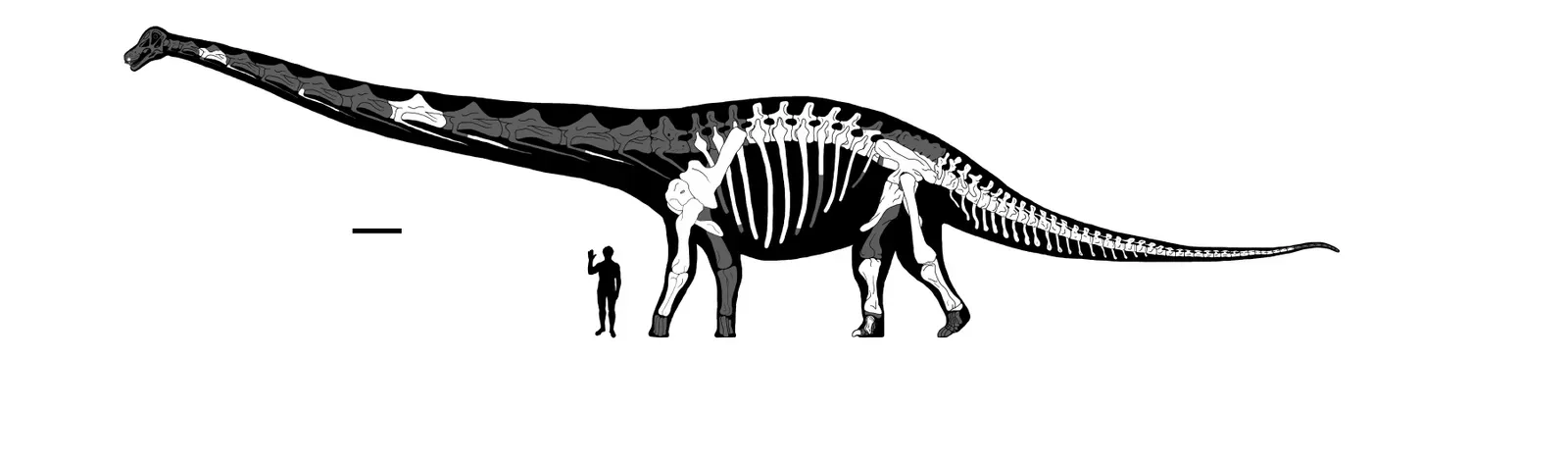
If you want scientific precision, Dreadnoughtus is your dinosaur. Dreadnoughtus, with a roughly seventy-percent-complete skeleton, is considered the largest accurately measured land animal, weighing approximately 65 tons and measuring 85 feet long. That level of completeness is extraordinarily rare in the world of giant sauropods, where most specimens are represented by just a handful of fragments.
Dreadnoughtus is known from rock deposits of southern Patagonia, Argentina, that date to about 77 million years ago. There is only one known species, D. schrani. What I find genuinely astonishing is what was revealed when scientists studied the bones more closely. Skeletal evidence shows that when this 65-ton specimen died, it was not yet full grown. So the individual they found, already one of the heaviest animals in recorded history, was still a growing juvenile. It’s hard to say for sure just how large the largest adults got.
Spinosaurus: The Biggest Killer to Ever Roam the Earth
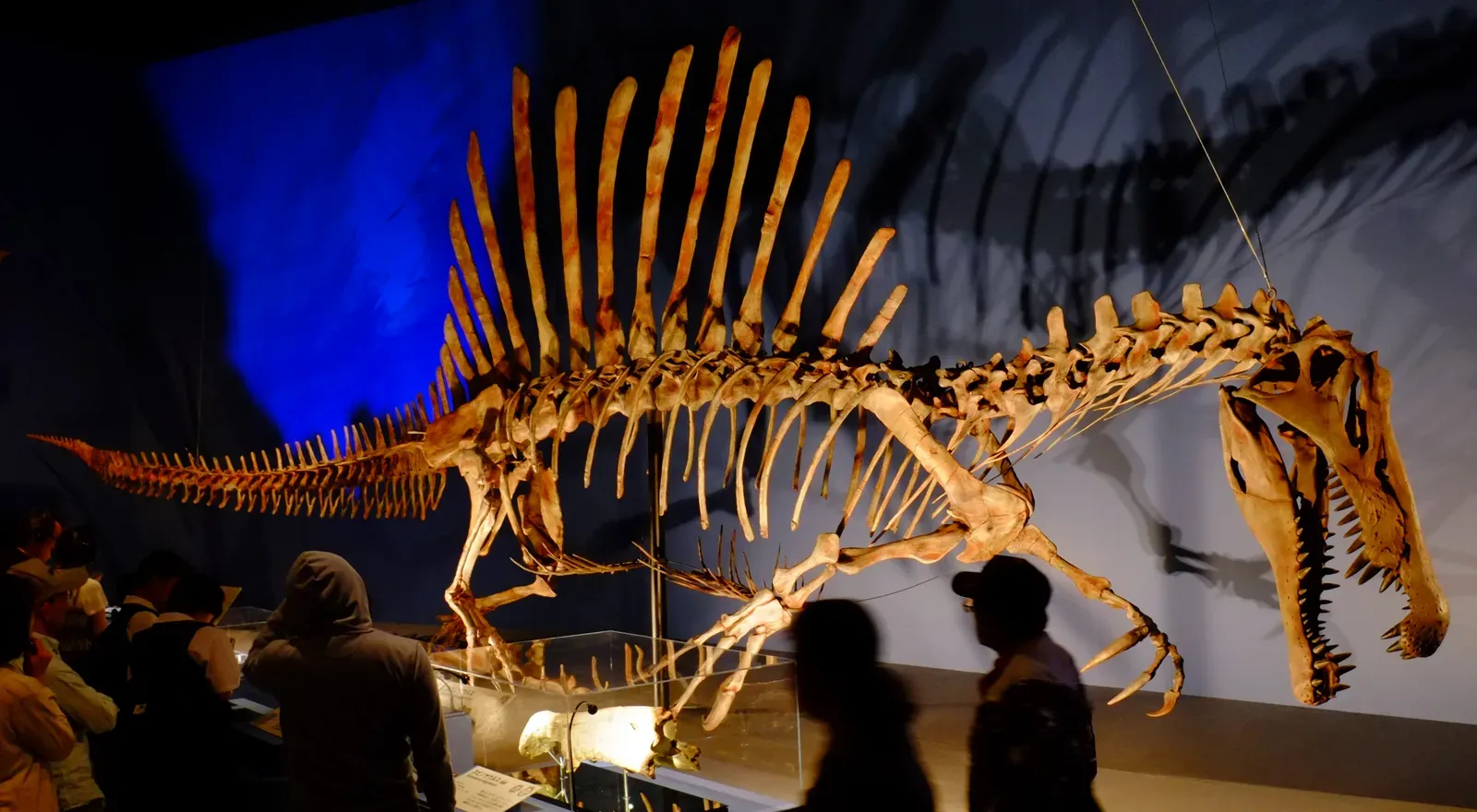
Everything discussed so far has been about plant eaters. But what about the carnivores? The predators? Spinosaurus, which was longer and heavier than Tyrannosaurus, is likely the largest known carnivorous dinosaur. It possessed a skull 1.75 metres long and a body length of 14 to 18 metres. For context, imagine a creature with a skull the size of a small car, paired with a body stretching the length of a school bus plus half another one.
Spinosaurus was an enormous theropod dinosaur that lived around 95 to 70 million years ago in the Late Cretaceous. It’s the longest carnivorous dinosaur currently known, around three times the length of an African elephant and more than 20 percent heavier. Spinosaurus is well-known for having a large hump or sail along its back. There are several theories on what this was for, including mating displays, body temperature regulation, or even intimidation of other animals. Spinosaurus may have been an outlier when it comes to dinosaurs, possibly having lived a semi-aquatic life, hunting for fish while fully submerged in water, though this idea is contested by some scientists.
The Mystery Giants: Dinosaurs We May Never Fully Know
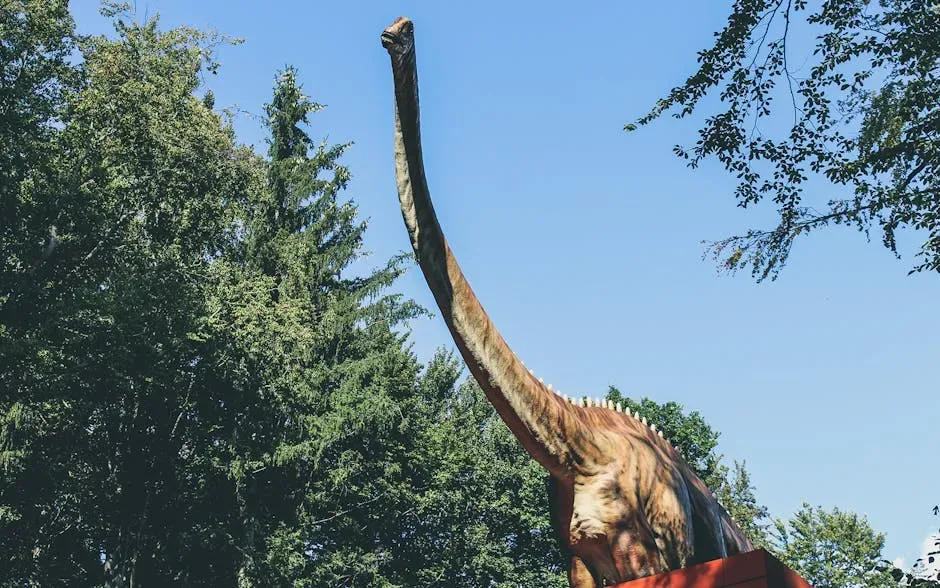
Some of the most tantalizing stories in paleontology belong to dinosaurs that are little more than legends. Bruhathkayosaurus had a calculated weight ranging between 126 and 220 metric tons and a length of 44.1 meters. Although the existence of this sauropod had long been dismissed as a potential fake or a misidentification of a petrified tree trunk, recent photographic evidence emerged confirming its existence. More recent and reliable estimates in 2023 rescaled Bruhathkayosaurus to weigh around 110 to 130 metric tons, with its most liberal estimate being 240 metric tons, making it incredibly massive for such an animal.
Then there’s the curious case of Maraapunisaurus. The Maraapunisaurus may be one of the world’s largest dinosaurs, but humans have even less evidence of this creature than usual. In fact, only one fossil from the Maraapunisaurus fragillimus has ever been discovered. Unfortunately, that fossil was lost. The fossil has since been lost to time, turning the dinosaur into a legend of the paleontological world. Despite the disappearance of the physical evidence, the recorded dimensions have fueled ongoing debates about the true size of Maraapunisaurus. It’s the dinosaur equivalent of a ghost. Enormous, documented once, and then gone forever.
The Future of Giant Dinosaur Discovery
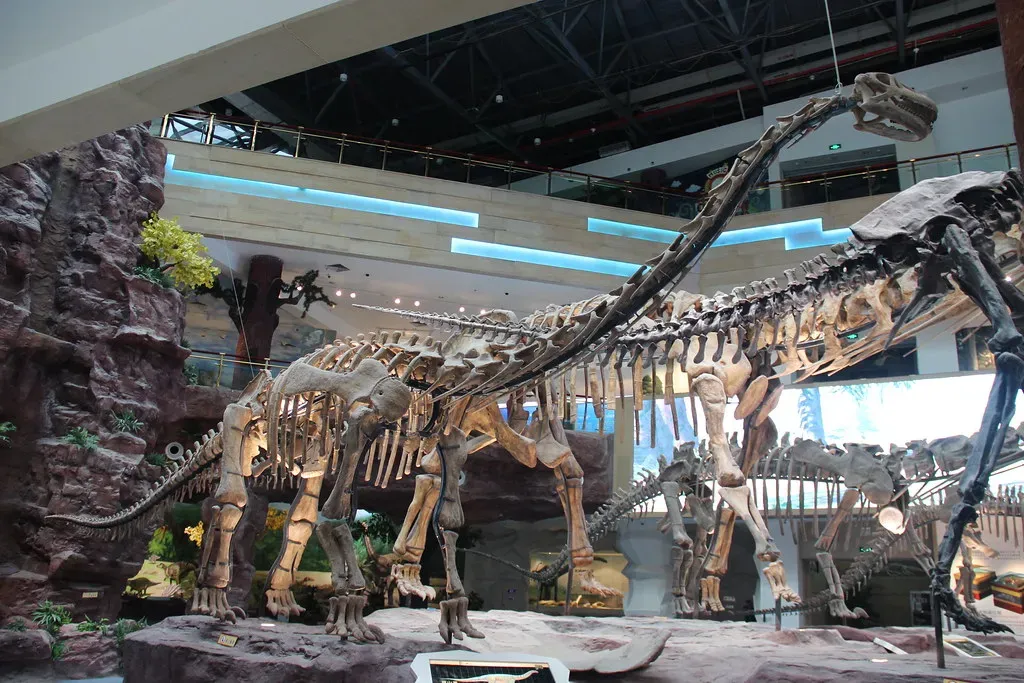
You might think that by 2026, we’ve probably found the biggest ones already. Not necessarily. We are currently experiencing something of a golden age of dinosaur discovery. An average of 50 new species are being added to the tally each year, with a current running total of about 700 and counting. That’s not a trickle. That’s a flood of prehistoric revelation happening in real time.
Patterns of discovery of giants of modern species tell us there must have been larger dinosaurs out there that have not yet been found. Some isolated bones and pieces certainly hint at still larger specimens than we currently have skeletons for. By simulating a whole population of T. rex, factoring in lifespan, growth, and rarity, scientists concluded that the biggest of the big may simply never be found. That applies to all species. The true maximum size of Earth’s most colossal animals may be permanently beyond our reach, buried under millions of years of rock, waiting in a cliff face somewhere in Patagonia that no human has ever visited.
Conclusion: The Humbling Scale of Prehistoric Life
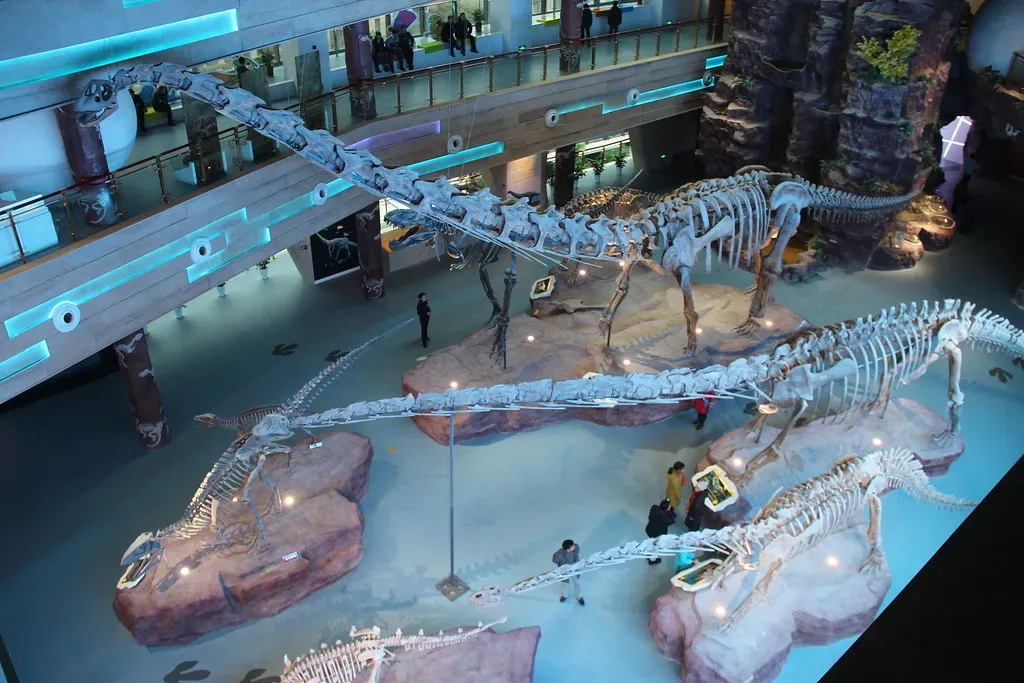
What’s remarkable about all of this isn’t just the raw numbers, the tons and the meters and the jaw-dropping comparisons to elephants and blue whales. It’s the realization that life on this planet once operated at a scale that defies modern imagination. Dinosaurs showed some of the most extreme variations in size of any land animal group, ranging from tiny hummingbirds, which can weigh as little as two grams, to the extinct titanosaurs, which could weigh as much as 50 to 130 metric tons.
The science keeps evolving, the bones keep surfacing, and the estimates keep shifting. Paleontologists continue to unearth new fossils, so the world’s largest dinosaurs may not have been discovered yet. When scientists do find a fossil specimen, it’s often incomplete, so size estimates may not be entirely accurate. As archaeologists unearth new specimens and develop better models for approximating size, these estimates can change. Every expedition into a remote stretch of badlands holds the potential to rewrite what you think you know about the largest animals that ever walked the Earth.
So the next time you walk past the skeleton of a dinosaur in a museum, stop. Take a long look. That thing was real. It breathed, it ate, it grew. And somewhere out there, one even bigger may still be waiting to be found. What would you have guessed before reading this?